
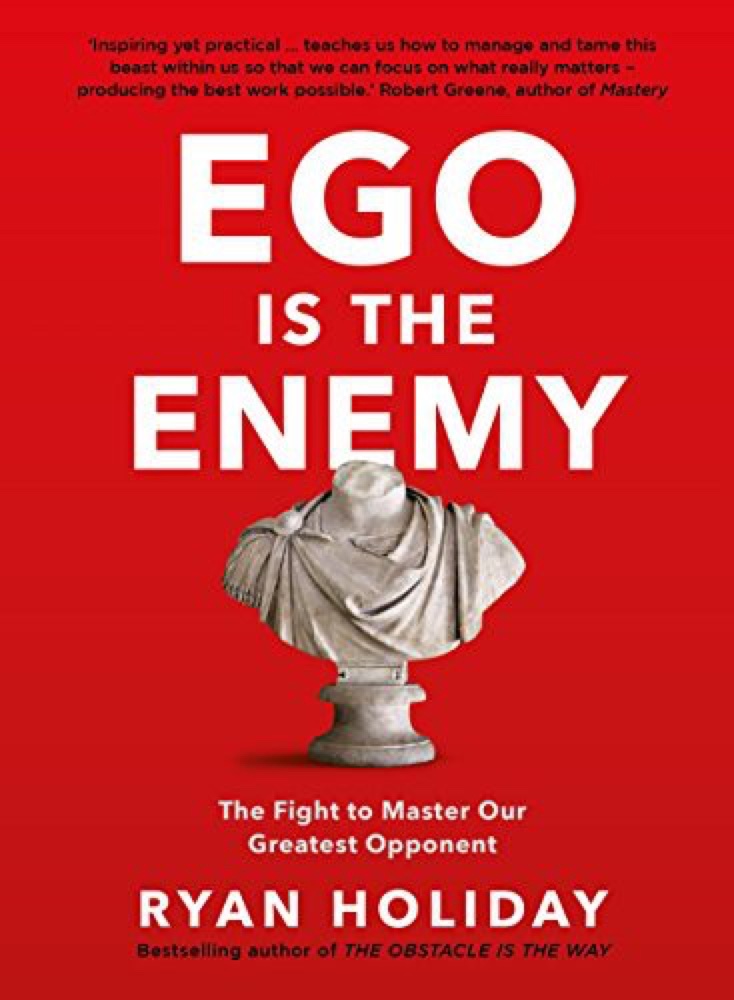
 Ego Is the Enemy
Quotes from the Book
Choose not to be harmed—and you won’t feel harmed. Don’t feel harmed—and you haven’t been.
226
The obstacle in the path becomes the path. Never forget, within every obstacle is an opportunity to improve our condition.
131
We forget: In life, it doesn’t matter what happens to you or where you came from. It matters what you do with what happens and what you’ve been given.
124
Focus on the moment, not the monsters that may or may not be up ahead.
91
If an emotion can't change the condition or the situation you're dealing with, it is likely an unhelpful emotion. Or, quite possibly, a destructive one. But it's what I feel. Right, no one said anything about not feeling it. No one said you can't ever cry. Forget "manliness." If you need to take a moment, by all means, go ahead. Real strength lies in the control or, as Nassim Taleb put it, the domestication of one's emotions, not in pretending they don't exist.
90
Where the head goes, the body follows. Perception precedes action. Right action follows the right perspective.
83
Wherever we are, whatever we’re doing and herever we are going, we owe it to ourselves, to our art, to the world to do it well.
71
The only guarantee, ever, is that things will go wrong. The only thing we can use to mitigate this is anticipation. Because the only variable we control completely is ourselves.
53
For all species other than us humans, things just are what they are. Our problem is that we’re always trying to figure out what things mean—why things are the way they are. As though the why matters. Emerson put it best: “We cannot spend the day in explanation.” Don’t waste time on false constructs.
53
We’ve all done it. Said: “I am so [overwhelmed, tired, stressed, busy, blocked, outmatched].” And then what do we do about it? Go out and party. Or treat ourselves. Or sleep in. Or wait. It feels better to ignore or pretend. But you know deep down that that isn’t going to truly make it any better. You’ve got to act. And you’ve got to start now.
47
In life our first job is this, to divide and distinguish things into two categories: externals I cannot control, but the choices I make with regard to them I do control. Where will I find good and bad? In me, in my choices. —EPICTETUS
46
In every situation, life is asking us a question, and our actions are the answer.
42
Failure shows us the way—by showing us what isn’t the way.
42
It’s okay to be discouraged. It’s not okay to quit. To know you want to quit but to plant your feet and keep inching closer until you take the impenetrable fortress you’ve decided to lay siege to in your own life—that’s persistence.
42
Andrew Carnegie famously put it. There’s nothing shameful about sweeping. It’s just another opportunity to excel—and to learn. But you, you’re so busy thinking about the future, you don’t take any pride in the tasks you’re given right now. You just phone it all in, cash your paycheck, and dream of some higher station in life. Or you think, This is just a job, it isn’t who I am, it doesn’t matter. Foolishness. Everything we do matters—whether it’s making smoothies while you save up money or studying for the bar—even after you already achieved the success you sought.
42
Remember that this moment is not your life, it’s just a moment in your life. Focus on what is in front of you, right now. Ignore what it “represents” or it “means” or “why it happened to you.
39
You know what’s better than building things up in your imagination? Building things up in real life.
36
Stop looking for an epiphany, and start looking for weak points. Stop looking for angels, and start looking for angles.
33
To argue, to complain, or worse, to just give up, these are choices. Choices that more often than not, do nothing to get us across the finish line.
32
Each time, you’ll learn something. Each time, you’ll develop strength, wisdom, and perspective. Each time, a little more of the competition falls away. Until all that is left is you: the best version of you.
32
What such a man needs is not courage but nerve control, cool headedness. This he can get only by practice. —THEODORE ROOSEVELT
29
Blessings and burdens are not mutually exclusive.
25
To prevent becoming overwhelmed by the world around us, we must, as the ancients practiced, learn how to limit our passions and their control over our lives. It takes skill and discipline to bat away the pests of bad perceptions, to separate reliable signals from deceptive ones, to filter out prejudice, expectation, and fear. But it’s worth it, for what’s left is truth. While others are excited or afraid, we will remain calm and imperturbable. We will see things simply and straightforwardly, as they truly are—neither good nor bad.
22
Epictetus told his students, when they’d quote some great thinker, to picture themselves observing the person having sex. It’s funny, you should try it the next time someone intimidates you or makes you feel insecure. See them in your mind, grunting, groaning, and awkward in their private life—just like the rest of us.
22
Failure really can be an asset if what you’re trying to do is improve, learn, or do something new.
19
Certain things in life will cut you open like a knife. When that happens—at that exposing moment—the world gets a glimpse of what’s truly inside you. So what will be revealed when you’re sliced open by tension and pressure? Iron? Or air? Or bullshit?
19
All great victories, be they in politics, business, art, or seduction, involved resolving vexing problems with a potent cocktail of creativity, focus, and daring. When you have a goal, obstacles are actually teaching you how to get where you want to go—carving you a path. “The Things which hurt,” Benjamin Franklin wrote, “instruct.
19
Would you have a great empire? Rule over yourself. —PUBLIUS SYRUS
18
Man does not simply exist but always decides what his existence will be, what he will become the next moment. By the same token, every human being has the freedom to change at any instant. —VIKTOR FRANKL
17
Persist and resist". Persist in your efforts. Resist giving into distraction, discouragement, and disorder. - Epictetus
16
Did you know?
- The book's title comes from a passage in Marcus Aurelius's Meditations: "The impediment to action advances action. What stands in the way becomes the way."
- It was Ryan Holiday's third book, following Trust Me, I'm Lying and Growth Hacker Marketing.
- The book is structured around three Stoic disciplines: perception, action, and will.
- It uses historical figures such as John D. Rockefeller, Ulysses S. Grant, Amelia Earhart, and Steve Jobs as case studies.
- The book is credited with helping spark a renewed mainstream interest in Stoicism.
- It gained a strong following among professional athletes and coaches.
About Ryan Holiday
Ryan Holiday is an American author and media strategist who dropped out of college to apprentice under Robert Greene and later served as director of marketing for American Apparel. He is the author of bestselling books including Trust Me, I'm Lying, Ego Is the Enemy, and The Daily Stoic, and is widely known for popularizing Stoic philosophy.
More about the author →
About the book
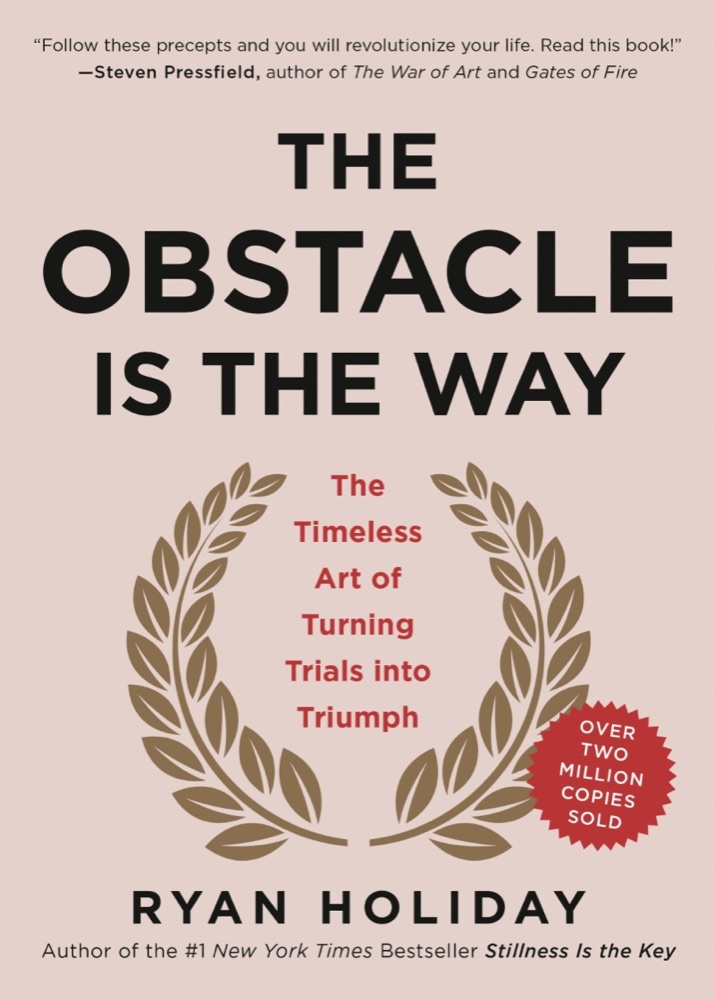
"The Obstacle Is the Way" is Ryan Holiday's popular distillation of Stoic philosophy into a practical guide for facing adversity. Taking its title from a line in Marcus Aurelius's Meditations—"The impediment to action advances action. What stands in the way becomes the way"—the book argues that the very difficulties we encounter can be turned into advantages. Holiday organizes his argument around three disciplines: perception, action, and will.
Across its chapters the book illustrates these principles with historical anecdotes, drawing on figures such as John D. Rockefeller, Ulysses S. Grant, Amelia Earhart, and Steve Jobs to show how successful people reframed and worked through seemingly impossible situations. Its central themes are resilience, control over one's reactions rather than circumstances, persistent action in the face of difficulty, and the cultivation of inner strength—classic Stoic ideas presented for a modern audience.
The book became a notable commercial and cultural success, was translated into many languages, and helped spark renewed mainstream interest in Stoicism. It found a particularly devoted following among athletes and coaches; the New England Patriots reportedly embraced it, and it has been cited by figures across sports and business. It also established Holiday as a leading popularizer of Stoic thought, paving the way for his later books such as Ego Is the Enemy and The Daily Stoic.
Book details
- First published
- 2014
- Length
- 224 pages
- Reading time
- 4 hours
- Author
- Ryan Holiday
- Genre
- Philosophy
- Goodreads rating
- 4.15 (103k ratings)
Critical reception
- The book has sold well and been translated into many languages, becoming one of Holiday's signature works.
- It is frequently cited as a key text in the modern popular revival of Stoicism.
- It became popular among athletes, coaches, and figures in business and sports.
Keep reading
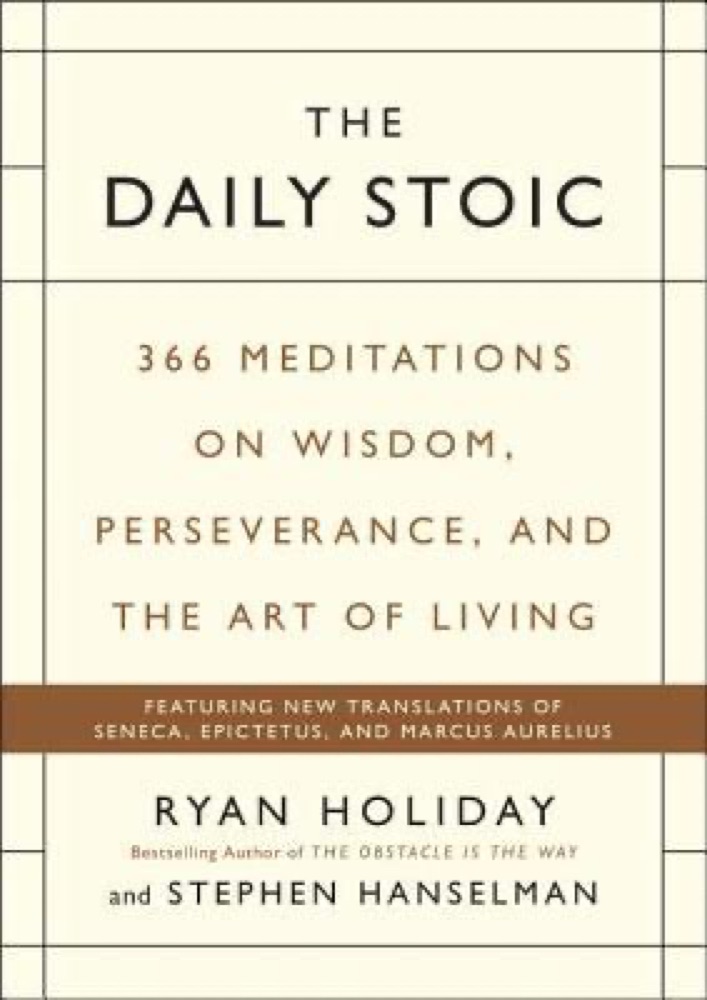 The Daily Stoic: 366 Meditations on Wisdom, Perseverance, and the Art of Living
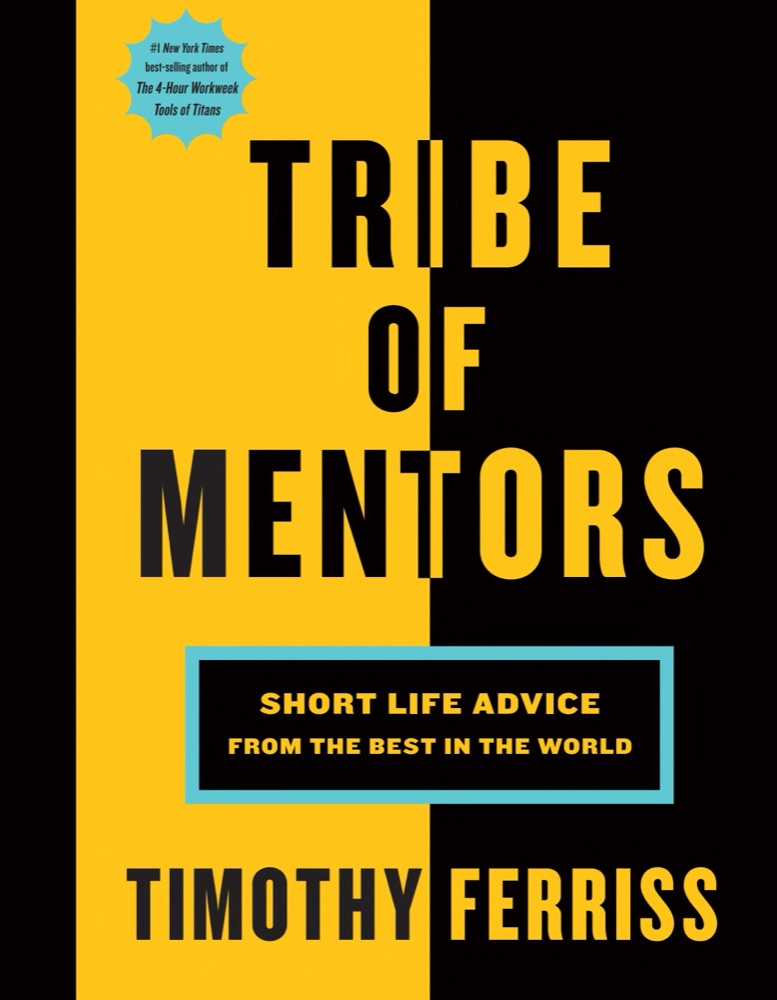 Tribe Of Mentors: Transformative Wisdom From Icons and Innovators to Help You Navigate Life's Challenges
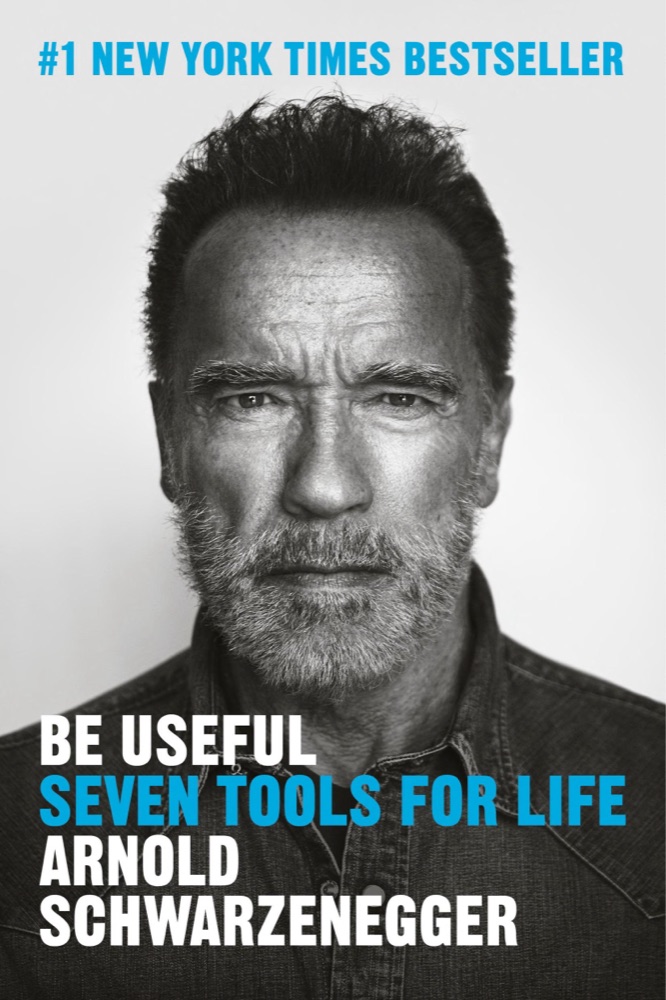 Be Useful: Seven Tools for Life
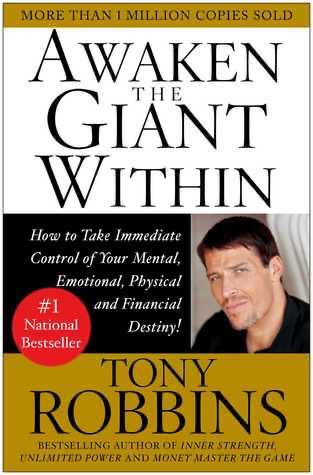 Awaken The Giant Within
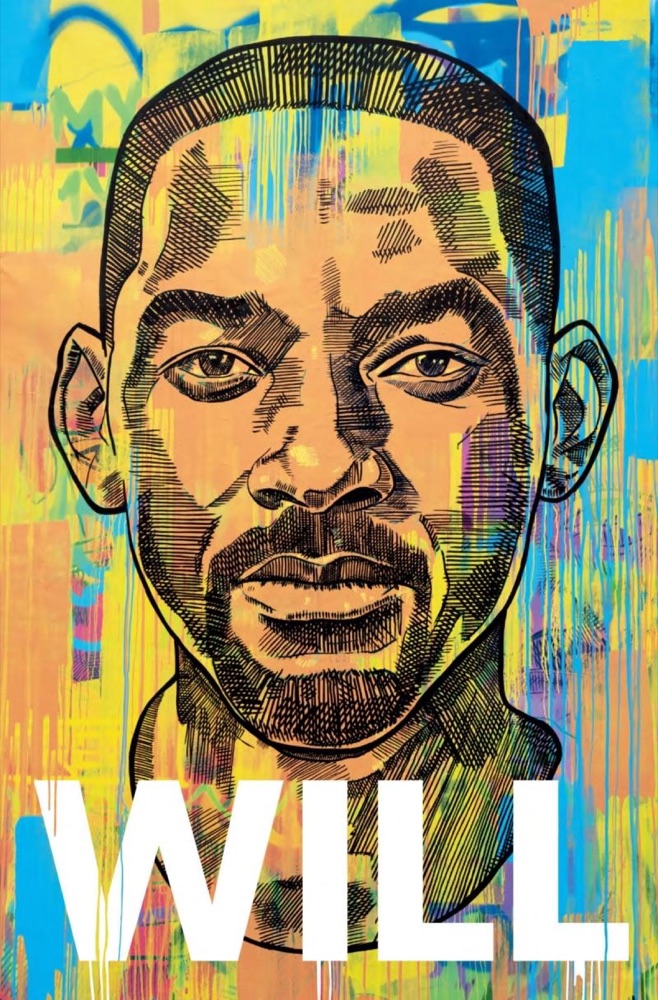 Will
Will
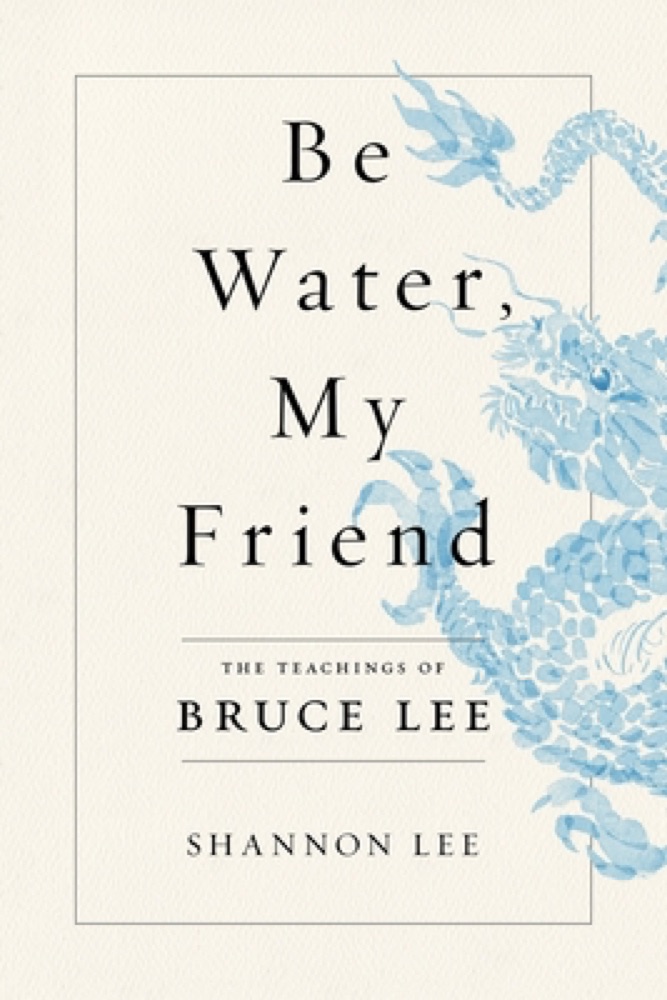 Be Water, My Friend: The Teachings of Bruce Lee
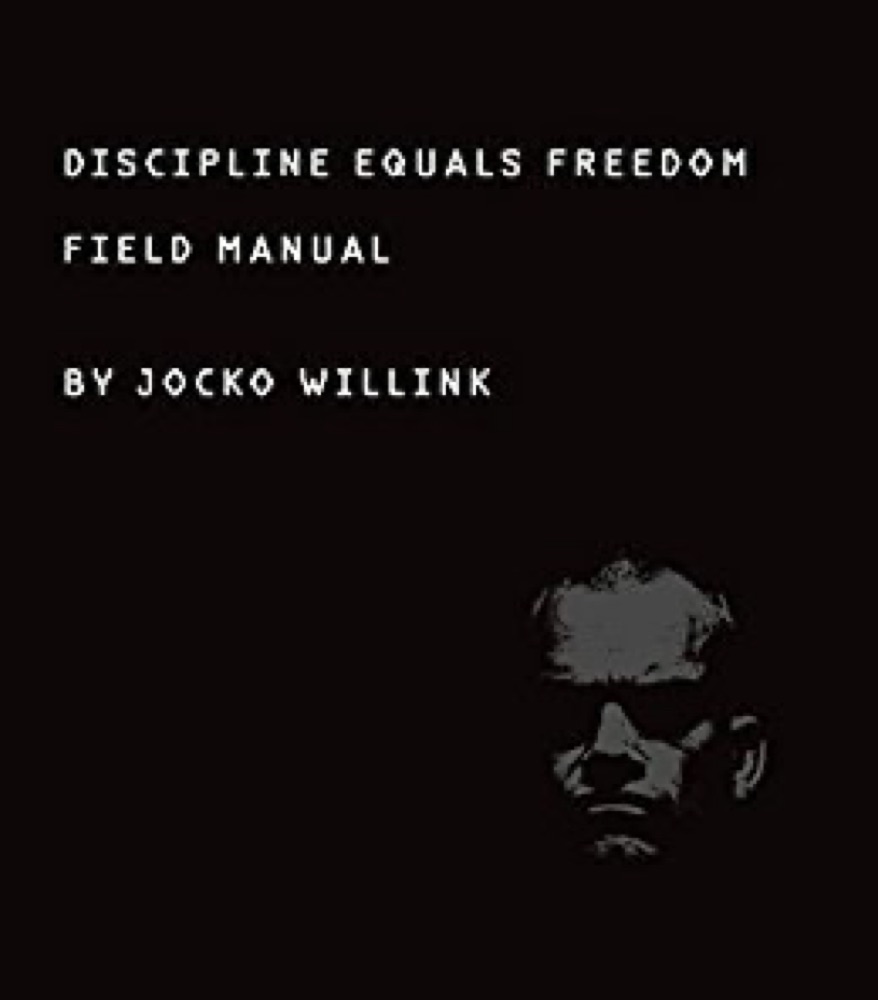 Discipline Equals Freedom: Field Manual
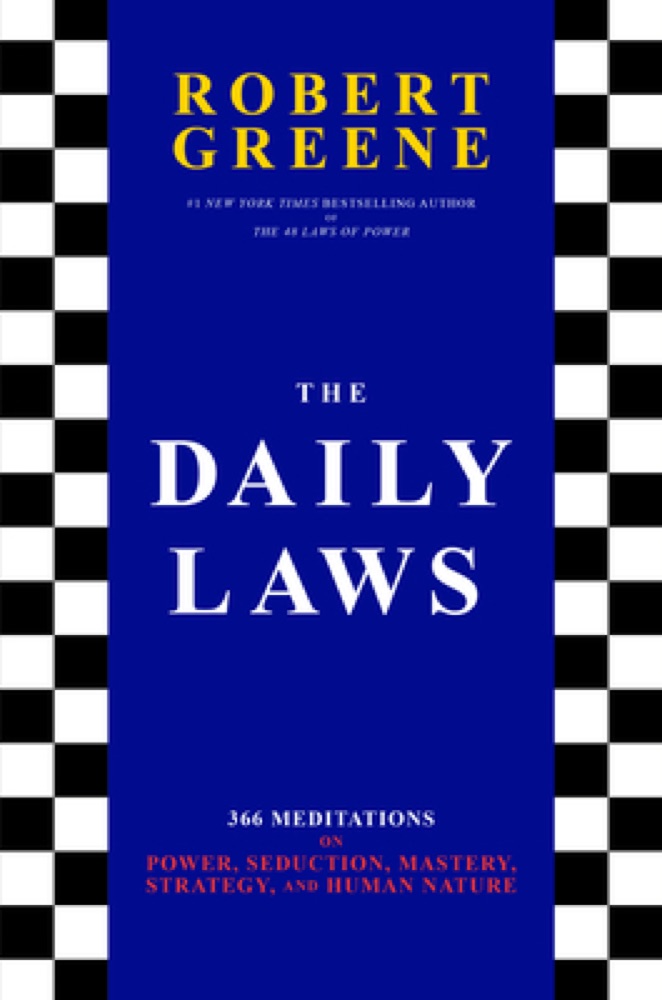 The Daily Laws: 366 Meditations
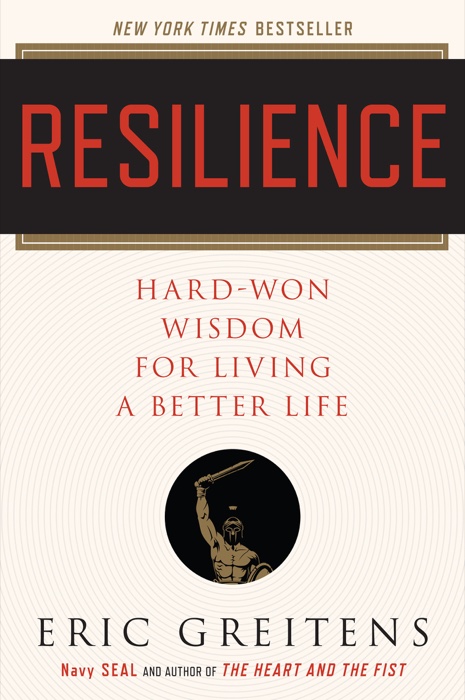 Resilience: Hard-Won Wisdom for Living a Better Life
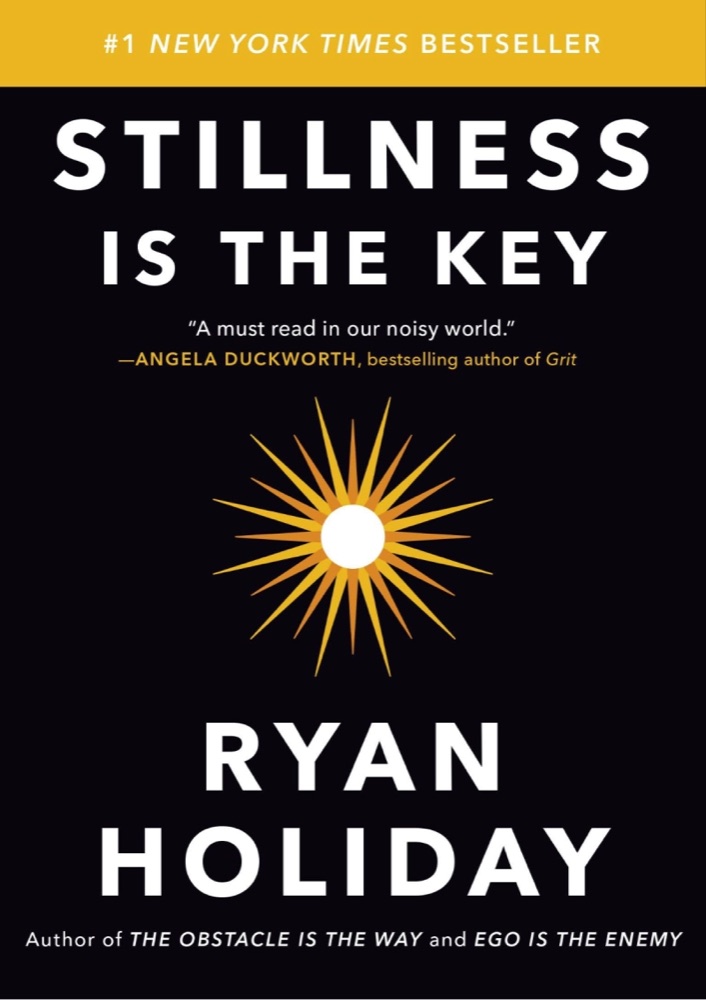 Stillness Is the Key
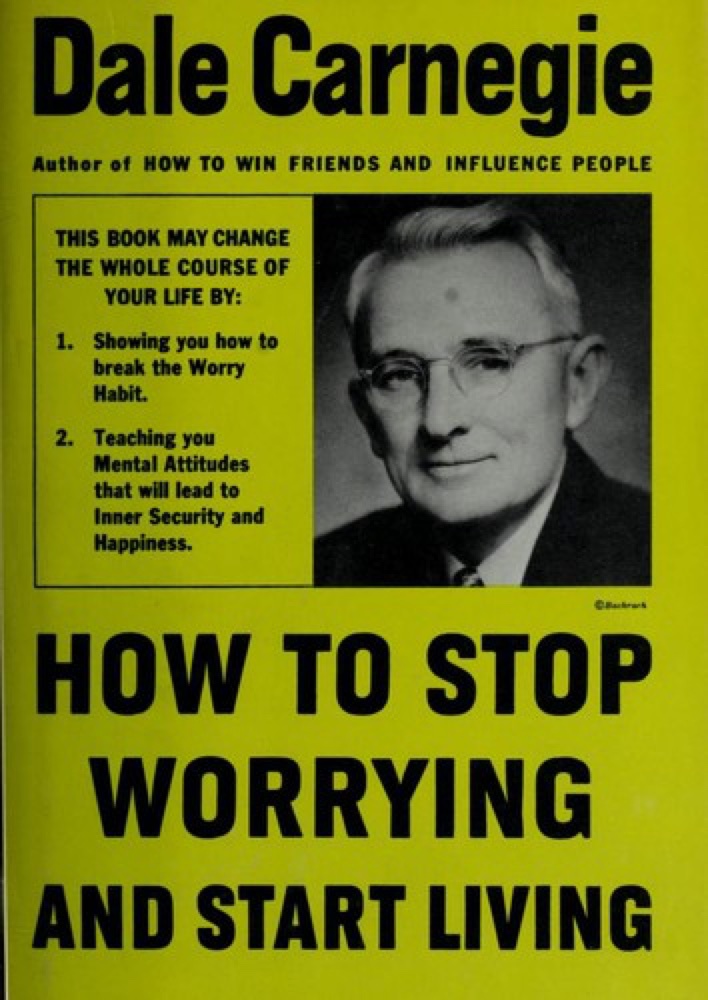 How to Stop Worrying and Start Living
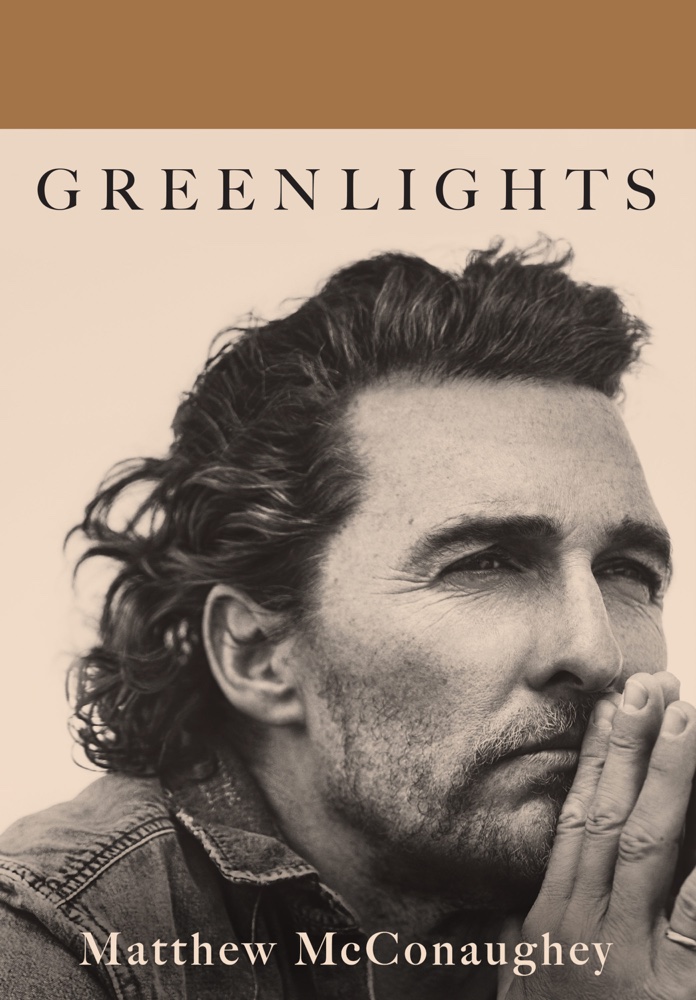 Greenlights
 365 Tao: A Study of Taoist Wisdom for Daily Life
 Be Your Future Self Now: The Science of Intentional Transformation
 Think and Grow Rich
 The 7 Habits of Highly Effective People: Personal Workbook
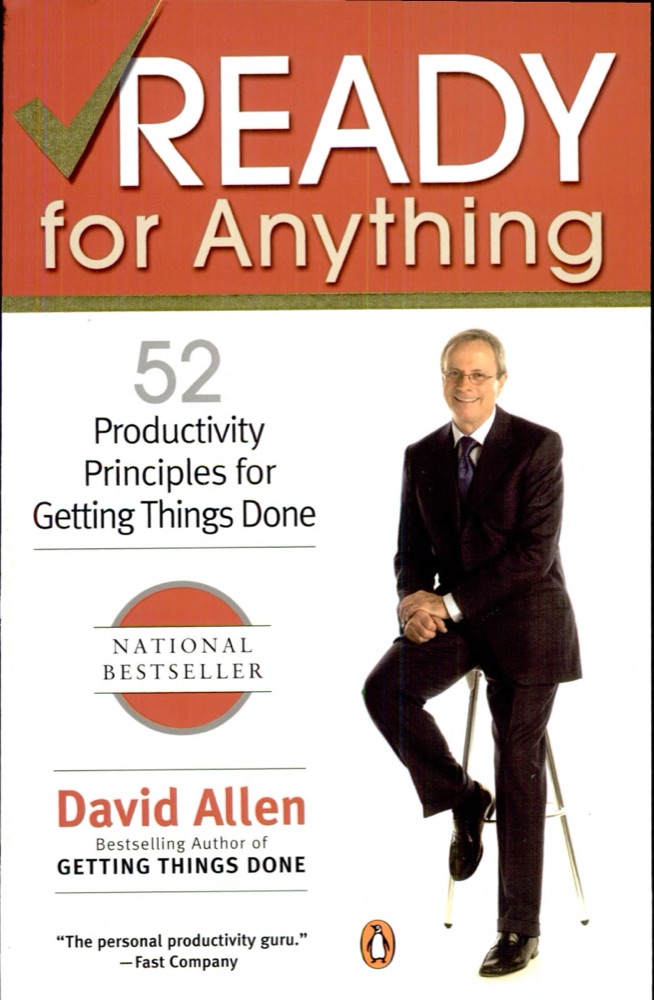 Ready for Anything: 52 Productivity Principles for Getting Things Done
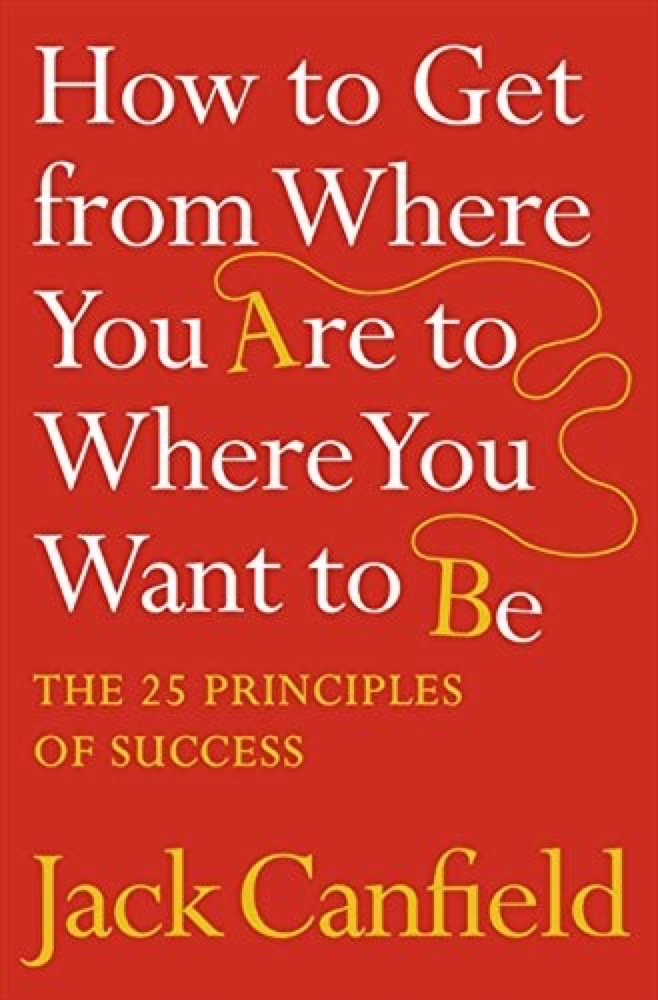 The Success Principles: How to Get from Where You Are to Where You Want to Be
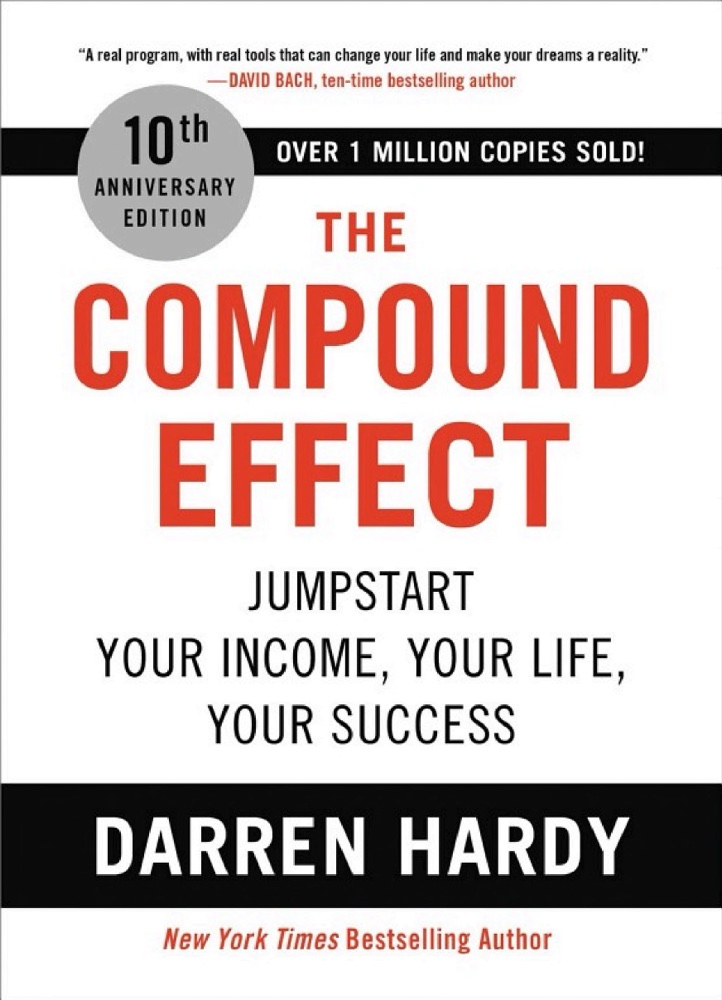 The Compound Effect: Jumpstart Your Income, Your Life, Your Success
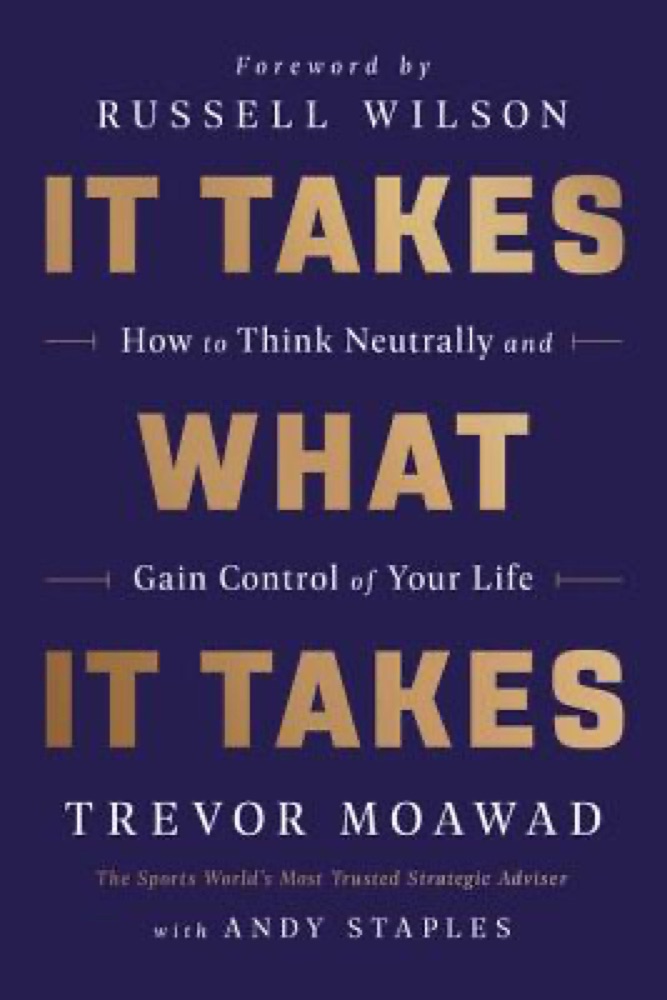 It Takes What It Takes: How to Think Neutrally and Gain Control of Your Life
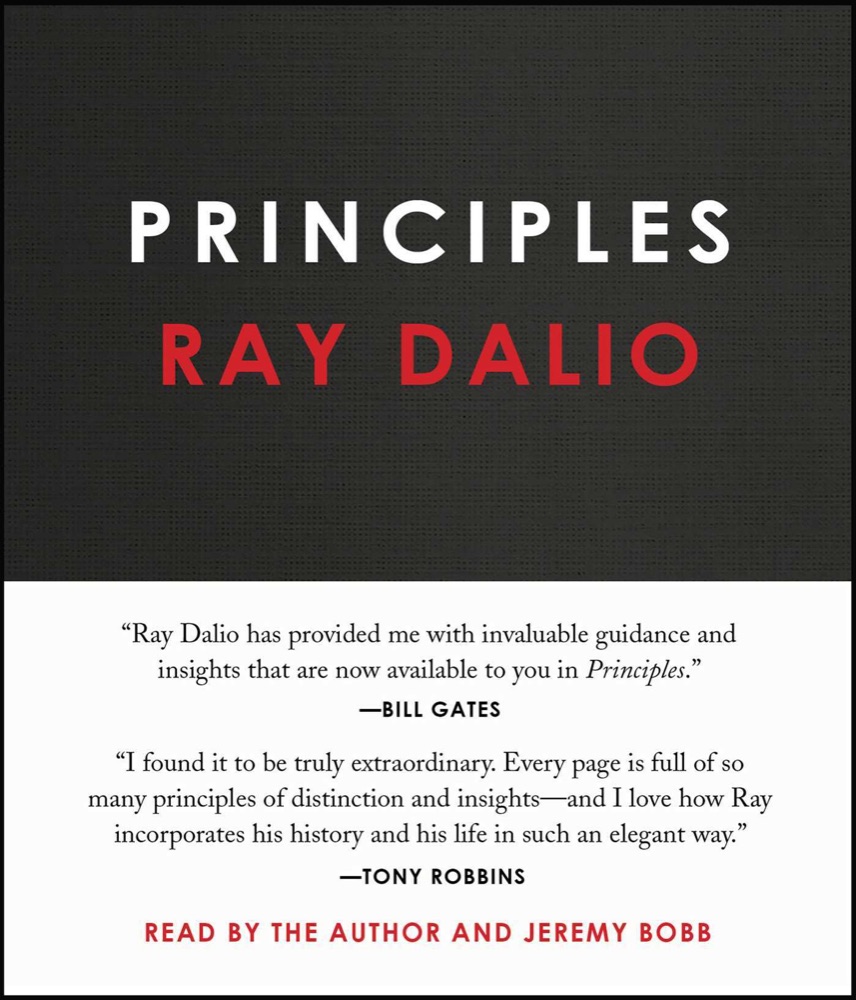 Principles: Life and Work
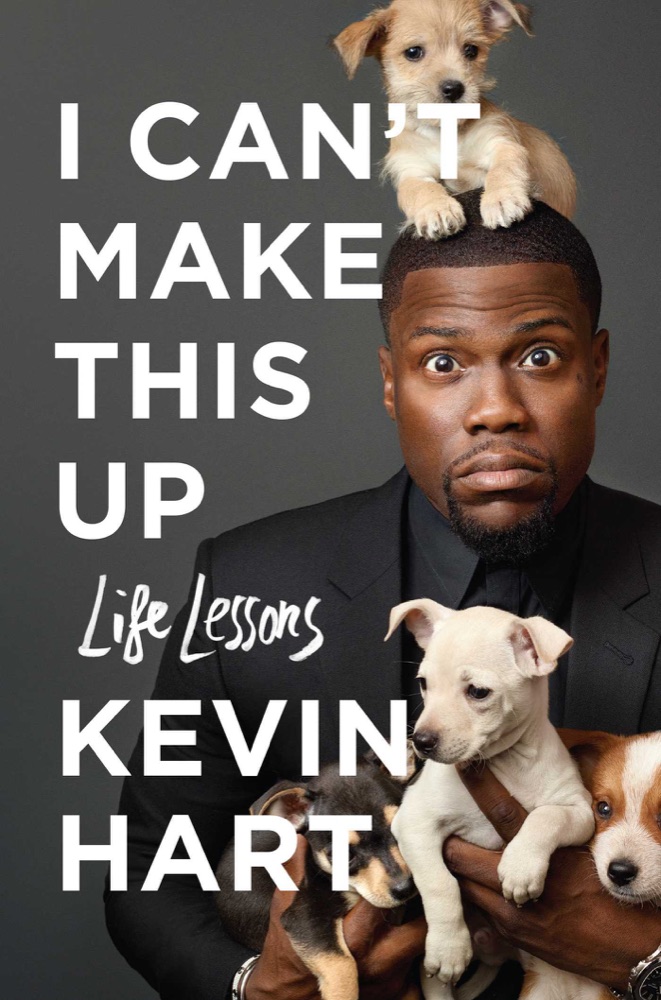 I Can't Make This Up: Life Lessons
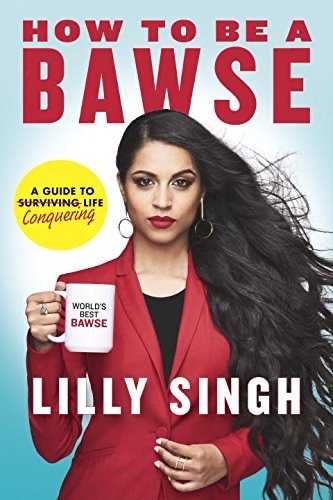 How to Be a Bawse: A Guide to Conquering Life
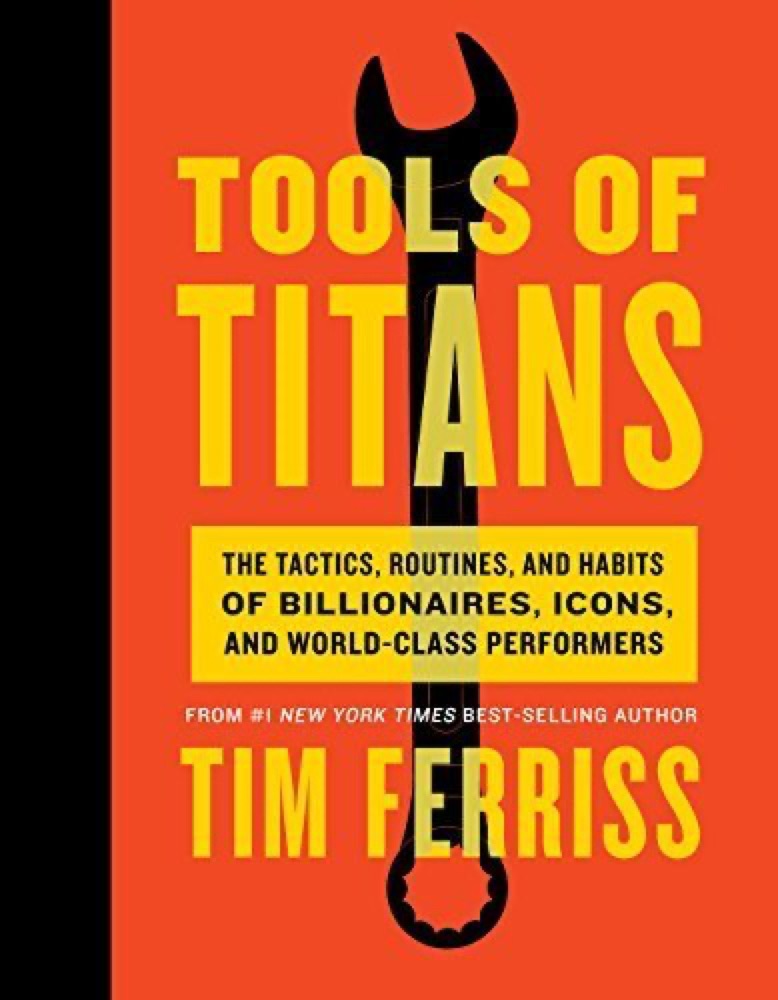 Tools of Titans: The Tactics, Routines, and Habits of Billionaires, Icons, and World-Class Performers
 Thrive: The Third Metric to Redefining Success and Creating a Life of Well-Being, Wisdom, and Wonder
 One
One
 You Learn by Living: Eleven Keys for a More Fulfilling Life
 Change Your Thoughts - Change Your Life: Living the Wisdom of the Tao
 The Artist's Way
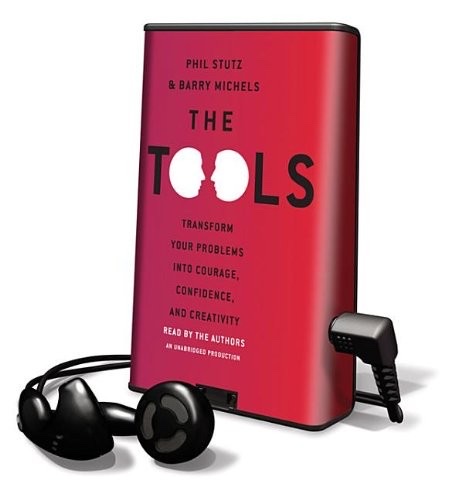 The Tools: Transform Your Problems into Courage, Confidence, and Creativity
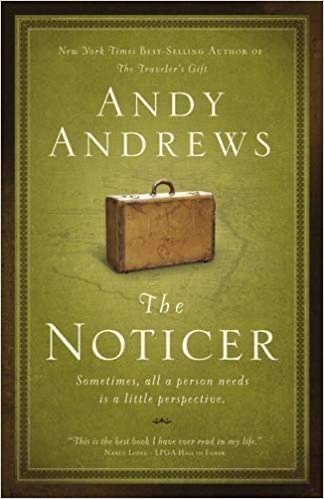 The Noticer: Sometimes, All a Person Needs Is a Little Perspective
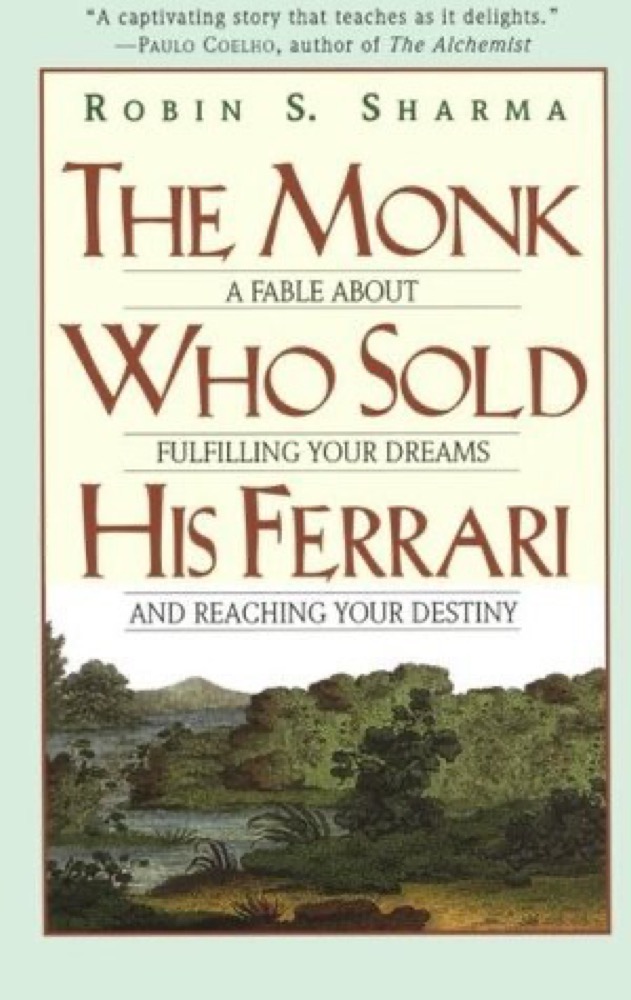 The Monk Who Sold His Ferrari: A Fable About Fulfilling Your Dreams and Reaching Your Destiny
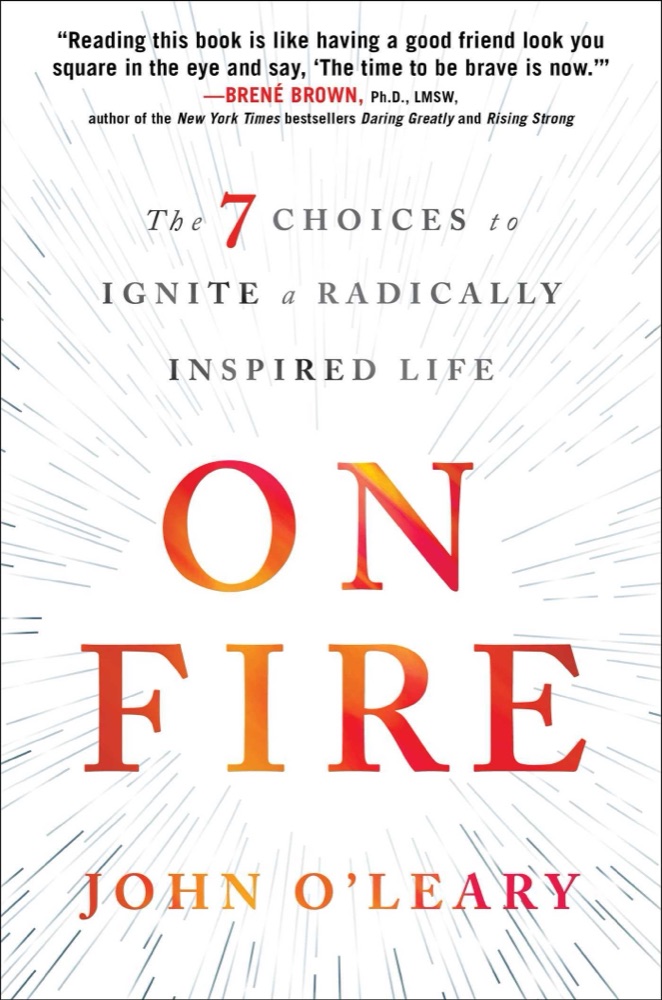 On Fire: The 7 Choices to Ignite a Radically Inspired Life
 Psycho-Cybernetics
 The Comfort Book
 Improv Wisdom: Don't Prepare, Just Show Up
 The Power of Focus
 The Last Lecture
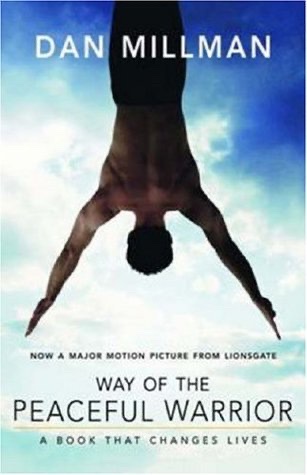 Way of the Peaceful Warrior: A Book That Changes Lives
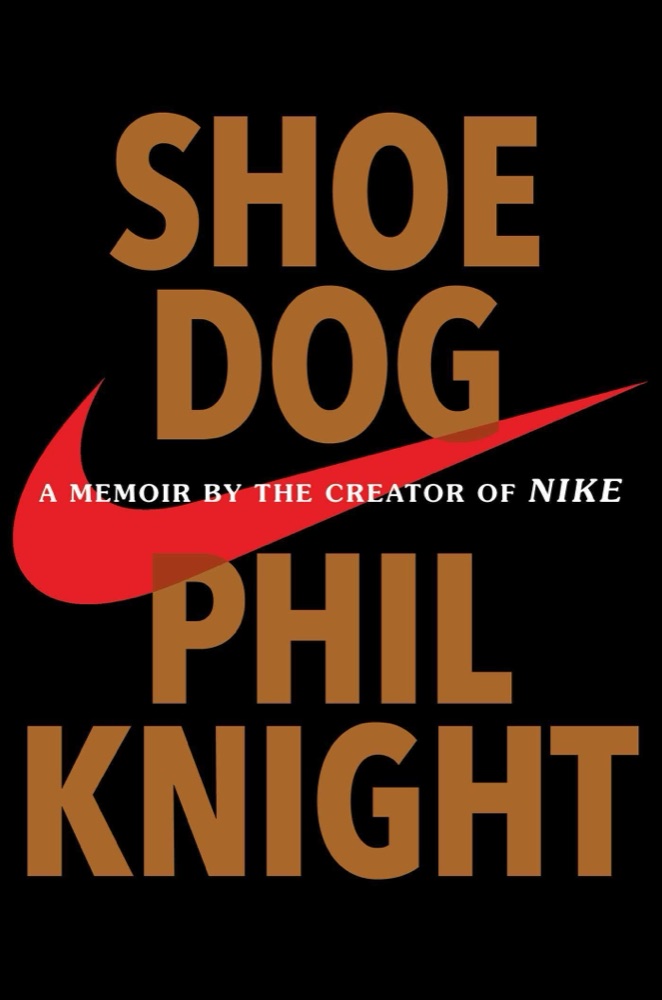 Shoe Dog: A Memoir by the Creator of NIKE
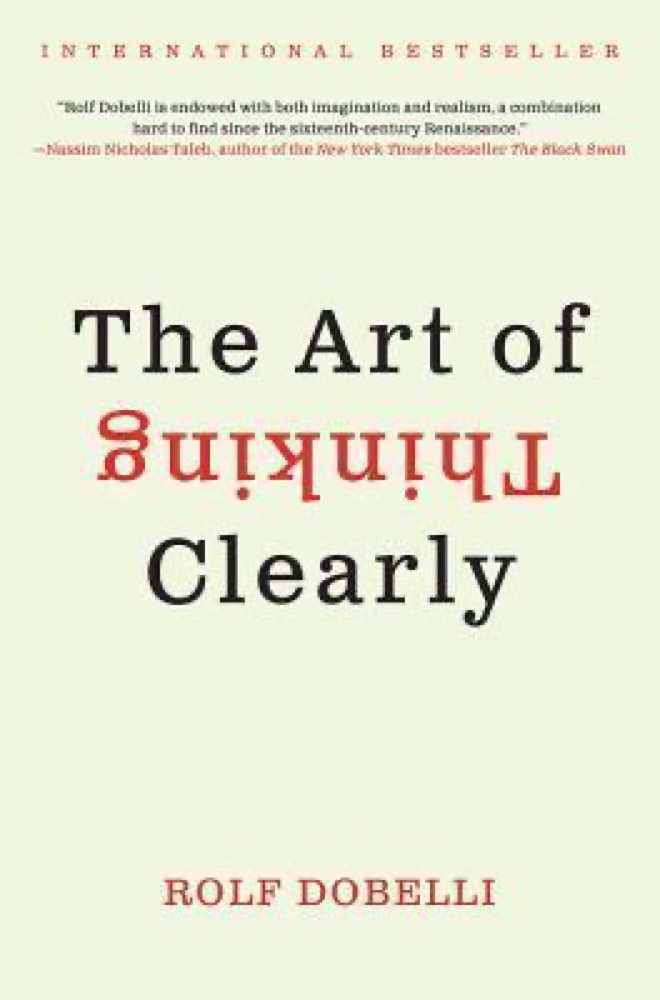 The Art of Thinking Clearly
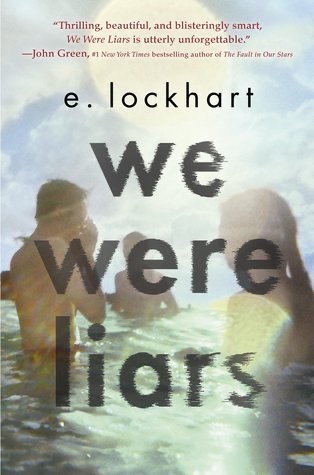 We Were Three
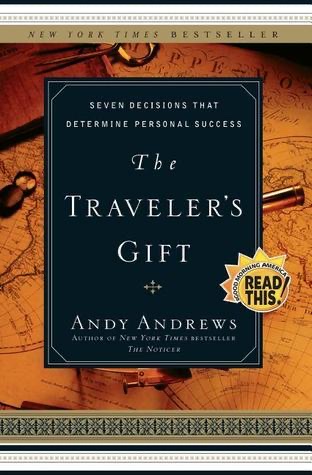 The Traveler's Gift: Seven Decisions that Determine Personal Success
 The Path Made Clear: Discovering Your Life's Direction and Purpose
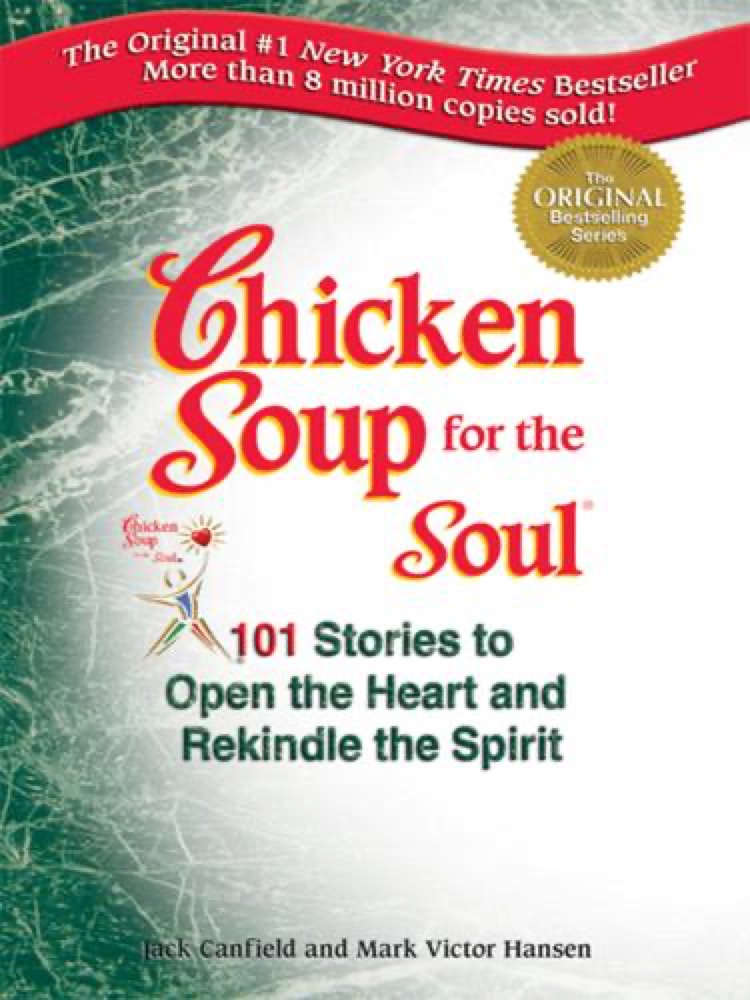 Chicken Soup for the Soul
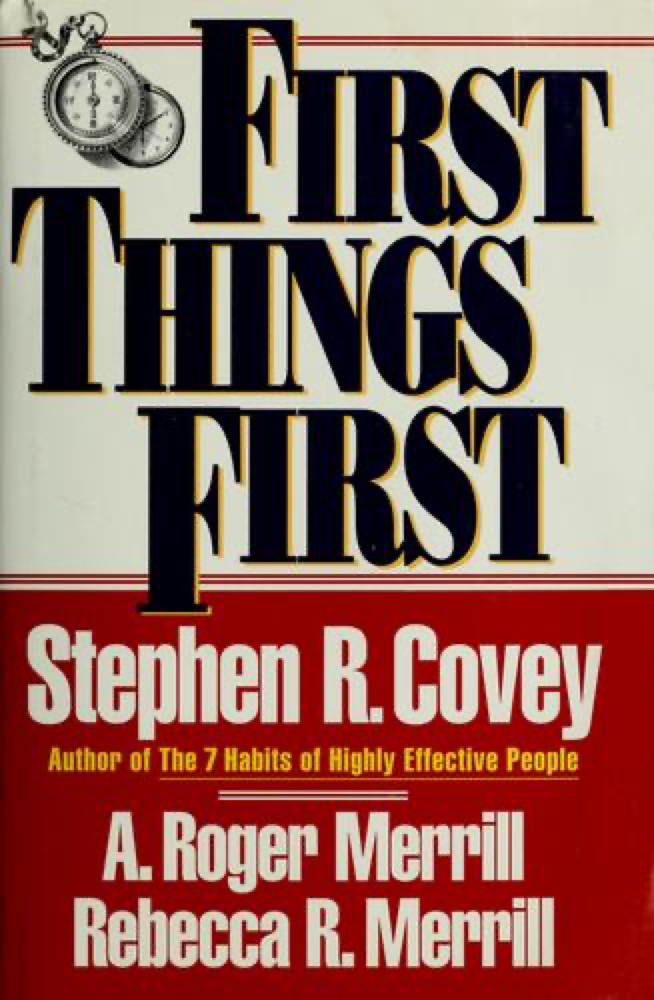 First Things First
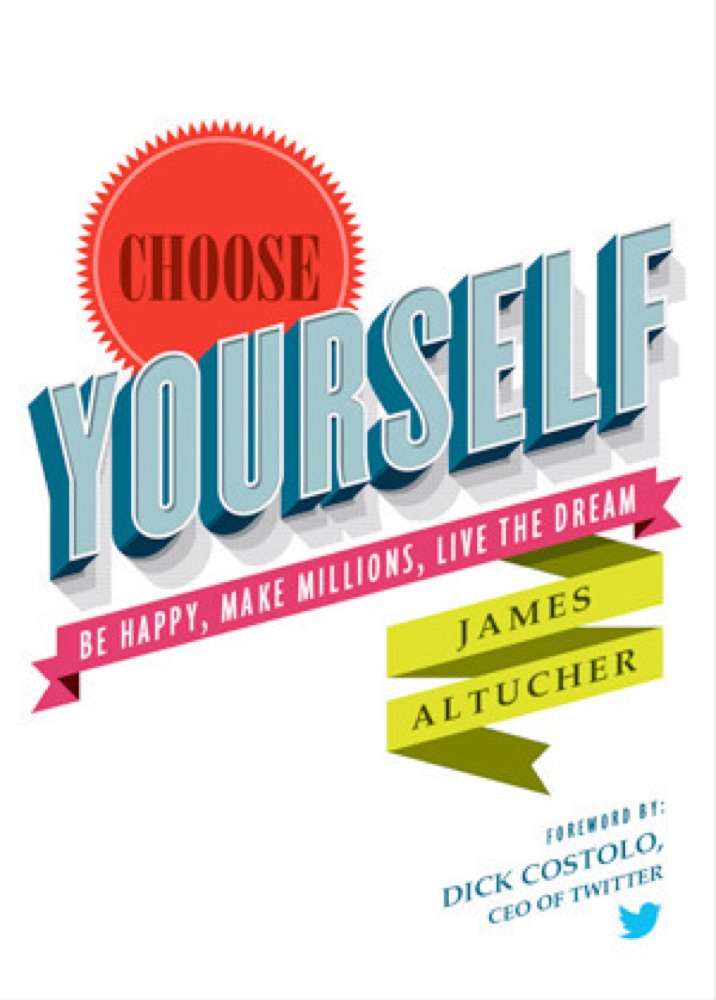 Choose Yourself: Be Happy, Make Millions, Live the Dream
 Power Thoughts: 12 Strategies to Win the Battle of the Mind
 The Dude and the Zen Master
 Today Matters: 12 Daily Practices to Guarantee Tomorrow's Success
Ego Is the Enemy
Today Matters: 12 Daily Practices to Guarantee Tomorrow's Success
Ego Is the Enemy
 The Socrates Express: In Search of Life Lessons from Dead Philosophers
 How to Be Here: A Guide to Creating a Life Worth Living
 The Art of Living: The Classical Manual on Virtue, Happiness and Effectiveness
 Don't Sweat the Small Stuff ... and it's all small stuff: Simple Ways to Keep the Little Things from Taking Over Your Life
 Brave Enough