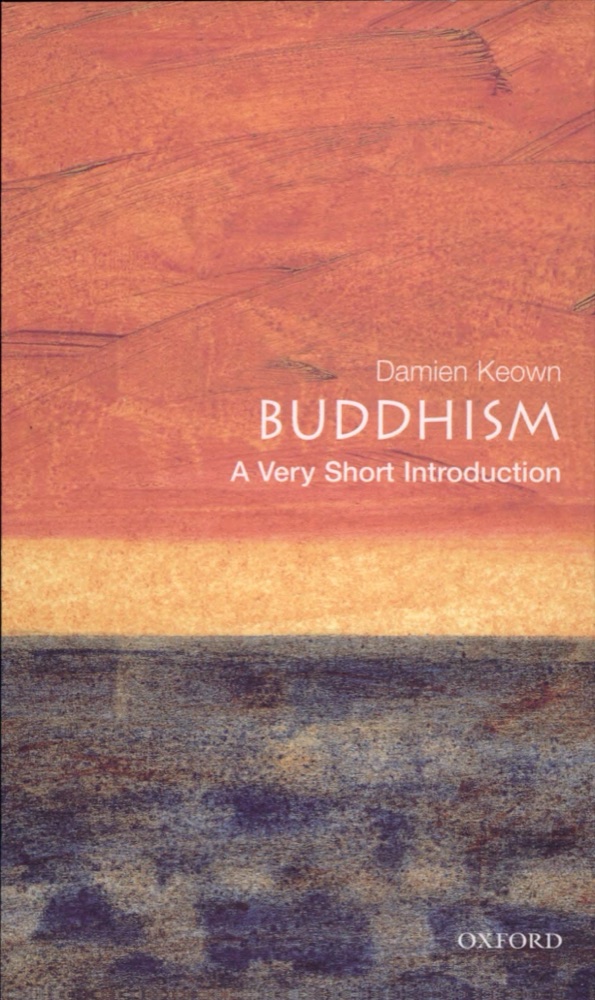
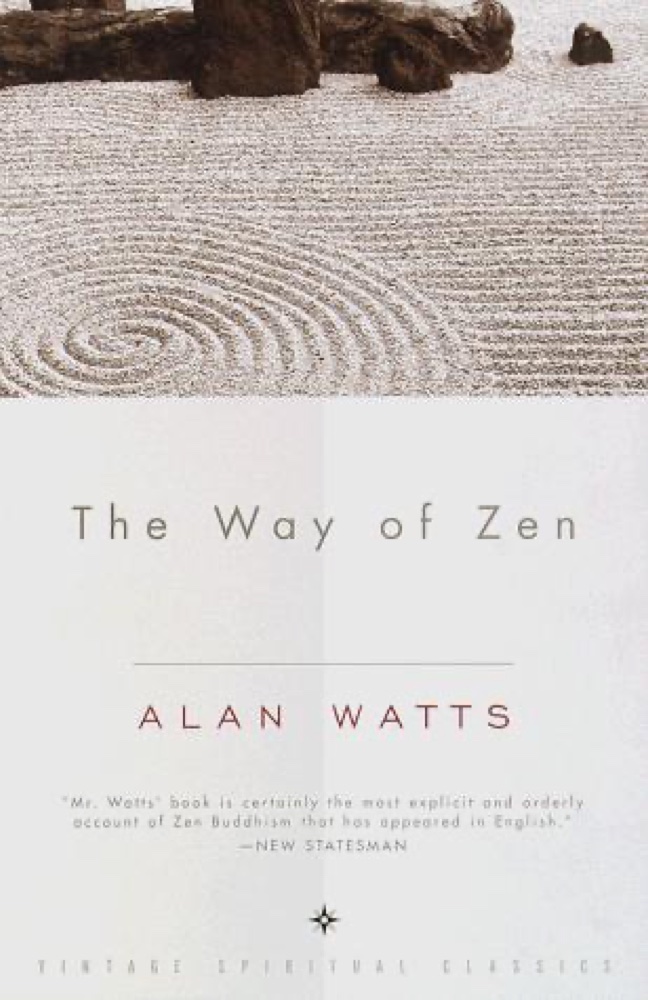
 The Way of Zen
Quotes from the Book
Teachings not validated by personal experience are of little value.
4
Decay is inherent in all things.
3
Individuals create themselves through their moral choices. By freely and repeatedly choosing certain sorts of things, an individual shapes their character, and through their character their future.
2
whereas the Judaeo-Christian tradition attributes the Fall of Man to pride and disobedience, Buddhism locates the origin of human suffering in desire.
1
all living creatures are entitled to respect in their own right, not simply because of the utility they may possess for other humans.
This … perception of impermanence … gives rise to the knowledge that even those things which seem most intimate to us – such as our emotions – are transient states which come and go. … From … detached observation it … becomes clear that even one's conscious mind is but a process like everything else. Most people regard their mental life as their true inner essence ( … ), but insight meditation discloses that the stream of consciousness is just one more facet of the complex interaction of the five factors of individuality, and not what one 'really is'.
By learning to observe without becoming involved, the pattern of stimulus-response which underlies most human behaviour can be broken. Little by little the realisation dawns that one is free to choose how to react in all situations … The grip of long-standing habits is weakened and replaced with a new sense of freedom.
Zen has a pronounced iconoclastic tendency, and regards the study of texts, doctrines, and dogmas as a potential hindrance to spiritual awakening, relying instead on humour, spontaneity, unconventionality, poetry, and other forms of artistic expression to communicate the idea of enlightenment
Is it necessary to believe in the existence of the six realms and the heavens and hells to be a Buddhist? Not necessarily. It is possible to interpret these as, perhaps, referring to other dimensions of existence, parallel universes, or simply states of mind.
history has no overall direction or purpose
Watch on YouTube
About Damien Keown
About the book
This accessible volume covers both the teachings of the Buddha and the integration of Buddhism into daily life. What are the distinctive features of Buddhism? What or who is the Buddha, and what are his teachings? How has Buddhist thought developed over the centuries, and how can contemporary dilemmas be faced from a Buddhist perspective? Words such as "karma" and "nirvana" have entered our vocabulary, but what do they really mean? Keown has taught Buddhism at an introductory level for many years, and in this book he provides a lively, challenging response to these frequently asked questions.
About the
Oxford's Very Short Introductions series offers concise and original introductions to a wide range of subjects--from Islam to Sociology, Politics to Classics, Literary Theory to History, and Archaeology to the Bible. Not simply a textbook of definitions, each volume in this series provi
Book details
- First published
- 1996
- Author
- Damien Keown
- Genre
- Nonfiction
- Goodreads rating
- 3.75 (3k ratings)
Keep reading
The Way of Zen
 What the Buddha Taught
 Buddhism Plain & Simple: The Practice of Being Aware, Right Now, Every Day
 Myths to Live By
 The Perennial Philosophy
 Confession of a Buddhist Atheist
 The Book: On the Taboo Against Knowing Who You Are
 Maps of Meaning: The Architecture of Belief
 Awakening the Buddha Within
 Freedom from the Known
 Waking Up: A Guide to Spirituality Without Religion
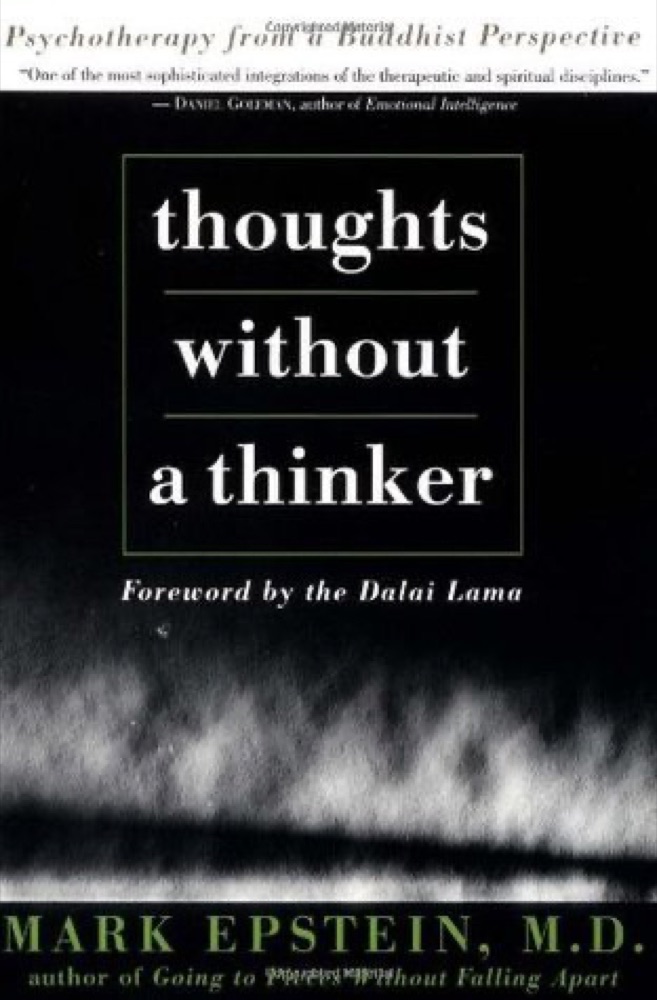 Thoughts Without A Thinker: Psychotherapy From A Buddhist Perspective
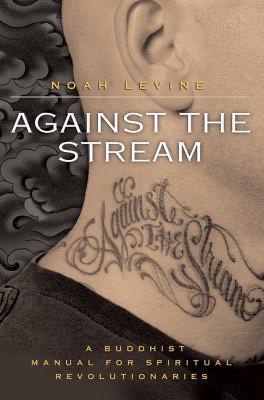 Against the Stream: A Buddhist Manual for Spiritual Revolutionaries
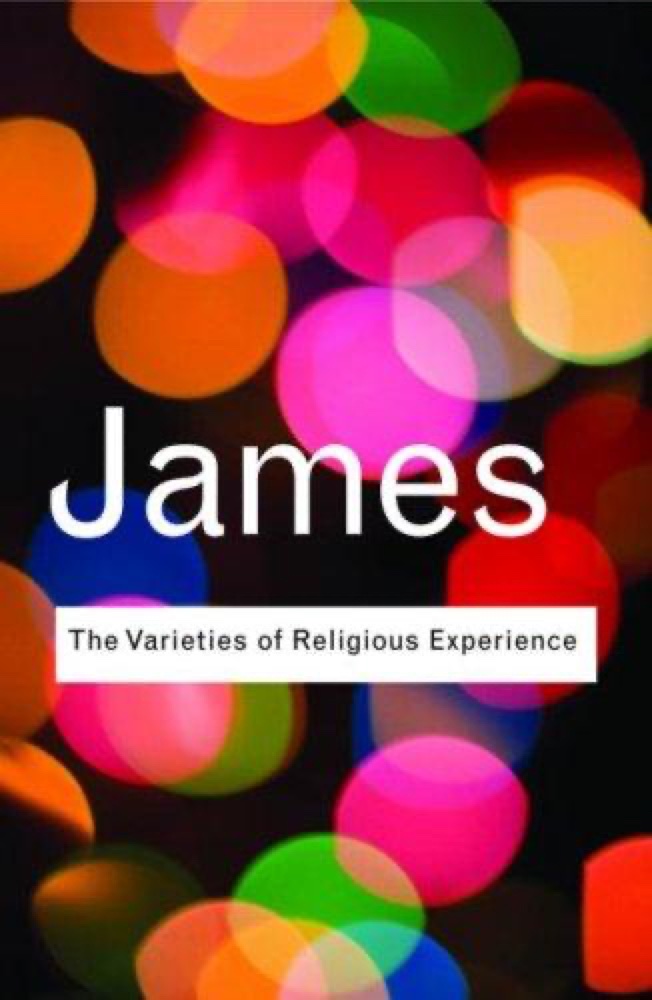 The Varieties of Religious Experience
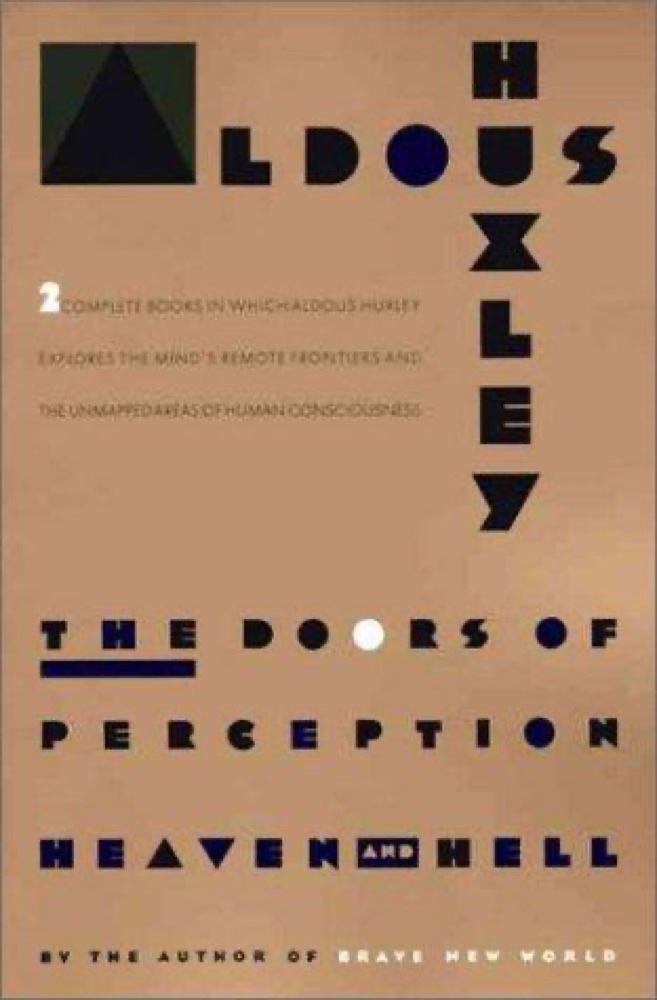 The Doors of Perception & Heaven and Hell
 Ethics for the New Millennium
 Total Freedom: The Essential Krishnamurti
 Tao: The Watercourse Way
 The Art of Being
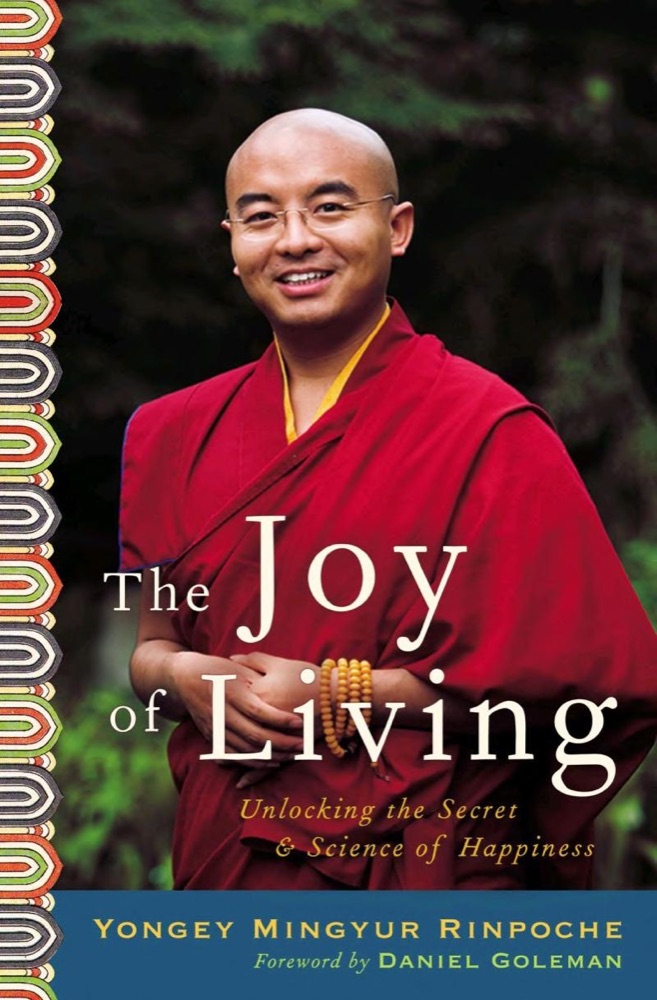 The Joy of Living: Unlocking the Secret and Science of Happiness
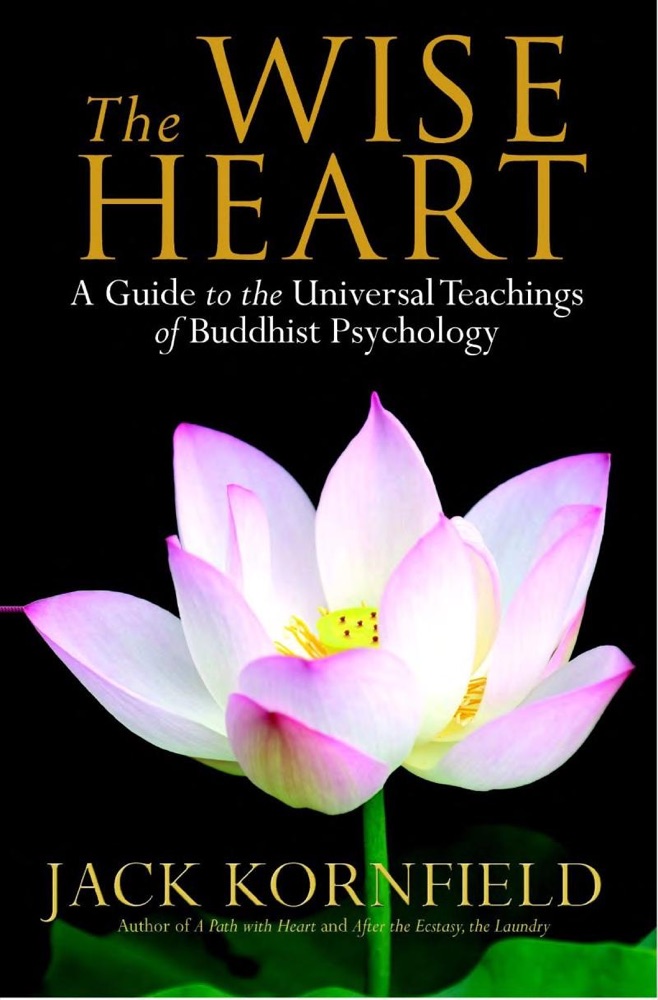 The Wise Heart: A Guide to the Universal Teachings of Buddhist Psychology
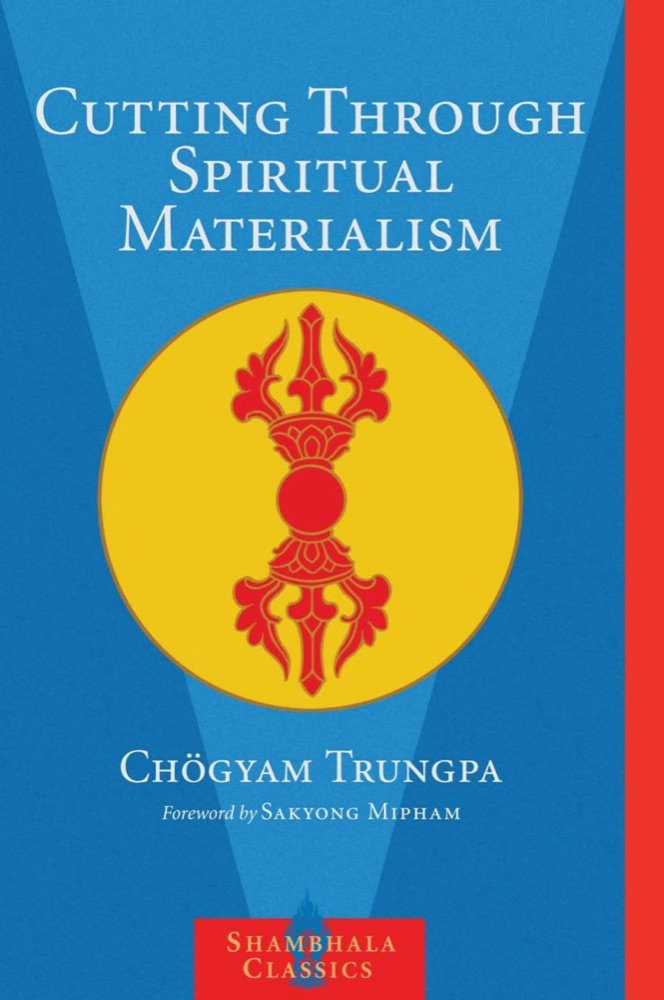 Cutting Through Spiritual Materialism
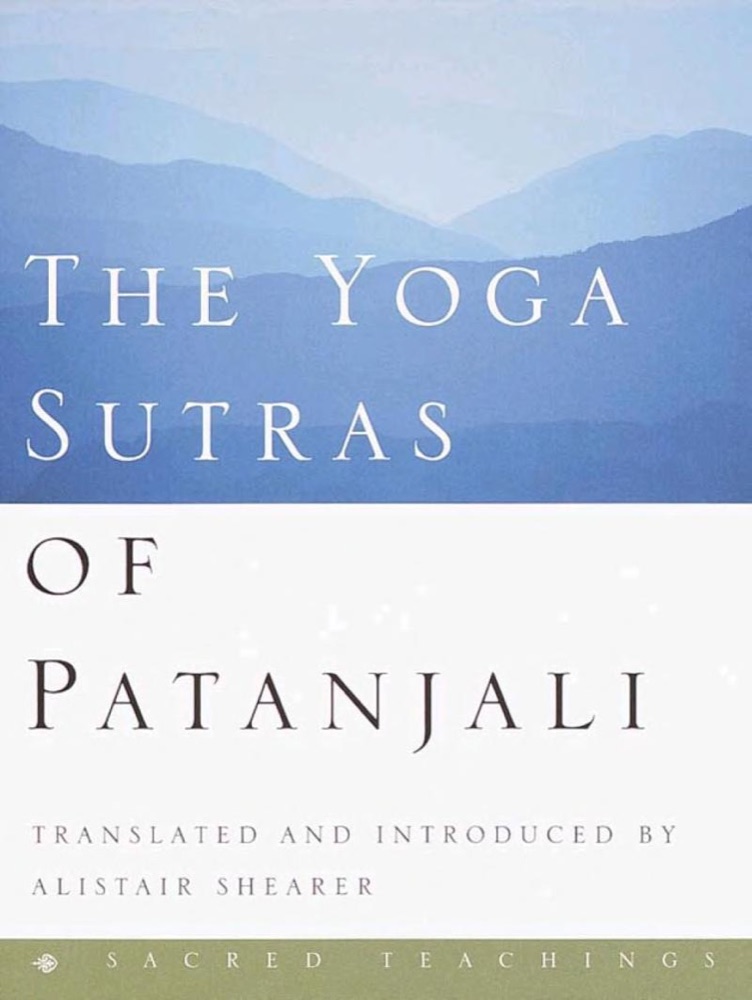 The Yoga Sutras of Patanjali
 The World's Religions
 Untimely Meditations
 In Love with the World: A Monk's Journey Through the Bardos of Living and Dying
 The Tibetan Book of Living and Dying
 Think: A Compelling Introduction to Philosophy
 The Blank Slate: The Modern Denial of Human Nature
 Twilight of the Idols
 The Upanishads
 My Spiritual Journey: Personal Reflections, Teachings, and Talks
 Tibetan Book of the Dead
 Daybreak: Thoughts on the Prejudices of Morality
 Dialectic of Enlightenment: Philosophical Fragments
 Going to Pieces without Falling Apart: A Buddhist Perspective on Wholeness
 Phenomenology of Spirit
 Man and His Symbols
 The Big Picture: On the Origins of Life, Meaning, and the Universe Itself
 Breaking the Spell: Religion as a Natural Phenomenon
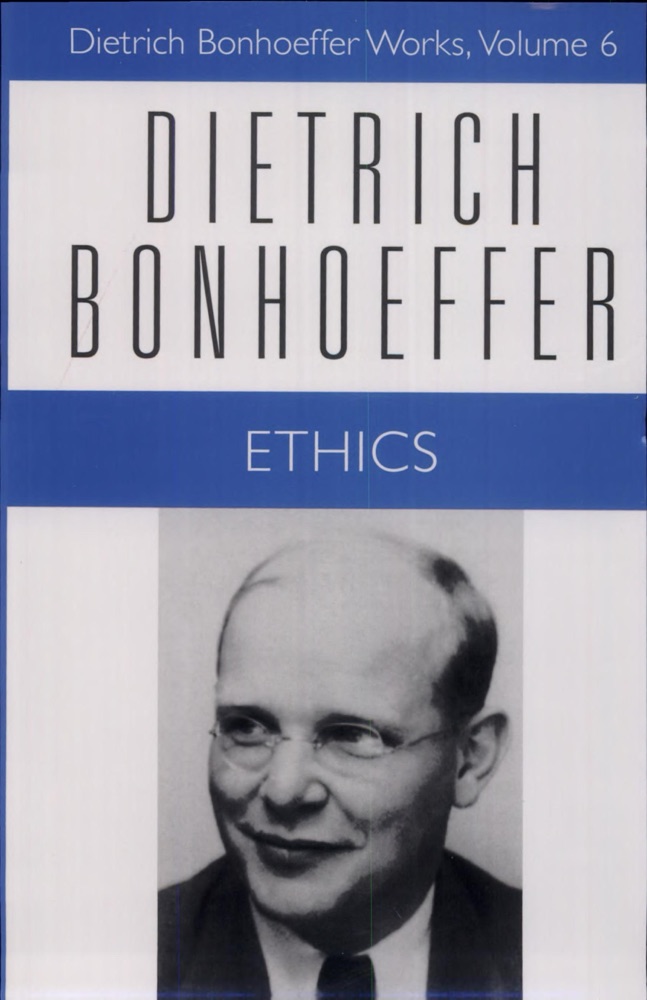 Ethics
 The Convoluted Universe, Book 1
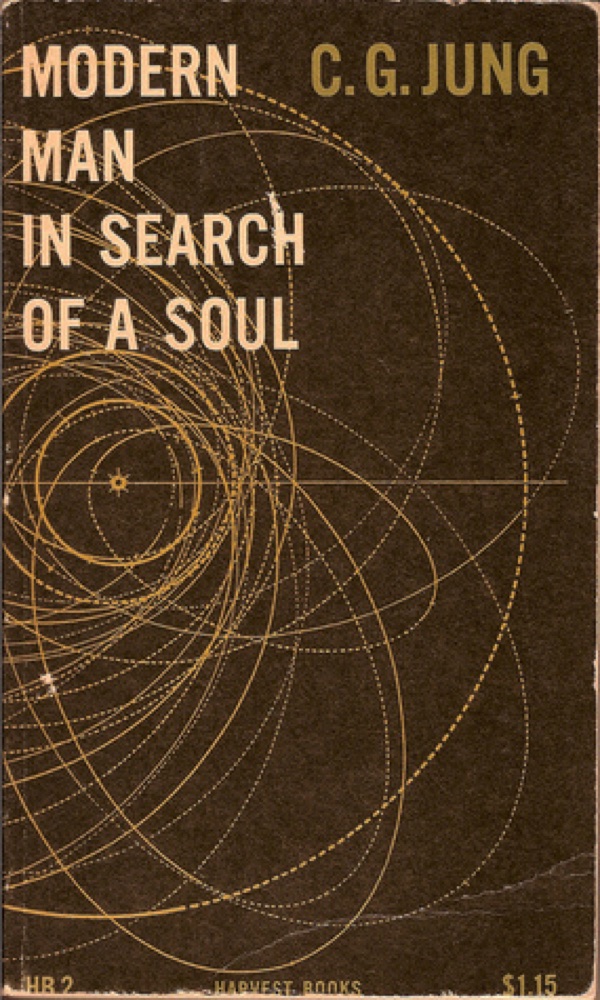 Modern Man in Search of a Soul
 The Occult
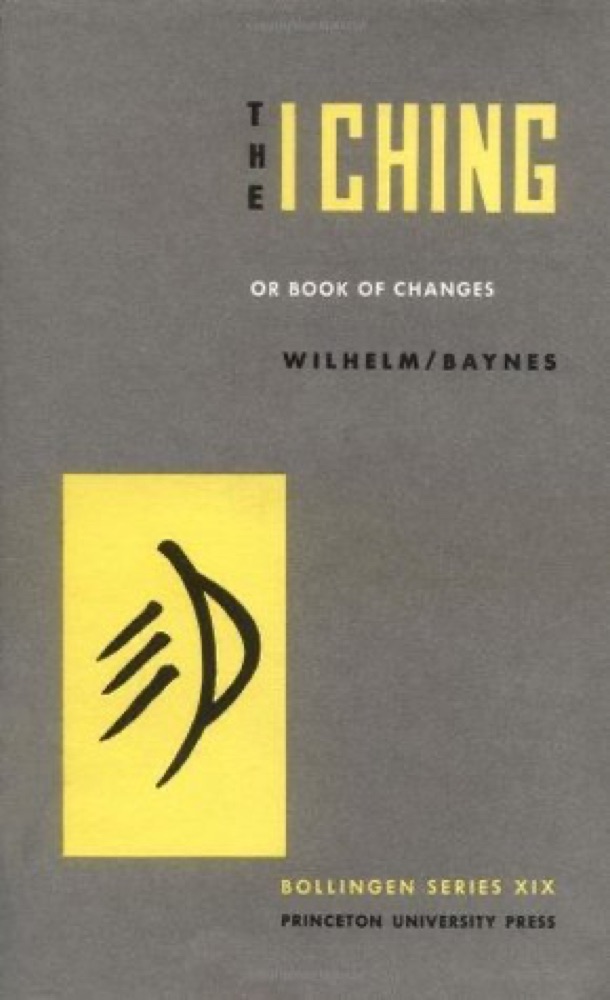 The I Ching or Book of Changes
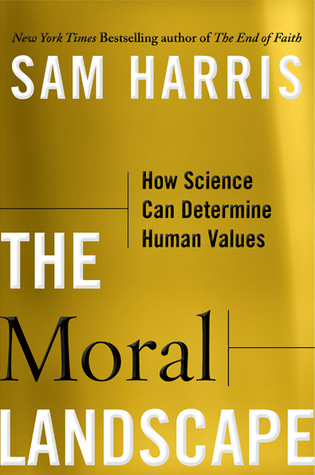 The Moral Landscape: How Science Can Determine Human Values
 My Gita
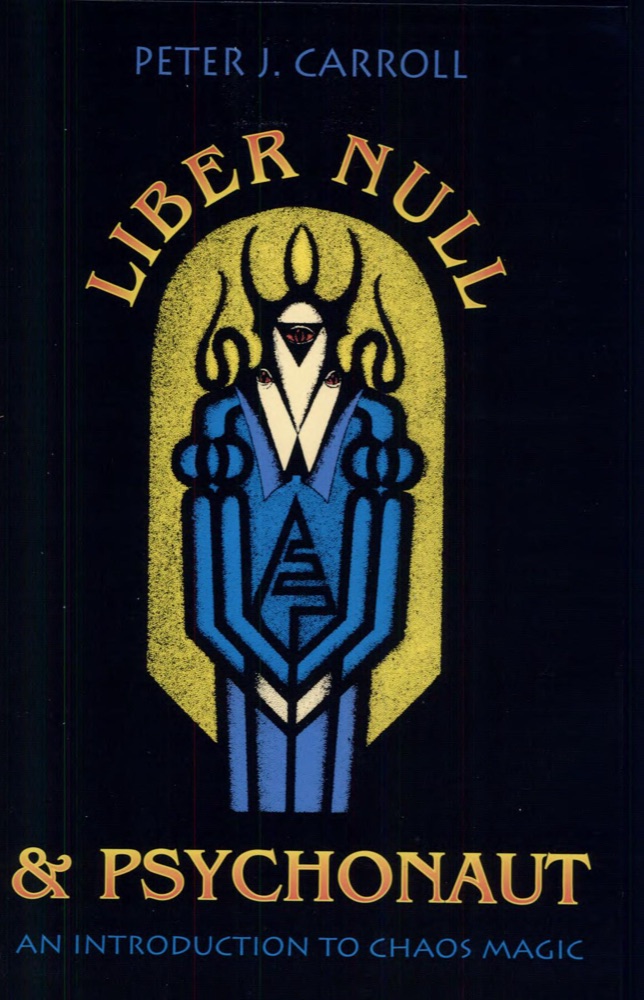 Liber Null and Psychonaut: An Introduction to Chaos Magic
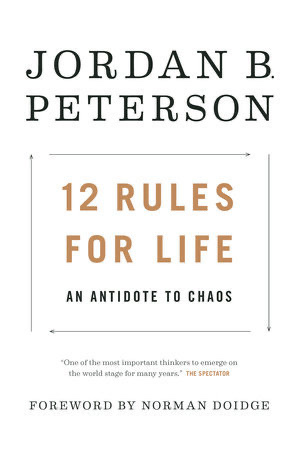 12 Rules for Life: An Antidote to Chaos
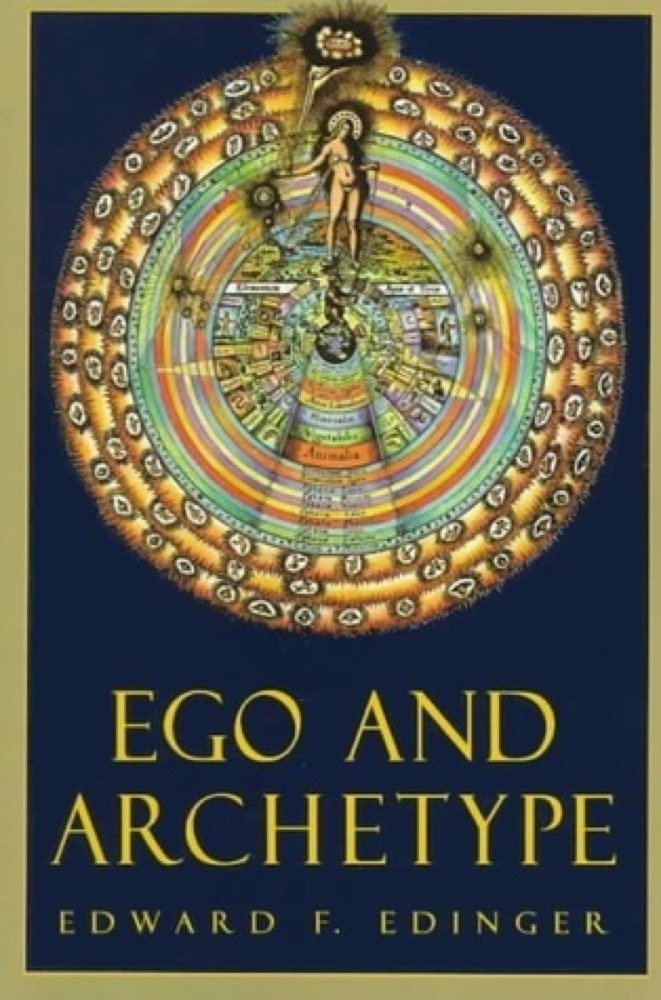 Ego and Archetype: Individuation and the Religious Function of the Psyche
 Why Buddhism Is True: The Science and Philosophy of Meditation and Enlightenment
 The Ego and Its Own
 The Crisis of the Modern World
 21 Lessons for the 21st Century
 Striking Thoughts: Bruce Lee's Wisdom for Daily Living
 Living Buddha, Living Christ
 Truth and Method
 An Essay Concerning Human Understanding
 The Yoga Sutras of Pantanjali