
 Second Treatise of Government
Quotes from the Book
The great question which, in all ages, has disturbed mankind, and brought on them the greatest part of their mischiefs ... has been, not whether be power in the world, nor whence it came, but who should have it.
56
For where is the man that has incontestable evidence of the truth of all that he holds, or of the falsehood of all he condemns; or can say that he has examined to the bottom all his own, or other men's opinions? The necessity of believing without knowledge, nay often upon very slight grounds, in this fleeting state of action and blindness we are in, should make us more busy and careful to inform ourselves than constrain others.
42
The acts of the mind, wherein it exerts its power over simple ideas, are chiefly these three: 1. Combining several simple ideas into one compound one, and thus all complex ideas are made. 2. The second is bringing two ideas, whether simple or complex, together, and setting them by one another so as to take a view of them at once, without uniting them into one, by which it gets all its ideas of relations. 3. The third is separating them from all other ideas that accompany them in their real existence: this is called abstraction, and thus all its general ideas are made.
32
One unerring mark of the love of truth is not entertaining any proposition with greater assurance than the proofs it is built upon will warrant.
28
I pretend not to teach, but to inquire; and therefore cannot but confess here again,–that external and internal sensation are the only passages I can find of knowledge to the understanding. These alone, as far as I can discover, are the windows by which light is let into this DARK ROOM. For, methinks, the understanding is not much unlike a closet wholly shut from light, with only some little openings left, to let in external visible resemblances, or ideas of things without: which, would they but stay there, and lie so orderly as to be found upon occasion, it would very much resemble the understanding of a man, in reference to all objects of sight, and the ideas of them.
22
Personal Identity depends on Consciousness not on Substance
20
He that will not set himself proudly at the top of all things, but will consider the immensity of this fabric, and the great variety that is to be found in this little and inconsiderable part of it which he has to do with, may be apt to think that, in other mansions of it, there may be other and different intelligent beings, of whose faculties he has as little knowledge or apprehension as a worm shut up in one drawer of a cabinet hath of the senses or understanding of a man; such variety and excellency being suitable to the wisdom and power of the Maker. -- 1690
12
It is therefore worthwhile, to search out the bounds between opinion and knowledge; and examine by what measures, in things, whereof we have no certain knowledge, we ought to regulate our assent, and moderate our persuasions.
10
[M]an is not permitted without censure to follow his own thoughts in the search of truth, when they lead him ever so little out of the common road.
10
The understanding, like the eye, whilst it makes us see and perceive all other things, takes no notice of itself: and it requires art and pains to set it at a distance and make it its own object.... If by this inquiry into the nature of the understanding, I can discover the powers thereof; how far they reach; to what things they are in any degree proportionate; and where they fail us, I suppose it may be of use to prevail with the busy mind of man to be more cautious in meddling with things exceeding its comprehension; to stop when it is at the utmost extent of its tether; and to sit down in a quiet ignorance of those things which, upon examination, are found to be beyond the reach of our capacities.
9
Earthly minds, like mud-walls, resist the strongest batteries: And though perhaps sometimes the force of a clear argument may make some impression, yet they nevertheless stand firm, and keep out the enemy truth, that would captivate or disturb them. Tell a man passionately in love, that he is jilted; bring a score of witnesses of the falsehood of his mistress, it is ten to one but three kind words of hers shall invalidate all their testimonies.
8
Hence it comes to pass, that a man, who is very sober, and of right understanding in all other things, may in one particular be as frantic, as any in Bedlam; if either by any sudden very strong impression, or long fixing his fancy upon one sort of thoughts, incoherent ideas have been cemented together so powerfully, as to remain united. But there are degrees of madness, as of folly; the disorderly jumbling ideas together, is in some more, and some less. In short, herein seems to lie the difference between idiots and madmen, That madmen put wrong ideas together, and so make wrong propositions, but argue and reason right from them: but idiots make very few or no propositions, and reason scarce at all.
5
Moral laws are set as a curb and restraint to these exorbitant desires, which they cannot be but by rewards and punishments, that will over-balance the satisfaction any one shall propose to himself in the breach of the law.
5
Let us then suppose the mind to be, as we say, white paper, void of all characters, without any ideas:—How comes it to be furnished? Whence comes it by that vast store which the busy and boundless fancy of man has painted on it with an almost endless variety? Whence has it all the MATERIALS of reason and knowledge? To this I answer, in one word, from EXPERIENCE. In that all our knowledge is founded; and from that it ultimately derives itself. Our observation employed either, about external sensible objects, or about the internal operations of our minds perceived and reflected on by ourselves, is that which supplies our understandings with all the MATERIALS of thinking. These two are the fountains of knowledge, from whence all the ideas we have, or can naturally have, do spring.
4
Liberty is not an Idea belonging to Volition, or preferring; but to the Person having the Power of doing, or forbearing to do, according as the Mind shall chuse or direct.
4
. . . These two are the fountains of knowledge, from whence all the ideas we have, or can naturally have, do spring. 3. The objects of sensation one source of ideas. First, our Senses, conversant about particular sensible objects, do convey into the mind several distinct perceptions of things, according to those various ways wherein those objects do affect them. And thus we come by those ideas we have of yellow, white, heat, cold, soft, hard, bitter, sweet, and all those which we call sensible qualities; which when I say the senses convey into the mind, I mean, they from external objects convey into the mind what produces there those perceptions. This great source of most of the ideas we have, depending wholly upon our senses, and derived by them to the understanding, I call SENSATION. 4. The operations of our minds, the other source of them. Secondly, the other fountain from which experience furnisheth the understanding with ideas is,- the perception of the operations of our own mind within us, as it is employed about the ideas it has got;- which operations, when the soul comes to reflect on and consider, do furnish the understanding with another set of ideas, which could not be had from things without. And such are perception, thinking, doubting, believing, reasoning, knowing, willing, and all the different actings of our own minds;- which we being conscious of, and observing in ourselves, do from these receive into our understandings as distinct ideas as we do from bodies affecting our senses. This source of ideas every man has wholly in himself; and though it be not sense, as having nothing to do with external objects, yet it is very like it, and might properly enough be called internal sense. But as I call the other SENSATION, so I Call this REFLECTION, the ideas it affords being such only as the mind gets by reflecting on its own operations within itself. By reflection then, in the following part of this discourse, I would be understood to mean, that notice which the mind takes of its own operations, and the manner of them, by reason whereof there come to be ideas of these operations in the understanding. These two, I say, viz. external material things, as the objects of SENSATION, and the operations of our own minds within, as the objects of REFLECTION, are to me the only originals from whence all our ideas take their beginnings. The term operations here I use in a large sense, as comprehending not barely the actions of the mind about its ideas, but some sort of passions arising sometimes from them, such as is the satisfaction or uneasiness arising from any thought. 5.All our ideas are of the one or the other of these. . . .
3
There is nobody in the commonwealth of learning who does not profess himself a lover of truth: and there is not a rational creature that would not take it amiss to be thought otherwise of. And yet, for all this, one may truly say, that there are very few lovers of truth, for truth’s sake, even amongst those who persuade themselves that they are so. How a man may know whether he be so in earnest, is worth inquiry: and I think there is one unerring mark of it, viz. The not entertaining any proposition with greater assurance than the proofs it is built upon will warrant. Whoever goes beyond this measure of assent, it is plain, receives not the truth in the love of it; loves not truth for truth’s sake, but for some other bye-end.
3
But if Adam and Eve (when they were alone in the world) instead of their ordinary night's sleep, had passed the whole twenty-four hours in one continued sleep, the duration of that twenty-four hours had been irrecoverably lost to them, and been for ever left out of their account of time.
3
The better to understand the nature, manner, and extent of our knowledge, one thing is carefully to be observed concerning the ideas we have; and that is, that some of them are simple and some complex.
3
Thus the ideas, as well as children, of our youth, often die before us: and our minds represent to us those tombs to which we are approaching; where, though the brass and marble remain, yet the inscriptions are effaced by time, and the imagery moulders away.
3
And when a countryman says the cold freezes water, though the word freezing seems to import some action, yet truly it signifies nothing, but the effect, videlicet that water, that was before fluid, is become hard and consistent, without containing any idea of the action whereby it is done.
3
We are not at all to wonder [...] that we having but some few superficial ideas of things, discovered to us only by the senses from without, or by the mind, reflecting on what it experiments in itself within, have no knowledge beyond that, much less of the internal constitution, and true nature of things, being destitute of faculties to attain it.
3
There are some Men of one, some but of two Syllogisms, and no more; and others that can but advance one step farther.
3
Perhaps then we shall stop pretending that we know everything, and shall be less bold in raising questions and getting into confusing disputes with others about things to which our understandings are not suited—things of which we can’t form any clear or distinct perceptions in our minds, or, as happens all too often, things of which we have no notions at all. If we can find out what the scope of the understanding is, how far it is able to achieve certainty, and in what cases it can only judge and guess, that may teach us to accept our limitations and to rest content with knowing only what our human condition enables us to know.
2
I HAVE put into thy hands what has been the diversion of some of my idle and heavy hours. If it has the good luck to prove so of any of thine, and thou hast but half so much pleasure in reading as I had in writing it, thou wilt as little think thy money, as I do my pains, ill bestowed. Mistake not this for a commendation of my work; nor conclude, because I was pleased with the doing of it, that therefore I am fondly taken with it now it is done.
2
For, since it would be utterly in vain to suppose a rule set to the free actions of men, without annexing to it some enforcement of good and evil to determine his will, we must, wherever we suppose a law, suppose also some reward or punishment annexed to that law. It would be in vain for one intelligent being to set a rule to the actions of another, if he had it not in his power to reward the compliance with, and punish deviation from his rule, by some good and evil, that is not the natural product and consequence of the action itself. For that, being a natural convenience or inconvenience, would operate of itself, without a law. This, if I mistake not, is the true nature of all law, properly so called.
2
Chapter VII Of Simple Ideas of both Sensation and Reflection 1. Ideas of pleasure and pain. There be other simple ideas which convey themselves into the mind by all the ways of sensation and reflection, viz. pleasure or delight, and its opposite, pain, or uneasiness; power; existence; unity.
2
Nature, I confess, has put into man a desire of happiness and an aversion to misery: these indeed are innate practical principles which (as practical principles ought) DO continue constantly to operate and influence all our actions without ceasing: these may be observed in all persons and all ages, steady and universal; but these are INCLINATIONS OF THE APPETITE to good, not impressions of truth on the understanding.
1
Reason must be our last judge and guide in everything.
1
another. Whereas any constant periodical appearance, or alteration of ideas, in seemingly equidistant spaces of duration, if constant
1
Watch on YouTube
About John Locke
We have collected 58 quotes from 3 books by John Locke on BookQuoters.
More about the author →More by John Locke
Second Treatise of Government
 Promise You Won't Tell?
About the book
Excerpt from Herrn Johann Lockens Versuch vom Menschlichen Verstande: Aus dem Englischen �bersetzt und mit Anmerkungen Versehen
Siraft efi en fieter %emeihung fotbohl ben in; nern al6 �uf'erlechflt 8ufiaeeb be� Subw (te6, en welchem fie fid) befinbt, fu anbetu. S�llen aberbee Gleneente thren �u�erlechen 8uftanb anbern: fo meicn fie unfehlbar auch ehre Stelle ber�nbeen unb fich alle bewegen, auch anbere eneente wenn fie neche gnugfaneen &beberf'tanb them bon eh; rer Stelle vertreeben binnen; folgleeh beo fi�en fie eene bemegenbe Rraft. Qleeefiert aber bee bemegenbe Siraft ehre %enee'ehung un entgegen gefee5ter 8iechtung�lenee, unb meter auf eene gegen fie breicfenbe oberen. Laufenbe Subfiang e6 mag nun felbige een anber @lement, obereen R�mer, aber een benfenbe6 9�befen fee;n fo heefit fie eene ent: bediehenbe5irnft. Bergefialt haben bee leenente auch eene meberfiehenbe5iraft: roeb che
Book details
- First published
- 1690
- Author
- John Locke
- Genre
- Philosophy
- Goodreads rating
- 3.86 (17k ratings)
Keep reading
 An Enquiry Concerning Human Understanding
 A Treatise of Human Nature
 Critique of Pure Reason
 Discourse on Method and Meditations on First Philosophy
 The Wisdom of Life
 Think: A Compelling Introduction to Philosophy
 Dialogues Concerning Natural Religion
 The Essential Writings of Ralph Waldo Emerson
 The Perennial Philosophy
 The Varieties of Religious Experience
 On Truth and Lies in a Nonmoral Sense
 Pensées
 Ethics
 The Master and His Emissary: The Divided Brain and the Making of the Western World
 A History of Western Philosophy
 Daybreak: Thoughts on the Prejudices of Morality
 Twilight of the Idols
 Emile or On Education
 The Abolition of Man
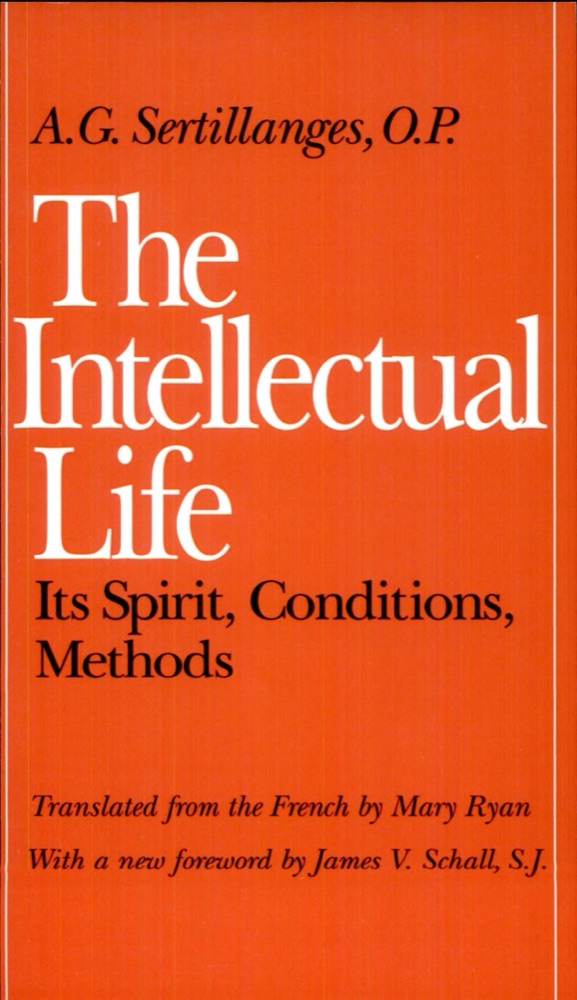 The Intellectual Life: Its Spirit, Conditions, Methods
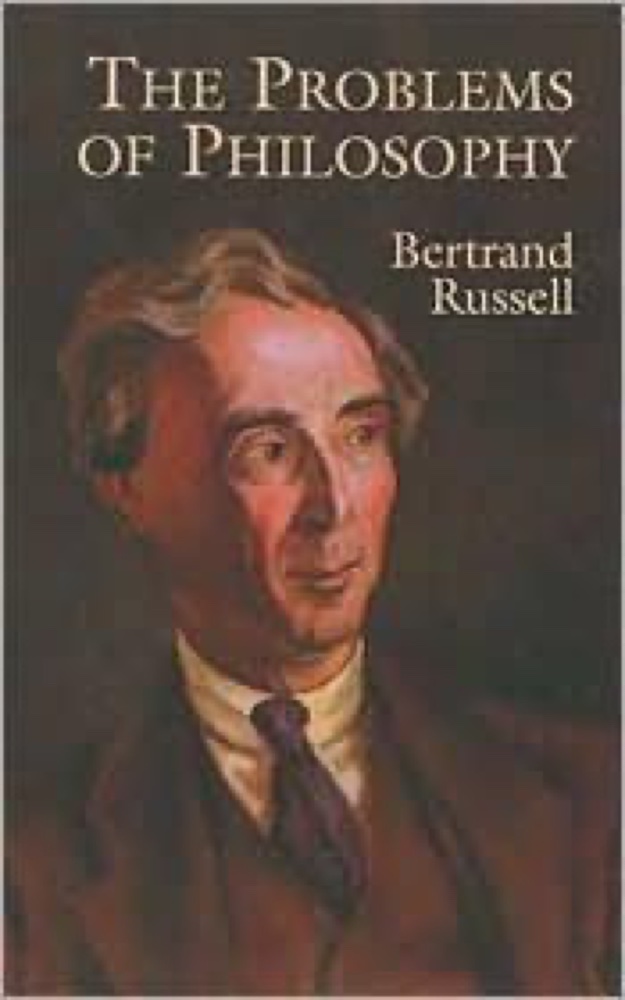 The Problems of Philosophy
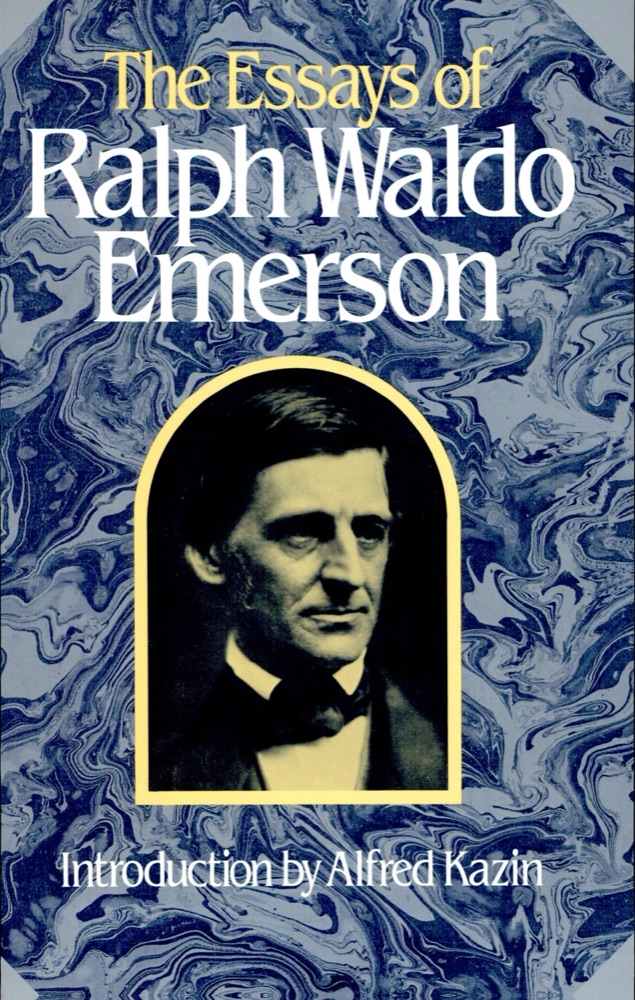 The Essays of Ralph Waldo Emerson
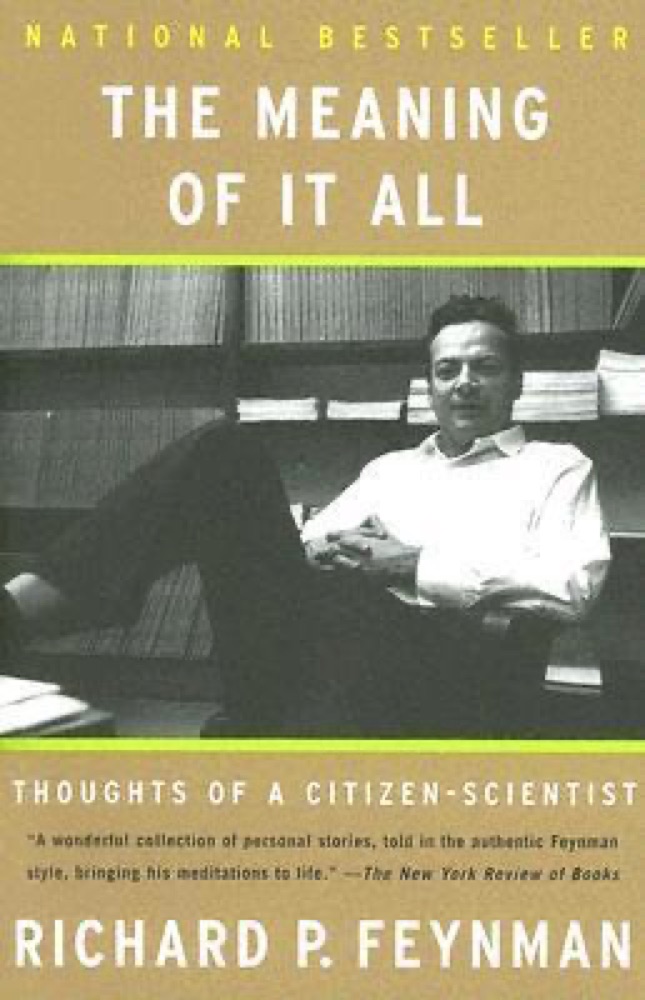 The Meaning of It All: Thoughts of a Citizen-Scientist
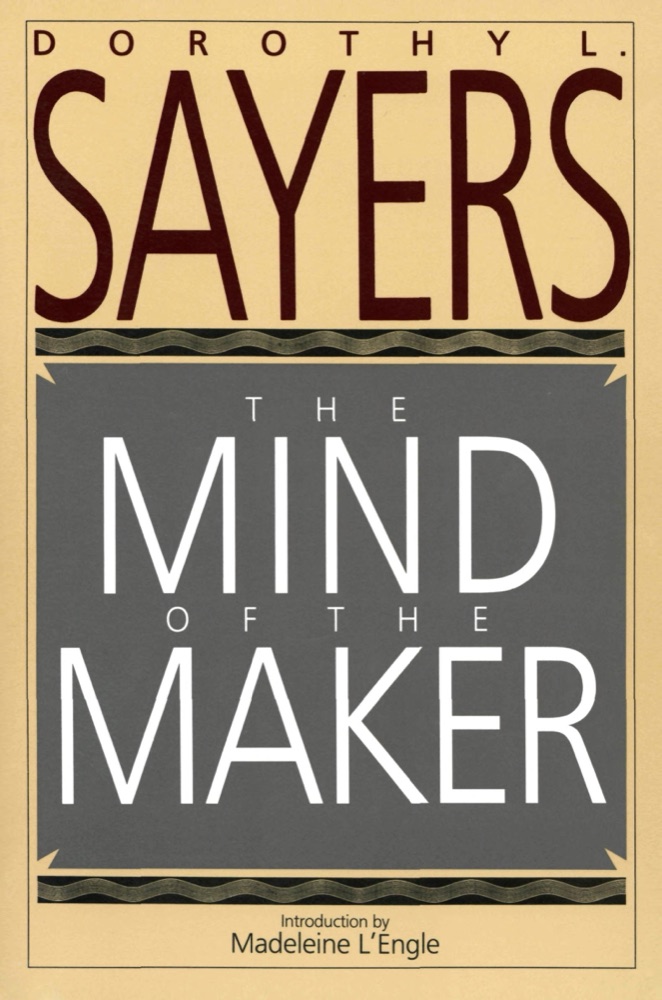 The Mind of the Maker: Dorothy L. Sayers' Witty Classic on the Trinity, Christianity, and Human Creativity
 Complete Works
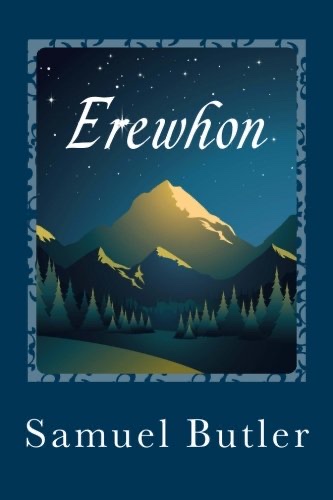 Erewhon
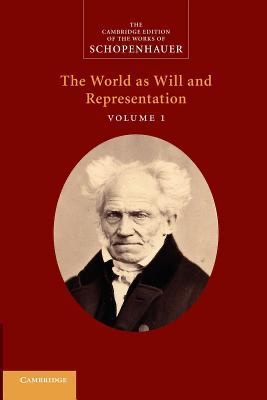 The World as Will and Representation, Vol 1
 Metaphysics
 The Republic
 Children of Dune
 Heretics
 The Occult
 The World's Last Night: And Other Essays
 The Story of Philosophy: The Lives and Opinions of the World's Greatest Philosophers
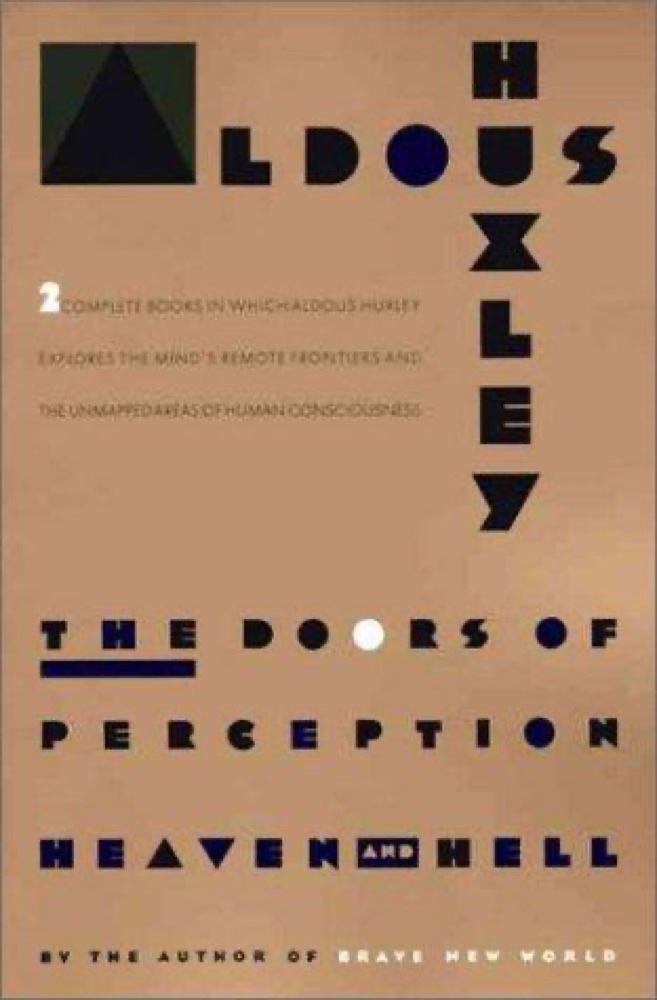 The Doors of Perception & Heaven and Hell
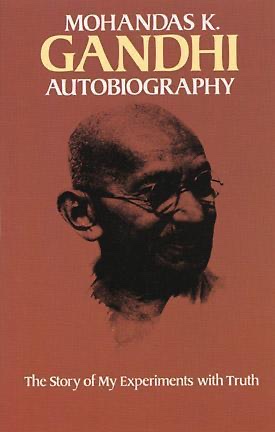 The Story of My Experiments With Truth
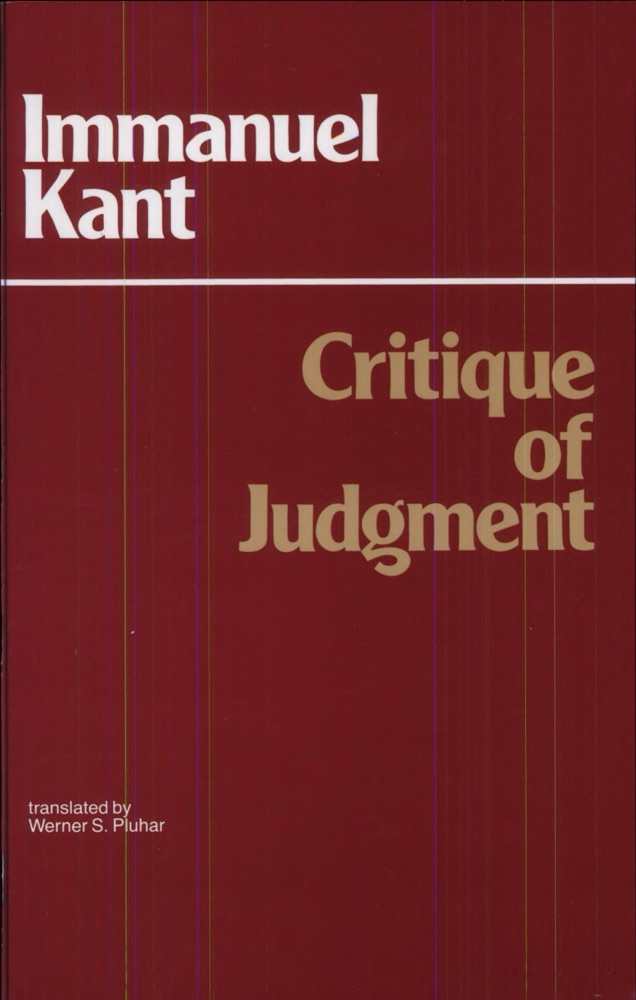 Critique of Judgment
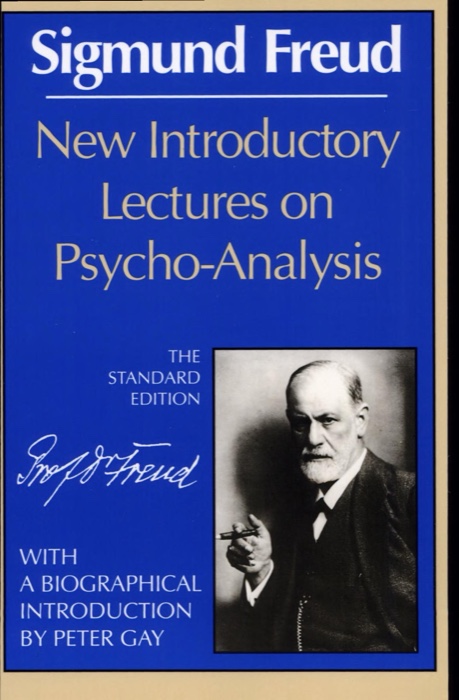 Introductory Lectures on Psychoanalysis
 Philosophical Dictionary
 Truth and Method
 The Consolations of Philosophy
 The Art of Being
 The Spinoza Problem
 The Wisdom of Insecurity: A Message for an Age of Anxiety
 Philosophical Investigations
 The Crisis of the Modern World
 A Philosophical Enquiry into the Origin of Our Ideas of the Sublime and Beautiful
 Phaedrus
 The Closing of the American Mind
 Genesis
 Science and Sanity: An Introduction to Non-Aristotelian Systems and General Semantics
 The Age of Reason
 The Magic Mountain
 The Ascent of Man
 Man and His Symbols
 The Discovery of India
 Six Characters in Search of an Author
 The Man Without Qualities
 The Myth of Sisyphus
 The Origin of Consciousness in the Breakdown of the Bicameral Mind