
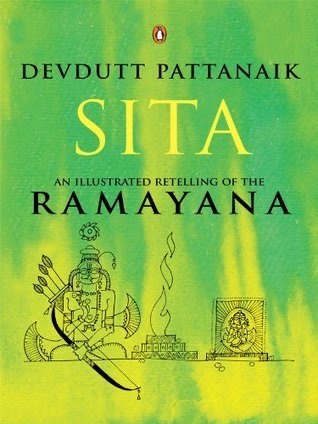
 Sita: An Illustrated Retelling of the Ramayana
Quotes from the Book
Refusal to accept the flow of the world is the root of all misery.
is not about making the world a peaceful place; it is about us being at peace with the world.
Through Karna, Vyasa reiterates that our knowledge of the world is imperfect based on perceptions and false information. We are surrounded by Kuntis who hide the truth in fear. We are surrounded by Karnas, villains who are actually brothers.
human memory is short, and history always repeats itself.
Everybody dies—some suddenly, some slowly, some painfully, some peacefully. No one can escape death. The point is to make the most of life—enjoy it, celebrate it, learn from it, make sense of it, share it with fellow human beings—so that when death finally comes, it will not be such a terrible thing.
In time, Arjuna tires of mere beauty and hearing tales about the valour of princess Chitrangada, he seeks her out. The princess then reveals her true self to Arjuna. Her words are one of the most beautiful declarations of the angst of a woman, ‘I am not beautifully perfect as the flowers with which I worship. I have many flaws and blemishes. I am a traveller in the great world-path, my garments are dirty, and my feet are bleeding with thorns. Where should I achieve flower-beauty, the unsullied loveliness of a moment’s life? The gift that I proudly bring you is the heart of a woman. Here have all pains and joys gathered, the hopes and fears and shames of a daughter of the dust; here love springs up struggling towards immortal life. Herein lies an imperfection which yet is noble and grand.
dharma is not about justice; it is about empathy and wisdom. Dharma is not about defeating others, it is about conquering ourselves. Everybody wins in dharma.
bliss comes when love is shared with all.
You want the world to behave as you wish. It does not, hence your anger and your grief.
when a man praises himself, it is intellectual suicide.
These chants relieved vedana, the yearning of the restless human soul, hence became collectively known as the Veda. Those who heard them first came to be known as the Rishis.
we believe our problems are the greatest and our misfortunes the worst, there is always someone out there who has suffered more.
One must accept that one’s life is the result of past karmas and that one has the power to choose one’s response to every situation.
The world that is perceived through any measuring scale is called maya.
The point of existence in this dynamic, ever-changing world then was not to aspire or achieve, but to introspect.
Krishna offers Arjuna two things: what he is and what he has. Arjuna chooses what Krishna is. Duryodhana is happy with what Krishna has. This divide between him and his, me and mine, what one is and what one has, is the difference between seeking the soul and being satisfied with matter.
Your suffering was repayment for the karmic debt incurred then
Krishna’s son, Samba, is portrayed in the scriptures as an irresponsible lout, perhaps to inform us that the child of a great man need not be a great man; greatness is not transmitted through the generations. Every man ultimately makes or destroys his own legacy.
the law clearly stated that a man with a physical defect could not be king.
Mighty brawn is no match for a nimble brain. Let
Attainment of desirable states brings joy, failure to do so becomes sorrow.
In time, Radha became a goddess in her own right, the symbol of sacrifice, surrender and unconditional love.
man the master of his own destiny and the creator of his own desires,
Such is the nature of man-made laws: ignorant of the past and insensitive to the present.
there is a reality greater than what you perceive.
The sage said, ‘It is the name of Ram that ensured the bridge of stones to Lanka did not crack under the weight of the monkeys. Likewise, it is the name of Krishna that ensures this bridge of arrows withstands Hanuman’s weight. Strength alone is not enough in this world; divine grace is needed. Krishna is Ram and both are Hari or Vishnu. Never forget that. Without Krishna you are nothing. You are Nara and he is Narayana.
Within infinite myths lies the Eternal Truth Who sees it all? Varuna has but a thousand eyes Indra, a hundred And I, only two
Before leaving Hastina-puri, Krishna went to Kunti, mother of the Pandavas, who had stayed back with her brother-in-law. Krishna asked her if she had any advice for her sons who were rather disheartened, though not surprised, by the Kaurava refusal to return Indra-prastha
Accept that nothing happens without a reason. Accept that all experiences have a purpose.
Animals spent their entire lives focused on survival. Humans could look beyond survival, seek meaning in life, harm others to save themselves, help others by sacrificing themselves.
Within the infinite myths lies the eternal truth
5
Yes, Yudhishtira, life has no point at all. So enjoy every moment for there s no tomorrow, no life after death, no soul, no fate, no bondage, no liberation, no God. Be a king if it makes you happy; dont be a king if it does not. Pleasure alone is the purpose of life.
5
Only when there is undiluted compassion for everyone, even our worst enemies, is ego truly conquered. Realization
4
The notion of the measuring scale is critical in Hindu thought. The value of an object depends on the scale being followed. And since all scales are man-made, all values are artificial. Thus all opinions ultimately are delusions, based on man-made measuring scales.
4
No event is spontaneous; it is the result of many past events. This is karma. The events in your life are the result of your past deeds, performed in this lifetime or the ones before. You alone are responsible for it.
2
Dharma is all about helping the helpless.
2
All Hindu rituals end with the chant ‘Shanti, shanti, shanti’ because the quest for peace is the ultimate goal of all existence. This peace is not external but internal. It is not about making the world a peaceful place; it is about us being at peace with the world.
2
Watch on YouTube
About Devdutt Pattanaik
We have collected 93 quotes from 3 books by Devdutt Pattanaik on BookQuoters.
More about the author →More by Devdutt Pattanaik
Sita: An Illustrated Retelling of the Ramayana
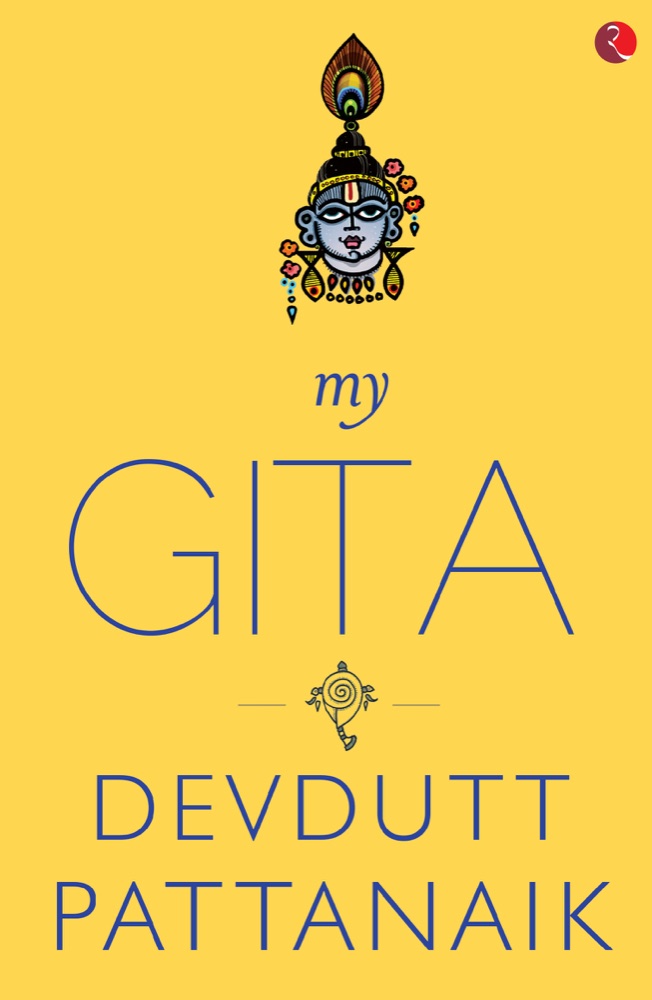 My Gita
About the book
High above the sky stands Swarga, paradise, abode of the gods. Still above is Vaikuntha, heaven, abode of God.The doorkeepers of Vaikuntha are the twins, Jaya and Vijaya, both whose names mean 'victory'. One keeps you in Swarga; the other raises you into Vaikuntha.In Vaikuntha there is bliss forever, in Swarga there is pleasure for only as long as you deserve. What is the difference between Jaya and Vijaya? Solve this puzzle and you will solve the mystery of the Mahabharata.In this enthralling retelling of India's greatest epic, the Mahabharata originally known as Jaya, Devdutt Pattanaik seamlessly weaves into a single narrative plots from the Sanskrit classic as well as its many folk and regional variants, including the Pandavani of Chhattisgarh, Gondhal of Maharashtra, Terukkuttu of Tamil Nadu and Yakshagana of Karnataka.Richly illustrated with over 250 line drawings by the author, the
Book details
- First published
- 2010
- Author
- Devdutt Pattanaik
- Genre
- Classics
- Goodreads rating
- 4.22 (20k ratings)
Keep reading
Sita: An Illustrated Retelling of the Ramayana
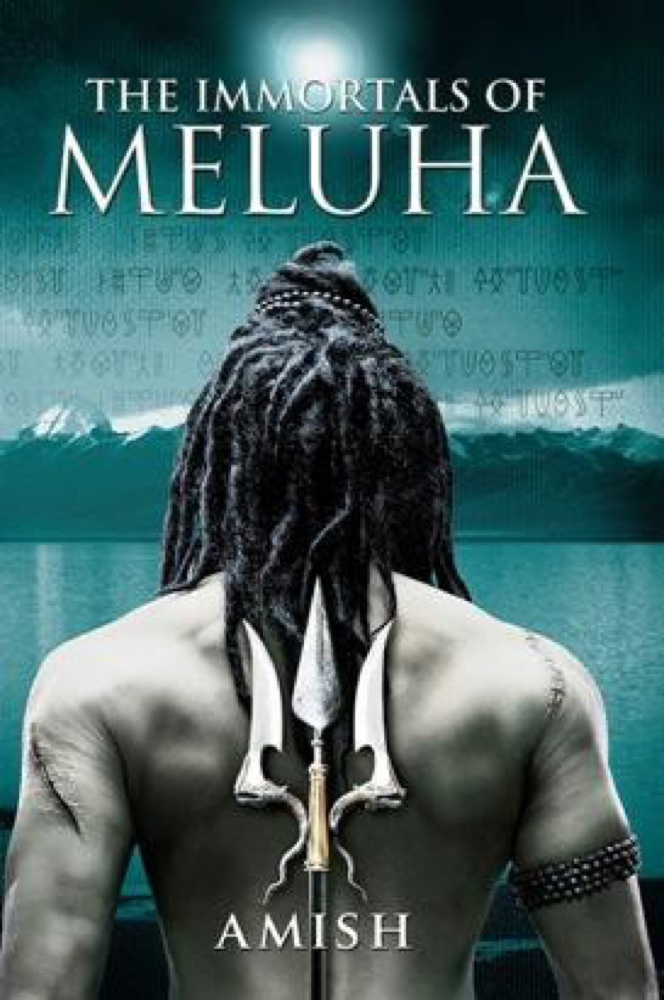 The Immortals of Meluha
My Gita
The Immortals of Meluha
My Gita
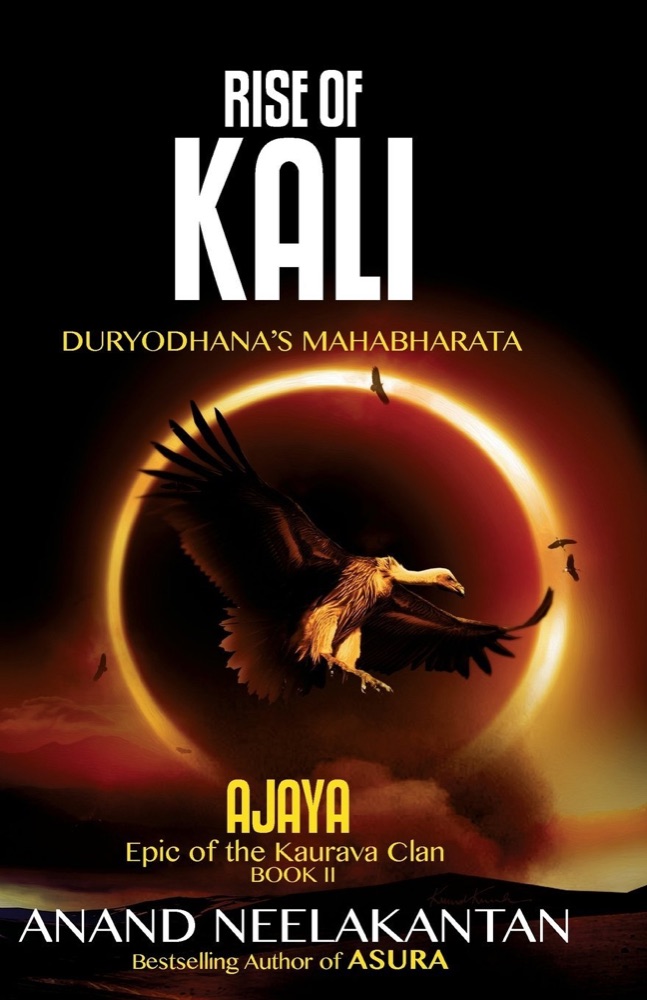 Rise of Kali: Duryodhana's Mahabharata
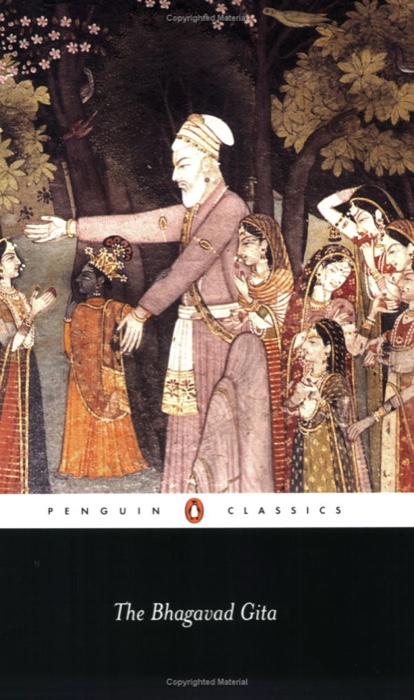 The Bhagavad Gita
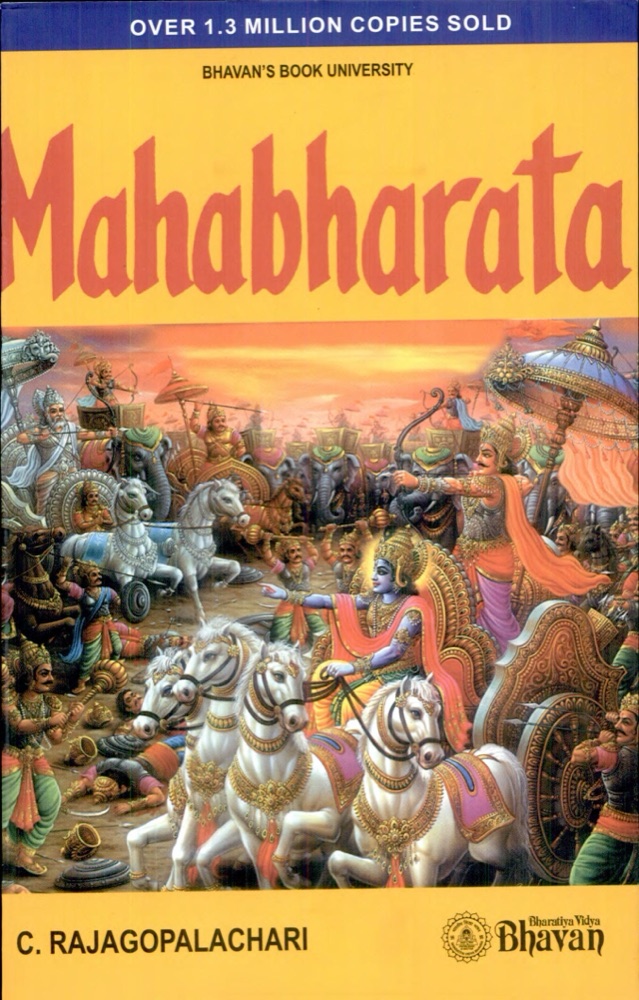 Mahabharata
 The Oath of the Vayuputras
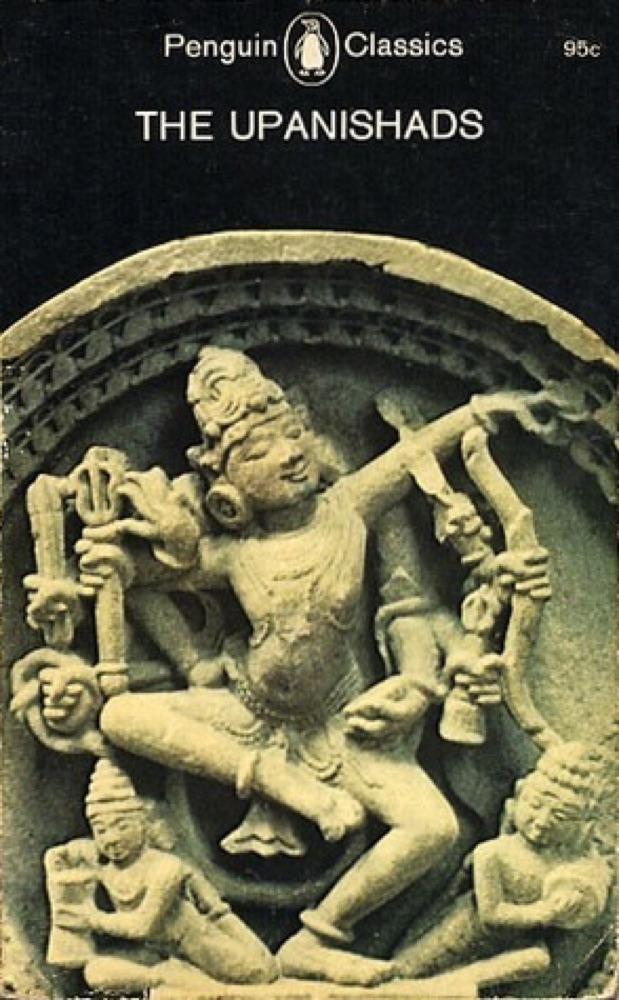 The Upanishads
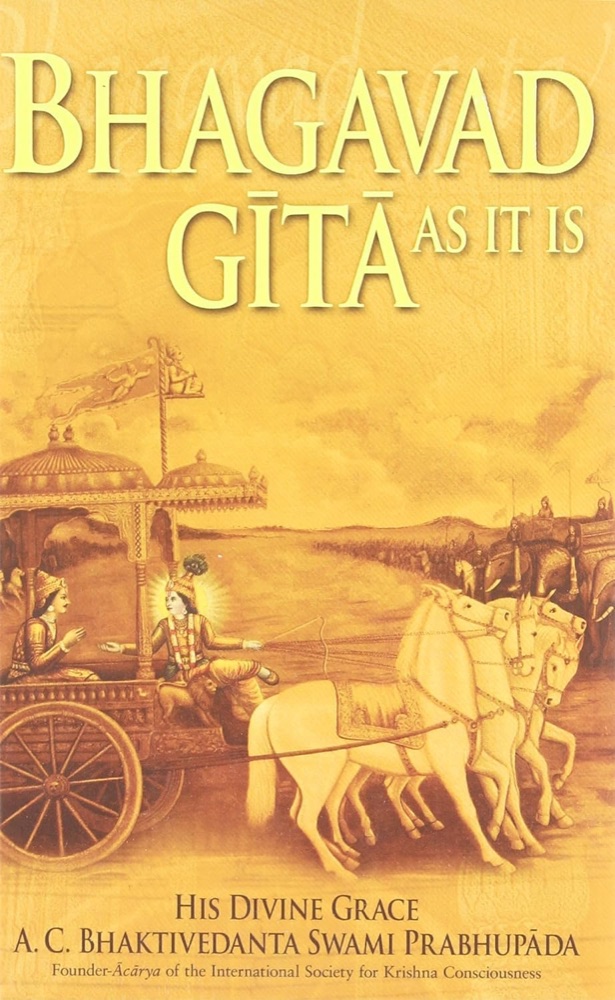 Bhagavad-Gita As It Is
 The Difficulty of Being Good: On the Subtle Art of Dharma
 Yayati: A Classic Tale of Lust
 War of Lanka
 Complete Works of Swami Vivekananda, 9 Vols.
 Autobiography of a Yogi
 The Dhammapada
 Cuckold
 Ajaya: Roll of the Dice
 The Journey Home
 The World's Religions
 When Nietzsche Wept
 The Power of Myth
 Shōgun
 The Way of the Bodhisattva
 Fragments
 Awakening the Buddha Within
 Hippie
 Speaking Bones
 The Gay Science
 Myths to Live By
 The Yoga Sutras of Patanjali
 A Joseph Campbell Companion: Reflections on the Art of Living
 Random Acts Of Heroic Love
 The Consolation of Philosophy
 The Wall of Storms
 What the Buddha Taught
 The Ramayana: A Shortened Modern Prose Version of the Indian Epic
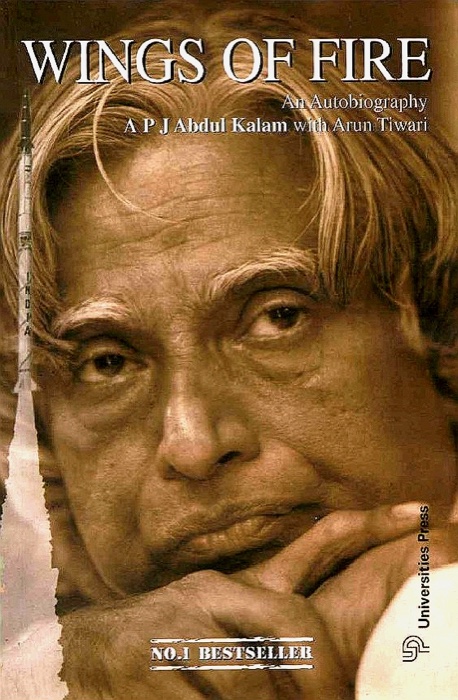 Wings of Fire: An Autobiography
 The Schopenhauer Cure
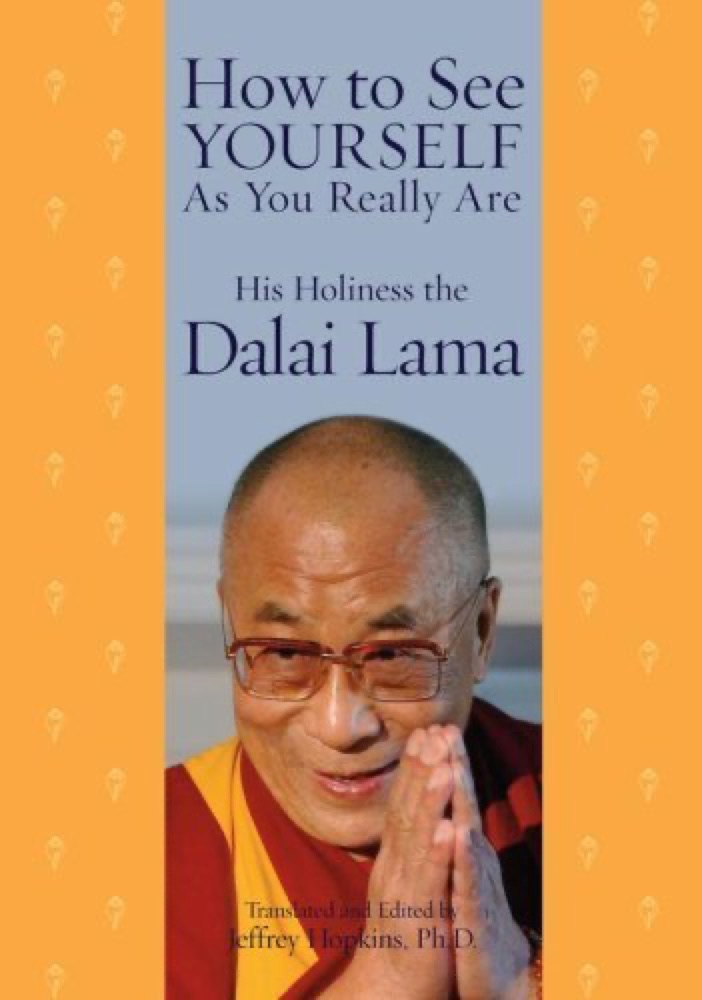 How to See Yourself As You Really Are
 The Myth of Sisyphus
 Sacred Hunger
 Perelandra
 Confessor
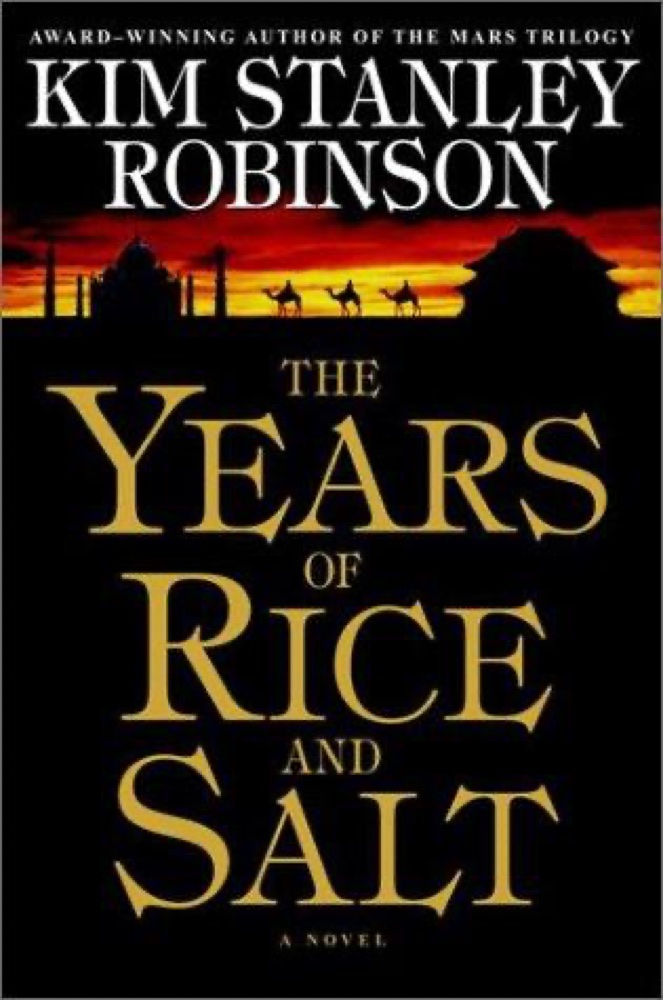 The Years of Rice and Salt
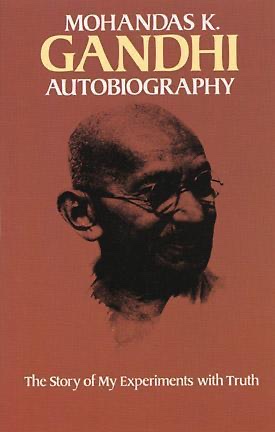 The Story of My Experiments With Truth
 Siddhartha
 The Killing Moon
 Sacred Journey of the Peaceful Warrior
 Demian
 The Discovery of India
 The Darkness That Comes Before
 The Dagger of Adendigaeth
 The I Ching or Book of Changes
 Midnight Tides
 The Lives of Others
 The Spy
 Island
 Sojourn
 The Wise Heart: A Guide to the Universal Teachings of Buddhist Psychology
 If You Meet the Buddha on the Road, Kill Him! The Pilgrimage of Psychotherapy Patients