
 Holy Bible: ESV Bible
Quotes from the Book
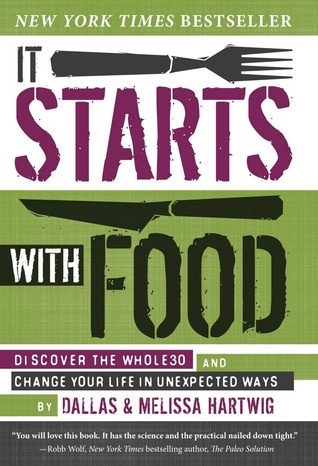
The food you eat either makes you more healthy or less healthy. Those are your options.
You cannot “out-exercise” poor food choices and the resulting hormonal disruption.
You cannot “out-exercise” poor food choices ad the resulting hormonal disruption.
Genetics loads the gun, but environment pulls the trigger.
There is no food neutral; there is no food Switzerland—every single thing you put in your mouth is either making you more healthy or less healthy.
The calcium in vegetable sources may prove more bioavailable (useful to the body) than the stuff you get from milk. One study compared the absorption of calcium from kale and from milk and found kale the clear winner. (Yeah, kale!) Recent studies have shown that plant-sourced calcium in particular increases bone-mineral density and reduces the risk of osteoporosis. This is probably not just due to the calcium content of the plant—the complement of other vitamins (such as vitamin K), minerals, and phytonutrients work synergistically to provide additional benefits to bones. Yet another reason to eat your greens.
We believe you should consume only foods (and drinks) that support normal, healthy digestive function; eating anything that impairs the integrity of your gut impairs the integrity of your health.
Stress affects the activation of reward pathways and impairs your attempts to control your eating habits. Did you catch that? Stress makes it even harder for us to resist our cravings.
If we were hunting and foraging our food in nature,
Despite what you may believe, habit research shows that dramatic changes are actually easier for us to manage, both physically and psychologically.
There is not a single health-promoting substance present in grains that you can’t also get from vegetables and fruit.
physical coordination are better. And you’ll probably notice
when the liver and muscle glycogen stores are full. In the case of full glycogen stores, the liver then turns the glucose into fat—specifically, a form of saturated fat called palmitic acid (!)—which could be used for energy but is more likely (because you’re a sugar-burner and not fat-adapted) to promote elevated triglycerides, leptin resistance, and insulin resistance and to be added to your fat stores.
Belly fat is especially active in this process, contributing to inflammation more than fat stores in other areas (like your buttocks or thighs).
Chronic systemic inflammation plays a key role in more than just age-related diseases. Inflammation contributes to a long list of conditions that you may be dealing with right now. Like asthma, allergies, acne, eczema and other skin conditions, depression, ADHD, and mood swings. Do
Sat-Fat Myth #4: Saturated fat promotes insulin resistance and inflammation. True. Some forms of saturated fat (particularly the “long chain” versions) do contribute to insulin resistance and, by extension, inflammation in the body, which does increase your risk for cardiovascular disease and stroke. Palmitic acid (PA) in particular is the type of saturated fat most correlated with insulin resistance and inflammation. But the form of saturated fat that gets all kinds of ugly in your body doesn’t come from eating saturated fat. The harmful kind of saturated fat comes from eating too many refined carbohydrates.
But one thing is certain—in the case of nutrition and health, the science can be confusing and can lead to “paralysis by analysis” (a state in which you take no action because you’re not sure what to do).
Epigenetics is the study of gene expression—whether genes turn on or turn off and how loudly their information is expressed. While we are all born with a certain code, we are also born with switches that tell that code what to do. Our environmental input (diet, exercise, air quality, etc.) activates those switches. Think about it this way: Genetics loads the gun, but environment pulls the trigger.
body’s initial, short-term response to damage. Think of acute inflammation as the cleanup before the rebuilding. It decreases
Chronic Your body’s initial, short-term response to damage. Think of acute inflammation as the cleanup before the rebuilding. It decreases quickly as your body begins the healing process. Acute inflammation is a good thing, and you wouldn’t want to lose that function. Chronic
Being chronically underslept, overexercising, or experiencing chronic psychological stress—a hallmark of modern life—can all trigger unhealthy levels of cortisol in the body. But so can prolonged periods of not eating (extended fasting) or eating too little (excessive calorie restriction).
what is at the root of lifestyle-related diseases and conditions like heart disease and stroke? Take one guess. Systemic inflammation.
the National Institutes of Health estimates that soybeans, usually in the form of oil, now account for an astonishing 10 percent of total calories in the United States. Ten percent of total calories is a lot. These seed oils are ubiquitous because they’re cheap—but they are not healthy.
As a rule, we think the foods that are good for your body should also not mess with your mind.
About Unknown
We have collected 3744 quotes from 245 books by Unknown on BookQuoters.
More about the author →More by Unknown
Holy Bible: ESV Bible
 Holy Bible, NKJV
 The New Oxford Annotated Bible: New Revised Standard Version
 Hagakure: The Book of the Samurai
Book details
- Author
- Unknown
- Genre
- Nonfiction
- Goodreads rating
- 4.09 (23k ratings) →
Keep reading
 Eat to Live: The Revolutionary Formula for Fast and Sustained Weight Loss
 The China Study: The Most Comprehensive Study of Nutrition Ever Conducted and the Startling Implications for Diet, Weight Loss, and Long-term Health
 Whole: Rethinking the Science of Nutrition
 The 80/10/10 Diet: Balancing Your Health, Your Weight, and Your Life, One Luscious Bite at a Time
 Why We Get Fat: And What to Do About It
 Good Calories, Bad Calories
 In Defense of Food: An Eater's Manifesto
 The 4-Hour Body: An Uncommon Guide to Rapid Fat-Loss, Incredible Sex, and Becoming Superhuman
 Gut: The Inside Story of Our Body's Most Underrated Organ
 Intuitive Eating: A Revolutionary Program That Works
 Outlive: The Science & Art of Longevity
 The Omnivore's Dilemma: A Natural History of Four Meals
 First Bite: How We Learn to Eat
 Spark: The Revolutionary New Science of Exercise and the Brain
 Clean: The New Science of Skin
 What Doesn't Kill Us: How Freezing Water, Extreme Altitude, and Environmental Conditioning Will Renew Our Lost Evolutionary Strength
 Salt Sugar Fat: How the Food Giants Hooked Us
 The Beck Diet Solution
 The Story of the Human Body: Evolution, Health, and Disease
 Why Zebras Don't Get Ulcers
 Why We Get Sick: The New Science of Darwinian Medicine
 Behave: The Biology of Humans at Our Best and Worst
 Women, Food and God: An Unexpected Path to Almost Everything
 Cooked: A Natural History of Transformation
 Successful Aging: A Neuroscientist Explores the Power and Potential of Our Lives
 Crazy Sexy Diet: Eat Your Veggies, Ignite Your Spark, and Live Like You Mean It!
 An Everlasting Meal: Cooking with Economy and Grace
 Brain Energy: A Revolutionary Breakthrough in Understanding Mental Health—and Improving Treatment for Anxiety, Depression, OCD, PTSD, and More
 The Third Plate: Field Notes on the Future of Food
 The Beauty Detox Solution: Eat Your Way to Radiant Skin, Renewed Energy and the Body You've Always Wanted
 The Upward Spiral: Using Neuroscience to Reverse the Course of Depression, One Small Change at a Time
 Animal, Vegetable, Miracle: A Year of Food Life
 Gulp: Adventures on the Alimentary Canal
 Catching Fire: How Cooking Made Us Human
 Burnout: The Secret to Unlocking the Stress Cycle
 Body Positive Power
 Hashimoto's Protocol: A 90-Day Plan for Reversing Thyroid Symptoms and Getting Your Life Back
 Natural Causes: An Epidemic of Wellness, the Certainty of Dying, and Killing Ourselves to Live Longer
 A Woman Makes a Plan: Advice for a Lifetime of Adventure, Beauty, and Success
 French Women Don't Get Fat: The Secret of Eating for Pleasure
 Scarcity Brain: Fix Your Craving Mindset and Rewire Your Habits to Thrive with Enough
 Dopamine Nation: Finding Balance in the Age of Indulgence
 Eating Animals
 Early Retirement Extreme: A Philosophical and Practical Guide to Financial Independence
 The World Peace Diet
 Things No One Will Tell Fat Girls: A Handbook for Unapologetic Living
 Better Than Before: Mastering the Habits of Our Everyday Lives
 The Willpower Instinct: How Self-Control Works, Why It Matters, and What You Can Do to Get More of It
 Fast Food Nation: The Dark Side of the All-American Meal
 Survival of the Sickest: A Medical Maverick Discovers Why We Need Disease
 The 4-Hour Chef: The Simple Path to Cooking Like a Pro, Learning Anything, and Living the Good Life
 Good Reasons for Bad Feelings: Insights from the Frontier of Evolutionary Psychiatry
 Becoming Supernatural: How Common People are Doing the Uncommon
 Peak Performance: Elevate Your Game, Avoid Burnout, and Thrive with the New Science of Success
 Come as You Are: The Surprising New Science that Will Transform Your Sex Life
 When the Body Says No: The Cost of Hidden Stress
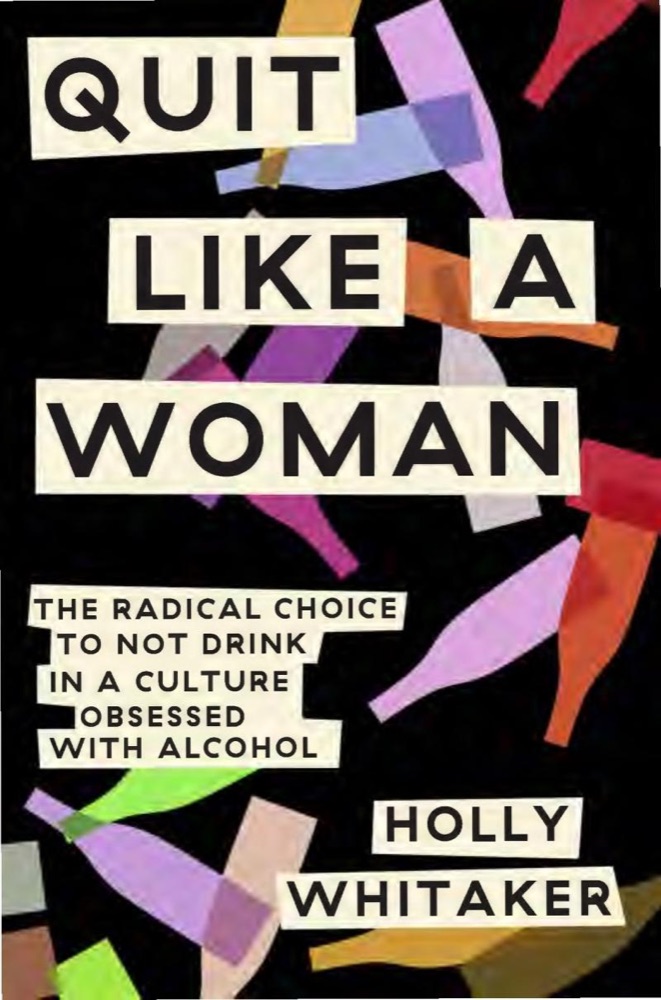 Quit Like a Woman: The Radical Choice to Not Drink in a Culture Obsessed with Alcohol
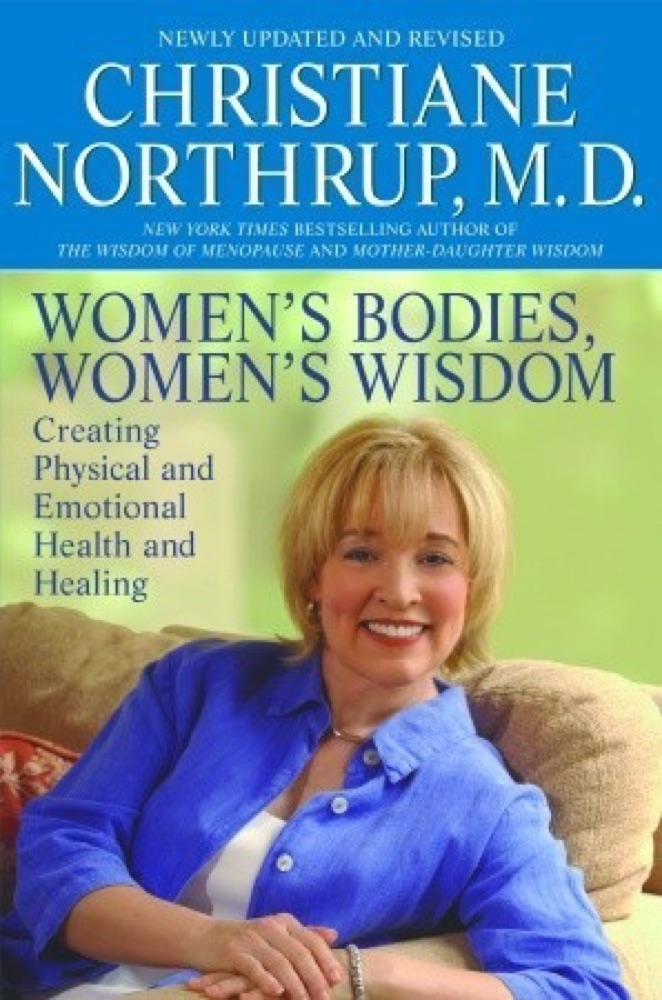 Women's Bodies, Women's Wisdom: Creating Physical and Emotional Health and Healing
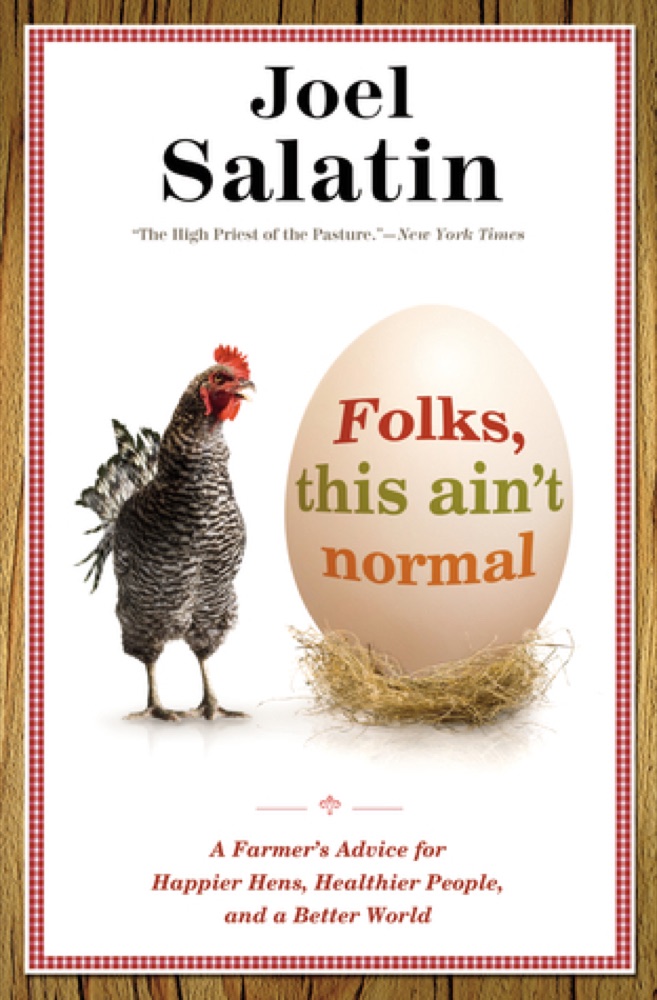 Folks, This Ain't Normal: A Farmer's Advice for Happier Hens, Healthier People, and a Better World