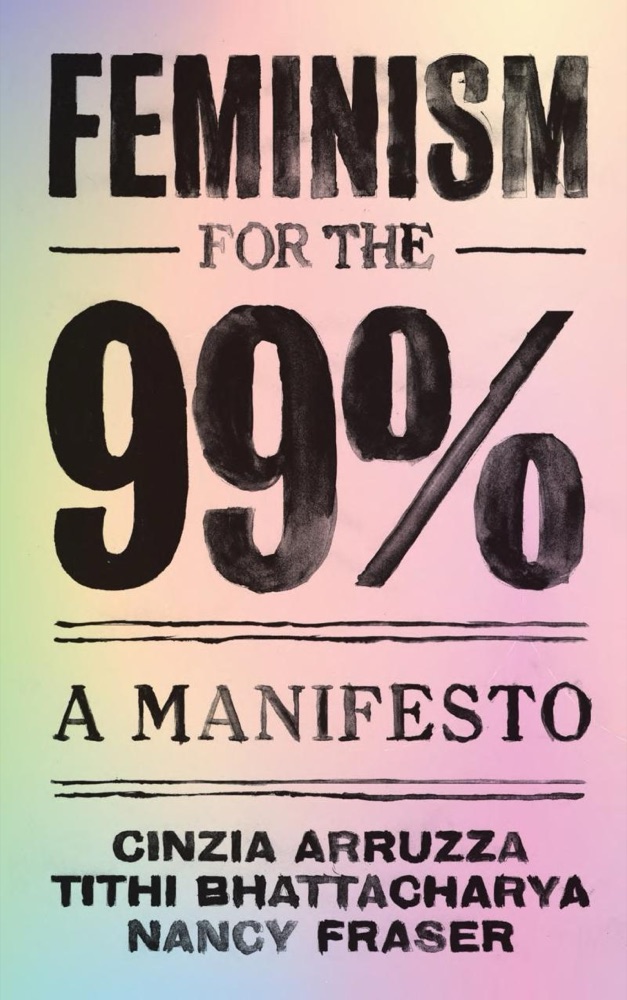

 Feminism Is for Everybody: Passionate Politics
Quotes from the Book
We have no interest in breaking the glass ceiling while leaving the vast majority to clean up the shards. Far from celebrating women CEOs who occupy corner offices, we want to get rid of CEOs and corner offices.
15
A feminism that is truly anti-racist and anti-imperialist must also be anticapitalist.
15
These two voices represent opposing paths for the feminist movement. On the one hand, Sandberg and her ilk see feminism as a handmaiden of capitalism. They want a world where the task of managing exploitation in the workplace and oppression in the social whole is shared equally by ruling-class men and women. This is a remarkable vision of equal opportunity domination: one that asks ordinary people, in the name of feminism, to be grateful that it is a woman, not a man, who busts their union, orders a drone to kill their parent, or locks their child in a cage at the border. In sharp contrast to Sandberg’s liberal feminism, the organizers of the huelga feminista insist on ending capitalism: the system that generates the boss, produces national borders, and manufactures the drones that guard them.
12
The most dangerous trap for feminists lies in thinking that our current political options are limited to two: on the one hand, a “progressive” variant of neoliberalism, which diffuses an elitist, corporate version of feminism to cast an emancipatory veneer over a predatory, oligarchic agenda; on the other, a reactionary variant of neoliberalism, which pursues a similar, plutocratic agenda by other means—deploying misogynist and racist tropes to burnish its “populist” credentials. Certainly, these two forces are not identical. But both are mortal enemies of a genuinely emancipatory and majoritarian feminism. Plus, they are mutually enabling: progressive neoliberalism created the conditions for the rise of reactionary populism and is now positioning itself as the go-to alternative to it.
7
Although it condemns "discrimination" and advocates "freedom of choice", liberal feminism steadfastly refuses to address the socioeconomic constraints that make freedom and empowerment impossible for the large majority of women. Its real aim is not equality, but meritocracy.
6
alliance of the patriarchy and capitalism that wants us to be obedient, submissive and quiet.
5
what makes the choice pressing for us now is the absence of any viable middle way. We owe the dearth of alternatives to neoliberalism: that exceptionally predatory, financialized form of capitalism that has held sway across the globe for the last forty years. Having poisoned the atmosphere, mocked every pretense of democratic rule, stretched our social capacities to their breaking point, and worsened living conditions generally for the vast majority, this iteration of capitalism has raised the stakes for every social struggle, transforming sober efforts to win modest reforms into pitched battles for survival. Under such conditions, the time for fence-sitting is past, and feminists must take a stand: Will we continue to pursue “equal opportunity domination” while the planet burns? Or will we reimagine gender justice in an anticapitalist form—one that leads beyond the present crisis to a new society?
4
The feminism we have in mind recognizes that it must respond to a crisis of epochal proportions: plummeting living standards and looming ecological disaster; rampaging wars and intensified dispossession; mass migrations met with barbed wire; emboldened racism and xenophobia; and the reversal of hard-won rights—both social and political.
3
Violence, in all its forms, is integral to the everyday functioning of capitalist society—for it is only through a mix of brute coercion and constructed consent that the system can sustain itself in the best of times. One form of violence cannot be stopped without stopping the others.
3
Liberal feminism’s ethos converges not only with corporate mores but also with supposedly “transgressive” currents of neoliberal culture. Its love affair with individual advancement equally permeates the world of social-media celebrity, which also confuses feminism with the ascent of individual women. In that world, “feminism” risks becoming a trending hashtag and a vehicle of self-promotion, deployed less to liberate the many than to elevate the few. In general, then, liberal feminism supplies the perfect alibi for neoliberalism. Cloaking regressive policies in an aura of emancipation, it enables the forces supporting global capital to portray themselves as “progressive.” Allied with global finance in the United States, while providing cover for Islamophobia in Europe, this is the feminism of the female power-holders: the corporate gurus who preach “lean in,” the femocrats who push structural adjustment and microcredit on the global South, and the professional politicians in pant suits who collect six-figure fees for speeches to Wall Street.
3
In capitalist societies, the pivotally important role of social reproduction is disguised and disavowed. Far from being valued in its own right, the making of people is treated as a mere means to the making of profit. Because capital avoids paying for this work to the extent that it can, while treating money as the be-all and end-all, it relegates those who perform social-reproductive labor to a position of subordination—not only to the owners of capital, but also to those more advantaged waged workers who can offload the responsibility for it onto others.
2
Historically, the 1 percent have always been indifferent to the interests of society or the majority. But today they are especially dangerous. In their single-minded pursuit of short-term profits, they fail to gauge not only the depth of the crisis, but also the threat it poses to the long-term health of the capitalist system itself: they would rather drill for oil now than ensure the ecological preconditions for their own future profits!
1
legal emancipation remains an empty shell if it does not include public services, social housing, and funding to ensure that women can leave domestic and workplace violence.
1
Our answer to lean-in feminism is kick-back feminism. We have no interest in breaking the glass ceiling while leaving the vast majority to clean up the shards. Far from celebrating women CEOs who occupy corner offices, we want to get rid of CEOs and corner offices.
1
Political crisis is rooted in the institutional structure of capitalist society. This system divides “the political” from “the economic,” the “legitimate violence” of the state from the “silent compulsion” of the market. The effect is to declare vast swaths of social life off limits to democratic control and turn them over to direct corporate domination. By virtue of its very structure, therefore, capitalism deprives us of the ability to decide collectively exactly what and how much to produce, on what energic basis, and through what kinds of social relations. It robs us, too, of the capacity to determine how we want to use the social surplus we collectively produce, how we want to relate to nature and to future generations, and how we want to organize the work of social reproduction and its relation to that of production. Capitalism, in sum, is fundamentally antidemocratic.
1
For example, Israeli state agencies cite their superior "gay-friendly" culture to justify their brutal subjugation of "backward homophobic" Palestinians. Similarly, some European liberals invoke their own "enlightened toleration" of LGBTQ+ individuals in order to legitimate hostility towards Muslims, whom they equate indiscriminately with reaction, while giving non-Muslim sex-authoritarians a free pass.
For example, Israeli state agencies cite their superior " gay-friendly" culture to justify their brutal subjugation of "backward homophobic" Palestinians. Similarly, some European liberals invoke their own "enlightened toleration" of LGBTQ+ individuals in order to legitimate hostility towards Muslims, whom they equatr indiscriminately with reaction, while giving non-Muslim sex-authoritarians a free pass.
societal reorganization, has played out several times in modern history—largely to capital’s benefit. Seeking to restore profitability, its champions have reinvented capitalism time and again—reconfiguring not only the official economy, but also politics, social reproduction, and our relation to nonhuman nature. In so doing, they have reorganized not only class exploitation, but also gender and racial oppression,
who will guide the process of societal transformation, in whose interest, and to what end?
confront head on, the real source of crisis and misery, which is capitalism.
we are living through is a crisis of society as a whole. By no means restricted to the precincts of finance, it is simultaneously a crisis of economy, ecology, politics, and “care.” A general crisis of an entire form of social organization,
What we are living through is a crisis of society as a whole—and its root cause is capitalism.
feminism for the 99 percent seeks profound, far-reaching social transformation. That, in a nutshell, is why it cannot be a separatist movement. We propose, rather, to join with every movement that fights for the 99 percent
laws criminalizing gender violence are a cruel hoax if they turn a blind eye to the structural sexism and racism of criminal justice systems, leaving intact police brutality, mass incarceration, deportation threats, military interventions, and harassment and abuse in the workplace.
for poor and working-class women, wage equality can mean only equality in misery unless it comes with jobs that pay a generous living wage, with substantive, actionable labor rights, and with a new organization of house-and carework.
By itself, legal abortion does little for poor and working-class women who have neither the means to pay for it nor access to clinics that provide it. Rather, reproductive justice requires free, universal, not-for-profit health care, as well as the end of racist, eugenicist practices in the medical profession.
Its love affair with individual advancement equally permeates the world of social-media celebrity, which also confuses feminism with the ascent of individual women. In that world, “feminism” risks becoming a trending hashtag and a vehicle of self-promotion, deployed less to liberate the many than to elevate the few.
Fully compatible with ballooning inequality, liberal feminism outsources oppression. It permits professional-managerial women to lean in precisely by enabling them to lean on the poorly paid migrant women to whom they subcontract their caregiving and housework.
By definition, the principal beneficiaries are those who already possess considerable social, cultural, and economic advantages. Everyone else remains stuck in the basement.
The mainstream media continues to equate feminism, as such, with liberal feminism. But far from providing the solution, liberal feminism is part of the problem. Centered in the global North among the professional-managerial stratum, it is focused on “leaning-in” and “cracking the glass ceiling.” Dedicated to enabling a smattering of privileged women to climb the corporate ladder and the ranks of the military, it propounds a market-centered view of equality that dovetails perfectly with the prevailing corporate enthusiasm for “diversity.” Although it condemns “discrimination” and advocates “freedom of choice,” liberal feminism steadfastly refuses to address the socioeconomic constraints that make freedom and empowerment impossible for the large majority of women. Its real aim is not equality, but meritocracy. Rather than seeking to abolish social hierarchy, it aims to “diversify” it, “empowering” “talented” women to rise to the top. In treating women simply as an “underrepresented group,” its proponents seek to ensure that a few privileged souls can attain positions and pay on a par with the men of their own class.
Watch on YouTube
About Cinzia Arruzza
We have collected 30 quotes from 1 book by Cinzia Arruzza on BookQuoters.
More about the author →About the book
Unaffordable housing, poverty wages, inadequate healthcare, border policing, climate change—these are not what you ordinarily hear feminists talking about. But aren’t they the biggest issues for the vast majority of women around the globe?
Taking as its inspiration the new wave of feminist militancy that has erupted globally, this manifesto makes a simple but powerful case: feminism shouldn’t start—or stop—with the drive to have women represented at the top of their professions. It must focus on those at the bottom, and fight for the world they deserve. And that means targeting capitalism. Feminism must be anticapitalist, eco-socialist and antiracist.
Book details
- First published
- 2019
- Author
- Cinzia Arruzza
- Genre
- Nonfiction
- Goodreads rating
- 4.01 (8k ratings)
Keep reading
Feminism Is for Everybody: Passionate Politics
 Feminist Theory: From Margin to Center
 Against White Feminism: Notes on Disruption
 Feminism, Interrupted: Disrupting Power
 Unspeakable Things: Sex, Lies and Revolution
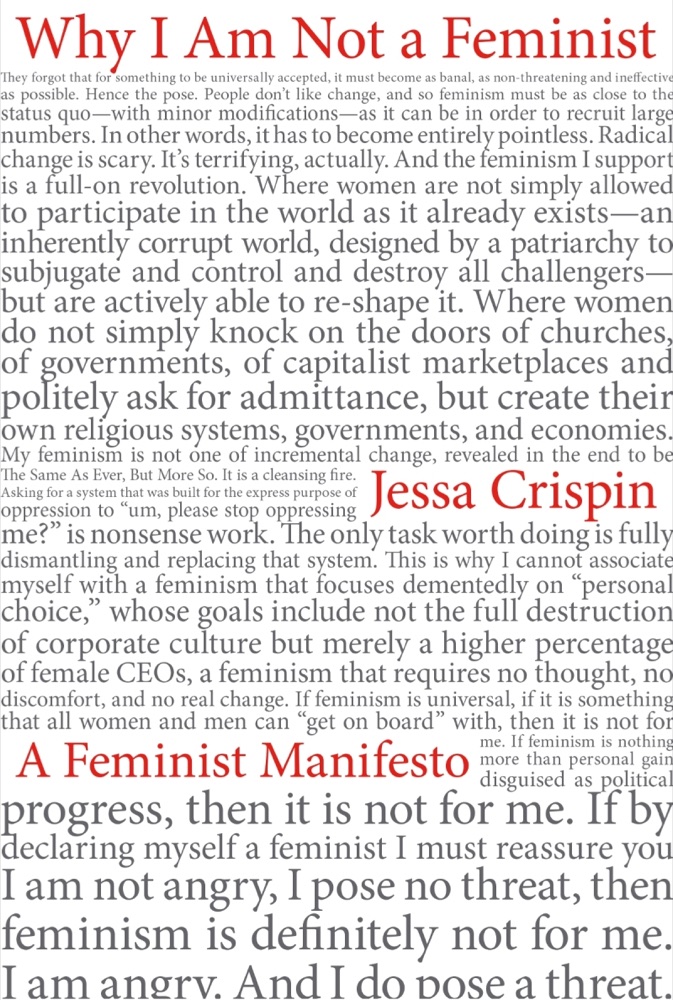 Why I Am Not a Feminist: A Feminist Manifesto
 The Right to Sex: Feminism in the Twenty-First Century
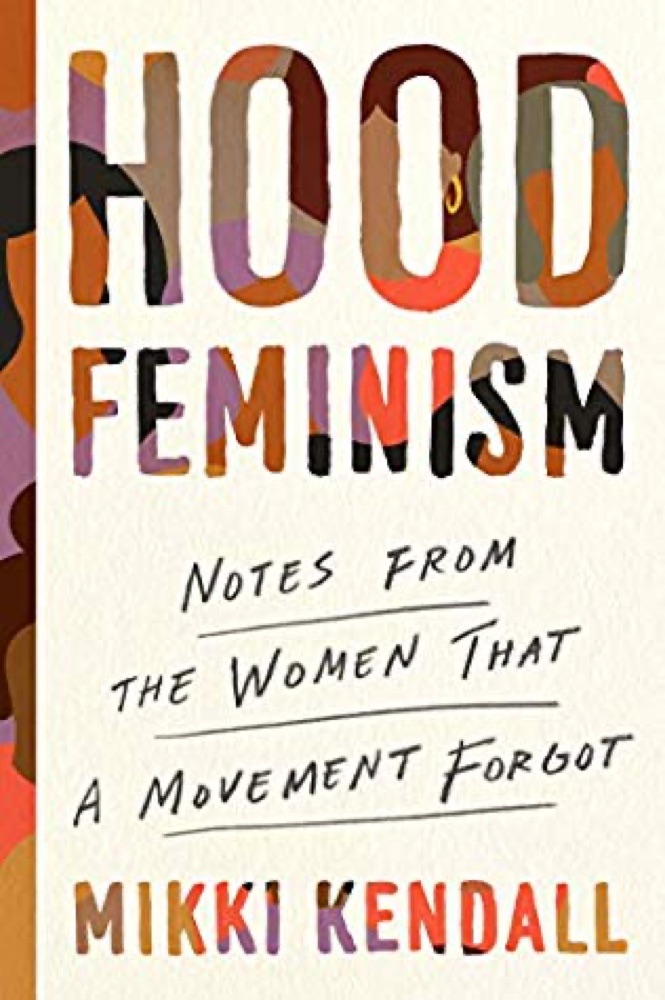 Hood Feminism: Notes from the Women That a Movement Forgot
 Women's Liberation and the African Freedom Struggle
 We Were Feminists Once: From Riot Grrrl to CoverGirl, the Buying and Selling of a Political Movement
 The Madness of Crowds: Gender, Race and Identity
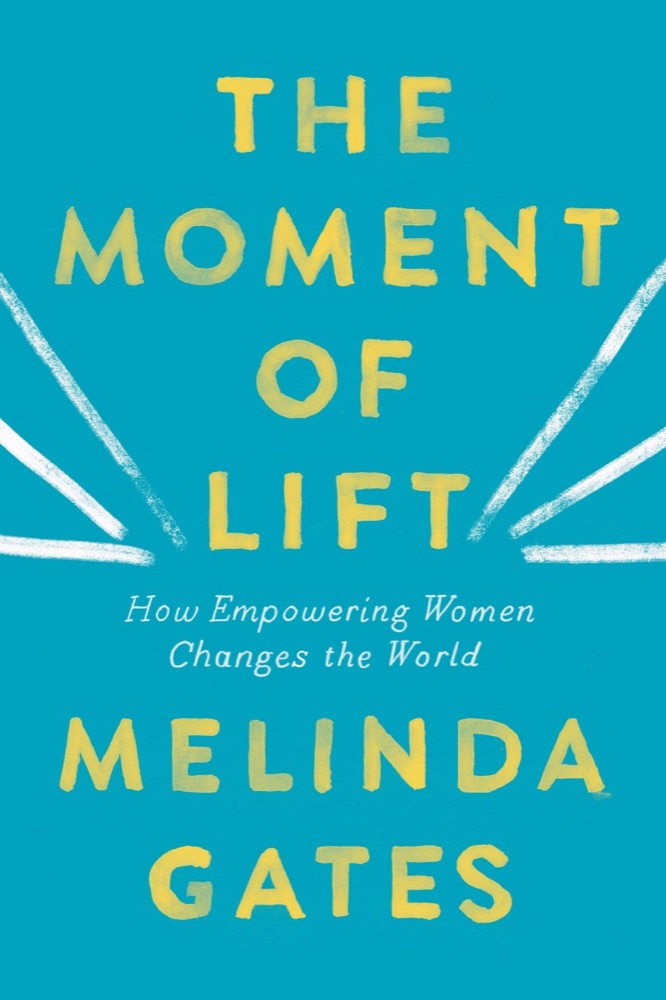 The Moment of Lift: How Empowering Women Changes the World
 Feminists Don't Wear Pink (And Other Lies): Amazing Women on What the F-Word Means to Them
 First As Tragedy, Then As Farce
 Why Marx Was Right
 Elite Capture: How the Powerful Took Over Identity Politics
 What White People Can Do Next: From Allyship to Coalition – An Empowering Guide to Interrogating Whiteness and Creating Justice
 The Soul of a Woman
 Chomsky On Anarchism
 Why Women Have Better Sex Under Socialism: And Other Arguments for Economic Independence
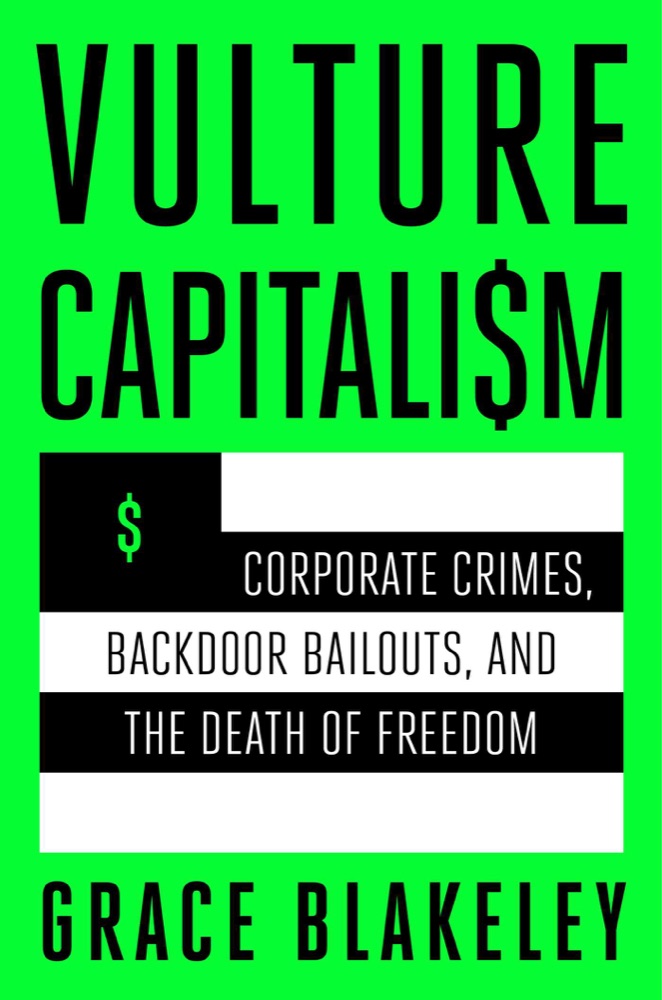 Vulture Capitalism: Corporate Crimes, Backdoor Bailouts, and the Death of Freedom
 America: The Farewell Tour
 Capital and Ideology
 Capitalist Realism: Is There No Alternative?
 Half the Sky: Turning Oppression Into Opportunity for Women Worldwide
 Difficult Women: A History of Feminism in 11 Fights
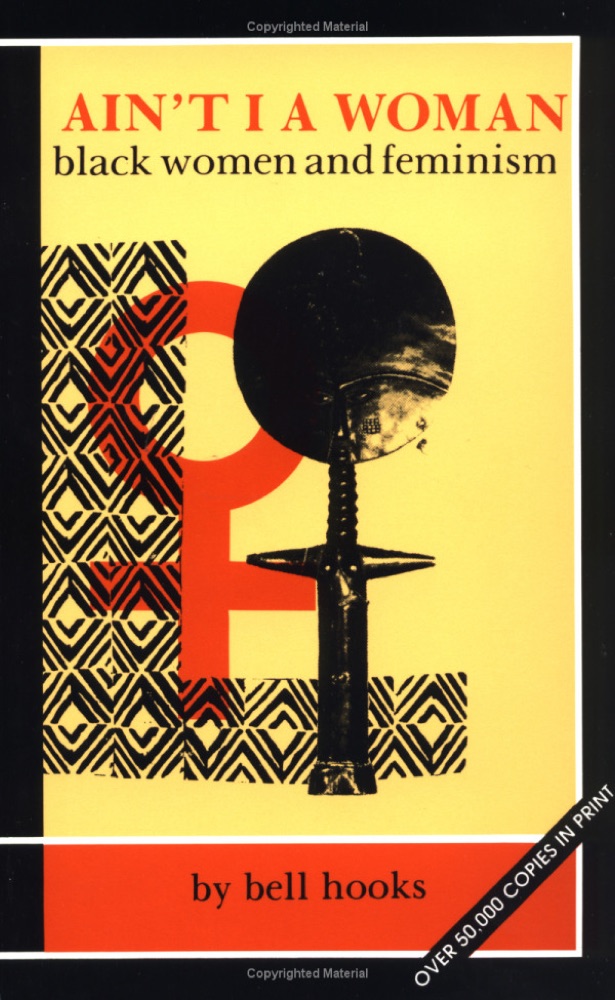 Ain't I a Woman: Black Women and Feminism
 Backlash: The Undeclared War Against American Women
 Minority Rule: Adventures in the Culture War
 The View From Flyover Country: Essays by Sarah Kendzior
 Death of the Liberal Class
 Occupy
 Headscarves and Hymens: Why the Middle East Needs a Sexual Revolution
 Ill Fares the Land
 Four Futures: Life After Capitalism
 Black Feminist Thought: Knowledge, Consciousness, and the Politics of Empowerment
 On Fire: The Case for the Green New Deal
 Right Wing Women
 Fix the System, Not the Women
 Living a Feminist Life
 This Bridge Called My Back: Writings by Radical Women of Color
 Cynical Theories: How Activist Scholarship Made Everything about Race, Gender, and Identity—and Why This Harms Everybody
 The Coming Insurrection
 The Master's Tools Will Never Dismantle the Master's House
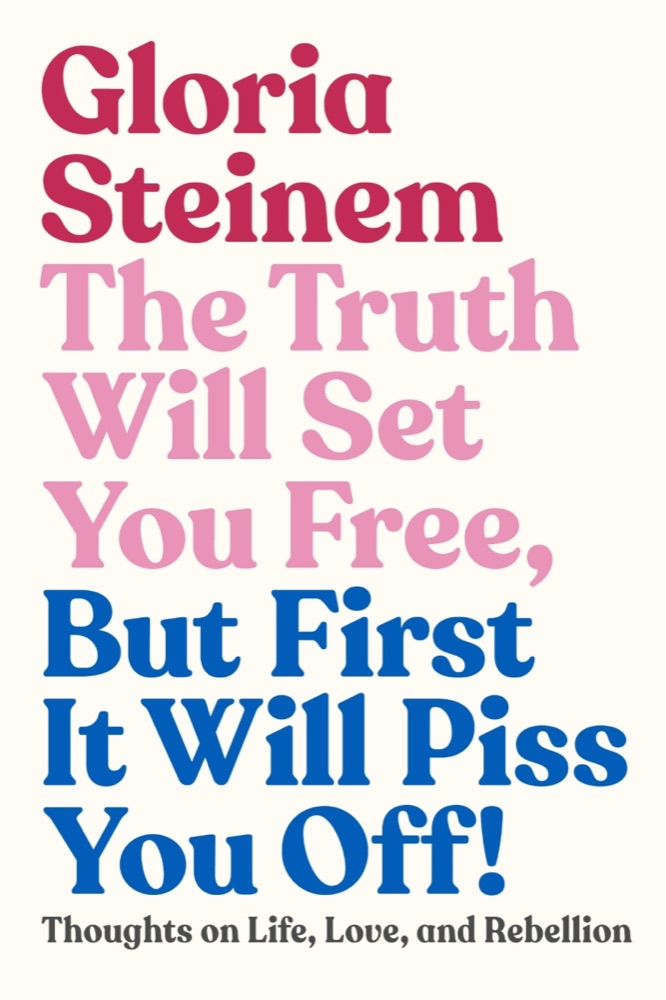 The Truth Will Set You Free, But First It Will Piss You Off!: Thoughts on Life, Love, and Rebellion
 Capitalism, Socialism and Democracy
 Chavs: The Demonization of the Working Class
 Capitalism: The Unknown Ideal
 Let This Radicalize You: Organizing and the Revolution of Reciprocal Care
 Blackshirts and Reds: Rational Fascism and the Overthrow of Communism
 Entitled: How Male Privilege Hurts Women
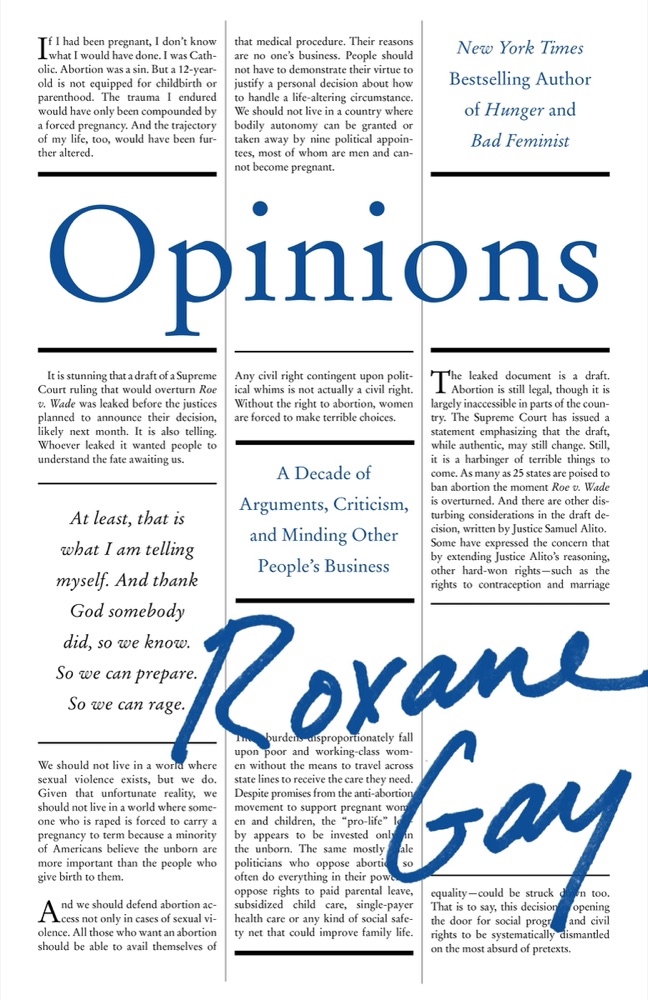 Opinions: A Decade of Arguments, Criticism, and Minding Other People’s Business
 The Feminine Mystique
 Capitalism: A Ghost Story
 Identity: The Demand for Dignity and the Politics of Resentment
 Boys Will Be Boys: Power, Patriarchy and the Toxic Bonds of Mateship
 Doppelganger: A Trip into the Mirror World
 The Dialectic of Sex: The Case for Feminist Revolution
 Mutual Aid: Building Solidarity in This Crisis
 The Shock Doctrine: The Rise of Disaster Capitalism