
 Feminists Don't Wear Pink (And Other Lies): Amazing Women on What the F-Word Means to Them
Quotes from the Book
Maybe it’s no coincidence that Parton’s popularity seemed to surge the same year America seemed to falter. A fractured thing craves wholeness, and that’s what Dolly Parton offers—one woman who simultaneously embodies past and present, rich and poor, feminine and masculine, Jezebel and Holy Mother, the journey of getting out and the sweet return to home.
5
There's a powerful wisdom in just leaving the bullshit for someone else to fix.
4
There is, then, intellectual knowledge--the stuff of research studies and think pieces--and there is experiential knowing. Both are important, and women from all backgrounds might possess both. But we rarely exalt the knowing, which is the only kind of feminism many working women have.
2
The woman who speaks about feminism is not always the one truly insisting on equality behind closed doors.
1
Parton’s musical genius deserves a discussion far beyond and above the matters of gender and class. But the lyrics she wrote are forever tied to the body that sang them, her success forever tied to having patterned her look after the “town trollop” of her native holler. For doing so, she received a fame laced with ridicule; during interviews in the 1970s and 1980s, both Barbara Walters and Oprah Winfrey asked her to stand up so they could point out, without humor, that she looked like a tramp.
1
Political headlines were fixating on a hateful, sexist version of rural, working-class America that I did not recognize. Dolly’s music and life contained what I wanted to say about class, gender, and my female forebears: That country music by women was the formative feminist text of my life.
1
I was a reader, when I could get ahold of something to read, and literature showed me places I’d never seen. Another art form, though, showed me my own place: country music. Its sincere lyrics and familiar accent confirmed, with triumph and sorrow, that my home—invisible or ridiculed elsewhere in news and popular culture—deserved to be known, and that it was complicated and good.
1
I feel sexy,” Parton said. “I like being a woman. If I’d-a been a man, I’d-a probably been a drag queen.
Working-class women might not be fighting for a cause with words, time, and money they don’t have, but they possess an unsurpassed wisdom about the way gender works in the world. Take, for example, the concept of intersectionality. A working-class woman of color might not know that word, but she knows better than anyone how her race, gender, and economic struggles intertwine. There is, then, intellectual knowledge—the stuff of research studies and think pieces—and there is experiential knowing. Both are important, and women from all backgrounds might possess both. But we rarely exalt the knowing, which is the only kind of feminism many working women have.
Feminism and all movements for social progress inevitably contain a gap between what’s on paper and what’s really going on: between the feminism proclaimed and the feminism enacted, the women’s rights legislated and the women’s rights enforced, the progress in policy and the progress in culture. Women of Generation X, of which I represent the youngest contingent, had more freedom than their mothers in meaningful ways. We were the first full beneficiaries of Title IX protections guaranteeing access to education and outlawing sexual discrimination in the workplace. We were entering our first romantic partnerships as the Violence Against Women Act became law. But the cultural cues we received growing up were full of gaps and dissonance.
That evening at Steinem’s talk on the University of Texas campus, I was struck by her explanation for how such venomous misogyny could overrun the presidential election in 2016. The moment a woman is statistically most likely to be murdered by her male abuser, Steinem pointed out, is when she escapes. Losing control of her is the unbearable threat that makes the violent ex-husband snap. Expanding this idea to a patriarchy losing control of half of the U.S. population would indeed explain a lot about recent years: Abortion provider George Tiller’s murder in Wichita in 2009, Hillary Clinton’s treatment and loss in 2016, the reliable track record of violence against and hatred toward women among male perpetrators of this century’s mass-shooting epidemic. It would explain, too, perhaps, how a self-possessed, powerful woman like Parton gets turned into a boob joke. Like Steinem, Parton is an icon of American womanhood in the twentieth century, still going full force today, perhaps with the energy other women their age who made more orthodox decisions must offer to their grandchildren. Steinem did not come from wealth, but the two women nonetheless had different experiences of socioeconomic class: one went to college, and one took a guitar to Nashville. In different ways and with different tacks, they both charted the course for us to nominate a woman for president in 2016.
Oh, I’m a female and I believe that everybody should definitely have their rights,” she said. “I don’t care if you’re Black, white, straight, gay, women, men, whatever. I think everybody that has something to offer should be allowed to give it and be paid for it. But, no, I don’t consider myself a feminist, not in the term that some people do, because I just think we all should be treated with respect.” Her answer might break your heart if, like me, you speak the language of college-educated activists. But I speak another language, too —poor country— and can attest that as an independent teenager in small-town Kansas who believed women and men should receive equal treatment, I might have given a similar answer. So much of what ails our country now, politically, is that we do not share a common set of definitions. In the context of her native class, Parton’s gift to young women is not a statement but an example. One wishes for both from a hero. But, if I could only have one of the two, I’d pick the latter.
Drake song “Make Me Proud” with a direct invocation: “Double D up, hoes. Dolly Parton.
Watch on YouTube
About Sarah Smarsh
We have collected 13 quotes from 1 book by Sarah Smarsh on BookQuoters.
More about the author →About the book
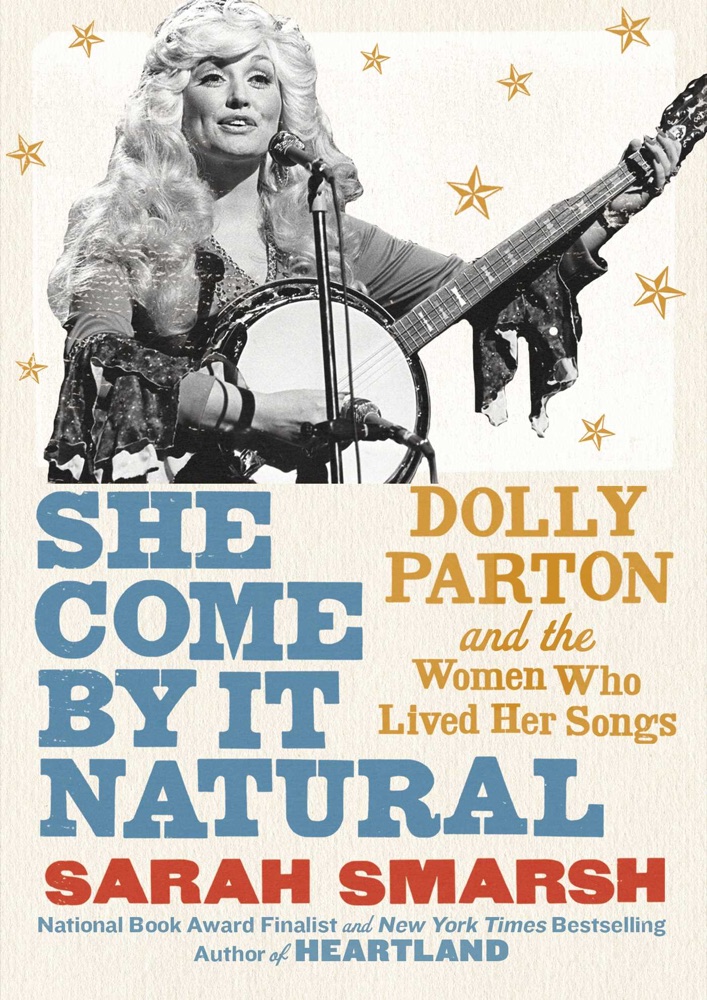
Growing up amid Kansas wheat fields and airplane factories, Sarah Smarsh witnessed firsthand the particular vulnerabilities—and strengths—of women in working poverty. Meanwhile, country songs by female artists played in the background, telling powerful stories about life, men, hard times, and surviving. In her family, she writes, “country music was foremost a language among women. It’s how we talked to each other in a place where feelings aren’t discussed.” And no one provided that language better than Dolly Parton. Smarsh challenged a typically male vision of the rural working class with her first book, Heartland, starring the bold, hard-luck women who raised her. Now, in She Come By It Natural, originally published in a four-part series for The Journal of Roots Music, No Depression, Smarsh explores the overlooked contributions to social progress by such women—including those averse to
Book details
- First published
- 2020
- Author
- Sarah Smarsh
- Genre
- Nonfiction
- Goodreads rating
- 3.81 (6k ratings)
The buzz
- The Wall Street JournalReview in The Wall Street Journalprofessional review (via Book Marks)
- The GuardianReview in The Guardianprofessional review (via Book Marks)
- Los Angeles TimesReview in Los Angeles Timesprofessional review (via Book Marks)
- Kirkus ReviewsReview in Kirkus Reviewsprofessional review (via Book Marks)
- Publishers WeeklyReview in Publishers Weeklyprofessional review (via Book Marks)
- Toronto StarReview in Toronto Starprofessional review (via Book Marks)
Keep reading
Feminists Don't Wear Pink (And Other Lies): Amazing Women on What the F-Word Means to Them
 What Happened
 The Feminine Mystique
 The Truth Will Set You Free, But First It Will Piss You Off!: Thoughts on Life, Love, and Rebellion
 In Search of Our Mothers' Gardens: Womanist Prose
 A Woman's Worth
 The Soul of a Woman
 My Life on the Road
 Against White Feminism: Notes on Disruption
 Girl, Woman, Other
 Too Fat, Too Slutty, Too Loud: The Rise and Reign of the Unruly Woman
 Unspeakable Things: Sex, Lies and Revolution
 The Mother of All Questions
 This Bridge Called My Back: Writings by Radical Women of Color
 How to Suppress Women's Writing
 Trainwreck: The Women We Love to Hate, Mock, and Fear... and Why
 Women & Power: A Manifesto
 We Were Feminists Once: From Riot Grrrl to CoverGirl, the Buying and Selling of a Political Movement
 Bad Feminist
 How to Be a Woman
 Becoming
 Feminism Is for Everybody: Passionate Politics
 The Geek Feminist Revolution
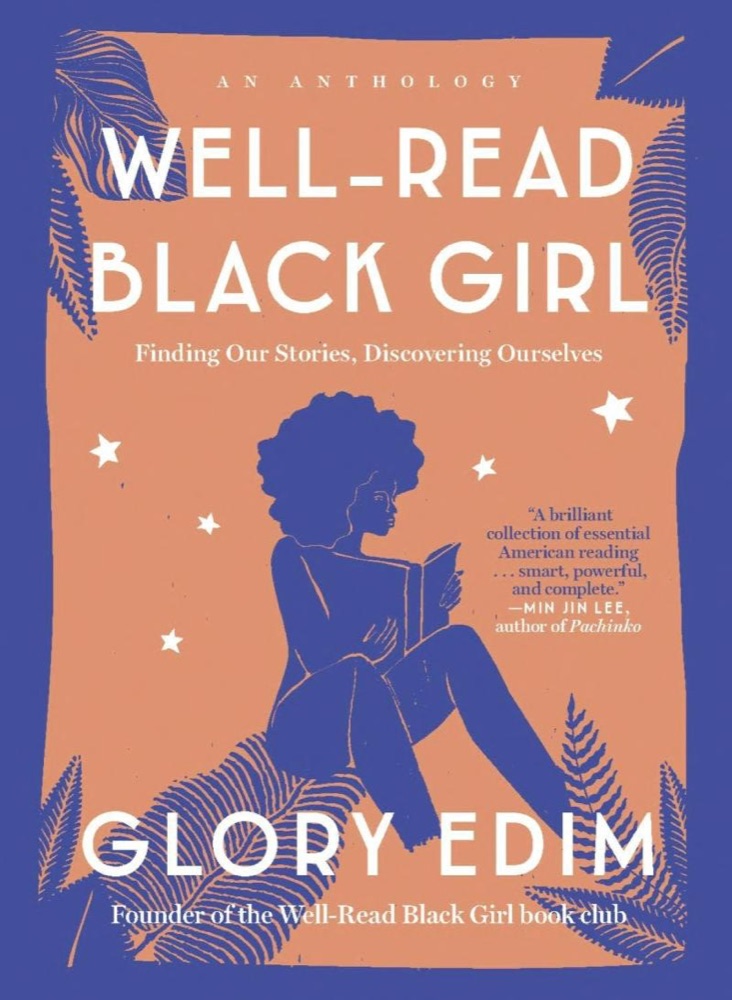 Well-Read Black Girl: Finding Our Stories, Discovering Ourselves
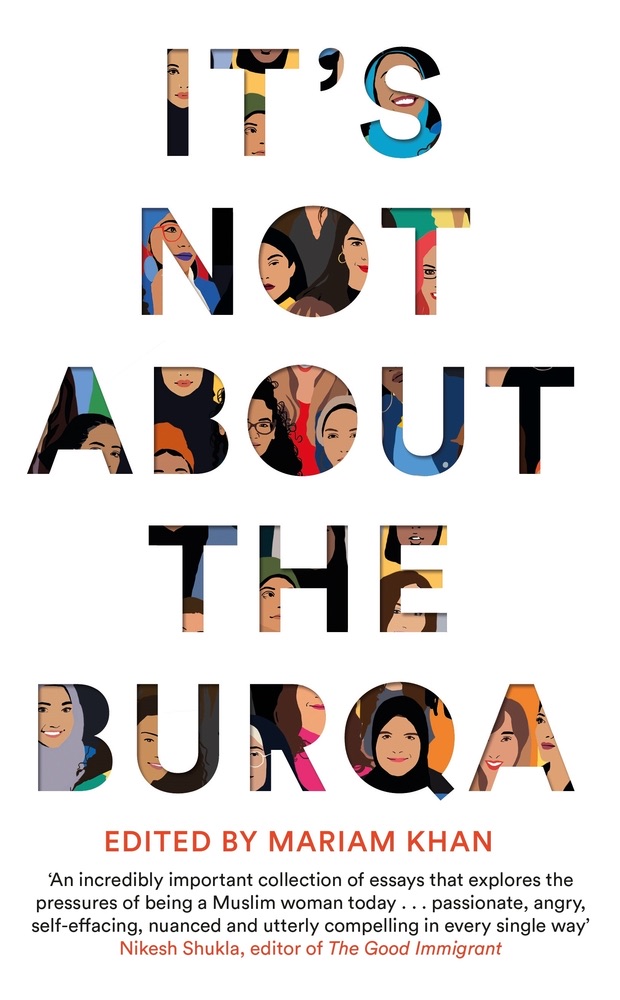 It's Not About the Burqa
 Backlash: The Undeclared War Against American Women
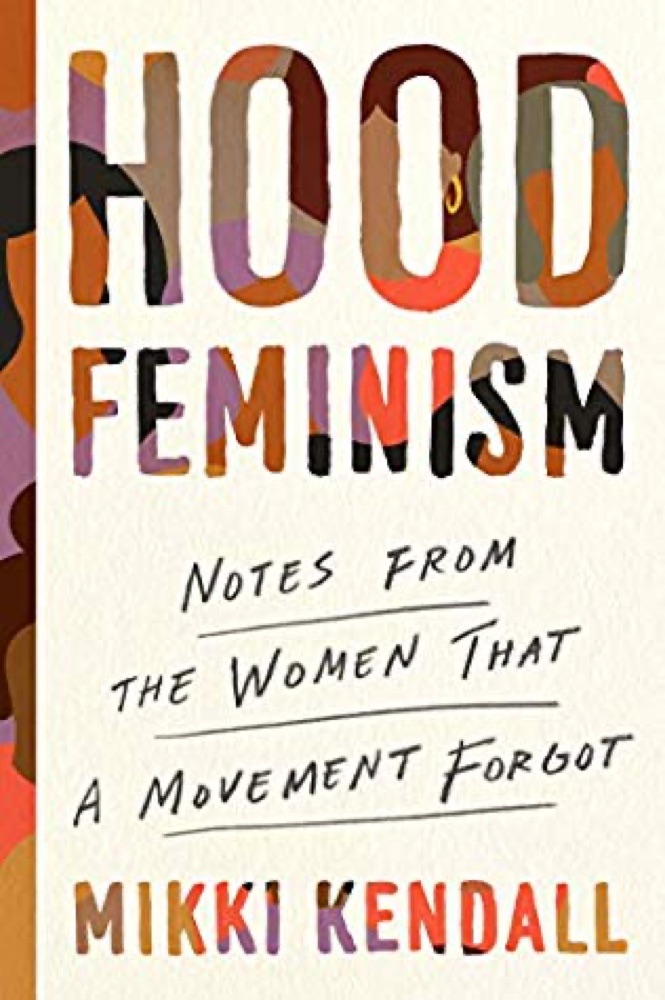 Hood Feminism: Notes from the Women That a Movement Forgot
 Men Explain Things to Me
 Black Feminist Thought: Knowledge, Consciousness, and the Politics of Empowerment
 Difficult Women: A History of Feminism in 11 Fights
 Redefining Realness: My Path to Womanhood, Identity, Love & So Much More
 Outrageous Acts and Everyday Rebellions
 Headscarves and Hymens: Why the Middle East Needs a Sexual Revolution
 The Favorite Sister
 Why I Am Not a Feminist: A Feminist Manifesto
 Thick: And Other Essays
 Cassandra Speaks: When Women Are the Storytellers, the Human Story Changes
 My Own Words
 Cunt: A Declaration of Independence
 Trick Mirror: Reflections on Self-Delusion
 Detransition, Baby
 A Song Flung Up to Heaven
 The Change
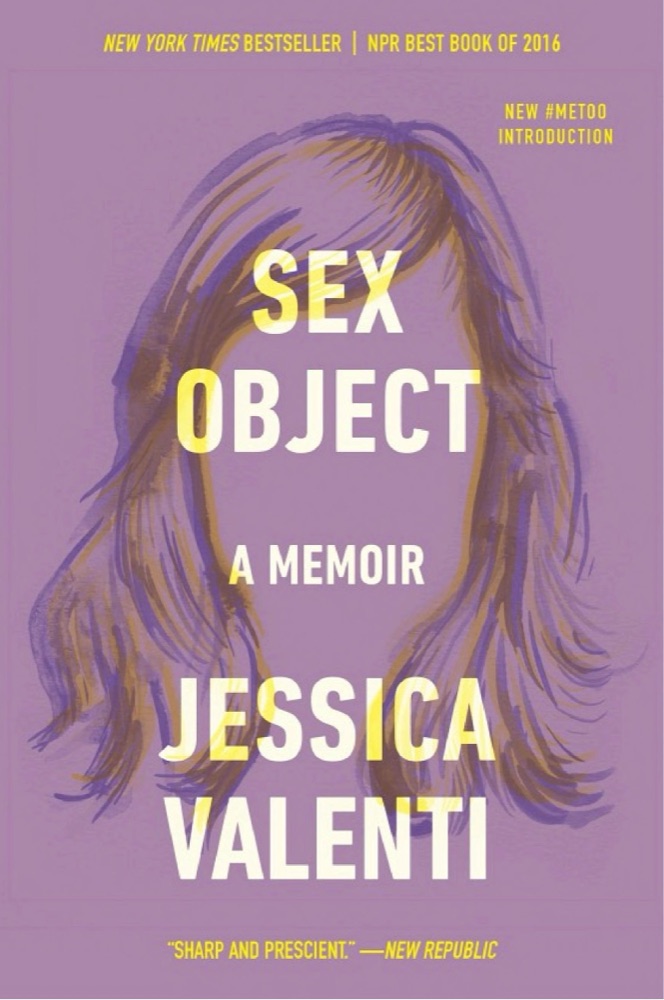 Sex Object: A Memoir
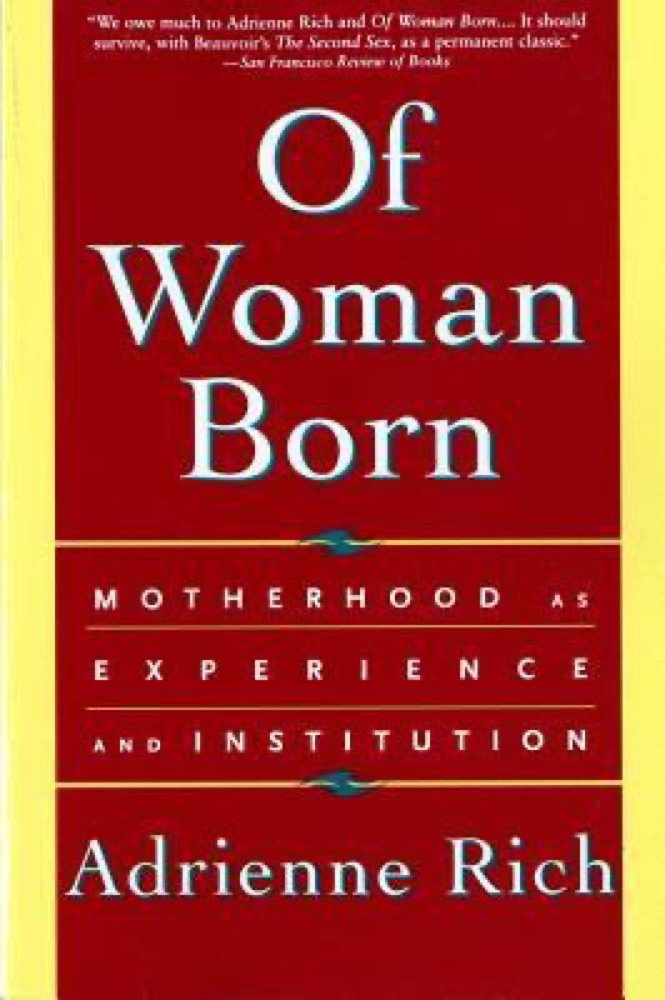 Of Woman Born: Motherhood as Experience and Institution
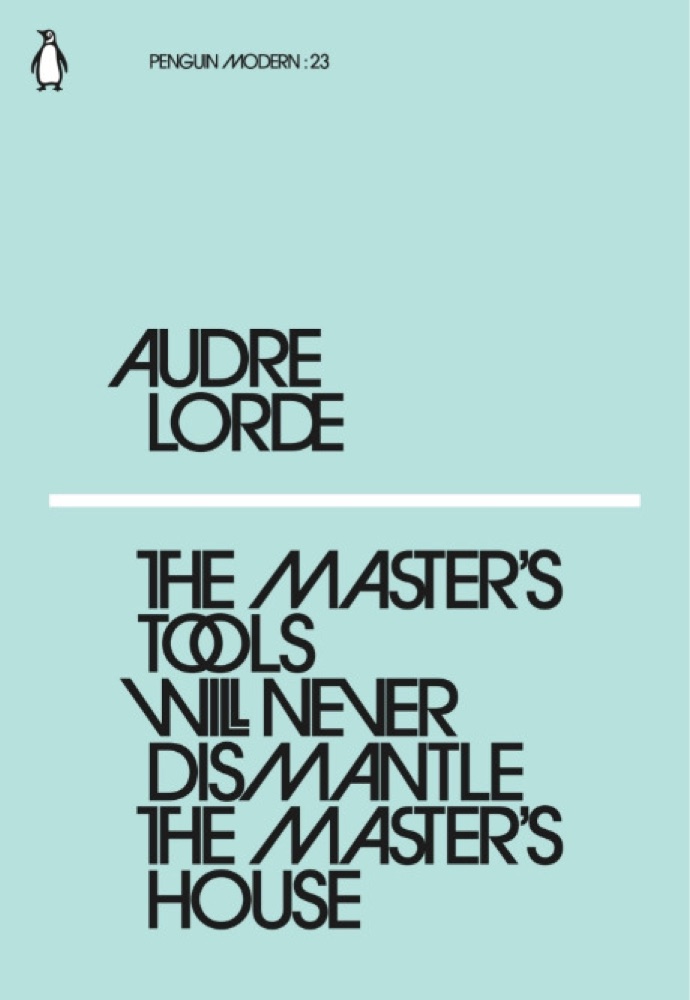 The Master's Tools Will Never Dismantle the Master's House
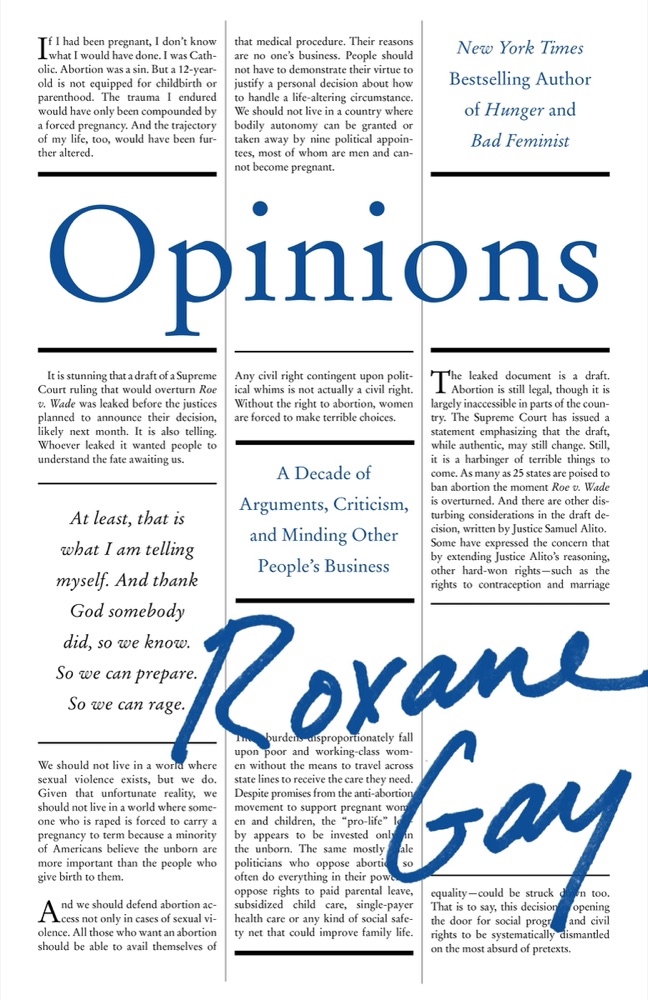 Opinions: A Decade of Arguments, Criticism, and Minding Other People’s Business
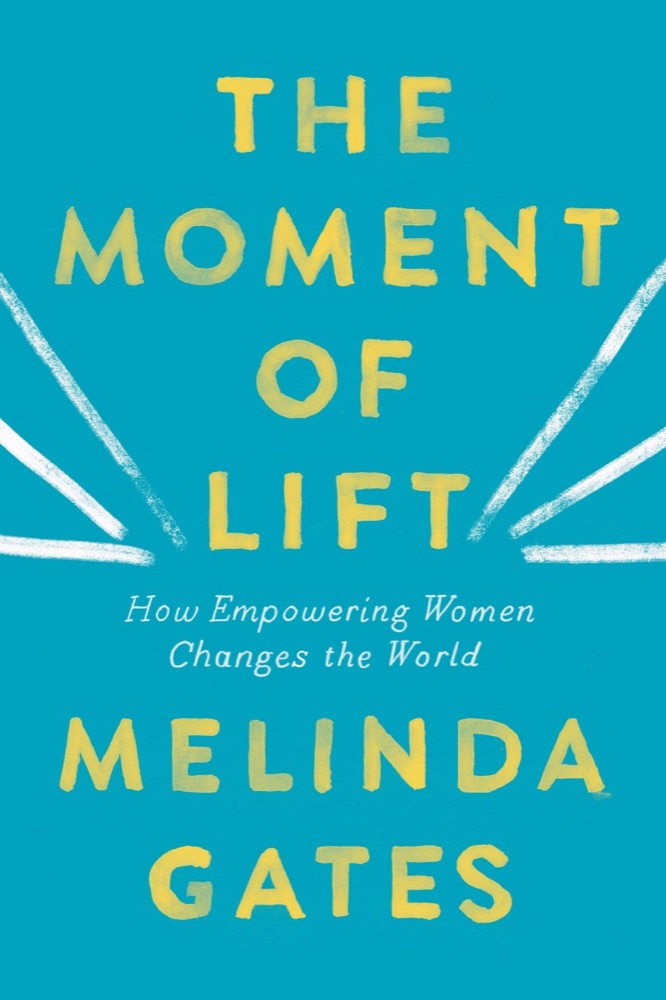 The Moment of Lift: How Empowering Women Changes the World
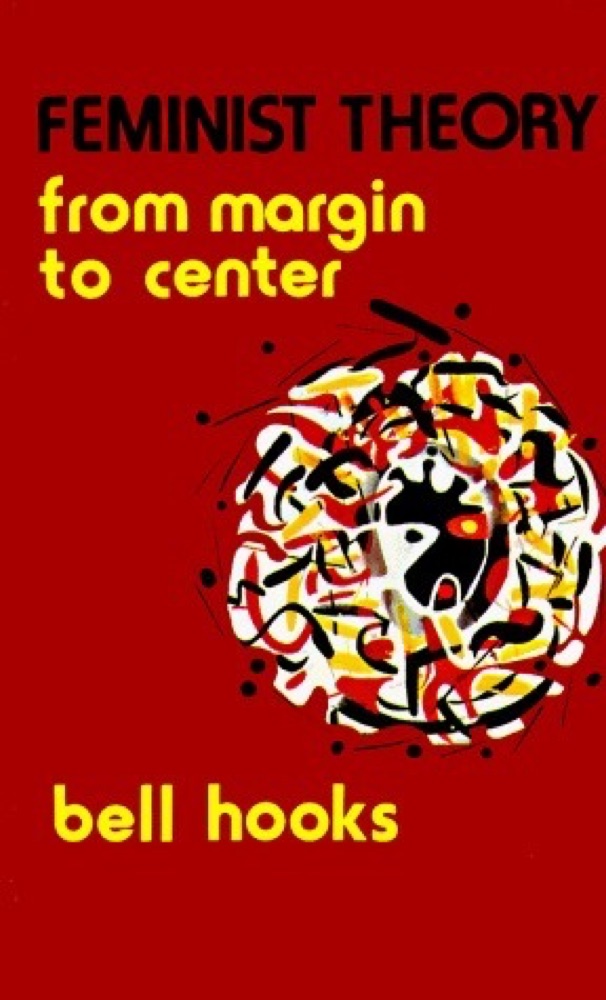 Feminist Theory: From Margin to Center
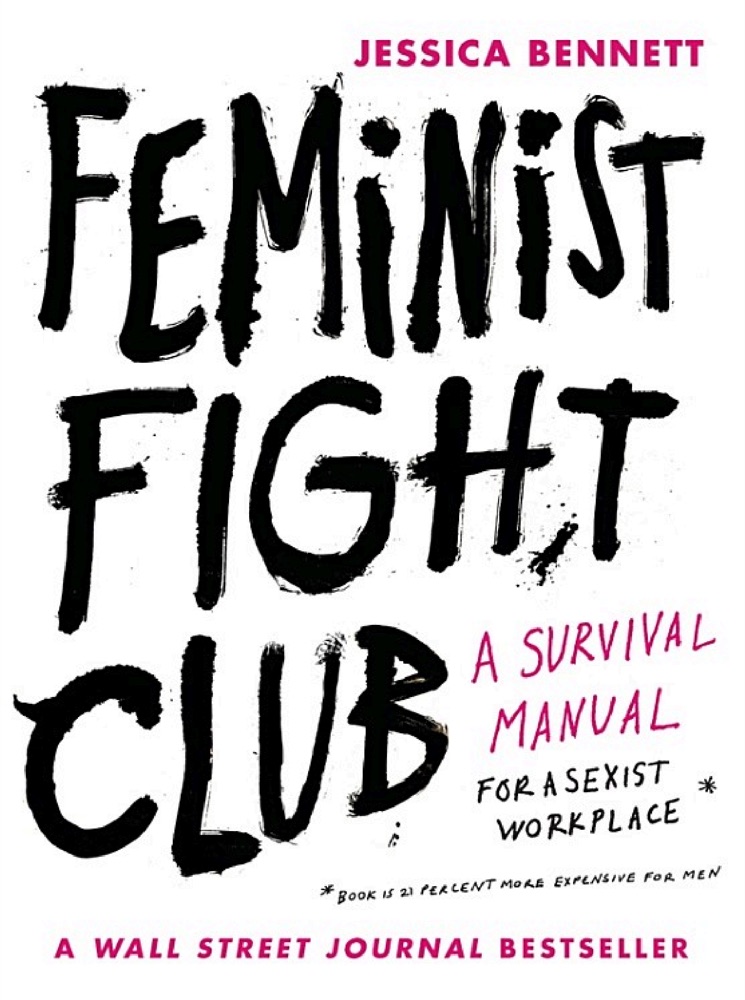 Feminist Fight Club: An Office Survival Manual for a Sexist Workplace
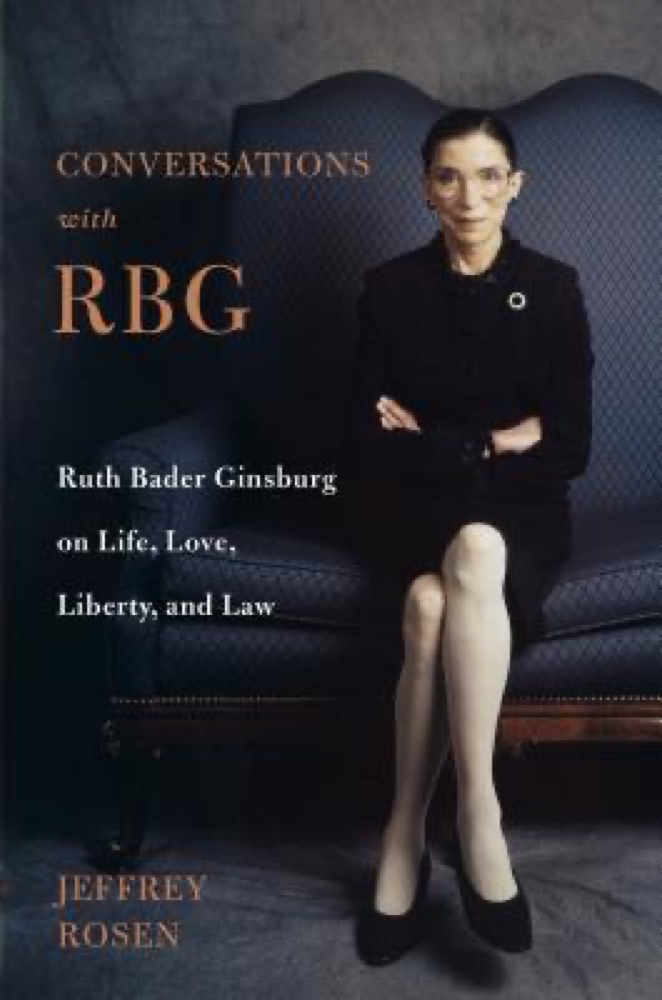 Conversations with RBG: Ruth Bader Ginsburg on Life, Love, Liberty, and Law
 We Should All Be Feminists
 Piece by Piece
 Skin: Talking About Sex, Class And Literature
 Sissy: A Coming-of-Gender Story
 Recollections of My Nonexistence: A Memoir
 Lakewood
 The Dialectic of Sex: The Case for Feminist Revolution
 Herland
 Mislaid