
 Feminism Is for Everybody: Passionate Politics
Quotes from the Book
A feminism that seeks power instead of questioning it does not care about justice.
18
Imagine this: A world where the quality of your life is not determined by how much money you have. You do not have to sell your labour to survive. Labour is not tied to capitalism, profit or wage. Borders do not exist; we are free to move without consequence. The nuclear family does not exist; children are raised collectively; reproduction takes on new meanings. In this world, the way we carry out dull domestic labour is transformed and nobody is forced to rely on their partner economically to survive. The principles of transformative justice are used to rectify harm. Critical and comprehensive sex education exists for all from an early age. We are liberated from the gender binary’s strangling grip and the demands it places on our bodies. Sex work does not exist because work does not exist. Education and transport are free, from cradle to grave. We are forced to reckon with and rectify histories of imperialism, colonial exploitation, and warfare collectively. We have freedom to, not just freedom from. Specialist mental health services and community care are integral to our societies. There is no “state” as we know it; nobody dies in “suspicious circumstances” at its hands; no person has to navigate sexism, racism, ableism or homophobia to survive. Detention centres do not exist. Prisons do not exist, nor do the police. The military and their weapons are disbanded across nations. Resources are reorganised to adequately address climate catastrophe. No person is without a home or loving community. We love one another, without possession or exploitation or extraction. We all have enough to eat well due to redistribution of wealth and resource. We all have the means and the environment to make art, if we so wish. All cultural gatekeepers are destroyed. Now imagine this vision not as utopian, but as something well within our reach.
10
Feminism is a political project about what could be. It's always looking forward, invested in futures we can't quite grasp yet. It's a way of wishing, hoping, aiming, at everything that has been deemed impossible.
8
If feminism means freedom, it means the right to self-determination and the right to be multi-dimensional, disorganised and even incoherent.
7
A commitment to disrupting the state's violence when and where we see it takes feminism outside of the realm of words and theories and makes it a living, breathing set of principles. It reminds us that where we can make interventions, we should and that only work that seeks to shake and unsettle the very foundations of the sexist state is feminist work.
6
The decision to practice a radical feminism was crucial because I became aware of how it separated those wanting to create a new vision for the world from those merely wanting to climb the rungs of power.
5
But art can abstract us from the demands placed on our bodies at any given time. It can remind us that we do not only exist in relation to our gendered responsibilties: we are not only someone’s mother or sister, or carer — we are individuals brimming with sophisticated ideas. Creativity is at the heart of any new world we seek to build.
2
[…] it’s not enough to argue that because the ‘wrong’ kind of people end up in prison we should rethink it. We must rethink the prison system and work to abolish it because feminism demands the abolition of systems and structures that make it impossible for us to live collectively. Prison obscures the causes of social ills; it sweeps violence under the rug and affirms the idea that it is inevitable. In a society that produces ‘criminals’, we all bear responsibility for transforming the structures that make this label possible.
1
The divide between politics and art is not real. It is politics that dictates who creates art, how it is consumed and sold, the conditions in which it is created, the subjectivities that dominate it.
1
When women and non-binary people make art with the intention of raising consciousness, they are not only contributing to the feminist fight, they are demonstrating that feeling is a way of knowing and a powerful starting point for building a political framework. Affect, the ability to be moved, should never be underestimated. It is what brings us to feminist politics and what sustains us.
1
I saw in it [feminism], conflicting theorists and activists, all giving their ideas about the way the world should be. Perhaps most memorably, it released me from the desire to comply with the world as it is. This meant many things for me as an individual; feminism allowed me to be wayward, the wrong kind of woman, deviant. It took me longer to realise that true liberation meant extending this newfound freedom beyond myself. Just because I felt freer in some respects, did not mean I was free.
1
By making the revolution irresistable, the artist breathes life into movements and provides an added dimension that political discourses can sometimes fail to capture. An alliance between art and politics enables us to not only expand the scope of creativity: it gives more women the license to understand the artistic as well as political circumstances of their lives.
We do a disservice to the power of art and artistic creation when we assume it less important than political intervention, likewise, we do ourselves a disservice when we assume that art alone can liberate us.
Thinking about feminism in waves erases dissenting voices. In the neat retelling of feminist history, black feminism is framed as antagonistic, on the periphery, on the outside trying to get in. Not only is this retelling inaccurate, the ‘waves’ analogy redefines what counts as feminist work to advancements made soley in relation to rights and legislation, so that slave rebellions orchestrated by black women in European colonies or social and political uprisings against colonial invaders do not constitute ‘feminist’ history.
Visual art, painting, scultpure, photography and literature provide a space for us to test our limits. They are mediums for meditation and reflection. Art moves us because it provokes feelings and calls for a response. Whether that response is repulsion, fear, joy, appreciation, or boredom — art calls for a witness.
Feminist work is justice work’ proposes that feminism has a purpose beyond just highlighting the ways women are ‘discriminated’ against. It taught me that feminism’s task is to remedy the consequences of gendered oppression through organising and by proposing new ways to think about our ptential as human beings.
Refusing neo-liberalism will open you up to a world where ‘feminist’ means much more than ‘woman’ or ‘equality’. Making these connections is crucial to any revolutionary work because it means that nobody is left behind, nobody’s exploitation goes unseen. It asks us to practice radical compassion, to refuse to ignore the pain of others. It demands that we see how tackling seemingly unrelated phenomena like prison expansion, the rise of fascism, neocolonialism and climate crisis must also become our priorities.
Feminism can no longer remain a rhetorical tool; it must have teeth. It must fight back by providing us with a way of analysing global violence and laying the foundations to combat it.
Solidarity has always been at the heart of feminist practice.
Perhaps a hopeful pessimism is our best chance — we organise across difference not because it solves our problems, but because the visions we seek to enact must be able to account for everyone. We are too involved in one another’s lives, for better or worse. Chandra Mohanty argued ‘the practice of solidarity foregrounds communities of people who have chosen to work and fight together.’ She cites Jodi Dean, who argies that ‘reflectice solidarity’ is crafted by an interaction involving three persons: ‘I ask you to stand by me over me and against a third.’ Solidarity is a belief in one another that should be extended and rescinded accordingly. At the very least, it helps sharpen our focus on that third, who threatens our attempts to build a feminist future.
We all begin somewhere. A feminist understanding is not inherent; it is something that must be crafted. Theory does not only mean reading dense academic texts. Theory can be lived, held, shared. It is a breathing, changeable thing that can be infused in many political and artistic forms. Learning requires the patience and empathy of those around you and an investment in the importance of radical education.
I read about how freedom requires upheaval and must be fought for, not romanticised. It was during this period that I realised that feminism was not simple. There were no pre-given solutions. The ‘answer’, if there was one, required us to place different feminisms in conversation and necessitated a radical flexibility in our organising. Feminism was complicated and messy in ways that made me reconsider my foundational political beliefs: equality versus liberation, reform versus abolition. Feminism meant hard work, the kind done without reward or recognition, the kind that requires an unshakeable belief in its importance, the kind that is long and tiresome, but that creates a sense of purpose. It proposed a new way of being that transformed the way I looked at the world.
Everybody has a story about how they arrived and keep arriving at radical politics. Some of us are politicised by the trauma of our own experiences, by wars waged in our names, by our parents and lovers, by the internet. It’s useful to share the ways we become politicised if only because it helps politicise others.
To be nourished means to be brimful, satisfied and to treat our bodies with loving-kindness. Nourishment is the opposite of policing and gatekeeping. Nourishment rejects any attempt to blame us for our bodies, to shame us for what we look like or the food we eat. Nourishment rejects dieting. Nourishment is a feminist project because for too long, women’s bodies and what they consume have been monitored.
if at the most basic level, consent is the freedom to make decisions, then we must craft a world where those decisions are not governed by oppressive structures. Our focus should be on the structures that push the majority of women into sex work, not individual women who are merely finding ways to survive.
If we view feminism as an approach, a way to think about the world, it shifts the focus away from words, towards action. Feminist principles are not something that can be ‘achieved’. They are cultivated through a reflective process that has no end. They grow, change and take shape as we do.
Watch on YouTube
About Lola Olufemi
We have collected 26 quotes from 1 book by Lola Olufemi on BookQuoters.
More about the author →About the book
More than just a slogan on a t-shirt, feminism is a radical tool for fighting back against structural violence and injustice. Feminism, Interrupted is a bold call to seize feminism back from the cultural gatekeepers and return it to its radical roots. Lola Olufemi explores state violence against women, the fight for reproductive justice, transmisogyny, gendered Islamophobia and solidarity with global struggles, showing that the fight for gendered liberation can change the world for everybody when we refuse to think of it solely as women's work. Including testimonials from Sisters Uncut, migrant groups working for reproductive justice, prison abolitionists and activists involved in the international fight for Kurdish and Palestinian rights, Olufemi emphasises the link between feminism and grassroots organising. Reclaiming feminism from the clutches of the consumerist, neoliberal model, Fe
Book details
- First published
- 2020
- Author
- Lola Olufemi
- Genre
- Nonfiction
- Goodreads rating
- 4.39 (4k ratings)
Keep reading
Feminism Is for Everybody: Passionate Politics
 Feminist Theory: From Margin to Center
 Why I Am Not a Feminist: A Feminist Manifesto
 Feminists Don't Wear Pink (And Other Lies): Amazing Women on What the F-Word Means to Them
 Unspeakable Things: Sex, Lies and Revolution
 The Right to Sex: Feminism in the Twenty-First Century
 Feminism for the 99%: A Manifesto
 We Were Feminists Once: From Riot Grrrl to CoverGirl, the Buying and Selling of a Political Movement
 Against White Feminism: Notes on Disruption
 Living a Feminist Life
 Headscarves and Hymens: Why the Middle East Needs a Sexual Revolution
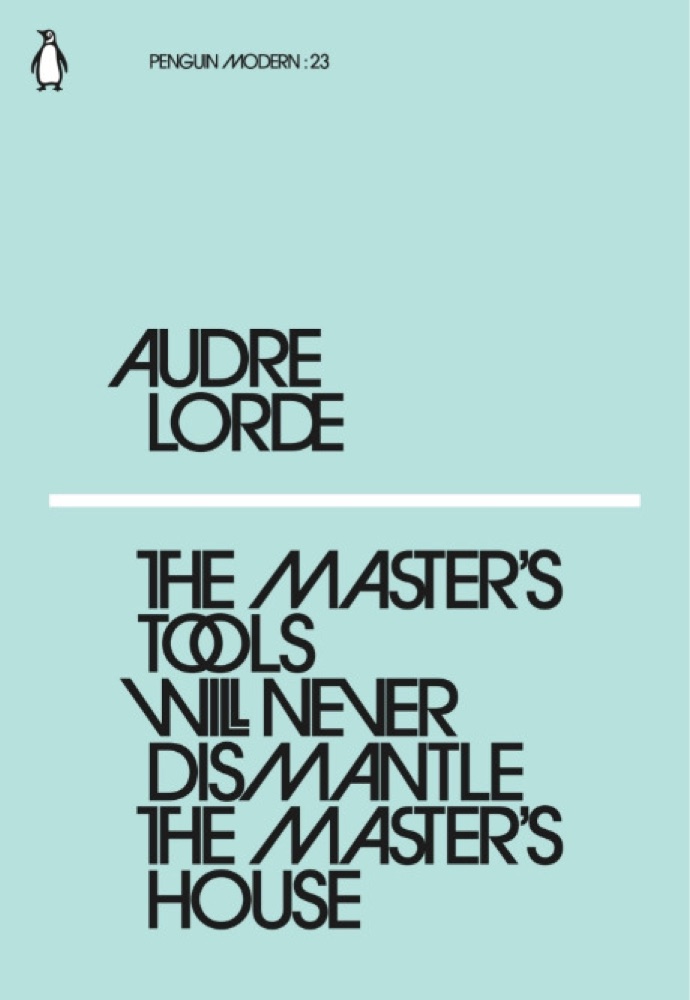 The Master's Tools Will Never Dismantle the Master's House
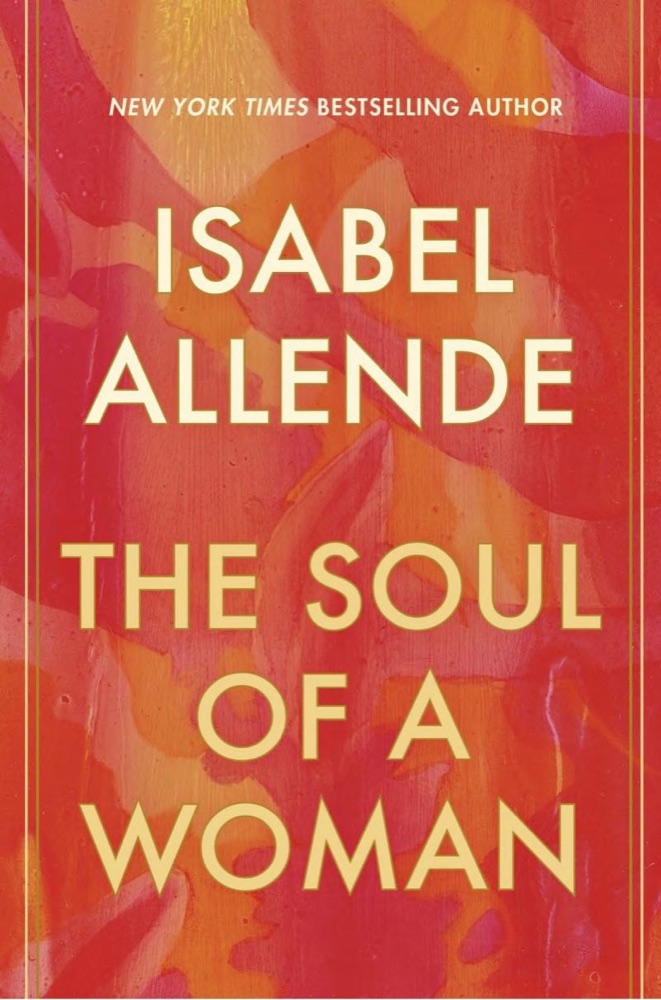 The Soul of a Woman
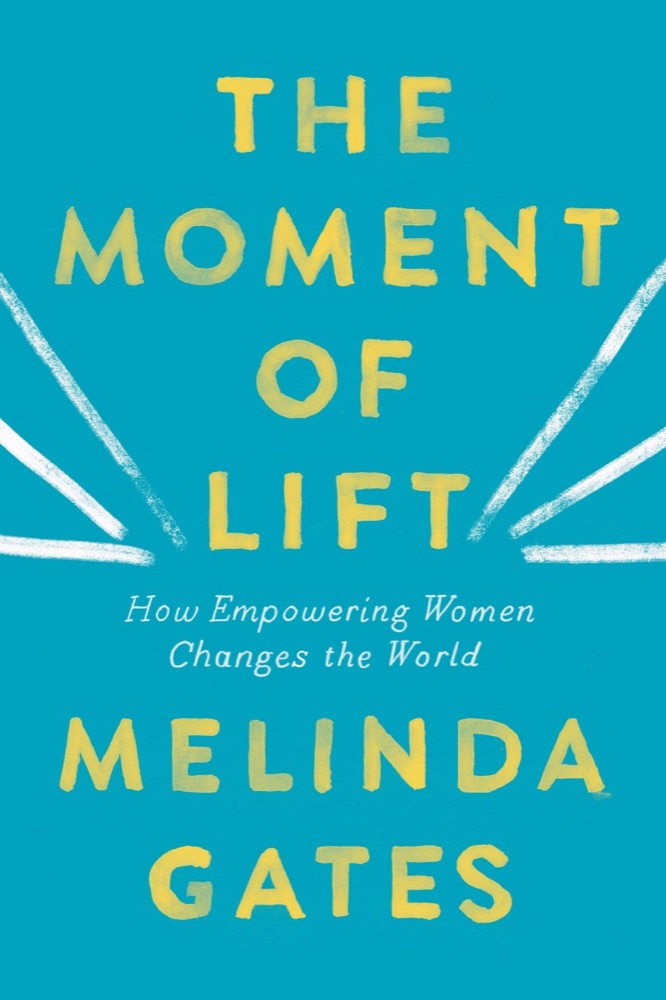 The Moment of Lift: How Empowering Women Changes the World
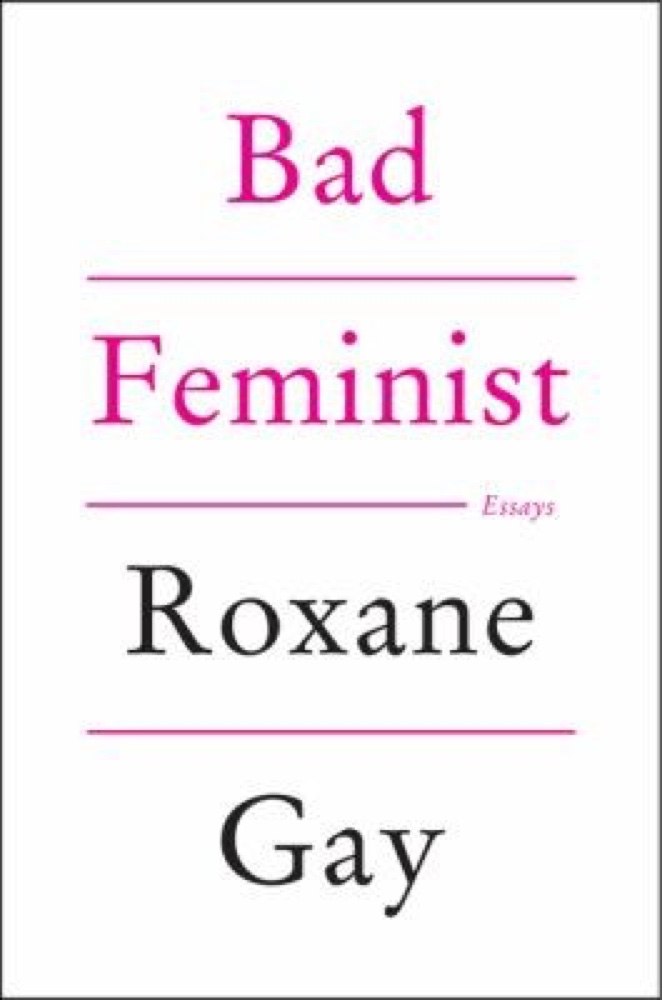 Bad Feminist
 Talking Back: Thinking Feminist, Thinking Black
 Difficult Women: A History of Feminism in 11 Fights
 Hood Feminism: Notes from the Women That a Movement Forgot
 This Bridge Called My Back: Writings by Radical Women of Color
 The Mother of All Questions
 Women's Liberation and the African Freedom Struggle
 The Madness of Crowds: Gender, Race and Identity
 We Should All Be Feminists
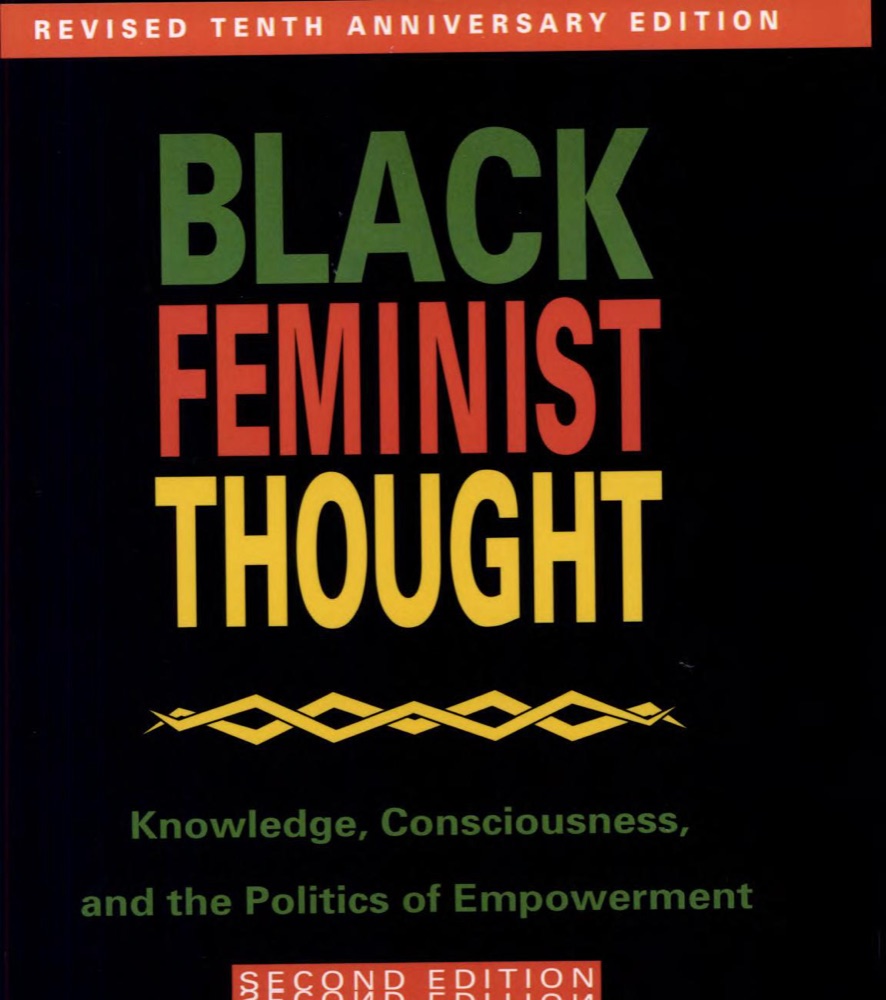 Black Feminist Thought: Knowledge, Consciousness, and the Politics of Empowerment
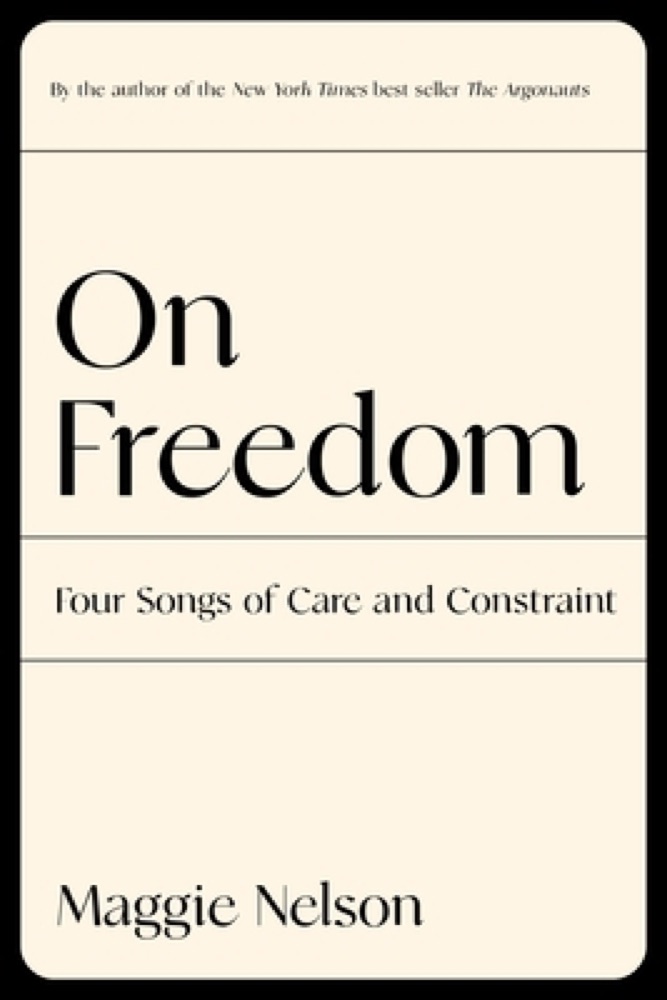 On Freedom: Four Songs of Care and Constraint
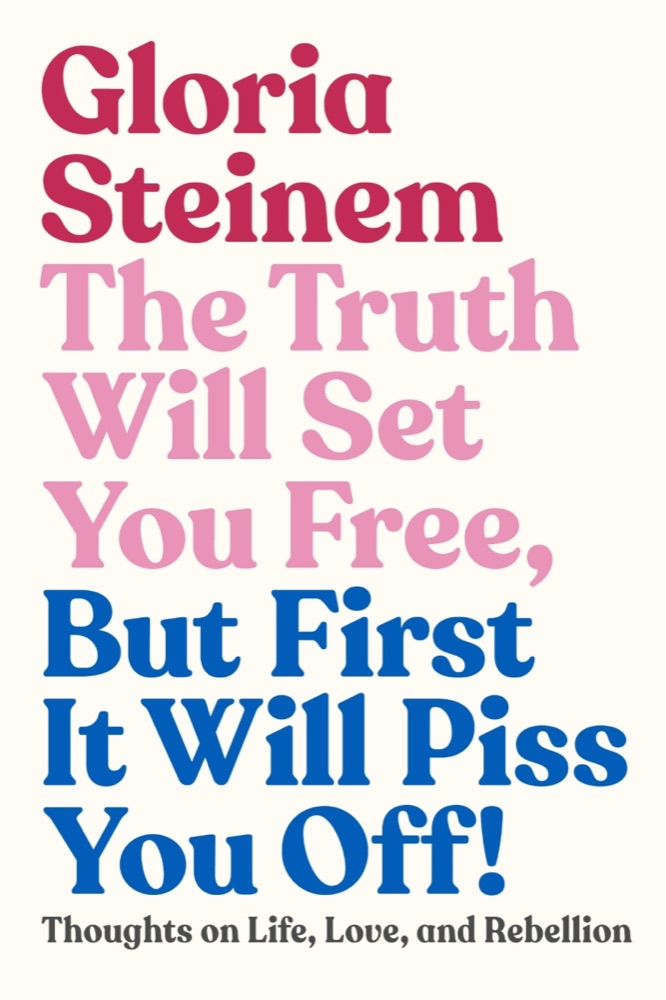 The Truth Will Set You Free, But First It Will Piss You Off!: Thoughts on Life, Love, and Rebellion
 Cunt: A Declaration of Independence
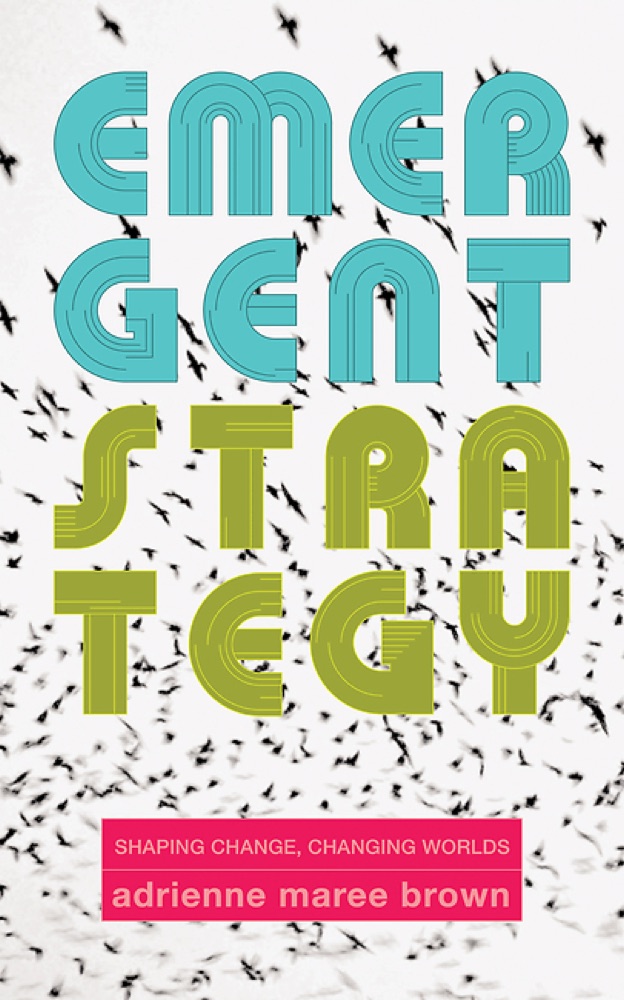 Emergent Strategy: Shaping Change, Changing Worlds
 A Woman's Worth
 Undoing Gender
 Right Wing Women
 Men Explain Things to Me
 How to Be a Woman
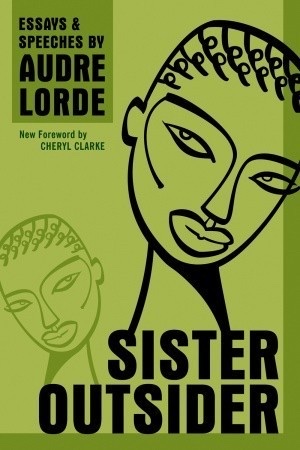 Sister Outsider: Essays and Speeches
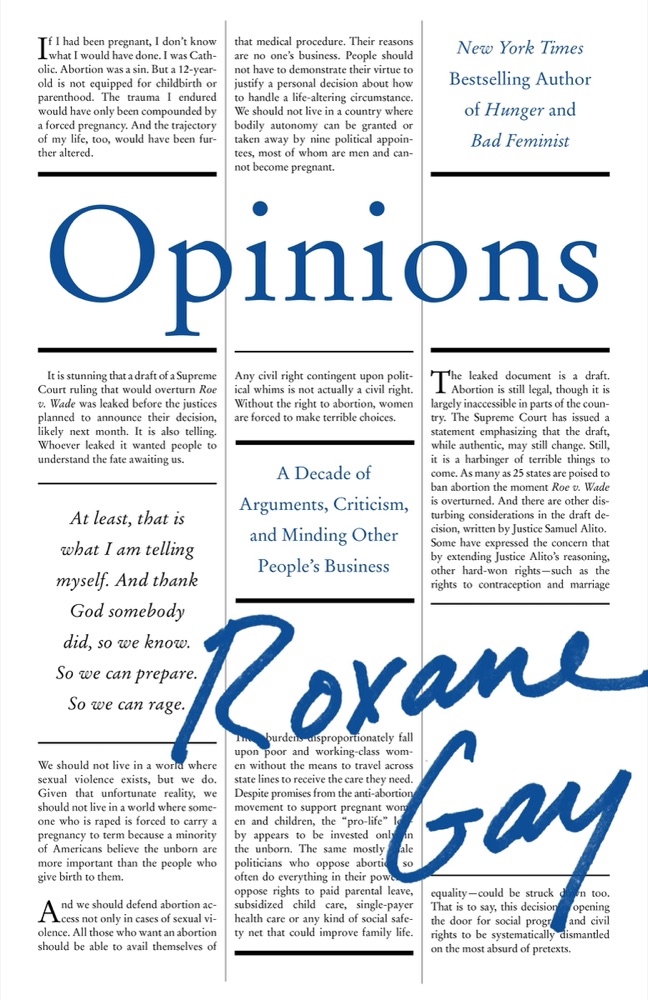 Opinions: A Decade of Arguments, Criticism, and Minding Other People’s Business
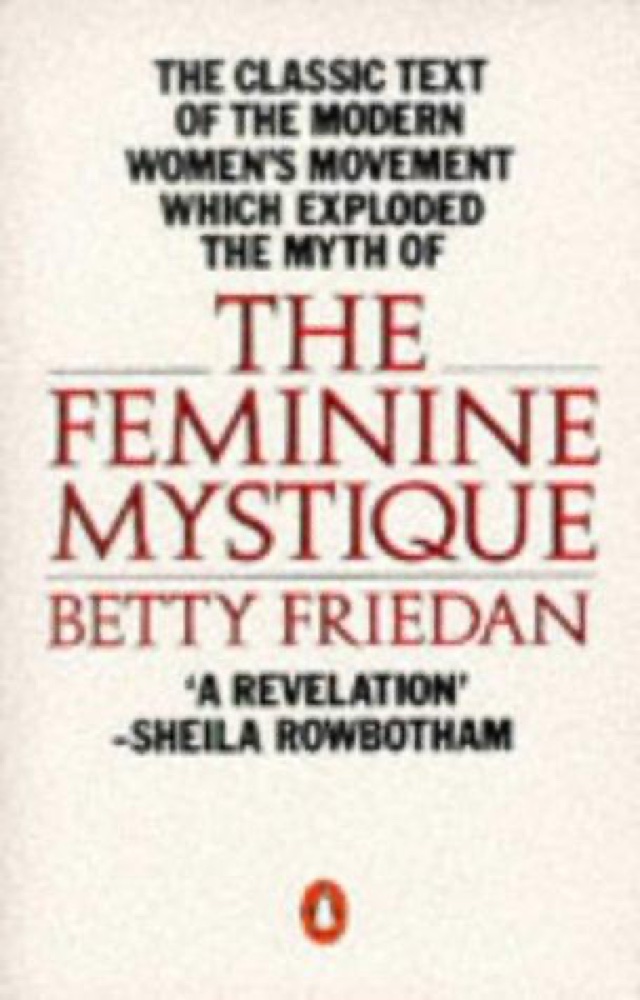 The Feminine Mystique
 The Dialectic of Sex: The Case for Feminist Revolution
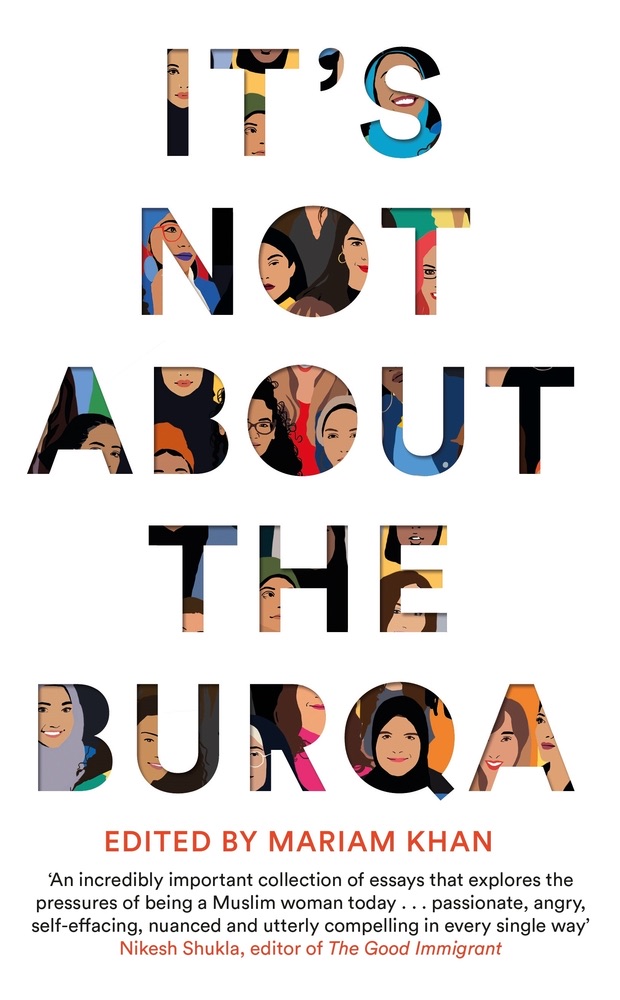 It's Not About the Burqa
 The Geek Feminist Revolution
 Recollections of My Nonexistence: A Memoir
 Backlash: The Undeclared War Against American Women
 We Do This 'til We Free Us: Abolitionist Organizing and Transforming Justice
 Cassandra Speaks: When Women Are the Storytellers, the Human Story Changes
 I Hope We Choose Love: A Trans Girl's Notes from the End of the World
 The Straight Mind: And Other Essays
 Trick Mirror: Reflections on Self-Delusion
 The Source of Self-Regard: Selected Essays, Speeches, and Meditations
 Not That Bad: Dispatches from Rape Culture
 Half the Sky: Turning Oppression Into Opportunity for Women Worldwide
 The Heroine's Journey: Woman's Quest for Wholeness
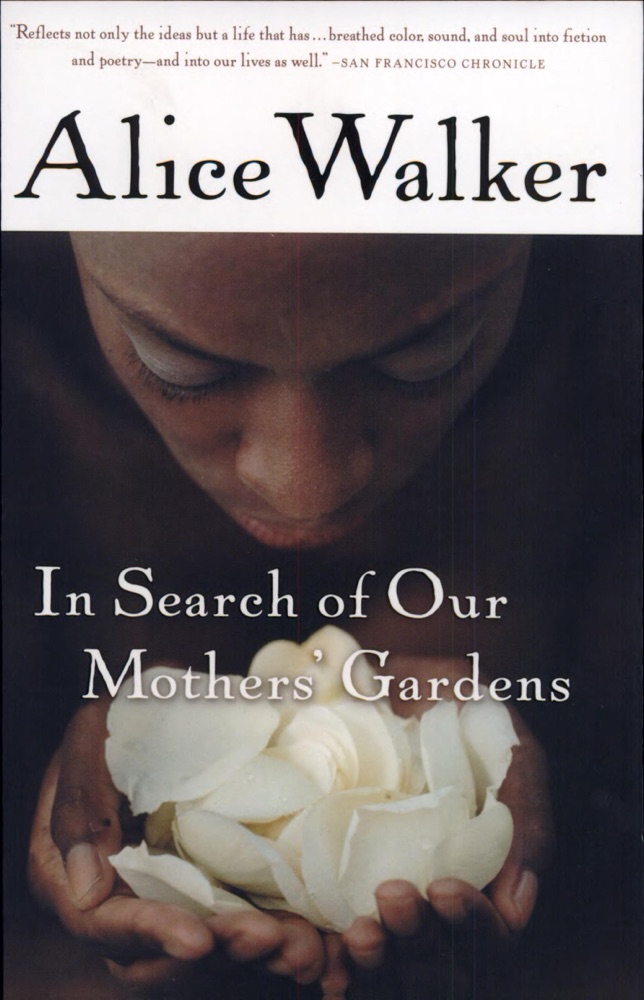 In Search of Our Mothers' Gardens: Womanist Prose
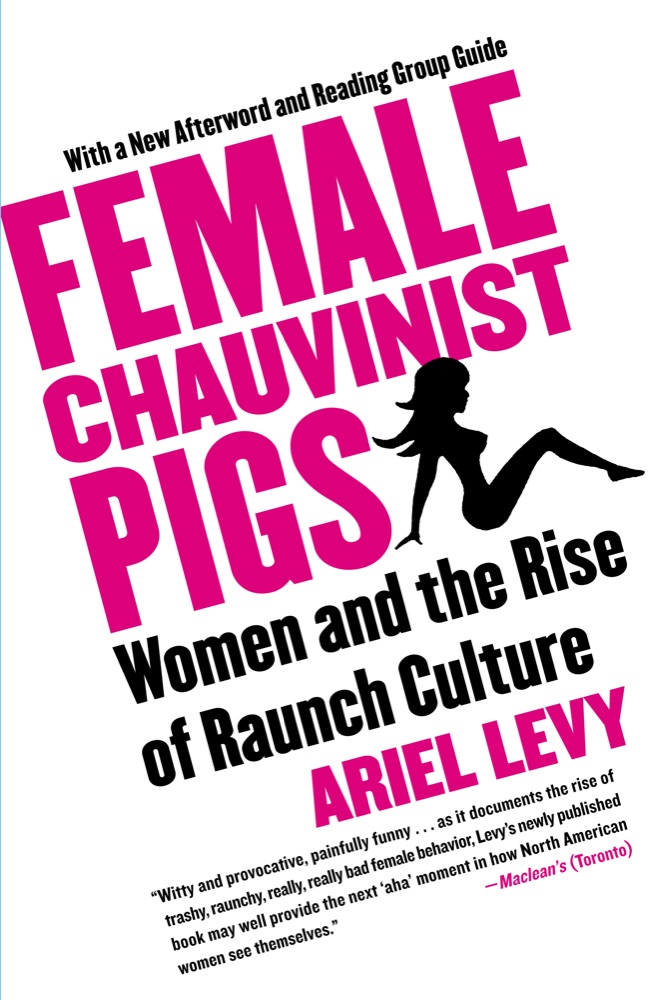 Female Chauvinist Pigs: Women and the Rise of Raunch Culture
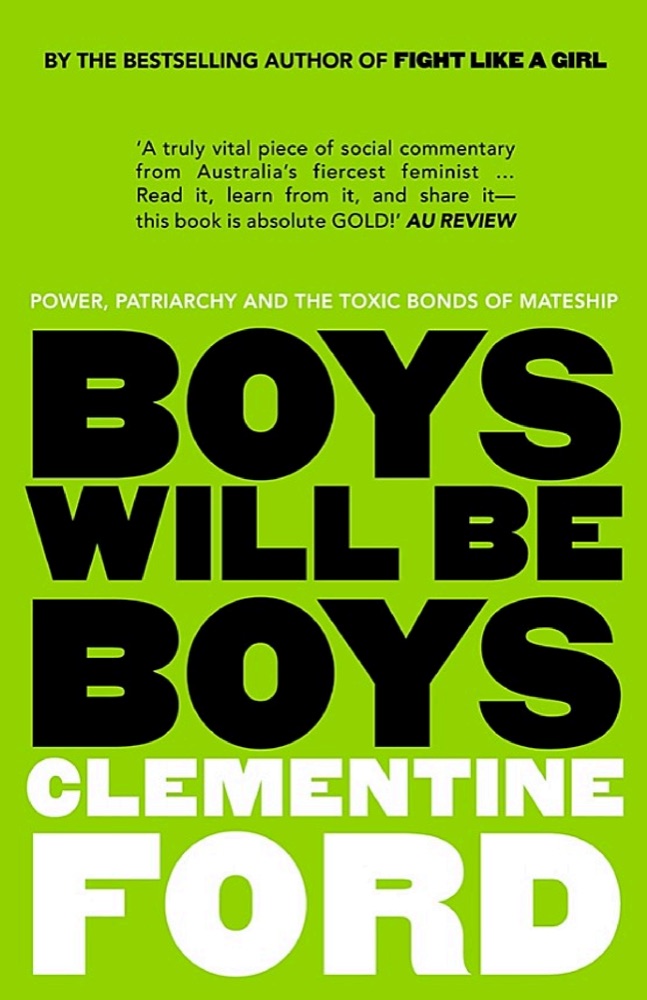 Boys Will Be Boys: Power, Patriarchy and the Toxic Bonds of Mateship
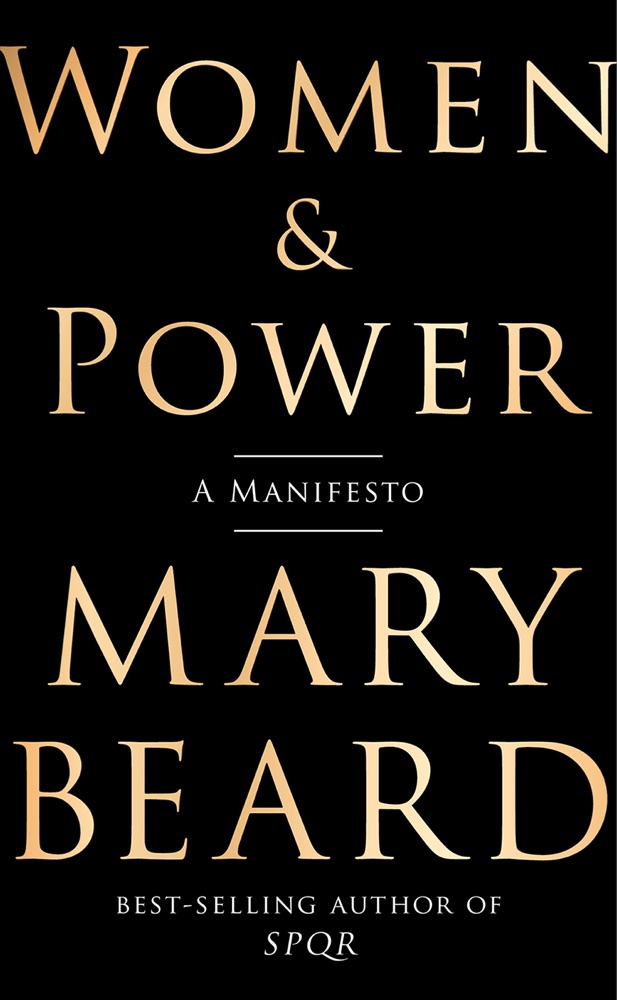 Women & Power: A Manifesto
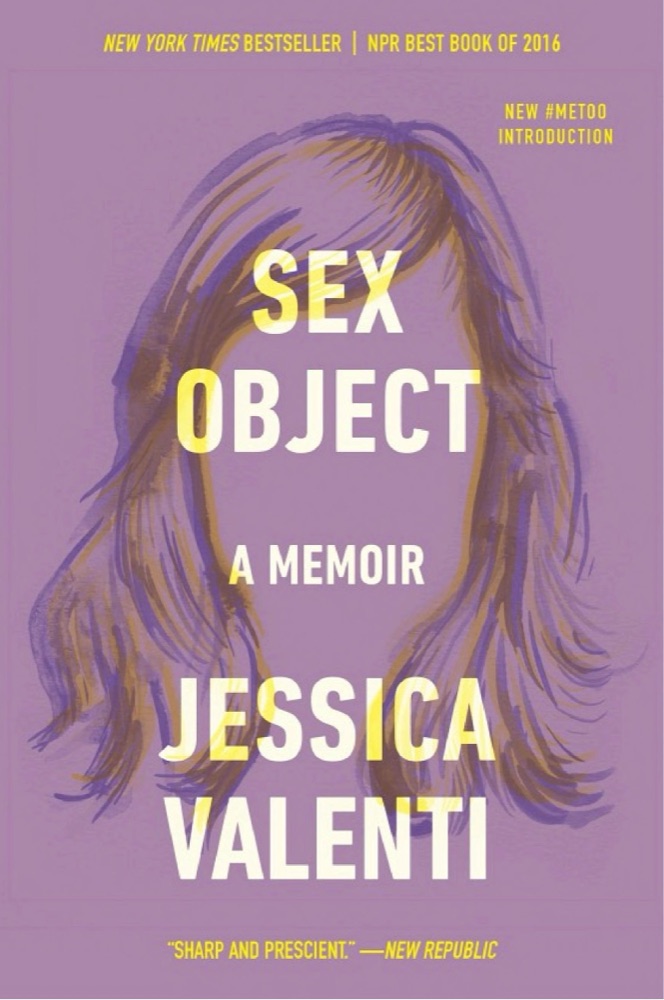 Sex Object: A Memoir
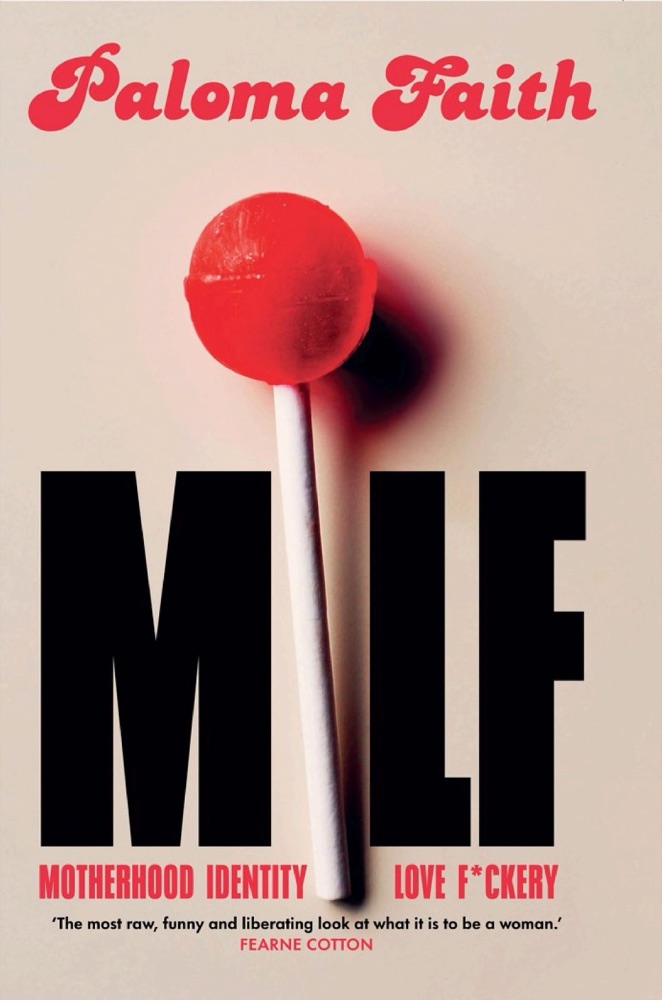 MILF: Motherhood, Identity, Love and F*ckery
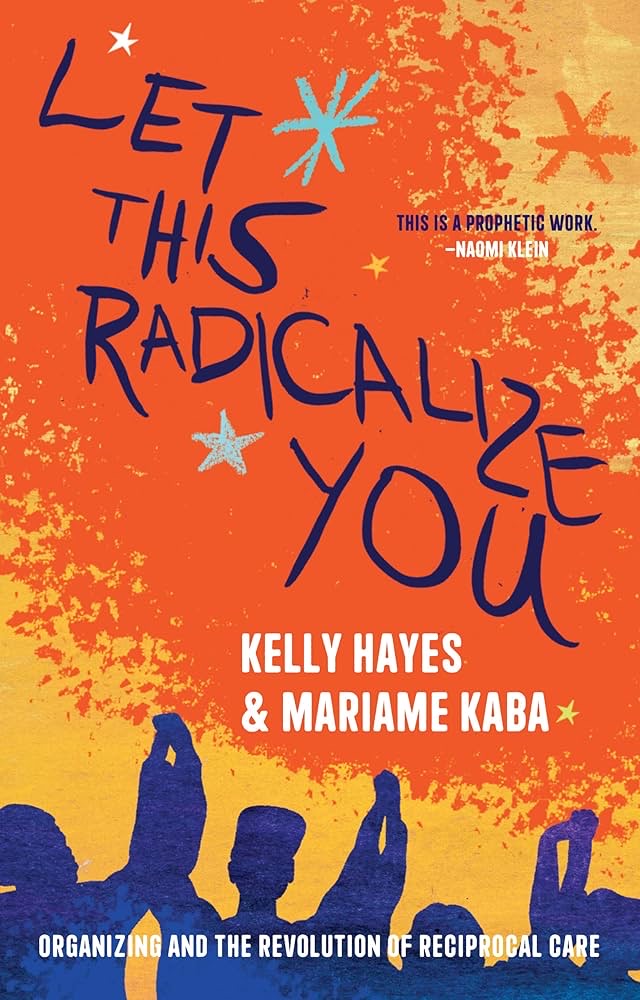 Let This Radicalize You: Organizing and the Revolution of Reciprocal Care
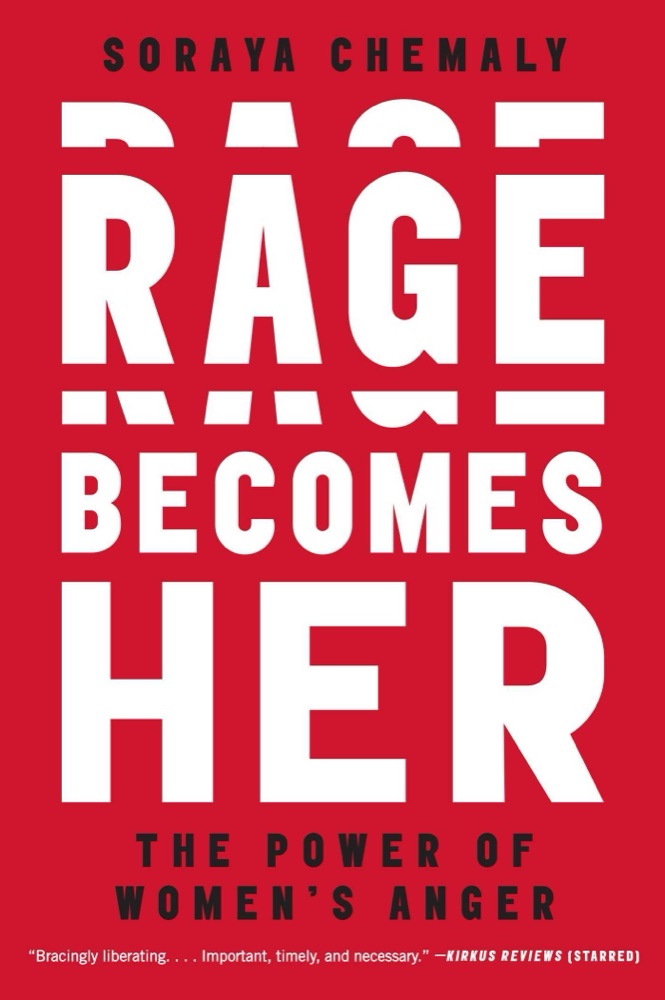 Rage Becomes Her: The Power of Women's Anger
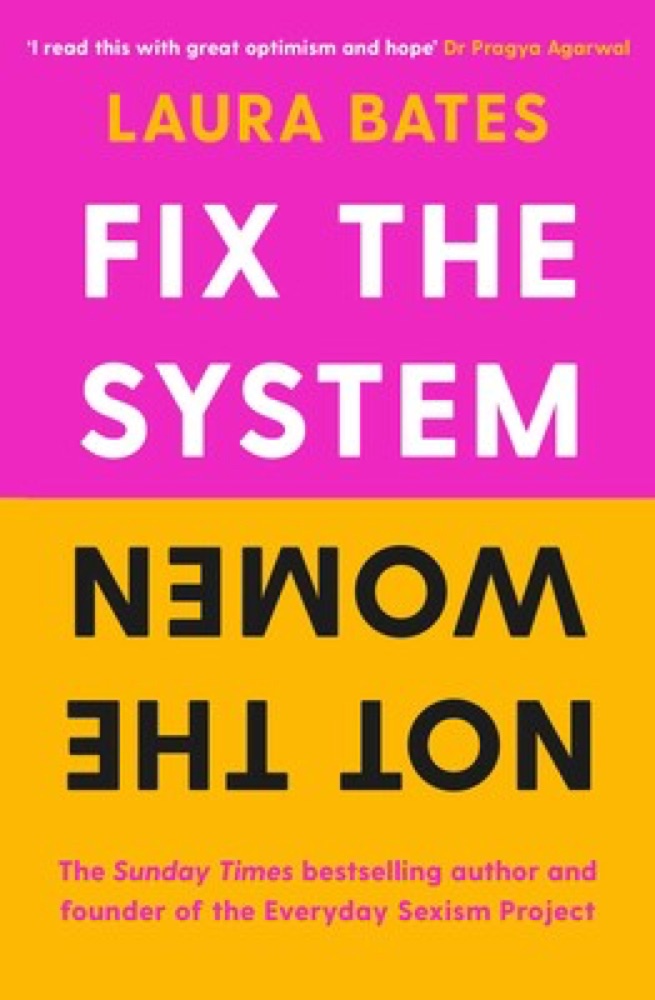 Fix the System, Not the Women
 Dead Blondes and Bad Mothers