
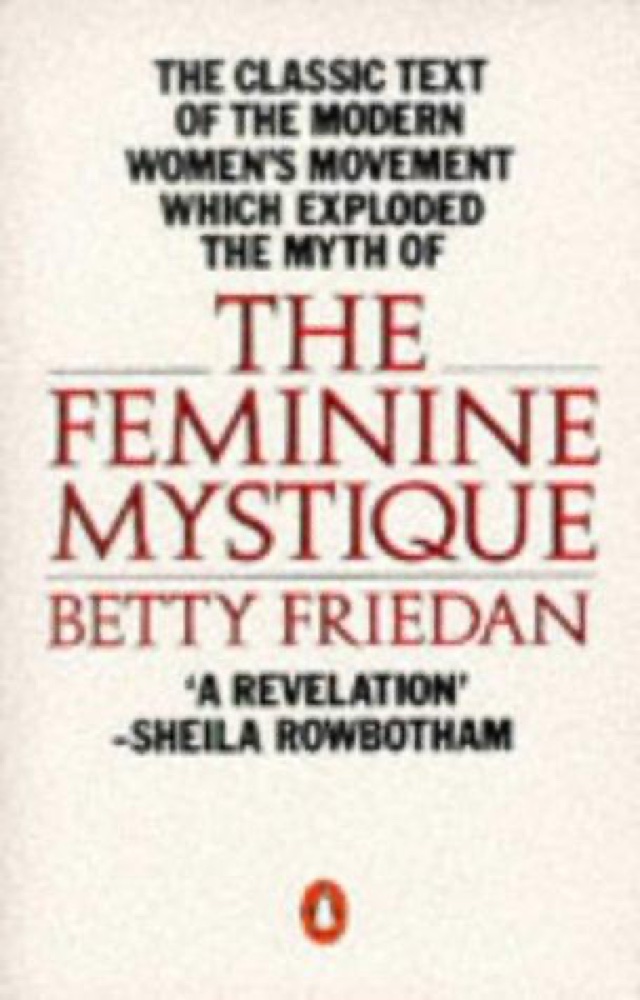
 The Feminine Mystique
Quotes from the Book
The "feminine" woman is forever static and childlike. She is like the ballerina in an old-fashioned music box, her unchanging features tiny and girlish, her voice tinkly, her body stuck on a pin, rotating in a spiral that will never grow.
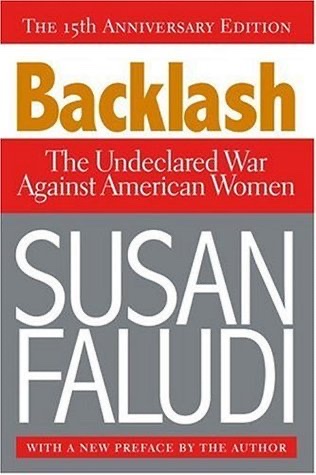
The anti-feminism bacllash has been set off not by women's achievement of full equality but by the increased possibility that they might win it. It is a pre-emptive strike that stops women long before they reach the finishing line.
Are you still as angry as you used to be?' Julia, the World War II resistance fighter, asked Lillian Hellman in the biographical [movie] Julia. "I like your anger…. Don't you let anyone talk you out of it.
All of women’s aspirations – whether for education, work or any form of self-determination – ultimately rest on their ability to decide whether and when to bear children.
Identifying feminism as women’s enemy only furthers the ends of a backlash against women’s equality, simultaneously deflecting attention from the backlash’s central role and recruiting women to attack their own cause. Some
It pursues a divide-and-conquer strategy: single versus married women, working women versus homemakers, middle-versus working-class. It manipulates a system of rewards and punishments, elevating women who follow its rules, isolating those who don’t. The backlash remarkets old myths about women as new facts and ignores all appeals to reason. Cornered, it denies its own existence, points an accusatory finger at feminism, and burrows deeper underground. Backlash
[M]aleness in America," as Margaret Mead wrote, "is not absolutely defined; it has to be kept and reearned every day, and one essential element in the definition is beating women in every game that both sexes play." Nothing seems to crush the masculine petals more than a bit of feminist rain - a few drops are perceived as a downpour. "Men view even small losses of deference, advantages or opportunities as large threats, " wrote William Goode, one of many sociologists to puzzle over the peculiarly hyperbolic male reaction to minuscule improvements to women's rights.
We have won so many contests, leveled so many barriers, that the changes wrought by the women’s movement are widely viewed as irreversible, even by feminism’s most committed antagonists. Yet, as women near the finish line, we are distracted. We have stopped to gather glittery trinkets from an apparent admirer. The admirer is the marketplace, and the trinkets are the bounty of a commercial culture, which has deployed the language of liberation as a new and powerful tool of subjugation.
Randy Terry's backlash against women's rights may be more intimate than people realize, " says Dawn Marvin, former communications director of the Rochester chapter of Planned Parenthood-- and Randall Terry'aunt. "He was raised at the knee of feminists.
Under this linguistic strategy, the New Right relabeled its resistance to women's newly acquired reproductive rights as "pro-life"; its opposition to women's newly embraced sexual freedom became "pro-chastity"; and its hostility to women's mass entry into the work force became "pro-motherhood." Finally, the New Right renamed itself- its regressive and negative stance against the progress of women's rights became "pro-family." . . . In the '20's, the Ku Klux Klan had built support with a similar rhetorical maneuver, downplaying their racism and recasting it as patriotism; they weren't lynching blacks, they were moral reformers defending the flag. p238
In place of equal respect, the nation offered women the Miss America beauty pageant, established in 1920-the same year women won the vote.
These men had good cause to pursue nuptials; if there's one pattern that psychological studies have established, it's that the institution of marriage has an overwhelmingly salutary effect on men's mental health. "Being married," the prominent government demographer Paul Glick once estimated, "is about twice as advantageous to men as to women in terms of continued survival.
Watch on YouTube
About Susan Faludi
We have collected 12 quotes from 1 book by Susan Faludi on BookQuoters.
More about the author →Book details
- Author
- Susan Faludi
- Genre
- History
- Goodreads rating
- 4.05 (9k ratings) →
Keep reading
The Feminine Mystique
 Right Wing Women
 Unspeakable Things: Sex, Lies and Revolution
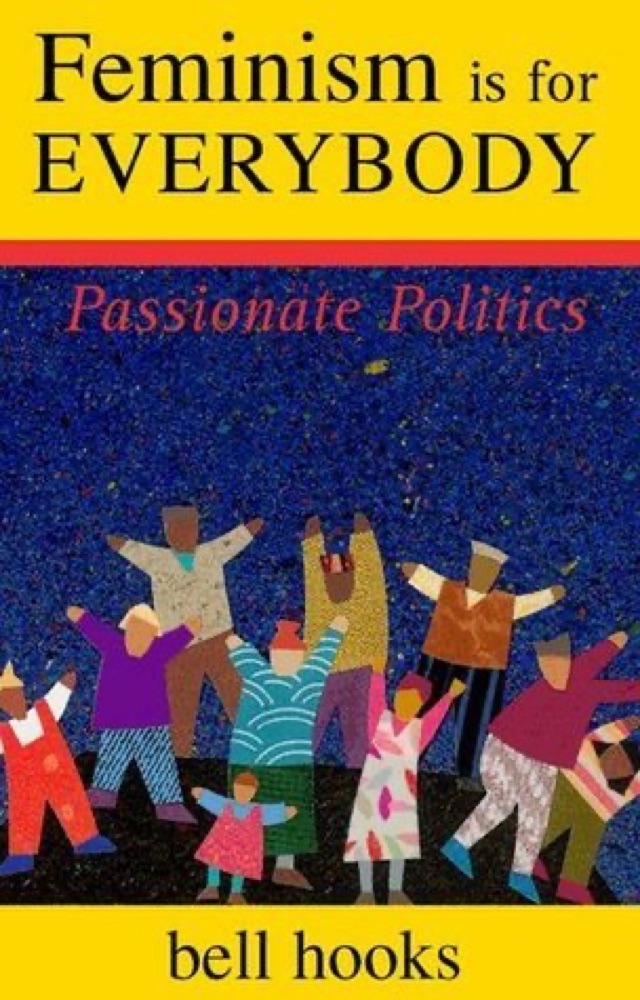 Feminism Is for Everybody: Passionate Politics
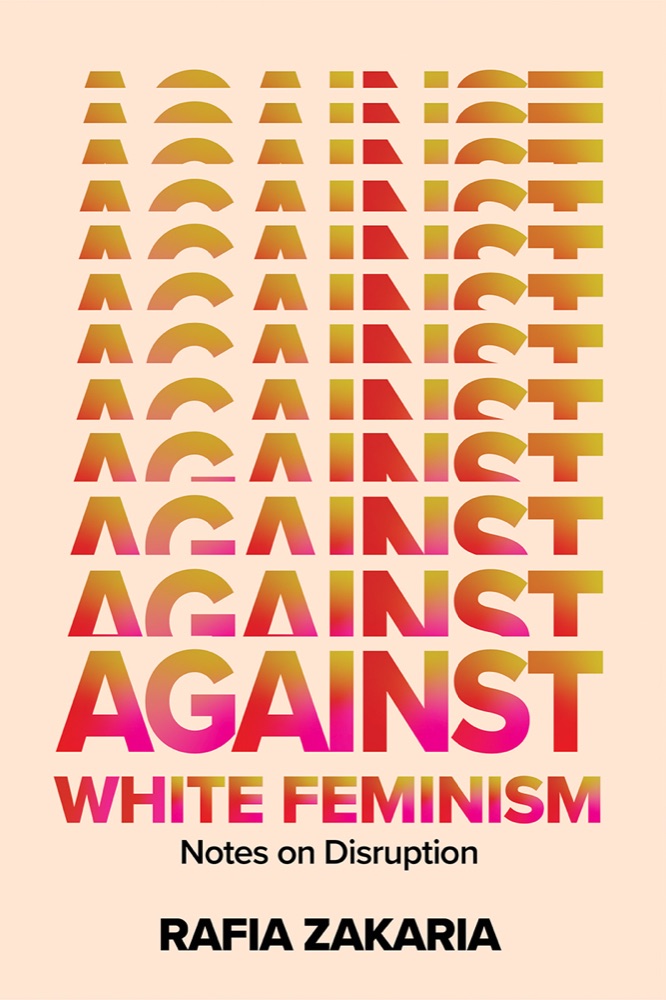 Against White Feminism: Notes on Disruption
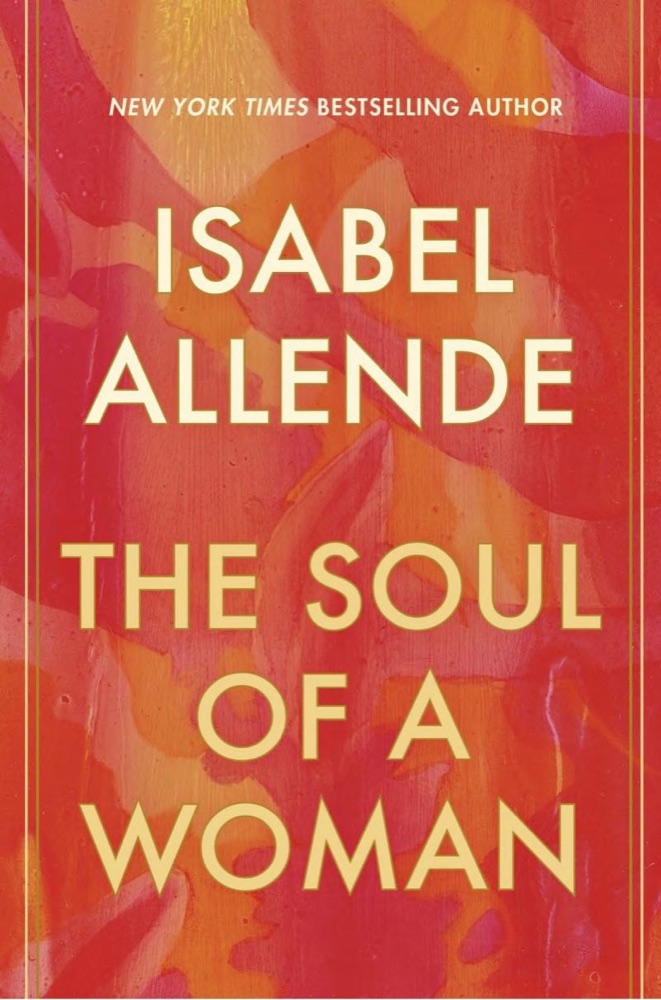 The Soul of a Woman
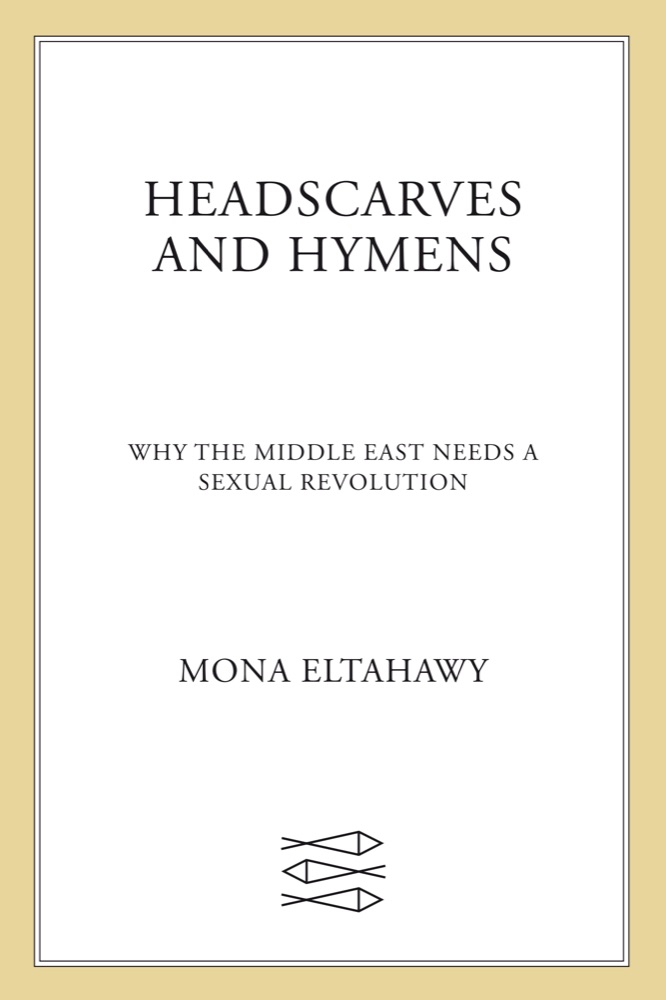 Headscarves and Hymens: Why the Middle East Needs a Sexual Revolution
 Difficult Women: A History of Feminism in 11 Fights
 Feminists Don't Wear Pink (And Other Lies): Amazing Women on What the F-Word Means to Them
 The Dialectic of Sex: The Case for Feminist Revolution
 The Truth Will Set You Free, But First It Will Piss You Off!: Thoughts on Life, Love, and Rebellion
 The Right to Sex: Feminism in the Twenty-First Century
 Men Explain Things to Me
 Women & Power: A Manifesto
 Feminist Theory: From Margin to Center
 Outrageous Acts and Everyday Rebellions
 We Were Feminists Once: From Riot Grrrl to CoverGirl, the Buying and Selling of a Political Movement
 Too Fat, Too Slutty, Too Loud: The Rise and Reign of the Unruly Woman
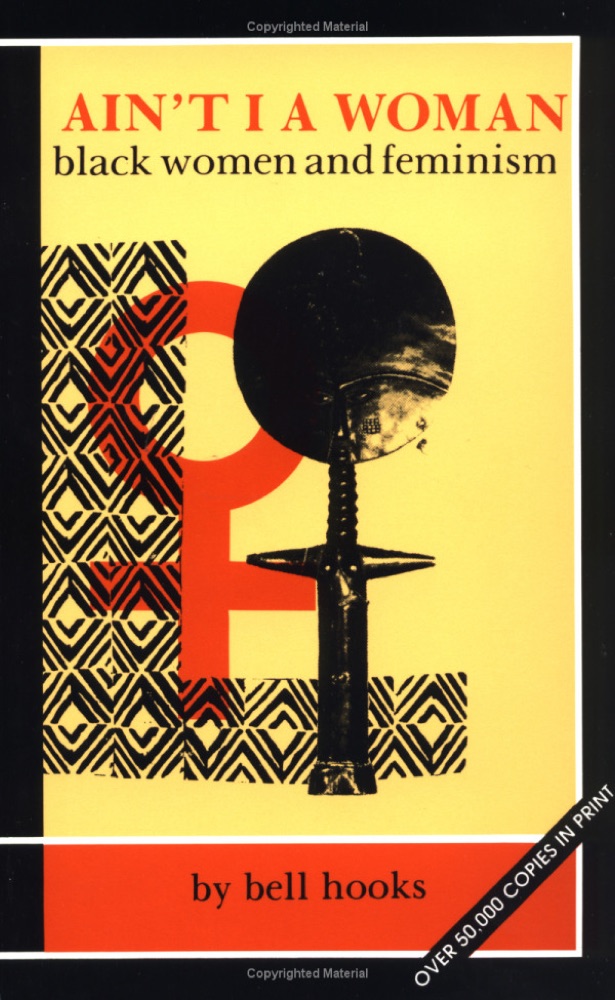 Ain't I a Woman: Black Women and Feminism
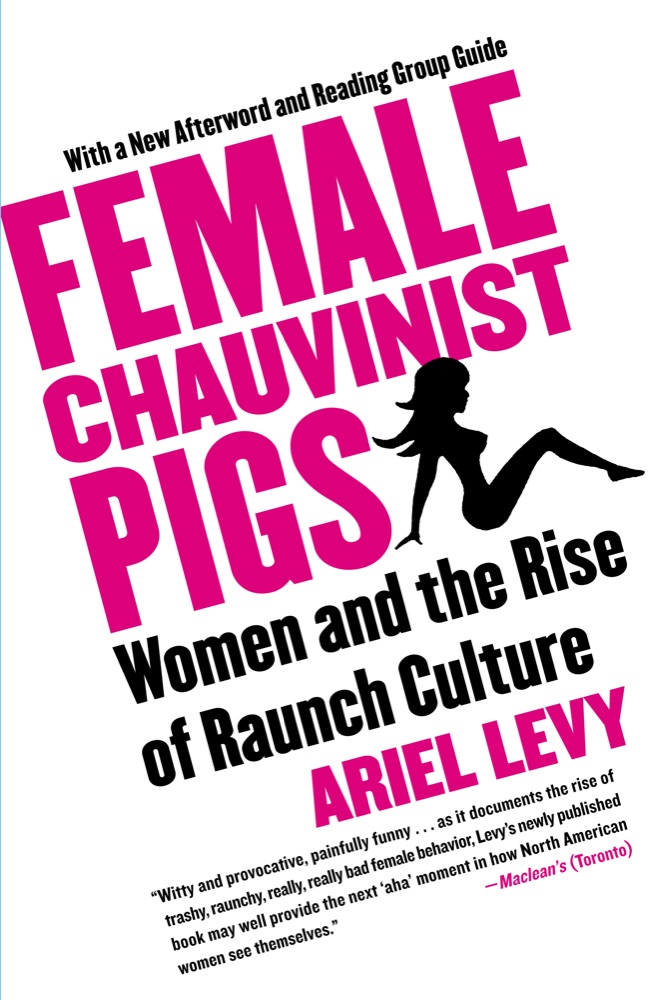 Female Chauvinist Pigs: Women and the Rise of Raunch Culture
 Women's Liberation and the African Freedom Struggle
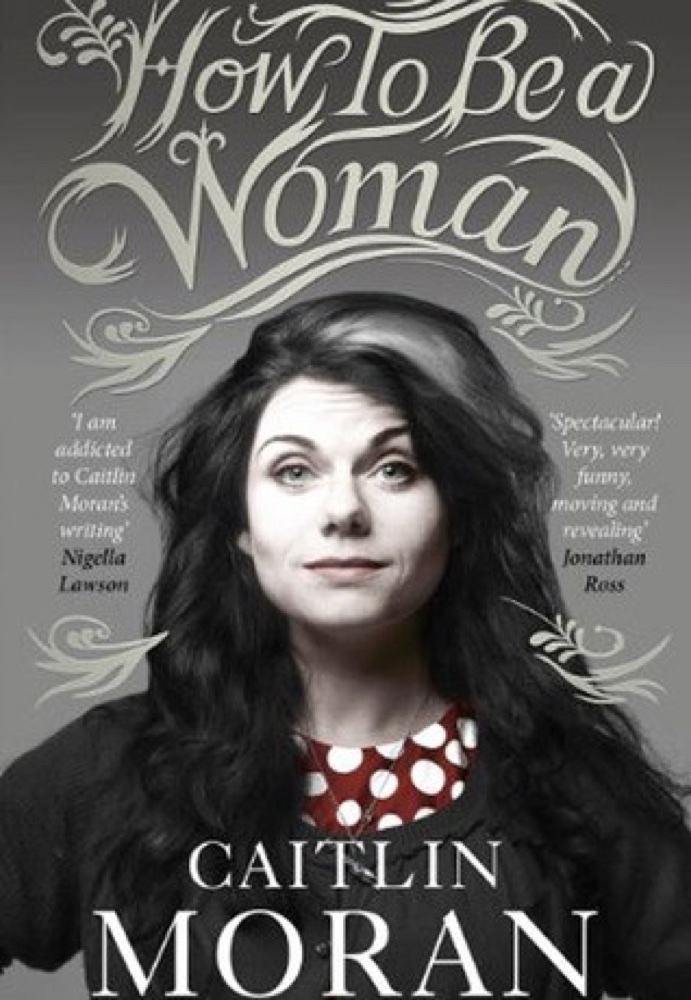 How to Be a Woman
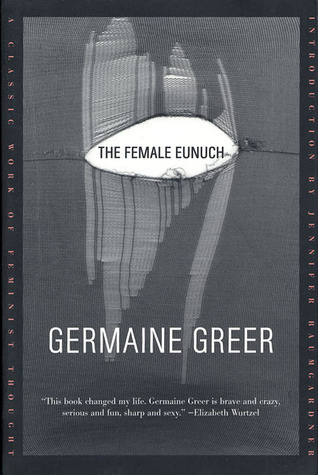 The Female Eunuch
 Boys Will Be Boys: Power, Patriarchy and the Toxic Bonds of Mateship
 Sexual Politics
 Why I Am Not a Feminist: A Feminist Manifesto
 White Tears/Brown Scars: How White Feminism Betrays Women of Color
 Half the Sky: Turning Oppression Into Opportunity for Women Worldwide
 Everyday Sexism
 America's Women: 400 Years of Dolls, Drudges, Helpmates, and Heroines
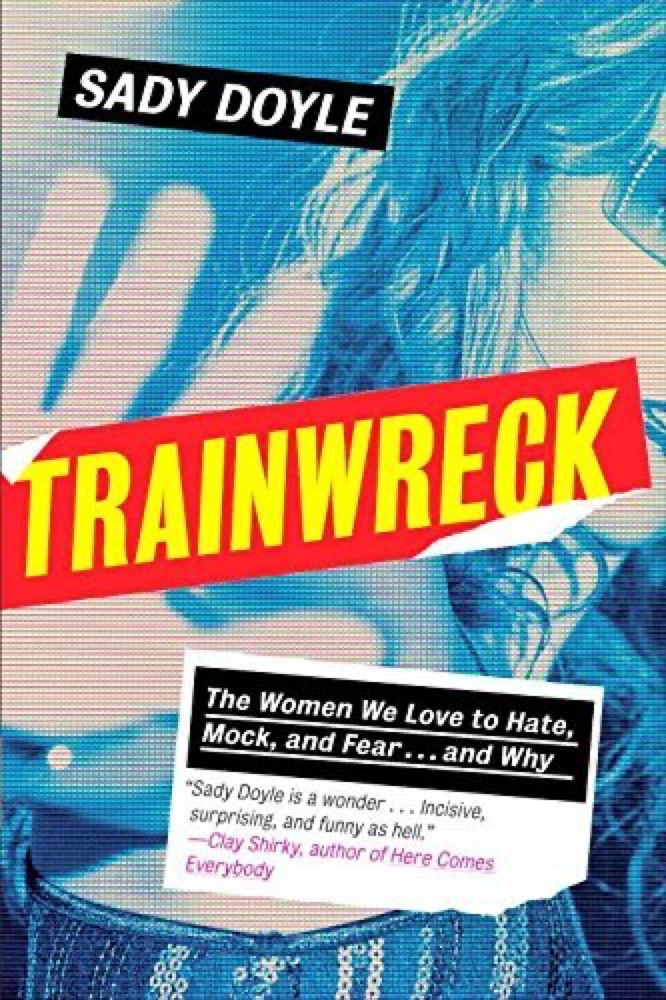 Trainwreck: The Women We Love to Hate, Mock, and Fear... and Why
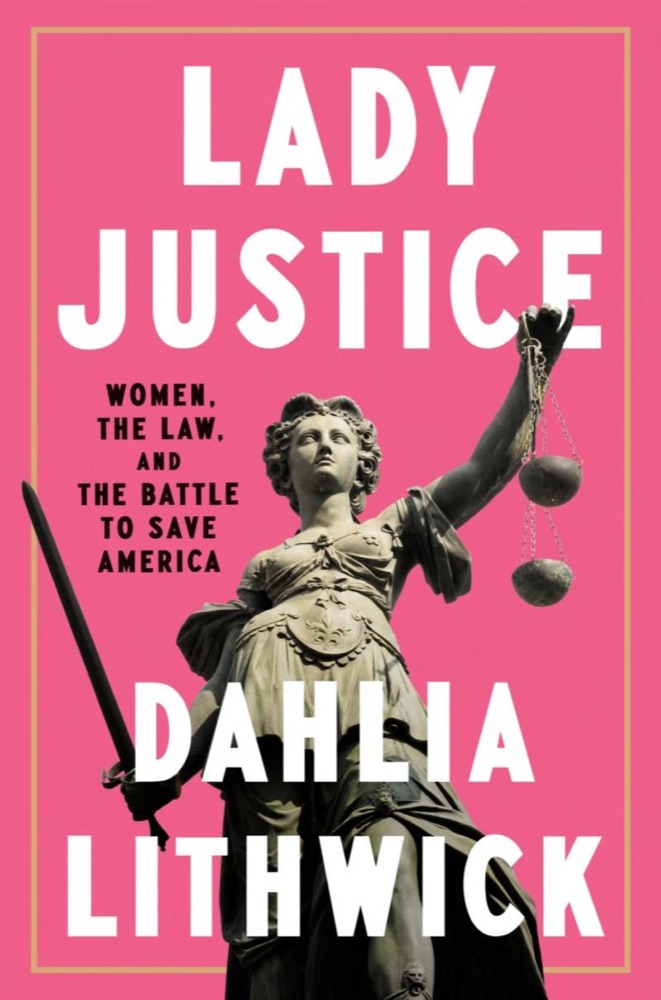 Lady Justice: Women, the Law, and the Battle to Save America
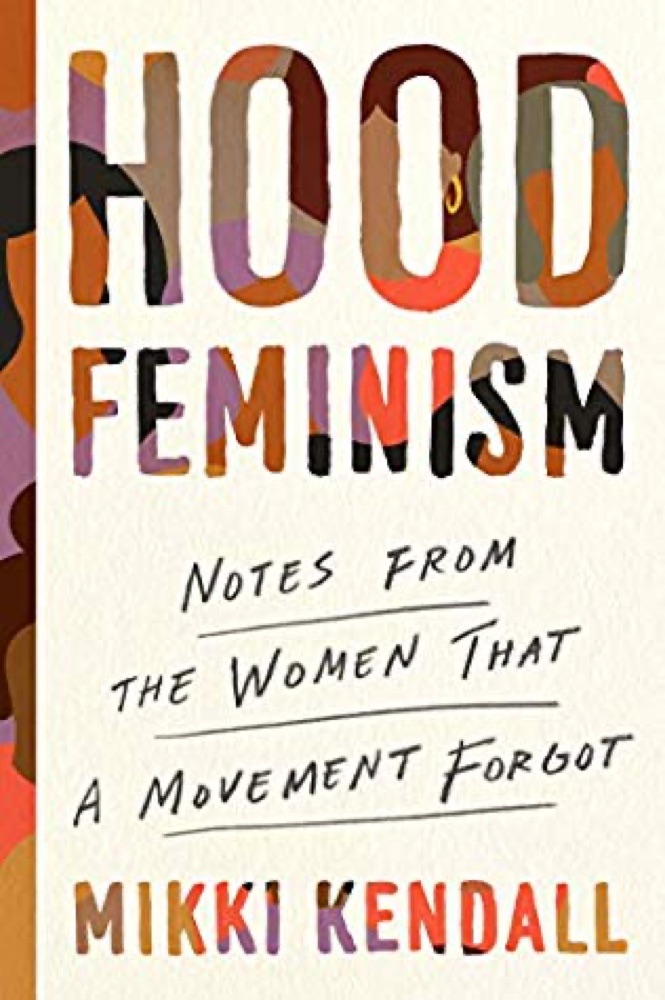 Hood Feminism: Notes from the Women That a Movement Forgot
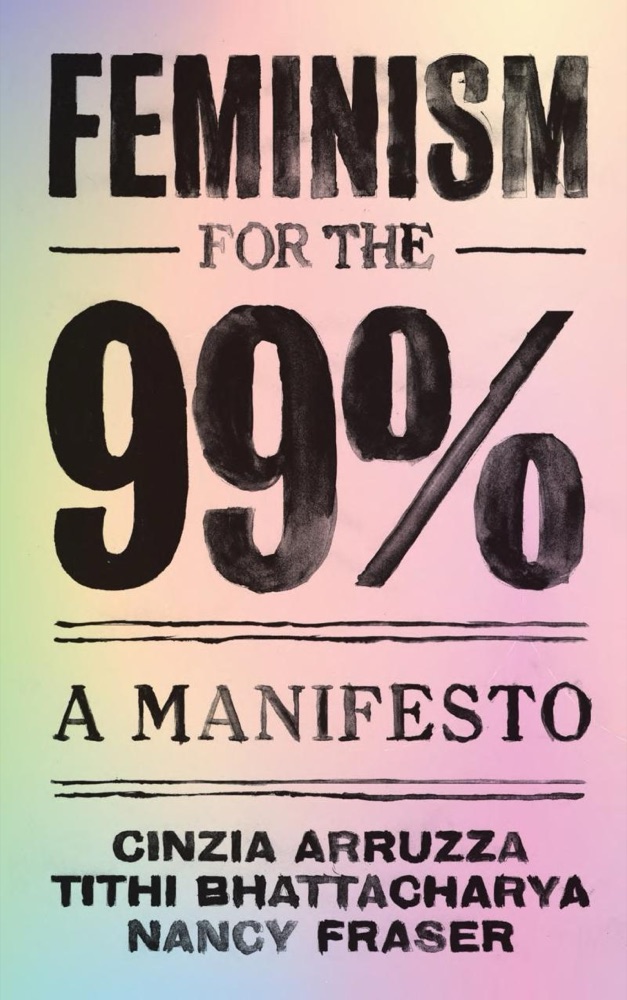 Feminism for the 99%: A Manifesto
 Dead Blondes and Bad Mothers
 A Woman's Worth
 Rage Becomes Her: The Power of Women's Anger
 Intercourse
 The Anti-Mary Exposed: Rescuing the Culture from Toxic Femininity
 The Witches Are Coming
 Sex Object: A Memoir
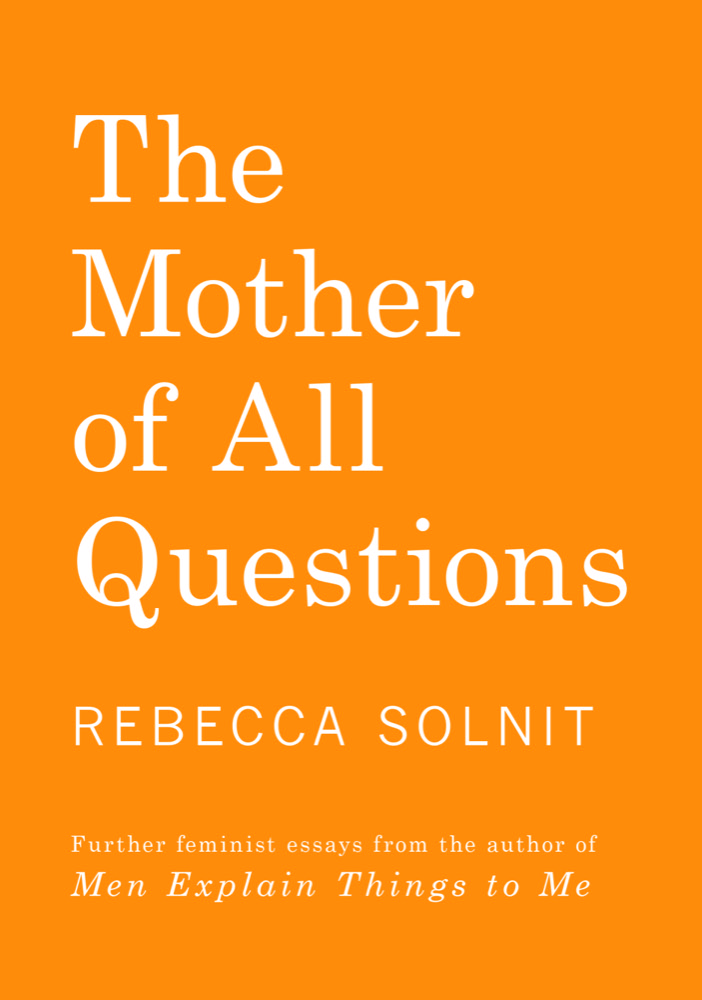 The Mother of All Questions
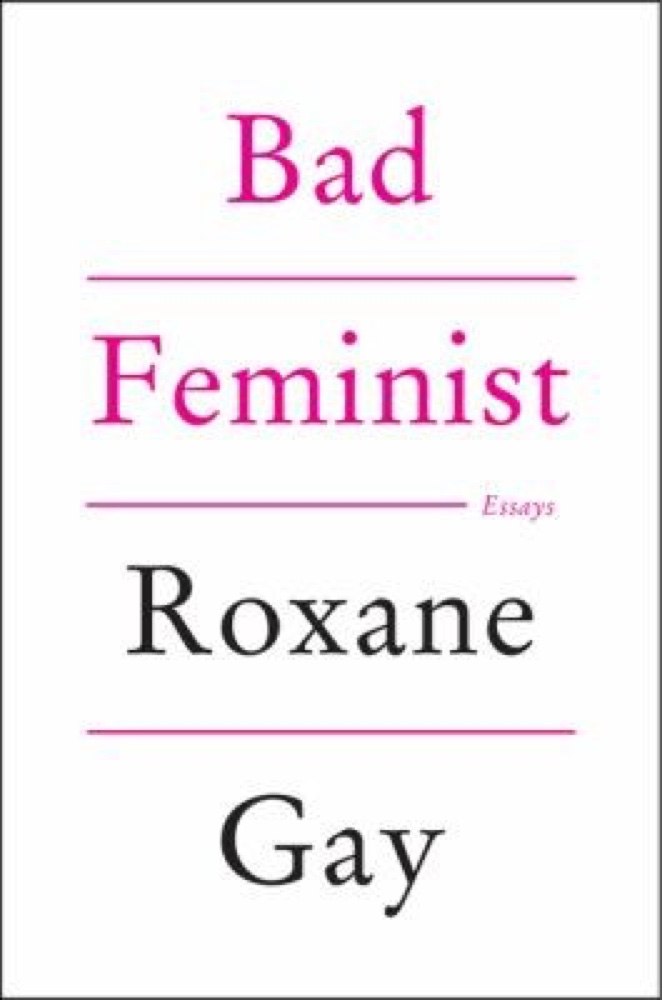 Bad Feminist
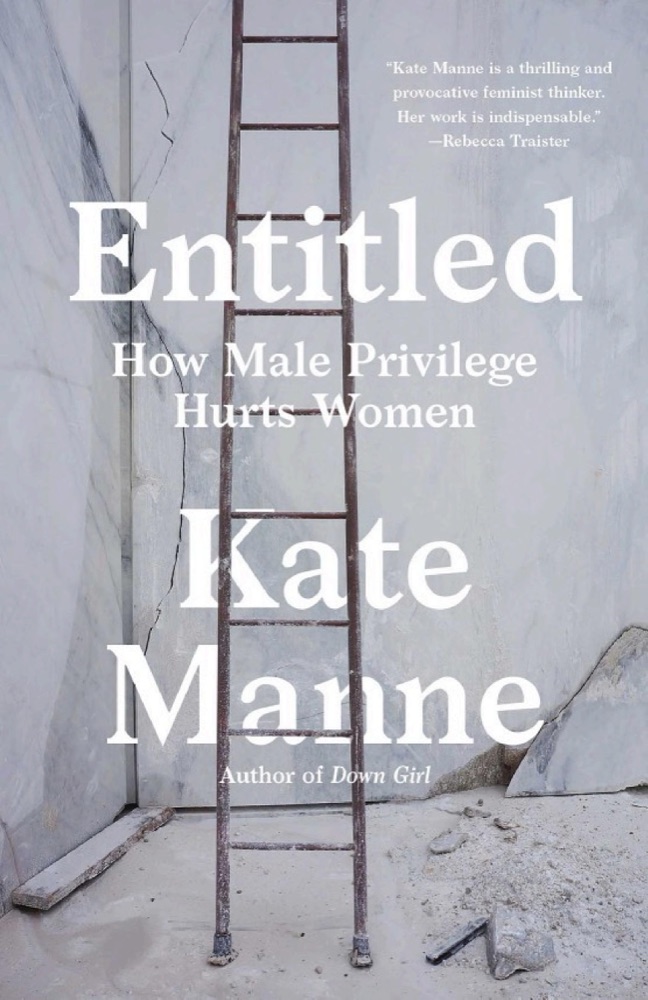 Entitled: How Male Privilege Hurts Women
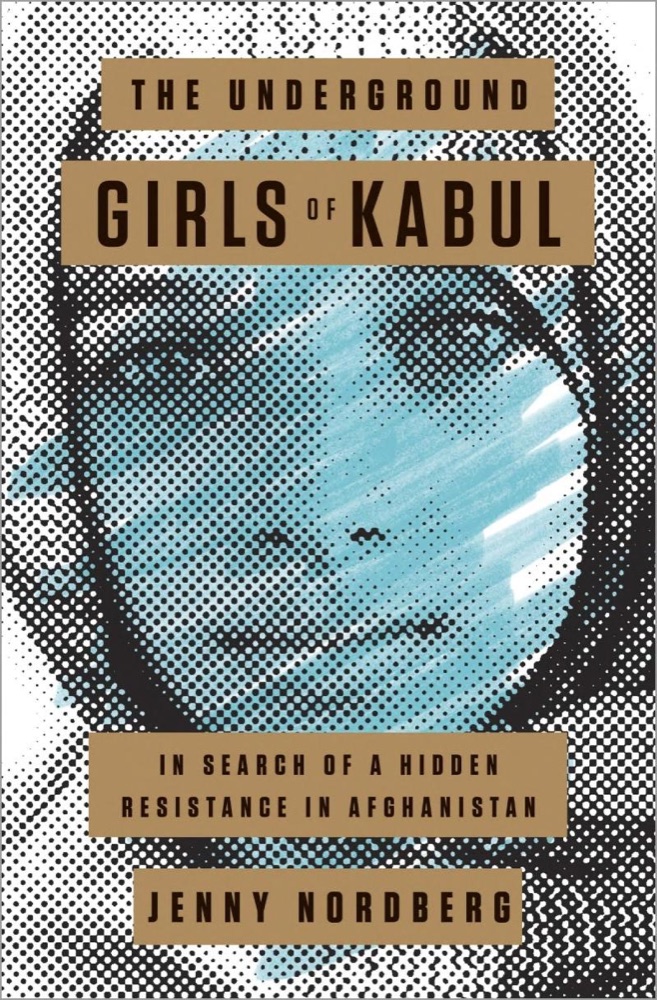 The Underground Girls of Kabul: In Search of a Hidden Resistance in Afghanistan
 Cunt: A Declaration of Independence
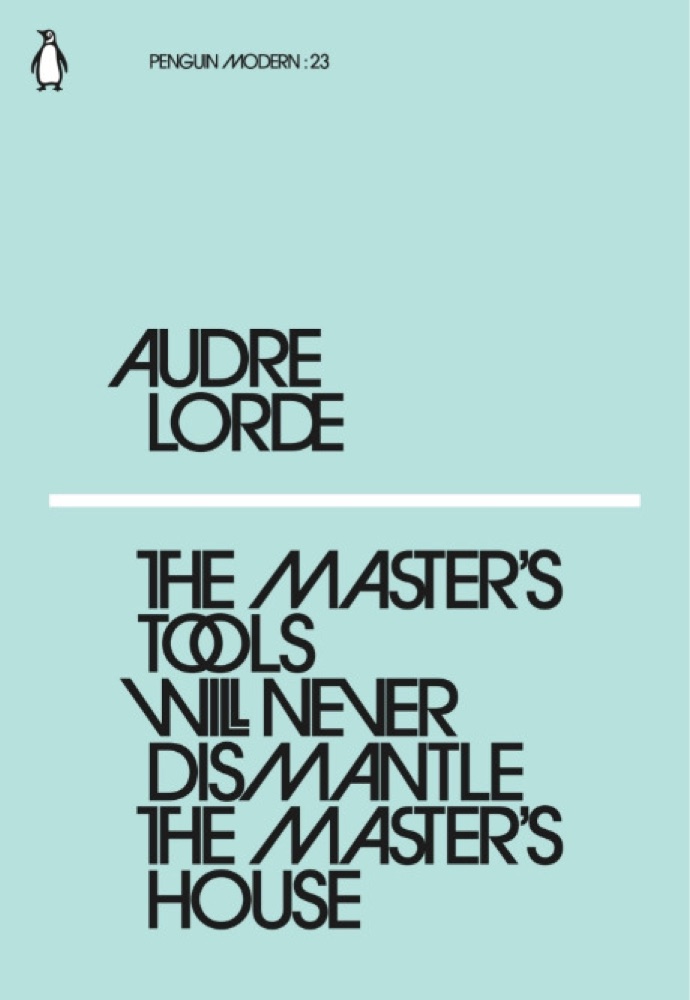 The Master's Tools Will Never Dismantle the Master's House
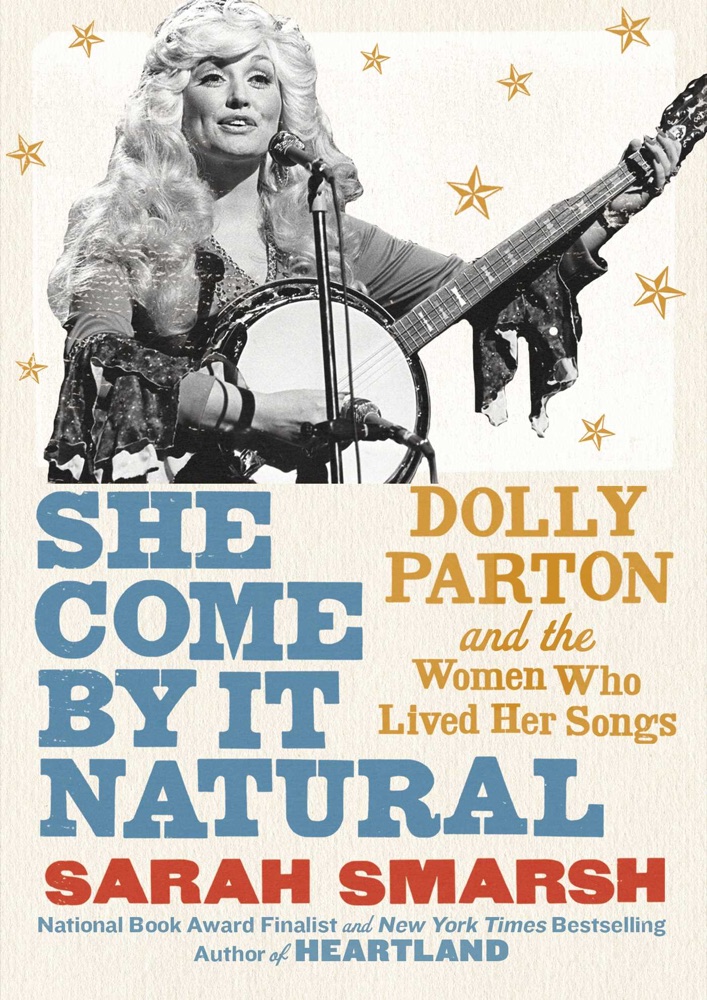 She Come By It Natural: Dolly Parton and the Women Who Lived Her Songs
 This Bridge Called My Back: Writings by Radical Women of Color
 Nine Parts of Desire: The Hidden World of Islamic Women
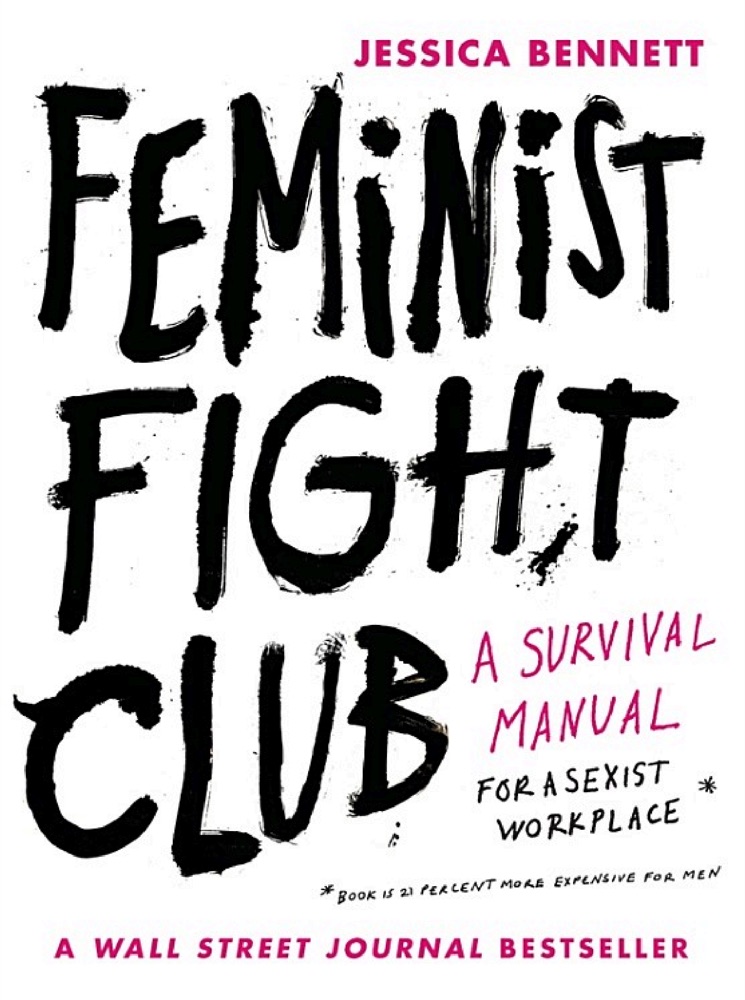 Feminist Fight Club: An Office Survival Manual for a Sexist Workplace
 It's Not About the Burqa
 Feminism, Interrupted: Disrupting Power
 The Women's Room
 The Change
 The Moment of Lift: How Empowering Women Changes the World
 Misogyny: The World's Oldest Prejudice
 The Geek Feminist Revolution
 Bygone Badass Broads: 52 Forgotten Women Who Changed the World
 The Heroine's Journey: Woman's Quest for Wholeness