
 Boys Will Be Boys: Power, Patriarchy and the Toxic Bonds of Mateship
Quotes from the Book
function. In my previous book, Down Girl, I argued that misogyny should not be understood as a monolithic, deep-seated psychological hatred of girls and women. Instead, it’s best conceptualized as the “law enforcement” branch of patriarchy—a system that functions to police and enforce gendered norms and expectations, and involves girls and women facing disproportionately or distinctively hostile treatment because of their gender, among other factors.
4
The question thus becomes: Why, and how, do we regard many men’s potentially hurt feelings as so important, so sacrosanct? And, relatedly, why do we regard women as so responsible for protecting and ministering to them?
2
I want my daughter to know that she is entitled to be powerful and, on occasion, to compete with other people, including privileged boys and men. I want her to know that if she does end up winning or otherwise outranking them, she may well be entitled to occupy a position of power or authority over them. I want her to be a kind and fearless leader. I want her, of course, to be a graceful loser. I want her to be communally minded and altruistic. At the same time, I want her to feel entitled to make mistakes, moral mistakes included. I want her to know, unlike so many girls and women, that she is lovable and forgivable, even if and when she falters. I want her to be prepared to make amends and admit to her mistakes, fully and freely, when she inevitably makes them.
2
Hope, to me, is a belief that the future will be brighter, which I continue not to set much store in. But the idea of fighting for a better world—and, equally importantly, fighting against backsliding—is not a belief; it’s a political commitment that I can get on board with.
1
women are expected to give traditionally feminine goods (such as sex, care, nurturing, and reproductive labor) to designated, often more privileged men, and to refrain from taking traditionally masculine goods (such as power, authority, and claims to knowledge) away from them.
1
Studies show there is but one circumstance in which men’s and women’s household work will tend to approach parity: when she works full-time and he is unemployed. And even then, the operative word is approach. She will still do a bit more. Equality is elusive, even in the supposedly egalitarian U.S. context.
1
In one representative study of the situation in the nation today, the sociologists Jill Yavorsky, Claire Kamp Dush, and Sarah Schoppe-Sullivan found that for male-female partners who both worked full-time (roughly forty-hour weeks), first-time parenthood increased a man’s workload at home by about ten hours per week. Meanwhile, the increased workload for women was about twenty hours. So motherhood took double the toll as fatherhood, workwise. Moreover, much of the new work that fathers did take on in these situations was the comparatively “fun” work of engagement with their children—for example, playing with the baby. Fathers did this for four hours per week, on average, while dropping their number of hours of housework by five hours per week during the same time period. Mothers decreased their hours of housework by only one hour per week—while adding about twenty-one hours of child-rearing labor, including fifteen hours of physical child care—for instance, changing diapers and bathing the baby. And mothers still did more by way of infant engagement: about six hours per week, on average.
1
In the most egregious instances, women will effectively be punished for being, and claiming to be, the victims of misogyny. They will then be systematically disbelieved and maligned, notwithstanding strong evidence of the wrongdoing they have suffered. In 2009, for example, a young woman in Washington State who told police she had been raped at knifepoint was fined $500 for supposedly filing a false report—a report that, it later turned out, had been accurate. This came to light in 2011 because the rapist, who had a distinctive egg-shaped birthmark on his calf, was subsequently accused of rape by another female victim in a nearby district.
1
When accused of misogynistic behavior, men often respond by invoking their recognition of the humanity of their wives, sisters, mothers, or other female relatives. Far better that a man realize that no woman belongs to him—and that he is not entitled to have any woman’s love, care, and admiration in an asymmetrical moral relationship. It is not hard, upon reflection, to recognize the obvious fact that a woman is fully human. The real challenge may be in recognizing that she is fully a human being, and not just a human giver of love, sex, and moral succor. She is allowed to be her own person, and to be with other people.
1
In contrast to misogyny, I take sexism to be the theoretical and ideological branch of patriarchy: the beliefs, ideas, and assumptions that serve to rationalize and naturalize patriarchal norms and expectations—including a gendered division of labor, and men’s dominance over women in areas of traditionally male power and authority.
1
becomes: Why, and how, do we regard many men’s potentially hurt feelings as so important, so sacrosanct? And, relatedly, why do we regard women as so responsible for protecting and ministering to them?
1
by] torture for the rest of their slutty lives.” The sad truth is that, like many oppressors, incels perceive themselves as being the vulnerable ones. They feel like the true victims, even as they lash out violently against others. And they feel they are in the right, even as they commit the most deplorable acts of wrongdoing.
1
Watch on YouTube
About Kate Manne
We have collected 12 quotes from 1 book by Kate Manne on BookQuoters.
More about the author →About the book
An urgent exploration of men’s entitlement and how it serves to police and punish women, from the acclaimed author of Down Girl.
In this bold and stylish critique, Cornell philosopher Kate Manne offers a radical new framework for understanding misogyny. Ranging widely across the culture, from Harvey Weinstein and the Brett Kavanaugh hearings to “Cat Person” and the political misfortunes of Elizabeth Warren, Manne’s book shows how privileged men’s sense of entitlement—to sex, yes, but more insidiously to admiration, care, bodily autonomy, knowledge, and power—is a pervasive social problem with often devastating consequences.
In clear, lucid prose, Manne argues that male entitlement can explain a wide array of phenomena, from mansplaining and the undertreatment of women’s pain to mass shootings by incels and the seemingly intractable notion that women are “unelectable.” Moreover, Man
Book details
- First published
- 2020
- Author
- Kate Manne
- Genre
- Nonfiction
- Goodreads rating
- 4.19 (6k ratings)
The buzz
- The New York TimesReview in The New York Timesprofessional review (via Book Marks)
- The New YorkerReview in The New Yorkerprofessional review (via Book Marks)
- Kirkus ReviewsReview in Kirkus Reviewsprofessional review (via Book Marks)
- Publishers WeeklyReview in Publishers Weeklyprofessional review (via Book Marks)
- LibraryjournalReview in Libraryjournalprofessional review (via Book Marks)
- ThebafflerReview in Thebafflerprofessional review (via Book Marks)
Keep reading
Boys Will Be Boys: Power, Patriarchy and the Toxic Bonds of Mateship
 Unspeakable Things: Sex, Lies and Revolution
 The Right to Sex: Feminism in the Twenty-First Century
 Right Wing Women
 Feminism Is for Everybody: Passionate Politics
 The Soul of a Woman
 The Female Eunuch
 Everyday Sexism
 Why I Am Not a Feminist: A Feminist Manifesto
 The Mother of All Questions
 We Should All Be Feminists
 Men Explain Things to Me
 Sex Object: A Memoir
 The Tragedy of Heterosexuality
 Invisible Women: Data Bias in a World Designed for Men
 Of Boys and Men: Why the Modern Male Is Struggling, Why It Matters, and What to Do About It
 A Woman's Worth
 Intercourse
 Not That Bad: Dispatches from Rape Culture
 MILF: Motherhood, Identity, Love and F*ckery
 Sexual Politics
 The Moment of Lift: How Empowering Women Changes the World
 Feminists Don't Wear Pink (And Other Lies): Amazing Women on What the F-Word Means to Them
 Headscarves and Hymens: Why the Middle East Needs a Sexual Revolution
 The Truth Will Set You Free, But First It Will Piss You Off!: Thoughts on Life, Love, and Rebellion
 On Our Best Behavior: The Seven Deadly Sins and the Price Women Pay to Be Good
 How to Be a Woman
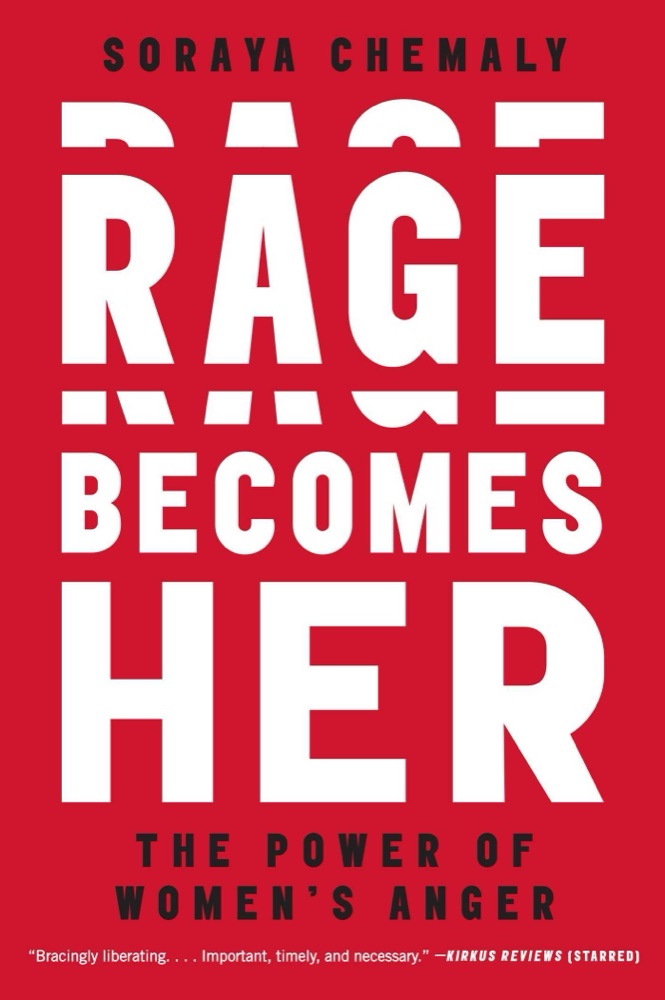 Rage Becomes Her: The Power of Women's Anger
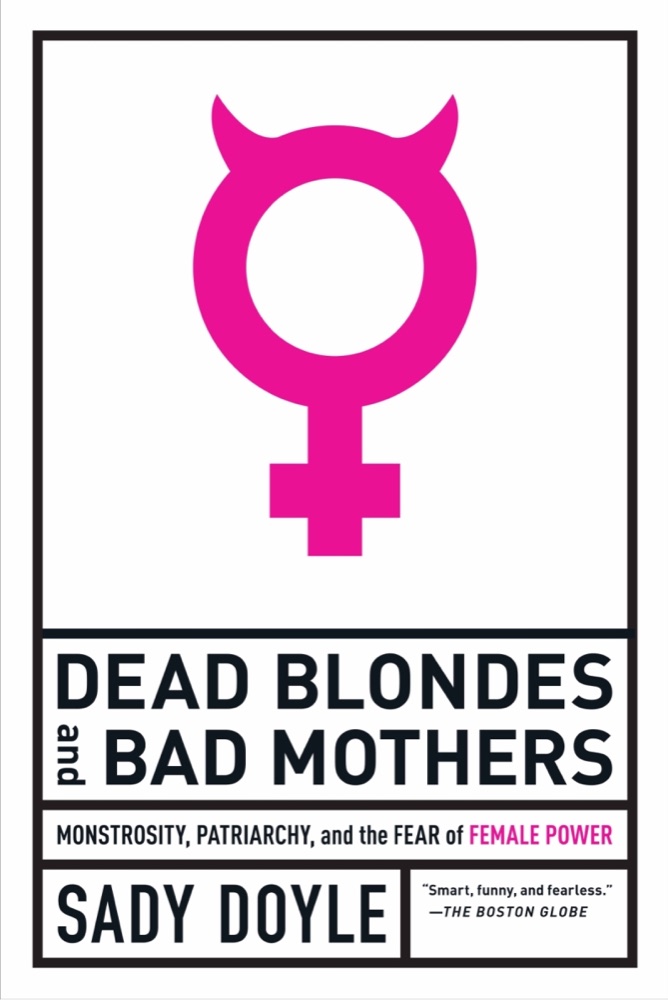 Dead Blondes and Bad Mothers
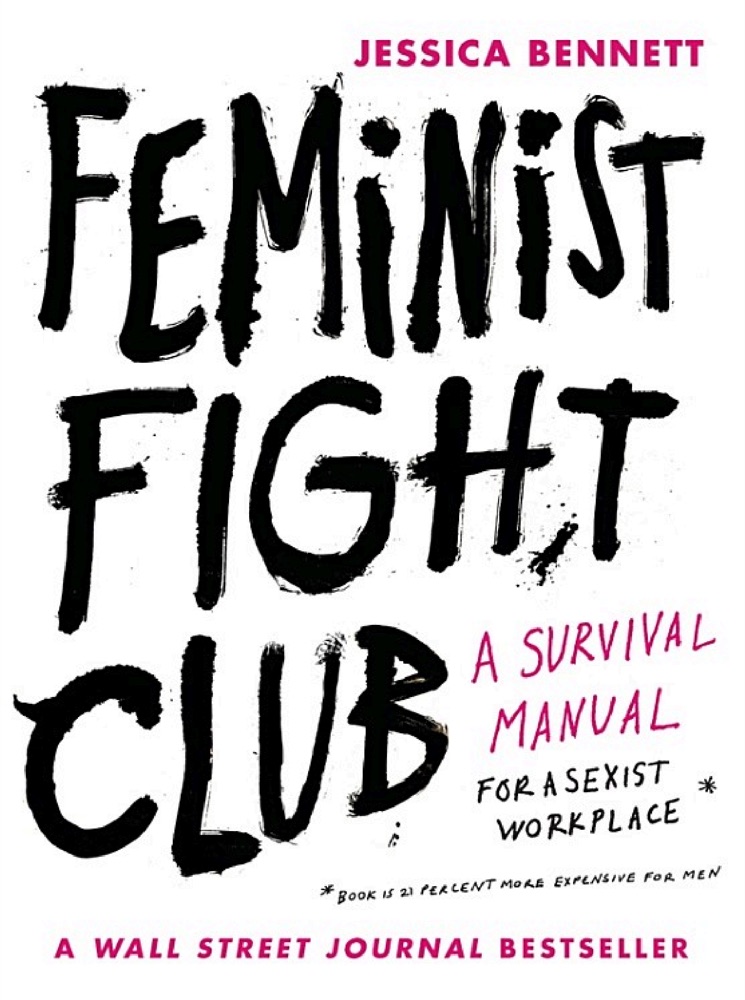 Feminist Fight Club: An Office Survival Manual for a Sexist Workplace
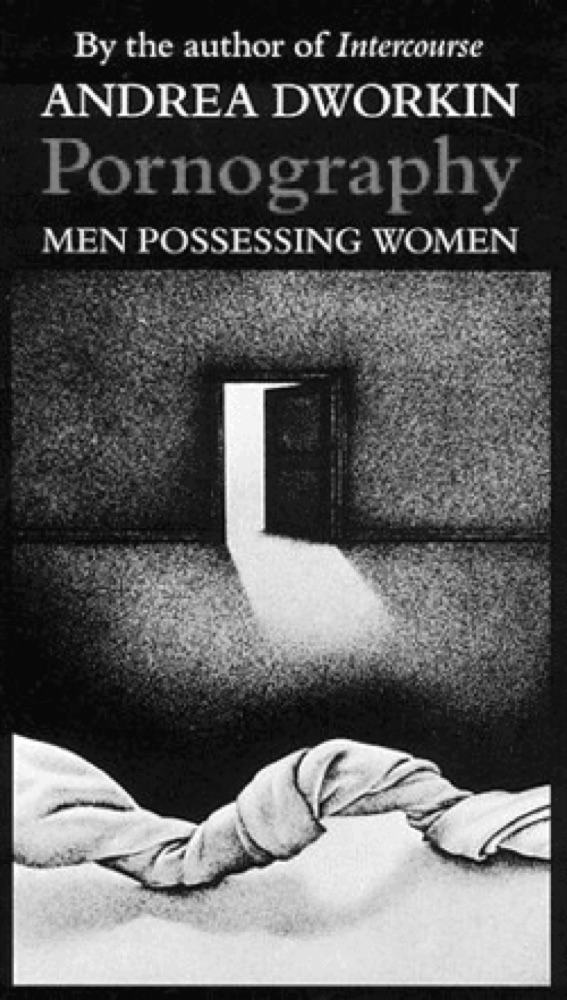 Pornography: Men Possessing Women
 The Dialectic of Sex: The Case for Feminist Revolution
 Feminist Theory: From Margin to Center
 Cunt: A Declaration of Independence
 I'm Afraid of Men.
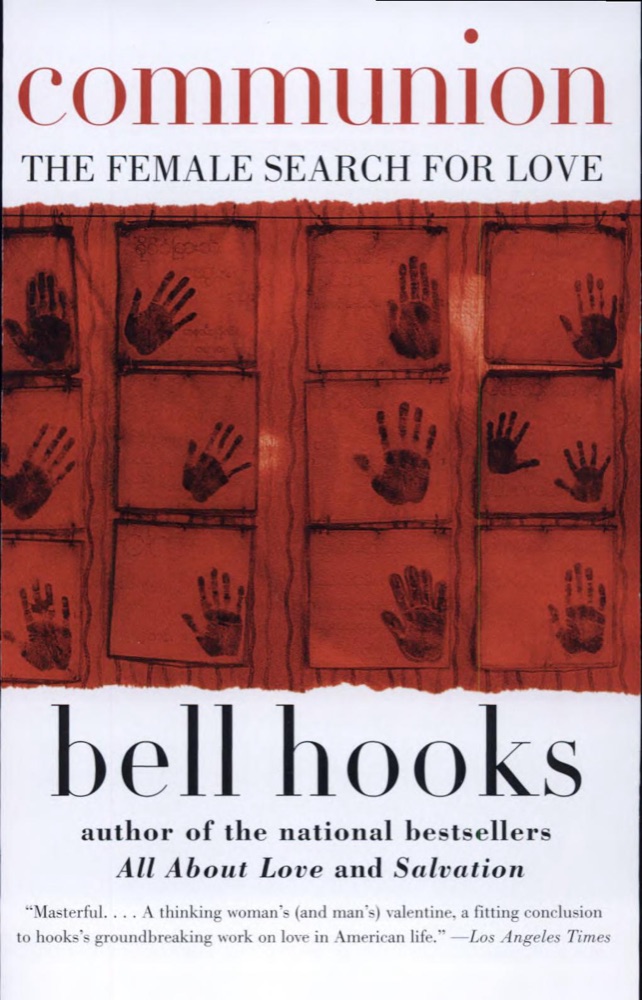 Communion: The Female Search for Love
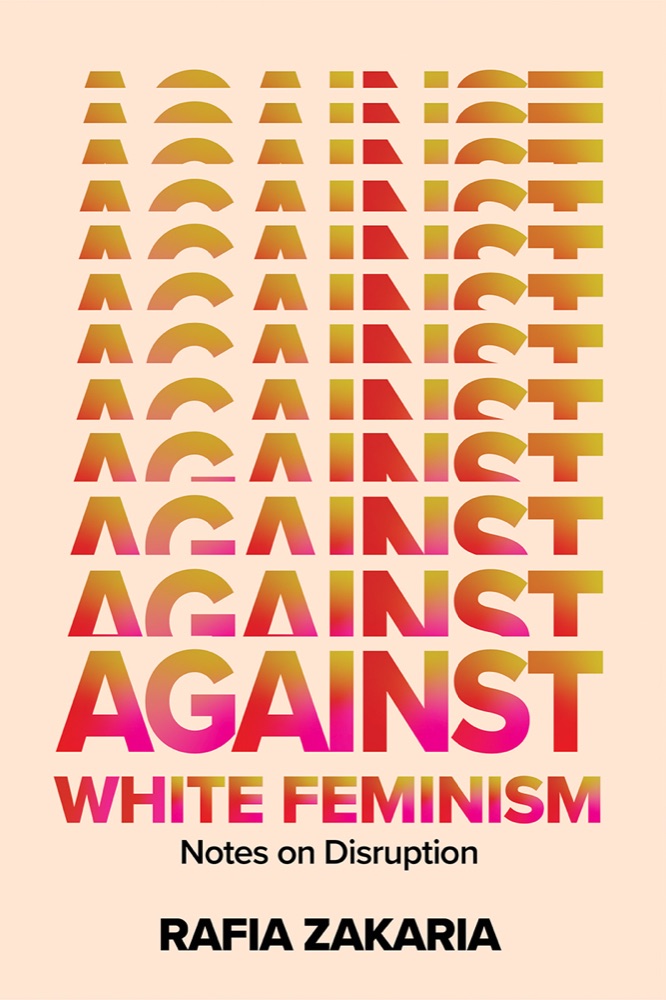 Against White Feminism: Notes on Disruption
 Cassandra Speaks: When Women Are the Storytellers, the Human Story Changes
 The Favorite Sister
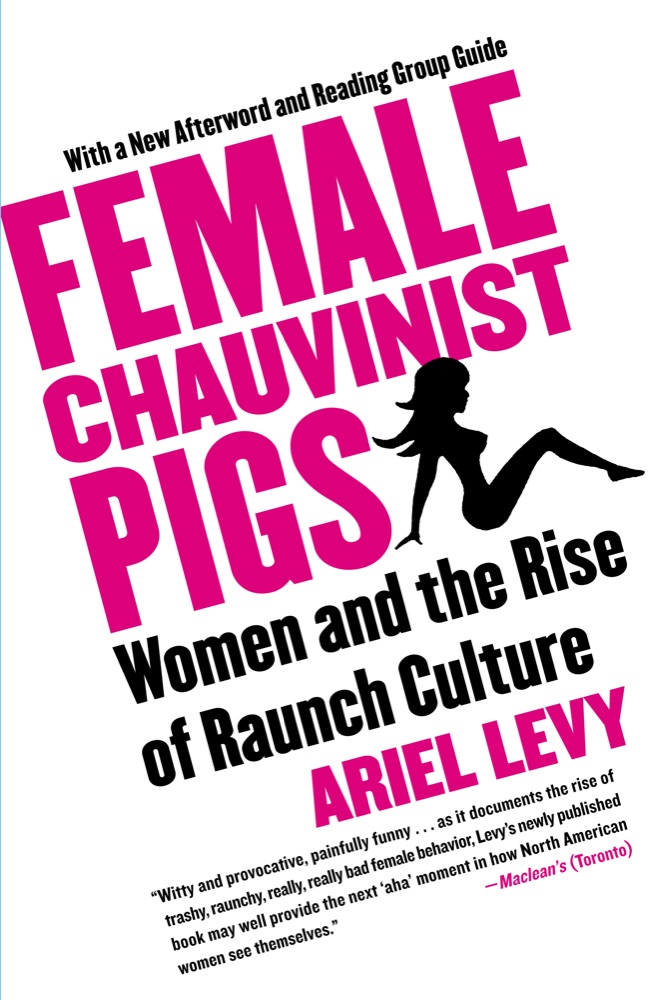 Female Chauvinist Pigs: Women and the Rise of Raunch Culture
 SCUM Manifesto
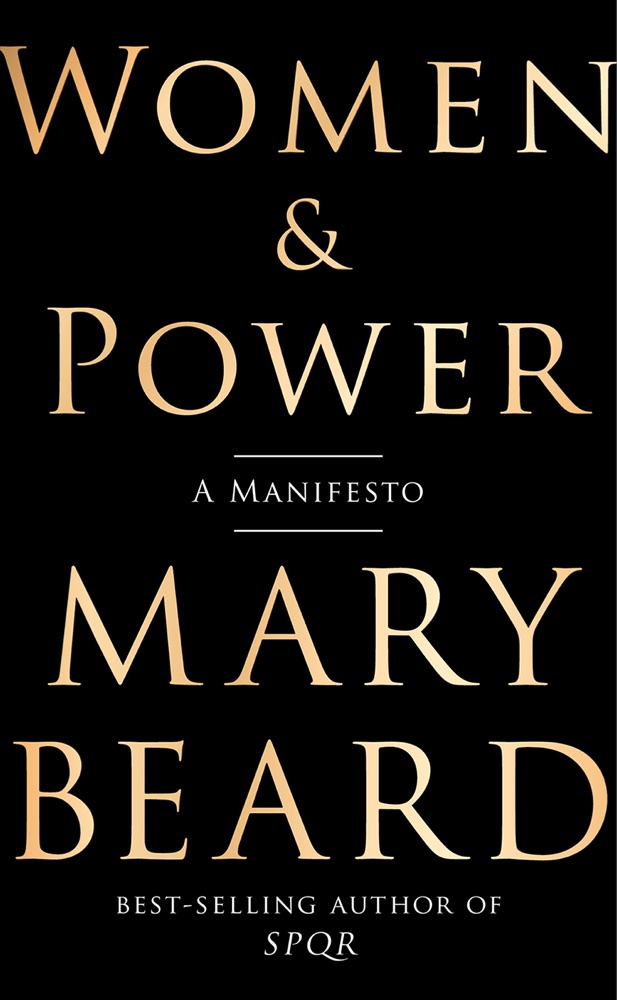 Women & Power: A Manifesto
 Whose Story Is This? Old Conflicts, New Chapters
 The Feminine Mystique
 Trainwreck: The Women We Love to Hate, Mock, and Fear... and Why
 Bad Feminist
 The Witches Are Coming
 Fix the System, Not the Women
 The Master's Tools Will Never Dismantle the Master's House
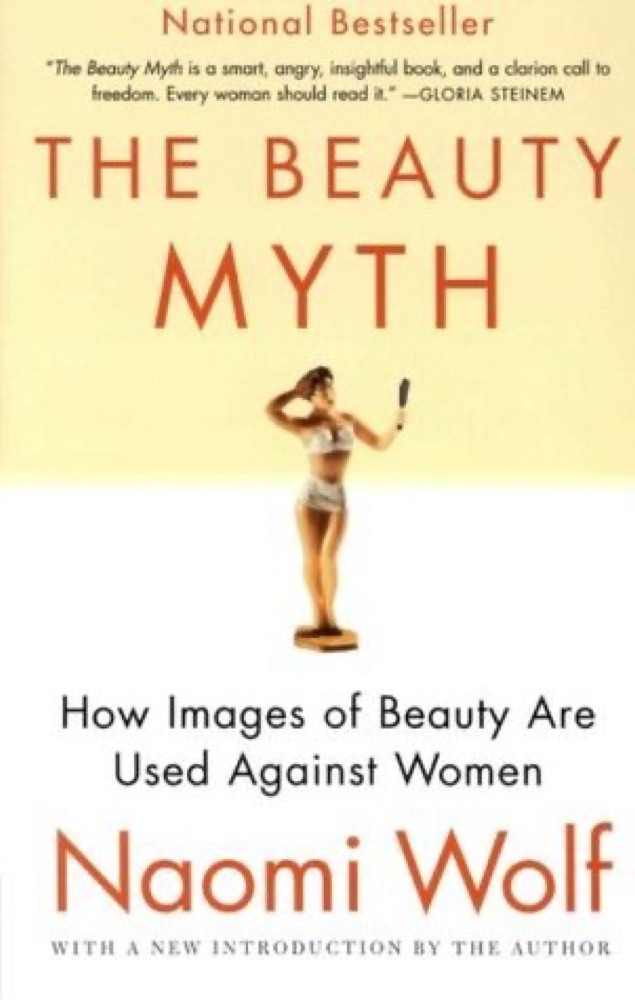 The Beauty Myth
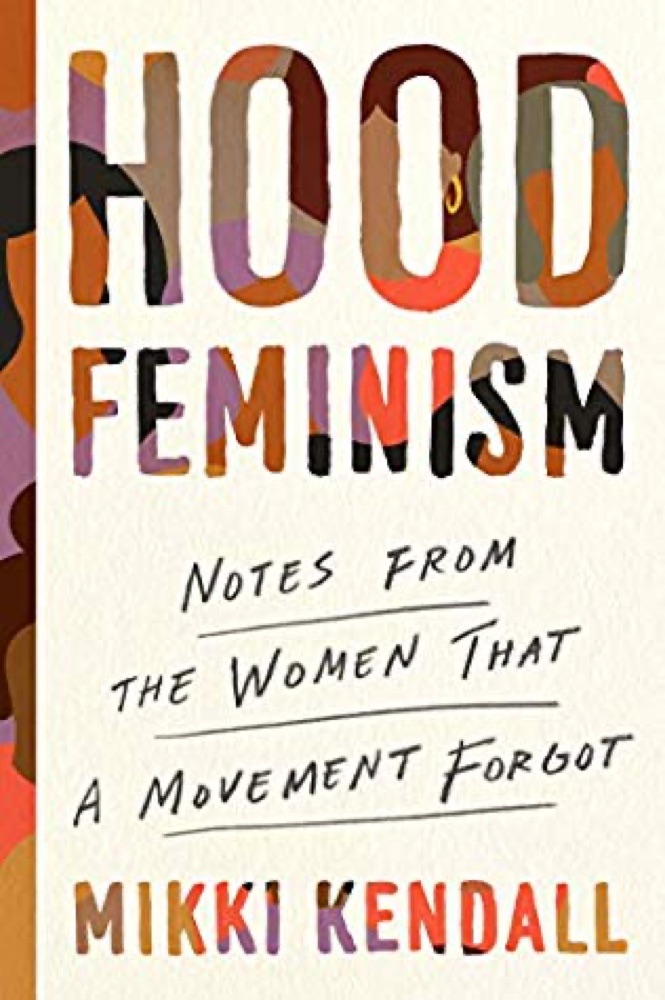 Hood Feminism: Notes from the Women That a Movement Forgot
 The Madness of Crowds: Gender, Race and Identity
 The Case Against the Sexual Revolution: A New Guide to Sex in the 21st Century
 The Heroine's Journey: Woman's Quest for Wholeness
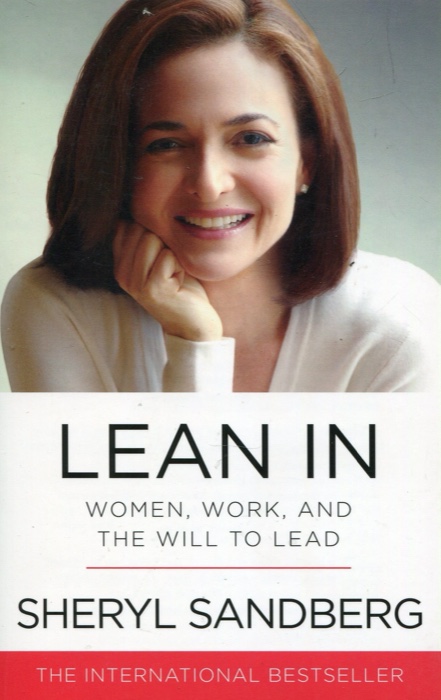 Lean In: Women, Work, and the Will to Lead
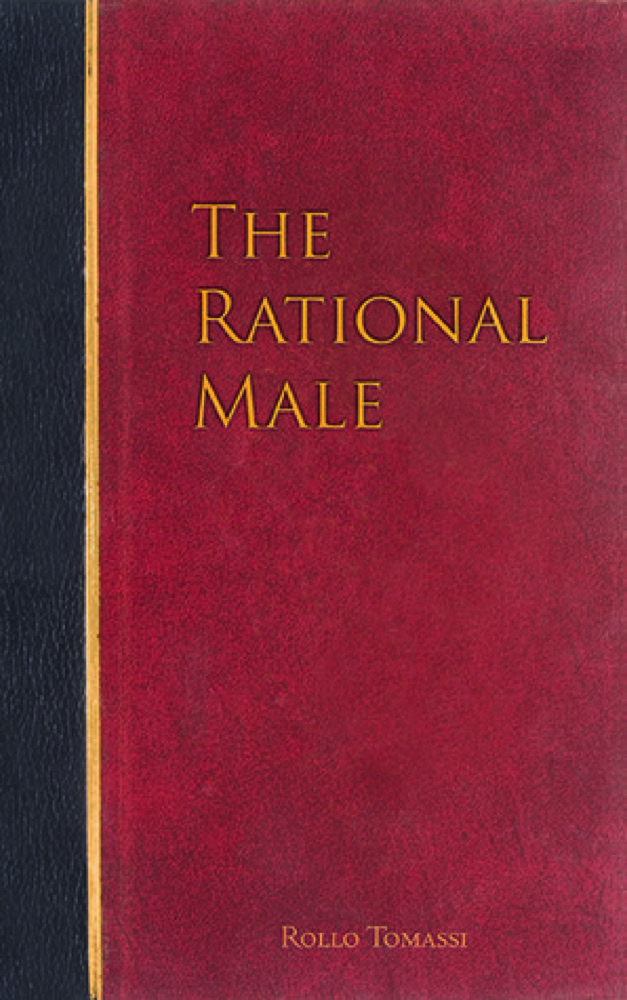 The Rational Male
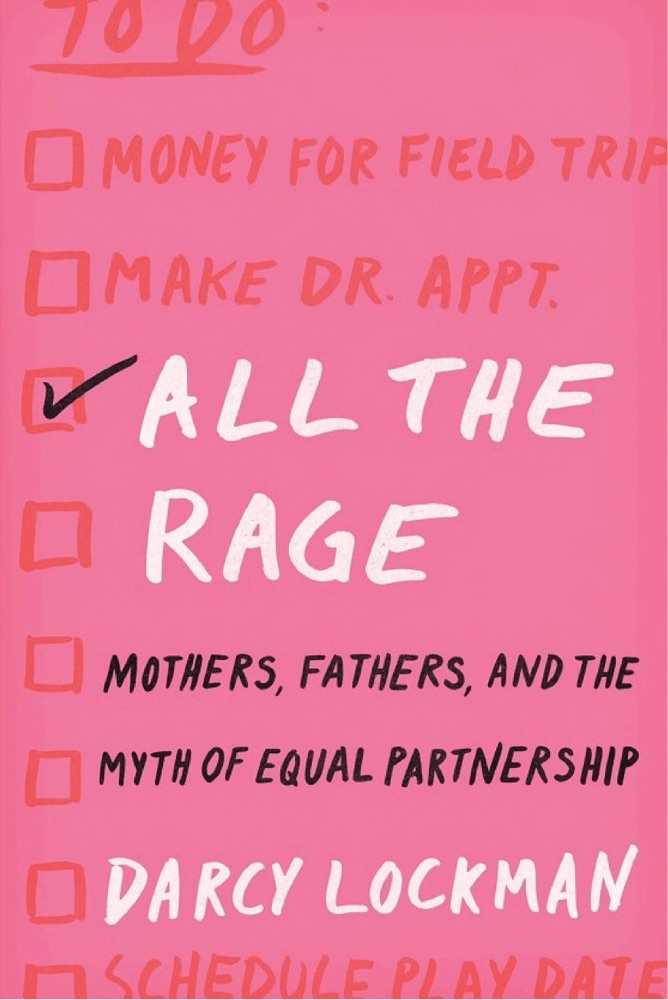 All the Rage: Mothers, Fathers, and the Myth of Equal Partnership
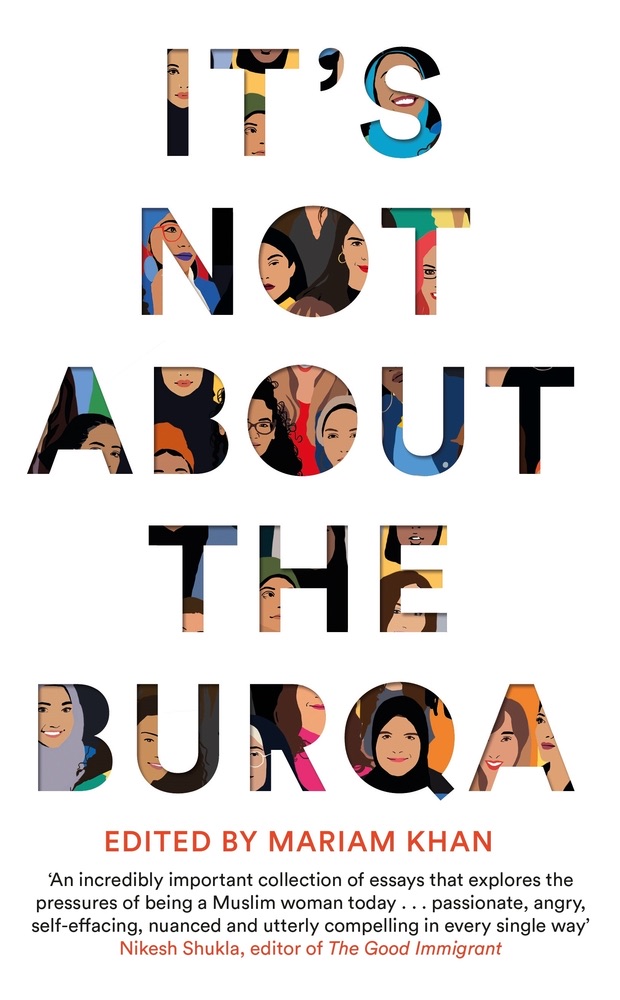 It's Not About the Burqa
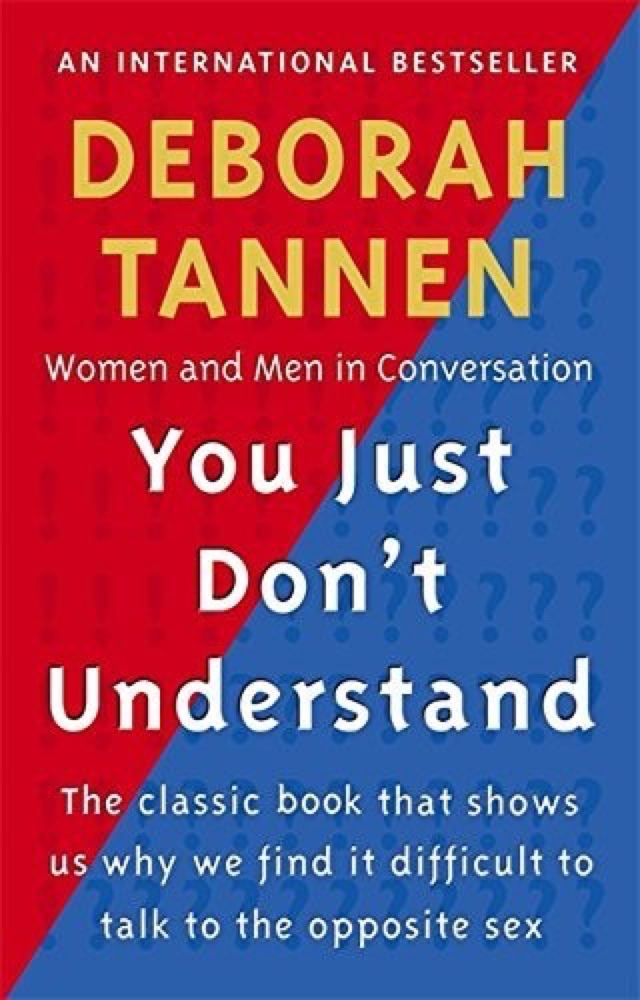 You Just Don't Understand: Women and Men in Conversation
 Outrageous Acts and Everyday Rebellions