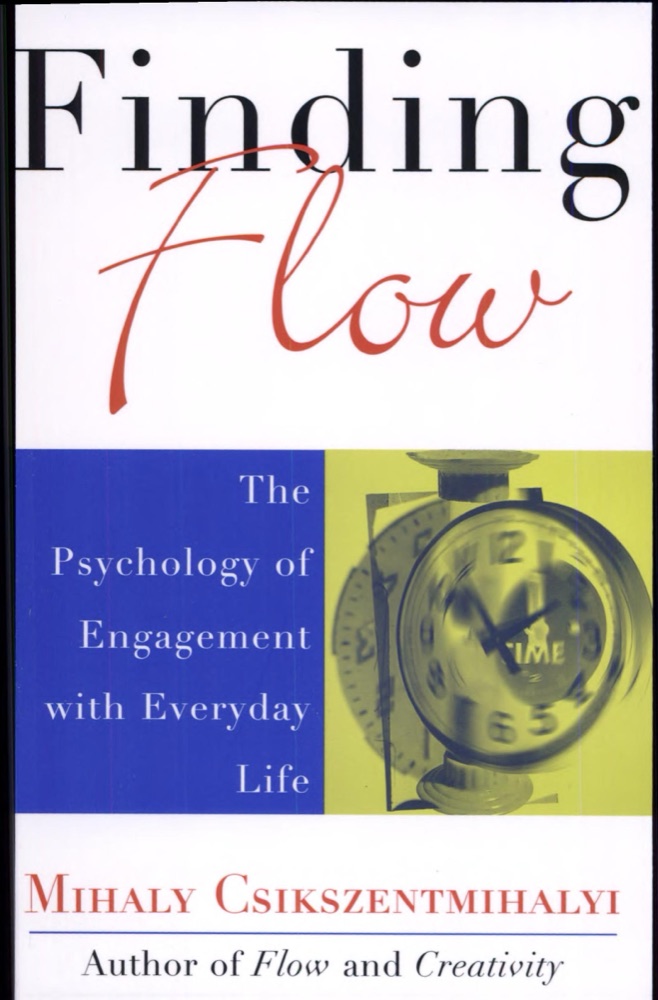
 Finding Flow: The Psychology of Engagement with Everyday Life
Quotes from the Book
We tend to believe that to change the world, we have to think big. Confucius wouldn't dispute this, but he would likely also say. Don't ignore the small. Don't forget the "pleases" and "thank yous." Change doesn't happen until people alter their behavior, and they don't alter their behavior unless they start with the small.
7
When you hold too tightly to a plan, you risk missing out on these things. And when you wake up one day in that future, you will feel boxed in by a life that, at best, reflects only a piece of who you thought you were at one moment in time.
5
True imagination and creativity don’t come from thinking outside the box or letting ourselves go wild, just as true spontaneity does not come from dancing on a table on the weekend while you remain in your tedious job. They don’t come out of great disruptive moments that break forth from an otherwise ordinary, drab life. They are part and parcel of how we live our every day; all moments can be creative and spontaneous when we experience the entire world as an open and expansive place. We get there by constantly cultivating our ability to imagine transcending our own experience.
3
Our lives begin in the everyday and stay in the everyday. Only in the everyday can we begin to create truly great worlds.
2
The psychologist and philosopher William James (1842–1910) once wrote, “A man has as many social selves as there are individuals who recognize him”—a surprisingly Confucian sentiment.
2
Ming is not just about the tragedies that befall us. It’s about the good things, too; the unexpected opportunities, unforeseen chances to do something we love, the chance encounter with someone who will change the trajectory of our whole life. When you hold too tightly to a plan, you risk missing out on these things. And when you wake up one day in that future, you will feel boxed in by a life that, at best, reflects only a piece of who you thought you were at one moment in time.
2
Confucius's disciples frequently asked him to define goodness. He would give each of them a different answer each time, depending on the situation. That's because Confucian goodness is not something you can define in the abstract. It's the ability to respond well to others; the development of a sensibility that enables you to behave in ways that are good for those around you and to draw out their own better sides.
2
Our habits limit what we can see, access, sense, and know.
1
You can dam and direct the water, and you can force it to remain on the top of a mountain without flowing down. But is this what water's nature really is? It is what you have done to it that makes it so. Humans can also be made to be not good in the same way. " - Mencius
1
You do not yet understand life - how could you understand death?" - Confucius
1
You can embrace life by opening up yourself to see the task of ironing a shirt not as a tiresome chore but as an exercise in cultivating trained spontaneity; a head cold not as inconvenient but as a chance to cozy up in bed reading novels; a canceled wedding engagement not as heartbreak but as an opportunity for a new future.
1
But we tend to either neglect our sprouts, forgetting to water or nourish them, or else we are too forceful: we grab them and try to tug at them to make them grow. Not only do we disrupt our natural goodness, but also we become miserable, easily dominated by our worst instincts: jealousy, anger, and resentment. When we do this, we harm our own humanity and harm those around us. By unleashing the worst in ourselves, we bring out the worst in others and cause them to kill their sprouts too. Most of us fail to achieve our potential, but this is not how it has to be.
1
Will we act according to where we are stuck in the moment, or will we act in a way that opens up a constellation of possibilities?
1
By making concrete, defined plans, you are actually being abstract, because you are making these plans for a self that is abstract: a future self that you imagine based on who you think you are now, even though you, the world, and your circumstances will change. You cut yourself off from the real, messy complexities that are the basis from which you can develop as a human being. You eliminate your ability to grow as a person because you are limiting that growth to what is in the best interests of the person you happen to be right now, and not the person you will become.
1
There is no ethical or moral framework that transcends context and the complexity of human life. All we have is the messy world within which to work and better ourselves. These ordinary as-if rituals are the means by which we imagine new realities over time construct new worlds. Our lives begin in the everyday and stay in the everyday. Only in the everyday can we begin to create truly great worlds.
1
How are you living your life on a daily basis?
Living in a capricious world means accepting that we do not live within a stable moral cosmos that will always reward people for what they do. We should not deny that real tragedies happen. But at the same time, we should always expect to be surprised and learn to work with whatever befalls us. If we continue this work, even when tragedies come our way, we can begin to accept the world as unpredictable and impossible to understand perfectly. And this is where the promise of a capricious world lies; if our world is indeed constantly fragmented and unpredicatable, then it is something we can constantly work on bettering. We can go into each situation resolved to be the best human being we can be, not because of what we'll get our of it, but simply to affect others around us for the better, regardless of the outcome. We can cultivate our better sides and face this unpredicatble world, transforming as we go.
Things will happen that we can’t control, but we have a choice to act: to get out of the way of the falling wall, to respond to our ming and shape our future accordingly.
When we can let go of the idea that there are clear guidelines and a stable world, then what we are left with is the heart-mind to guide us. The heart-mind is all there is, and we develop it every day through our relationships with the people we’re with. It helps us to sense things correctly, to lay the groundwork for growth, and to work with what we have. And as you do so, all that you thought you were will begin to change. You will find parts of yourself you didn’t know existed. The world you once thought of as stable starts instead to seem like a world of infinite possibilities.
True influence isn't to be found in over strength or will. It comes from creating a world that feels so natural that no one questions it. This is how a Laozian safe wields enormous influence.
With all this investment in our self-definition, we risk building our future on a very narrow sense of who we are - what we see as our strengths and weaknesses, our likes and dislikes. Many Chinese thinkers might say that in doing this, we are looking at such a small part of who we are potentially. We're taking a limited number of our emotional dispositions during a certain time and place and allowing those to define us forever. By thinking of human nature as monolithic, we instantly limit our potential.
This is how we tend to learn about world history: as discrete civilizations that developed on their own over time. Now imagine a different kind of museum, one organized solely by era. You could stroll through a gallery, for example, and see a Roman silver denarius coin, a bronze coin from China’s Han dynasty, and a punch-marked coin from India’s Mauryan Empire. You would see right away that three major civilizations were going through remarkably similar changes at roughly the same time, despite the vast distance between them: each had become an empire, and each was running an economy based upon coin currency.
The key for the players is to be conscious that they are pretending; that together they have entered an alternate reality in which they imagine different sides of themselves.
Watch on YouTube
About Michael Puett
We have collected 23 quotes from 1 book by Michael Puett on BookQuoters.
More about the author →About the book
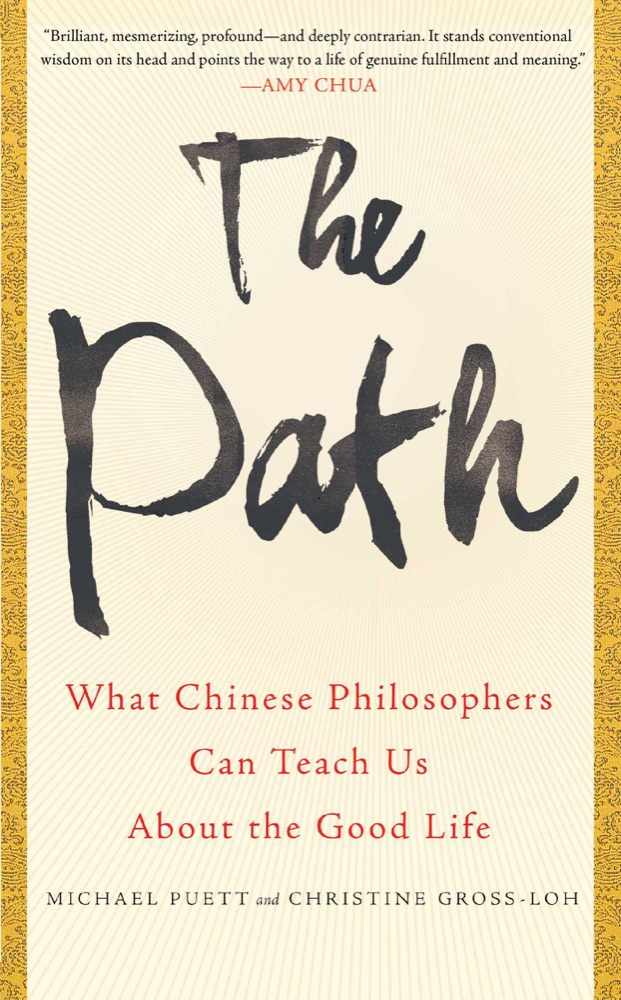
**International Bestseller**For the first time an award-winning Harvard professor shares his wildly popular course on classical Chinese philosophy, showing you how these ancient ideas can guide you on the path to a good life today.Why is a course on ancient Chinese philosophers one of the most popular at Harvard?It’s because the course challenges all our modern assumptions about what it takes to flourish. This is why Professor Michael Puett says to his students, “The encounter with these ideas will change your life.” As one of them told his collaborator, author Christine Gross-Loh, “You can open yourself up to possibilities you never imagined were even possible.”These astonishing teachings emerged two thousand years ago through the work of a succession of Chinese scholars exploring how humans can improve themselves and their society. And what are these counterintuitive ideas? Good relati
Book details
- First published
- 2016
- Author
- Michael Puett
- Genre
- Philosophy
- Goodreads rating
- 3.74 (5k ratings)
Keep reading
Finding Flow: The Psychology of Engagement with Everyday Life
 365 Tao: A Study of Taoist Wisdom for Daily Life
 Zen and the Art of Saving the Planet
 The Socrates Express: In Search of Life Lessons from Dead Philosophers
 The Daily Stoic: 366 Meditations on Wisdom, Perseverance, and the Art of Living
 Be Water, My Friend: The Teachings of Bruce Lee
 The Tao of Pooh
 The Happiness Hypothesis: Finding Modern Truth in Ancient Wisdom
 The Way of Zen
 The Buddha Walks into a Bar . . .: A Guide to Life for a New Generation
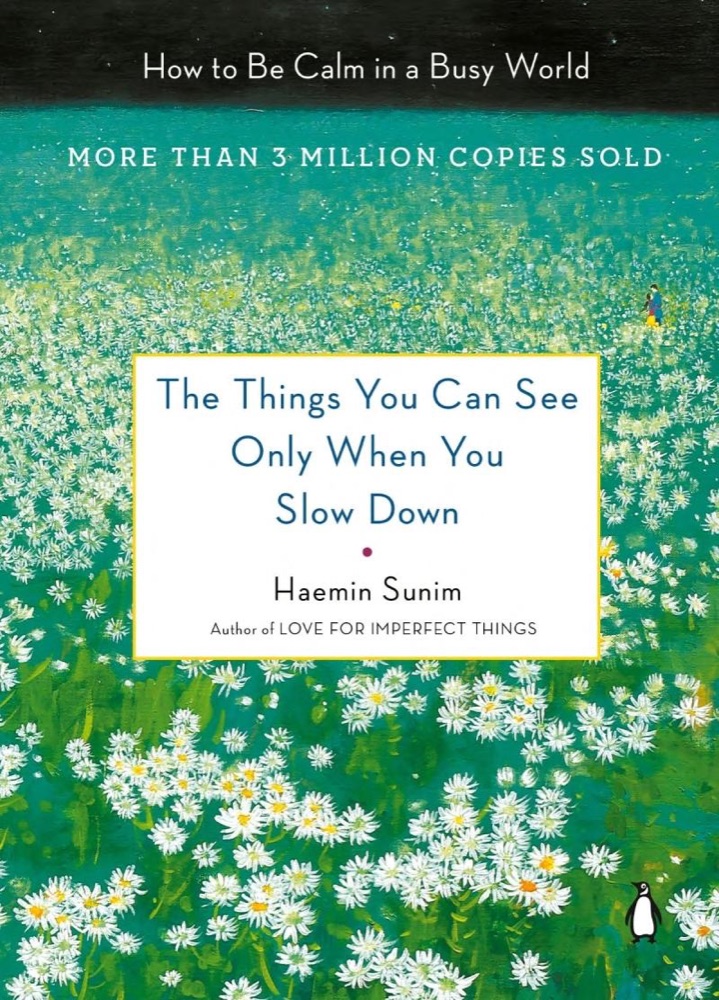 The Things You Can See Only When You Slow Down: How to Be Calm in a Busy World
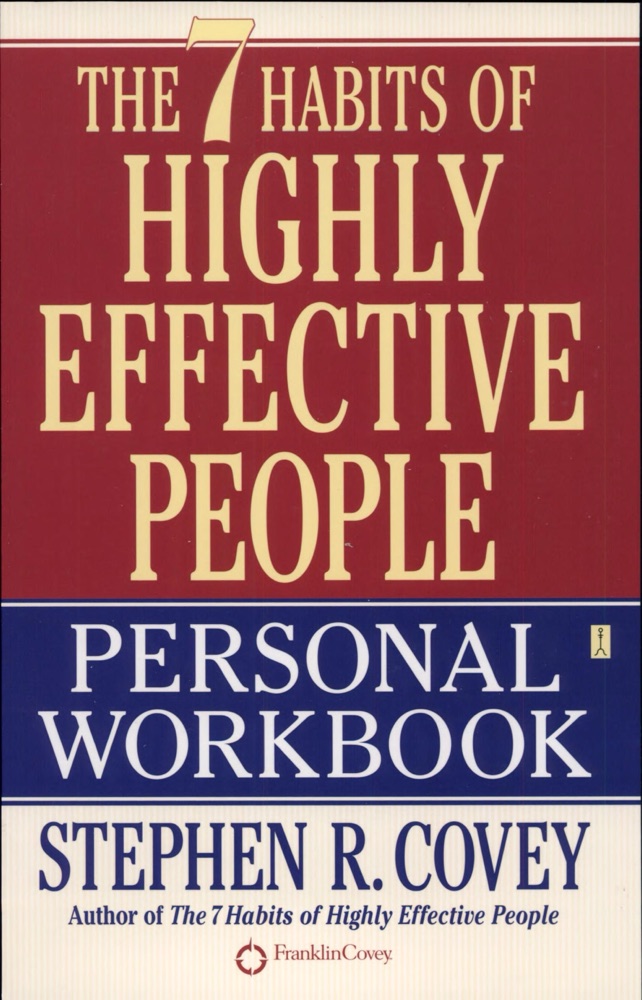 The 7 Habits of Highly Effective People: Personal Workbook
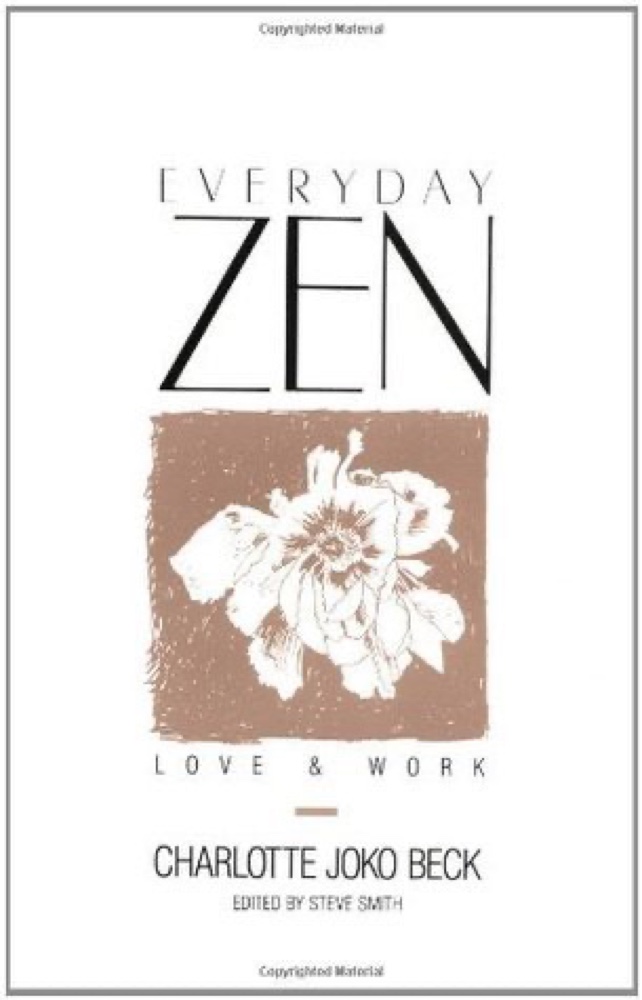 Everyday Zen: Love & Work
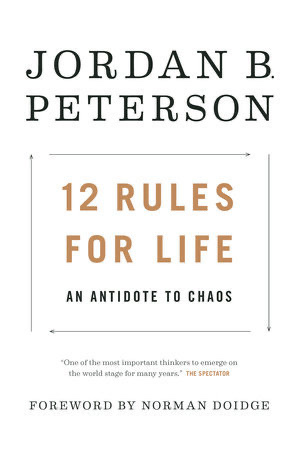 12 Rules for Life: An Antidote to Chaos
 Mastery
 The Art Of Living
 101 Essays That Will Change The Way You Think
 How Do You Live?
 How to Be Perfect: The Correct Answer to Every Moral Question
 The Book: On the Taboo Against Knowing Who You Are
 Change Your Thoughts - Change Your Life: Living the Wisdom of the Tao
 Living Beautifully with Uncertainty and Change
 The Book of Secrets: Unlocking the Hidden Dimensions of Your Life
 Waking Up: A Guide to Spirituality Without Religion
 Finding Your Element: How to Discover Your Talents and Passions and Transform Your Life
 Creativity: Flow and the Psychology of Discovery and Invention
 The I Ching or Book of Changes
 Stoicism and the Art of Happiness
 The Daily Laws: 366 Meditations
 The Obstacle Is the Way: The Timeless Art of Turning Trials into Triumph
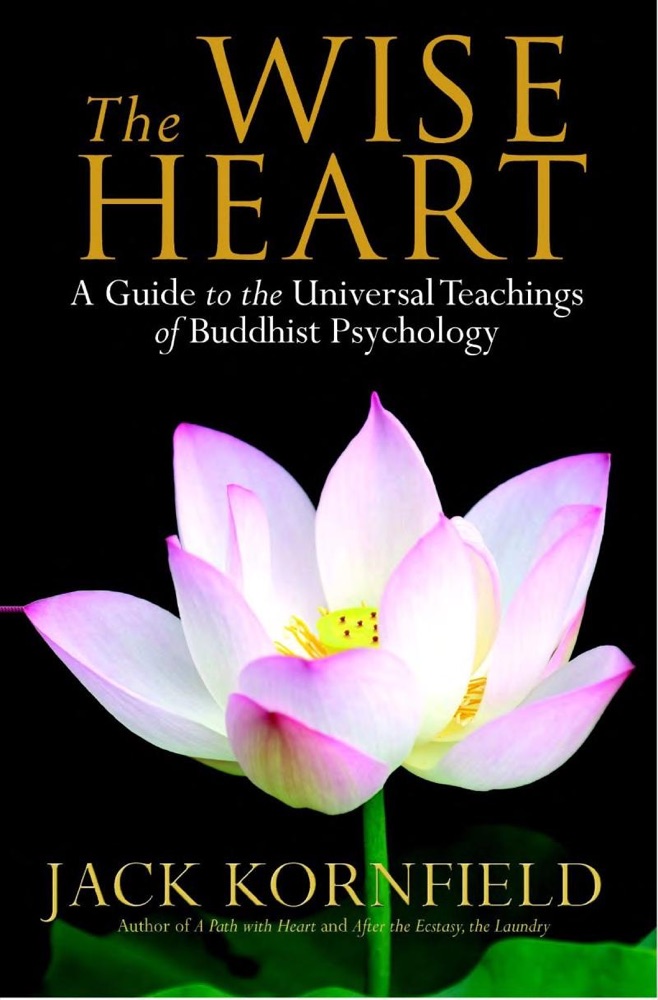 The Wise Heart: A Guide to the Universal Teachings of Buddhist Psychology
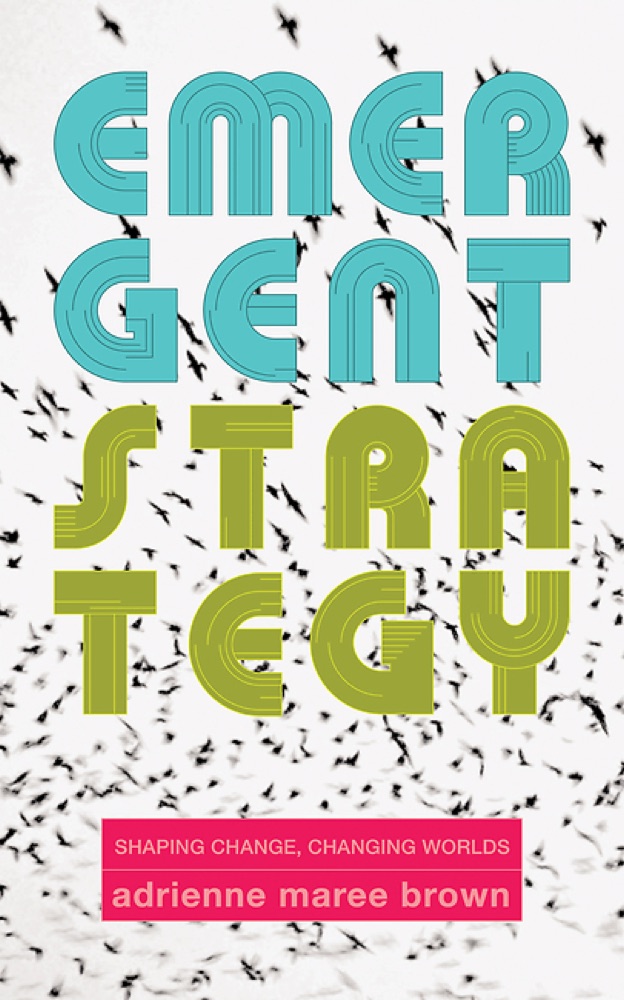 Emergent Strategy: Shaping Change, Changing Worlds
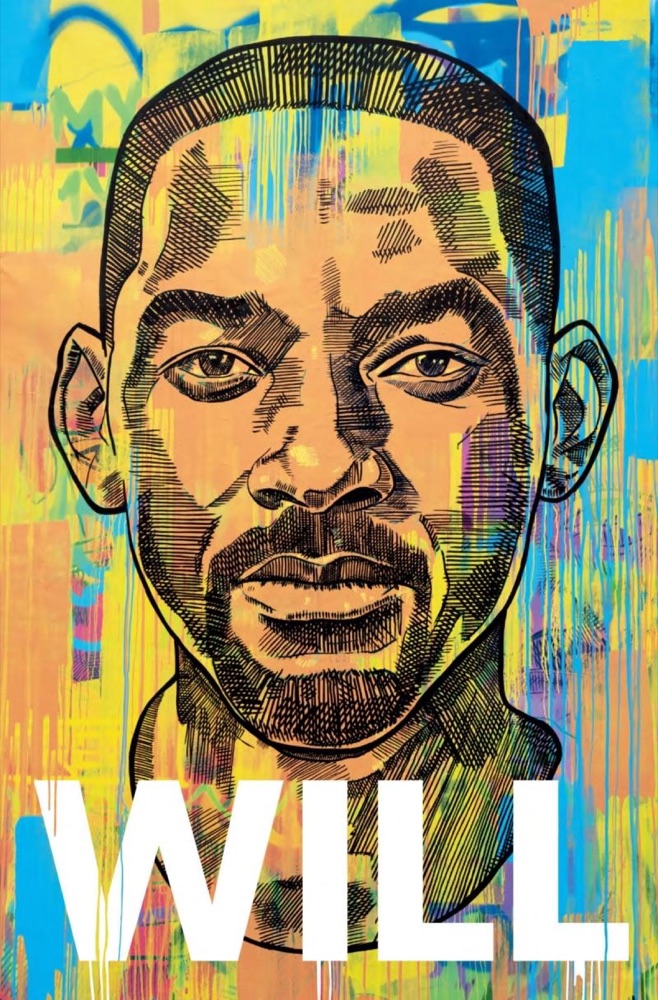 Will
Will
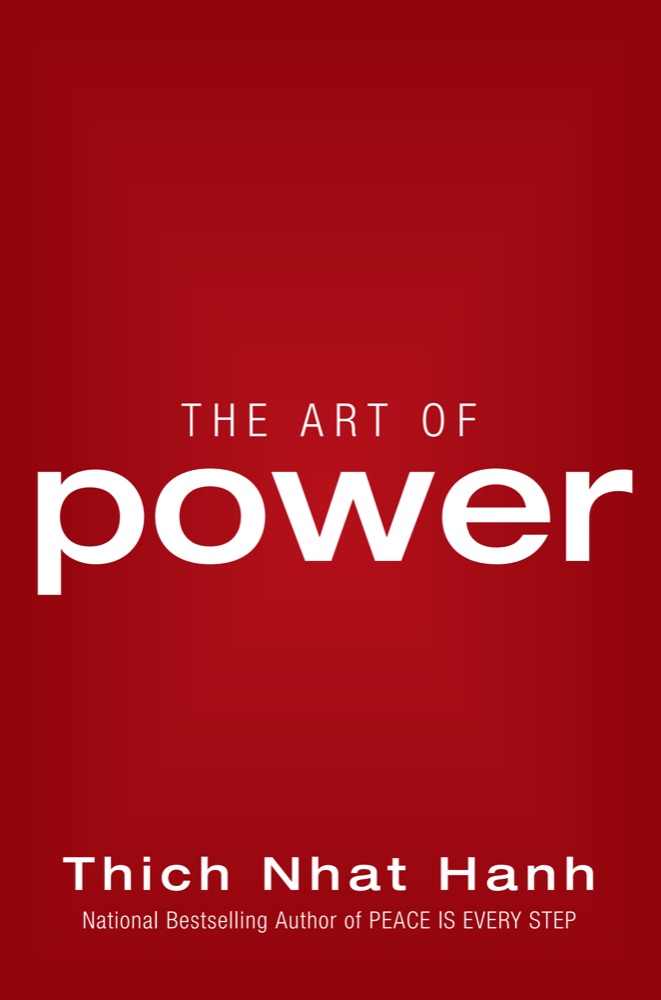 The Art of Power
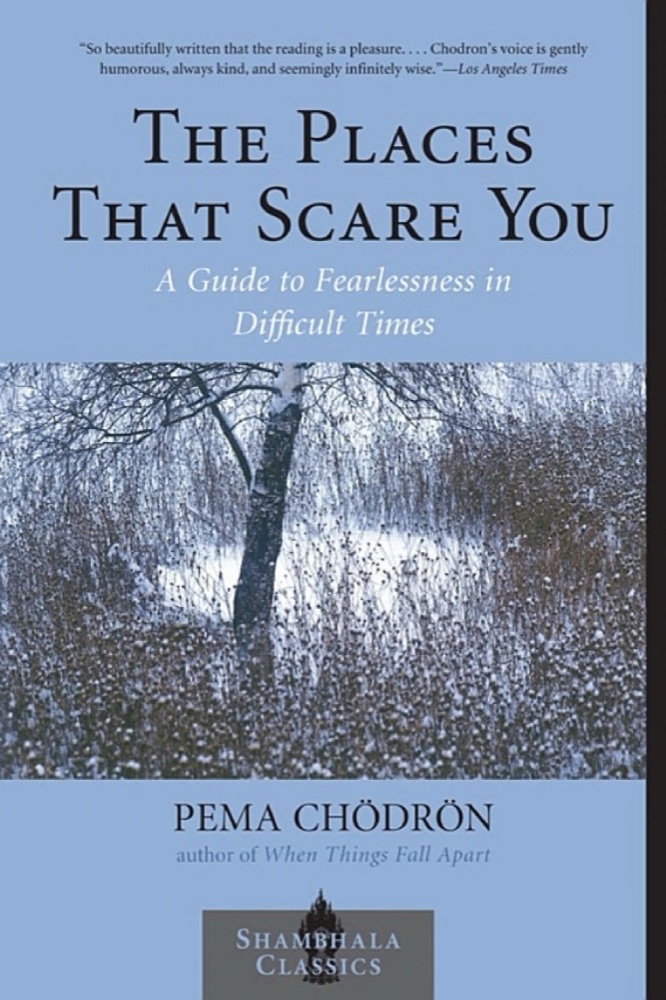 The Places That Scare You: A Guide to Fearlessness in Difficult Times
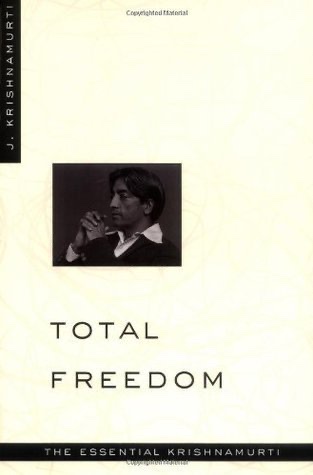 Total Freedom: The Essential Krishnamurti
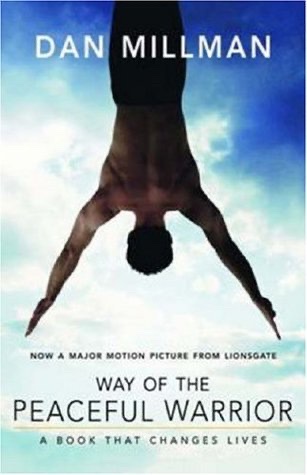 Way of the Peaceful Warrior: A Book That Changes Lives
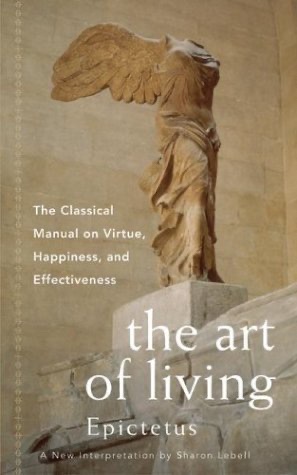 The Art of Living: The Classical Manual on Virtue, Happiness and Effectiveness
 The Social Animal: The Hidden Sources of Love, Character, and Achievement
 Tribe Of Mentors: Transformative Wisdom From Icons and Innovators to Help You Navigate Life's Challenges
 Awaken The Giant Within
 Notes on a Nervous Planet
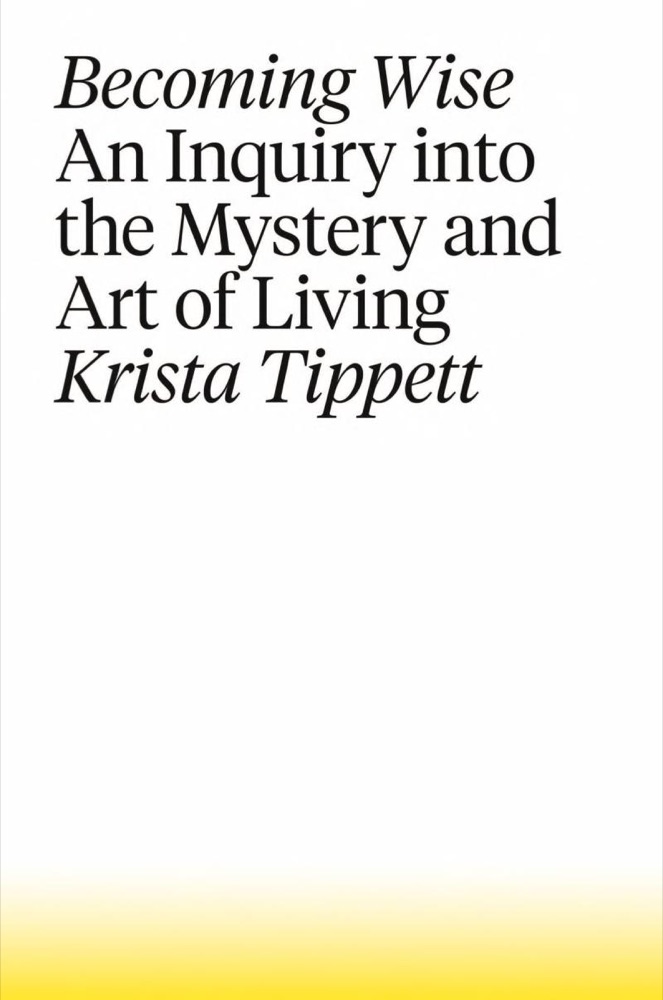 Becoming Wise: An Inquiry into the Mystery and Art of Living
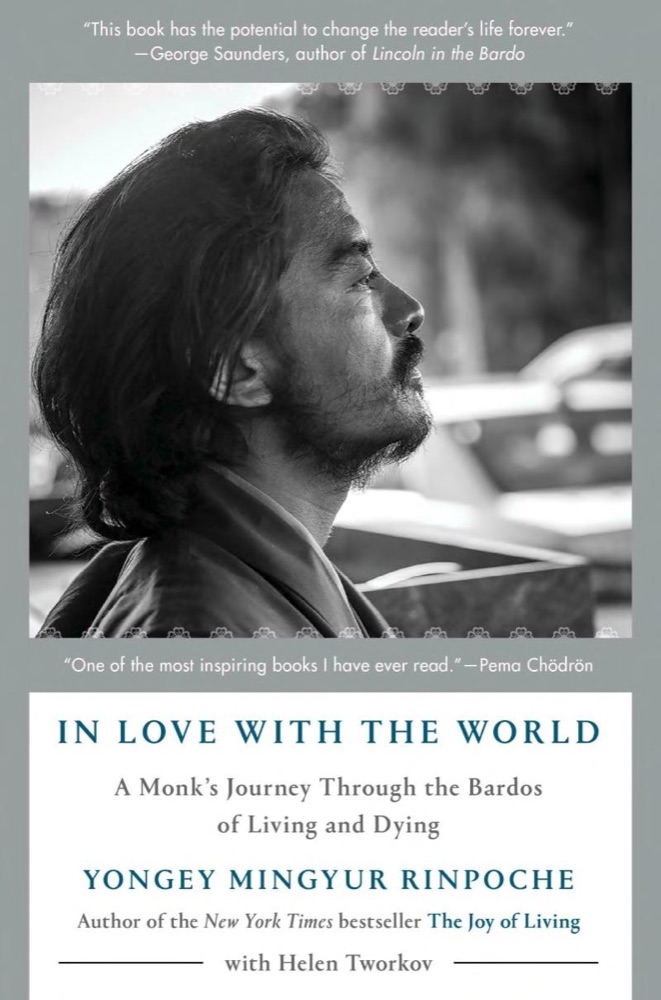 In Love with the World: A Monk's Journey Through the Bardos of Living and Dying
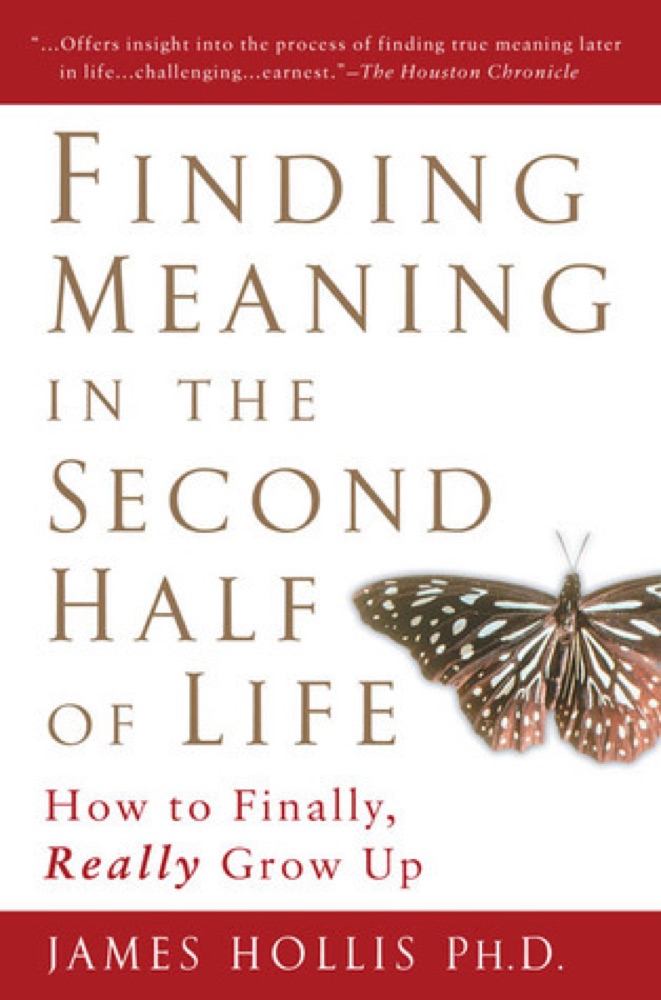 Finding Meaning in the Second Half of Life: How to Finally, Really Grow Up
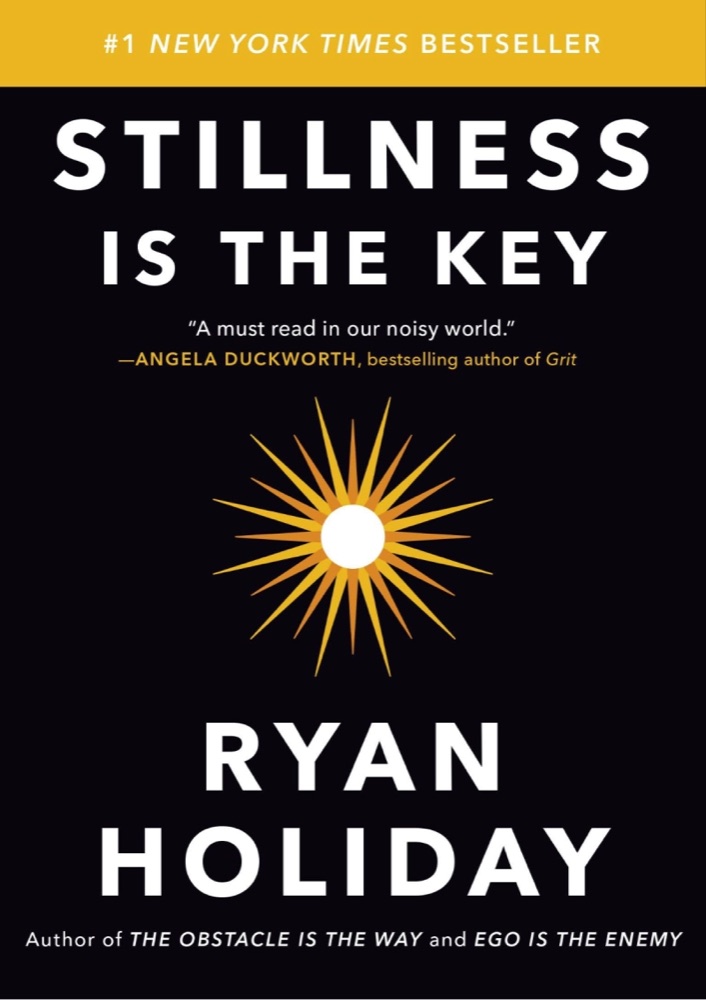 Stillness Is the Key
 Happiness Becomes You: A Guide to Changing Your Life for Good
 Striking Thoughts: Bruce Lee's Wisdom for Daily Living
 Buddhist Boot Camp
 Buddha's Brain: The Practical Neuroscience of Happiness, Love, and Wisdom
 The Laws of Human Nature
 How Adam Smith Can Change Your Life: An Unexpected Guide to Human Nature and Happiness
 Nothing Special: A Zen Buddhist Guide to Awakening Through Daily Life's Feelings, Relationships, and Work
 The Wisdom of No Escape: How to Love Yourself and Your World
 Kitchen Table Wisdom: Stories that Heal
 Awakening the Buddha Within
 How to Stop Worrying and Start Living