
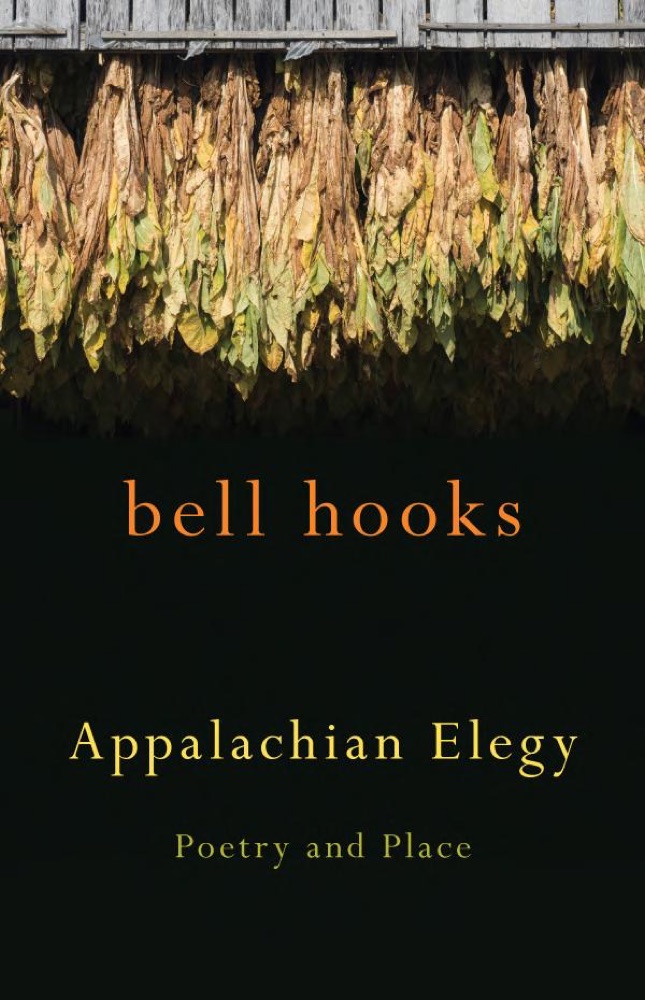
 Appalachian Elegy: Poetry and Place
Quotes from the Book
For many people the thrill of having more is intensified by the presence of those who have less. Waste is not the issue here. To many greedy individuals, power lies in withholding resources.
5
Confronting the endless desire that is at the heart of our individual overconsumption and global excess is the only intervention that can ward off the daily call to consume that bombards us on all sides.
5
Women who were lesbians, of all races and classes, were at the forefront of the radicalization of contemporary female resistance to patriarchy in part because this group had their sexual preference already placed themselves outside the domain of heterosexist privilege and protection, both in the home and in the workplace. No matter their class, they were social outcasts.
3
By championing hedonistic consumerism and encouraging individuals of all classes to believe that ownership of a particular object mediated the realities of class, mass media created a new image of the rich.
2
While the poor are offered addiction as a way to escape thinking too much, working people are encouraged to shop.
1
Let's face the reality that if OJ Simpson had been poor or even lower-middle-class there would have been no media attention. Justice was never a central issue. Our nation's tabloid passion to know about the lives of the rich made class a starting point.
1
In the late fifties and sixties, our nation had not yet become a place where the poor would be regarded solely with contempt. In the growing up years of my life, my siblings and I were constantly told that it was a sin to place ourselves above others. We were taught that material possessions told you nothing about the inner life of another human being, whether they were a loving, a person of courage and integrity. We were told to look past material trappings and find the person inside.
1
These children, like their adult peers, do not link their longing for wealth with uncritical acceptance and support of transnational white supremacist capitalist patriarchy. They simply believe they are longing for the “good life” and that this life has to be bought.
The only genuine hope of feminist liberation lies with a vision of social change that takes into consideration the ways interlocking systems of classism, racism, and sexism work to keep women exploited and oppressed
Oftentimes the poor are more addicted to excess because they are the most vulnerable to all the powerful messages in media and in our lives in general which suggest that the only way out of class shame is conspicuous consumption
As many black women and other women of color saw white women from privileged classes benefiting economically more than any other group from reformist feminist gains in the workforce, it simply reaffirmed that feminism was a white woman thing.
From the onset, reformist white women with class privilege were well aware that the power and freedom they wanted was the freedom they perceived men of their class enjoying.
The neat binary categories of white and black or male and female are not there when it comes to class. How will they identify the enemy. How will they know who to fear or who the challenge.
Watch on YouTube
About bell hooks
We have collected 246 quotes from 11 books by bell hooks on BookQuoters.
More about the author →More by bell hooks
Appalachian Elegy: Poetry and Place
 We Real Cool: Black Men and Masculinity
 All About Love: New Visions
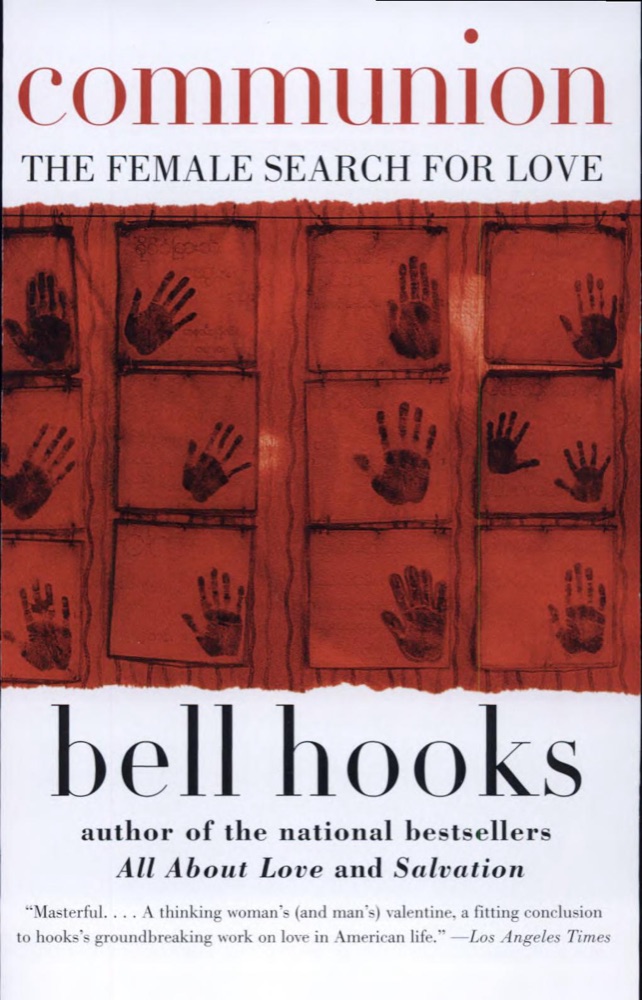 Communion: The Female Search for Love
About the book
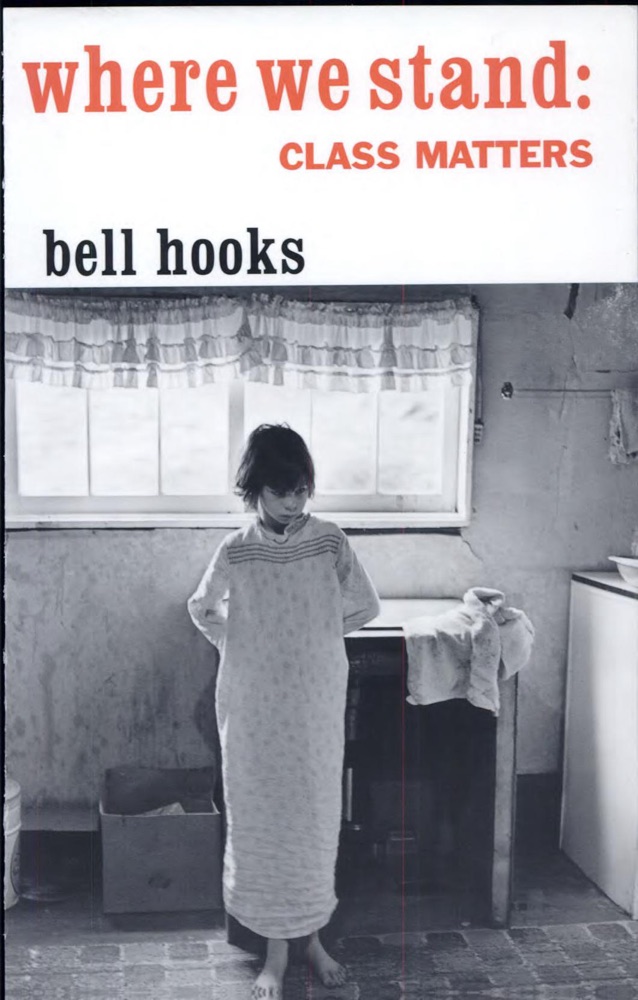
Drawing on both her roots in Kentucky and her adventures with Manhattan Coop boards, Where We Stand is a successful black woman's reflection--personal, straight forward, and rigorously honest--on how our dilemmas of class and race are intertwined, and how we can find ways to think beyond them.
Book details
- First published
- 2000
- Author
- bell hooks
- Genre
- Nonfiction
- Goodreads rating
- 4.24 (3k ratings)
Keep reading
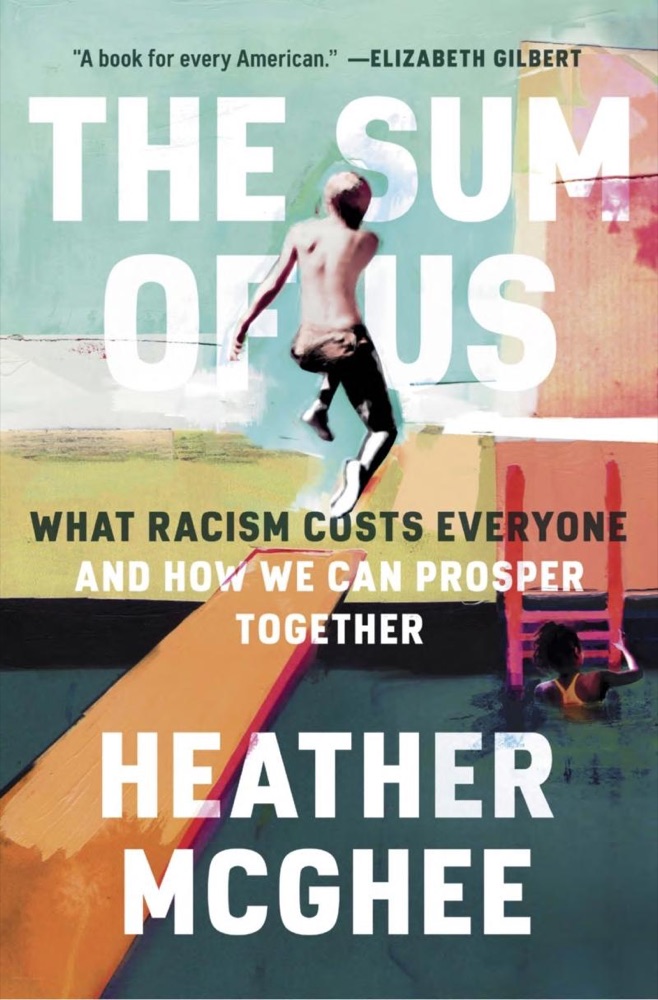 The Sum of Us: What Racism Costs Everyone and How We Can Prosper Together
 This Is What Inequality Looks Like
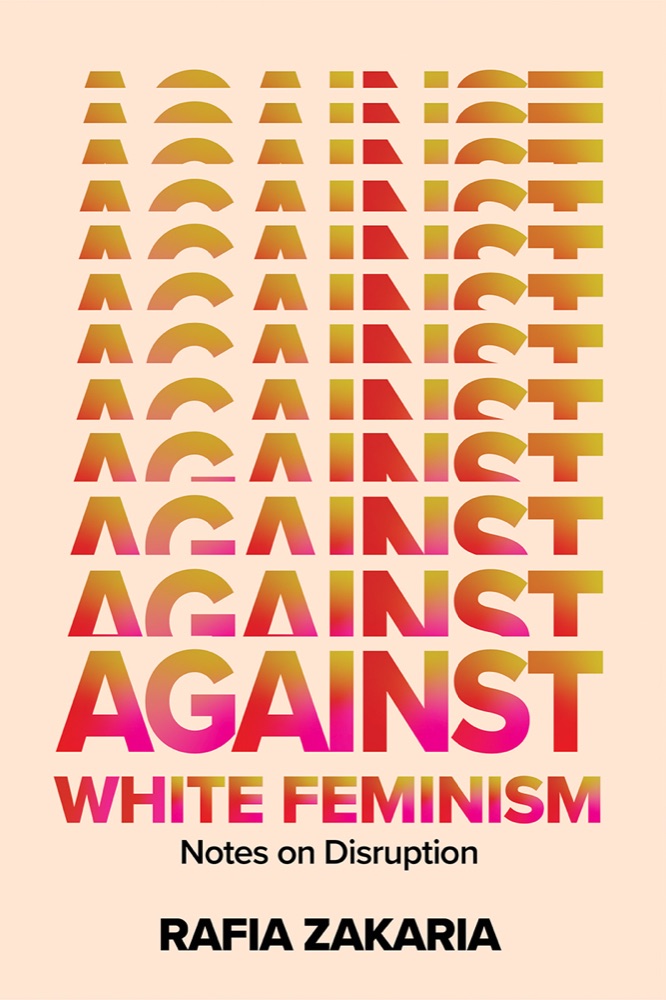 Against White Feminism: Notes on Disruption
 Hood Feminism: Notes from the Women That a Movement Forgot
 What White People Can Do Next: From Allyship to Coalition – An Empowering Guide to Interrogating Whiteness and Creating Justice
 White Trash: The 400-Year Untold History of Class in America
 Coming Apart: The State of White America, 1960-2010
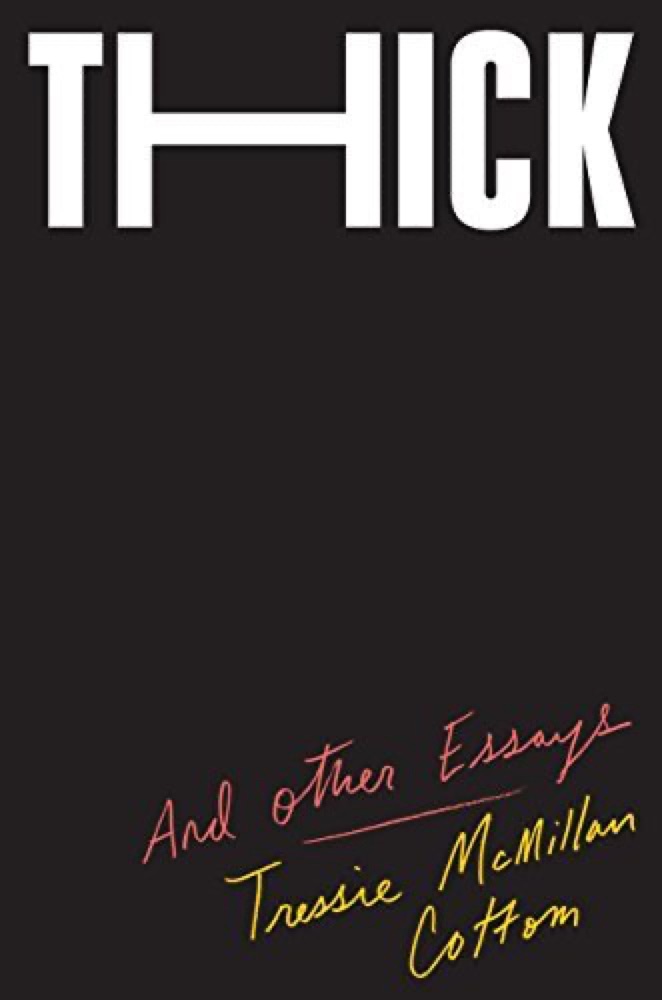 Thick: And Other Essays
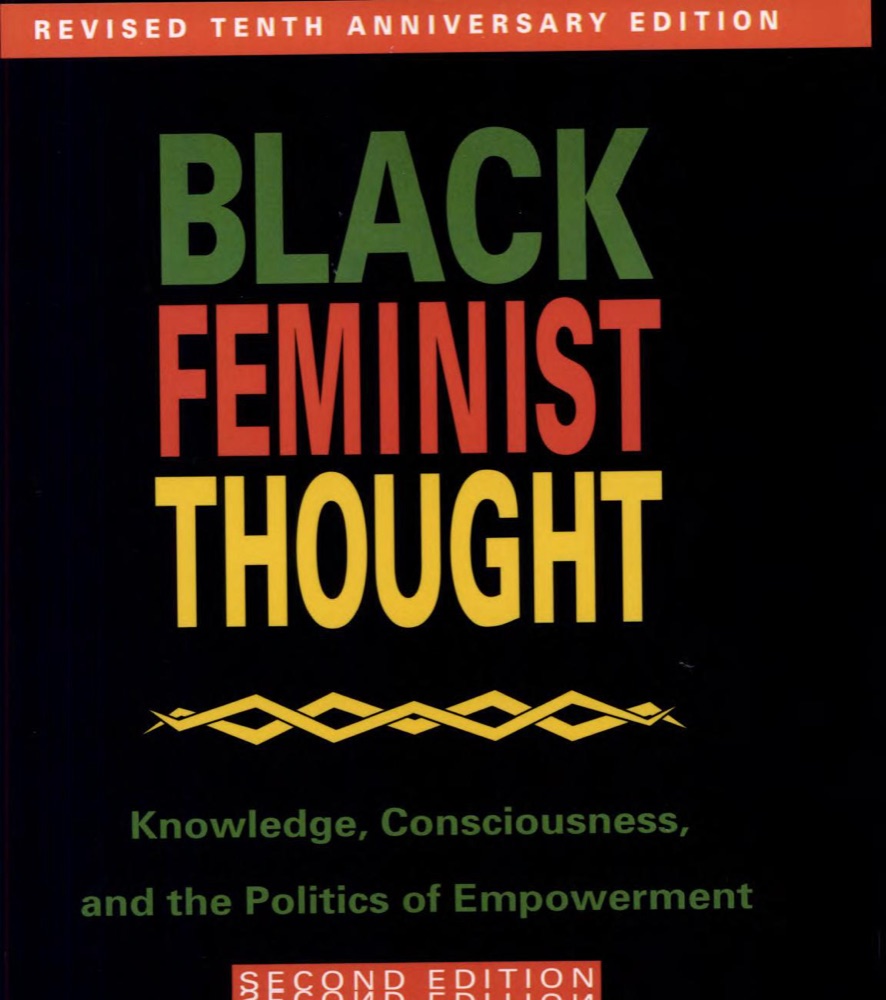 Black Feminist Thought: Knowledge, Consciousness, and the Politics of Empowerment
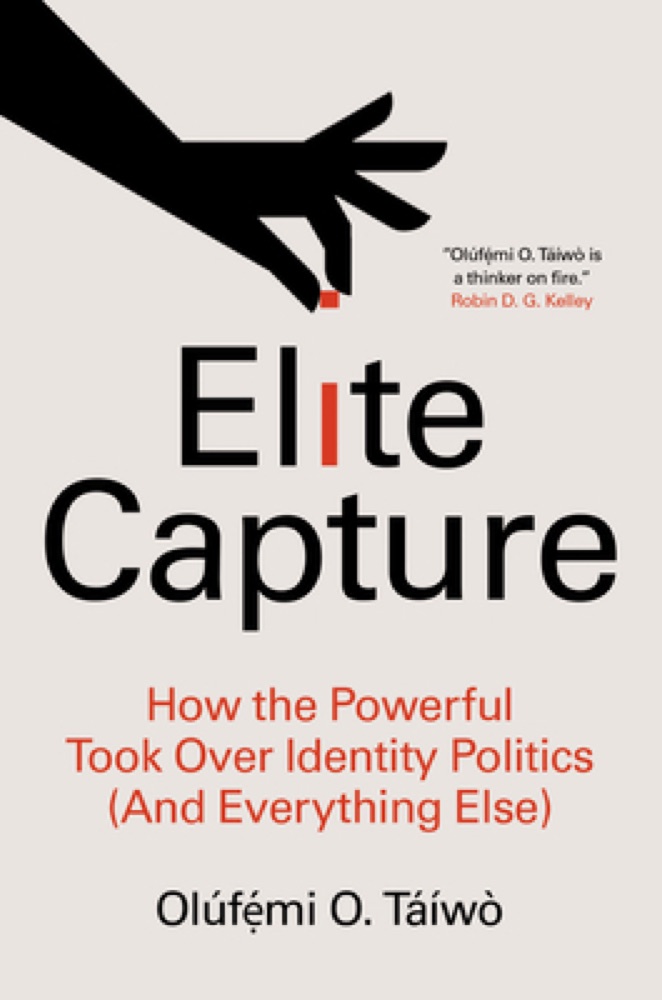 Elite Capture: How the Powerful Took Over Identity Politics
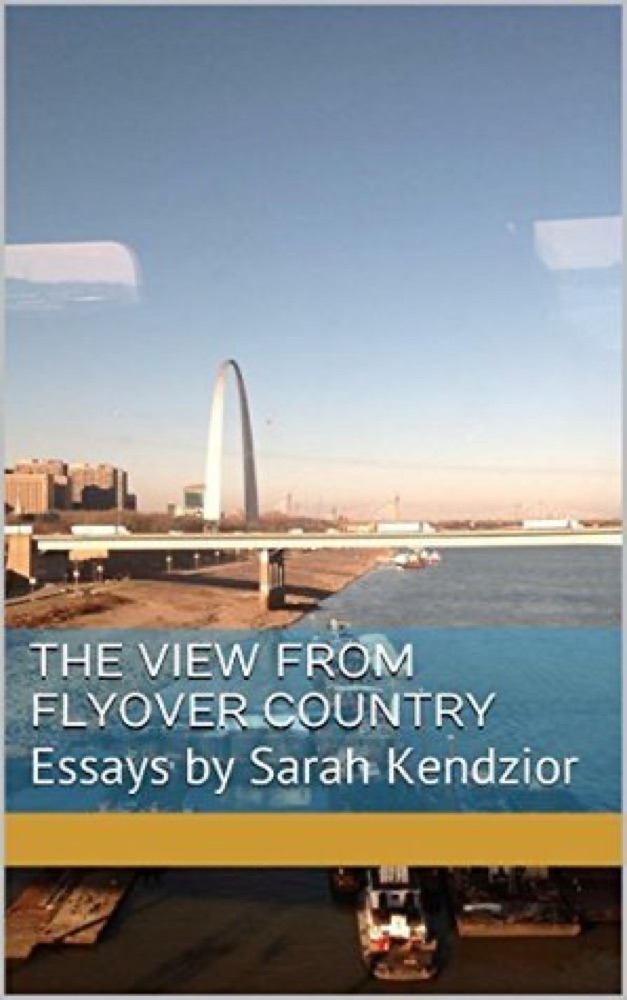 The View From Flyover Country: Essays by Sarah Kendzior
 White Like Me: Reflections On Race From A Privileged Son
 The Davenports
 This Bridge Called My Back: Writings by Radical Women of Color
 Life at the Bottom: The Worldview That Makes the Underclass
 Girl, Woman, Other
 Unspeakable Things: Sex, Lies and Revolution
 Poverty, by America
 Why I'm No Longer Talking to White People About Race
 The Identity Trap: A Story of Ideas and Power in Our Time
 Chavs: The Demonization of the Working Class
 Just Us: An American Conversation
 We Gon' Be Alright: Notes on Race and Resegregation
 Wealth, Poverty and Politics: An International Perspective
 Mediocre: The Dangerous Legacy of White Male America
 Nickel and Dimed: On (Not) Getting by in America
 Between the World and Me
 The Moment of Lift: How Empowering Women Changes the World
 The Master's Tools Will Never Dismantle the Master's House
 Outrageous Acts and Everyday Rebellions
 Talking to My Daughter About the Economy: or, How Capitalism Works—and How It Fails
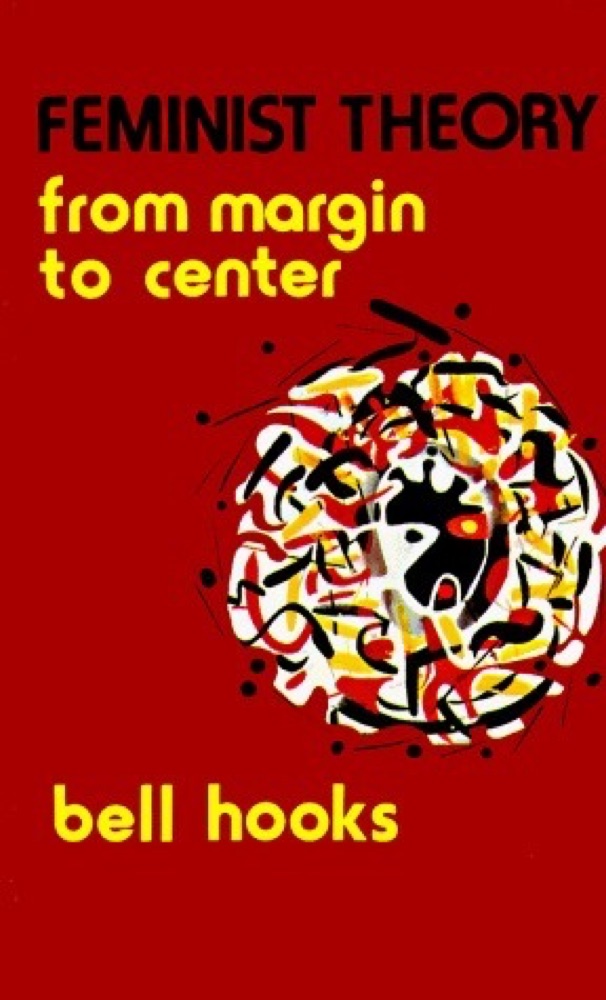 Feminist Theory: From Margin to Center
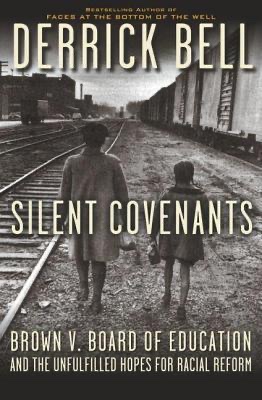 Silent Covenants: Brown v. Board of Education and the Unfulfilled Hopes for Racial Reform
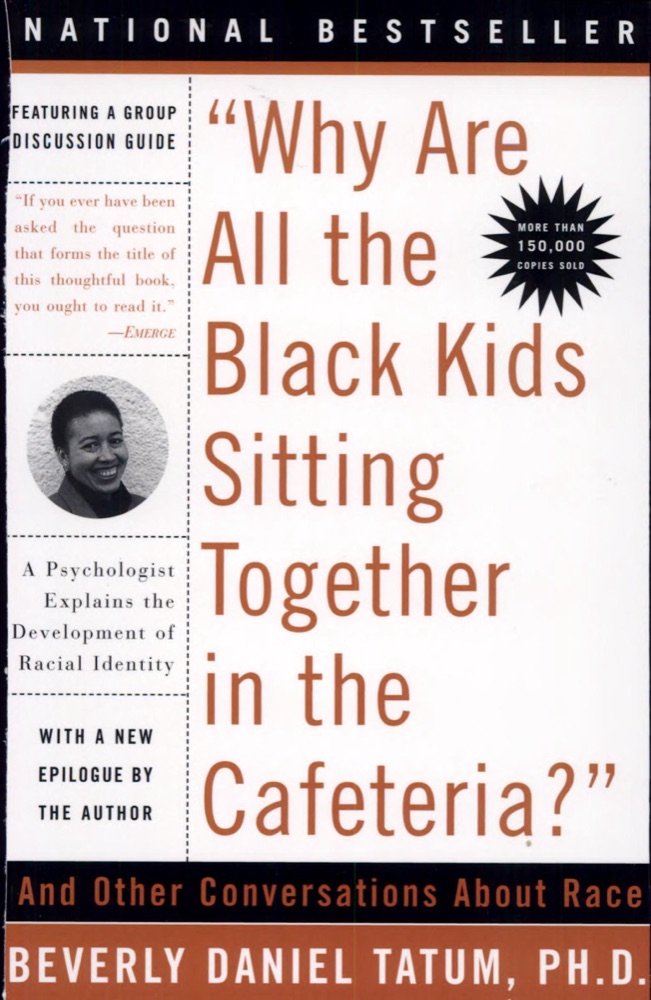 Why Are All The Black Kids Sitting Together in the Cafeteria?
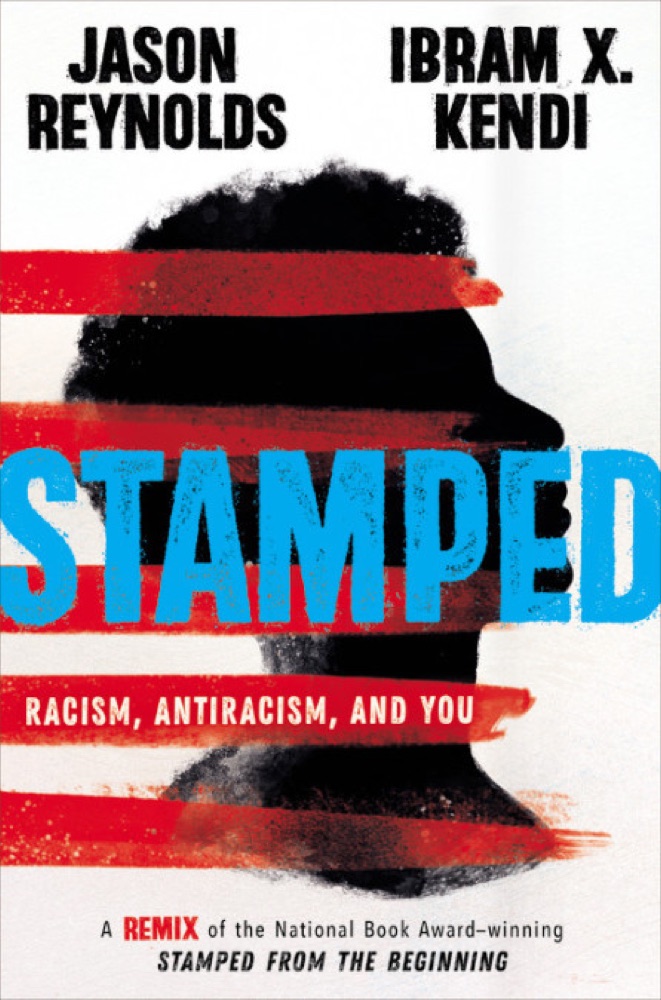 Stamped: Racism, Antiracism, and You
 The Tyranny of Merit: What's Become of the Common Good?
 The Truths We Hold: An American Journey
 Sister Citizen: Shame, Stereotypes, and Black Women in America
 Mutual Aid: Building Solidarity in This Crisis
 The Audacity of Hope: Thoughts on Reclaiming the American Dream
 Talking Back: Thinking Feminist, Thinking Black
 Becoming
 Empire of Illusion: The End of Literacy and the Triumph of Spectacle
 Banker to the Poor: Micro-Lending and the Battle Against World Poverty
 On Our Best Behavior: The Seven Deadly Sins and the Price Women Pay to Be Good
 Status Anxiety
 Evicted: Poverty and Profit in the American City
 Lead from the Outside: How to Build Your Future and Make Real Change
 Waking Up White: And Finding Myself in the Story of Race
 Nobody Knows My Name
 You Can't Be Neutral on a Moving Train: A Personal History of Our Times
 The Blue Sweater: Bridging the Gap Between Rich and Poor in an Interconnected World
 We Were Eight Years in Power: An American Tragedy
 Revolution
 Let Us Dream: The Path to a Better Future
 I'm Still Here: Black Dignity in a World Made for Whiteness
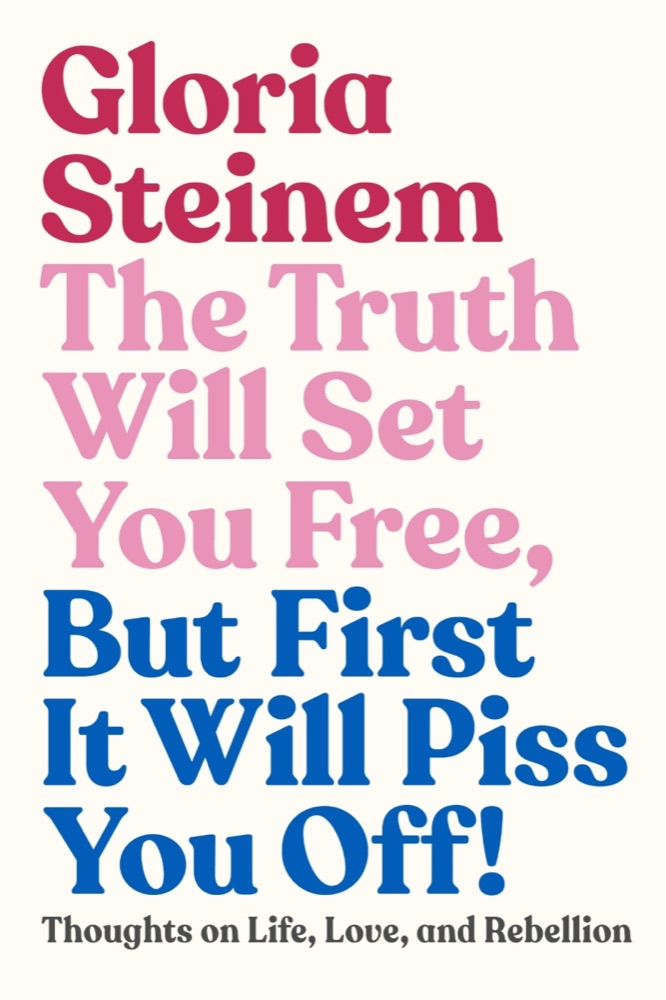 The Truth Will Set You Free, But First It Will Piss You Off!: Thoughts on Life, Love, and Rebellion
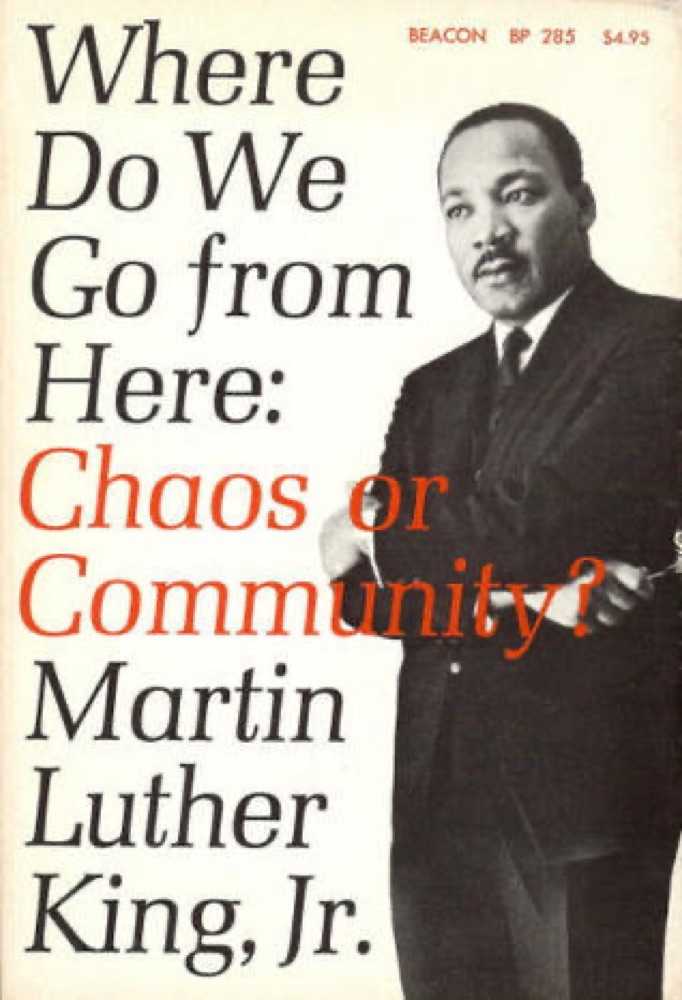 Where Do We Go from Here: Chaos or Community?
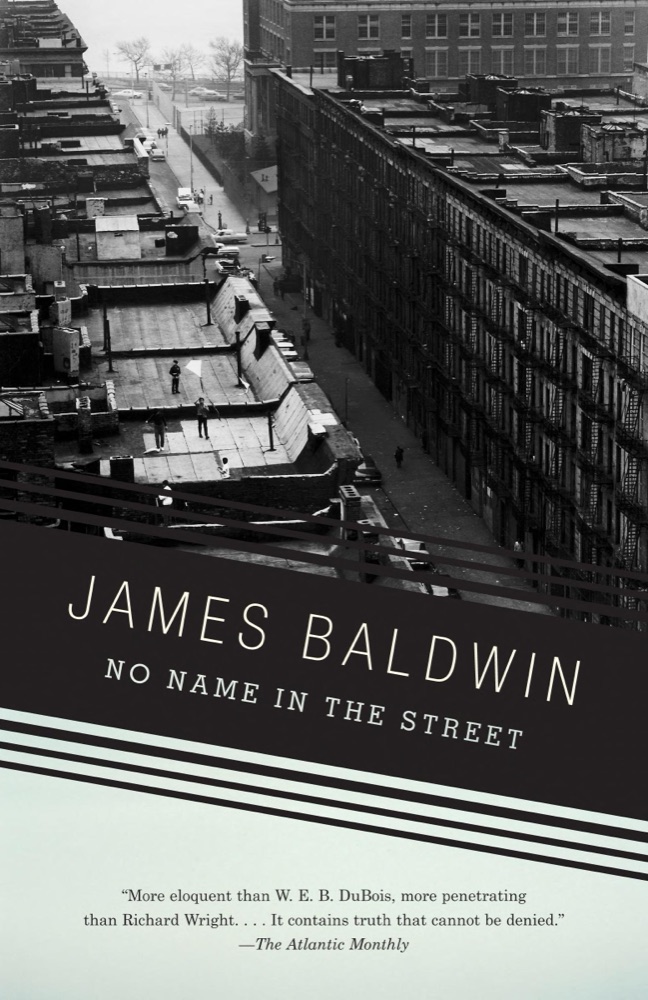 No Name in the Street
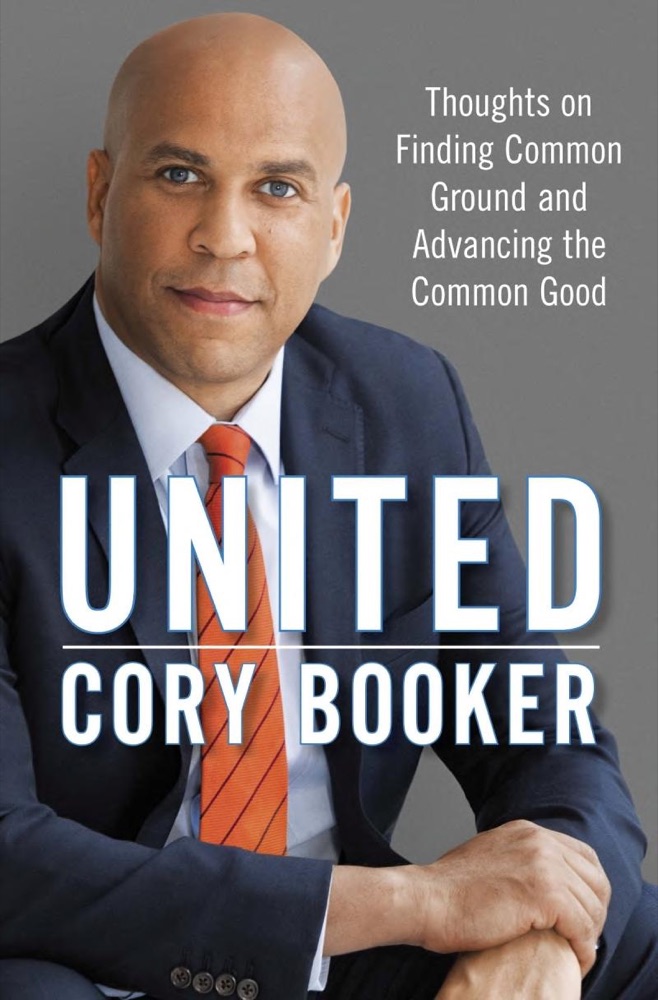 United: Thoughts on Finding Common Ground and Advancing the Common Good