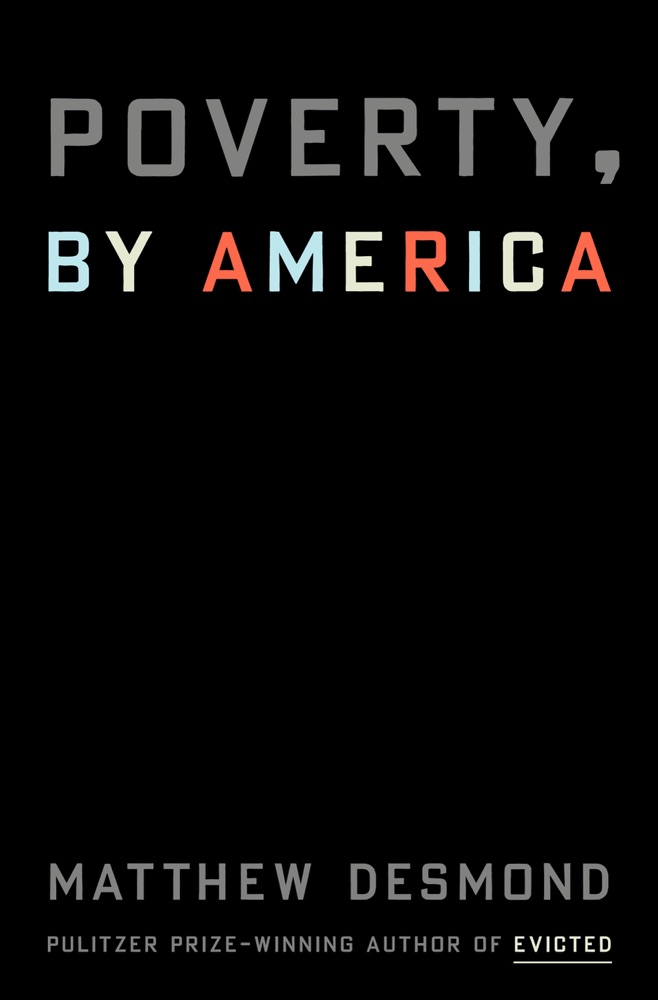

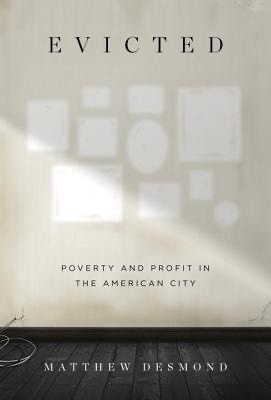
 Evicted: Poverty and Profit in the American City
Quotes from the Book
Being poor,” they write, “reduces a person’s cognitive capacity more than going a full night without sleep.” When we are preoccupied by poverty, “we have less mind to give to the rest of life.” Poverty does not just deprive people of security and comfort; it siphons off their brainpower, too.[19]
33
A higher minimum wage is an antidepressant. It is a sleep aid. A stress reliever. Vocal segments of the American public, those with brain space to spare, seem to believe the poor should change their behavior to escape poverty. Get a better job. Stop having children. Make smarter financial decisions. In truth, it’s the other way around: Economic security leads to better choices.
25
liberals have a despondency problem: fluent in the language of grievance and bumbling in the language of repair.
23
By one estimate, simply collecting unpaid federal income taxes from the top 1 percent of households would bring in some $175 billion a year. We could just about fill the entire poverty gap in America if the richest among us simply paid all the taxes they owed.
22
Let’s call it the scarcity diversion. Here’s the playbook. First, allow elites to hoard a resource like money or land. Second, pretend that arrangement is natural, unavoidable—or better yet, ignore it altogether. Third, attempt to address social problems caused by the resource hoarding only with the scarce resources left over. So instead of making the rich pay all their taxes, for instance, design a welfare state around the paltry budget you are left with when they don’t. Fourth, fail. Fail to drive down the poverty rate. Fail to build more affordable housing. Fifth, claim this is the best we can do. Preface your comments by saying, “In a world of scarce resources…” Blame government programs. Blame capitalism. Blame the other political party. Blame immigrants. Blame anyone you can except those who most deserve it. “Gaslighting” is not too strong a phrase to describe such pretense.
18
As the sociologist Gerald Davis has put it: Our grandparents had careers. Our parents had jobs. We complete tasks.
18
When someone is shot dead, the children who live on that block perform much worse on cognitive tests in the days following the murder. The violence captures their minds.
18
Most states still allow restaurant and other service workers to be paid a subminimum wage, which is a meager $2.13 an hour at the federal level, forcing nearly 5 million workers to survive on tips. (Where did the concept of subminimum wage come from? It’s a vestige of slavery. After emancipation, restaurant owners hired formerly enslaved Black workers for free. They had to rely on customers’ charity.) This is indefensible.
18
Choosing to have a child outside of marriage may be an individual choice, but condemning many of those parents and their children to a life of poverty is a societal one.
17
It’s more complicated than that, some will say. Most social problems are complicated, of course, but a retreat into complexity is more often a reflection of our social standing than evidence of critical intelligence. Hungry people want bread.
16
Poverty measures exclude everyone in prison and jail—not to mention those housed in psych wards, halfway houses, and homeless shelters—which means there are millions more poor Americans than official statistics let on.
16
This is who we are: the richest country on earth, with more poverty than any other advanced democracy.
16
I sit on a man's back, choking him and making him carry me, and yet assure myself and others that I am very sorry for him and wish to ease his lot by all possible means - except by getting off his back. -Tolstoy
14
Poverty is the feeling that your government is against you, not for you; that your country was designed to serve other people and that you are fated to be managed and processed, roughed up and handcuffed.
14
When we refuse to recognize what works, we risk swallowing the lie that nothing does. We risk imagining the future only as more of the same. We risk giving in to despair, perhaps the most exculpating of all emotions, and submitting to cynicism, perhaps the most conservative of all belief systems. This can suffocate meaningful action, and it certainly doesn’t inspire others to join the cause.
12
In the history of the nation, there has only been one other state-sponsored initiative more antifamily than mass incarceration, and that was slavery.
12
Somehow, the United States has the unique distinction of lacking universal healthcare while still having the most expensive healthcare system in the world.
12
Poverty isn't simply the condition of not having enough money. It's the condition of not having enough choice and being taken advantage of because of that.
11
The American government gives the most help to those who need it least. This is the true nature of our welfare state, and it has far-reaching implications, not only for our bank accounts and poverty levels, but also for our psychology and civic spirit.
9
In fact, Americans who rely on the most visible social programs (like public housing or food stamps) are also the most likely to recognize that the government had been a force for good in their lives, but Americans who rely on the most invisible programs (namely tax breaks) are the least likely to believe that the government had given them a leg up.
9
The rest of us, on the ·other hand-we members of the protected classes-have grown increasingly· dependent on our welfare programs. In 2020 the federal government spent more than $193 billion on homeowner subsidies, a figure that far exceeded the amount spent on direct housing assistance for low income families ($53 billion). Most families who enjoy those subsidies have six-figure incomes and are white. Poor families lucky enough to live in government-owned apartments of often have to deal with mold and even lead paint, while rich families are claiming the mortgage interest deduction on first and second homes. The lifetime limit for cash welfare to poor parents is five years, but families claiming the mortgage interest deduction may do so for the length of the mortgage, typically thirty years. A fifteen-story public housing tower and a mortgaged suburban home are both government subsidized, but only one looks (and feels) that way. If you count all public benefits offered by the federal government, America's welfare state (as a share of its gross domestic product) is the second biggest in the world, after France's. But that's true only if you include things like government-subsidized retirement benefits provided by employers, student loans and 529 college savings plans, child tax credits, and homeowner subsidies: benefits disproportionately flowing to Americans well above the poverty line. If you put aside these tax breaks and judge the United States solely by the share of its GDP allocated to programs directed at low-income citizens, then our investment in poverty reduction is much smaller than that of other rich nations. The American welfare state is lopsided.
9
In poor communities, it is common knowledge that you must apply multiple times for disability, as if being denied over and over is part of the standard application process, and you’ll need to hire an attorney.
9
Lift the floor by rebalancing our social safety net; empower the poor by reining in exploitation; and invest in broad prosperity by turning away from segregation.
9
For the past half century, we’ve approached the poverty question by attending to the poor themselves—posing questions about their work ethic, say, or their welfare benefits—when we should have been focusing on the fire. The question that should serve as a looping incantation, the one we should ask every time we drive past a tent encampment, those tarped American slums smelling of asphalt and bodies, every time we see someone asleep on the bus, slumped over in work clothes, is simply: Who benefits? Not Why don’t you find a better job? or Why don’t you move? or Why don’t you stop taking out such bad loans? but Who is feeding off this?
8
Second, we prioritize the subsidization of affluence over the alleviation of poverty.
8
A study of eighteen rich democracies found that single mothers outside the United States were not poorer than the general population. Countries that make the deepest investments in their people, particularly through universal programs that benefit all citizens, have the lowest rates of poverty, including among households headed by single mothers. We could follow suit by investing in programs to help single parents balance work and family life, programs such as paid family leave, affordable childcare, and universal pre-K.
8
Poverty might consume your life, but it’s rarely embraced as an identity. It’s more socially acceptable today to disclose a mental illness than to tell someone you’re broke.
8
(Orwell once said that “we could do with a little less talk of ‘capitalist’ and ‘proletarian’ and a little more about the robbers and the robbed.”)
8
Since 1985, rent prices have exceeded income gains by 325 percent
7
Watch on YouTube
About Matthew Desmond
We have collected 57 quotes from 2 books by Matthew Desmond on BookQuoters.
More about the author →More by Matthew Desmond
Evicted: Poverty and Profit in the American City
About the book
Reimagining the debate on poverty, making a new and bracing argument about why it persists in America: because the rest of us benefit from it.
The United States, the richest country on earth, has more poverty than any other advanced democracy. Why? Why does this land of plenty allow one in every eight of its children to go without basic necessities, permit scores of its citizens to live and die on the streets, and authorize its corporations to pay poverty wages?
In this landmark book, acclaimed sociologist Matthew Desmond draws on history, research, and original reporting to show how affluent Americans knowingly and unknowingly keep poor people poor. Those of us who are financially secure exploit the poor, driving down their wages while forcing them to overpay for housing and access to cash and credit. We prioritize the subsidization of our wealth over the alleviation of poverty,
Book details
- First published
- 2023
- Author
- Matthew Desmond
- Genre
- Nonfiction
- Goodreads rating
- 4.27 (66k ratings)
The buzz
- The New York TimesReview in The New York Timesprofessional review (via Book Marks)
- The New YorkerReview in The New Yorkerprofessional review (via Book Marks)
- The Washington PostReview in The Washington Postprofessional review (via Book Marks)
- The Wall Street JournalReview in The Wall Street Journalprofessional review (via Book Marks)
- The GuardianReview in The Guardianprofessional review (via Book Marks)
- The AtlanticReview in The Atlanticprofessional review (via Book Marks)
Keep reading
 Give People Money: The Simple Idea to Solve Inequality and Revolutionise Our Lives
Evicted: Poverty and Profit in the American City
Give People Money: The Simple Idea to Solve Inequality and Revolutionise Our Lives
Evicted: Poverty and Profit in the American City
 Wealth, Poverty and Politics: An International Perspective
 Poor Economics: A Radical Rethinking of the Way to Fight Global Poverty
 Nickel and Dimed: On (Not) Getting by in America
 Banker to the Poor: Micro-Lending and the Battle Against World Poverty
 The View From Flyover Country: Essays by Sarah Kendzior
 Utopia for Realists: How We Can Build the Ideal World
 Naked Economics: Undressing the Dismal Science
 The Life You Can Save: How to Do Your Part to End World Poverty
 Coming Apart: The State of White America, 1960-2010
 White Trash: The 400-Year Untold History of Class in America
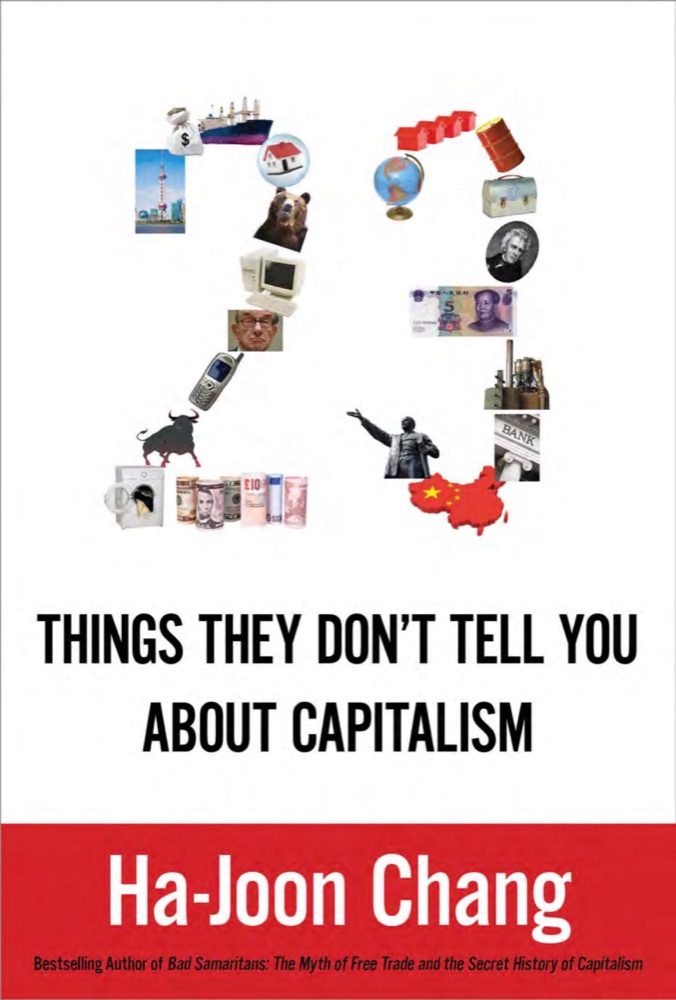 23 Things They Don't Tell You About Capitalism
 Twilight of the Elites: America After Meritocracy
 This Is What Inequality Looks Like
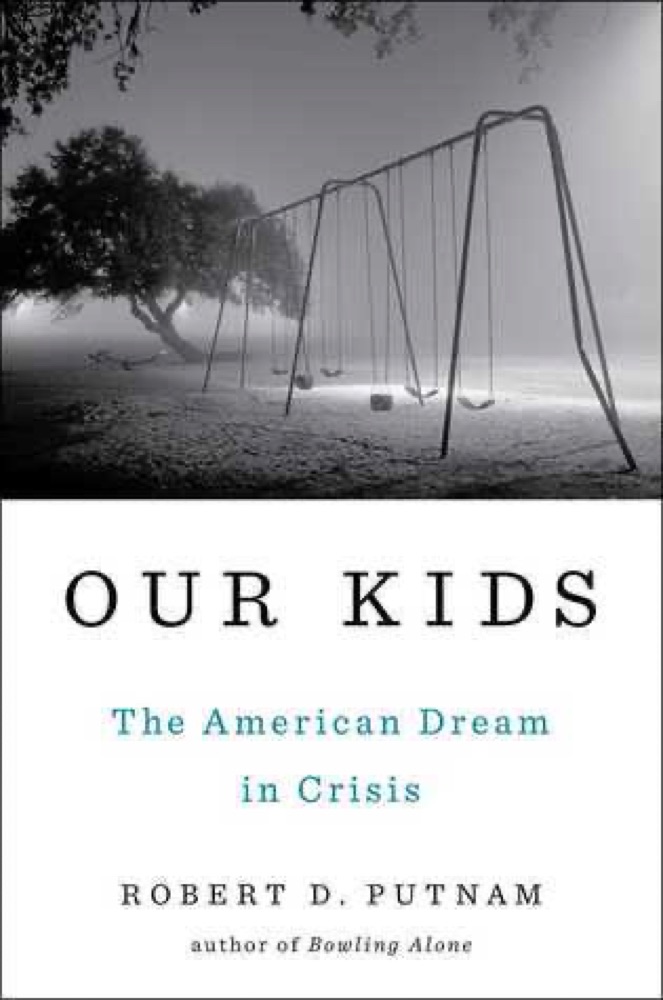 Our Kids: The American Dream in Crisis
 A Fighting Chance
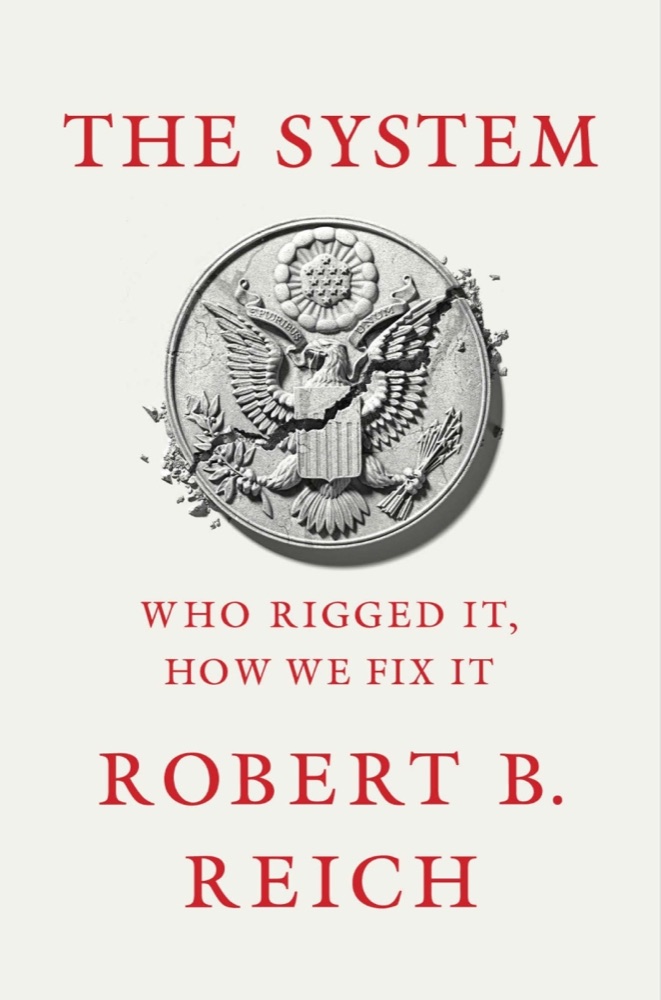 The System: Who Rigged It, How We Fix It
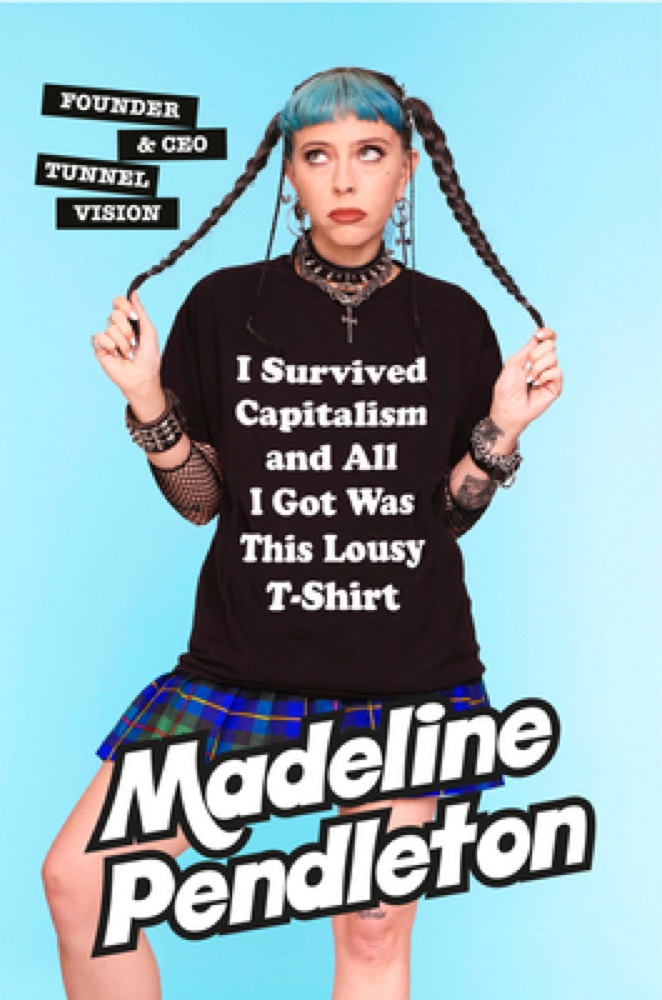 I Survived Capitalism and All I Got Was This Lousy T-Shirt: Everything I Wish I Never Had to Learn About Money
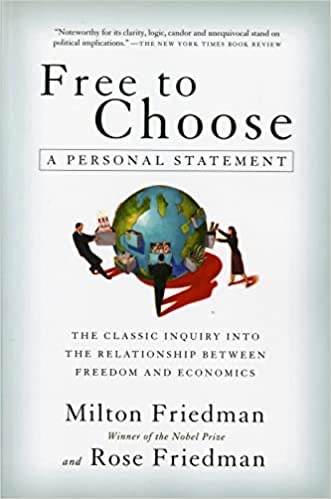 Free to Choose: A Personal Statement
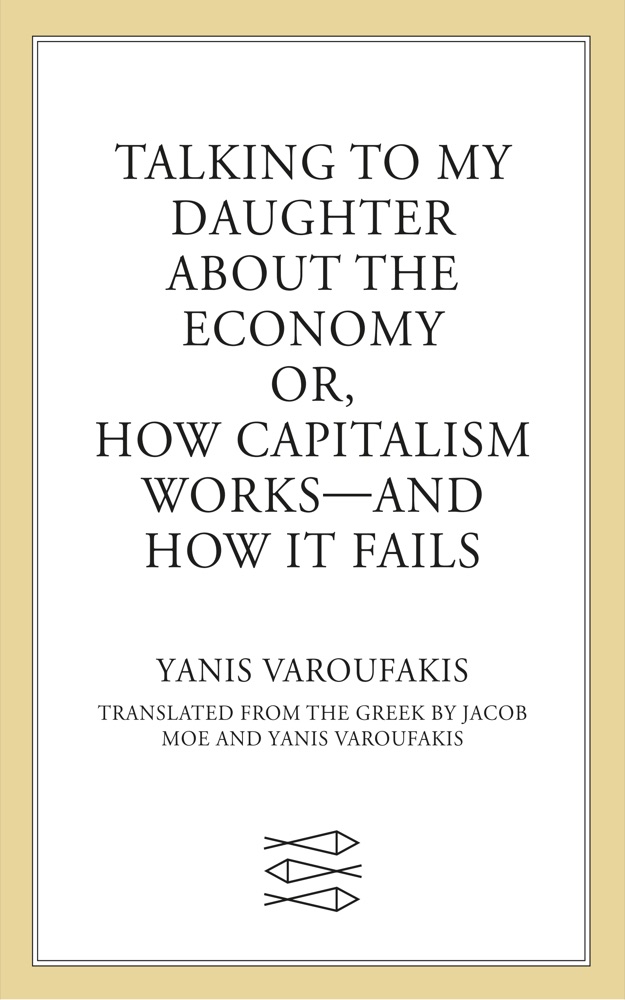 Talking to My Daughter About the Economy: or, How Capitalism Works—and How It Fails
 The Spirit Level: Why More Equal Societies Almost Always Do Better
 Life at the Bottom: The Worldview That Makes the Underclass
 America: The Farewell Tour
 Automating Inequality: How High-Tech Tools Profile, Police, and Punish the Poor
 Occupy
 United: Thoughts on Finding Common Ground and Advancing the Common Good
 The Audacity of Hope: Thoughts on Reclaiming the American Dream
 The Truths We Hold: An American Journey
 Pathologies of Power: Health, Human Rights, and the New War on the Poor
 The World Is Flat: A Brief History of the Twenty-first Century
 Debt: The First 5,000 Years
 Behold a Pale Horse
 Freedom
 The Sum of Us: What Racism Costs Everyone and How We Can Prosper Together
 The Tyranny of Merit: What's Become of the Common Good?
 Ill Fares the Land
 Capitalism: A Ghost Story
 Basic Economics: A Citizen's Guide to the Economy
 Rich Dad Poor Dad
 The Mandibles: A Family, 2029–2047
 Down and Out in Paris and London
 The Ragged Trousered Philanthropists
 Becoming Madam Secretary
 Mutual Aid: Building Solidarity in This Crisis
 First As Tragedy, Then As Farce
 Economics in One Lesson
 Power Systems: Conversations on Global Democratic Uprisings and the New Challenges to U.S. Empire
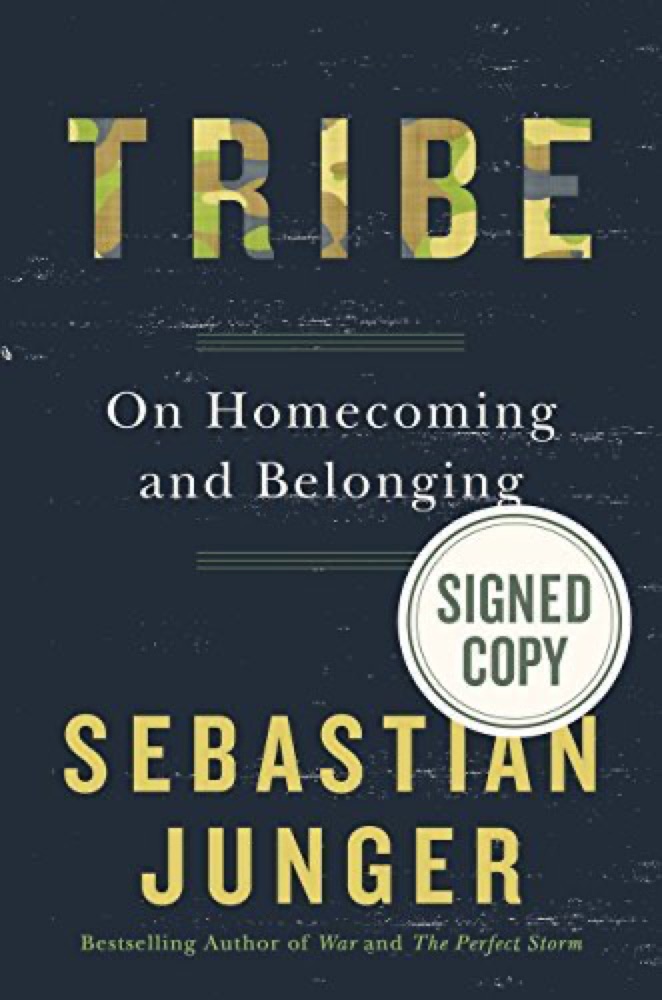 Tribe: On Homecoming and Belonging
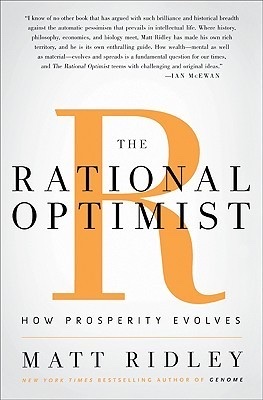 The Rational Optimist: How Prosperity Evolves
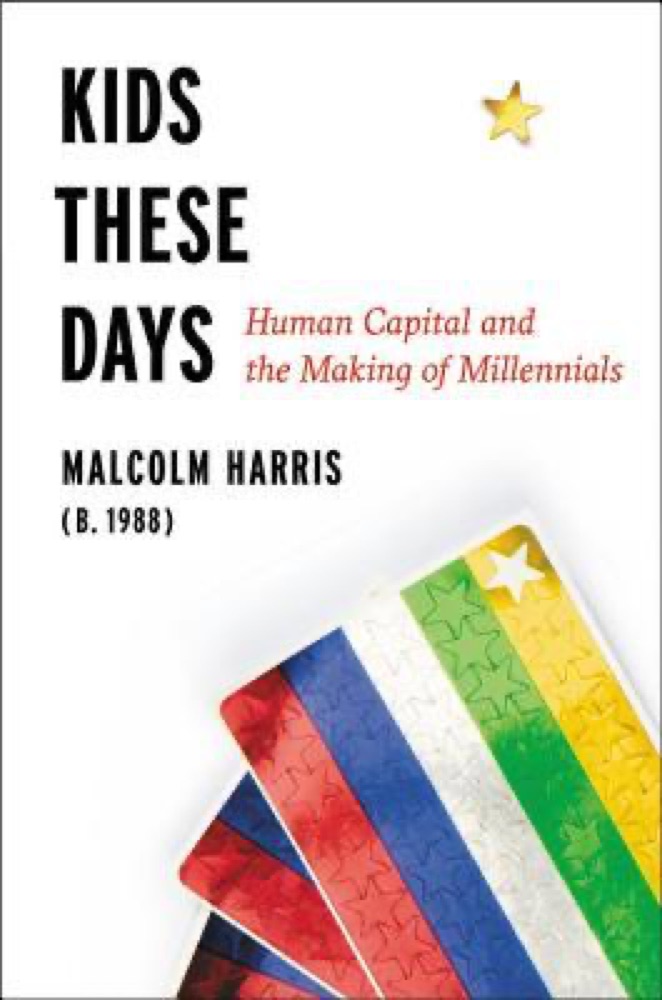 Kids These Days: Human Capital and the Making of Millennials
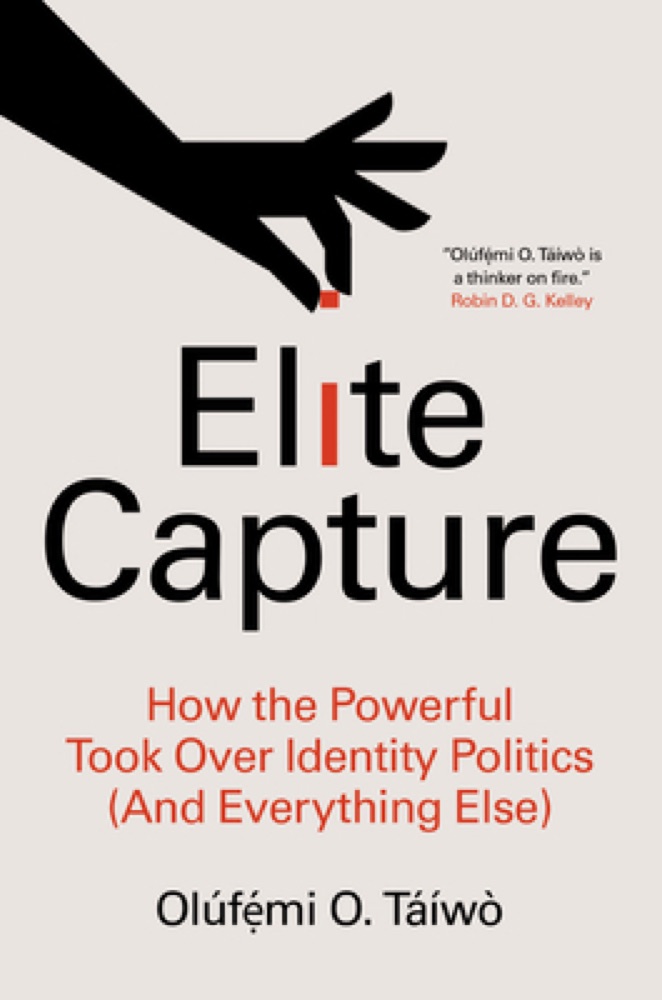 Elite Capture: How the Powerful Took Over Identity Politics
 Griftopia: Bubble Machines, Vampire Squids, and the Long Con That Is Breaking America
 The Ministry for the Future
 The Evolution of Everything: How New Ideas Emerge
 The Creature from Jekyll Island: A Second Look at the Federal Reserve
 Assata: An Autobiography
 The Vanishing American Adult: Our Coming-of-Age Crisis—and How to Rebuild a Culture of Self-Reliance
 The Small and the Mighty: Twelve Unsung Americans Who Changed the Course of History, from the Founding to the Civil Rights Movement
 One Nation: What We Can All Do to Save America's Future