
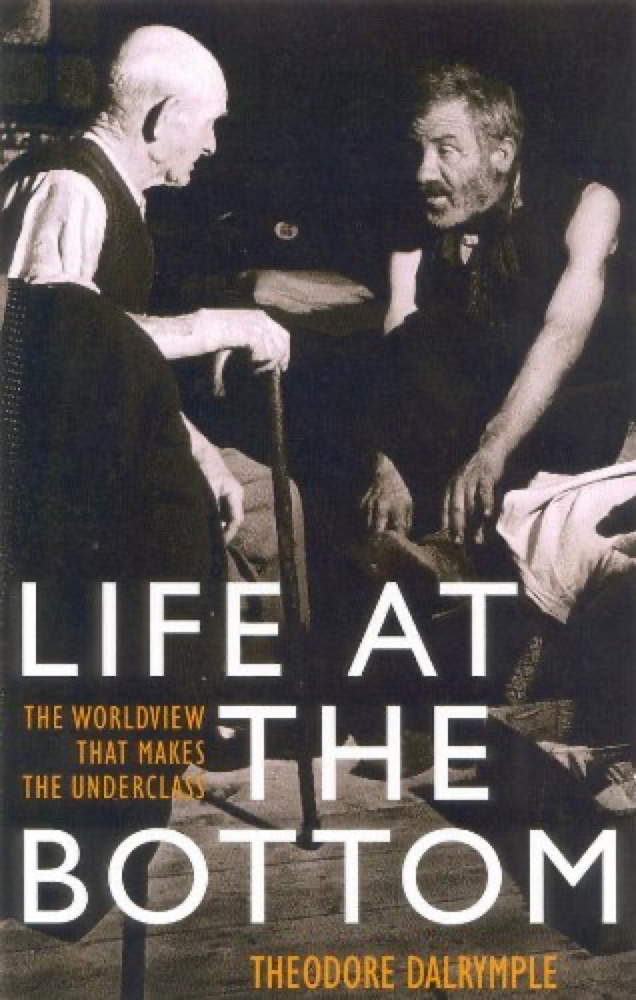
 Life at the Bottom: The Worldview That Makes the Underclass
Quotes from the Book
Demonisation is the ideological backbone of an unequal society.
14
Get rid of all the cleaners, rubbish collectors, bus drivers, supermarket checkout staff and secretaries, for example, and society will very quickly grind to a halt. On the other hand, if we woke up one morning to find that all the highly paid advertising executives, management consultants and private equity directors had disappeared, society would go on much as it did before: in a lot of cases, probably quite a bit better. So,
12
Being born into a prosperous middle-class family typically endows you with a safety net for life. If you are not naturally very bright, you are still likely to go far and, at the very least, will never experience poverty as an adult. A good education compounded by your parents' 'cultural capital', financial support and networks will always see you through. If you are a bright child born into a working-class family, you do not have any of these things. The odds are that you will not be better off than your parents.
11
It is entirely undesirable that on modern housing estates only one type of citizen should live,’ he argued. ‘If we are to enable citizens to lead a full life, if they are each to be aware of the problems of their neighbours, then they should all be drawn from different sectors of the community. We should try to introduce what was always the lovely feature of English and Welsh villages, where the doctor, the grocer, the butcher and the farm labourer all lived in the same street.
7
George Orwell observed: ‘If you look for the working classes in fiction, and especially English fiction, all you find is a hole … the ordinary town proletariat, the people who make the wheels go round, have always been ignored by novelists. When they do find their way between the corners of a book, it is nearly always as objects of pity or as comic relief.’2
5
Taken together, New Labour policies have helped to build a series of overlapping chav caricatures: the feckless, the non-aspirational, the scrounger, the dysfunctional and the disorderly. To hear this sort of rhetoric from Labour, rather than the Tories, has confirmed the stereotypes and prejudices many middle-class people have about working-class communities and individuals. But it can be far subtler than outright attacks. Many of New Labour's underlying philosophies were steeped in middle-class triumphalism. They were based on the assumption that the tattered remnants of the working-class were are on the wrong side of history - and must be made to join 'Middle England' like the rest of us.
5
Chav-bashing draws on a long, ignoble tradition of class hatred. But it cannot be understood without looking at more recent events. Above all, it is the bastard child of a very British class war.
4
Only by making common cause with the burgeoning workforces of India and China can British workers hope to stem the consequences of a global ‘race to the bottom’ in pay and conditions.
2
What does the case of Jade Goody show us, other than the capacity of the British media for crassness and cruelty? Above all it demonstrated that it is possible to say practically anything about people from Jade’s background. They are fair game.
2
High Priestess of the Slagocracy
They were ‘good-for-nothing scroungers who have no morals, no compassion, no sense of responsibility and who are incapable of feeling love or guilt.
There is an increasingly strong case for compulsory sterilisation of all those who have had a second child—or third, or whatever—while living off state benefits
La difícil situación de algunas personas de clase trabajadora se presenta comúnmente como una «falta de ambición» por su parte. Se achaca a sus características individuales, más que a una sociedad profundamente desigual organizada en favor de los privilegiados. En su forma extrema, esto ha llevado incluso a un nuevo darwinismo social. Según el psiquiatra evolutivo Bruce Charlton, «los pobres tienen un coeficiente de inteligencia más bajo que el de gente más adinerada… y esto significa que un porcentaje mucho menor de gente de clase trabajadora que de clase profesional podrá cumplir los requisitos normales para entrar en las universidades más selectivas»
Morality is personal. There is no such thing as collective conscience, collective kindness, collective gentleness, collective freedom,’ she planned to argue. ‘To talk of social justice, social responsibility, a new world order, may be easy and make us feel good, but it does not absolve each of us from personal responsibility.’ It was clearly too much for her speechwriters and did not make the final cut. However, they were not able to stop her infamous declaration several years later (in lifestyle magazine Woman’s Own, of all places): ‘There’s no such thing as society. There are individual men and women and there are families.
Pinochet shared one of the main aims of his ideological soulmates in Britain: to erase the working class as a concept. His goal, he declared, was to ‘make Chile not a nation of proletarians, but a nation of entrepreneurs’.
Watch on YouTube
About Owen Jones
We have collected 15 quotes from 1 book by Owen Jones on BookQuoters.
More about the author →About the book
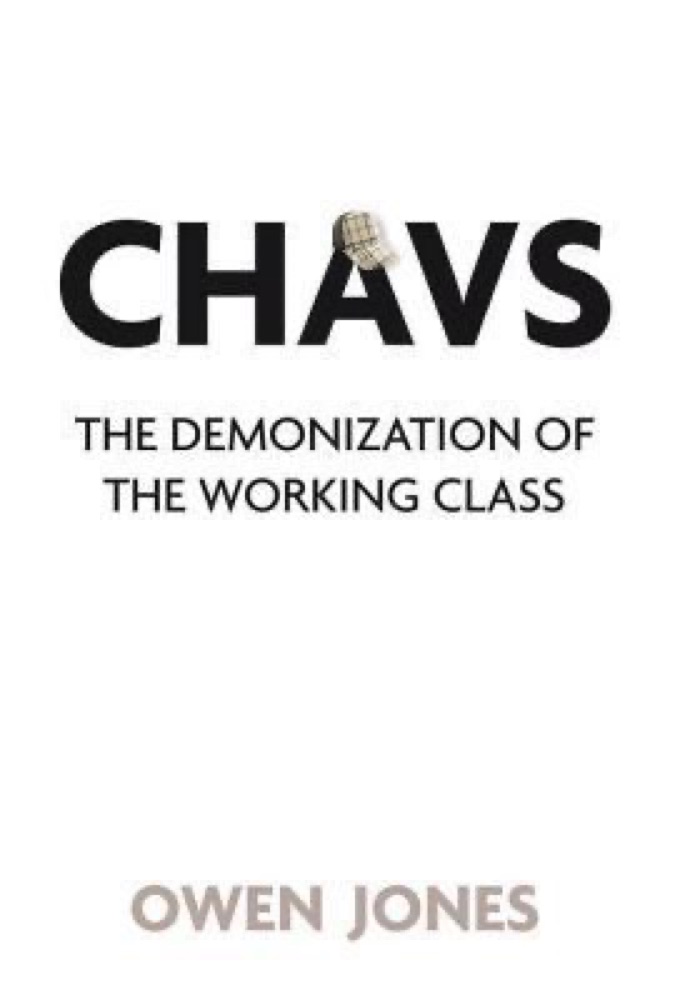
In modern Britain, the working class has become an object of fear and ridicule. From Little Britain ’s Vicky Pollard to the demonization of Jade Goody, media and politicians alike dismiss as feckless, criminalized and ignorant a vast, underprivileged swathe of society whose members have become stereotyped by one, hate-filled chavs.
In this groundbreaking investigation, Owen Jones explores how the working class has gone from “salt of the earth” to “scum of the earth.” Exposing the ignorance and prejudice at the heart of the chav caricature, one based on the media’s inexhaustible obsession with an indigent white underclass, he portrays a far more complex reality. Moving through Westminster’s lobbies and working-class communities from Dagenham to Dewsbury Moor, Jones reveals the increasing poverty and desperation of communities made precarious by wrenching social and industrial change, and
Book details
- First published
- 2011
- Author
- Owen Jones
- Genre
- Nonfiction
- Goodreads rating
- 4.08 (11k ratings)
Keep reading
Life at the Bottom: The Worldview That Makes the Underclass
 The View From Flyover Country: Essays by Sarah Kendzior
 The Madness of Crowds: Gender, Race and Identity
 What's Left?
 Occupy
 The Iron Heel
 White Trash: The 400-Year Untold History of Class in America
 The Strange Death of Europe: Immigration, Identity, Islam
 America: The Farewell Tour
 What White People Can Do Next: From Allyship to Coalition – An Empowering Guide to Interrogating Whiteness and Creating Justice
 Coming Apart: The State of White America, 1960-2010
 The Tyranny of Merit: What's Become of the Common Good?
 Minority Rule: Adventures in the Culture War
 Ill Fares the Land
 The Committed
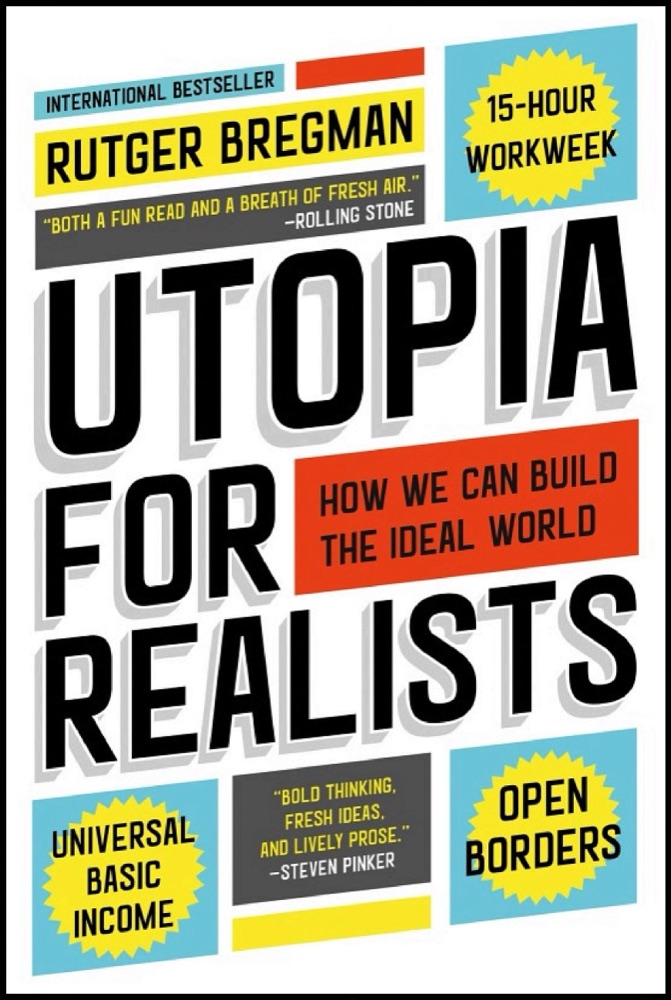 Utopia for Realists: How We Can Build the Ideal World
 The Wretched of the Earth
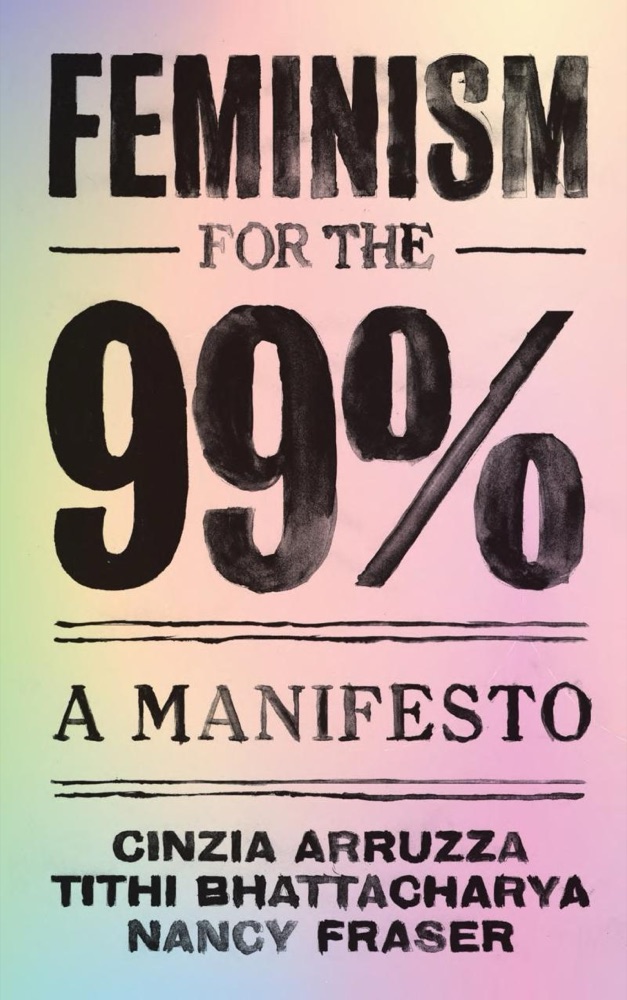 Feminism for the 99%: A Manifesto
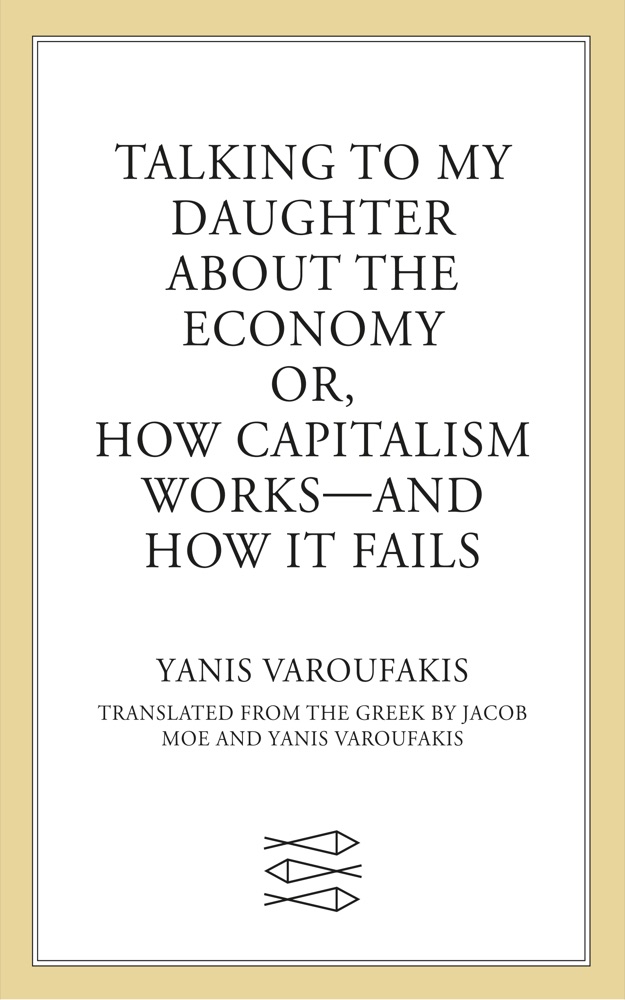 Talking to My Daughter About the Economy: or, How Capitalism Works—and How It Fails
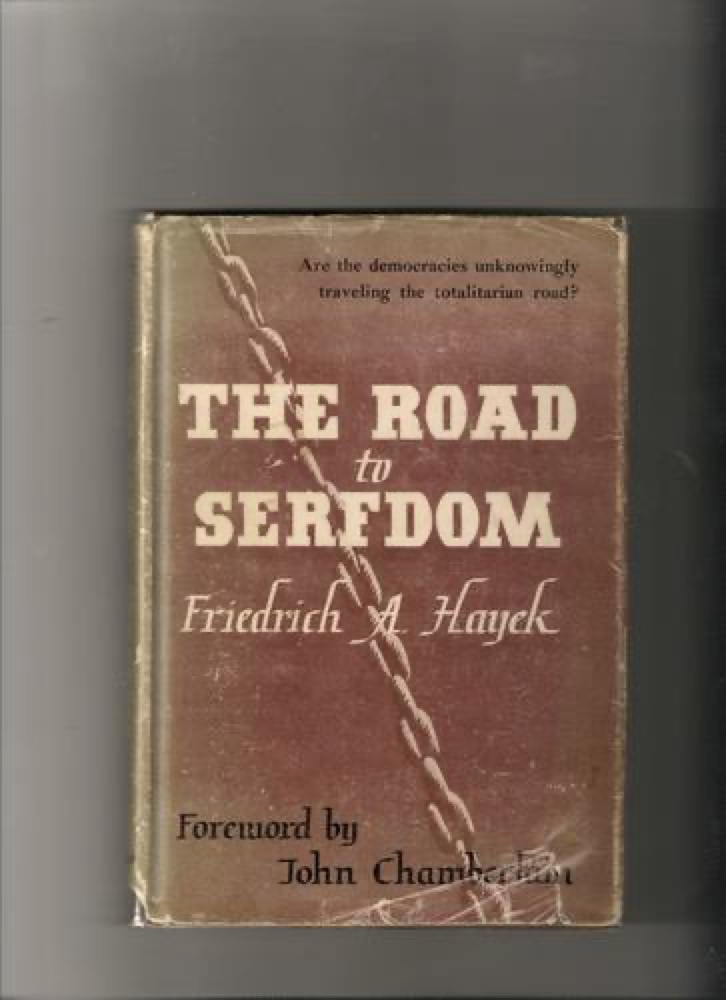 The Road to Serfdom
 The Ragged Trousered Philanthropists
 The Spirit Level: Why More Equal Societies Almost Always Do Better
 Where We Stand: Class Matters
 Empire of Illusion: The End of Literacy and the Triumph of Spectacle
 The Ministry for the Future
 The Soul of Man Under Socialism
 What's Wrong with the World
 Blackshirts and Reds: Rational Fascism and the Overthrow of Communism
 The Communist Manifesto
 A People's History of the United States
 No Name in the Street
 Doppelganger: A Trip into the Mirror World
 Brave New World Revisited
 First As Tragedy, Then As Farce
 Death of the Liberal Class
 Elite Capture: How the Powerful Took Over Identity Politics
 Humankind: A Hopeful History
 Green Mars
 The Right to Be Lazy
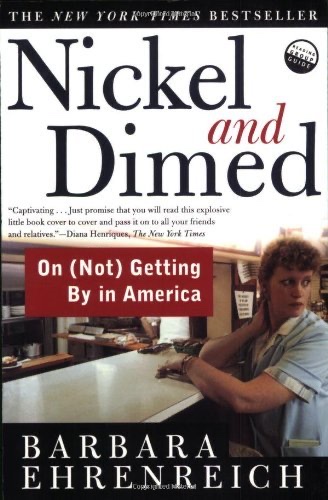 Nickel and Dimed: On (Not) Getting by in America
 Wealth, Poverty and Politics: An International Perspective
 Friday
 Birnam Wood
 The War on the West: An Instant NYT Bestselling History of the Modern World
 What's Our Problem?: A Self-Help Book for Societies
 Past Imperfect
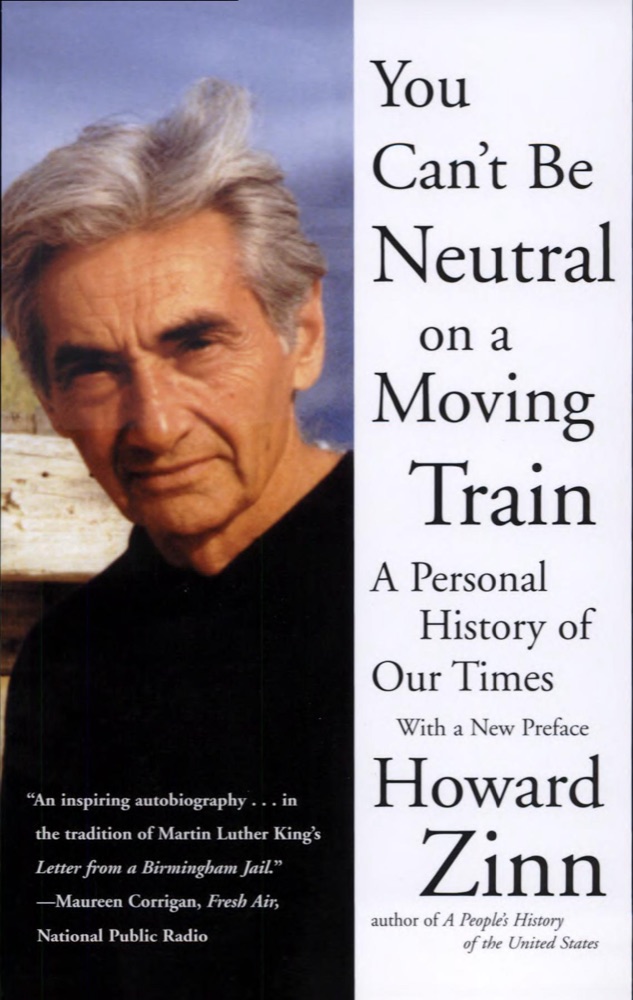 You Can't Be Neutral on a Moving Train: A Personal History of Our Times
 This Is What Inequality Looks Like
 Creation Lake
 Arguably: Selected Essays
 The Evolution of Everything: How New Ideas Emerge
 A Small Place
 Deer Hunting with Jesus: Dispatches from America's Class War
 Annihilation of Caste
 Where Do We Go from Here: Chaos or Community?
 Strangers in Their Own Land: Anger and Mourning on the American Right
 The People of the Abyss
 Poor Things
 What Kind of Creatures Are We?
 Walkaway