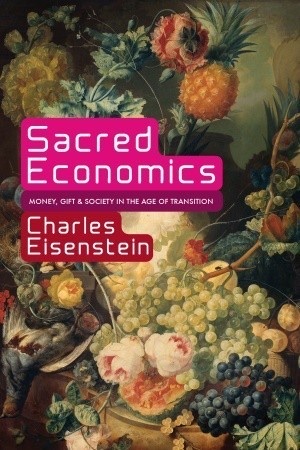
 Sacred Economics: Money, Gift, and Society in the Age of Transition
Quotes from the Book
The worst slavery is that of heavily indoctrinated happy morons who adore their chains and cannot wait to thank their masters for the joy of their subservience.
37
When economists insist that they too are scientists because they use mathematics, they are no different from astrologists protesting that they are just as scientific as astronomers because they also use computers and complicated charts.
21
My reason for writing it was the conviction that the economy is too important to leave to the economists.
14
All systems of domination work by enveloping us in their narrative and superstitions in such a way that we cannot see beyond them. Taking a step or two back, finding a way to inspect them from the outside, allows us a glimpse of how imperfect, how ludicrous, they are. Securing this glimpse keeps you in touch with reality.
13
John Maynard Keynes, wrote the following: “The love of money as a possession … will be recognized for what it is, a somewhat disgusting morbidity, one of those semi-criminal, semi-pathological propensities which one hands over with a shudder to the specialists in mental disease.
12
When our eyes fall on those who lack the bare necessities, we immediately sympathize and express outrage that they do not have enough, but we do not for a moment allow ourselves to think that their deprivation may be the product of the same process that led to our affluence
9
The Matrix is a reflection of our times, or at least our anxieties. It reveals our fear of a mechanization so complete, of a commodification of our bodies and enslavement of our minds so successful, that we are no longer even aware of it, having been made oblivious to our reality by the very technologies that rule us.
8
Try mentally to travel to a faraway place, if not necessarily in order to move your world – though how splendid that would be! – but to see it clearly for what it is. Doing so will grant you the opportunity to retain your freedom. And to remain a free spirit as you grow up and make your way in this world, it is essential that you cultivate a rare but crucial freedom: the liberty that comes from knowing how the economy works and from the capacity to answer the trillion-dollar question: ‘Who does what to whom around your neck of the woods and further afield?
7
The black magic of banking destabilizes market societies. It massively amplifies wealth creation during the good times and wealth destruction during the bad times, constantly skewing the distribution of power and money. But to be fair, bankers are just that: massive amplifiers. The root causes of market society’s fundamental instability lie elsewhere, buried deeply in the weird nature of two peculiar commodities: human labour and money.
5
In important ways, we resemble hamsters on their spinning wheels: no matter how fast we run, we are not really going anywhere. We might well conclude that the machines aren’t slaving away for our benefit; at times it even seems like we’re working furiously to maintain them.
5
...a cynical person is someone who knows the price of everything but the value of nothing. Our societies tend to make us all cynics. And no one is more cynical than the economist who sees exchange value as the only value, trivializing experiential value as unnecessary in a society where everything is judged according to the criteria of the market.
4
All babies are born naked, but soon after some are dressed in expensive clothes bought at the best boutiques, while the majority wear rags.
4
It is at this point in the book that the author famously laments that despite our ability to bring food from the earth, we are incapable of creating a system in which the hungry can be fed.
4
It may seem paradoxical to you that preventing the destruction of the environment by market society’s preference for exchange value over experiential value should require us to convert every last remaining experiential value into exchange value, but this type of thinking and proposal is currently all the rage.
3
Very briefly, this simple, practical measure would be for a portion of the machines of every company to become the property of everyone – with the percentage of profits corresponding to that portion flowing into a common fund to be shared equally by all. Consider what effect that would have on the course of human history. Currently, increasing automation reduces the portion of total income that goes to workers, diverting more and more money into the pockets of the rich who own the machines. But as we have seen, this ultimately diminishes demand for their products, as the majority have less and less money to spend. But if a portion of the profits were to go automatically into the bank accounts of the workers as well, then this downward pressure on demand, sales and prices would be alleviated, turning the whole of humanity into the beneficiary of the machines’ labour.
3
Los estudios de economía puede que utilicen modelos matemáticos y métodos estadísticos, pero se parecen más a la astrología que a la astronomía.
3
So, how did these rulers manage to maintain their power, distributing surplus as they pleased, undisturbed by the majority? The answer is: by cultivating an ideology which caused the majority to believe deep in their hearts that only their rulers had the right to rule. That they lived in the best of all possible worlds. That everything was the way it was destined to be. That the situation on the ground reflected some divine order. That any opposition to them clashed with that divine power’s will, threatening to send the world spinning out of control.
2
The stigma attached to the charging of interest was simply incompatible with the commodification of land and labour and with the Great Reversal. It had to be overturned – and so it was. The Protestants, who broke away from the Catholic Church in the sixteenth century, played a crucial role in this reversal. Protestantism emerged in opposition to the Pope and the cardinals’ monopoly of God. Protestants insisted that anyone could speak personally with the divinity, unmediated by an authoritarian, stifling Church. Suddenly, the person, the individual who is the director of his own affairs, became the pillar of that reformed Church.
1
Without profit, they would have become slaves to their creditors
1
¿Sería inteligente por parte de los astronautas envenenar el oxígeno de su nave espacial? Esto es exactamente lo que hacemos los seres humanos. Y lo llevamos haciendo desde hace trescientos años, desde que surgieron las sociedades de mercado, cuando los valores de cambio triunfaron sobre los valores experienciales y el beneficio (es decir, la «plusvalía ») adquirió un poder único y absoluto sobre las almas y las acciones de los seres humanos.
1
The key to happiness
Hal yang membuatku marah dan takut hampir lebih dari apapun adalah membayangkan diri menjadi objek mainan kekuatan dan orang-orang tanpa sepengetahuanku. Kurasa kebanyakan orang merasakan yang sama. Itu mengapa film-film seperti The Matrix dan V for Vendetta terbukti populer: film-film ini memiliki daya tarik bagi kebutuhan kita untuk menjadi pemikir bebas yang otonom dan mengarahkan hidup sendiri. Perbudakan yang terburuk adalah perbudakan orang-orang bodoh yang sangat terindoktrinasi yang memuja rantai mereka dan tak sabar untuk berterima kasih kepada para majikan atas kebahagiaan yang datang dari kepatuhan.
No,’ your grandfather said. ‘We shared whatever packages each of us received. Once, despite the fact that I didn’t smoke, I asked my aunt to send me cigarettes. As soon as I received them, I passed them on to others who smoked without expecting anything from them in return. That’s how it was. We helped each other out.
On the one hand, you were appalled by the idea that some kids cry themselves to sleep because they are hungry. On the other, you were thoroughly convinced (like all children) that your toys, your clothes, and your house were all rightfully yours. Our minds automatically equate “I have X” with “I deserve X.” When our eyes fall on those who lack the bare necessities, we immediately sympathize and express outrage that they do not have enough, but we do not for a moment allow ourselves to think that their deprivation may be the product of the same process that led to our affluence.
Like any ecosystem, a modern economy cannot survive without recycling. Just as animals and plants are continually recycling the oxygen and carbon dioxide that the other provides, so too must workers recycle their wages by spending them in shops and businesses recycle their revenues by spending them on salaries if both are to survive. And just as in our ecosystems, in which a failure of recycling leads to desertification, so when recycling breaks down in the economy we end up with a crisis that results in devastating poverty and deprivation.
Watch on YouTube
About Yanis Varoufakis
We have collected 25 quotes from 1 book by Yanis Varoufakis on BookQuoters.
More about the author →About the book
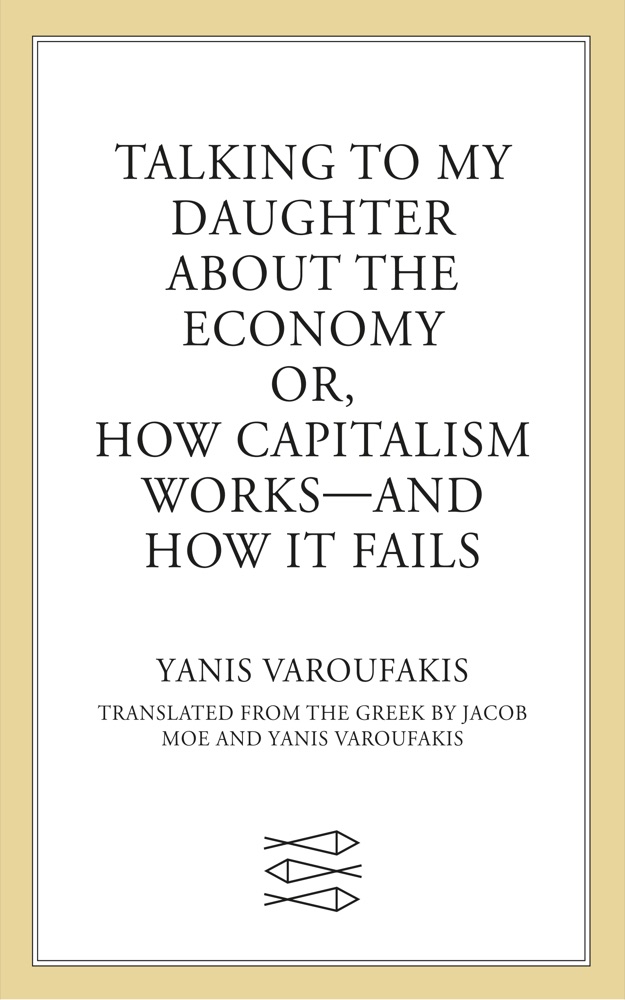
In Talking to My Daughter About the Economy, activist Yanis Varoufakis, Greece’s former finance minister and the author of the international bestseller Adults in the Room, pens a series of letters to his young daughter, educating her about the business, politics, and corruption of world economics.
Yanis Varoufakis has appeared before heads of nations, assemblies of experts, and countless students around the world. Now, he faces his most important—and difficult—audience yet. Using clear language and vivid examples, Varoufakis offers a series of letters to his young daughter about the economy: how it operates, where it came from, how it benefits some while impoverishing others. Taking bankers and politicians to task, he explains the historical origins of inequality among and within nations, questions the pervasive notion that everything has its price, and shows why economic instability
Book details
- First published
- 2013
- Author
- Yanis Varoufakis
- Genre
- Nonfiction
- Goodreads rating
- 4.14 (22k ratings)
Keep reading
Sacred Economics: Money, Gift, and Society in the Age of Transition
 Debt: The First 5,000 Years
 First As Tragedy, Then As Farce
 Human Action: A Treatise on Economics
 Small Is Beautiful: Economics as if People Mattered
 Economics in One Lesson
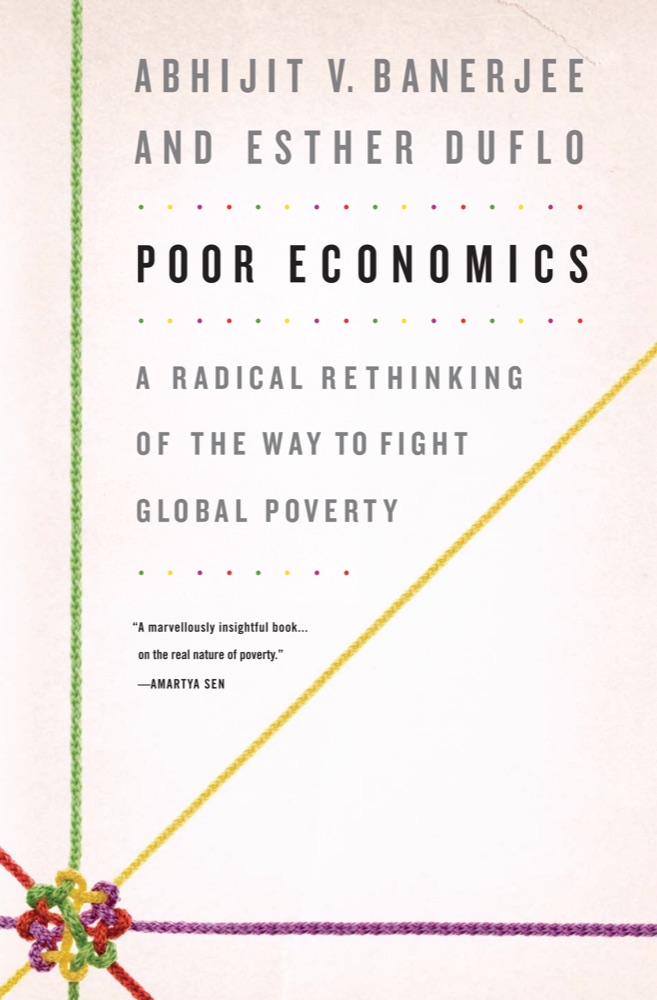 Poor Economics: A Radical Rethinking of the Way to Fight Global Poverty
 Naked Economics: Undressing the Dismal Science
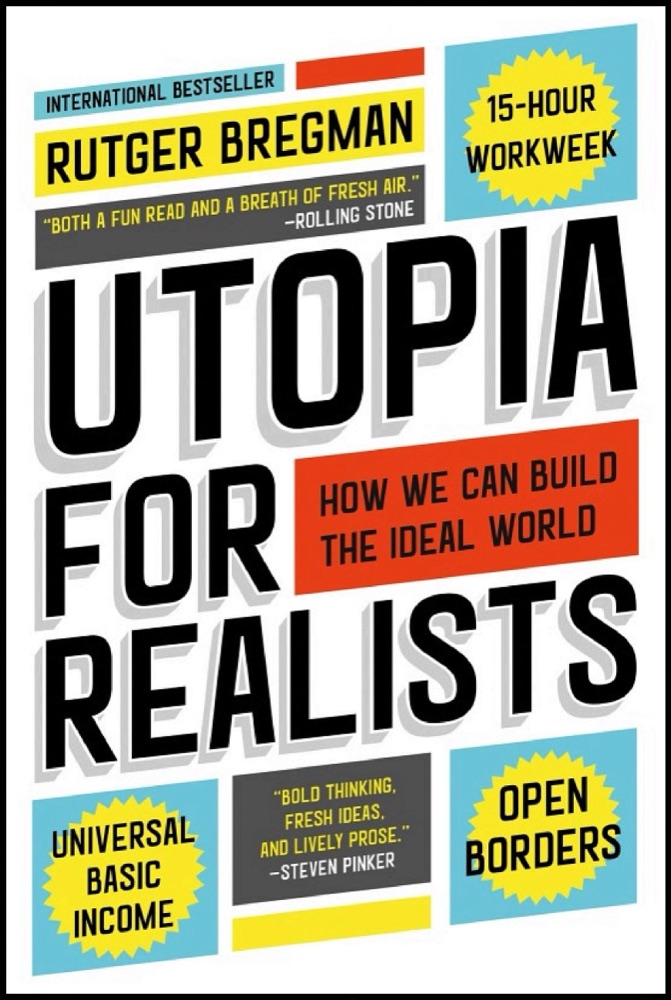 Utopia for Realists: How We Can Build the Ideal World
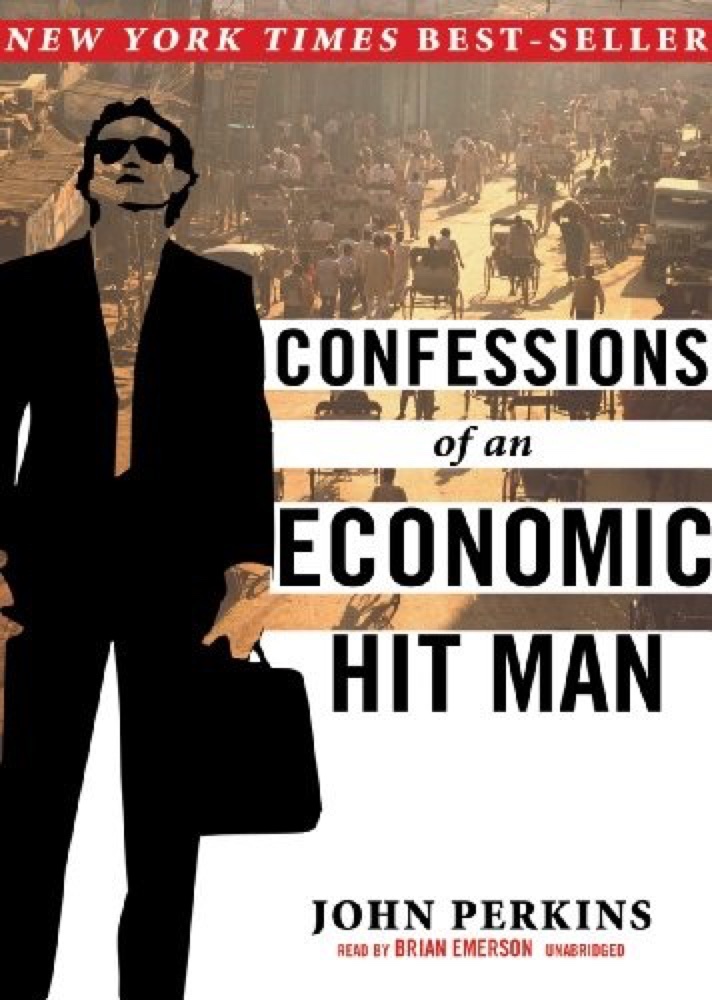 Confessions of an Economic Hit Man
 Basic Economics: A Citizen's Guide to the Economy
 Four Futures: Life After Capitalism
 The Price of Tomorrow: Why Deflation is the Key to an Abundant Future
 23 Things They Don't Tell You About Capitalism
 Nickel and Dimed: On (Not) Getting by in America
 I Survived Capitalism and All I Got Was This Lousy T-Shirt: Everything I Wish I Never Had to Learn About Money
 Who Cooked Adam Smith's Dinner? A Story About Women and Economics
 In Praise of Idleness and Other Essays
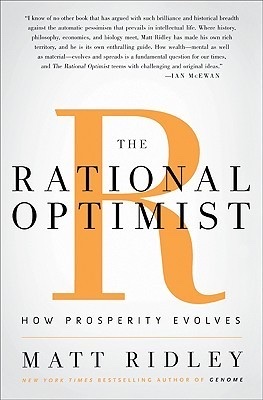 The Rational Optimist: How Prosperity Evolves
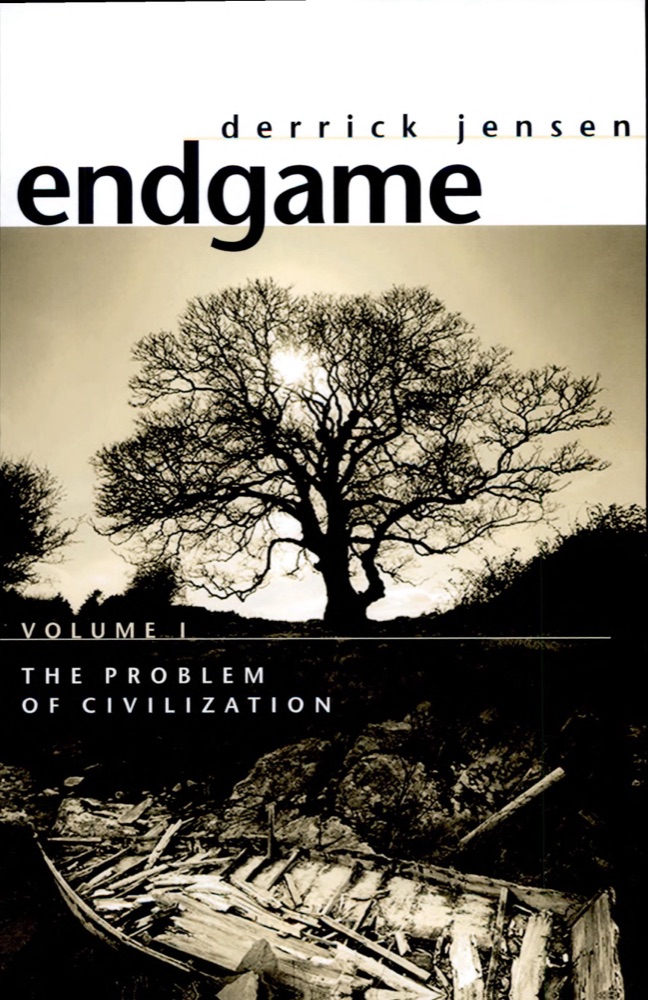 Endgame, Vol. 1: The Problem of Civilization
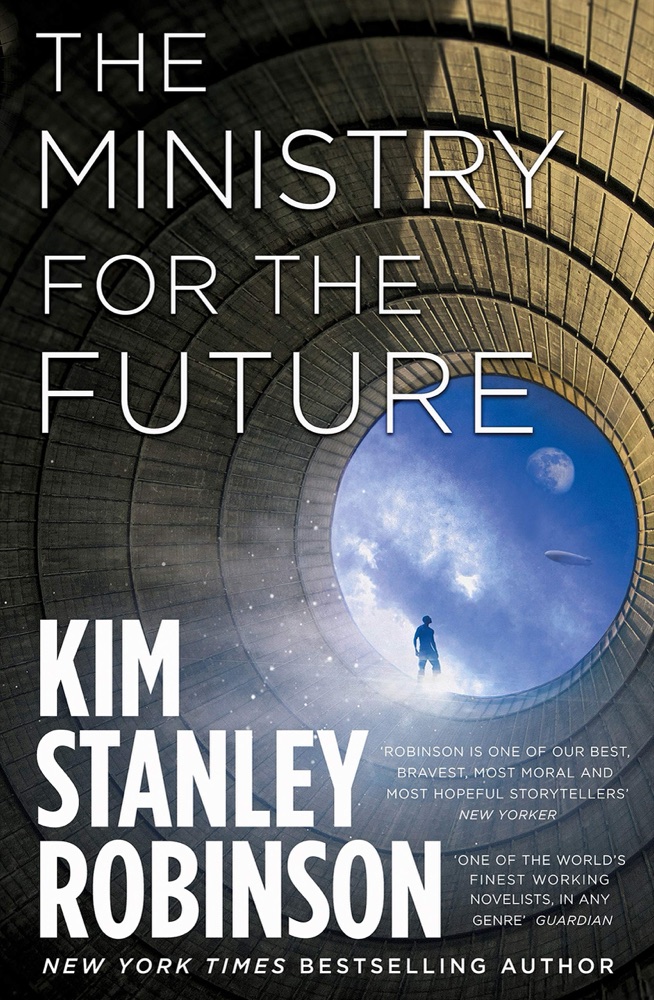 The Ministry for the Future
 The Coming Insurrection
 Unscripted: Life, Liberty, and the Pursuit of Entrepreneurship
 Banker to the Poor: Micro-Lending and the Battle Against World Poverty
 Behold a Pale Horse
 The World Is Flat: A Brief History of the Twenty-first Century
 Sex, Economy, Freedom, and Community: Eight Essays
 The Mandibles: A Family, 2029–2047
 SuperFreakonomics: Global Cooling, Patriotic Prostitutes And Why Suicide Bombers Should Buy Life Insurance
 Life at the Bottom: The Worldview That Makes the Underclass
 Principles for Dealing with the Changing World Order: Why Nations Succeed and Fail
 Revolution
 Boomerang: Travels in the New Third World
 The World-Ending Fire: The Essential Wendell Berry
 Capital
 Corpalism
 The Evolution of Everything: How New Ideas Emerge
 The Great Transformation: The Political and Economic Origins of Our Time
 The View From Flyover Country: Essays by Sarah Kendzior
 Blue Mars
 Capitalism, Socialism and Democracy
 The State of the Art
 Empire of Illusion: The End of Literacy and the Triumph of Spectacle
 Occupy
 The Creature from Jekyll Island: A Second Look at the Federal Reserve
 The Wizard and the Prophet: Two Remarkable Scientists and Their Dueling Visions to Shape Tomorrow's World
 A Language Older Than Words
 Civilized to Death: What Was Lost on the Way to Modernity
 Saving Time: Discovering a Life Beyond the Clock
 A Short History of Progress
 Walkaway
 The Accursed Share: An Essay on General Economy, Volume I: Consumption
 Hocus Pocus
 Freakonomics: A Rogue Economist Explores the Hidden Side of Everything
 Green Mars
 This Is What Inequality Looks Like
 Give People Money: The Simple Idea to Solve Inequality and Revolutionise Our Lives
 The Soul of Man Under Socialism
 Marx for Beginners
 The Dispossessed