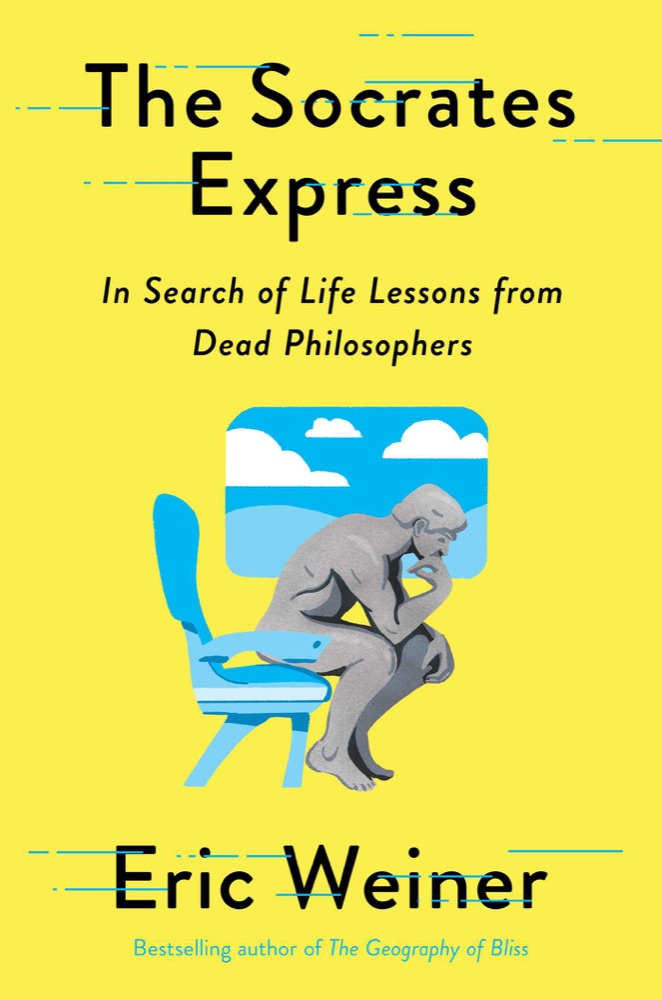
 The Socrates Express: In Search of Life Lessons from Dead Philosophers
Quotes from the Book
When my father-in-law, Jan Vuijst, a Dutch Reformed minister, was on his deathbed, I had a deeply intimate conversation with him - as it turned out, my last conversation with him. He said to me, 'It was a privilege to have lived.' The soulful gratitude of that simple statement will never leave me.
16
Companionship was at the top of Epicurus's list of life's pleasures. He wrote, 'Of all the things that wisdom provides to help one live one's entire life in happiness, the greatest by far is the possession of friendship.
12
To my surprise, I find the most relevant commentary on a marriage that continues into the sunset years comes from the radical German philosopher Friedrich Nietzsche, who, in an atypically practical frame of mind, wrote, 'When marrying, ask yourself this question: Do you believe that you will be able to converse well with this person into your old age? Everthing else in marriage is transitory.
11
With nothing meaningful in life, nothing is interesting. Enter boredom. A bored man even longs for longing. He has time to fill, but there is nothing compelling to do.
8
Loving and being loved affirmed one's sense of self and conquered feelings of loneliness and alienation. It kept one sane.
6
I am not looking for a thing; I am searching for a spiritual experience.
5
Oscar Wilde: “In this world there are only two tragedies. One is not getting what one wants, and the other is getting it. The last is much the
3
there is no rest for the striver. Just beyond the completion of each goal on our life-achievement “bucket list” looms another goal, and then another. Meanwhile, of course, the clock is ticking—quite loudly, in fact. We become breathless. And we have no time left for a calm and reflective appreciation of our twilight years, no deliciously long afternoons sitting with friends or listening to music or musing about the story of our lives. And we will never get another chance for that.
2
I now realize that I habitually fight against a leisurely pace; I resist giving in to slowness.
1
If a man cannot invest his life, or any part of it, with meaning, all he has left are distractions from meaninglessness, although few of us acknowledge them as such.
1
This classmate told me that Plato drove this idea home in his dialogue Euthydemus, in which Socrates puts down the Sophists, claiming that a man learns more by "playing" with ideas in his leisure time that by sitting in a classroom. And Plato's successor, that world champion of pleasure, Epicurus, believed in a simple yet elegant connection between learning and happiness: the entire purpose of education was to attune the mind and sense to the pleasures of life.
1
But something about this new philosophy of old age does not sit right with me, I suspect that if I were to take this popularly accepted route, I would miss out on something deeply significant. … I am seriously concerned that on that route I would miss for eternity ever simply being authentically and contentedly old.
is the mark of an educated mind to be able to entertain a thought without accepting it.” Might
In his popular political essay “In Praise of Idleness,” the twentieth-century British philosopher Bertrand Russell chides us for failing to use our free time for, of all things, fun: “It will be said that, while a little leisure is pleasant, men would not know how to fill their days if they had only four hours of work out of the twenty-four. In so far as this is true in the modern world, it is a condemnation of our civilization; it would not have been true at any earlier period. There was formerly a capacity for light-heartedness and play which has been to some extent inhibited by the cult of efficiency. The modern man thinks that everything ought to be done for the sake of something else, and never for its own sake.” The contemporary wit Steven Wright makes a comparable point more succinctly: “Hard work pays off in the future. Laziness pays off now.
La perspectiva de leer a filósofos griegos de la antigüedad rodeado del paisaje pedregoso y soleado donde habían florecido sus ideas me pareció genial.
Watch on YouTube
About Daniel Klein
We have collected 15 quotes from 1 book by Daniel Klein on BookQuoters.
More about the author →About the book
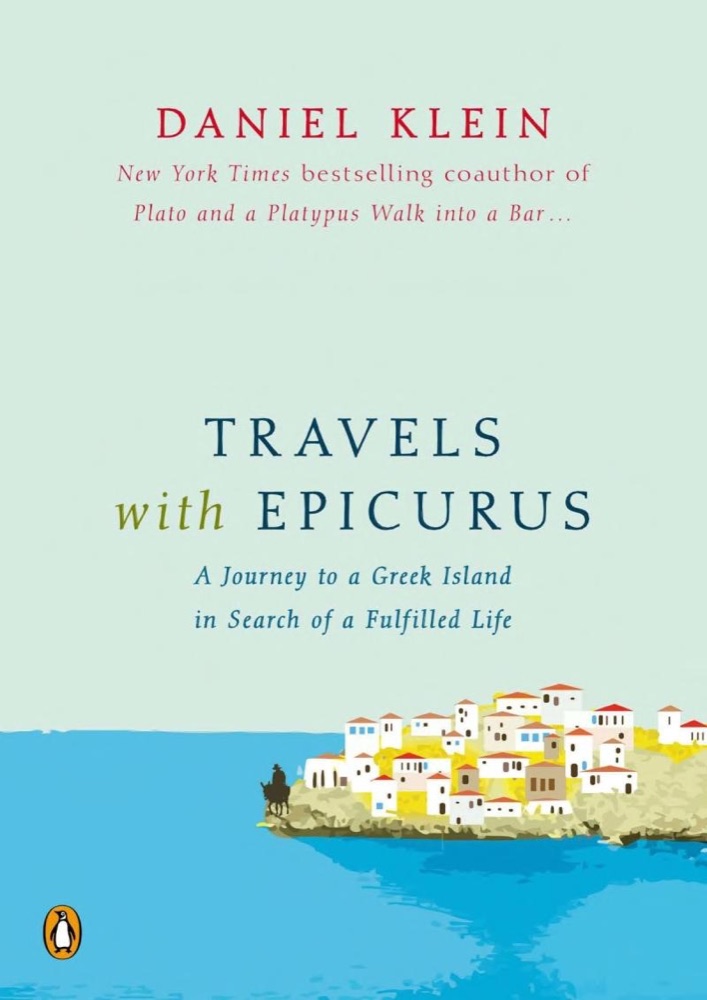
One of the bestselling authors of Plato and a Platypus travels to Greece with a suitcase full of philosophy books, seeking the best way to achieve a fulfilling old age. Daniel Klein journeys to the Greek island Hydra to discover the secrets of aging happily. Drawing on the lives of his Greek friends, as well as philosophers ranging from Epicurus to Sartre, Klein learns to appreciate old age as a distinct and extraordinarily valuable stage of life. He uncovers simple pleasures that are uniquely available late in life, as well as headier pleasures that only a mature mind can fully appreciate. A travel book, a witty and accessible meditation, and an optimistic guide to living well, Travels with Epicurus is a delightful jaunt to the Aegean and through the terrain of old age led by a droll philosopher. A perfect gift book for the holidays, this little treasure is sure to please longtime fans
Book details
- First published
- 2012
- Author
- Daniel Klein
- Genre
- Philosophy
- Goodreads rating
- 3.81 (4k ratings)
Keep reading
The Socrates Express: In Search of Life Lessons from Dead Philosophers
 The Schopenhauer Cure
 The Art of Happiness
 Either/Or: A Fragment of Life
 Untimely Meditations
 Twilight of the Idols
 The Myth of Sisyphus
 Reveries of the Solitary Walker
 The Consolations of Philosophy
 The Myth of Sisyphus and Other Essays
 The Spinoza Problem
 Finding Flow: The Psychology of Engagement with Everyday Life
 Silence: In the Age of Noise
 The Fall
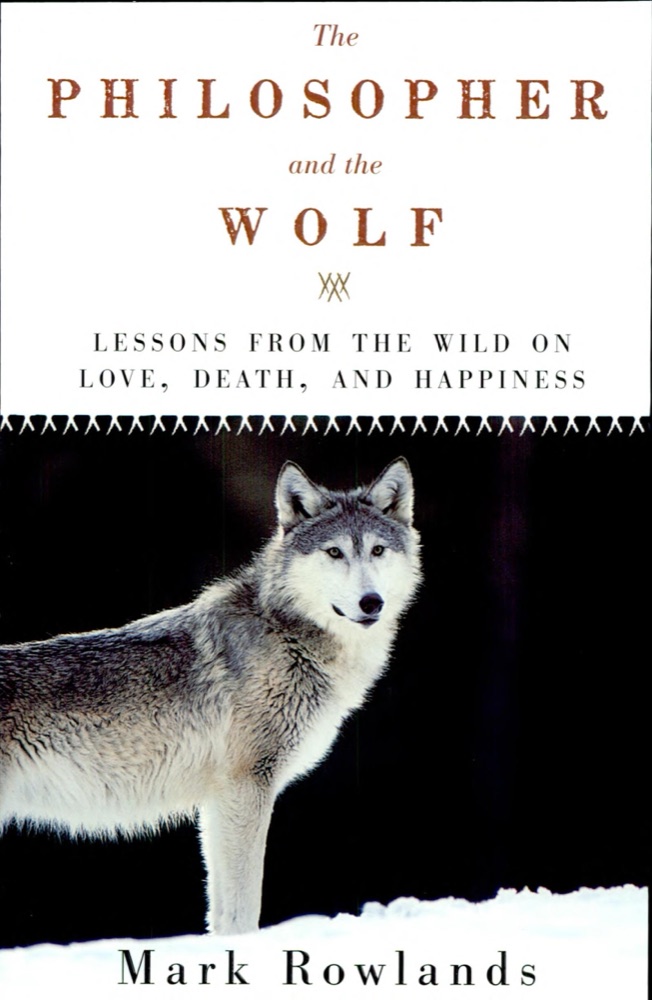 The Philosopher and the Wolf
 A Circle of Quiet
 On the Suffering of the World
 Happiness: A Guide to Developing Life's Most Important Skill
 The Age of Absurdity: Why Modern Life makes it Hard to be Happy
 A Joseph Campbell Companion: Reflections on the Art of Living
 The Wisdom of Life
 Surprised by Joy: The Shape of My Early Life
 Creativity: Flow and the Psychology of Discovery and Invention
 A Guide to the Good Life: The Ancient Art of Stoic Joy
 Finding Meaning in the Second Half of Life: How to Finally, Really Grow Up
 The Happiness Hypothesis: Finding Modern Truth in Ancient Wisdom
 When Nietzsche Wept
 Gift from the Sea
 The Ides of March
 The Story of Philosophy: The Lives and Opinions of the World's Greatest Philosophers
 The Wisdom of Insecurity: A Message for an Age of Anxiety
 How to Live: A Life of Montaigne in One Question and Twenty Attempts at an Answer
 Journal of a Solitude
 The Story of My Life
 Stoicism and the Art of Happiness
 Basic Writings of Nietzsche
 The Glass Bead Game
 Man's Search for Meaning
 Total Freedom: The Essential Krishnamurti
 The World as Will and Representation, Vol 1
 No Time To Spare: Thinking About What Matters
 The Varieties of Religious Experience
 The Consolation of Philosophy
 Walden
 Oblomov
 A Book of Simple Living
 The Conquest of Happiness
 Knife: Meditations After an Attempted Murder
 At the Existentialist Café
 In Search of Lost Time
 Asymmetry
 Memories, Dreams, Reflections
 The Ethics of Ambiguity
 Zorba the Greek
 Eyeless in Gaza
 Irrational Man: A Study in Existential Philosophy
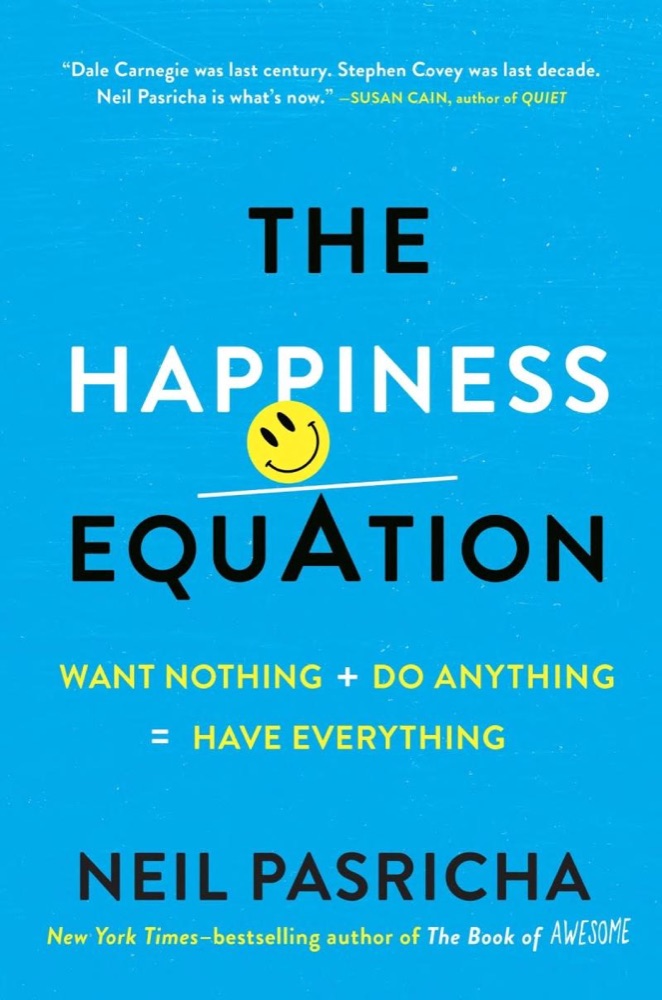 The Happiness Equation: Want Nothing + Do Anything = Have Everything
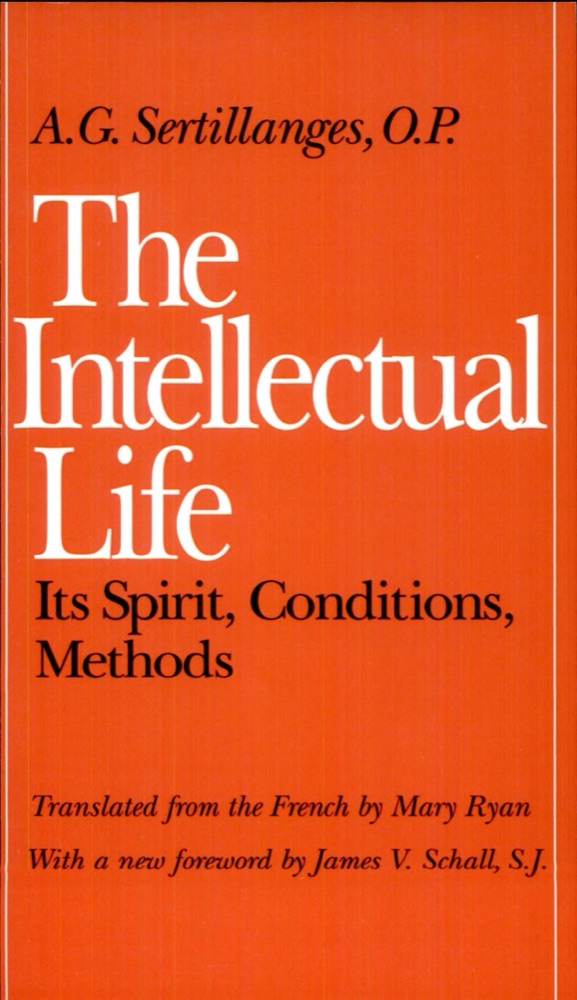 The Intellectual Life: Its Spirit, Conditions, Methods
 The Dice Man