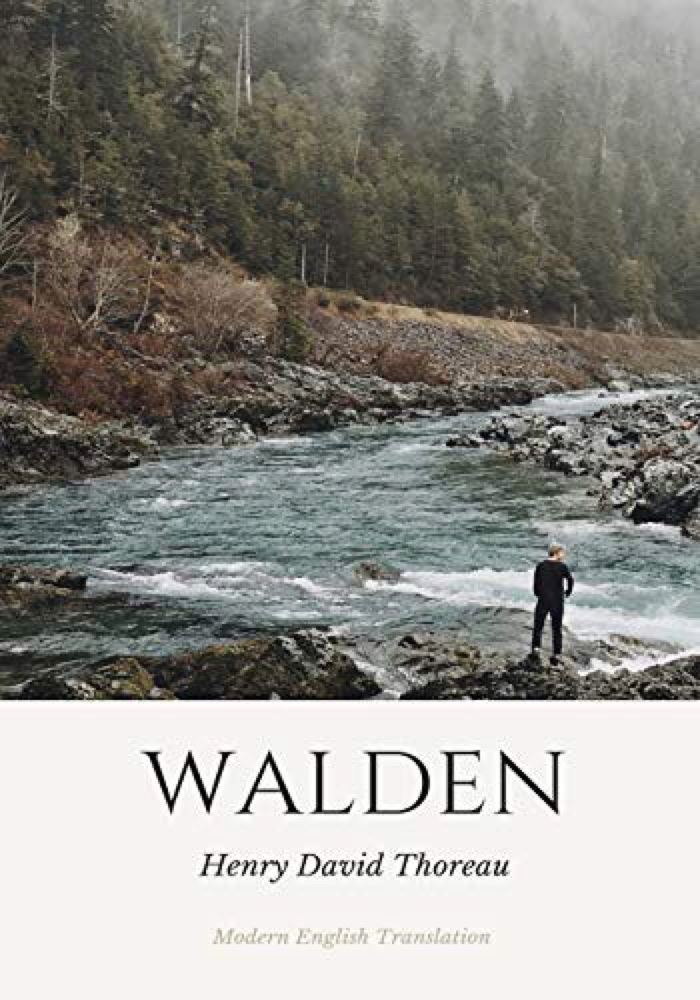
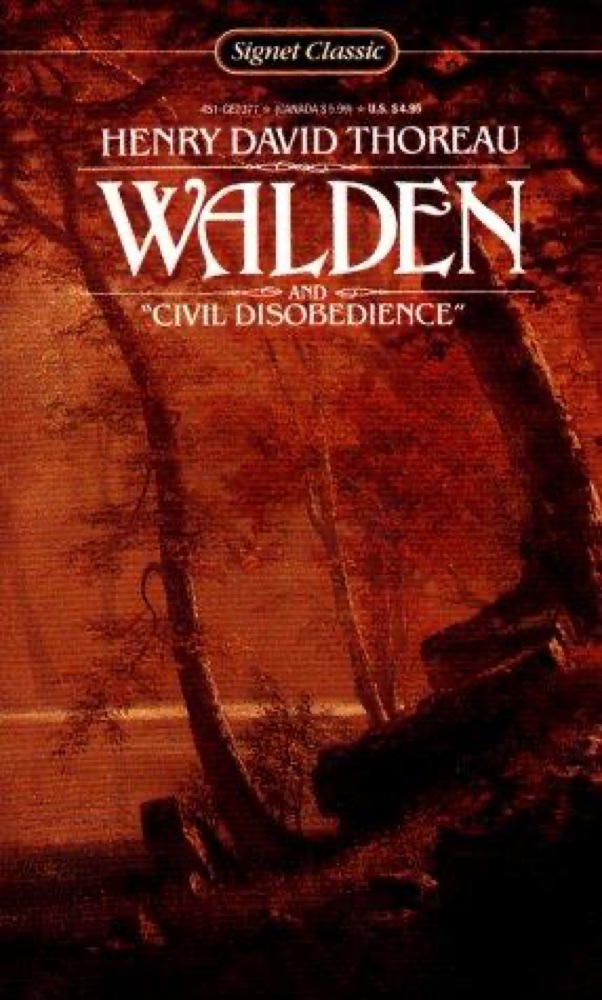
 Walden & Civil Disobedience
Quotes from the Book
I learned this, at least, by my experiment: that if one advances confidently in the direction of his dreams, and endeavors to live the life which he has imagined, he will meet with a success unexpected in common hours.
I find it wholesome to be alone the greater part of the time. To be in company, even with the best, is soon wearisome and dissipating. I love to be alone. I never found the companion that was so companionable as solitude.
If you have built castles in the air, your work need not be lost; that is where they should be. Now put the foundations under them.
Books are the treasured wealth of the world and the fit inheritance of generations and nations.
We need the tonic of wildness...At the same time that we are earnest to explore and learn all things, we require that all things be mysterious and unexplorable, that land and sea be indefinitely wild, unsurveyed and unfathomed by us because unfathomable. We can never have enough of nature.
Live in each season as it passes; breathe the air, drink the drink, taste the fruit, and resign yourself to the influence of the earth.
However mean your life is, meet it and live it; do not shun it and call it hard names. It is not so bad as you are. It looks poorest when you are richest. The fault-finder will find faults even in paradise. Love your life, poor as it is. You may perhaps have some pleasant, thrilling, glorious hours, even in a poorhouse. The setting sun is reflected from the windows of the almshouse as brightly as from the rich man's abode; the snow melts before its door as early in the spring. I do not see but a quiet mind may live as contentedly there, and have as cheering thoughts, as in a palace.
As if you could kill time without injuring eternity.
Things do not change; we change.
The cost of a thing is the amount of what I will call life which is required to be exchanged for it, immediately or in the long run.
Heaven is under our feet as well as over our heads.
We must learn to reawaken and keep ourselves awake, not by mechanical aids, but by an infinite expectation of the dawn, which does not forsake us even in our soundest sleep. I know of no more encouraging fact than the unquestionable ability of man to elevate his life by a conscious endeavour. It is something to be able to paint a particular picture, or to carve a statue, and so to make a few objects beautiful; but it is far more glorious to carve and paint the very atmosphere and medium through which we look, which morally we can do. To affect the quality of the day, that is the highest of arts.
In the morning I bathe my intellect in the stupendous and cosmogonal philosophy of the Bhagvat Geeta, since whose composition years of the gods have elapsed, and in comparison with which our modern world and its literature seem puny and trivial; and I doubt if that philosophy is not to be referred to a previous state of existence, so remote is its sublimity from our conceptions. I lay down the book and go to my well for water, and lo! there I meet the servant of the Bramin, priest of Brahma and Vishnu and Indra, who still sits in his temple on the Ganges reading the Vedas, or dwells at the root of a tree with his crust and water jug. I meet his servant come to draw water for his master, and our buckets as it were grate together in the same well. The pure Walden water is mingled with the sacred water of the Ganges.
All men want, not something to do with, but something to do, or rather something to be.
A man is rich in proportion to the number of things which he can afford to let alone.
Every generation laughs at the old fashions, but follows religiously the new.
Only that day dawns to which we are awake. There is more day to dawn. The sun is but a morning star.
...for my greatest skill has been to want but little.
How many a man has dated a new era in his life from the reading of a book.
I say, beware of all enterprises that require new clothes, and not rather a new wearer of clothes.
The mass of men lead lives of quiet desperation.
There are a thousand hacking at the branches of evil to one who is striking at the root.
However mean your life is, meet and live it; do not shun it and call it hard names. It is not so bad as you are. It looks poorest when you are richest. The fault-finder will find faults even in paradise. Love your life, poor as it is. You may perhaps have some pleasant, thrilling, glorious hours, even in a poorhouse. The setting sun is reflected from the windows of the almshouse as brightly as from the rich man’s abode; the snow melts before its doors as early in the spring. Cultivate property like a garden herb, like sage. Do not trouble yourself much to get new things, whether clothes or friends. Turn the old; return to them. Things do not change; we change. Sell your clothes and keep your thoughts… Superfluous wealth can buy superfluities only. Money is not required to buy one necessary of the soul.
If one advances confidently in the direction of his dreams, and endeavors to live the life which he has imagined, he will meet with a success unexpected in common hours. He will put some things behind, will pass an invisible boundary; new, universal, and more liberal laws will begin to establish themselves around and within him; or the old laws be expanded, and interpreted in his favor in a more liberal sense, and he will live with the license of a higher order of beings.
If the day and the night are such that you greet them with joy, and life emits a fragrance like flowers and sweet-scented herbs, is more elastic, more starry, more immortal- that is your success. All nature is your congratulation, and you have cause momentarily to bless yourself. The greatest gains and values are farthest from being appreciated. We easily come to doubt if they exist. We soon forget them. They are the highest reality. Perhaps the facts most astounding and most real are never communicated by man to man. The true harvest of my daily life is somewhat as intangible and indescribable as the tints of morning or evening. It is a little star-dust caught, a segment of the rainbow which I have clutched.
I had three chairs in my house; one for solitude, two for friendship, three for society.
Every morning was a cheerful invitation to make my life of equal simplicity, and I may say innocence, with Nature herself.
The mass of men lead lives of quiet desperation. What is called resignation is confirmed desperation. From the desperate city you go into the desperate country, and have to console yourself with the bravery of minks and muskrats. A stereotyped but unconscious despair is concealed even under what are called the games and amusements of mankind. There is no play in them, for this comes after work. But it is a characteristic of wisdom not to do desperate things.
Did you know?
- Thoreau lived at Walden Pond from July 4, 1845, to September 6, 1847, a span of two years, two months, and two days.
- He built his cabin near the pond for a total cost of $28.12.
- The book was first published on August 9, 1854, by Ticknor and Fields of Boston.
- The first edition took about five years to sell its initial printing of two thousand copies.
- After selling out, the book went out of print and was not reissued until the year of Thoreau's death in 1862.
- The full original title was "Walden; or, Life in the Woods."
About Henry David Thoreau
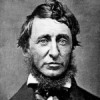
Henry David Thoreau (1817-1862) was an American essayist, poet, and philosopher, and a leading figure of the Transcendentalist movement. Best known for "Walden" and the essay "Civil Disobedience," he lived and wrote in and around Concord, Massachusetts.
More about the author →More by Henry David Thoreau
All books by Henry David Thoreau →
About the book
"Walden; or, Life in the Woods" is Henry David Thoreau's account of the two years, two months, and two days he spent living in a small cabin he built himself on the shore of Walden Pond near Concord, Massachusetts, beginning July 4, 1845. Part memoir and part manifesto, the book records his experiment in deliberate, self-reliant living, in which he stripped away superfluous luxuries to discover what was essential to a meaningful life. Across chapters such as "Economy," "Where I Lived, and What I Lived For," and "Solitude," Thoreau blends detailed natural observation with philosophical reflection.
At its heart the book is a critique of the consumerism, materialism, and conformity Thoreau saw in nineteenth-century American society, and an argument for simplicity, solitude, and closeness to nature. A central work of American Transcendentalism, it champions self-reliance, independent thought, and the spiritual value of the natural world, urging readers to live consciously rather than in what Thoreau famously called quiet desperation.
Though it sold slowly at first, taking about five years to sell two thousand copies and going out of print until Thoreau's death in 1862, "Walden" grew into one of the most influential works in American literature. Its themes of simple living, environmental awareness, and principled independence have shaped generations of readers, naturalists, and reformers, securing its place as a foundational text of American nature writing and Transcendentalist thought.
Book details
- First published
- 1854
- Length
- 357 pages
- Reading time
- 7 hours
- Author
- Henry David Thoreau
- Genre
- Literature
- Goodreads rating
- 3.77 (207k ratings) →
- First line
- “When I wrote the following pages, or rather the bulk of them, I lived alone, in the woods, a mile from any neighbor, in a house which I had built myself, on the shore of Walden Pond, in Concord, Massachusetts, and earned my living by the labor of my hands only.”
If you liked this, read…
- 1Civil DisobedienceThoreau's own companion essay extending his ideas on principled independence from the state.
- 2NatureEmerson's foundational Transcendentalist essay on the spiritual significance of the natural world.
- 3Pilgrim at Tinker CreekAnnie Dillard's meditative nature writing in the reflective, observational tradition of Walden.
Keep reading
Walden & Civil Disobedience
 Walden and other writings
 A Book of Simple Living
 West with the Night
 Walking
 Nature and Selected Essays
 The Letters of Vincent van Gogh
 A Room with a View
 The Home and the World
 Daniel Deronda
 Faust
Faust
 Hard-Boiled Wonderland and the End of the World
 Island
 Brave New World
 Big Sur and the Oranges of Hieronymus Bosch
 The Gay Science
 Nicholas Nickleby
 Crossing to Safety
 The Story of My Life
 Small Wonder
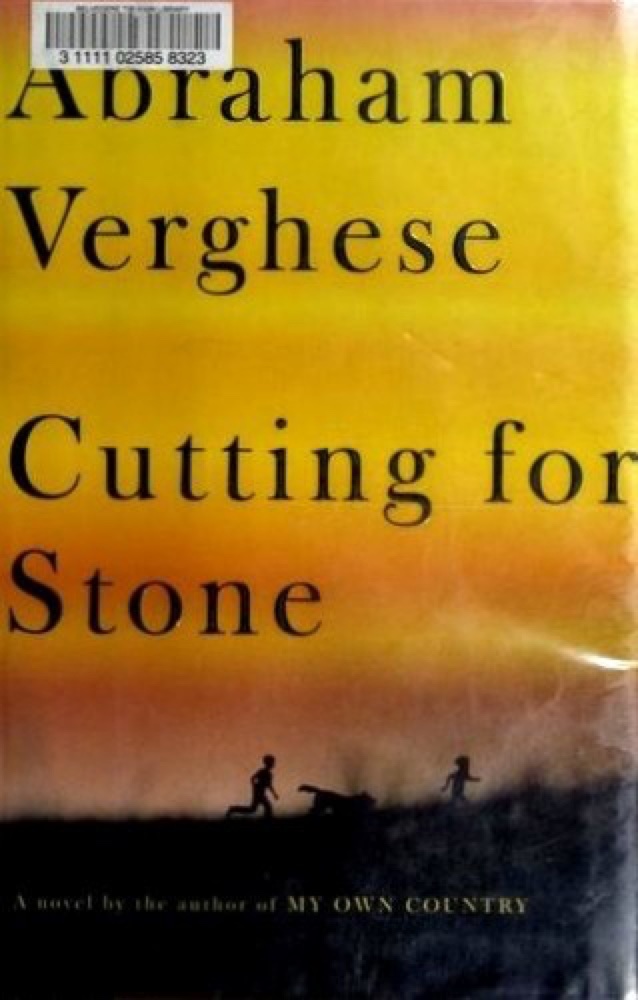 Cutting for Stone
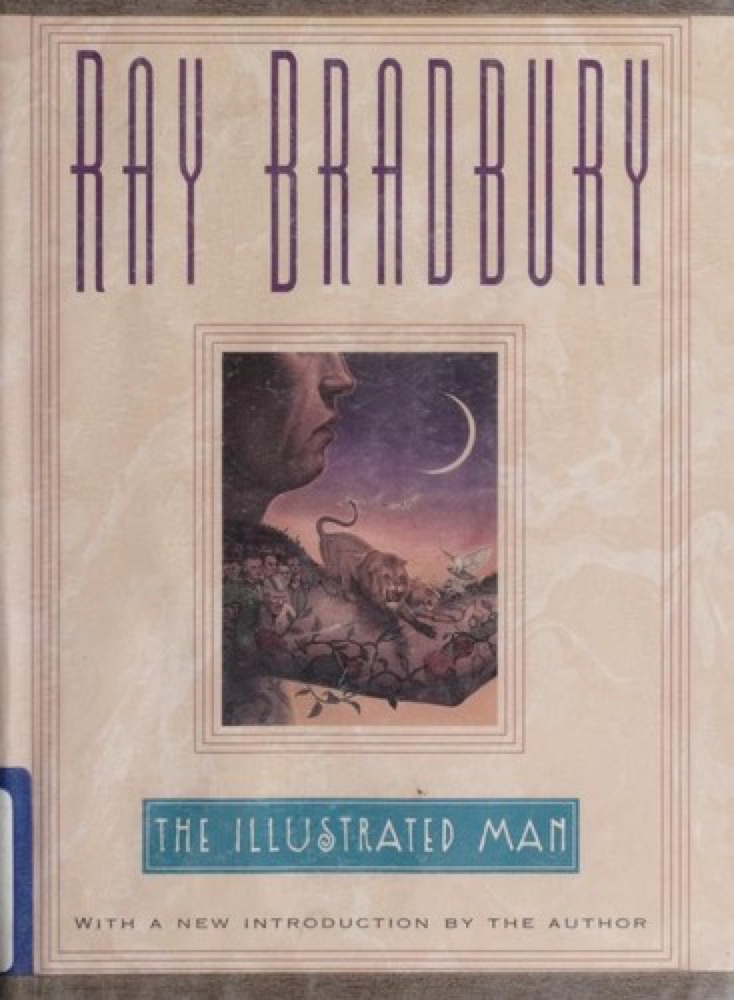 The Illustrated Man
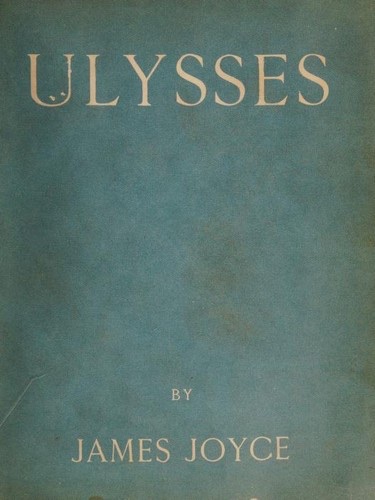 Ulysses
 The Abundance
 Sacred Journey of the Peaceful Warrior
 Libra
Libra
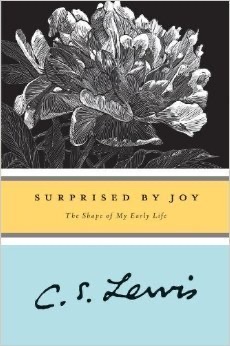 Surprised by Joy: The Shape of My Early Life
 Out of Oz
 Light Years
 Cuckold
 Jubal Sackett
 Winter Hours: Prose, Prose Poems, and Poems
 A Sudden Light
 The Essential Writings of Ralph Waldo Emerson
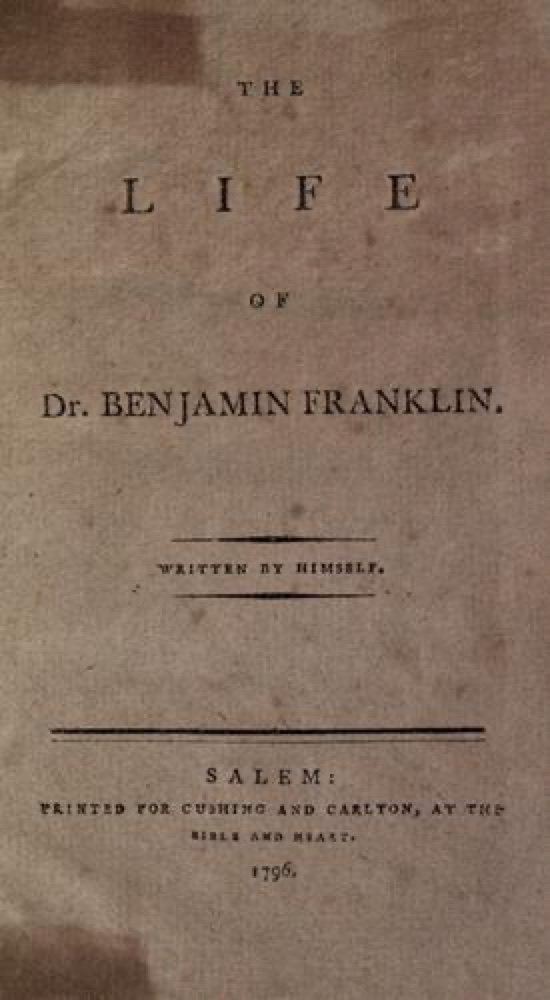 The Autobiography of Benjamin Franklin
 Gift from the Sea
 The Walking Drum
 The Essays of Ralph Waldo Emerson
 Bleak House
 Siddhartha
 The World-Ending Fire: The Essential Wendell Berry
 Mansfield Park
 David Copperfield
 Independent People
 Wouldn't Take Nothing for My Journey Now
 Evidence: Poems
 One
One
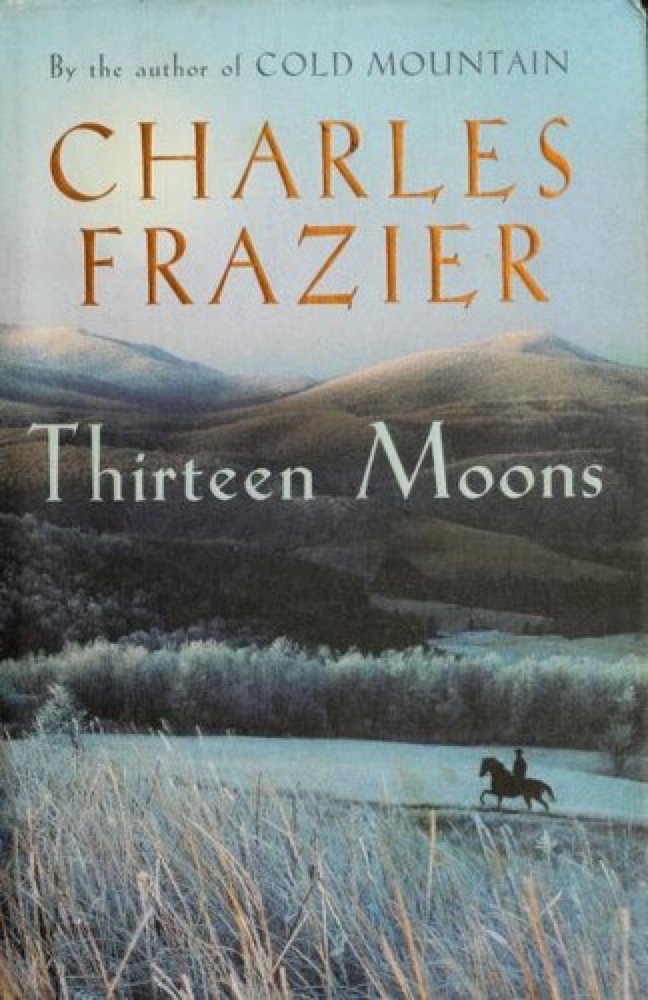 Thirteen Moons
 Gilead
 Angle of Repose
 The Way of All Flesh
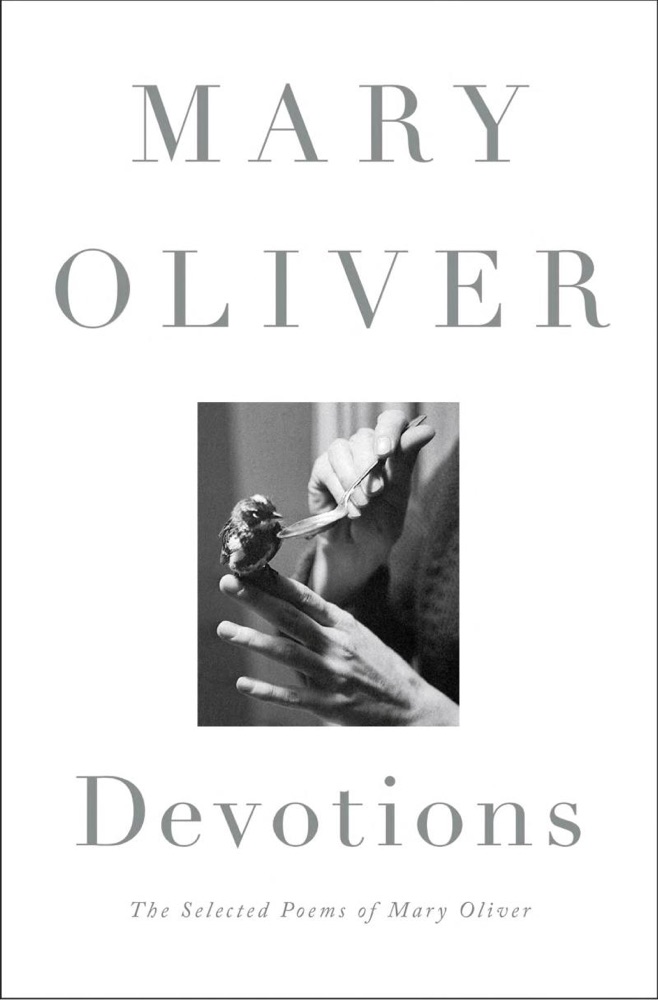 Devotions: The Selected Poems of Mary Oliver
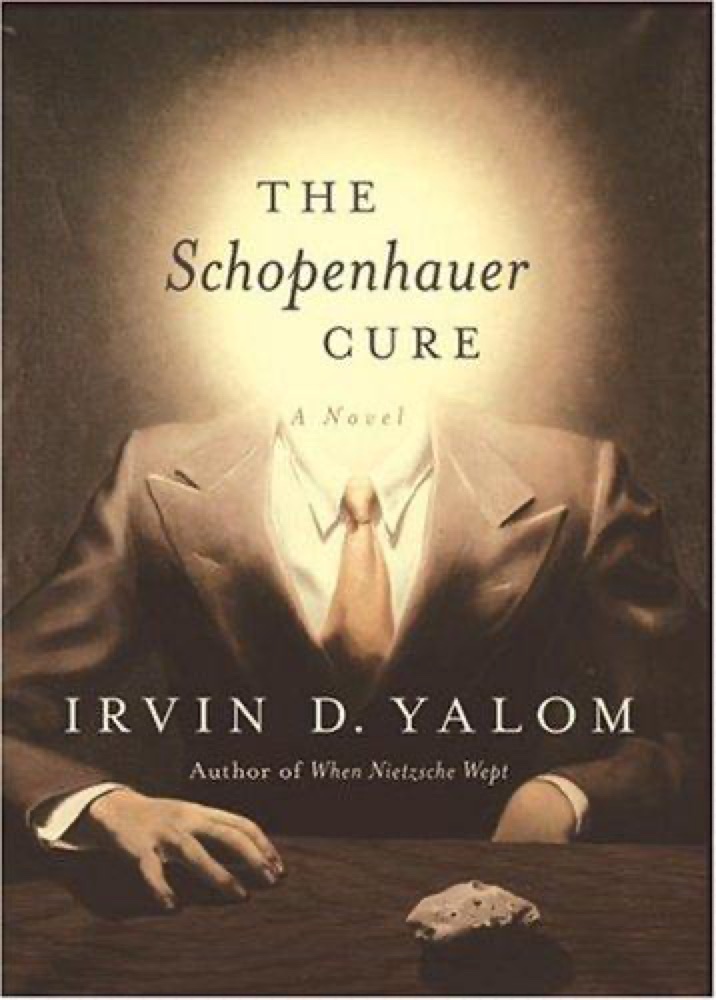 The Schopenhauer Cure
 Odd Hours
 The Magic Mountain
 Point Counter Point
 High Tide in Tucson
 Year of the Monkey
 Humboldt's Gift
 Report to Greco