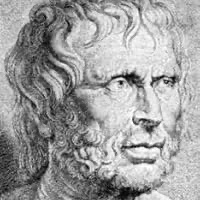
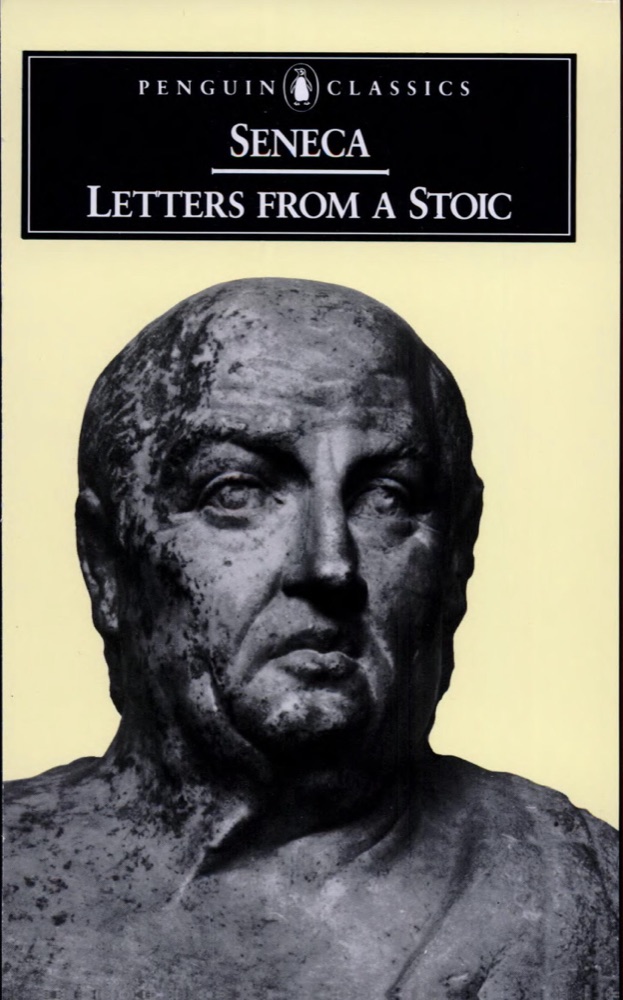
 Letters from a Stoic
Quotes from the Book
You act like mortals in all that you fear, and like immortals in all that you desire
It is not that we have so little time but that we lose so much. ... The life we receive is not short but we make it so; we are not ill provided but use what we have wastefully.
They lose the day in expectation of the night, and the night in fear of the dawn.
People are frugal in guarding their personal property; but as soon as it comes to squandering time they are most wasteful of the one thing in which it is right to be stingy.
Often a very old man has no other proof of his long life than his age.
Life is long, if you know how to use it.
You live as if you were destined to live forever, no thought of your frailty ever enters your head, of how much time has already gone by you take no heed. You squander time as if you drew from a full and abundant supply, though all the while that day which you bestow on some person or thing is perhaps your last.
The greatest obstacle to living is expectancy, which hangs upon tomorrow and loses today. You are arranging what lies in Fortune’s control, and abandoning what lies in yours. What are you looking at? To what goal are you straining? The whole future lies in uncertainty: live immediately.
But life is very short and anxious for those who forget the past, neglect the present, and fear the future.
...it is more civilized to make fun of life than to bewail it.
As far as I am concerned, I know that I have lost not wealth but distractions. The body’s needs are few: it wants to be free from cold, to banish hunger and thirst with nourishment; if we long for anything more we are exerting ourselves to serve our vices, not our needs.
Of all people only those are at leisure who make time for philosophy, only those are really alive. For they not only keep a good watch over their own lifetimes, but they annex every age to theirs.
Can anything be more idiotic than certain people who boast of their foresight? They keep themselves officiously preoccupied in order to improve their lives; they spend their lives in organizing their lives. They direct their purposes with an eye to a distant future. But putting things off is the biggest waste of life: it snatches away each day as it comes, and denies us the present by promising the future. The greatest obstacle to living is expectancy, which hangs upon tomorrow and loses today. You are arranging what lies in Fortune’s control, and abandoning what lies in yours. What are you looking at? To what goal are you straining?
We must go for walks out of doors, so that the mind can be strengthened and invigorated by a clear sky and plenty of fresh air. At times it will acquire fresh energy from a journey by carriage and a change of scene, or from socializing and drinking freely. Occasionally we should even come to the point of intoxication, sinking into drink but not being totally flooded by it; for it does wash away cares, and stirs the mind to its depths, and heals sorrow just as it heals certain diseases.
No one could endure lasting adversity if it continued to have the same force as when it first hit us. We are all tied to Fortune, some by a loose and golden chain, and others by a tight one of baser metal: but what does it matter? We are all held in the same captivity, and those who have bound others are themselves in bonds - unless you think perhaps that the left-hand chain is lighter. One man is bound by high office, another by wealth; good birth weighs down some, and a humble origin others; some bow under the rule of other men and some under their own; some are restricted to one place by exile, others by priesthoods: all life is a servitude. So you have to get used to your circumstances, complain about them as little as possible, and grasp whatever advantage they have to offer: no condition is so bitter that a stable mind cannot find some consolation in it.
So you must match time’s swiftness with your speed in using it, and you must drink quickly as though from a rapid stream that will not always flow.
So it is: we are not given a short life but we make it short, and we are not Ill-supplied but wasteful of it.
And so there is no reason for you to think that any man has lived long because he has grey hairs or wrinkles, he has not lived long – he has existed long. For what if you should think that man had had a long voyage who had been caught by a fierce storm as soon as he left harbour, and, swept hither and thither by a succession of winds that raged from different quarters, had been driven in a circle around the same course? Not much voyaging did he have, but much tossing about.
All things that are still to come lie in uncertainty; live straightway!
We must indulge the mind and from time to time allow it the leisure which is its food and strength.
People are delighted to accept pensions and gratuities, for which they hire out their labour or their support or their services. But nobody works out the value of time: men use it lavishly as if it cost nothing. But if death threatens these same people, you will see them praying to their doctors; if they are in fear of capital punishment, you will see them prepared to spend their all to stay alive.
Believe me, it is the sign of a great man, and one who is above human error, not to allow his time to be frittered away: he has the longest possible life simply because whatever time was available he devoted entirely to himself.
So let those people go on weeping and wailing whose self-indulgent minds have been weakened by long prosperity, let them collapse at the threat of the most trivial injuries; but let those who have spent all their years suffering disasters endure the worst afflictions with a brave and resolute staunchness. Everlasting misfortune does have one blessing, that it ends up by toughening those whom it constantly afflicts.
vices have to be crushed rather than picked at.
O how many noble deeds of women are lost in obscurity!
the time of the actual enjoyment is short and swift, and made much shorter through their own fault. For they dash from one pleasure to another and cannot stay steady in one desire.
You should rather suppose that those are involved in worthwhile duties who wish to have daily as their closest friends Zeno, Pythagoras, Democritus and all the other high priests of liberal studies, and Aristotle and Theophrastus. None of these will be too busy to see you, none of these will not send his visitor away happier and more devoted to himself, none of these will allow anyone to depart empty-handed. They are at home to all mortals by night and by day.
You must set your hands to tasks which you can finish or at least hope to finish, and avoid those which get bigger as you proceed and do not cease where you had intended.
It is not that we have a short time to live, but that we waste a lot of it. Life is long enough, and a sufficiently generous amount has been given to us for the highest achievements if it were all well invested. But when it is wasted in heedless luxury and spent on no good activity, we are forced at last by death’s final constraint to realize that it has passed away before we knew it was passing. So it is: we are not given a short life but we make it short, and we are not ill-supplied but wasteful of it… Life is long if you know how to use it.
295
Were all the geniuses of history to focus on this single theme, they could never fully express their bafflement at the darkness of the human mind. No person would give up even an inch of their estate, and the slightest dispute with a neighbor can mean hell to pay; yet we easily let others encroach on our lives—worse, we often pave the way for those who will take it over. No person hands out their money to passersby, but to how many do each of us hand out our lives! We’re tight-fisted with property and money, yet think too little of wasting time, the one thing about which we should all be the toughest misers.
211
Life is long if you know how to use it.
192
It is more civilized to make fun of life than to bewail it.
130
It takes the whole of life to learn how to live, and -what will perhaps make you wonder more - it takes the whole of life to learn how to die.
87
Watch on YouTube
About Seneca
We have collected 86 quotes from 3 books by Seneca on BookQuoters.
More about the author →More by Seneca
Letters from a Stoic
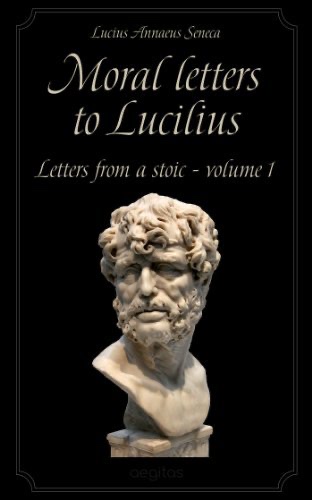 Moral Letters to Lucilius Volume 1
About the book
Throughout history, some books have changed the world. They have transformed the way we see ourselves - and each other. They have inspired debate, dissent, war and revolution. They have enlightened, outraged, provoked and comforted. They have enriched lives - and destroyed them. Now Penguin brings you the works of the great thinkers, pioneers, radicals and visionaries whose ideas shook civilization, and helped make us who we are.
The Stoic writings of the philosopher Seneca offer powerful insights into the art of living, the importance of reason and morality, and continue to provide profound guidance to many through their eloquence, lucidity and timeless wisdom.
Keep reading
Letters from a Stoic
 On the Suffering of the World
 Who Will Cry When You Die?
 The Wisdom of Life
 How to Live: A Life of Montaigne in One Question and Twenty Attempts at an Answer
 How to Stop Worrying and Start Living
 You Learn by Living: Eleven Keys for a More Fulfilling Life
 A Cup of Sake Beneath the Cherry Trees
 The Schopenhauer Cure
 Being Mortal: Medicine and What Matters in the End
 365 Tao: A Study of Taoist Wisdom for Daily Life
 The Count of Monte Cristo
 Finding Flow: The Psychology of Engagement with Everyday Life
 The Emperor's Handbook
 How to Use Your Enemies
 Walden
 The Children of Men
 The Socrates Express: In Search of Life Lessons from Dead Philosophers
 Walden & Civil Disobedience
 Cutting for Stone
 One
One
 Man's Search for Meaning
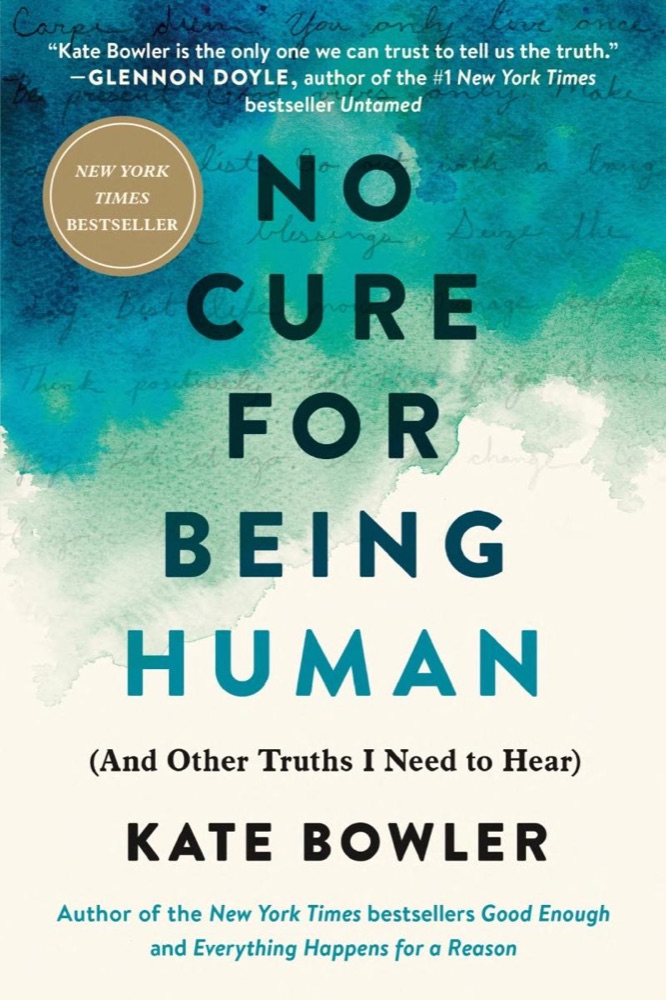 No Cure for Being Human: And Other Truths I Need to Hear
 Untimely Meditations
Moral Letters to Lucilius Volume 1
Untimely Meditations
Moral Letters to Lucilius Volume 1
 Human, All Too Human
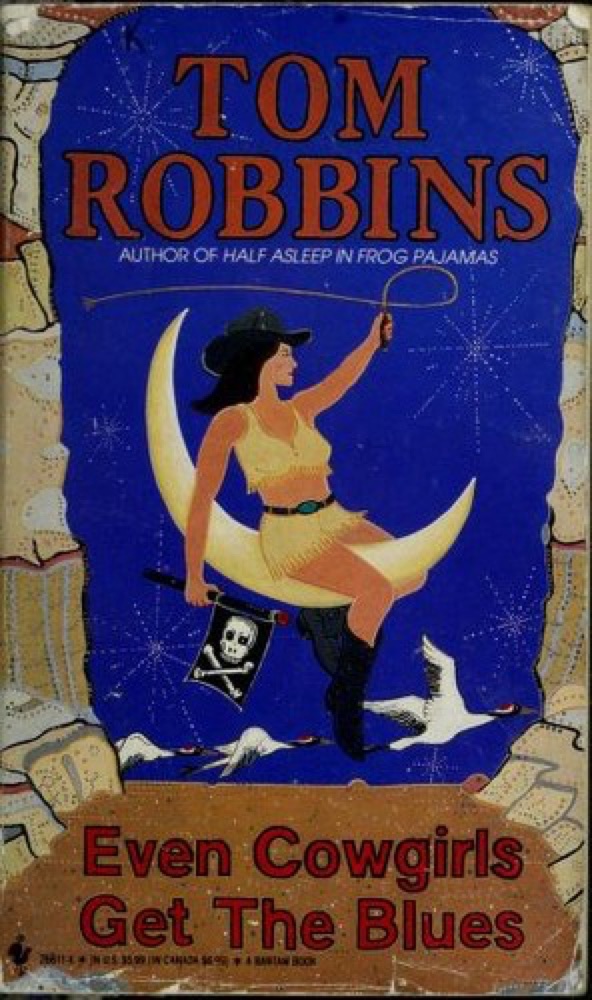 Even Cowgirls Get the Blues
 Walden and other writings
 When Nietzsche Wept
 Travels with Epicurus: A Journey to a Greek Island in Search of a Fulfilled Life
 The Daily Stoic: 366 Meditations on Wisdom, Perseverance, and the Art of Living
 Player One: What Is to Become of Us
 Only Dull People Are Brilliant at Breakfast
 Hard-Boiled Wonderland and the End of the World
 The Humans
 Four Thousand Weeks: Time Management for Mortals
 The Fall
 The First Fifteen Lives of Harry August
 Stillness Is the Key
 A Book of Simple Living
 The Gay Science
 A Calendar of Wisdom: Daily Thoughts to Nourish the Soul
 The Fall of Babel
 Cancer Ward
 Life Expectancy
 Uh-oh: Some Observations from Both Sides of the Refrigerator Door
 The Time Keeper
 The Magic Mountain
 The Way of All Flesh
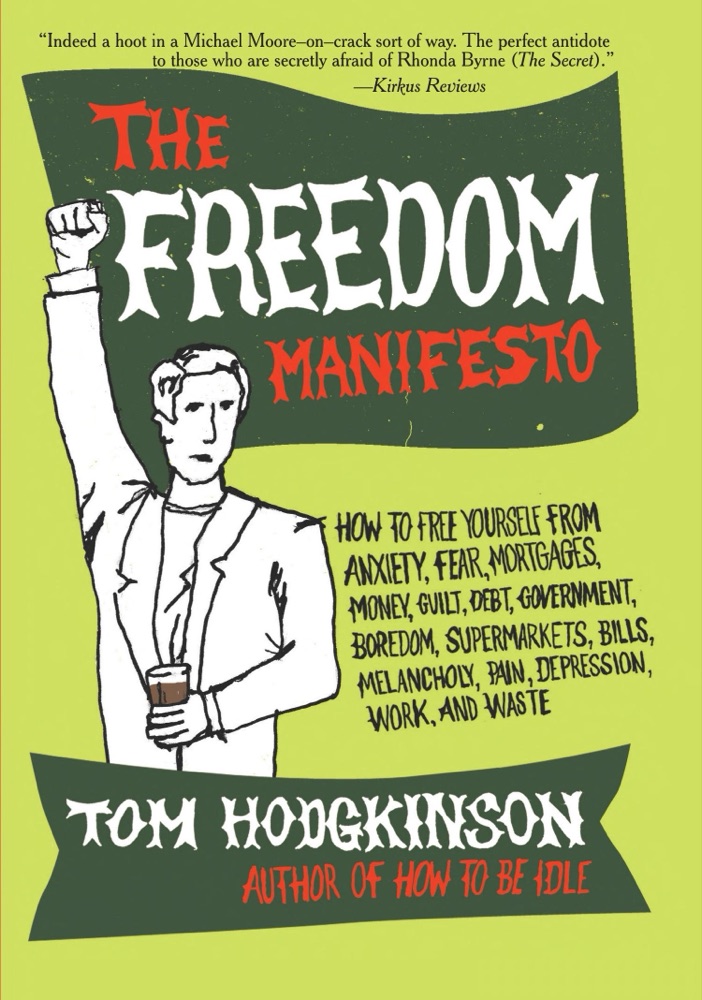 The Freedom Manifesto
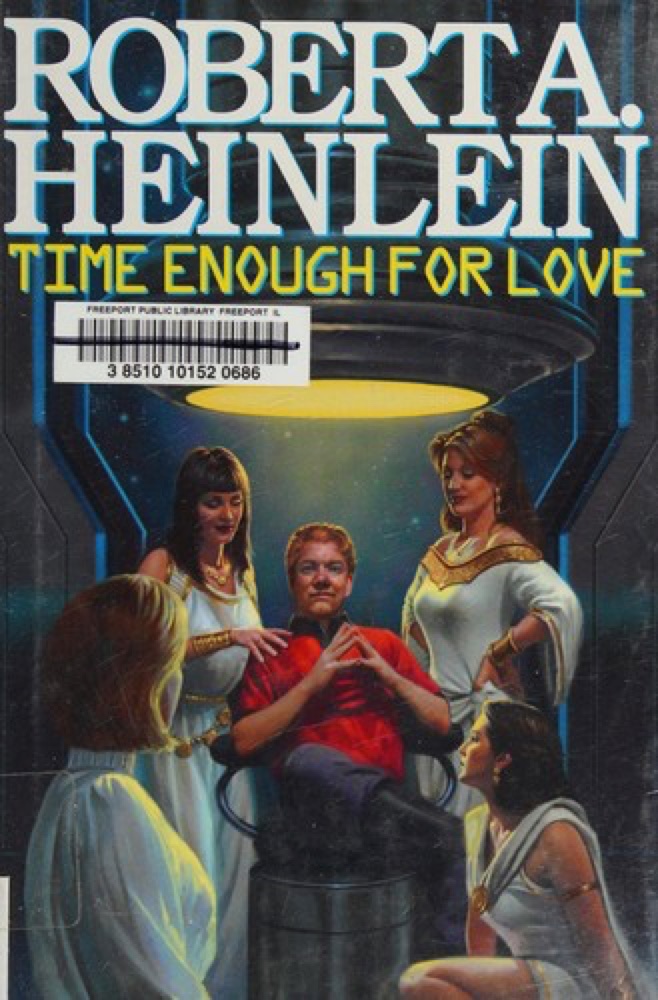 Time Enough for Love
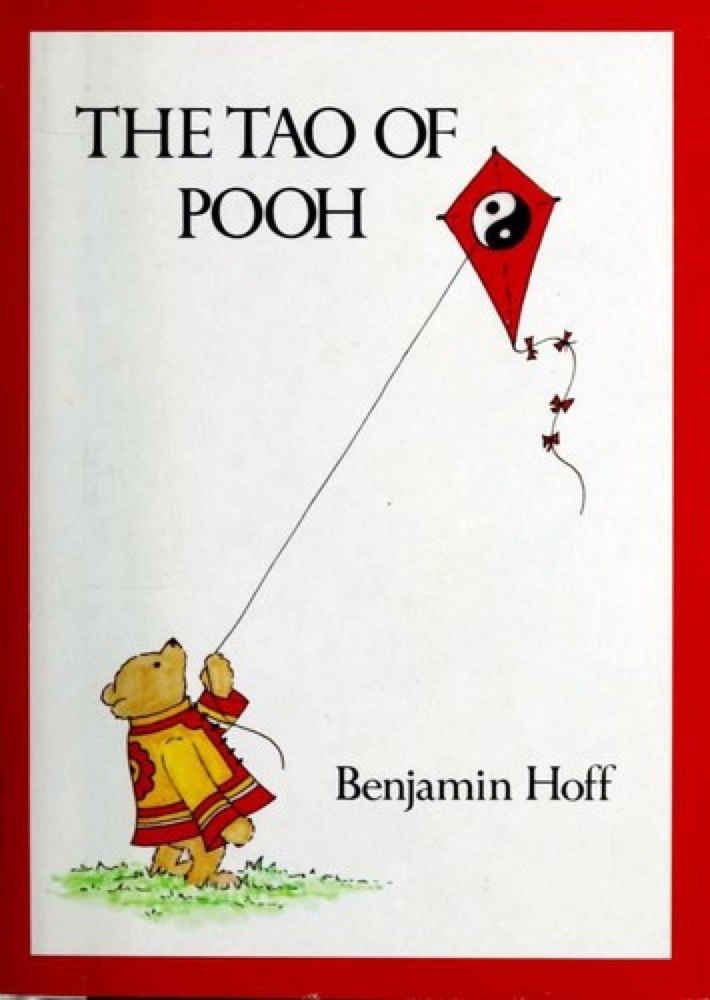 The Tao of Pooh
 Journey by Moonlight
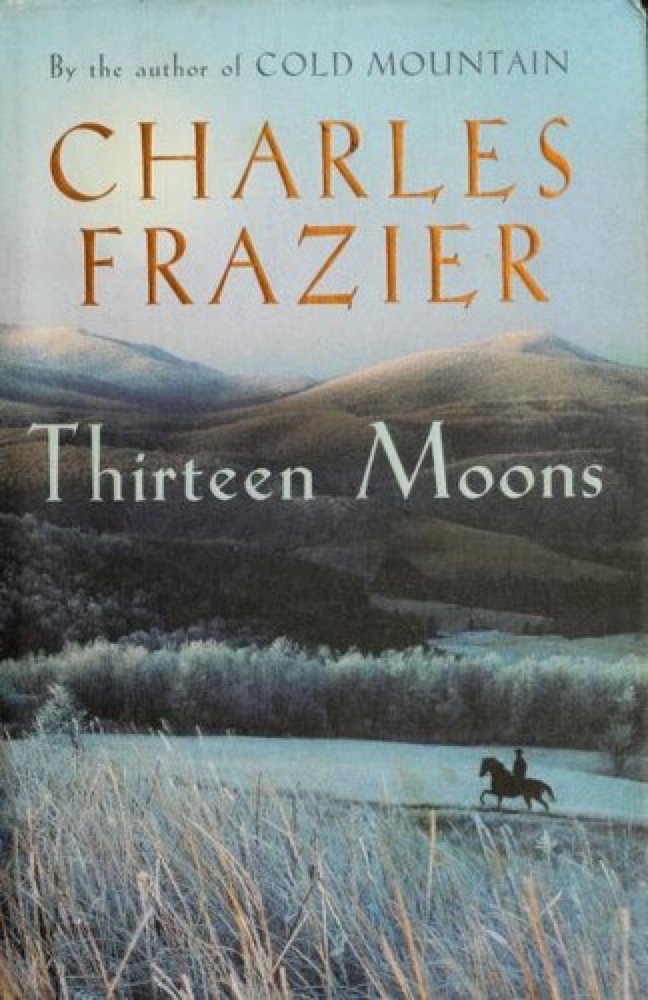 Thirteen Moons
 The World-Ending Fire: The Essential Wendell Berry
 Emile or On Education
 A Happy Death
 The Philosopher and the Wolf
 The Myth of Sisyphus
 Postcards from No Man's Land