
 Paper Towns
Quotes from the Book
Nothing is so privileged as thinking history belongs to the past.
280
It reminded me, that when we know about suffering, when we are proximal to it, we are capable of extraordinary generosity. We can do and be so much for each other. But only when we see one another in our full humanity. Not as statistics or problems, but as people who deserve to be alive in the world.
129
We are powerful enough to light the world at night, to artificially refrigerate food, to leave Earth’s atmosphere and orbit it from outer space. But we cannot save those we love from suffering. This is the story of human history as I understand it—the story of an organism that can do so much, but cannot do what it most wants.
109
Framing illness as even involving morality seems to me a mistake, because of course cancer does not give a shit whether you are a good person. Biology has no moral compass. It does not punish the evil and reward the good. It doesn’t even know about evil and good. Stigma is a way of saying, “You deserved to have this happen,” but implied within the stigma is also, “And I don’t deserve it, so I don’t need to worry about it happening to me.
88
On my first day of training, she told me, "Death is natural. Children dying is natural. None of us actually wants to live in a natural world." Treating disease, whether through herbs or magic or drugs, is unnatural. No other animals do it, at least not with anything approaching our sophistication. Hospitals are unnatural. As are novels, and saxophones. None of us actually wants to live in a natural world.
80
But as a friend once told me, “Nothing is so privileged as thinking history belongs to the past.
79
We live in between what we choose and what is chosen for us.
78
We cannot address TB only with vaccines and medications. We cannot address it only with comprehensive STP programs. We must also address the root cause of tuberculosis, which is injustice. In a world where everyone can eat, and access healthcare, and be treated humanely, tuberculosis has no chance. Ultimately, we are the cause. We must also be the cure.
61
And so we have entered a strange era of human history: A preventable, curable infectious disease remains our deadliest. That's the world we are currently choosing.
59
What's different now from 1804 or 1904 is that tuberculosis is curable, and has been since the mid-1950s. We know how to live in a world without tuberculosis. But we choose not to live in that world.
54
People who are treated as less than fully human by the social order are more susceptible to tuberculosis but it’s not because of their moral codes or choices or genetics, it’s because they are treated as less than fully human by the social order.
52
But history, alas, is not merely a record of what we do, but also a record of what is done to us.
50
How can I accept a world where over a million people will die this year for want of a cure that has existed for nearly a century?
36
Henry is a human being, just as you are a human being. Consider yourself for a moment—everything you’ve overcome, everything you’ve survived. Think of the people who loved you up into your now. Think of how hard school is or was, how you were lucky or blessed to meet people you could love and who could love you. Think about how rare and precious humans are, and how many of them you get to worry for and care about. Then, if you can, find a way to multiply that times 1,250,000. That is why we must work together to end tuberculosis and all other diseases of injustice.
32
We can do and be so much for each other—but only when we see one another in our full humanity, not as statistics or problems, but as people who deserve to be alive in the world.
32
The idea of becoming sick in order to look healthy or beautiful speaks to how profoundly consumptive beauty ideals still shape the world we share.
30
I’m a novelist, not a historian of medicine. TB is rare where I live. It doesn’t affect me. And that’s all true. But I hear Shreya, and Henry, and so many others calling to me: Marco. Marco. Marco.
29
Imagining someone as more than human does much the same work as imagining them as less than human: Either way, the ill are treated as fundamentally other because the social order is frightened by what their frailty reveals about everyone else’s.
23
He loved that word. Who wouldn't? "Encouraged." Like courage is something we rouse ourselves and others into.
22
TB in the twenty-first century is not really caused by a bacteria that we know how to kill. TB in the twenty-first century is really caused by those social determinants of health, which at their core are about human-built systems for extracting and allocating resources. The real cause of contemporary tuberculosis, is for lack of a better term, us.
21
But we can choose a different world. In fact, we will choose a different world. The world will be different a generation from now. The question is whether we will look back in gratitude at the virtuous cycles or in horror at the vicious ones.
20
...somehow, we always seem to blame the patient for noncompliance, rather than blaming the structures of the social order that make compliance more difficult.
19
We all engage in the punitive act of giving a disease a meaning.
19
We do not exist primarily to be plugged into cost-benefit analyses. We are here to love and be loved, to understand and be understood.
17
But survival is not primarily an act of individual will, of course. It's an act of collective will.
17
Why must we treat what are obviously systemic problems as failures of individual morality?
16
I want to pause here to note a defining feature of humans, which is that we like to know why things happen, especially when really bad things happen. And if a reason is not immediately apparent, we will find one.
14
Tuberculosis is so often, and in so many ways, a disease of vicious cycles: It’s an illness of poverty that worsens poverty. It’s an illness that worsens other illnesses—from HIV to diabetes. It’s an illness of weak healthcare systems that weakens healthcare systems. It’s an illness of malnutrition that worsens malnutrition. And it’s an illness of the stigmatized that worsens stigmatization. In the face of all this, it’s easy to despair. TB doesn’t just flow through the meandering river of injustice; TB broadens and deepens that river.
13
I am an author, and I, for one, am deeply offended by the notion that my "waywardness, peevishness, Irascibility, misanthropy, and murky passions" are caused by a "derangement of bodily health," even as I am impressed by a nineteenth-century magazine's ability to absolutely nail my personality.
12
It's tempting to imagine this romanticization as the opposite as the opposite of stigmatization. Rather than discounting people as stigma does, romanticization lifts them up as paragons of beauty or intellect or some other virtue. But really, I see these as complimentary strategies, used to make "the sick" into an "other," a group of people fundamentally distant and different from the rest of the social order. … Imaging someone as more than human does much the same work as imaging them as less than human. Either way, the ill are treated as fundamentally other because the social order is frightened by what their frailty reveals about everyone else's.
9
Did you know?
- The book grew out of John Green's 2019 visit to Lakka Government Hospital in Sierra Leone, where he met tuberculosis patient Henry Reider.
- It debuted at number one on the New York Times nonfiction bestseller list.
- The first print run was reported at 500,000 copies, with Green personally signing 100,000 of them.
- The book received starred reviews from Kirkus, Booklist, and School Library Journal.
- It was published under Crash Course Books, an imprint named after Green's educational video series.
- Proceeds and accompanying advocacy were tied to Green's campaigns to reduce the cost of tuberculosis diagnosis and treatment.
Watch on YouTube
About John Green
John Green is an American author and YouTube creator known for bestselling novels including The Fault in Our Stars and his nonfiction essay collection The Anthropocene Reviewed. With his brother Hank he co-created the Vlogbrothers channel and the educational series Crash Course.
More about the author →More by John Green
All books by John Green →

About the book
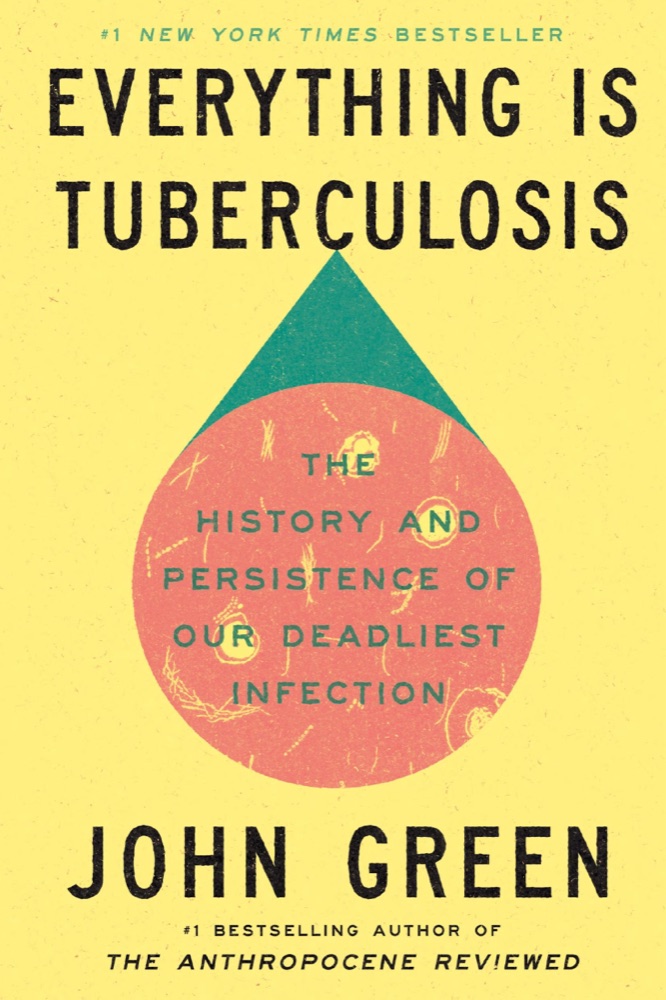
"Everything Is Tuberculosis" is John Green's nonfiction account of the world's deadliest infectious disease, told through the story of Henry Reider, a young patient with drug-resistant TB whom Green met at Lakka Government Hospital in Sierra Leone in 2019. Green weaves Henry's personal narrative together with the scientific and social history of tuberculosis, showing how a disease that has been curable for decades still kills more than a million people every year.
The book's central argument is that tuberculosis persists not because of biology but because of human choices and global inequity. Green explores how access to diagnosis and treatment is shaped by poverty, colonial history, and the priorities of wealthy nations, framing TB as both a medical and a moral problem. Blending memoir, medical history, and advocacy, he uses Henry's case to make an abstract global crisis personal and urgent.
The book was an immediate commercial and critical success, debuting at number one on the New York Times nonfiction bestseller list and remaining on it for many weeks. It drew starred trade reviews and praise for making a difficult subject readable and humane, though some critics felt Green was vague in assigning blame for the disease's persistence. It also fueled real-world TB advocacy, building on Green's longstanding work to lower the cost of diagnosis and treatment.
Book details
- First published
- 2025
- Length
- 208 pages
- Reading time
- 1 hour
- Author
- John Green
- Genre
- Nonfiction
- Goodreads rating
- 4.32 (269k ratings)
Critical reception
- Debuted at number one on the New York Times nonfiction bestseller list and stayed on the list for many weeks.
- Received starred reviews from Kirkus Reviews, Booklist, and School Library Journal.
- Kirkus called it a highly readable call to action.
- A New York Times review noted Green was frustratingly vague in assigning blame for the persistence of tuberculosis.
The buzz
- NPRIn 'Everything Is Tuberculosis,' John Green turns his attention to a deadly disease2025Book of the Day feature on Green tackling TB
- Science NewsTuberculosis could be eradicated. So why isn't it?2025Science review weighing the book's argument about persistence
- Kirkus ReviewsEverything Is Tuberculosis2025Starred trade review calling it a readable call to action
Keep reading
 Illness as Metaphor and AIDS and Its Metaphors
 Natural Causes: An Epidemic of Wellness, the Certainty of Dying, and Killing Ourselves to Live Longer
 Get Well Soon: History's Worst Plagues and the Heroes Who Fought Them
 Humankind: A Hopeful History
 In The Blood
 The Bee Sting
 Civilized to Death: What Was Lost on the Way to Modernity
 Let Us Dream: The Path to a Better Future
 Anthills of the Savannah
 The Invisible Kingdom: Reimagining Chronic Illness
 Being Mortal: Medicine and What Matters in the End
 Devolution: A Firsthand Account of the Rainier Sasquatch Massacre
 The Empusium
 The Book That Broke the World
 Disability Visibility: First-Person Stories from the Twenty-first Century
 A Hunter-Gatherer's Guide to the 21st Century: Evolution and the Challenges of Modern Life
 Practical Ethics
 The Ministry for the Future
 Billions & Billions: Thoughts on Life and Death at the Brink of the Millennium
 Genesis
 Pathologies of Power: Health, Human Rights, and the New War on the Poor
 World War Z: An Oral History of the Zombie War
 A Mind Spread Out on the Ground
 How Long 'til Black Future Month?
 In Shock: My Journey from Death to Recovery and the Redemptive Power of Hope
 Parable of the Talents
 Mountains Beyond Mountains: The Quest of Dr. Paul Farmer, A Man Who Would Cure the World
 Too Like the Lightning
 Cancer Ward
 The Source of Self-Regard: Selected Essays, Speeches, and Meditations
 Endgame, Vol. 1: The Problem of Civilization
 The Girl Who Smiled Beads: A Story of War and What Comes After
 The Fall of Babel
 The Anthropocene Reviewed: Essays on a Human-Centered Planet
 The Children of Men
 Tribe: On Homecoming and Belonging
 The Blank Slate: The Modern Denial of Human Nature
 United: Thoughts on Finding Common Ground and Advancing the Common Good
 The Collected Schizophrenias: Essays
 Ethics for the New Millennium
 A Language Older Than Words
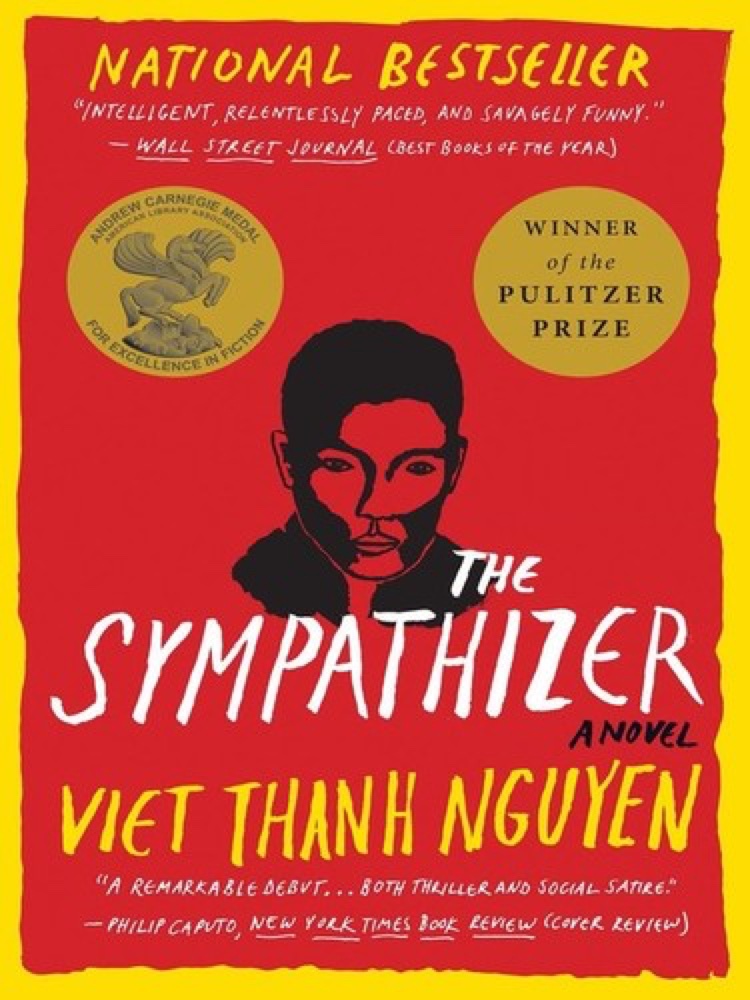 The Sympathizer
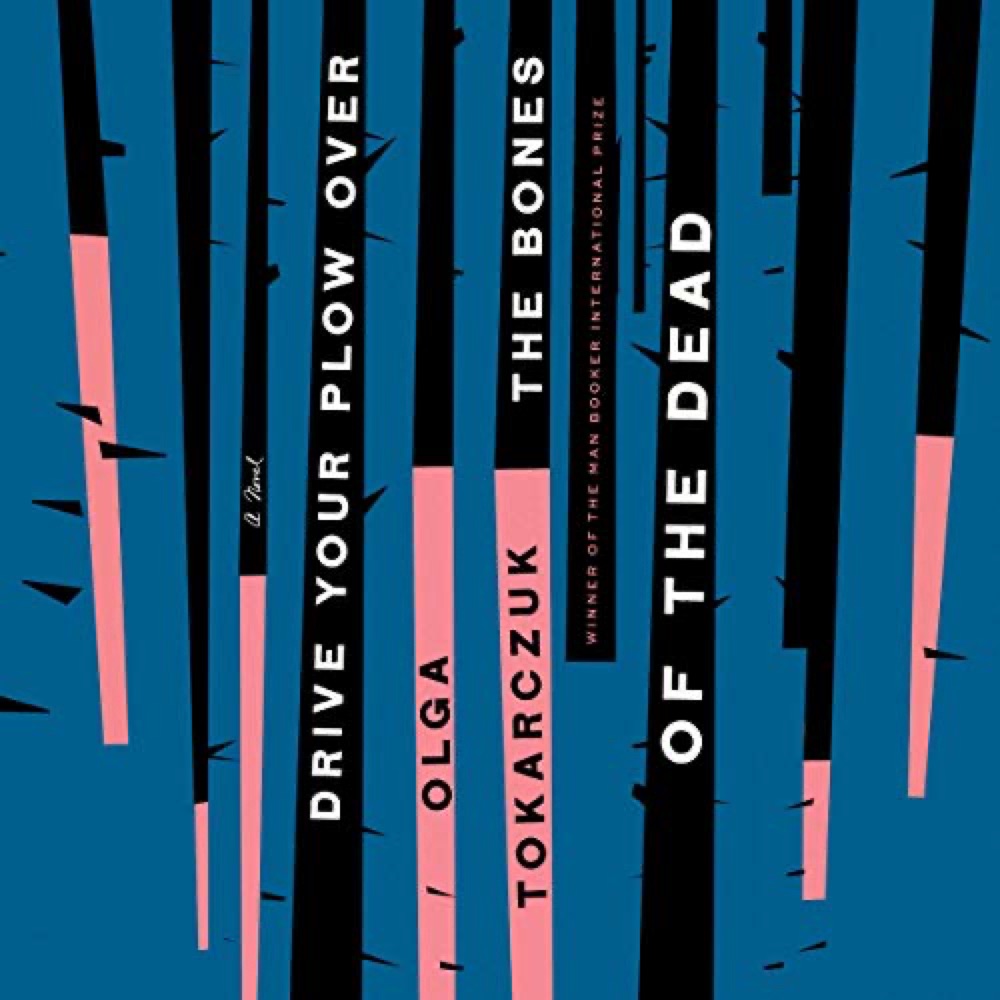 Drive Your Plow Over the Bones of the Dead
 When They Call You a Terrorist: A Black Lives Matter Memoir
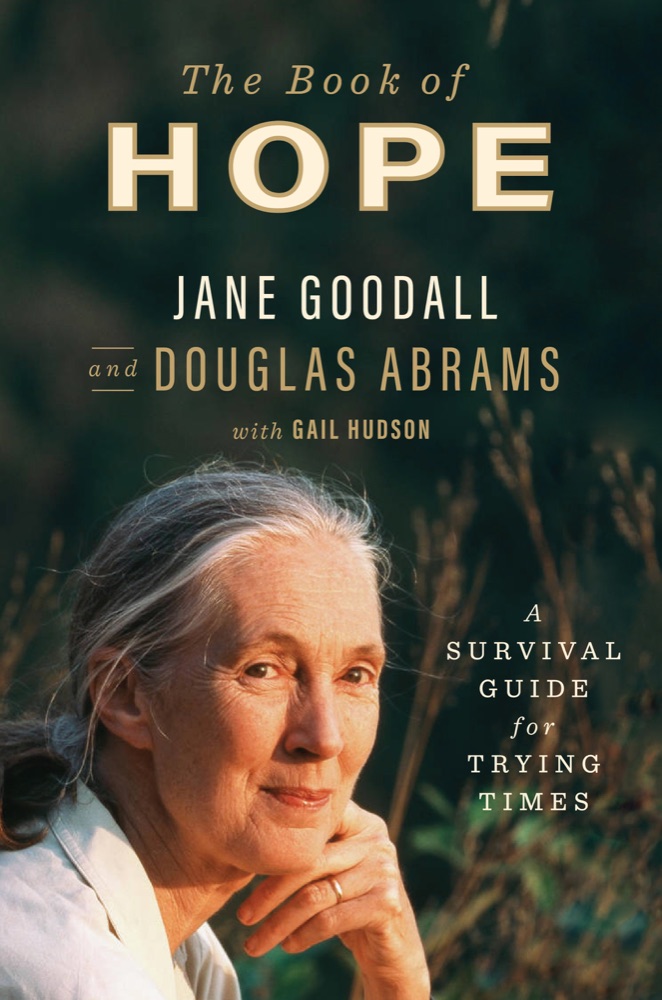 The Book of Hope: A Survival Guide for Trying Times
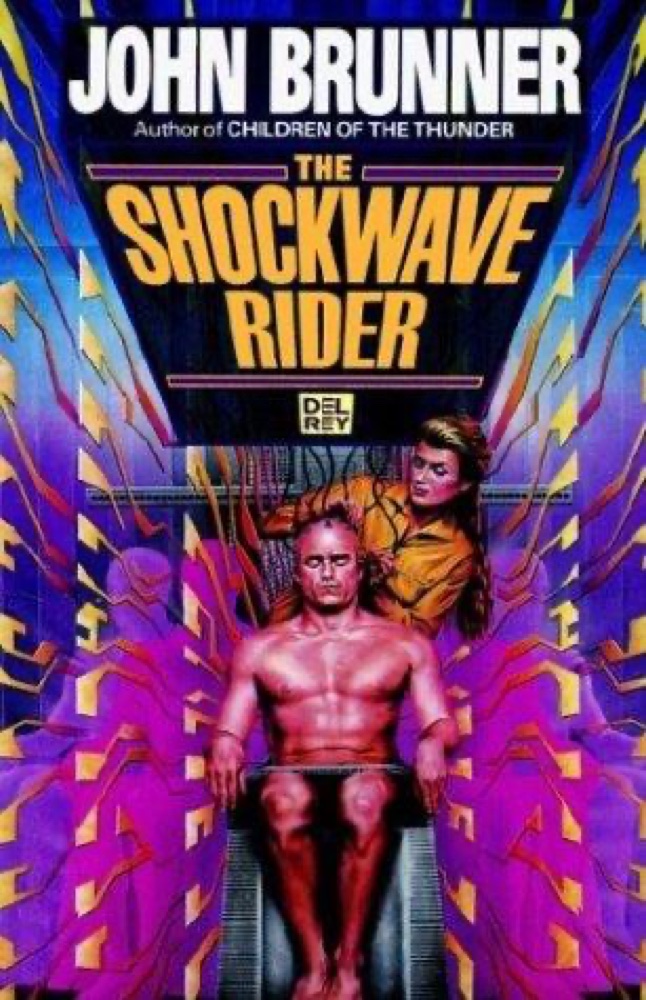 The Shockwave Rider
 On the Other Side of Freedom: The Case for Hope
 How Beautiful We Were
 Sandworms of Dune
 Regarding the Pain of Others
 Elderhood: Redefining Aging, Transforming Medicine, Reimagining Life
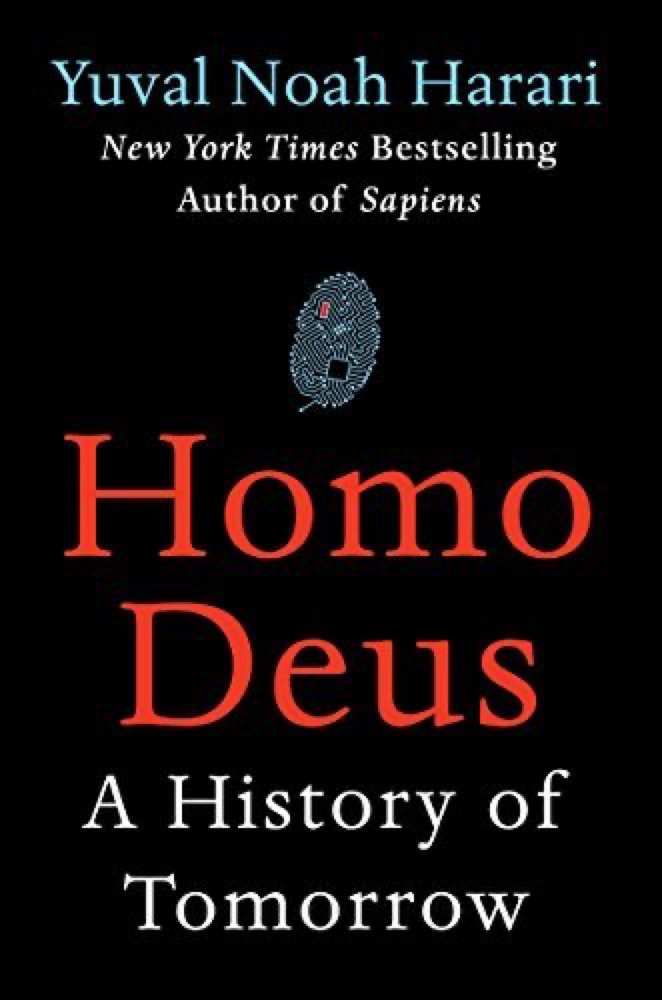 Homo Deus: A History of Tomorrow
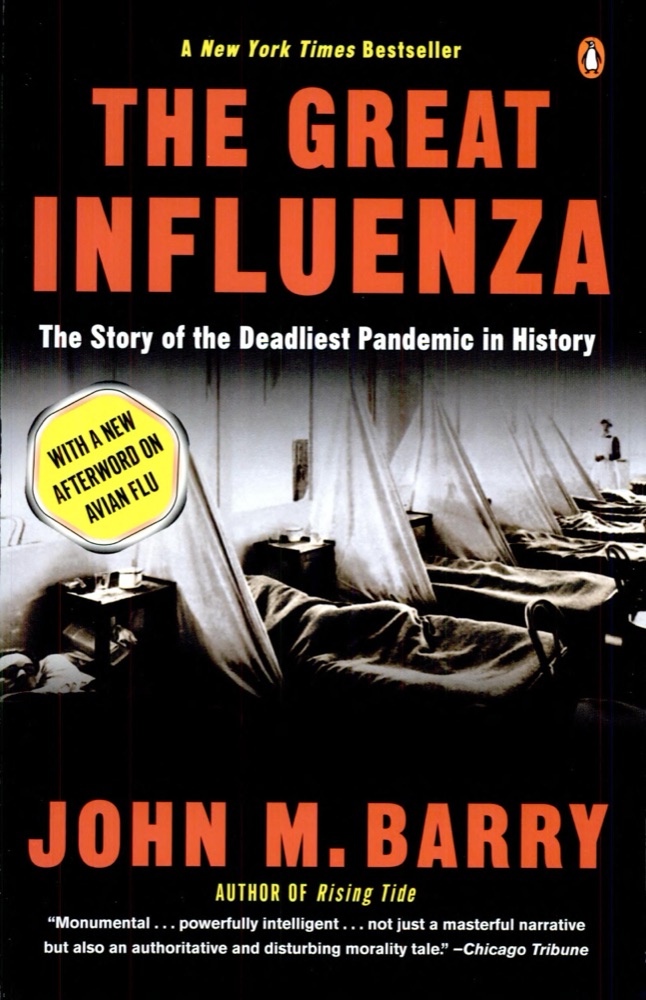 The Great Influenza: The Story of the Deadliest Pandemic in History
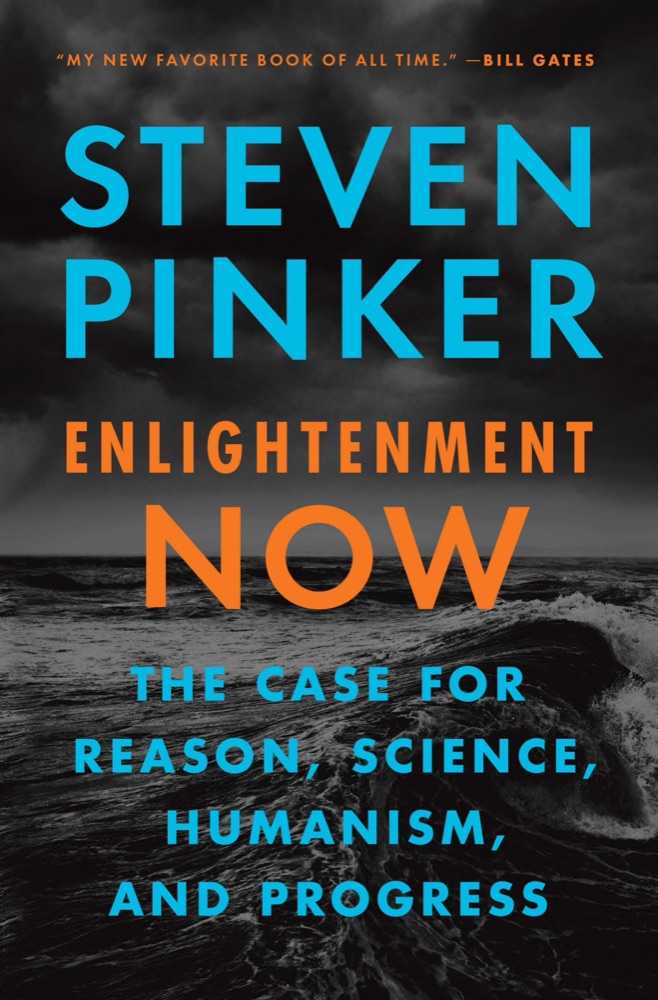 Enlightenment Now: The Case for Reason, Science, Humanism, and Progress
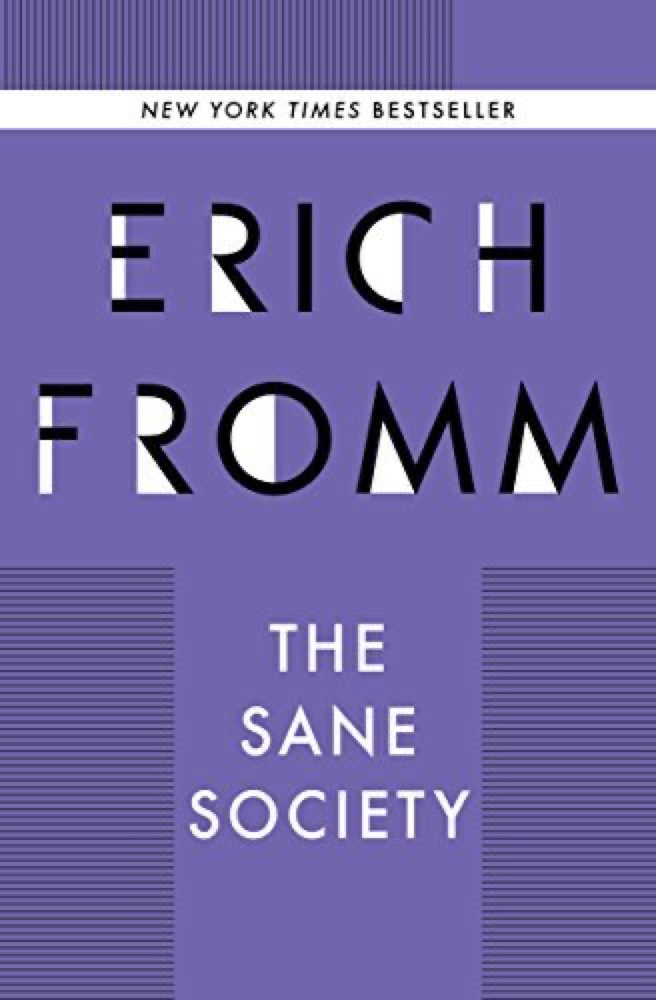 The Sane Society
 Between the World and Me
 Mortality
 Worm
Worm
 Opinions: A Decade of Arguments, Criticism, and Minding Other People’s Business
 Scythe