
 A Hunter-Gatherer's Guide to the 21st Century: Evolution and the Challenges of Modern Life
Quotes from the Book
The inconsistencies that haunt our relationships with animals also result from the quirks of human cognition. We like to think of ourselves as the rational species. But research in cognitive psychology and behavioral economics shows that our thinking and behavior are often completely illogical. In one study, for example, groups of people were independently asked how much they would give to prevent waterfowl from being killed in polluted oil ponds. On average, the subjects said they would pay $80 to save 2,000 birds, $78 to save 20,000 birds, and $88 to save 200,000 birds. Sometimes animals act more logically than people do; a recent study found that when picking a new home, the decisions of ant colonies were more rational than those of human house-hunters. What is it about human psychology that makes it so difficult for us to think consistently about animals? The paradoxes that plague our interactions with other species are due to the fact that much of our thinking is a mire of instinct, learning, language, culture, intuition, and our reliance on mental shortcuts.
30
Psycholinguists argue about whether language reflects our perception of reality or helps create them. I am in the latter camp. Take the names we give the animals we eat. The Patagonian toothfish is a prehistoric-looking creature with teeth like needles and bulging yellowish eyes that lives in deep waters off the coast of South America. It did not catch on with sophisticated foodies until an enterprising Los Angeles importer renamed it the considerably more palatable "Chilean sea bass.
15
Scientists have reported that elephants grieve their dead, monkeys perceive injustice and cockatoos like to dance to the music of the Backstreet Boys.
7
The researchers found that nearly every change they made was followed by a temporary uptick in performance, even when it involved simply undoing a previous change. They concluded that the increases in worker productivity were not due to better lighting or better pay or longer breaks per se. They were just temporary improvements caused by a change in routine.
4
The fact that you can only do a little is no excuse for doing nothing.
3
What the new science of anthrozoology reveals is that our attitudes, behaviors, and relationships with the animals in our lives- the ones we love, the ones we hate, and the ones we eat- are, likewise, more complicated than we thought.
3
We middles see the world in shades of grey rather than in the clear blacks and whites of committed animal activists and their equally vociferous opponents
3
Rather, I want to encourage you to think more deeply about the psychological and moral implications of some of our most important relationships, the connections we have with the nonhuman creatures in our lives.
Did being associated with Gwendu increase Antoine’s sexual chemistry? Mais oui! While about 10% of the women gave him their phone numbers when he was by himself, nearly 30% of them fell for Antoine’s line when he was accompanied by le chien.
For some researchers and animal protection organisations, the connection between animal cruelty and human violence has become a moral crusade pursued with missionary zeal. Some researchers, however, have come to question simplistic Link thinking. They worry that Link advocates and the media are perpetuating an irrational moral panic among the public. Link skeptics don't argue that we should ignore animal abuse. Rather, they believe that we should treat animal abuse as a serious problem in its own right, not because it turns children into adult psychopaths.
It is that in nearly every human psychological characteristic, men and women overlap. This means that in most cases the differences within the sexes are bigger than the differences between the sexes.
On the one hand X is true, but on the other hand, Y is true," Harry S. Truman is reported to have muttered in frustration, "Get me a one-armed economist!
Watch on YouTube
About Hal Herzog
We have collected 12 quotes from 1 book by Hal Herzog on BookQuoters.
More about the author →About the book
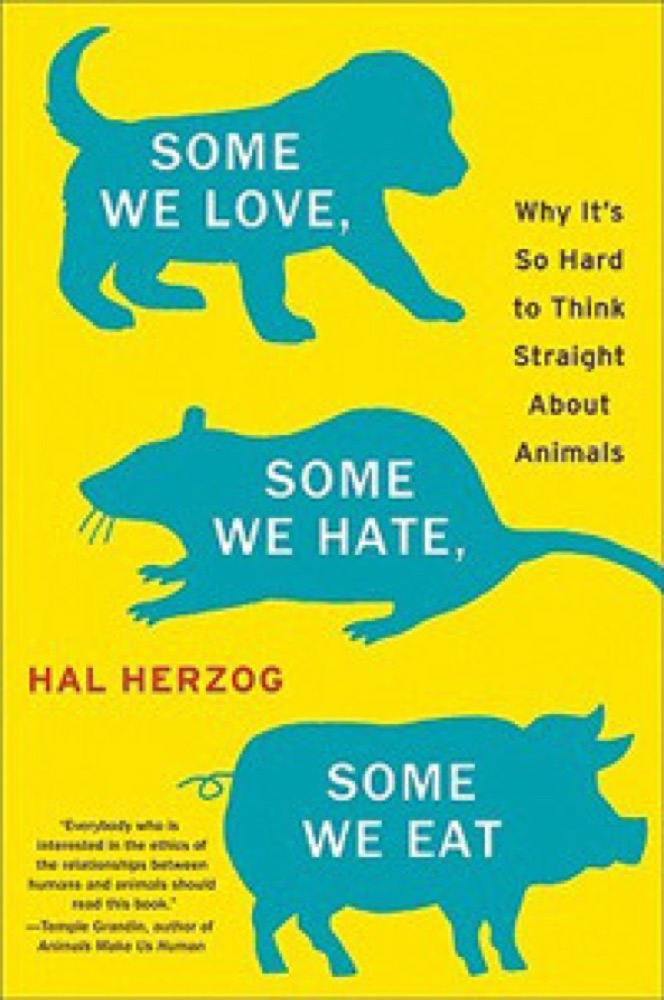
Combining the intellect of Malcolm Gladwell with the irreverent humor of Mary Roach and the paradigm-shifting analysis of Jared Diamond, a leading social scientist offers an unprecedented look inside our complex and often paradoxical relationships with animals.
Does living with a pet really make people happier and healthier? What can we learn from biomedical research with mice? Who enjoyed a better quality of life—the chicken on a dinner plate or the rooster who died in a Saturday-night cockfight? Why is it wrong to eat the family dog? Drawing on more than two decades of research in the emerging field of anthrozoology, the science of human–animal relations, Hal Herzog offers surprising answers to these and other questions related to the moral conundrums we face day in and day out regarding the creatures with whom we share our world.
Some We Love, Some We Hate, Some We Eat is a high
Book details
- First published
- 2010
- Author
- Hal Herzog
- Genre
- Nonfiction
- Goodreads rating
- 3.87 (5k ratings)
Keep reading
A Hunter-Gatherer's Guide to the 21st Century: Evolution and the Challenges of Modern Life
 Beyond Words: What Animals Think and Feel
 Are We Smart Enough to Know How Smart Animals Are?
 Animals Make Us Human: Creating the Best Life for Animals
 Mama's Last Hug: Animal Emotions and What They Tell Us about Ourselves
 Inside of a Dog: What Dogs See, Smell, and Know
 The Moral Animal: Why We Are the Way We Are - The New Science of Evolutionary Psychology
 The Blank Slate: The Modern Denial of Human Nature
 Animal Liberation
 Our Inner Ape: A Leading Primatologist Explains Why We are Who We Are
 How the Mind Works
 Eating Animals
 Shadows of Forgotten Ancestors
 Behave: The Biology of Humans at Our Best and Worst
 When Elephants Weep: The Emotional Lives of Animals
 Why We Love Dogs, Eat Pigs, and Wear Cows
 Dragons of Eden: Speculations on the Evolution of Human Intelligence
 Psych: The Story of the Human Mind
 A Language Older Than Words
 Animal: The Autobiography of a Female Body
 Humankind: A Hopeful History
 The World Peace Diet
 The Zookeeper's Wife
 Martin Marten
 This is Vegan Propaganda
 The Genius of Birds
 How We Decide
 The Elephant in the Brain: Hidden Motives in Everyday Life
 Good Reasons for Bad Feelings: Insights from the Frontier of Evolutionary Psychiatry
 Sapiens: A Brief History of Humankind
 Holy Cow
 The Social Animal: The Hidden Sources of Love, Character, and Achievement
 Sex at Dawn: The Prehistoric Origins of Modern Sexuality
 Merle's Door: Lessons from a Freethinking Dog
 Wesley the Owl: The Remarkable Love Story of an Owl and His Girl
 The Moral Landscape: How Science Can Determine Human Values
 The Log from the Sea of Cortez
 Undeniable: Evolution and the Science of Creation
 The Black Swan: The Impact of the Highly Improbable
 Social: Why Our Brains Are Wired to Connect
 Why Fish Don’t Exist: A Story of Loss, Love, and the Hidden Order of Life
 The Philosopher and the Wolf
 The Righteous Mind: Why Good People Are Divided by Politics and Religion
 What the Dog Saw and Other Adventures
 Civilized to Death: What Was Lost on the Way to Modernity
 The Omnivore's Dilemma: A Natural History of Four Meals
 In The Blood
 The Age of Magical Overthinking: Notes on Modern Irrationality
 Alchemy: The Surprising Power of Ideas That Don't Make Sense
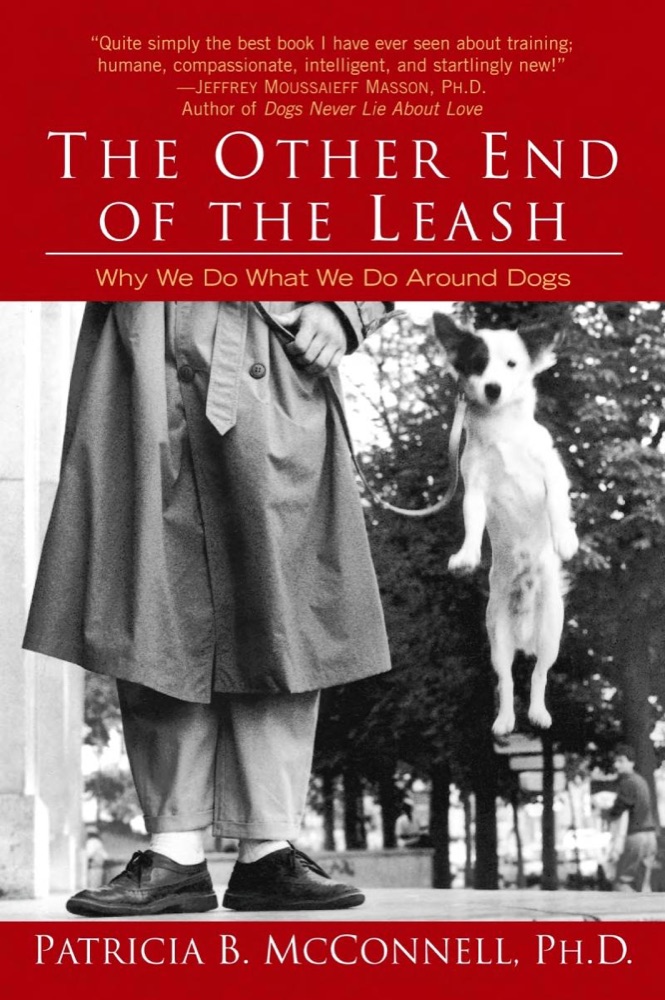 The Other End of the Leash: Why We Do What We Do Around Dogs
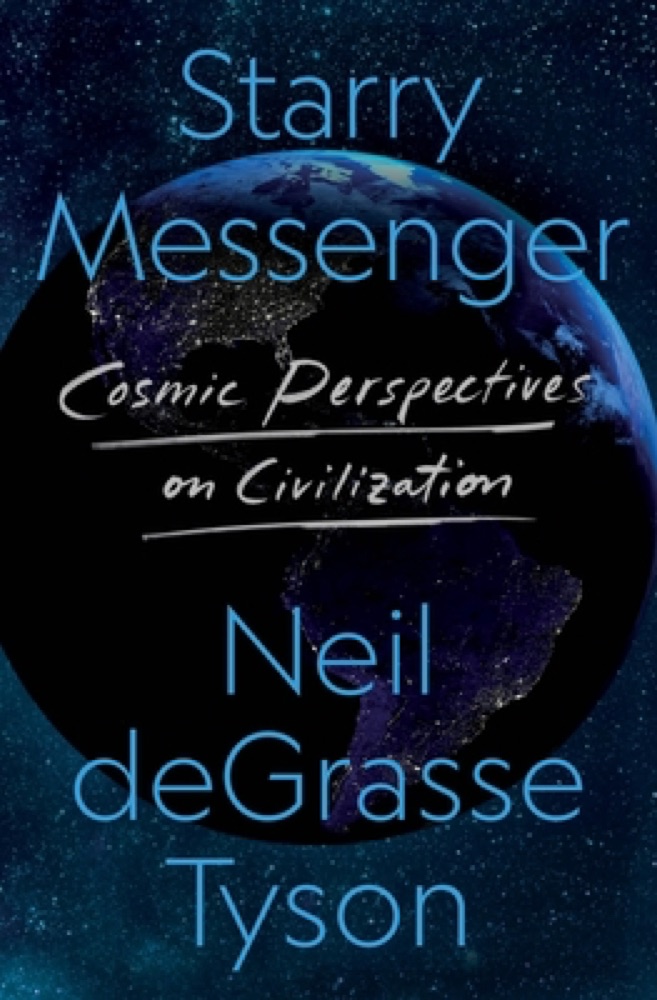 Starry Messenger: Cosmic Perspectives on Civilization
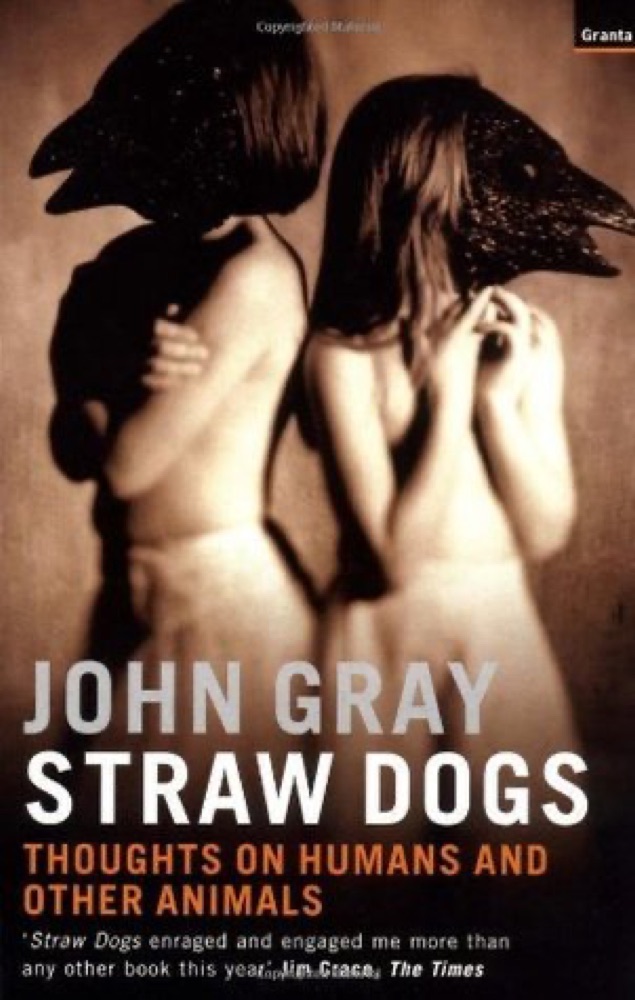 Straw Dogs: Thoughts on Humans and Other Animals
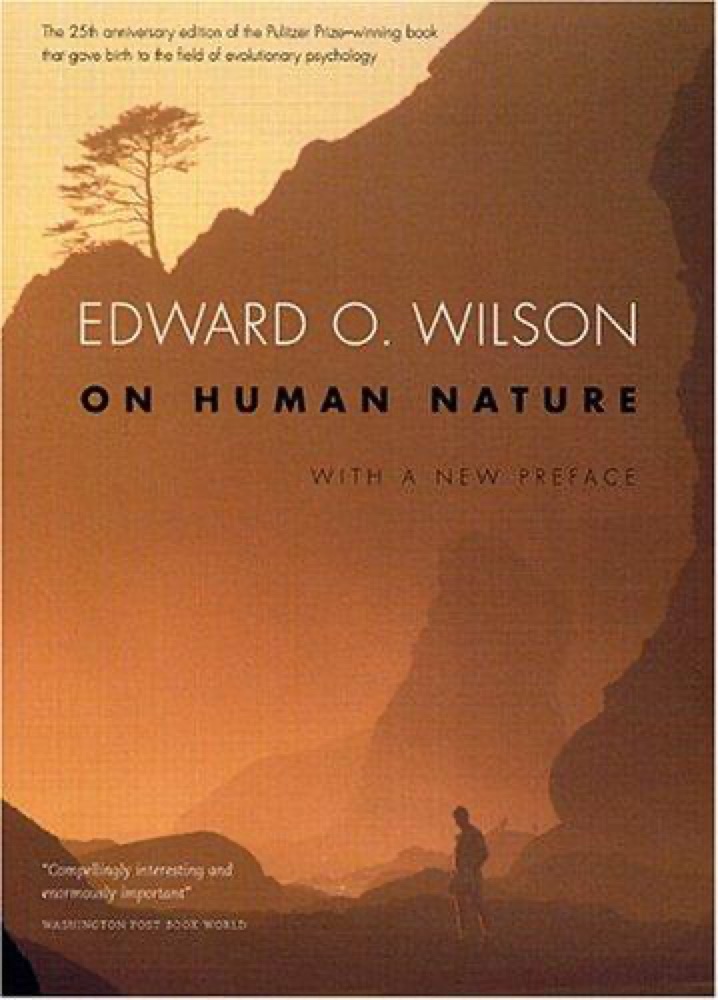 On Human Nature
 The Red Queen: Sex and the Evolution of Human Nature
 Homo Deus: A History of Tomorrow
 Mistakes Were Made (But Not by Me): Why We Justify Foolish Beliefs, Bad Decisions, and Hurtful Acts
 Echopraxia
 The Undoing Project: A Friendship That Changed Our Minds
 Endgame, Vol. 1: The Problem of Civilization
 Think Like a Freak