
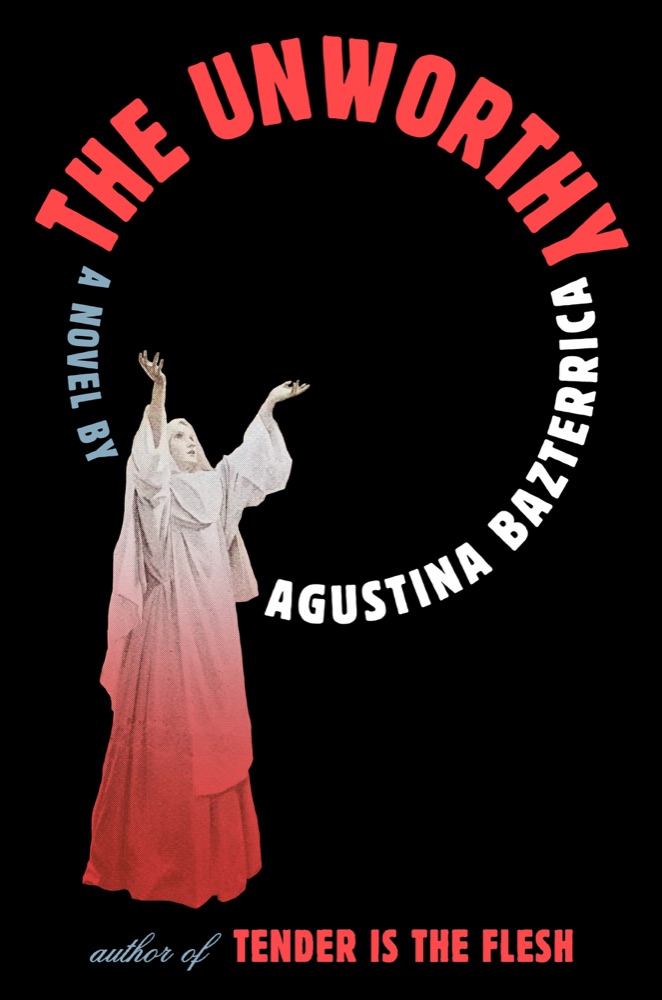
 The Unworthy
Quotes from the Book
The human being is the cause of all evil in this world. We are our own virus.
178
She had the human look of a domesticated animal.
163
Because hatred gives one strength to go on; it maintains the fragile structure, it weaves the threads together so that emptiness doesn’t take over everything.
146
He tried to hate all of humanity for being so fragile and ephemeral but he couldn't keep it up because hating everyone is the same as hating no one.
106
I don't get why a person's smile is considered attractive. When someone smiles, they're showing their skeleton.
103
After all, since the world began, we’ve been eating each other. If not symbolically, then we’ve been literally gorging on each other. The Transition has enabled us to be less hypocritical.
91
Naming children after their parents is stripping them of an identity, reminding them who they belong to.
89
Everyone says that he fell because he flew too close to the sun,” his father said, “but he flew, do you see what I mean, Son? He was able to fly. It doesn’t matter if you fall, if you were a bird for even just a few seconds.
87
He tried to hate God but he doesn’t believe in God. He tried to hate all of humanity for being so fragile and ephemeral but he couldn’t keep it up because hating everyone is the same as hating no one.
75
there are words that cover up the world.
55
which god should she pray to if her god lets things like this happen.
47
know that when I die somebody’s going to sell my flesh on the black market, one of my awful distant relatives. That’s why I smoke and drink, so I taste bitter and no one gets any pleasure out of my death.” She takes a quick drag and says, “Today I’m the butcher, tomorrow I might be the cattle.
44
His father is a person of integrity, that’s why he went crazy.
43
No one can call them humans because that would mean giving them an identity. They call them product, or meat, or food. Except for him; he would prefer not to have to call them by any name.
38
Does this pose a moral dilemma for you? Do you find it atrocious?” he asks. “Not at all. The human being is complex and I find the vile acts, contradictions, and sublimities characteristic of our condition astonishing. Our existence would be an exasperating shade of gray if we were all flawless.
33
We are the worst kind of vermin, destroying our planet, starving our fellow man.
32
No one can be sure of anything. Let them eat me, I’ll give them horrible indigestion.
27
There is something about her he'd like to break
23
Don’t be an idiot. Can’t you see they’re controlling us? If we eat each other, they control overpopulation, poverty, crime. Do you want me to keep going? I mean, it’s obvious.
22
How many head do they have to kill each month so he can pay for his father’s nursing home? How many humans do they have to slaughter for him to forget how he laid Leo down in his cot, tucked him in, sang him a lullaby, and the next day saw he had died in his sleep? How many hearts need to be stored in boxes for the pain to be transformed into something else? But the pain, he intuits, is the only thing that keeps him breathing. Without the sadness, he has nothing left.
22
His brain warns him that there are words that cover up the world. There are words that are convenient, hygienic. Legal.
18
[...] she screams as if the world didn't exist, she screams as if words had split in two and lost all meaning, she screams as if beneath this hell there was another hell, one from which she didn't want to escape.
16
The human being is complex and I find the vile acts, contradictions, and sublimities characteristic of our condition astonishing. Our existence would be an exasperating shade of gray if we were all flawless.
16
Today I’m the butcher, tomorrow I might be the cattle
15
How many hearts need to be stored in boxes for the pain to be transformed into something else? But the pain, he intuits, is the only thing that keeps him breathing. Without the sadness, he has nothing left.
15
He felt that a slaughterhouse should go unnoticed and blend in with the landscape, that it should never be called what it really is.
14
Did you know?
- The novel was originally published in Spanish in 2017 under the title Cadaver exquisito (Exquisite Corpse).
- It was translated into English by Sarah Moses and published by Scribner in 2020.
- It won Argentina's Premio Clarin de Novela in 2017.
- In the story's world, animal meat became toxic to humans after an event referred to as the Transition.
- The book became an international bestseller and a widely discussed work of literary horror in translation.
About Agustina Bazterrica
Agustina Bazterrica is an Argentine novelist and short-story writer born in Buenos Aires. She won the Premio Clarin de Novela in 2017 for Cadaver exquisito (Tender Is the Flesh), which became an international bestseller.
More about the author →More by Agustina Bazterrica
The Unworthy
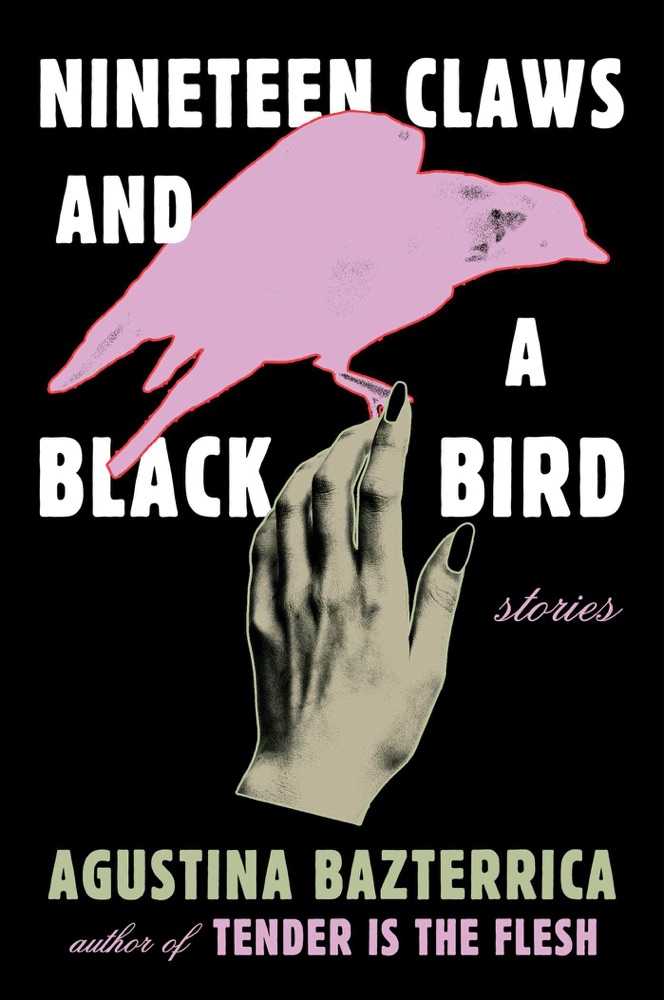 Nineteen Claws and a Black Bird
About the book
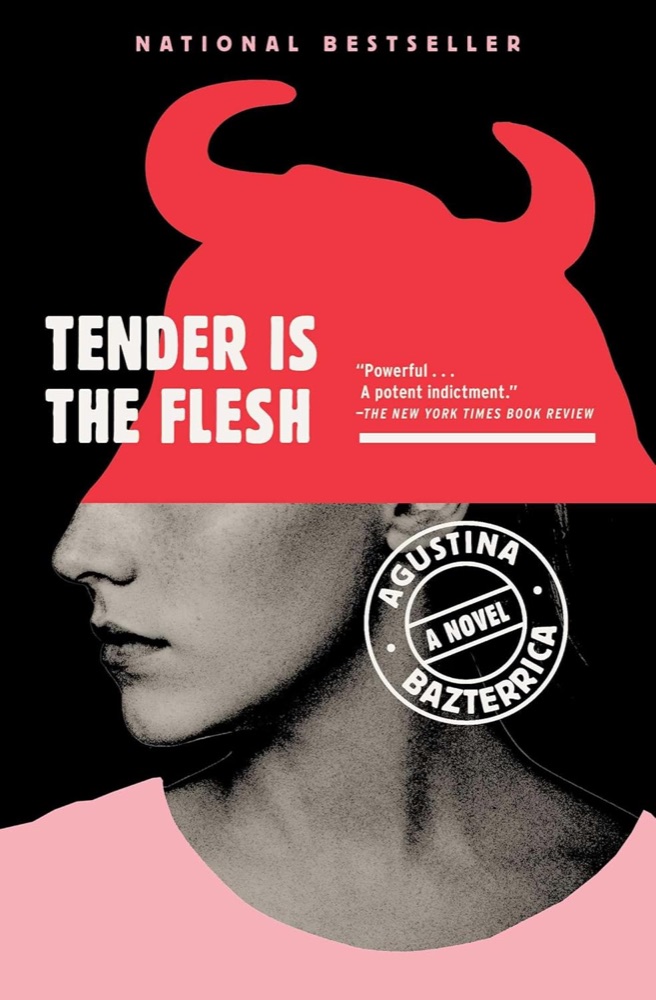
Tender Is the Flesh is a dystopian horror novel by Argentine writer Agustina Bazterrica, first published in Spanish in 2017 as Cadaver exquisito and translated into English by Sarah Moses in 2020. It is set in a near-future society where a virus has rendered all animal meat poisonous to humans, and where, rather than abandon the meat industry, governments have legalized, industrialized, and normalized the breeding and slaughter of human beings for food. The story follows Marcos, a man who works at a processing plant for human meat and who, while grieving personal losses and caring for an ailing father, is given a live female specimen of premium quality that he keeps in his barn.
At its core the novel is an unflinching allegory about capitalism, consumption, and the machinery of dehumanization. By rendering the language and logistics of the meat industry in clinical, euphemistic terms applied to people, Bazterrica forces readers to confront how easily atrocity can be reframed as routine commerce. Its themes encompass complicity and moral numbing, grief, the commodification of bodies, and the thin line a society draws between what it considers human and what it considers livestock.
The book won Argentina's Premio Clarin de Novela in 2017 and became an international bestseller, drawing wide critical attention for its provocative premise and spare, disturbing prose. Critics have read it as a pointed commentary on factory farming, on the exploitative logic of capitalism, and on the fragility of humanist notions of identity, and the novel has been frequently cited as a standout of contemporary literary horror in translation.
Key characters
- MarcosA worker at a human-meat processing plant who is conflicted about his job
- JasmineA female human specimen of premium quality given to Marcos
- CeciliaMarcos's estranged wife, a nurse
- Don ArmandoMarcos's father, who has dementia
- MarisaMarcos's status-conscious sister
Book details
- First published
- 2017
- Length
- 211 pages
- Reading time
- 3 hours
- Author
- Agustina Bazterrica
- Genre
- Horror
- Goodreads rating
- 3.77 (448k ratings)
Critical reception
- The novel won Argentina's Premio Clarin de Novela in 2017.
- Critic Daniel Kraus praised it as powerful for exposing the monstrosities and desires within the hierarchical structure of capitalism.
- Reviewer Justine Jordan described the book as vampiric, provocative, and sorrowful.
- Scholars have analyzed it as a commentary on capitalist exploitation and on humanist conceptions of identity.
Keep reading
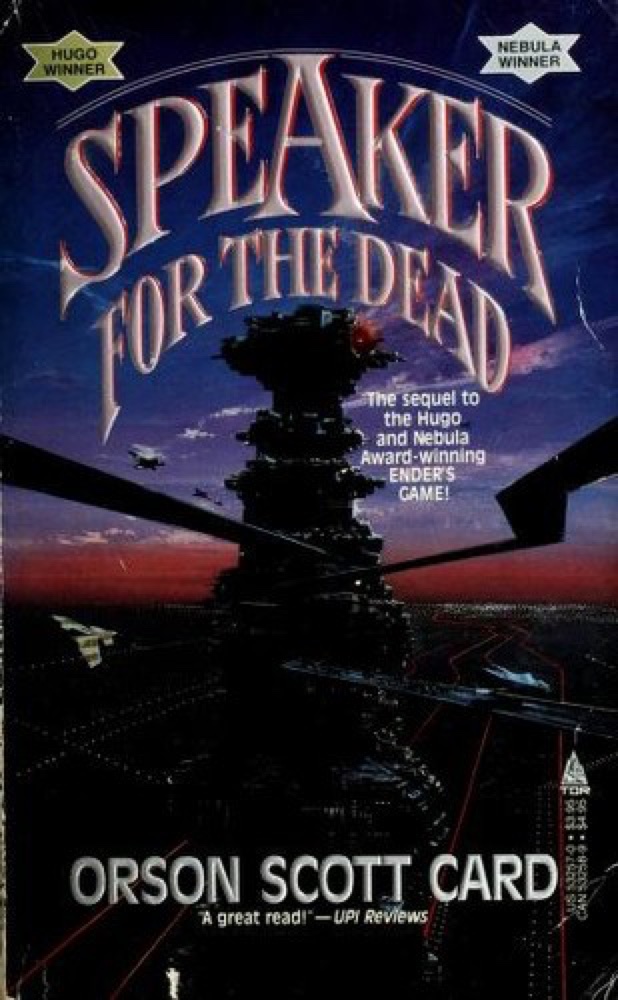 Speaker for the Dead
 The Snowman
 The Burning World
 Do Androids Dream of Electric Sheep?
 Disgrace
 Black Leopard, Red Wolf
 The Man in the High Castle
 The Human Stain
 Scythe
 Mother Night
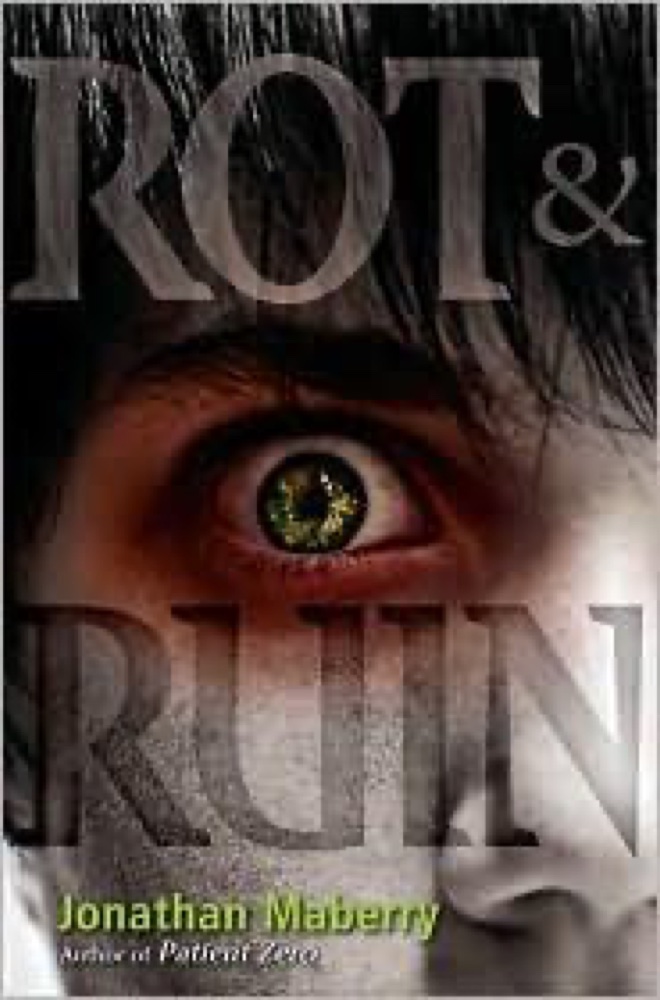 Rot & Ruin
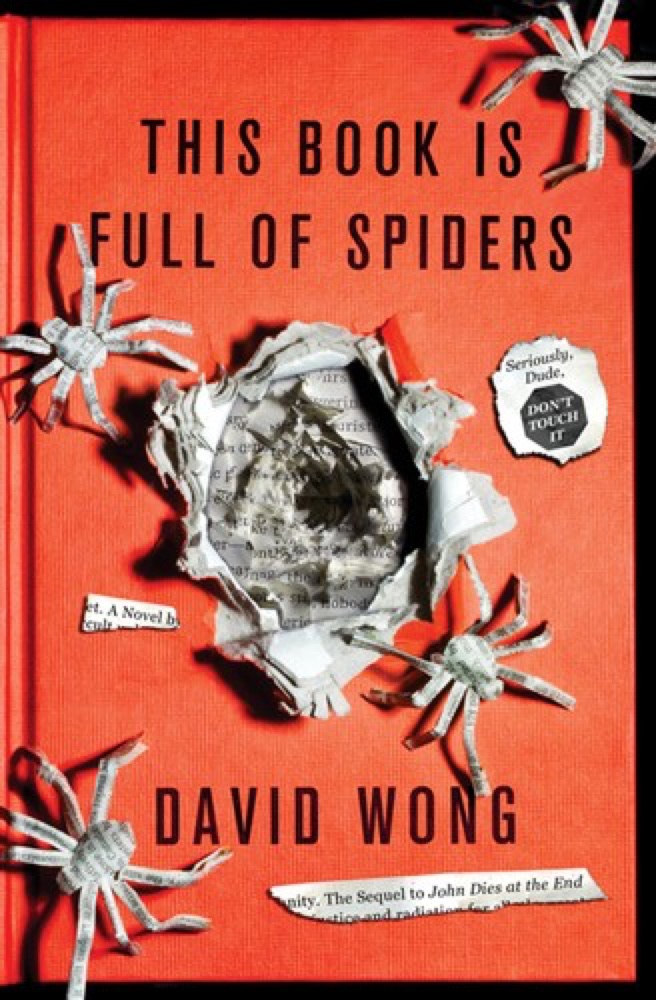 This Book Is Full of Spiders
 The Fifth Season
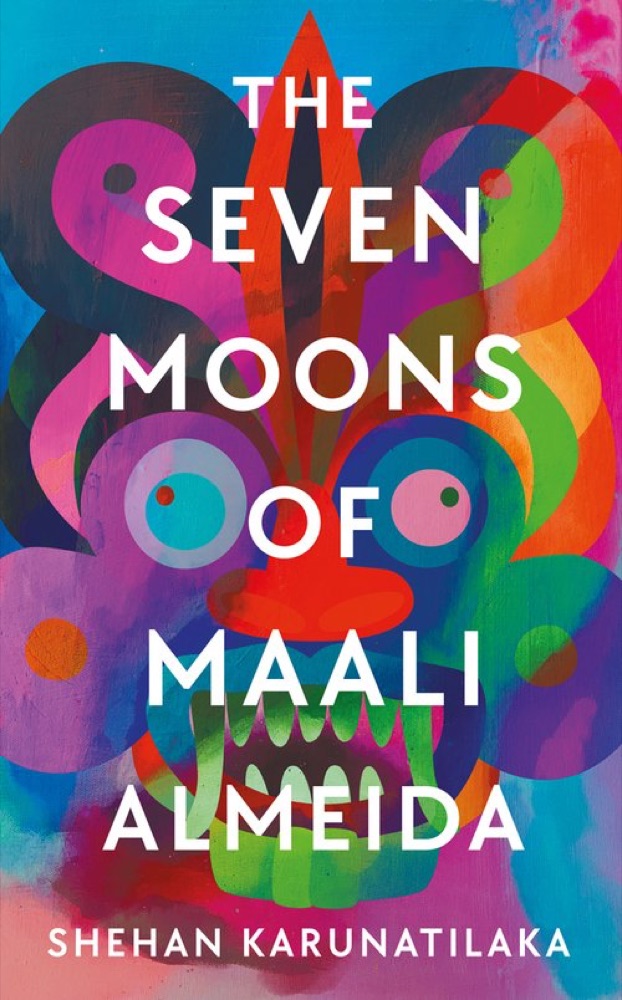 The Seven Moons of Maali Almeida
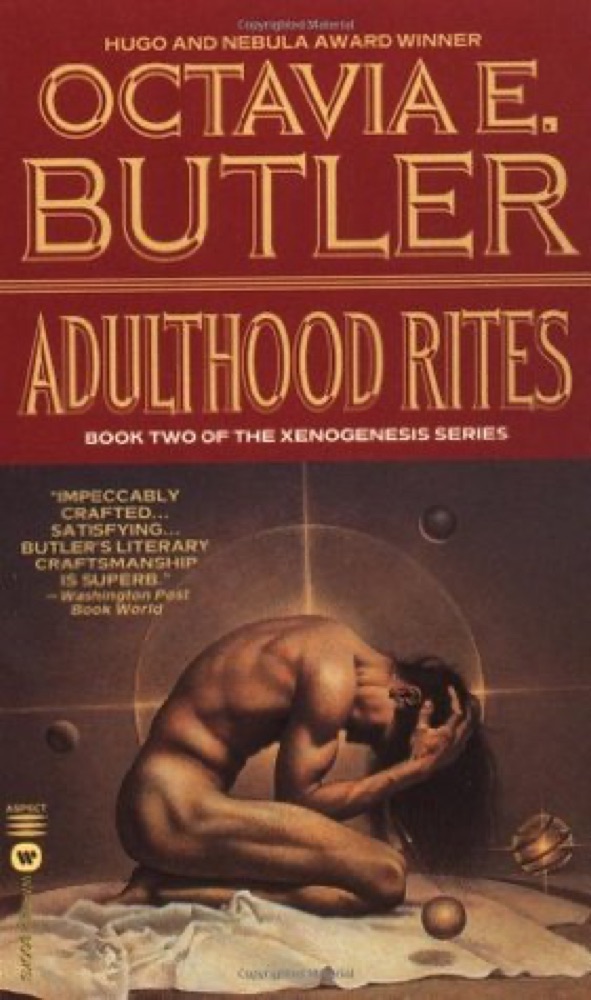 Adulthood Rites
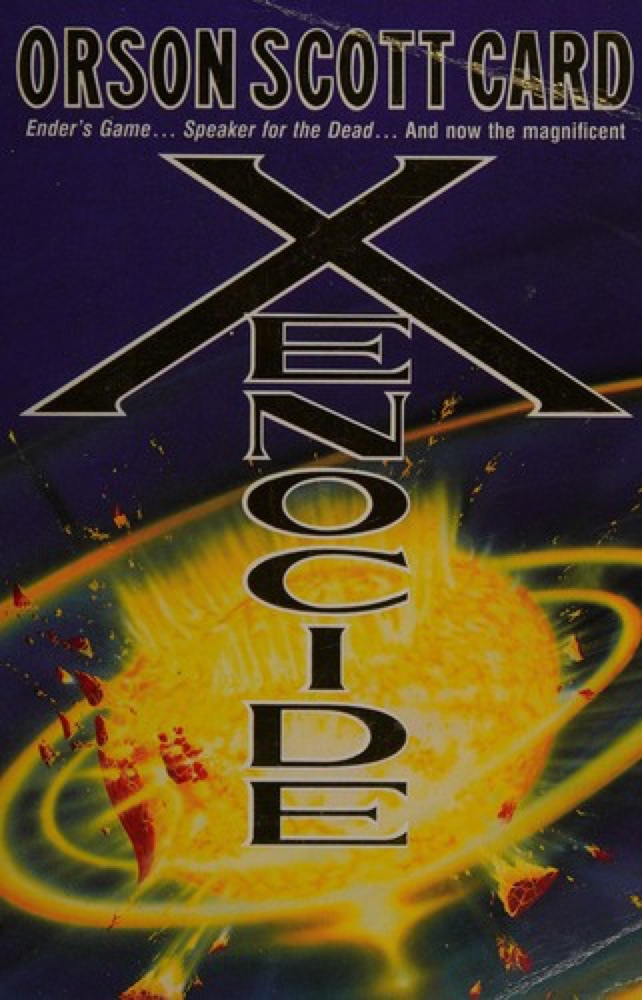 Xenocide
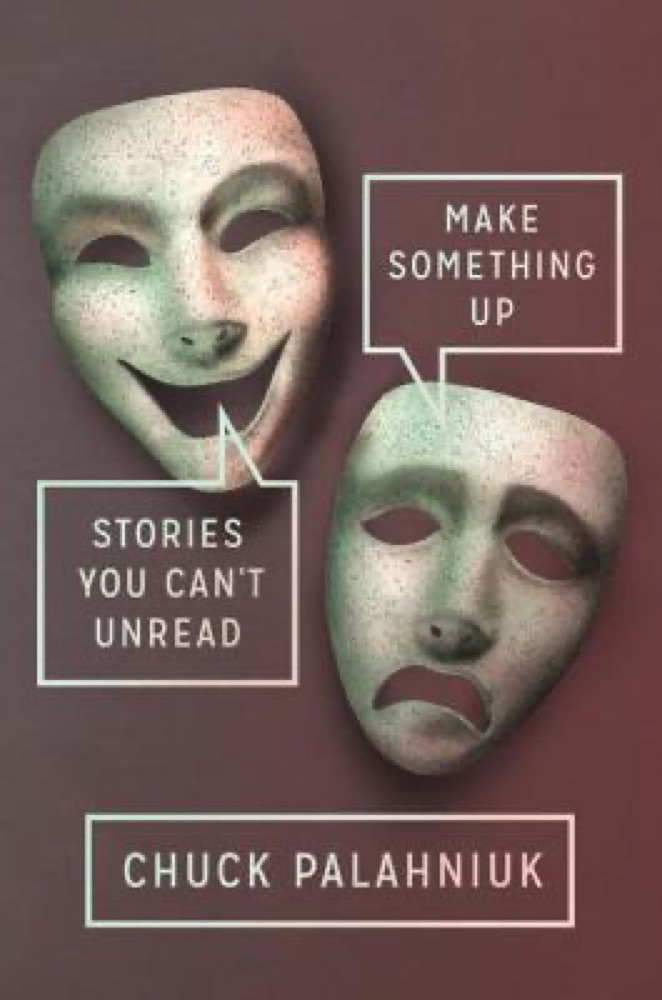 Make Something Up: Stories You Can't Unread
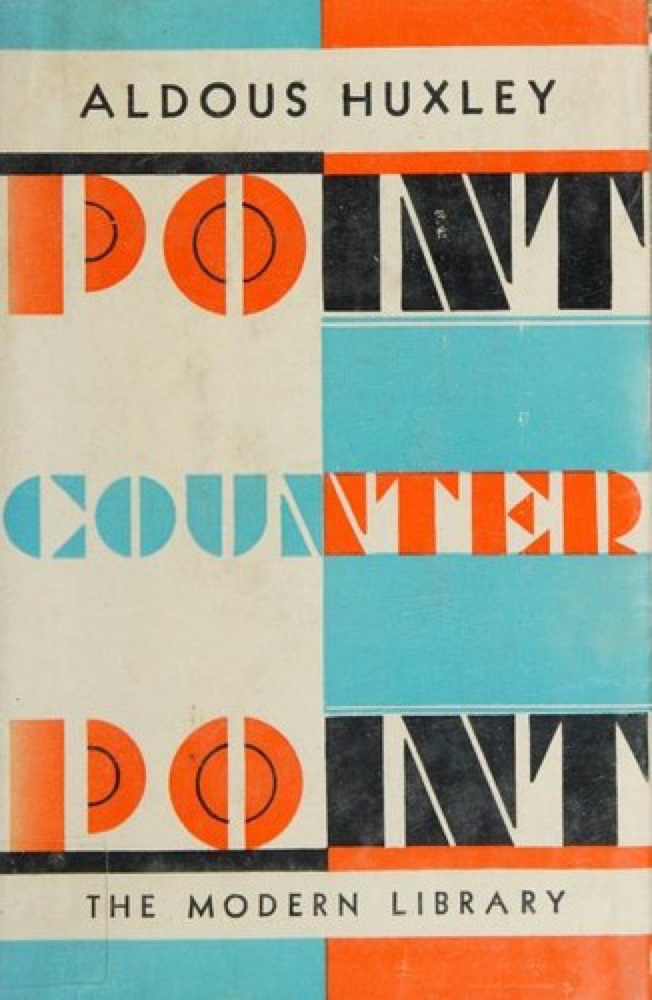 Point Counter Point
 Surfacing
 The Hangman's Replacement: Sprout of Disruption
 Oryx and Crake
 The Fireman
 Dead Astronauts
 The Broken Eye
 Birds Without Wings
 Tree of Smoke
 The Lord of Opium
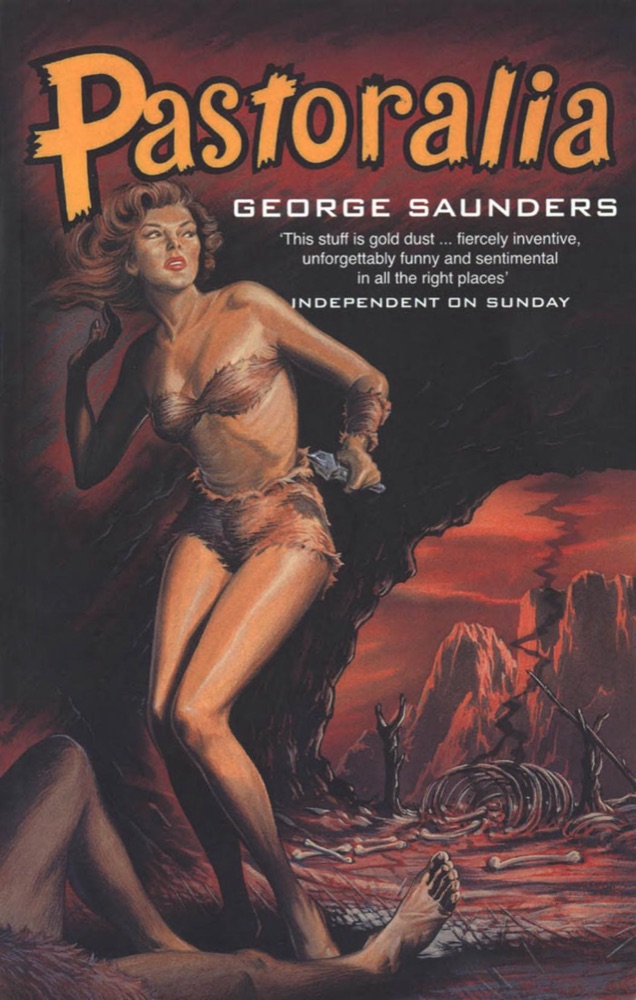 Pastoralia
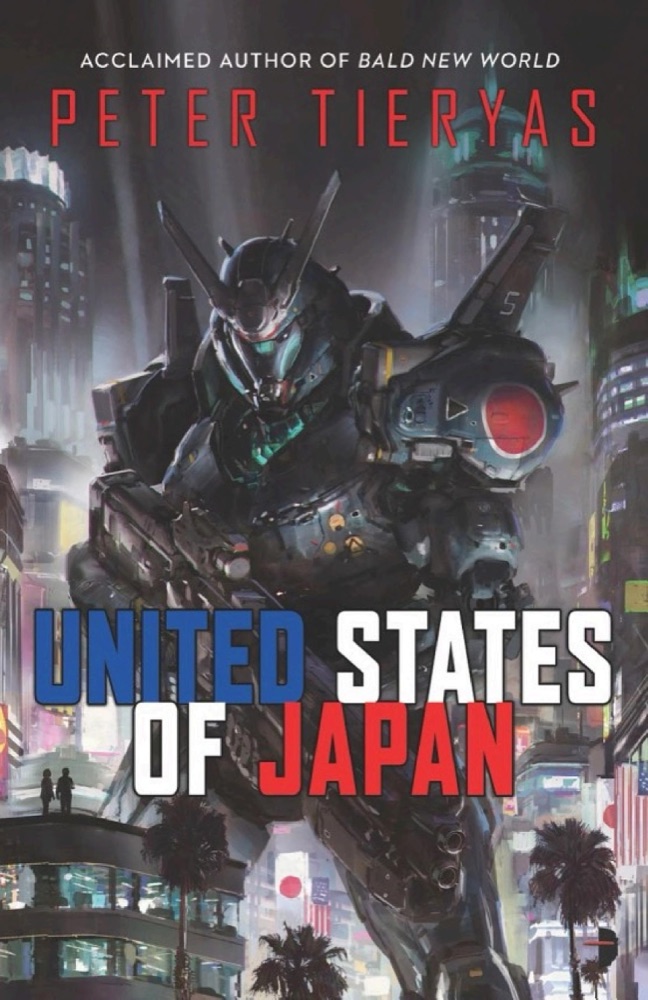 United States of Japan
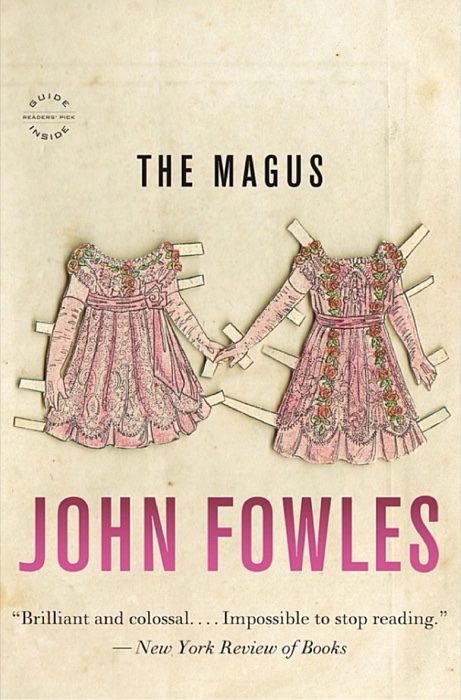 The Magus
 Beta
Beta
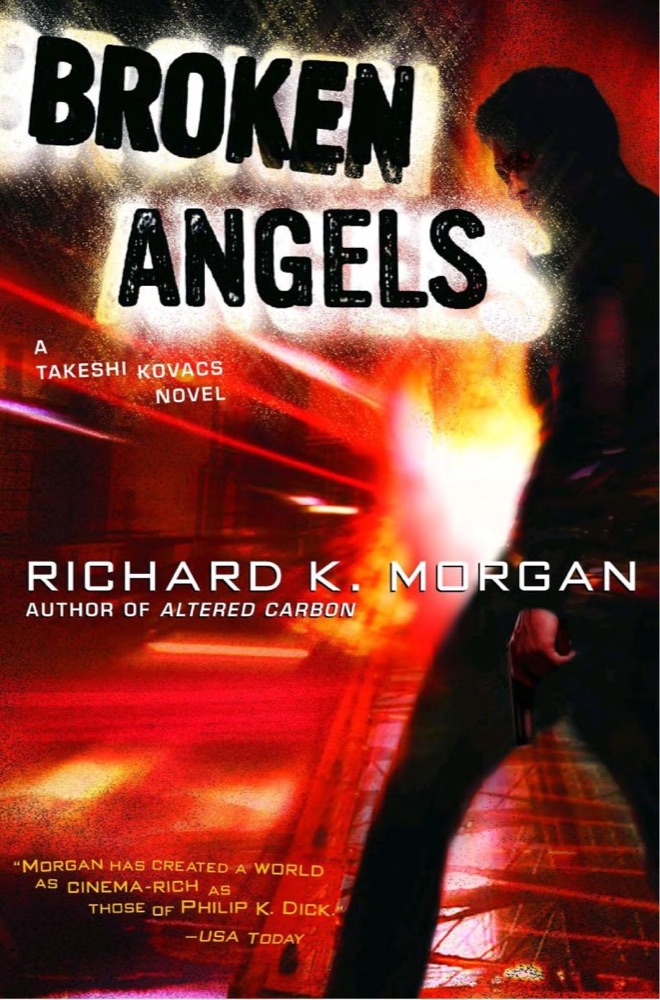 Broken Angels
 The Hearing Trumpet
 The Tale of the Body Thief
 The Bonehunters
 The Naked and the Dead
 Holy Cow
 More Than Human
 The Spirit Bares Its Teeth
 The Setting Sun
 The Empusium
 Good Bones and Simple Murders
 No Longer Human
 The Left Hand of God
 The Gone-Away World
 The New Hunger
 Drive Your Plow Over the Bones of the Dead
 The Long Way to a Small, Angry Planet
 Shadow of the Hegemon
 The Emperor of Gladness
 UnDivided
 The Idiot
 The Last Werewolf
 Piercing: A Novel
 Life and Fate
 False Memory
 Running with the Demon
 White Teeth
 I Hunt Killers
 The Infernals