
 Are We Smart Enough to Know How Smart Animals Are?
Quotes from the Book
So, don’t believe anyone who says that since nature is based on a struggle for life, we need to live like this as well. Many animals survive not by eliminating each other or keeping everything for themselves, but by cooperating and sharing. This applies most definitely to pack hunters, such as wolves or killer whales, but also to our closest relatives, the primates.
Robin Hood had it right.Humanity's deepest wish is to spread the wealth.
Why should caring for others begin with the self? There is an abundance of rather vague ideas about this issue, which I am sure neuroscience will one day resolve. Let me offer my own “hand waving” explanation by saying that advanced empathy requires both mental mirroring and mental separation. The mirroring allows the sight of another person in a particular emotional state to induce a similar state in us. We literally feel their pain, loss, delight, disgust, etc., through so-called shared representations. Neuroimaging shows that our brains are similarly activated as those of people we identify with. This is an ancient mechanism: It is automatic, starts early in life, and probably characterizes all mammals. But we go beyond this, and this is where mental separation comes in. We parse our own state from the other’s. Otherwise, we would be like the toddler who cries when she hears another cry but fails to distinguish her own distress from the other’s. How could she care for the other if she can’t even tell where her feelings are coming from? In the words of psychologist Daniel Goleman, “Self-absorption kills empathy.” The child needs to disentangle herself from the other so as to pinpoint the actual source of her feelings.
We have a tendency to describe the human condition in lofty terms, such as a quest for freedom or striving for a virtuous life, but the life sciences hold a more mundane view: It’s all about security, social companionships, and a full belly. There is obvious tension between both views, which recalls that famous dinner conversation between a Russian literary critic and the writer Ivan Turgenev: 'We haven’t yet solved the problem of God,' the critic yelled, 'and you want to eat!
Denmark has incredibly low crime rates, and parents feel that what a child needs most is frisk luft, or fresh air. The
biology is usually called upon to justify a society based on selfish principles, but we should never forget that it has also produced the glue that holds communities together.
Watch on YouTube
About Frans de Waal
We have collected 75 quotes from 4 books by Frans de Waal on BookQuoters.
More about the author →More by Frans de Waal
Are We Smart Enough to Know How Smart Animals Are?
 Our Inner Ape: A Leading Primatologist Explains Why We are Who We Are
 Mama's Last Hug: Animal Emotions and What They Tell Us about Ourselves
Book details
- Author
- Frans de Waal
- Genre
- Philosophy
- Goodreads rating
- 4.00 (3k ratings) →
Keep reading
 Humankind: A Hopeful History
 The Social Conquest of Earth
 The Blank Slate: The Modern Denial of Human Nature
 Sapiens: A Brief History of Humankind
 Moral Tribes: Emotion, Reason, and the Gap Between Us and Them
 Endgame, Vol. 1: The Problem of Civilization
 A Hunter-Gatherer's Guide to the 21st Century: Evolution and the Challenges of Modern Life
 Social: Why Our Brains Are Wired to Connect
 Enlightenment Now: The Case for Reason, Science, Humanism, and Progress
 Shadows of Forgotten Ancestors
 The Moral Animal: Why We Are the Way We Are - The New Science of Evolutionary Psychology
 Tribe: On Homecoming and Belonging
 On Human Nature
Our Inner Ape: A Leading Primatologist Explains Why We are Who We Are
On Human Nature
Our Inner Ape: A Leading Primatologist Explains Why We are Who We Are
 The Social Animal: The Hidden Sources of Love, Character, and Achievement
 The Elephant in the Brain: Hidden Motives in Everyday Life
 Practical Ethics
 The One-Straw Revolution
Mama's Last Hug: Animal Emotions and What They Tell Us about Ourselves
The One-Straw Revolution
Mama's Last Hug: Animal Emotions and What They Tell Us about Ourselves
 Straw Dogs: Thoughts on Humans and Other Animals
 The Culture of Make Believe
 A Language Older Than Words
 The War for Kindness: Building Empathy in a Fractured World
 The Selfish Gene
 Dragons of Eden: Speculations on the Evolution of Human Intelligence
 Social Intelligence: The New Science of Human Relationships
 The Book of Hope: A Survival Guide for Trying Times
 The Fifth Science
 A Devil's Chaplain: Reflections on Hope, Lies, Science, and Love
 The World-Ending Fire: The Essential Wendell Berry
 Billions & Billions: Thoughts on Life and Death at the Brink of the Millennium
 The World Peace Diet
 Homo Deus: A History of Tomorrow
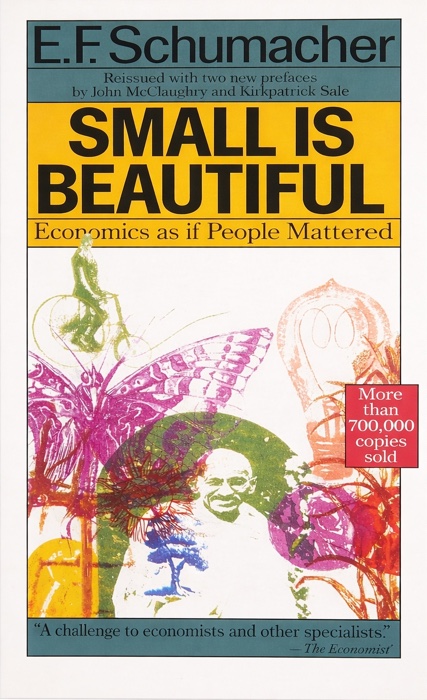 Small Is Beautiful: Economics as if People Mattered
 Laudato Si': On the Care of Our Common Home
 Devolution: A Firsthand Account of the Rainier Sasquatch Massacre
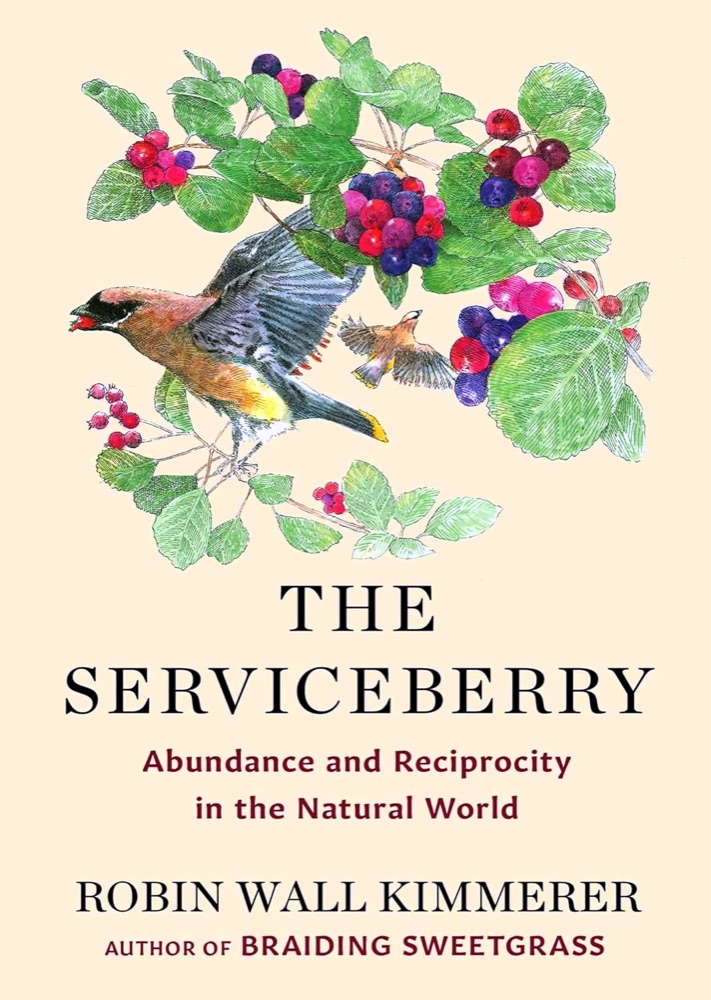 The Serviceberry: Abundance and Reciprocity in the Natural World
 The Art of the Commonplace: The Agrarian Essays
 Ethics for the New Millennium
 The Happiness Hypothesis: Finding Modern Truth in Ancient Wisdom
 Civilized to Death: What Was Lost on the Way to Modernity
 The Moral Landscape: How Science Can Determine Human Values
 The Spirit Level: Why More Equal Societies Almost Always Do Better
 Natural Causes: An Epidemic of Wellness, the Certainty of Dying, and Killing Ourselves to Live Longer
 How the Mind Works
 Freedom
 The Lost World
 The Vanishing American Adult: Our Coming-of-Age Crisis—and How to Rebuild a Culture of Self-Reliance
 United: Thoughts on Finding Common Ground and Advancing the Common Good
 Twelve Steps to a Compassionate Life
 Why Fish Don’t Exist: A Story of Loss, Love, and the Hidden Order of Life
 The Life You Can Save: How to Do Your Part to End World Poverty
 Beyond Words: What Animals Think and Feel
 The Story of More: How We Got to Climate Change and Where to Go from Here
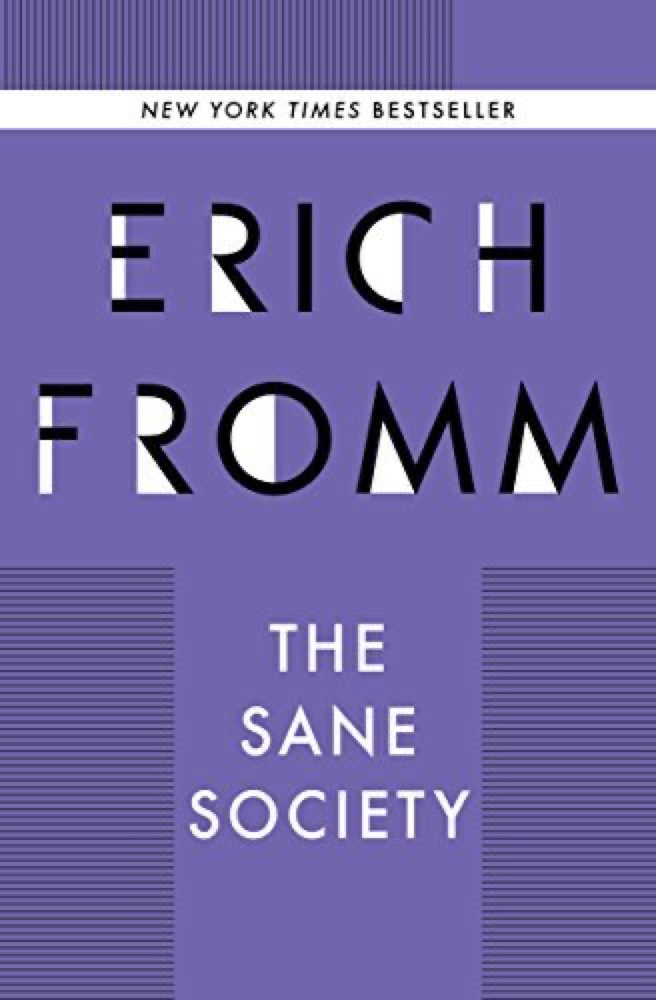 The Sane Society
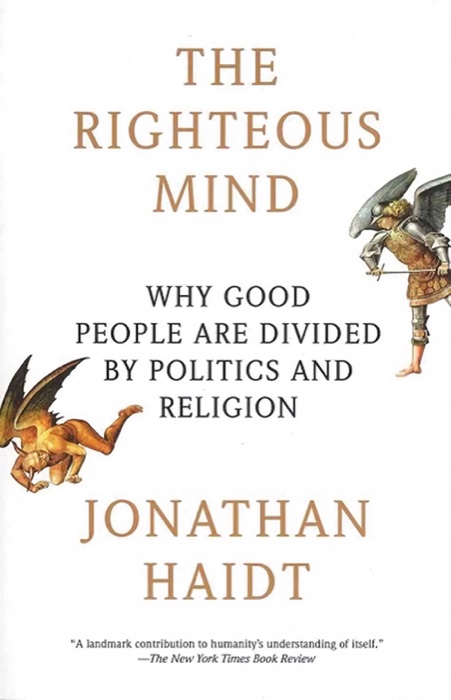 The Righteous Mind: Why Good People Are Divided by Politics and Religion
 Sacred Economics: Money, Gift, and Society in the Age of Transition
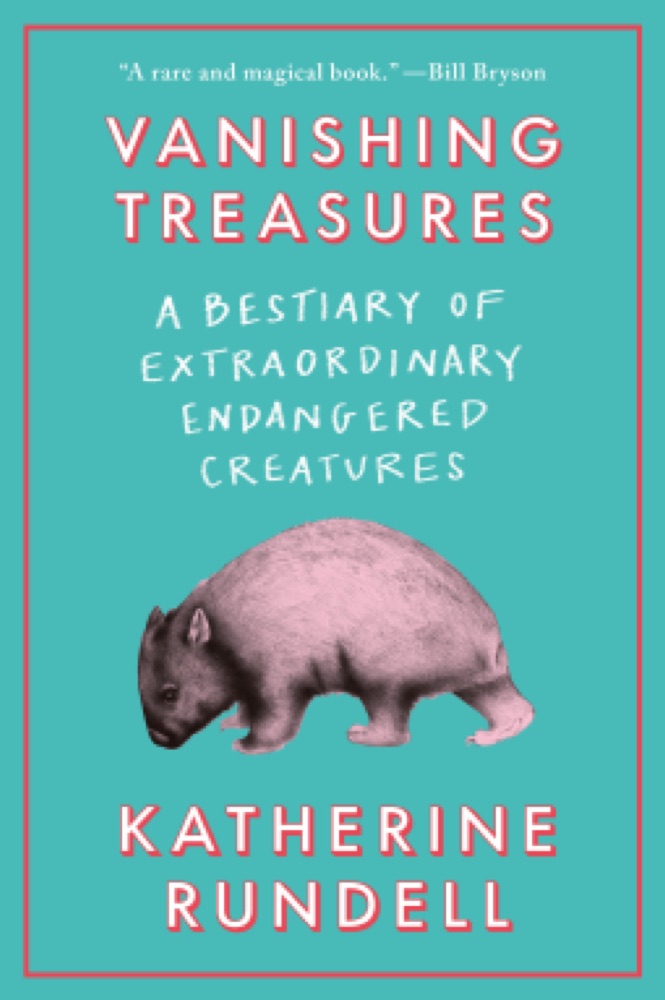 Vanishing Treasures: A Bestiary of Extraordinary Endangered Creatures
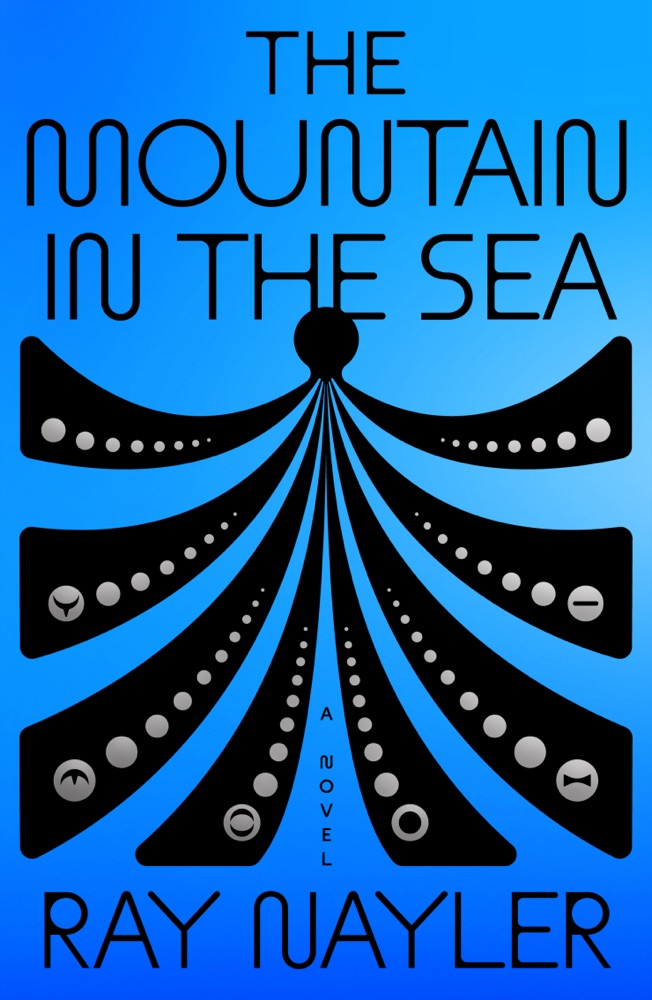 The Mountain in the Sea