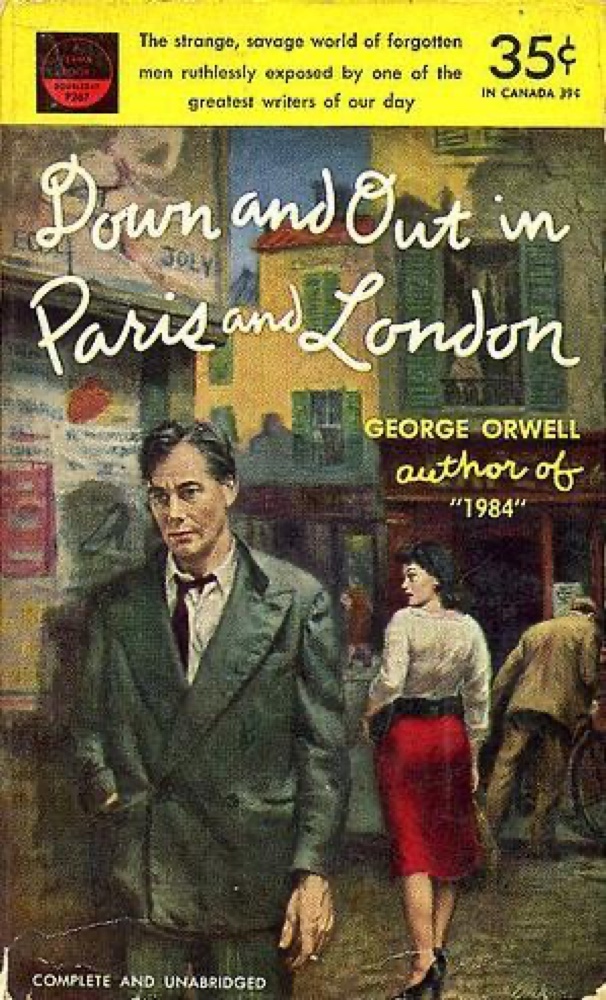
 Down and Out in Paris and London
Quotes from the Book
All animals are equal, but some animals are more equal than others.
The creatures outside looked from pig to man, and from man to pig, and from pig to man again; but already it was impossible to say which was which.
Man is the only creature that consumes without producing. He does not give milk, he does not lay eggs, he is too weak to pull the plough, he cannot run fast enough to catch rabbits. Yet he is lord of all the animals. He sets them to work, he gives back to them the bare minimum that will prevent them from starving, and the rest he keeps for himself.
The only good human being is a dead one.
Several of them would have protested if they could have found the right arguments.
No one believes more firmly than Comrade Napoleon that all animals are equal. He would be only too happy to let you make your decisions for yourselves. But sometimes you might make the wrong decisions, comrades, and then where should we be?
This work was strictly voluntary, but any animal who absented himself from it would have his rations reduced by half.
Let's face it: our lives are miserable, laborious, and short.
Man serves the interests of no creature except himself.
The Seven Commandments: Whatever goes upon two legs is an enemy. Whatever goes upon four legs, or has wings, is a friend. No animal shall wear clothes. No animal shall sleep in a bed. No animal shall drink alcohol. No animal shall kill any other animal. All animals are equal.
Can you not understand that liberty is worth more than just ribbons?
Twelve voices were shouting in anger, and they were all alike. No question, now, what had happened to the faces of the pigs. The creatures outside looked from pig to man, and from man to pig, and from pig to man again; but already it was impossible to say which was which.
Man is the only creature that consumes without producing
All men are enemies. All animals are comrades
Windmill or no windmill, he said, life would go on as it had always gone on--that is, badly.
Four legs good, two legs better! All Animals Are Equal. But Some Animals Are More Equal Than Others.
Man is the only real enemy we have. Remove Man from the scene, and the root cause of hunger and overwork is abolished forever.
The distinguishing mark of man is the hand, the instrument with which he does all his mischief.
Only old Benjamin professed to remember every detail of his long life and to know that things never had been, nor ever could be much better or much worse--hunger, hardship, and disappointment being, so he said, the unalterable law of life.
His answer to every problem, every setback was “I will work harder!” —which he had adopted as his personal motto.
Beasts of England, beasts of Ireland, Beasts of every land and clime, Hearken to my joyful tidings Of the golden future time. Soon or late the day is coming, Tyrant Man shall be o'erthrown, And the fruitful fields of England Shall be trod by beasts alone. Rings shall vanish from our noses, And the harness from our back, Bit and spur shall rust forever, Cruel whips shall no more crack. Riches more than mind can picture, Wheat and barley, oats and hay, Clover, beans, and mangel-wurzels, Shall be ours upon that day. Bright will shine the fields of England, Purer shall its water be, Sweeter yet shall blow its breezes On the day that sets us free. For that day we all must labour, Though we die before it break; Cows and horses, geese and turkeys, All must toils for freedom's sake. Beasts of England, beasts of Ireland, Beasts of every land and clime, Hearken well and spread my tidings Of the golden future time.
Comrades!' he cried. 'You do not imagine, I hope, that we pigs are doing this in a spirit of selfishness and privilege? Many of us actually dislike milk and apples. I dislike them myself. Our sole object in taking these things is to preserve our health. Milk and apples (this has been proved by Science, comrades) contain substances absolutely necessary to the well-being of a pig. We pigs are brainworkers. The whole management and organisation of this farm depend on us. Day and night we are watching over your welfare. It is for your sake that we drink the milk and eat those apples.
It had become usual to give Napoleon the Credit for every Successful achievement and every stroke of good fortune. You would often hear one hen remark to another, “Under the guidance of our leader, Comrade Napoleon, I have laid five eggs in six days” or two cows, enjoying a drink at the pool, would exclaim, “thanks to the leadership of Comrade Napoleon, how excellent this water tastes!”...
...out from the door of the farmhouse came a long file of pigs, all walking on their hind legs...out came Napoleon himself, majestically upright, casting haughty glances from side to side, and with his dogs gambolling round him. He carried a whip in his trotter. There was a deadly silence. Amazed, terrified, huddling together, the animals watched the long line of pigs march slowly round the yard. It was as though the world had turned upside-down. Then there came a moment when the first shock had worn off and when, in spite of everything-in spite of their terror of the dogs, and of the habit, developed through long years, of never complaining, never criticising, no matter what happened-they might have uttered some word of protest. But just at that moment, as though at a signal, all the sheep burst out into a tremendous bleating of- "Four legs good, two legs better! Four legs good, two legs better! Four legs good, two legs better!" It went on for five minutes without stopping. And by the time the sheep had quieted down, the chance to utter any protest had passed, for the pigs had marched back into the farmhouse.
they had come to a time when no one dared speak his mind, when fierce, growling dogs roamed everywhere, and when you had to watch your comrades torn to pieces after confessing to shocking crimes.
He would say that God had given him a tail to keep the flies off, but that he would sooner have had no tail and no flies.
There, comrades, is the answer to all our problems. It is summed up in a single word-- Man
I trust that every animal here appreciates the sacrifice that Comrade Napoleon has made in taking this extra labour upon himself. Do not imagine, comrades, that leadership is a pleasure! On the contrary, it is a deep and heavy responsibility. No one believes more firmly than Comrade Napoleon that all animals are equal. He would be only too happy to let you make your decisions for yourselves. But sometimes you might make the wrong decisions, comrades, and then where should we be?
Did you know?
- The full original title was Animal Farm: A Fairy Story.
- Written in 1943-44, it was rejected by several publishers, including T. S. Eliot at Faber and Faber, partly out of fear of offending the wartime Soviet ally.
- It is a direct allegory of the Russian Revolution and the Stalinist Soviet Union, with Napoleon representing Stalin and Snowball representing Trotsky.
- It won a Retrospective Hugo Award in 1996 and appears on Time's list of the 100 best English-language novels.
- The book was banned in the Eastern bloc for its critique of the Soviet regime.
- Its closing maxim, 'All animals are equal, but some animals are more equal than others,' has become one of the most quoted lines in English political writing.
About George Orwell
George Orwell was the pen name of Eric Arthur Blair (1903-1950), an English novelist, essayist and critic best known for the anti-totalitarian works Animal Farm and Nineteen Eighty-Four.
More about the author →More by George Orwell
Down and Out in Paris and London
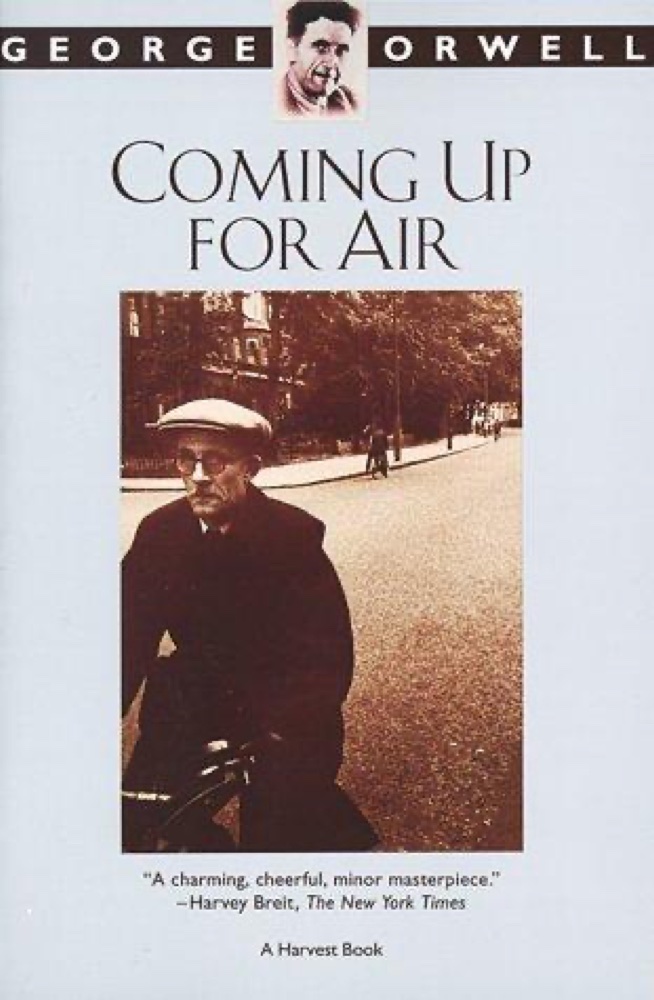 Coming Up for Air
 Keep the Aspidistra Flying
 A Collection of Essays
About the book
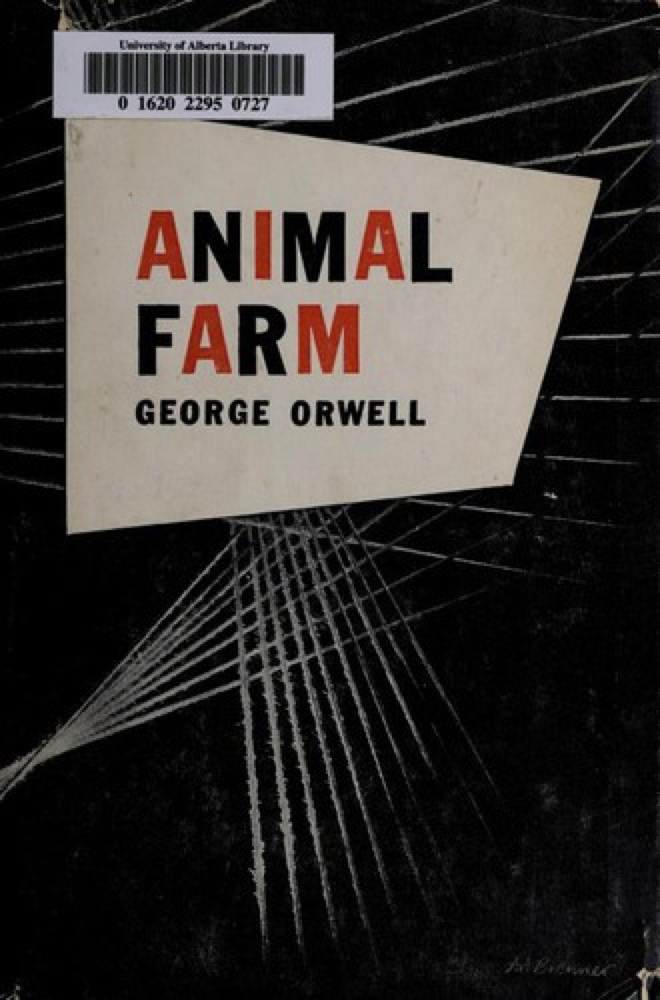
Animal Farm is a short satirical novella by George Orwell, first published in London by Secker & Warburg on 17 August 1945 under the full title Animal Farm: A Fairy Story. Cast as a beast fable, it tells of the mistreated animals of Manor Farm who, inspired by the dying vision of the old boar Old Major, rise up and drive out the drunken farmer Mr Jones. Renaming the place Animal Farm and pledging that all animals are equal, they set out to run it themselves. But leadership is quickly seized by the pigs, and under the boar Napoleon the revolution is gradually betrayed, until the farm settles into a tyranny as harsh as the one it replaced.
The novella is a deliberate allegory of the Russian Revolution of 1917 and the Stalinist era that followed, and Orwell wrote it, in his own words, as a satirical tale against Stalin. Its animal cast maps onto real historical figures: Old Major evokes Marx and Lenin, Napoleon stands for Stalin, his rival Snowball for Trotsky, the smooth-talking Squealer for Soviet propaganda, and the loyal, doomed carthorse Boxer for the exploited working class. Through the pigs' steady corruption of the founding commandments, the book dramatizes how the language and ideals of a revolution can be twisted to justify new forms of oppression, a theme sealed by its most famous line: all animals are equal, but some animals are more equal than others.
Written in 1943-44, the book was hard to place: several publishers rejected it, wary of offending the wartime Soviet ally, and T. S. Eliot turned it down at Faber and Faber. Once published it was an immediate commercial success and has since become one of the most widely read political works of the twentieth century, banned across the Eastern bloc even as it was embraced in the West. It won a Retrospective Hugo Award in 1996, was chosen by Time magazine as one of the 100 best English-language novels, and ranks number 31 on the Modern Library list of the best twentieth-century novels. Contemporary critics were divided, with some praising Orwell's craft and others, like George Soule in The New Republic, finding the allegory strained, but its reputation as a lasting political fable is now secure.
Key characters
- NapoleonA manipulative Berkshire boar who seizes power over the farm; an allegory of Joseph Stalin.
- SnowballAn idealistic boar and Napoleon's rival, eventually driven out; parallels Leon Trotsky.
- Old MajorAn aged prize boar whose dream of animal rebellion sparks the revolt; a stand-in for Marx and Lenin.
- SquealerA persuasive pig who serves as Napoleon's propagandist, rewriting the truth to justify the regime.
- BoxerA loyal, immensely strong carthorse whose motto is 'I will work harder'; symbol of the exploited working class.
- Mr JonesThe negligent, drunken farmer overthrown by the animals; represents Tsar Nicholas II.
Book details
- First published
- 1945
- Length
- 92 pages
- Reading time
- 3 hours
- Author
- George Orwell
- Genre
- Classics
- Goodreads rating
- 4.03 (4.7M ratings) →
Critical reception
- In a 1946 review in The New Republic, George Soule found the fable strained, writing that 'the allegory turned out to be a creaking machine for saying in a clumsy way things that have been said better directly' and that the book 'seemed on the whole dull.'
- Time magazine selected Animal Farm as one of the 100 best English-language novels published since 1923, and it ranks number 31 on the Modern Library list of the 100 best novels of the twentieth century.
- In 1996 the novella received a Retrospective Hugo Award, and scholars note that after the war it was embraced in the West as a warning against communism even as it was banned across the Eastern bloc.
- Critical opinion was initially divided: some reviewers praised Orwell's skillful use of the barnyard fable to deliver a powerful message, while others on the political left, such as Isaac Rosenfeld, attacked the book for historical reductionism and 'a failure of imagination.'
If you liked this, read…
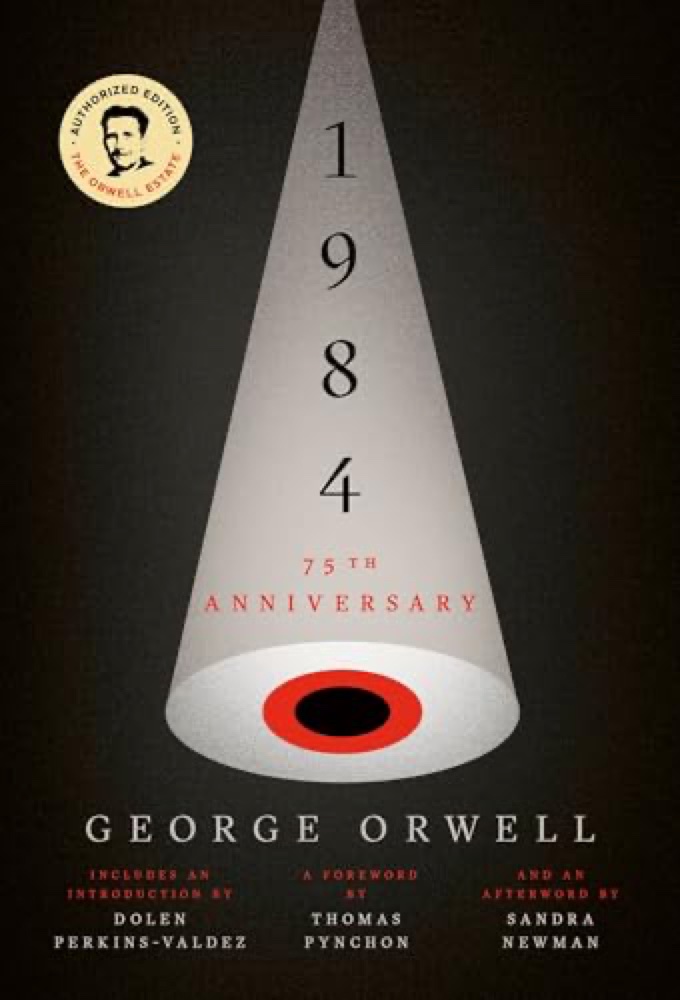
- 1Nineteen Eighty-FourOrwell's other great anti-totalitarian work, extending the same warnings about power and propaganda into a full dystopia.
- 2Fahrenheit 451Ray Bradbury's fable-like dystopia about conformity and the suppression of dangerous ideas.
- 3Brave New WorldAldous Huxley's satirical vision of a controlled society, a companion classic of twentieth-century political fiction.
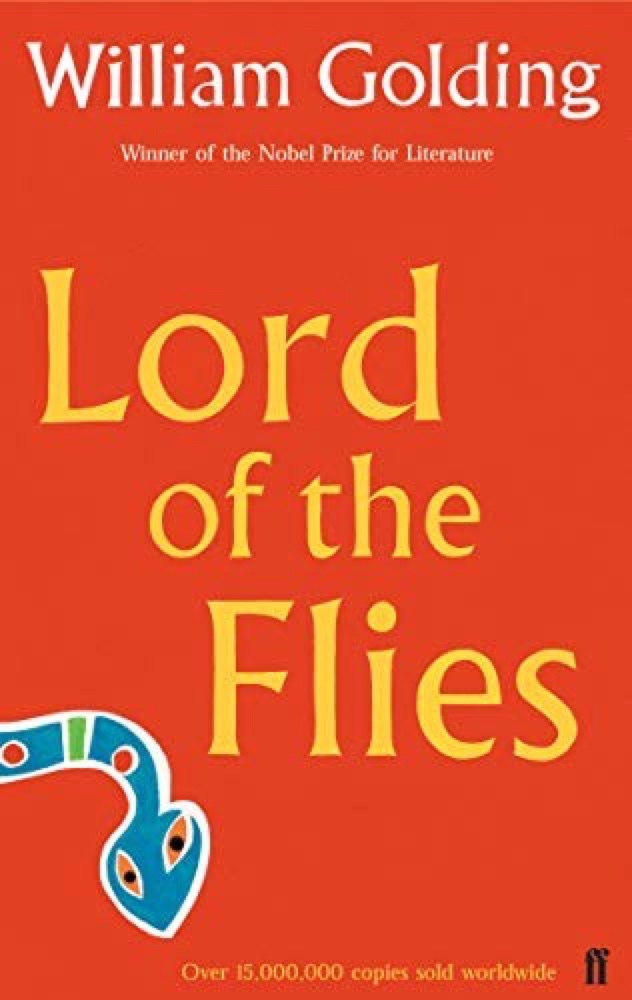
- 4Lord of the FliesWilliam Golding's allegory of how a fragile society slides into tyranny and violence.
Keep reading
 Holy Cow
 Man and Superman
 Lord of the Flies
 Aesop's Fables
 Point Counter Point
 Watership Down
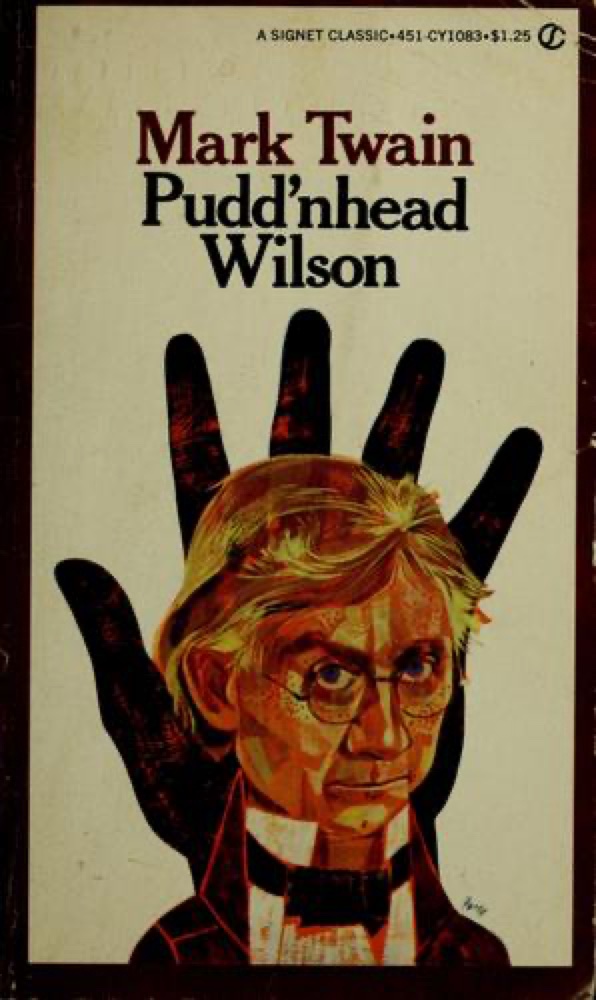 Pudd'nhead Wilson
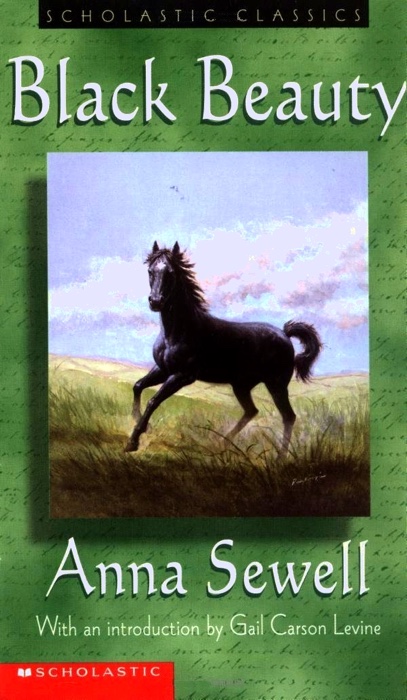 Black Beauty
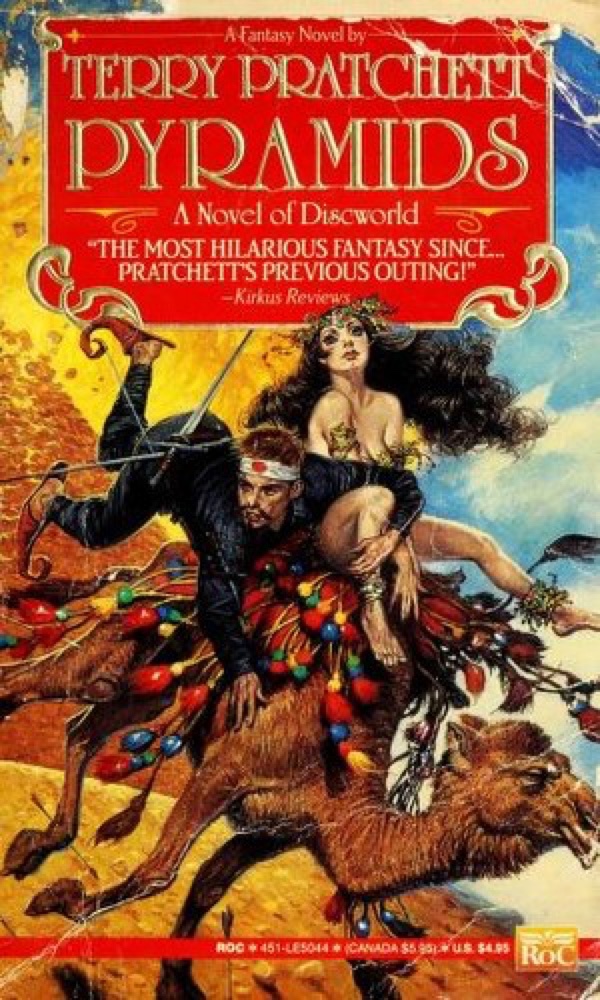 Pyramids
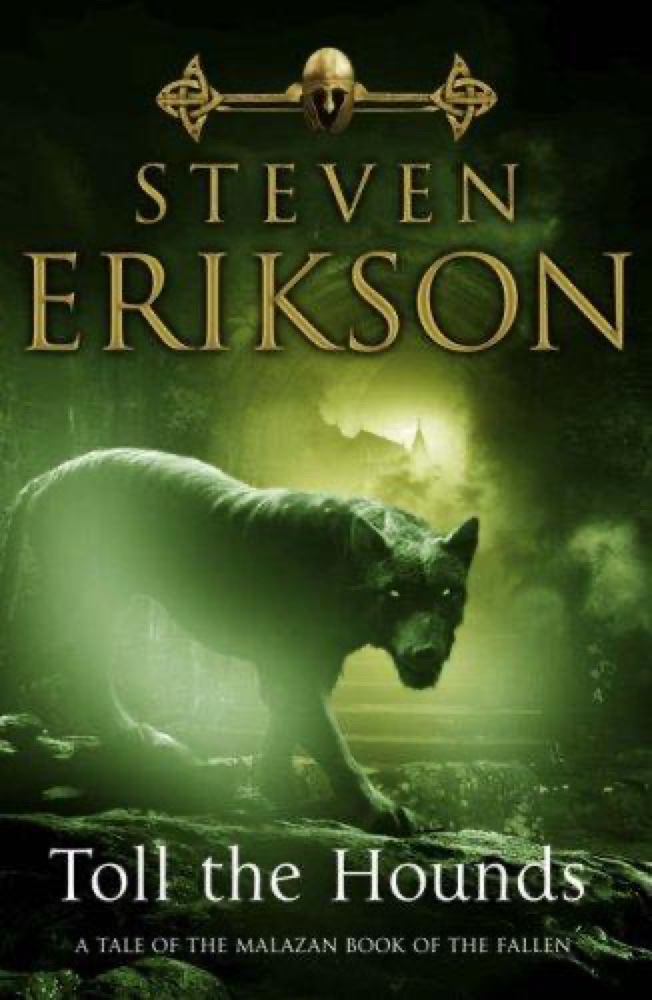 Toll the Hounds
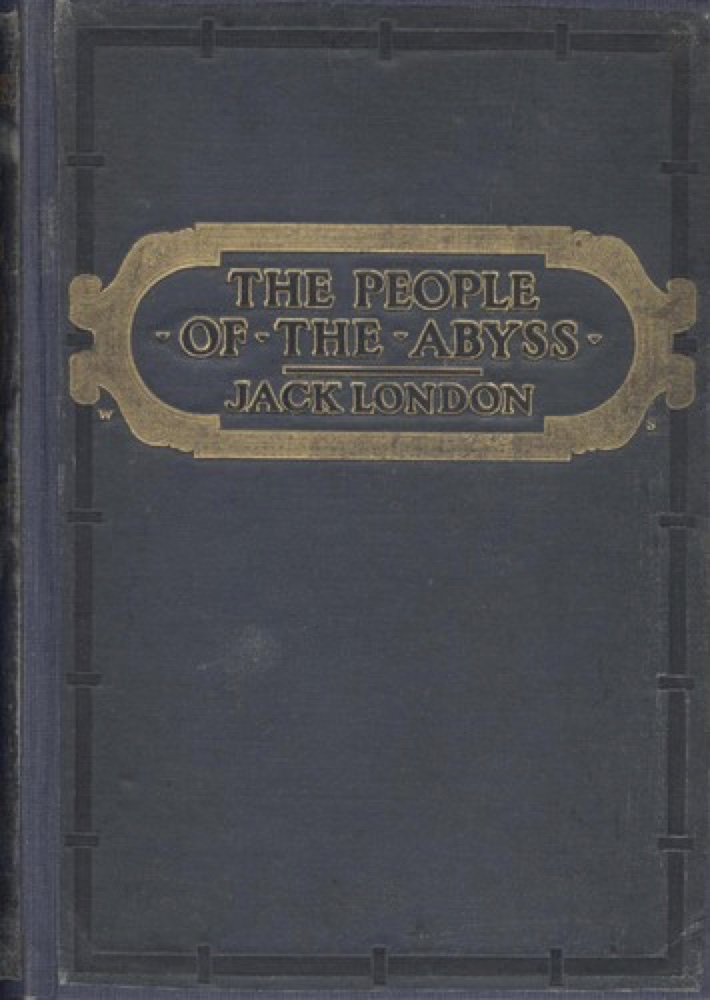 The People of the Abyss
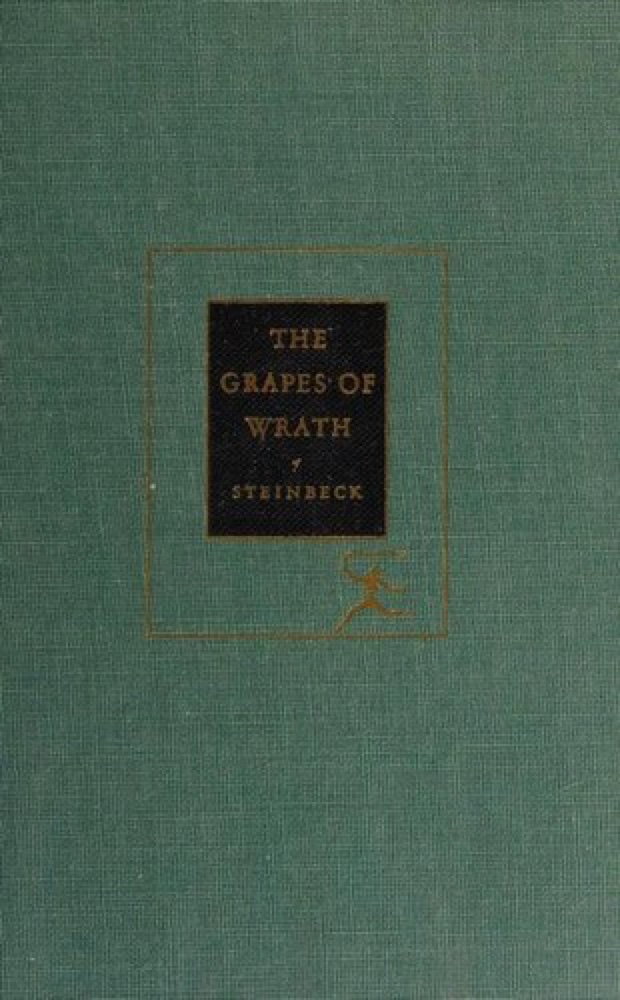 The Grapes of Wrath
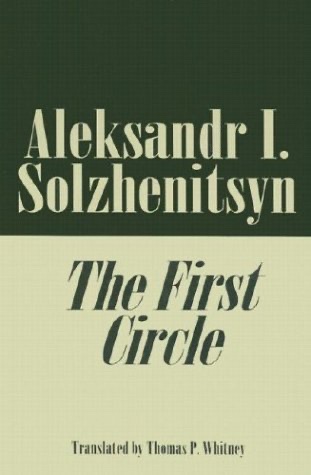 The First Circle
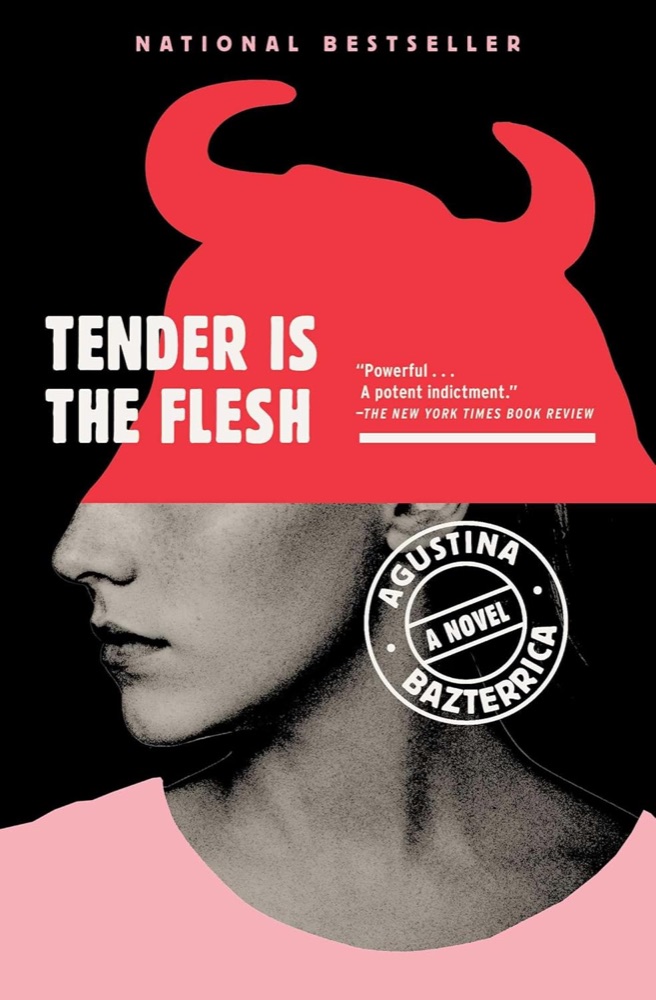 Tender Is the Flesh
 Cannery Row
 The House of the Dead
 The Sea Wolf
 The Man in the Iron Mask
 Fifteen Dogs
 The Sirens of Titan
 Hadji Murad
 The White Tiger
 Starship Troopers
 Black Leopard, Red Wolf
 Utopia
 The Man Who Was Thursday
 Birds Without Wings
 Rabbit Redux
 The Napoleon of Notting Hill
 That Hideous Strength
 The Jungle
 Reaper Man
 Red Country
 Freddy and Fredericka
 The Midwich Cuckoos
 The Son
 Heart of a Dog
 Animal Liberation
 Time Enough for Love
 Snuff
Snuff
 The Log from the Sea of Cortez
 Breakfast of Champions
 Dead Souls
 All Creatures Great and Small
 Antic Hay
 Sacred Hunger
 Moby-Dick
 Scythe
 Watchers
 Nemesis
 Xenocide
 A Day No Pigs Would Die
 Fall of Giants
 Fell
Fell
 The Snowman
 What's Wrong with the World
 The Faith of Beasts
 Jubal Sackett
 Oryx and Crake
 1984
1984