
 Red Mars
Quotes from the Book
Because life is robust, Because life is bigger than equations, stronger than money, stronger than guns and poison and bad zoning policy, stronger than capitalism, Because Mother Nature bats last, and Mother Ocean is strong, and we live inside our mothers forever, and Life is tenacious and you can never kill it, you can never buy it, So Life is going to dive down into your dark pools, Life is going to explode the enclosures and bring back the commons, O you dark pools of money and law and quantitudinal stupidity, you oversimple algorithms of greed, you desperate simpletons hoping for a story you can understand, Hoping for safety, hoping for cessation of uncertainty, hoping for ownership of volatility, O you poor fearful jerks, Life! Life! Life! Life is going to kick your ass.
12
The real locals were like fish in water, unaware and unimpressed.
9
We’ve been paying a fraction of what things really cost to make, but meanwhile the planet, and the workers who made the stuff, take the unpaid costs right in the teeth.
8
Charlotte was coming to believe that arrogance was a quality not just correlated with but a manifestation of stupidity, a result of stupidity.
6
History is humankind trying to get a grip.
6
So it’s still New York. People can’t give up on it. It’s what economists used to call the tyranny of sunk costs: once you’ve put so much time and money into a project, it gets hard to just eat your losses and walk. You are forced by the structure of the situation to throw good money after bad, grow obsessed, double down, escalate your commitment, and become a mad gibbering apartment dweller, unable to imagine leaving. You persevere unto death, a monomaniacal New Yorker to the end.
5
No one cares about books, that’s why you can write anything you want in them.
4
Corporation, n. An ingenious device for obtaining individual profit without individual responsibility. Money, n. A blessing that is of no advantage to us excepting when we part with it. —Ambrose Bierce, The Devil’s Dictionary
3
Efficiency, n. The speed and frictionlessness with which money moves from the poor to the rich.
3
The outdoors is what you must pass through in order to get from your apartment into a taxicab. said Fran Lebowitz
3
good is accomplished against the immense black-hole gravity of greed and fear.
3
If our government tries to back the banks instead of us, then we elect a different government. We pretend that democracy is real, and that will make it real. We elect a government of the people, by the people, and for the people. That was the whole idea in the first place. As they used to tell us in school. And it’s a good idea, if we could make it real. It might never have been real, up till now. But now’s the time. Now’s the time, people!
3
Because history is the soap opera that hurts, the kabuki with real knives.
3
They published their papers, and shouted and waved their arms, and a few canny and deeply thoughtful sci-fi writers wrote up lurid accounts of such an eventuality, and the rest of civilization went on torching the planet like a Burning Man pyromasterpiece.
3
Individuals make history, but it's also a collective thing, a wave that people ride in their time, a wave made of individual actions. So ultimately history is another particle/wave duality that no one can parse or understand.
3
Charlotte poured a stiff Irish coffee for herself, wanting both stimulation and sedation. It didn’t work, in fact it backfired, making her antsy but confused. An anti-Irish coffee, must be an English coffee.
2
Self-reliance my ass. We’re fucking monkeys. It’s always about teamwork.
2
Because life is bigger than equations, stronger than money, stronger than guns and poison and bad zoning policy, stronger than capitalism, Because Mother Nature bats last, and Mother Ocean is strong, and we live inside our mothers forever, and Life is tenacious and you can never kill it, you can never buy it,
2
It was that ocean heat that caused the First Pulse to pulse, and later brought on the second one. People sometimes say no one saw it coming, but no, wrong: they did. Paleoclimatologists looked at the modern situation and saw CO2 levels screaming up from 280 to 450 parts per million in less than three hundred years, faster than had ever happened in the Earth’s entire previous five billion years (can we say “Anthropocene,” class?), and they searched the geological record for the best analogs to this unprecedented event, and they said, Whoa. They said, Holy shit. People! they said. Sea level rise! During the Eemian period, they said, which we’ve been looking at, the world saw a temperature rise only half as big as the one we’ve just created, and rapid dramatic sea level rise followed immediately. They put it in bumper sticker terms: massive sea level rise sure to follow our unprecedented release of CO2! They published their papers, and shouted and waved their arms, and a few canny and deeply thoughtful sci-fi writers wrote up lurid accounts of such an eventuality, and the rest of civilization went on torching the planet like a Burning Man pyromasterpiece. Really. That’s how much those knuckleheads cared about their grandchildren, and that’s how much they believed their scientists, even though every time they felt a slight cold coming on they ran to the nearest scientist (i.e. doctor) to seek aid.
2
Squatters. The dispossessed. The water rats. Denizens of the deep, citizens of the shallows. And a lot of them were interested in trying something different, including which authorities they gave their consent to be governed by. Hegemony had drowned, so in the years after the flooding there was a proliferation of cooperatives, neighborhood associations, communes, squats, barter, alternative currencies, gift economies, solar usufruct, fishing village cultures, mondragons, unions, Davy’s locker freemasonries, anarchist blather, and submarine technoculture, including aeration and aquafarming. Also sky living in skyvillages that used the drowned cities as mooring towers and festival exchange points; containerclippers and townships as floating islands; art-not-work, the city regarded as a giant collaborative artwork; blue greens, amphibiguity, heterogeneticity, horizontalization, deoligarchification; also free open universities, free trade schools, and free art schools.
2
It is fucking crazy to hold on to one moment and say that’s the moment that was pure and sacred, and it can only be like that, and I’ll kill you if you try to change anything.
2
So sure, a leftward flurry of legislation got LBJed through Congress in 2143, but there was no guarantee of permanence to anything they did, and the pushback was ferocious as always, because people are crazy and history never ends, and good is accomplished against the immense black-hole gravity of greed and fear.
2
To her data analysis was the ugly love child of science and Kafka,
2
A hundred times I have thought: New York is a catastrophe, and fifty times: it is a beautiful catastrophe. —Le
2
So now as always you could get AAA ratings, not for subprime mortgages, obviously bad, but for submarine mortgages, clearly much better! And the fact that all submarine properties were in some sense extremely subprime was not mentioned except as one aspect of the very lucrative risks involved.
2
She recalled hearing how after Hurricane Katrina hit New Orleans, they had built prison camps faster than medical facilities. They had expected riots and so had put people of color in jail preemptively. But that was back in the twentieth century, in the dark ages, the age of fascisms both home and abroad. Since
1
Remember: ease of representation. It’s always more than what you see, bigger than what you know. That said, people in this era did do it. Individuals make history, but it’s also a collective thing, a wave that people ride in their time, a wave made of individual actions. So ultimately history is another particle/wave duality that no one can parse or understand. Moving on from this brief excursion into political philosophy before the profundity grows too deep, what remains to be said is this: things happened.
1
Not that it would be wasting my time to chat in a bar with a good-looking woman, obviously, but I wanted to know as much as possible going in, because under the impact of a woman’s direct gaze I am likely to suffer a mind wipe.
1
These new taxes and the nationalization of finance meant the U.S. government would soon be dealing with a healthy budget surplus. Universal health care, free public education through college, a living wage, guaranteed full employment, a year of mandatory national service, all these were not only made law but funded. They were only the most prominent of many good ideas to be proposed, and please feel free to add your own favorites, as certainly everyone else did in this moment of we-the-peopleism. And as all this political enthusiasm and success caused a sharp rise in consumer confidence indexes, now a major influence on all market behavior, ironically enough, bull markets appeared all over the planet. This was intensely reassuring to a certain crowd, and given everything else that was happening, it was a group definitely in need of reassurance. That making people secure and prosperous would be a good thing for the economy was a really pleasant surprise to them. Who knew?
1
the party was a hierarchy; you started at the bottom and moved up one step at a time—school board, city council, state assembly—and then if you had demonstrated lockstep team loyalty, the powers at the top would give you the party endorsement and its aid, and you were good to go. Had been that way for centuries. Outsiders did pop up to express various dissatisfactions, and occasionally some of them even overthrew the order of things and got elected, but then they were ostracized forever by the party and could get nothing done. They just wasted their time and whatever little money could be dredged up to support such quixotic tilts.
1
Watch on YouTube
About Kim Stanley Robinson
We have collected 228 quotes from 9 books by Kim Stanley Robinson on BookQuoters.
More about the author →More by Kim Stanley Robinson
All books by Kim Stanley Robinson →
About the book
It is 2140.
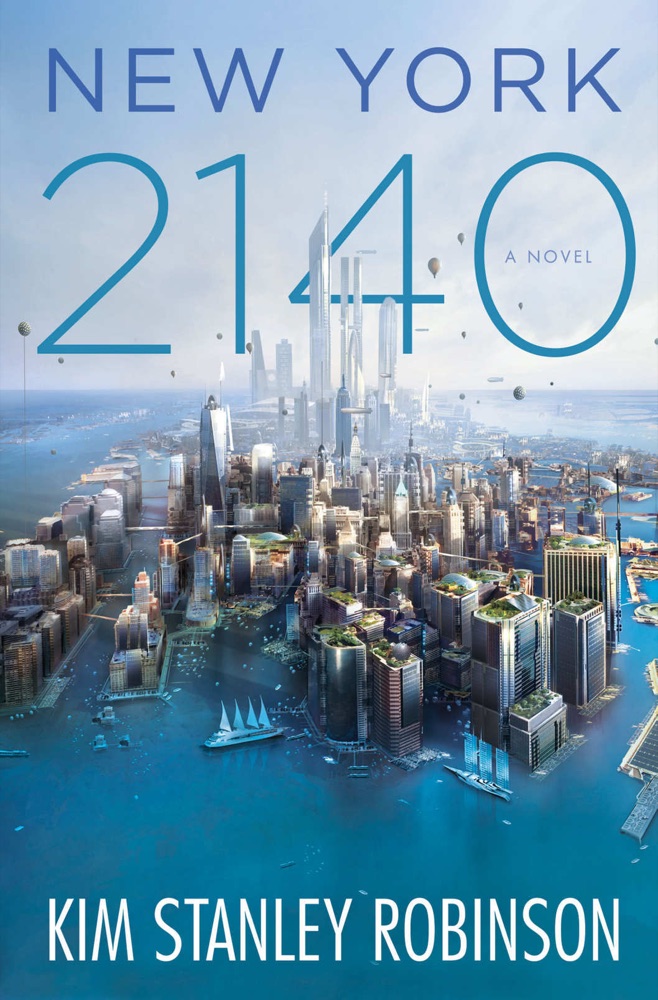
The waters rose, submerging New York City.
But the residents adapted and it remained the bustling, vibrant metropolis it had always been. Though changed forever.
Every street became a canal. Every skyscraper an island.
Through the eyes of the varied inhabitants of one building, Kim Stanley Robinson shows us how one of our great cities will change with the rising tides.
And how we too will change.
Book details
- First published
- 2017
- Author
- Kim Stanley Robinson
- Genre
- Science Fiction
- Goodreads rating
- 3.60 (16k ratings)
The buzz
- The New York TimesReview in The New York Timesprofessional review (via Book Marks)
- The Washington PostReview in The Washington Postprofessional review (via Book Marks)
- The GuardianReview in The Guardianprofessional review (via Book Marks)
- NPRReview in NPRprofessional review (via Book Marks)
- Kirkus ReviewsReview in Kirkus Reviewsprofessional review (via Book Marks)
- LA Review of BooksReview in LA Review of Booksprofessional review (via Book Marks)
Keep reading
 Blackfish City
 The Ministry for the Future
 Green Mars
Red Mars
Green Mars
Red Mars
 The State of the Art
 The Water Knife
 Fall; or, Dodge in Hell
 The Shockwave Rider
 The Mandibles: A Family, 2029–2047
 Thirteen
 Hocus Pocus
 Bleeding Edge
 The Future
 How Long 'til Black Future Month?
 Creation Lake
 Wanderers
 Gnomon
 Skinny Legs and All
 Homeland
 Friday
 Cosmopolis
 Orient
 The City We Became
 Revolution
 A Short History of Progress
 Influx
 The City in the Middle of the Night
 The Golden House
 Maelstrom
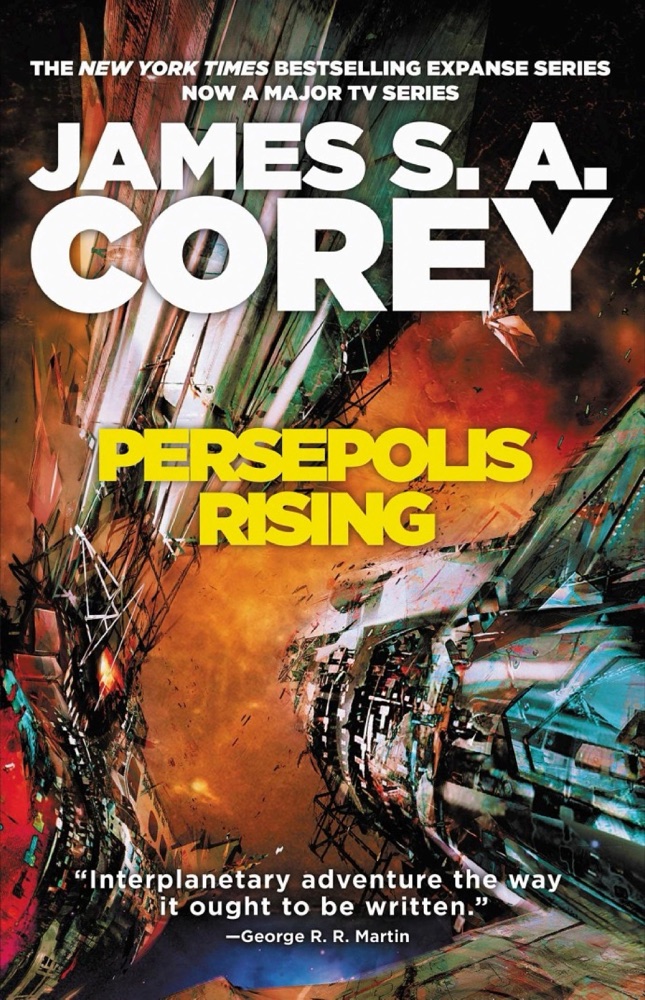 Persepolis Rising
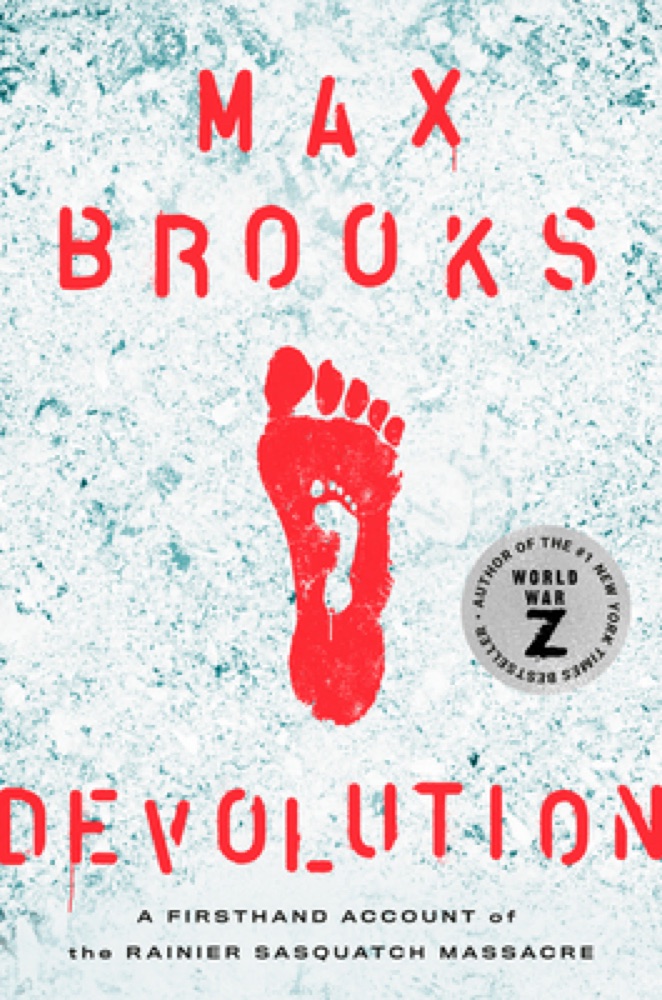 Devolution: A Firsthand Account of the Rainier Sasquatch Massacre
 The Coming Insurrection
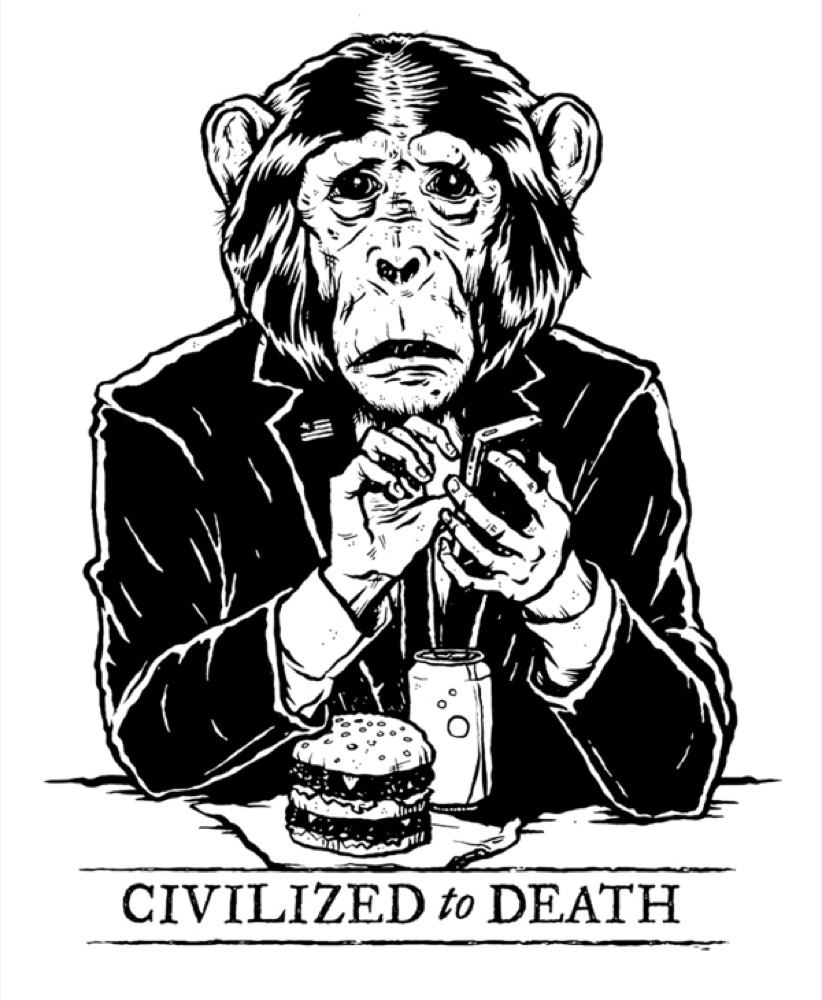 Civilized to Death: What Was Lost on the Way to Modernity
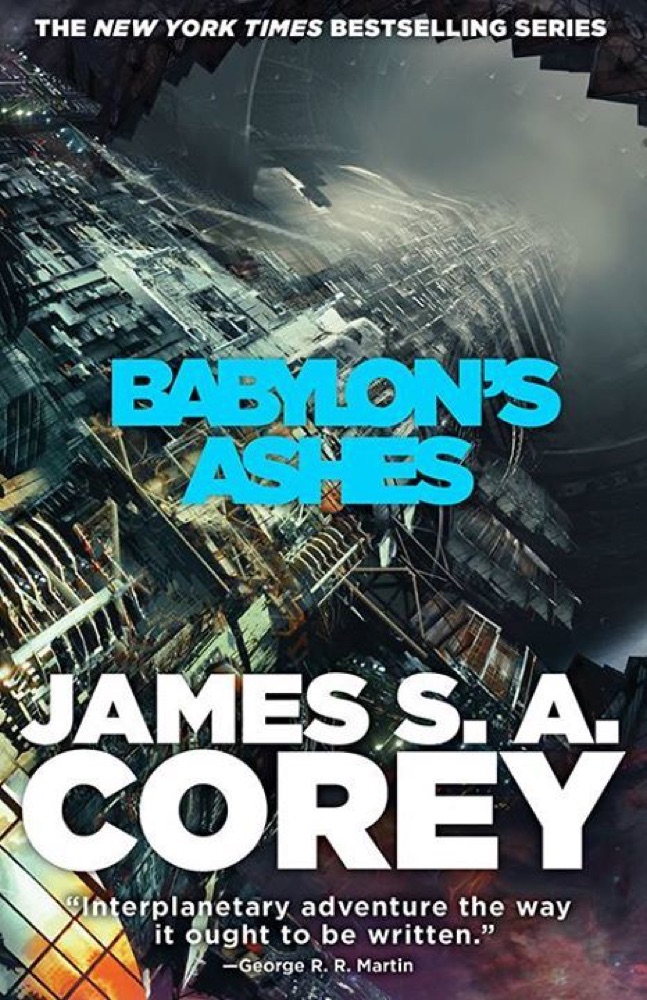 Babylon's Ashes
 The Stone Gods
 I Hate the Internet
 Genesis
 A People's Future of the United States: Speculative Fiction from 25 Extraordinary Writers
 Tiamat's Wrath
 The Gone-Away World
 Distraction
 Too Like the Lightning
 Jurassic Park
 Watchmen
 The Fifth Science
 Quicksilver
 The Bee Sting
 A Better World
 The Long Way to a Small, Angry Planet
 Robopocalypse
 Against the Day
 Kingdom of Fear: Loathsome Secrets of a Star-Crossed Child in the Final Days of the American Century
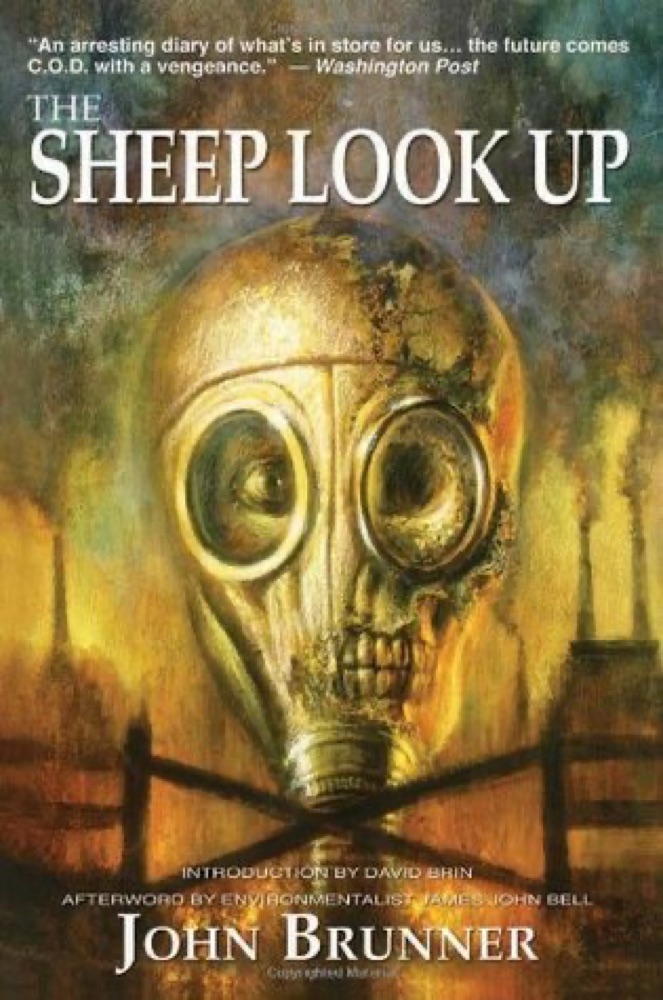 The Sheep Look Up
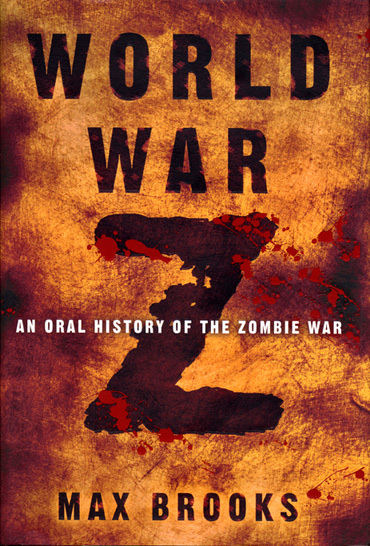 World War Z: An Oral History of the Zombie War
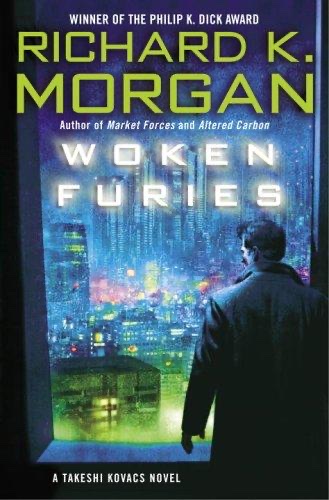 Woken Furies
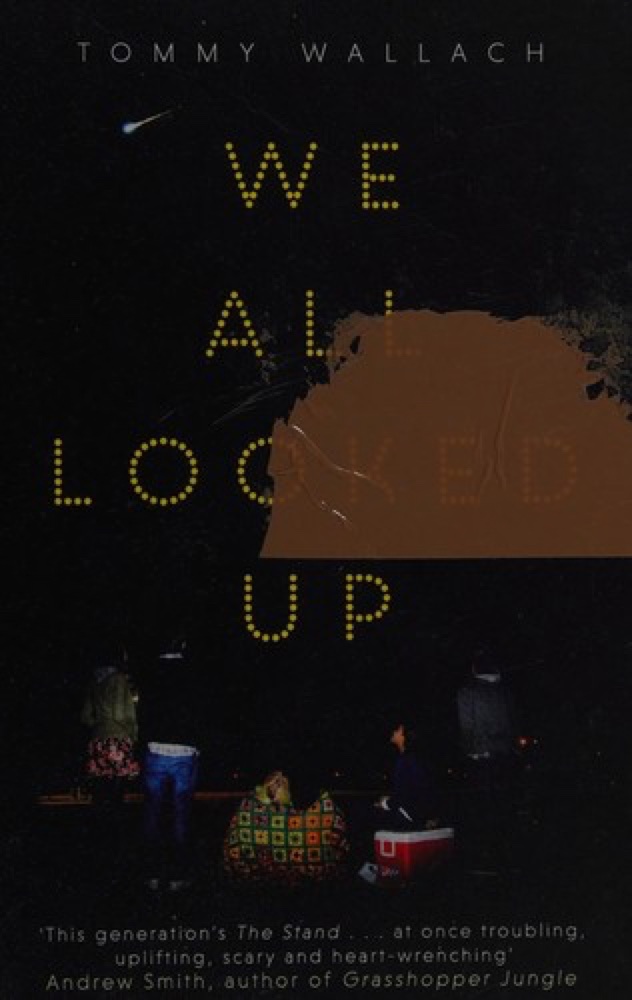 We All Looked Up
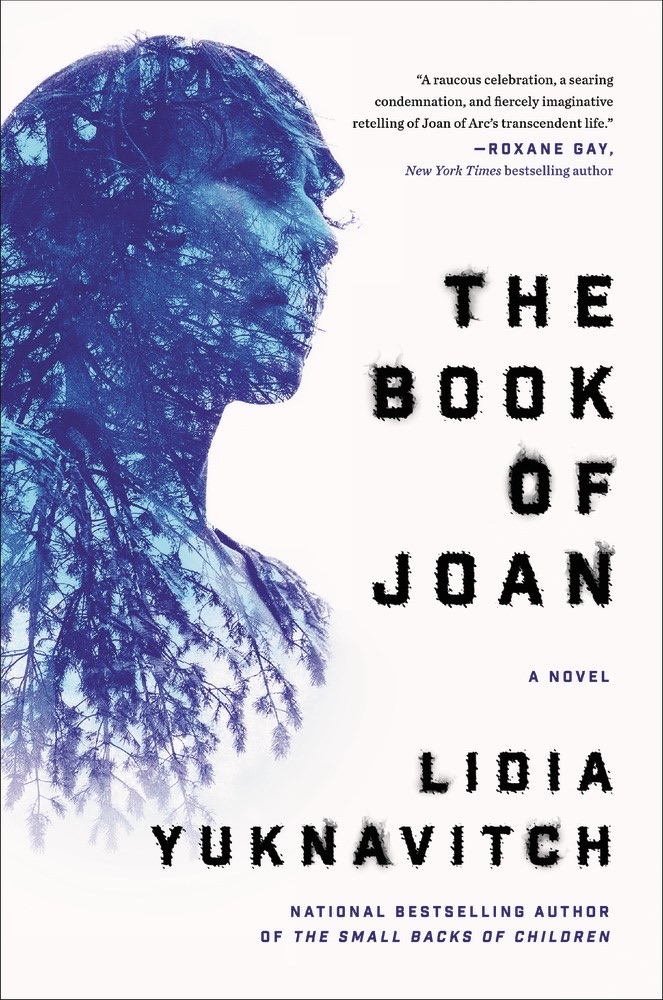 The Book of Joan
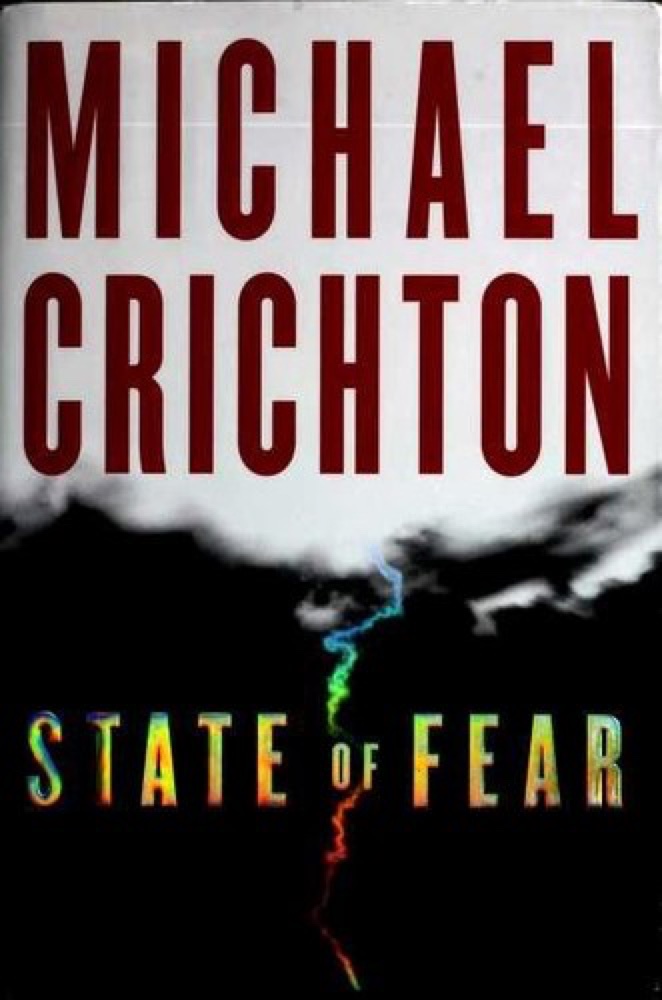 State of Fear
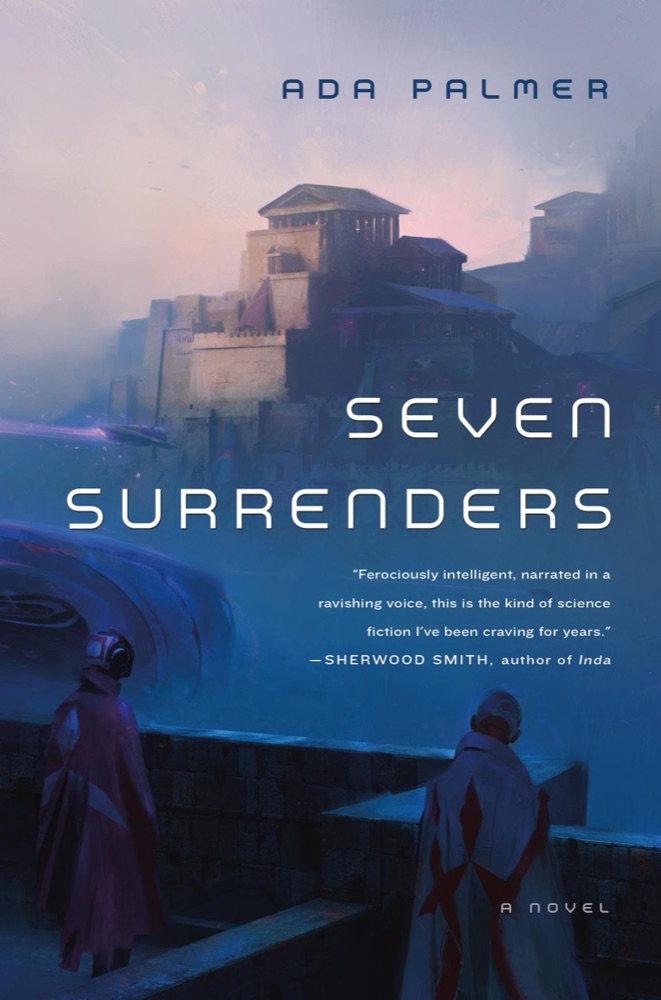 Seven Surrenders
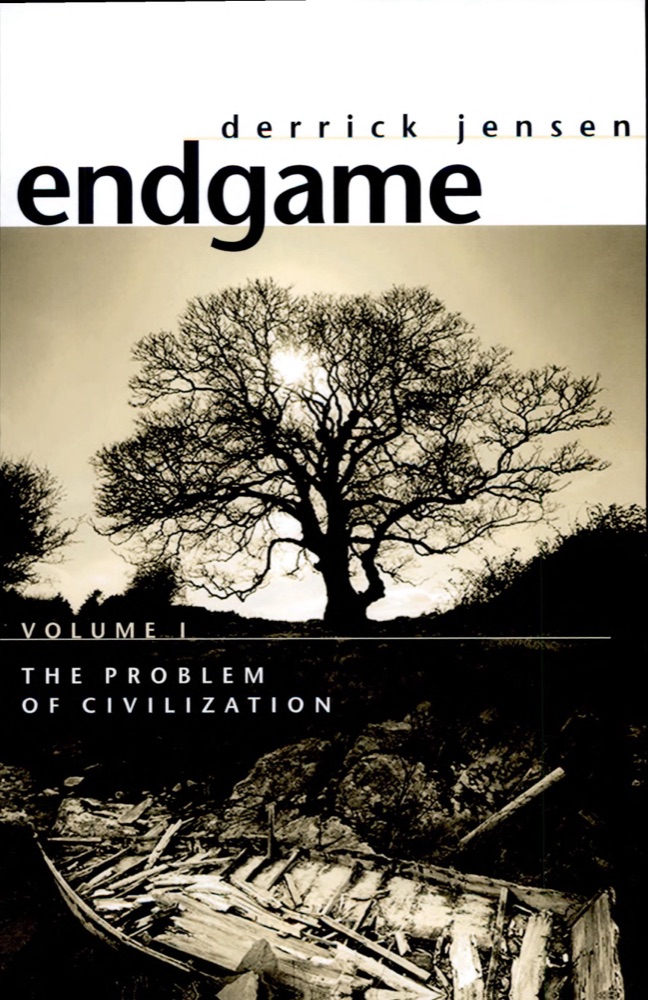 Endgame, Vol. 1: The Problem of Civilization