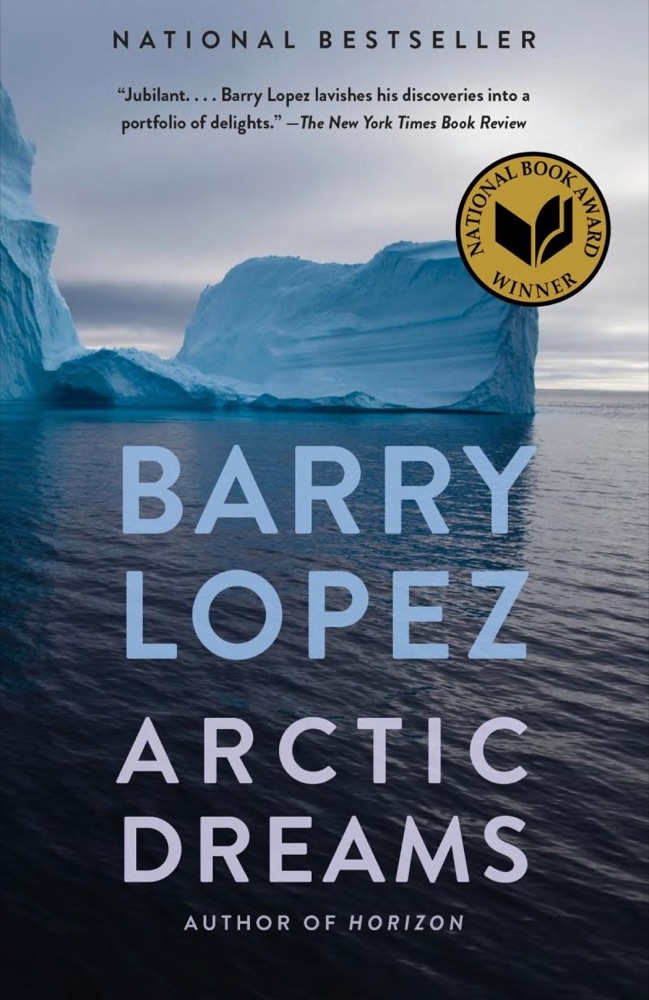
 Arctic Dreams
Quotes from the Book
When you've managed to stumble directly into the heart of the unknown - either through the misdirection of others, or better yet, through your own creative ineptitude - there is no one there to hold your hand or tell you what to do. In those bad lost moments, in the times when are advised not to panic, we own the unknown, and the world belongs to us. The child within has full reign. Few of us are ever so free
7
Finally, consider your predicament a privilege in a world so shrunken that certain people refer to it as the 'global village.' The term 'explorer' has little meaning. But exploration is nothing more than a faray into the unknown, and a four-year old child, wandering about along in the department store, fits the definition as well as the snow-blind man wandering across the Khyber Pass. The explorer is the person who is lost.
7
Most of us abandoned the idea of a life full of adventure and travel sometime between puberty and our first job. Our dreams died under the dark weight of responsibility. Occasionally the old urge surfaces, and we label it with names that suggest psychological aberrations: the big chill, a midlife crisis.
7
The traces of our life here will lie cold and still, dreaming, like the brittle eyes of dolls in an abandoned cabin, and the last men will look to them for explanations, or apologies.
1
There is an image that lives inside my memory as well. It is a vision of that slaughterhouse dump, those acres of death. The breeze I recall was heavy with the stench of rot, warm with the weight of decay. Propemex is still dumping bodies there, and, according to Dr. Pritchard, still dumping eggs. These eggs are said to be too immature to be buried in the sand; either that or too fouled with the mother’s intestines during the slaughtering process. So these eggs are dumped where the bodies of mothers are left to rot. But many of the eggs are not fouled; many are not immature. Many of them live, and hatchlings emerge to crawl over the rotting bodies of their slaughtered mothers. They crawl frantically, through the stench of death, toward a sea they will never reach.
Juan José de la Vega says the memory of 1973, when he saw one hundred thousand turtles lay their eggs on the beach in a single night, is a treasure no one can take from him. He likes to relive it now and again. He stood alone, surrounded by all that … biology, and the moon was full and bright. A gentle breeze was blowing in off the ocean, and the smell of the sea was strong. All around, on all sides, as far as the eye could see on this bright night, there were turtles: turtles coming in out of the ocean, turtles laying their eggs, turtles returning to the mystery of the sea. Juan José had a sensation of a time before man, a sense of the fecundity of the sea and land. There was something deep and full expanding inside of him, something other people feel only inside a church.
There are no punch lines in the jungle.
Above the bar was a large motto: La selva es nuestra alidad (“The jungle is our ally”). It was one of those sentences you know is untrue on the face of it, sentences like “The policeman is your friend” or “The dentist won’t hurt you.
He looked down at the cocoon in his fingers. “I see in the mirror that I am growing old. But it is like a dream and I don’t feel it. I feel as if I am living out of time.
He shook hands, invited us in, accepted our gifts of food and beer, then told us it was fine with him if we camped in his garden for a few days. He spoke good English, with just the trace of a central European accent. When we arrived, he was sitting at a homemade desk on a tree-stump chair. The book he was reading was about the structure of the cell. He wanted to learn about cells, he said, to better understand embryology, which he was studying because he felt that somewhere along the evolutionary line, mankind had lost track of the proper meaning of life.
Finally, consider your predicament a privilege. In a world so shrunken that certain people refer to “the global village,” the term “explorer” has little meaning. But exploration is nothing more than a foray into the unknown, and a four-year-old child, wandering about alone in the department store, fits the definition as well as the snow-blind man wandering across the Khyber Pass. The explorer is the person who is lost. When you’ve managed to stumble directly into the heart of the unknown—either through the misdirection of others or, better yet, through your own creative ineptitude—there is no one there to hold your hand or tell you what to do. In those bad lost moments, in the times when we are advised not to panic, we own the unknown, and the world belongs to us. The child within has full reign. Few of us are ever so free.
Oh yeah,” the native people told Pizarro, “a city of gold—you bet. It’s about a ten-day march over that range of mountains on the horizon there.” The expedition staggered around for more than a year, certain that the gold and spices were just over the next rise.
The Indian people east of Quito were left in peace for centuries due to this policy of misdirection. And I think the impulse survives in the folk who live there today. “Who knows what the strangers want? Let’s send them out to the nasty land where no one goes, send them so far away they’ll never come back.
When I was growing up in the late 1950s and early ’60s, there was very little in the way of literate adventure writing. Periodicals that catered to our adolescent dreams of travel and adventure clearly held us in contempt. Feature articles in magazines that might be called Man’s Testicle carried illustrations of tough, unshaven guys dragging terrified women in artfully torn blouses through jungles, caves, or submarine corridors; through hordes of menacing bikers, lions, and hippopotami. The stories bore the same relation to the truth that professional wrestling bears to sport, which is to say, they were larger-than-life contrivances of an artfully absurd nature aimed, it seemed, at lonely bachelor lip-readers, drinkers of cheap beer, violence-prone psychotics, and semiliterate Walter Mitty types whose vision of true love involved the rescue of some distressed damsel about to be ravaged by bikers, lions, or hippopotami.
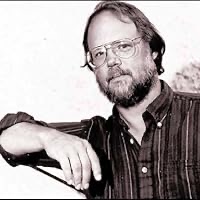
About Tim Cahill
We have collected 14 quotes from 1 book by Tim Cahill on BookQuoters.
More about the author →About the book
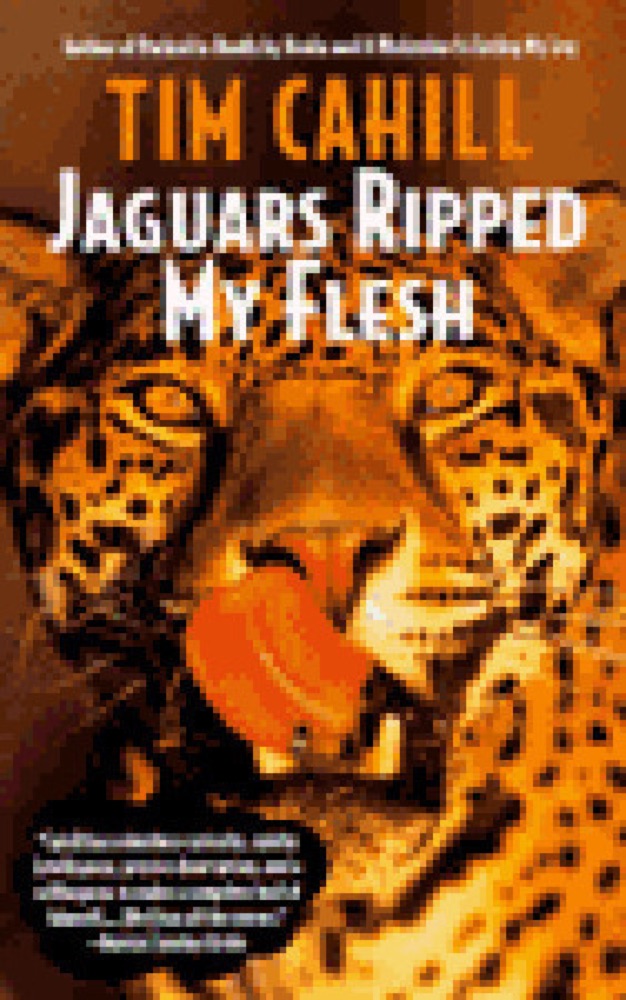
The author of A Wolverine Is Eating My Leg and Pecked to Death by Ducks gives new meaning to the words "going to extremes" in this exhilarating--and frequently hilarious--collection of adventure travel writing. "Cahill . . . (writes) with the precision ofJohn McPhee and Joan Didion tempered by a Monty Pythonesque sense of the absurd."--San Diego Union-Tribune.
Book details
- First published
- 1987
- Author
- Tim Cahill
- Genre
- Nonfiction
- Goodreads rating
- 3.94 (2k ratings)
Keep reading
Arctic Dreams
 The Motorcycle Diaries: Notes on a Latin American Journey
 West with the Night
 The Bedlam Stacks
 Travels with Charley: In Search of America
 The Adventures of China Iron
 The Gone-Away World
 The Quick and the Dead
 The Log from the Sea of Cortez
 Bradbury Stories: 100 of His Most Celebrated Tales
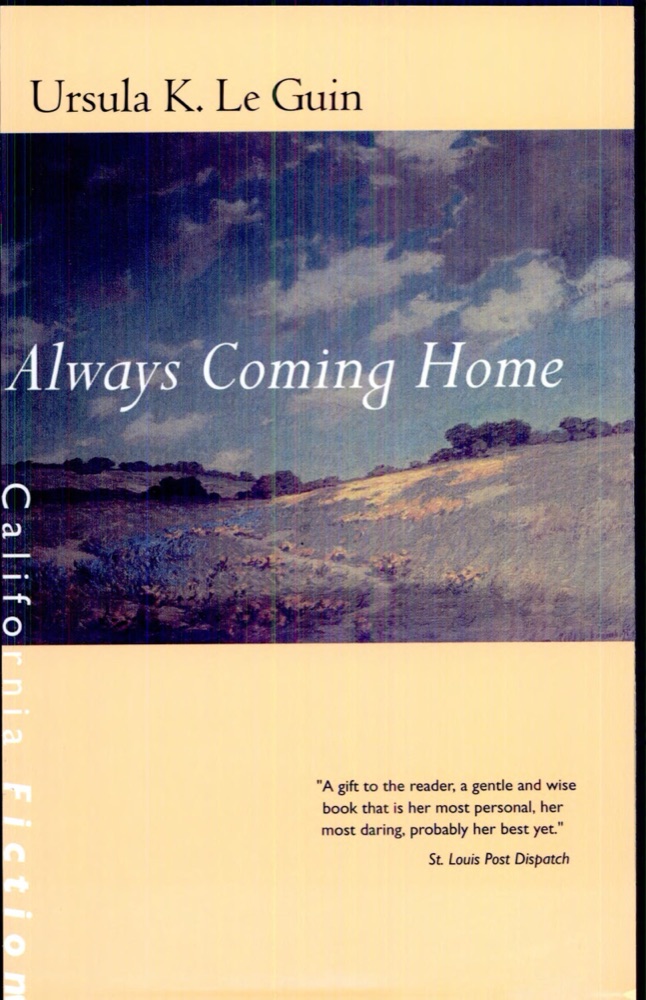 Always Coming Home
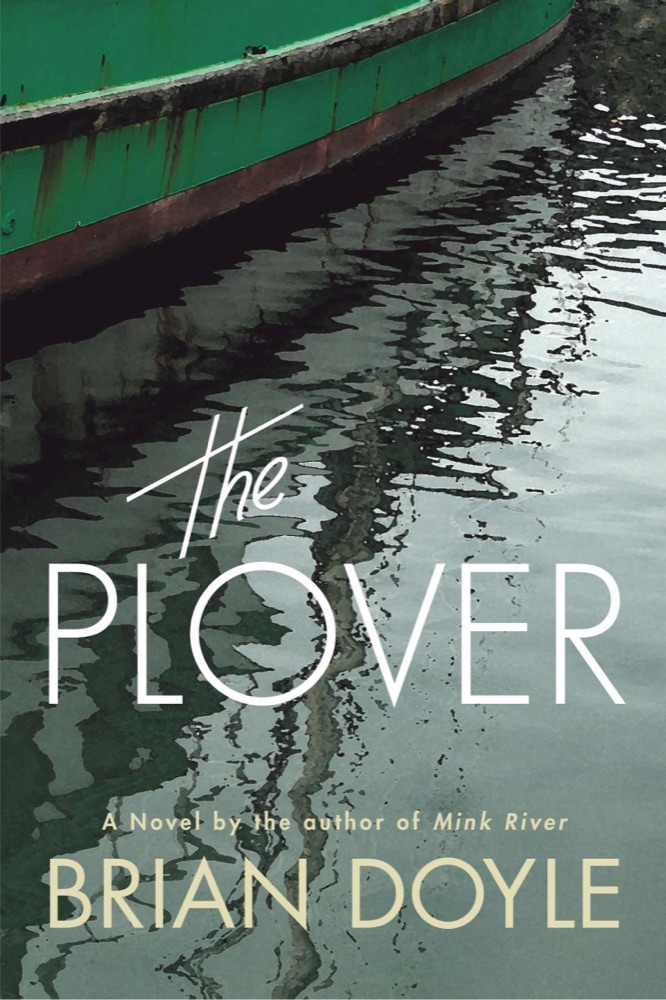 The Plover
 Plainwater: Essays and Poetry
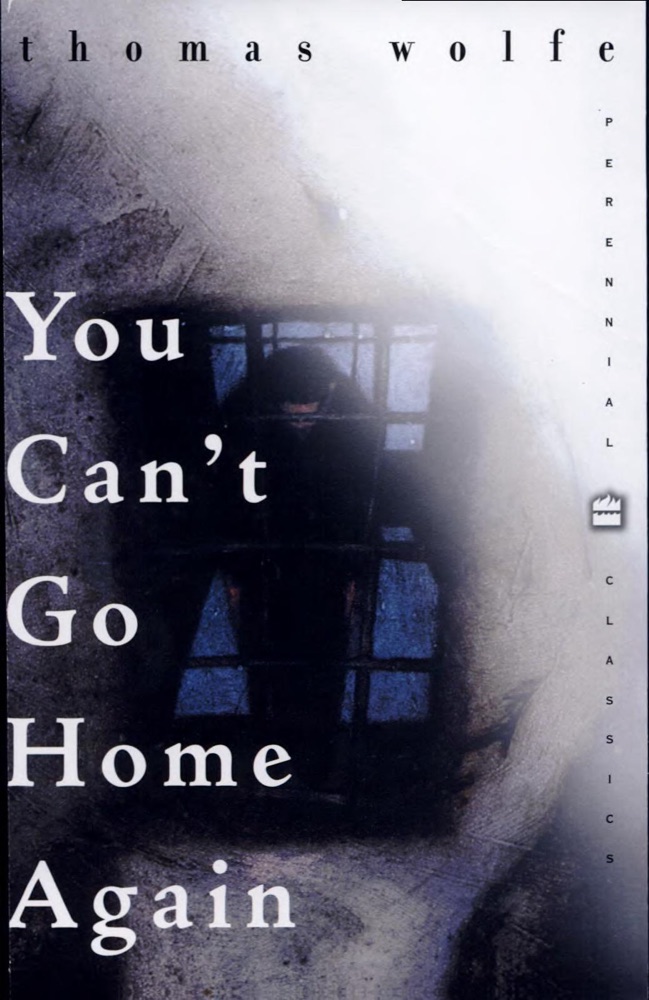 You Can't Go Home Again
 Life & Times of Michael K
 Flights
 The Lost City of Z: A Tale of Deadly Obsession in the Amazon
 The Stone Gods
 A Bend in the River
 Arm of the Sphinx
 The Cat's Table
 Moravagine
 Wild Ducks Flying Backward
 The Empusium
 The Angel Esmeralda
 Shadow Country
 Villa Incognito
 The Western Lands
 Turtle Diary
 Roughing It
 H is for Hawk
 The Emperor of Gladness
 Roadside Picnic
 The Complete Stories
 The Complete Short Stories
 Last Chance to See
 The Beach
 Adrift: Seventy-Six Days Lost at Sea
 Oryx and Crake
 Walking
 The Wind-Up Bird Chronicle
 The Golden House
 To The Bright Edge of the World
 Out of the Silent Planet
 The Stranger in the Woods: The Extraordinary Story of the Last True Hermit
 Spaceman of Bohemia
 The Proud Highway: Saga of a Desperate Southern Gentleman, 1955-1967
 The Last American Man
 The Fall of Babel
 Out of Oz
 In the Heart of the Heart of the Country and Other Stories
 Travels with Myself and Another
 The Songlines
 After the Quake
 The Moor's Last Sigh
 Ohio
Ohio
 Creation Lake
 The Way of the World
 Gold Fame Citrus
 In Arabian Nights: A Caravan of Moroccan Dreams