
 Refuge: An Unnatural History of Family and Place
Quotes from the Book
My spiritual life is found inside the heart of the wild.
19
This is what we can promise the future: a legacy of care. That we will be good stewards and not take too much or give back too little, that we will recognize wild nature for what it is, in all its magnificent and complex history - an unfathomable wealth that should be consciously saved, not ruthlessly spent. Privilege is what we inherit by our status as Homo sapiens living on this planet. This is the privilege of imagination. What we choose to do with our privilege as a species is up to each of us. Humility is born in wildness. We are not protecting grizzlies from extinction; they are protecting us from the extinction of experience as we engage with a world beyond ourselves. The very presence of a grizzly returns us to an ecology of awe. We tremble at what appears to be a dream yet stands before us on two legs and roars.
18
Awe is the moment when ego surrenders to wonder. This is our inheritance - the beauty before us. We cry. We cry out. There is nothing sentimental about facing the desert bare. It is a terrifying beauty.
13
Wilderness is not a place of isolation but contemplation. Refuge. Refugees.....Wilderness is a knife that cuts through pretense and exposes fear. Even in remote country, you cannot escape your mind.
6
Boundaries are fears made manifest, designed to protect us. I don't want protection, I want freedom.
6
Our public lands - whether a national park or monument, wildlife refuge, forest or prairie - make each one of us land-rich. It is our inheritance as citizens of a country called America.
6
Our ability to travel is a privilege. But it is also a choice. Money is time. Where do we spend out time? Wilderness is not my leisure or my recreation. It is my sanity.
5
Wilderness is the source of what we can imagine and what we cannot - the taproot of consciousness. It will survive us.
5
I return to the wilderness to remember what I have forgotten, that the world can be wholesome and beautiful, that the harmony and integrity of ecosystems at peace is a mirror to what we have lost.
4
We spoke of death, not in a morbid way, but in a pragmatic one. "It will come," Dad said. "But for now, heaven is here.
3
This is wilderness, to walk in silence. This is wilderness, to calm the mind. This is wilderness, my return to composure.
3
By definition, our national parks in all their particularity and peculiarity show us as much about ourselves as the landscapes they honor and protect. They can be seen as holograms of an America born of shadow and light; dimensional; full of contradictions and complexities. Our dreams, our generosities, our cruelties and crimes are absorbed into these parks like water. The poet Rumi says, “Water, stories, the
3
How we treat our land, how we build upon it, how we act toward our air and water, in the long run, will tell what kind of people we really are. -Laurance S. Rockefeller
2
These are difficult time, transformative times- times of extreme actions especially within our national parks. Extreme drought. Extreme fires. Extreme development with extreme policy shifts needed in the name of global warming. The world is changing dramatically, both ecologically as well as politically. But I believe our greatest transformation as a species will be spiritual. The word "we" must include all species.
2
The scales of equilibrium can be found in wilderness/
2
These valleys, these rivers- creased, folded, and pushed. What wisdom mountains house. My God- they are Gods. My God has feet of Earth. We are flickering moths in migration.
2
Wilderness is an antidote to the war within ourselves.
2
The irony of our existence is this: We are infinitesimal in the grand scheme of evolution, a tiny organism on Earth. And yet, personally, collectively, we are changing the planet through our voracity, the velocity of our reach, our desires, our ambitions, and our appetites. We multiply, our hunger multiplies, and our insatiable craving accelerates. Consumption is a progressive disease. We believe in more, more possessions, more power, more war. Anywhere, everywhere our advance of aggression continues. My aggression toward myself is the first war. Wilderness is an antidote to the war within ourselves.
2
It is a day of angled light and flat-bottomed clouds floating in a turquoise sky.
2
I could walk forever with beauty. Our steps are not measured in miles but in the amount of time we are pulled forward by awe. This is another gift from our national parks, to be led by the vistas, to forget what nags us at home and remember what sustains us, the horizon.
2
The difference between fear and awe is a matter of our eyes adjusting.
2
These bears were reimagined in place through a collective belief and need. I do not know why they were sculpted into being, but their power is palpable. I may be blind to what has been buried here or held inside these effigy mounds for thousands of years, but I can read the landscape like Braille through the tips of my fingers translating the script of grasses into a narrative I can understand. The bears and birds and snakes written on the body of the Earth through the hands of humans who dwelled here in the Upper Mississippi River Valley are a reminder that we form the future by being caretakers of our past.
2
We are slowly returning to the hour of land where our human presence can take a side step and respect the integrity of the place itself - paying attention to its own historical and ecological character beyond our needs and desires. This kind of generosity of spirit requires an uncommon humility to listen to the land first.
1
I see our national parks as our ongoing struggle as a diverse people to create circles of reverence in a time of collective cynicism where we are wary of being moved by anything but our own clever perspective... The nature of our national parks is bound to the nature of our own humility, our capacity to stay open and curious in a world that instead beckons closure through fear. For me, humility begins as a deep recognition of all I do not know. This understanding doesn't stop me, it inspires me to ask more questions, to look more closely, to feel more fully the character of the place where I am.
1
Our institutions and agencies are no longer working for us. It is time to reimagine the wilderness movement as a movement of direct action, time to reimagine our public lands as sanctuaries, refuges, and sacred lands. Time to rethink what is acceptable and what is not.
1
The time has come for acts of reverence and restraint on behalf of the Earth. We have arrived at the Hour of Land.
1
What if our national parks and monuments became places of conscience instead of places of consumption? How many more T-shirts can we buy, let alone wear, that advertise where we've been? How many different forms of recreation must we create to assuage our adrenaline to return home with a fresh idea gleaned while walking in new territory? As I have been visiting our national parks, I keep asking myself: Who are we becoming? In the end, it may be solitude that the future will thank us most for conserving- the kind of solitude born out of stillness....It is the kind of stillness that can still be found in each of our national parks where a quieting of the soul inspires creative acts.
1
Watch on YouTube
About Terry Tempest Williams
We have collected 84 quotes from 3 books by Terry Tempest Williams on BookQuoters.
More about the author →More by Terry Tempest Williams
Refuge: An Unnatural History of Family and Place
 When Women Were Birds: Fifty-Four Variations on Voice
About the book
America’s national parks are breathing spaces in a world in which such spaces are steadily disappearing, which is why more than 300 million people visit the parks each year. Now Terry Tempest Williams, the author of the environmental classic Refuge and the beloved memoir When Women Were Birds, returns with The Hour of Land, a literary celebration of our national parks, an exploration of what they mean to us and what we mean to them.
From the Grand Tetons in Wyoming to Acadia in Maine to Big Bend in Texas and more, Williams creates a series of lyrical portraits that illuminate the unique grandeur of each place while delving into what it means to shape a landscape with its own evolutionary history into something of our own making. Part memoir, part natural history, and part social critique, The Hour of Land is a meditation and a manifesto on why wild lands matter to the soul of America.
Book details
- First published
- 2016
- Author
- Terry Tempest Williams
- Genre
- Nonfiction
- Goodreads rating
- 4.12 (4k ratings)
The buzz
- The New York TimesReview in The New York Timesprofessional review (via Book Marks)
- The Washington PostReview in The Washington Postprofessional review (via Book Marks)
- SlateReview in Slateprofessional review (via Book Marks)
- SeattletimesReview in Seattletimesprofessional review (via Book Marks)
- PhillyReview in Phillyprofessional review (via Book Marks)
- NewsdayReview in Newsdayprofessional review (via Book Marks)
Keep reading
 On Trails: An Exploration
 The Journey Home: Some Words in Defense of the American West
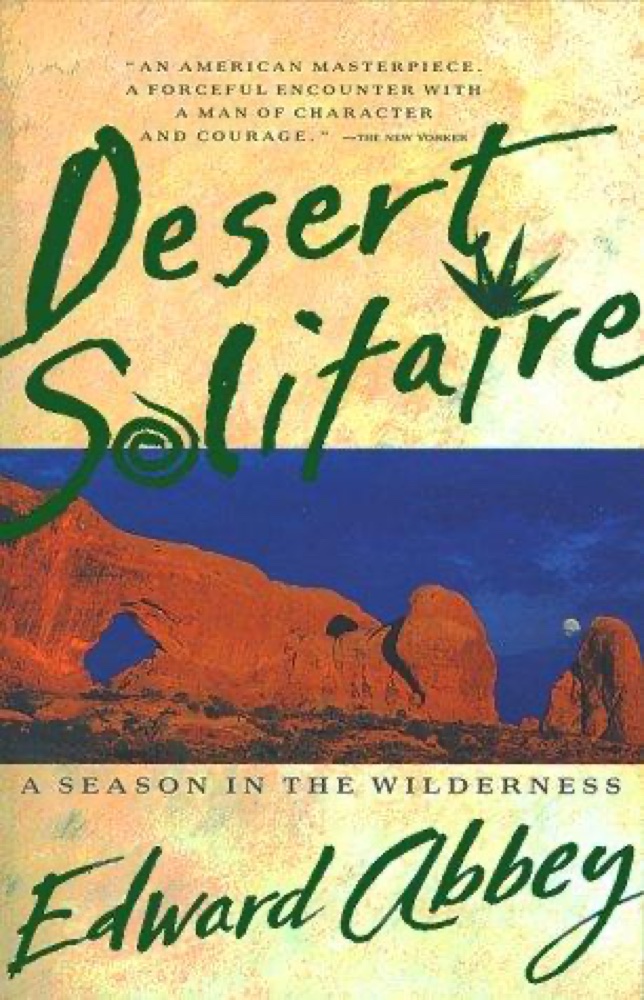 Desert Solitaire
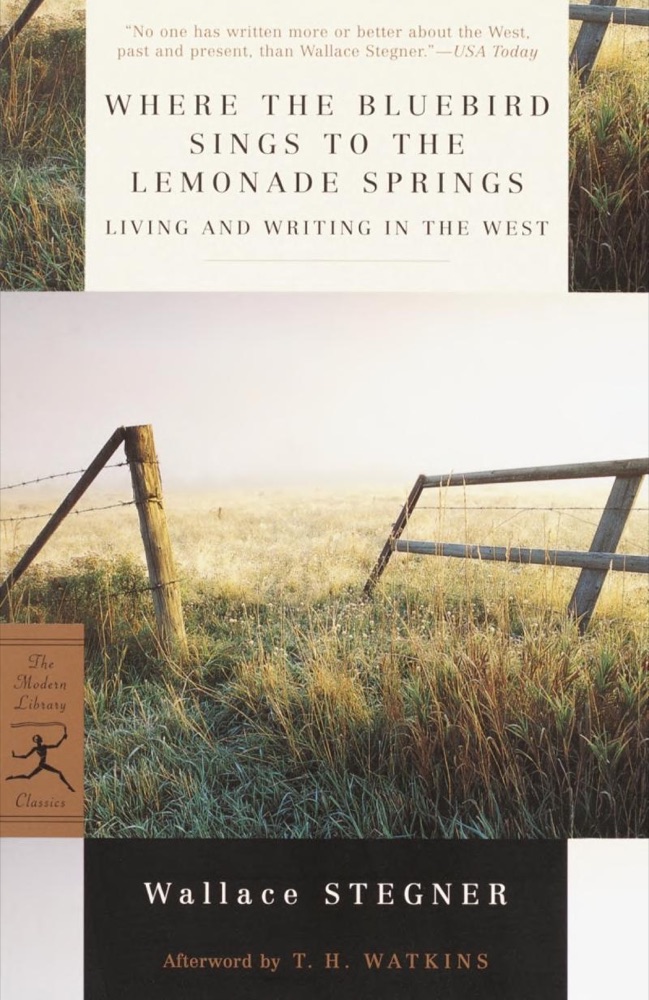 Where the Bluebird Sings to the Lemonade Springs: Living and Writing in the West
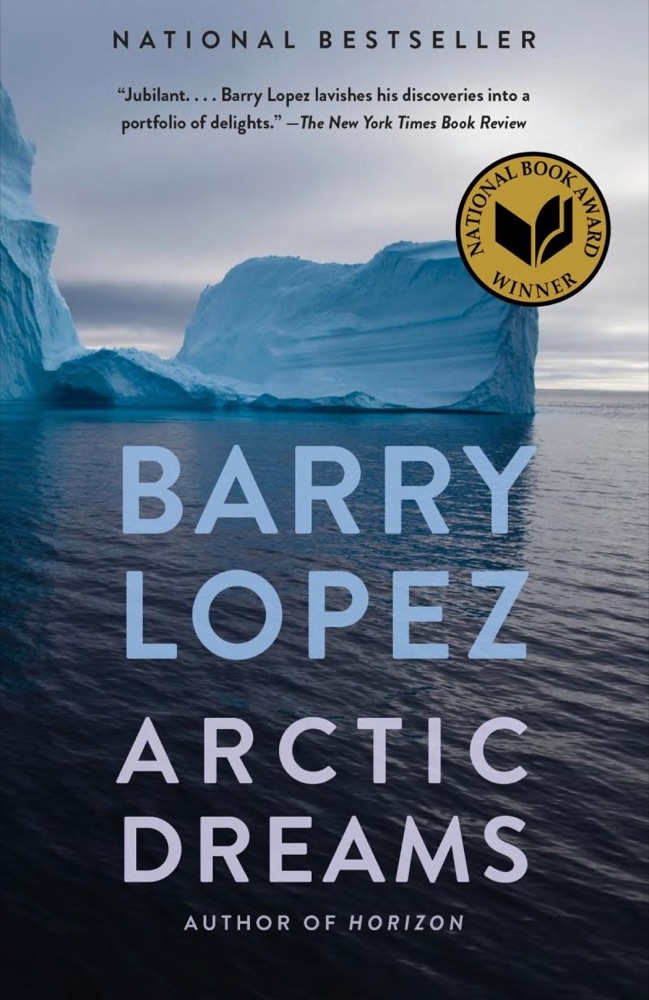 Arctic Dreams
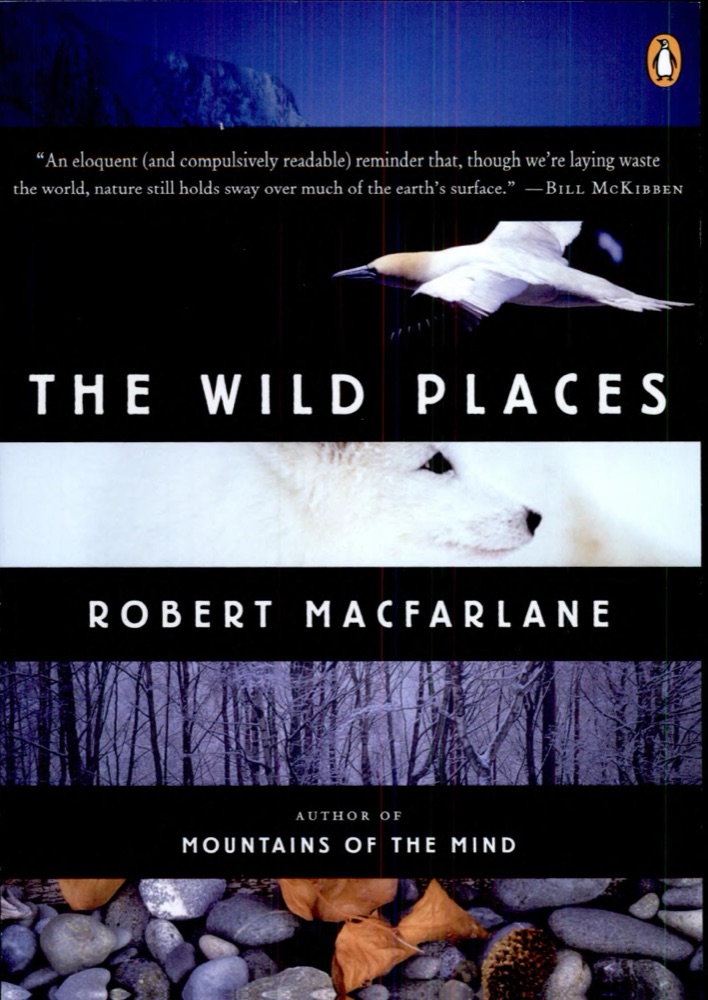 The Wild Places
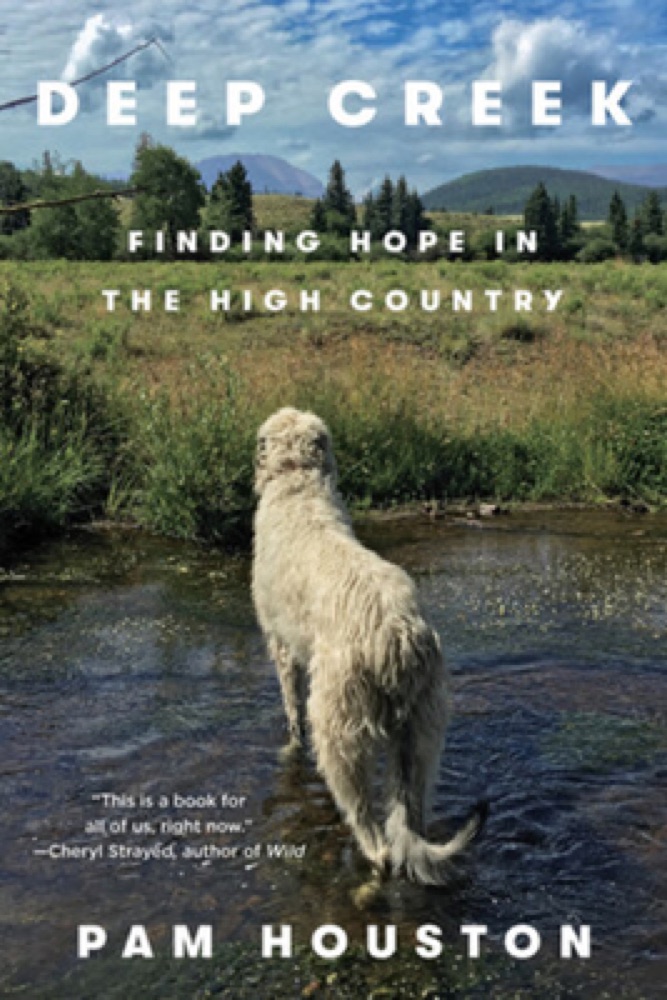 Deep Creek: Finding Hope in the High Country
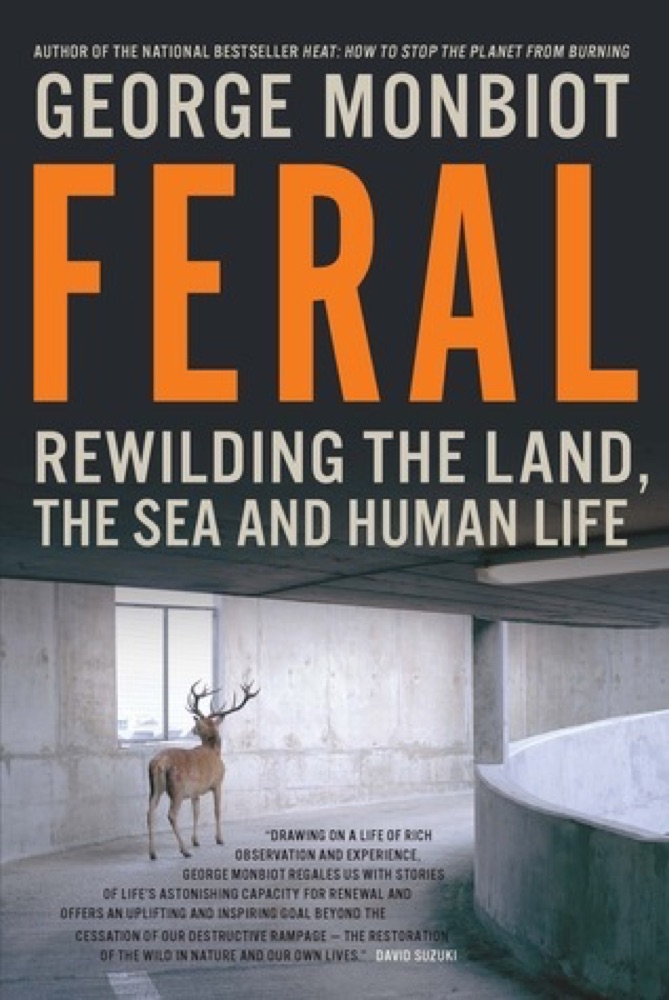 Feral: Rewilding the Land, the Sea and Human Life
Refuge: An Unnatural History of Family and Place
Feral: Rewilding the Land, the Sea and Human Life
Refuge: An Unnatural History of Family and Place
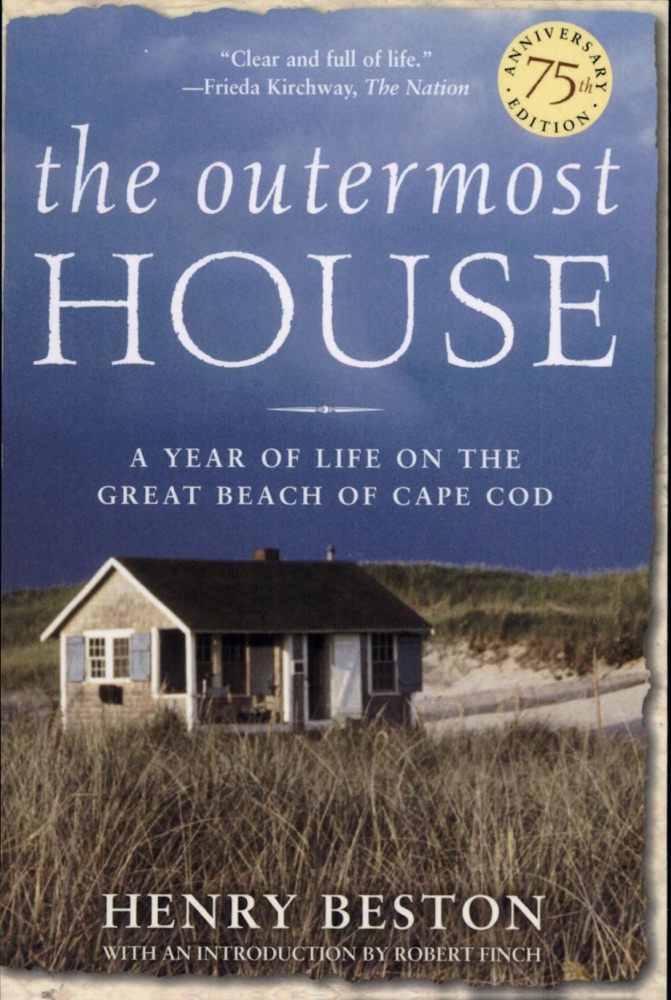 The Outermost House: A Year of Life on the Great Beach of Cape Cod
 Walking
 A Sand County Almanac and Sketches Here and There
 Teaching a Stone to Talk: Expeditions and Encounters
 All We Can Save: Truth, Courage, and Solutions for the Climate Crisis
 Between a Rock and a Hard Place
 Upstream: Selected Essays
 Split Tooth
 Appalachian Elegy: Poetry and Place
 Small Wonder
 Vesper Flights
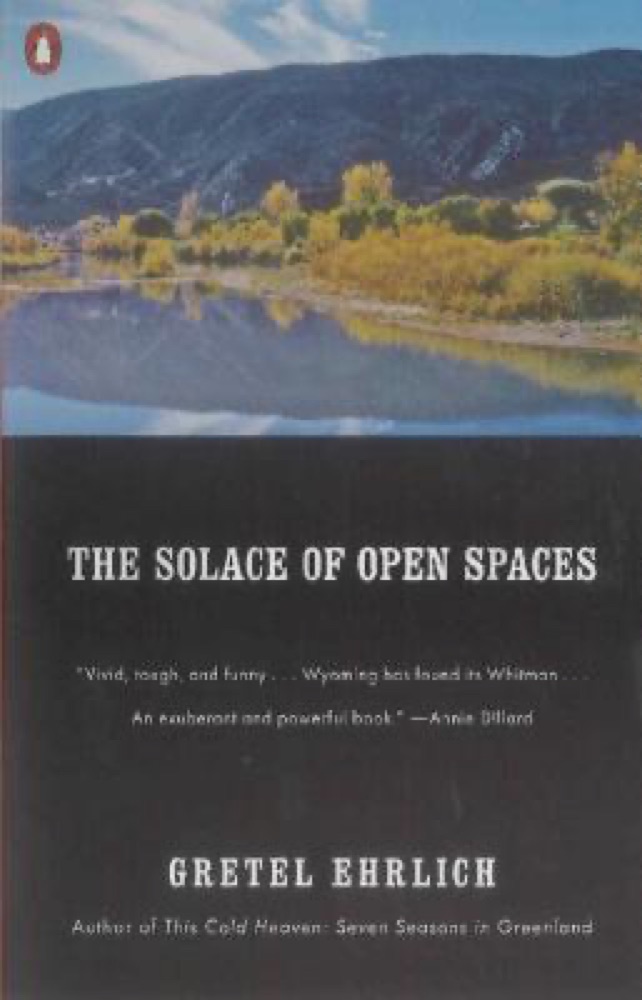 The Solace of Open Spaces
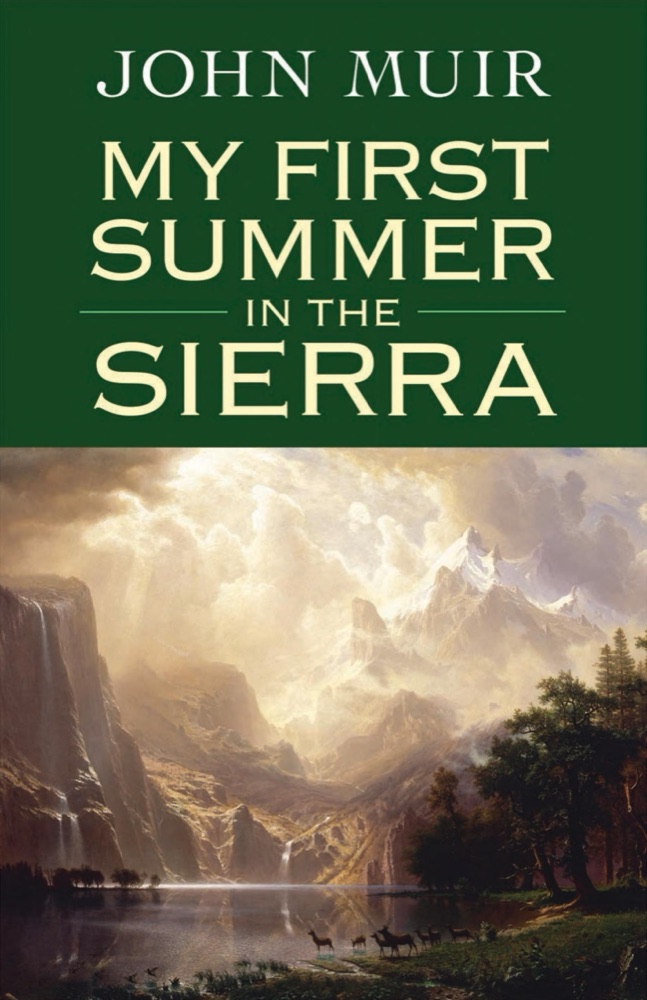 My First Summer in the Sierra
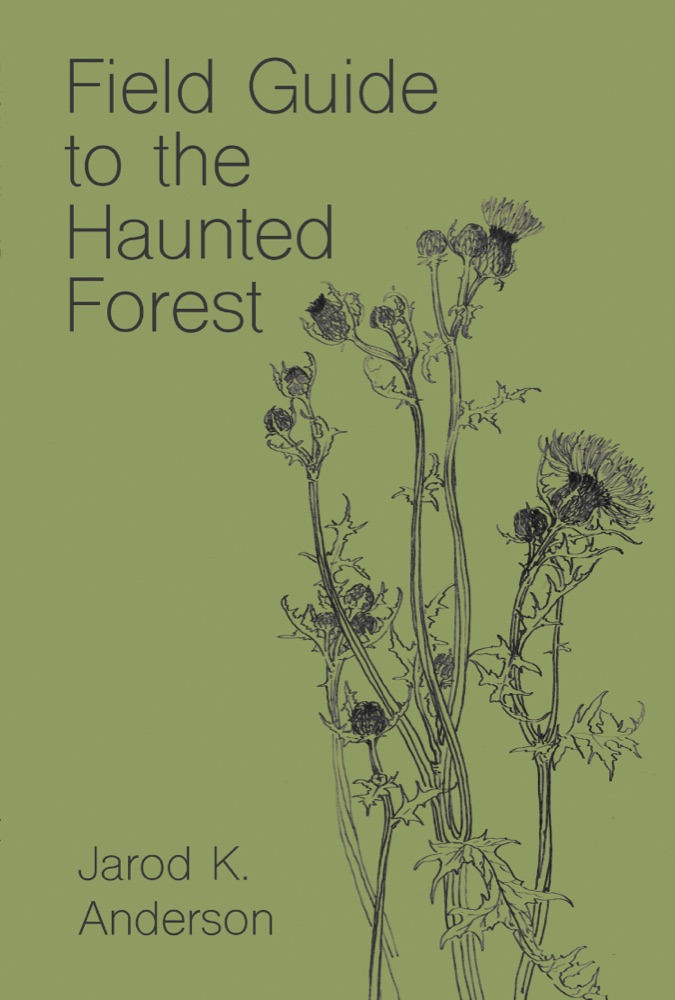 Field Guide to the Haunted Forest
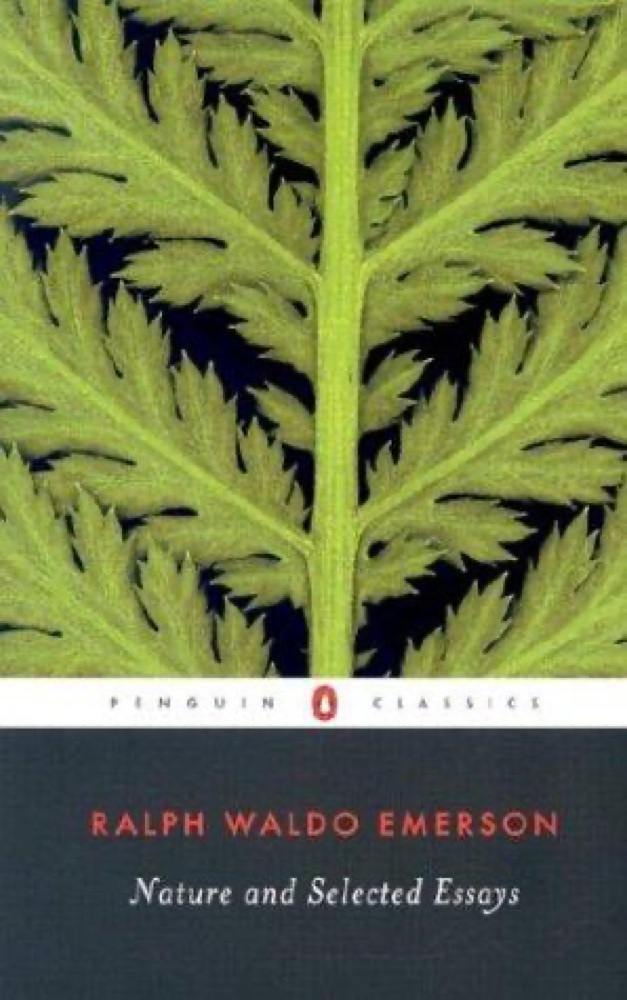 Nature and Selected Essays
 The Last Englishman
 Pilgrim at Tinker Creek
 The World-Ending Fire: The Essential Wendell Berry
 H is for Hawk
 The Anthropocene Reviewed: Essays on a Human-Centered Planet
 To The Bright Edge of the World
 Winter Hours: Prose, Prose Poems, and Poems
 The Snow Leopard
 Underland: A Deep Time Journey
 West with the Night
 The Forest Unseen: A Year’s Watch in Nature
 A Life on Our Planet: My Witness Statement and a Vision for the Future
 Gathering Moss: A Natural and Cultural History of Mosses
 The Old Ways: A Journey on Foot
 Travels with Charley: In Search of America
 Always Coming Home
 The Sun is a Compass: A 4,000-Mile Journey into the Alaskan Wilds
 Conflict Resolution for Holy Beings: Poems
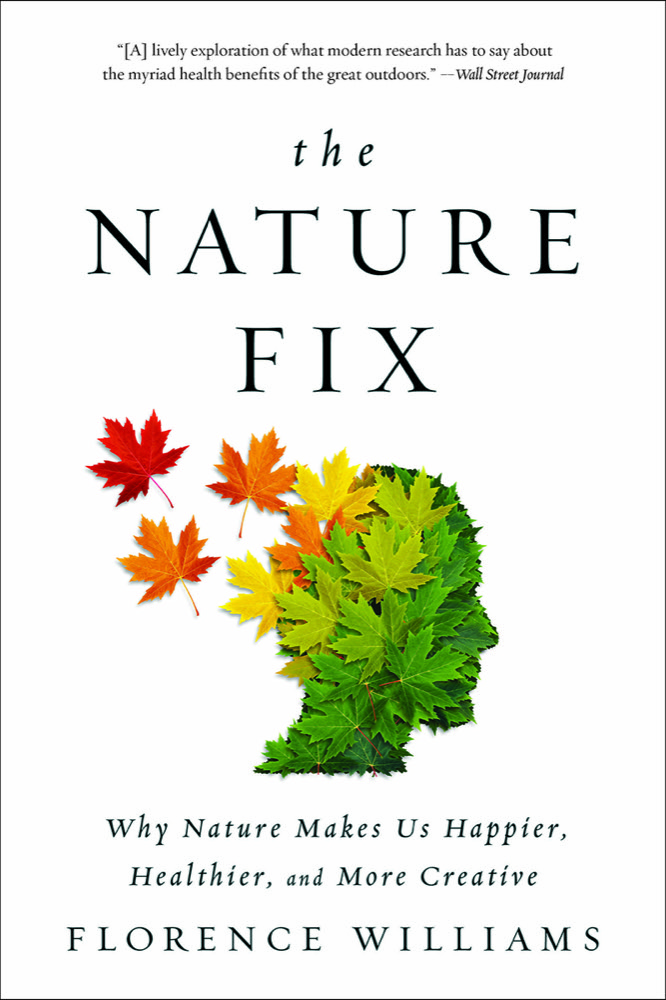 The Nature Fix: Why Nature Makes Us Happier, Healthier, and More Creative
 A Field Guide to Getting Lost
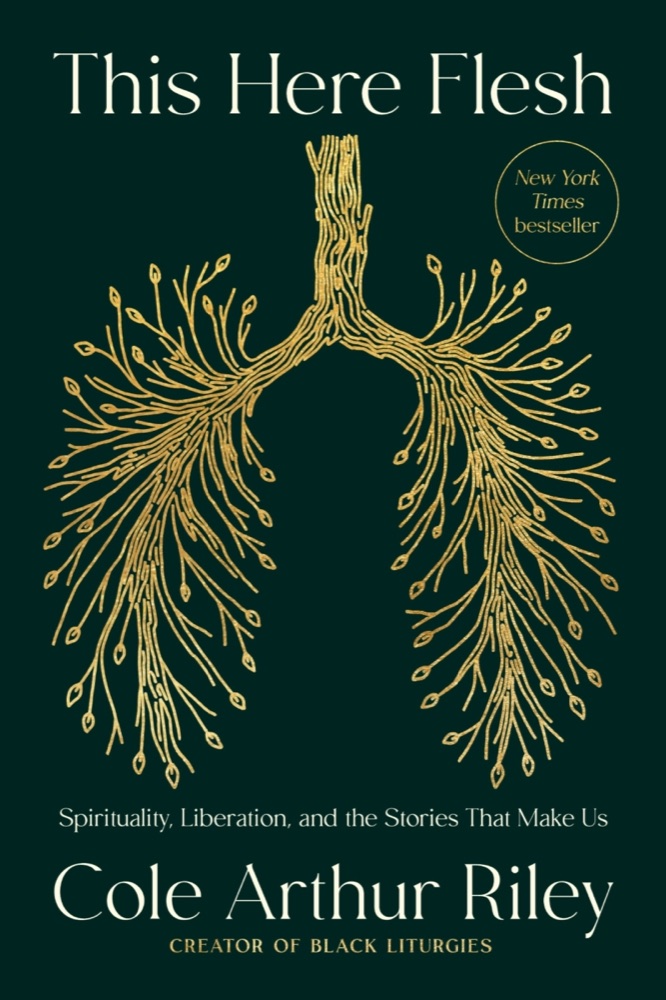 This Here Flesh: Spirituality, Liberation, and the Stories That Make Us
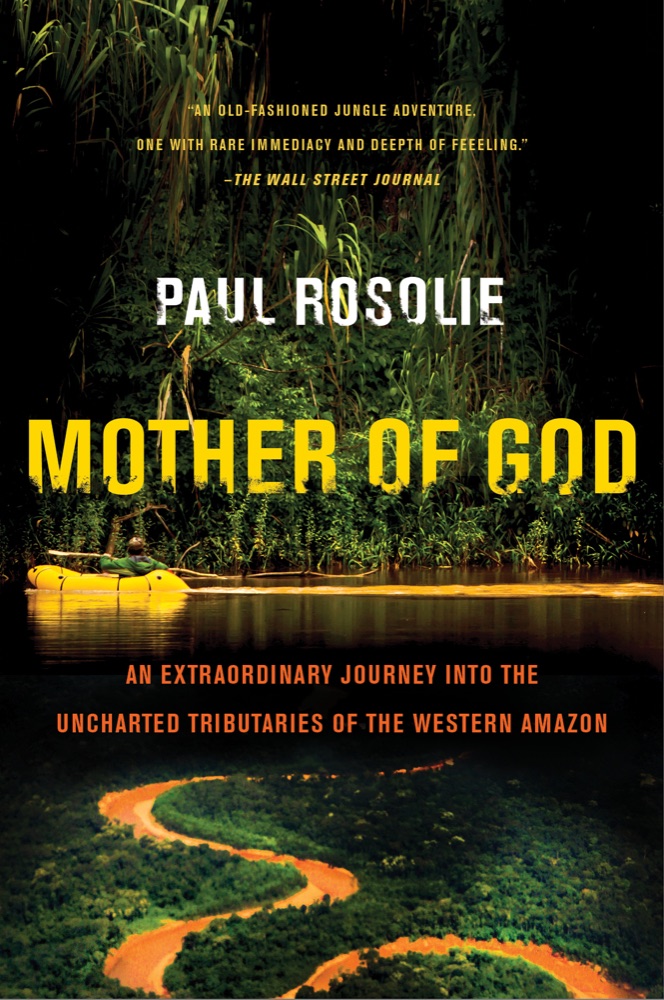 Mother of God: An Extraordinary Journey into the Uncharted Tributaries of the Western Amazon
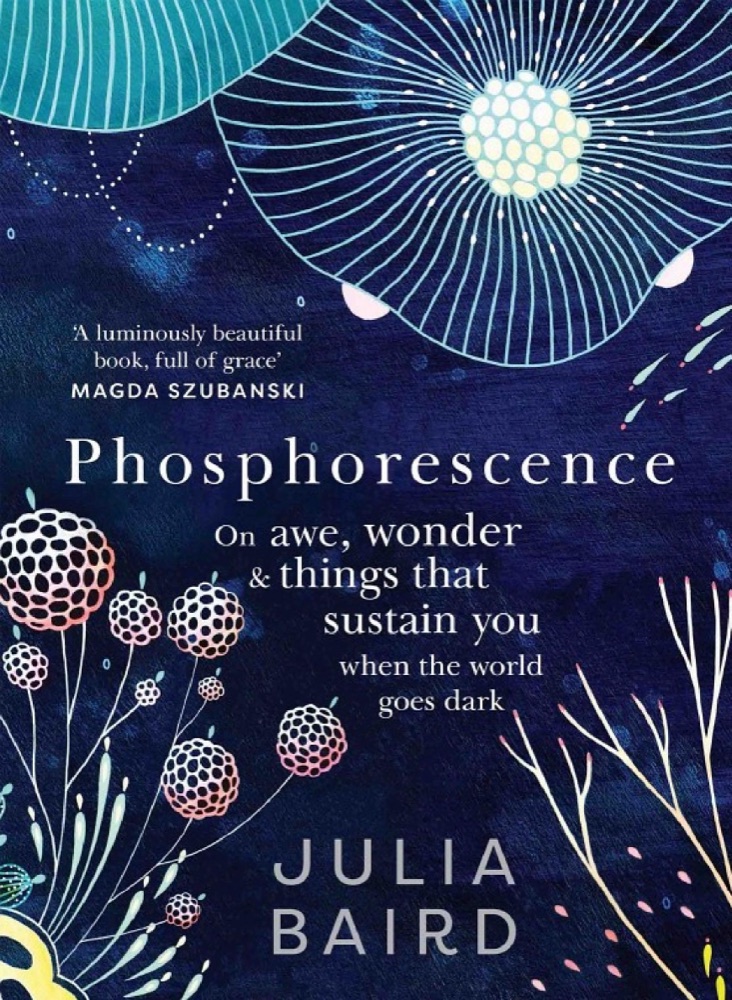 Phosphorescence: On Awe, Wonder and Things That Sustain You When the World Goes Dark
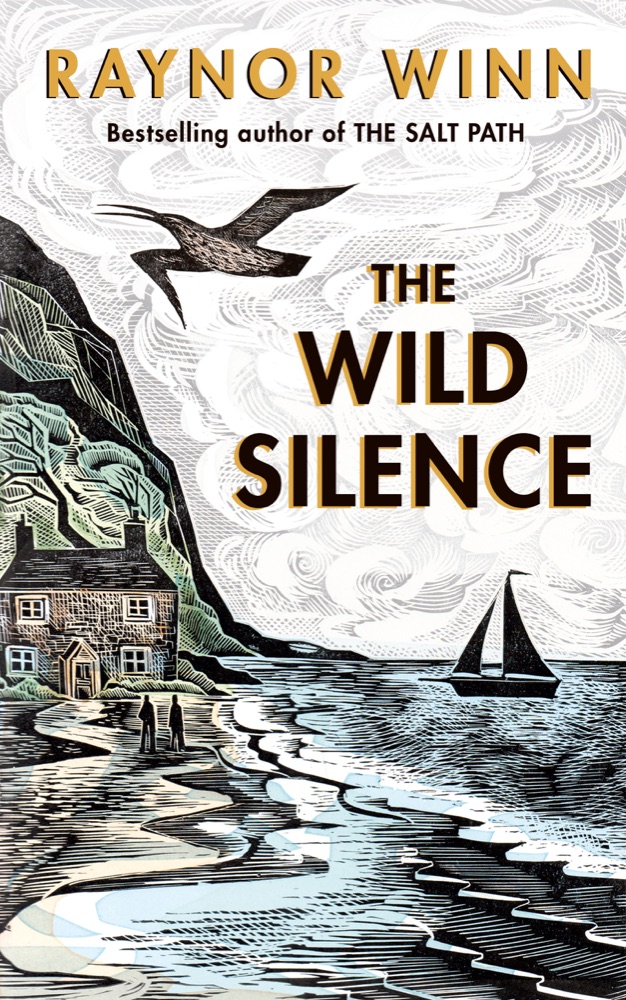 The Wild Silence
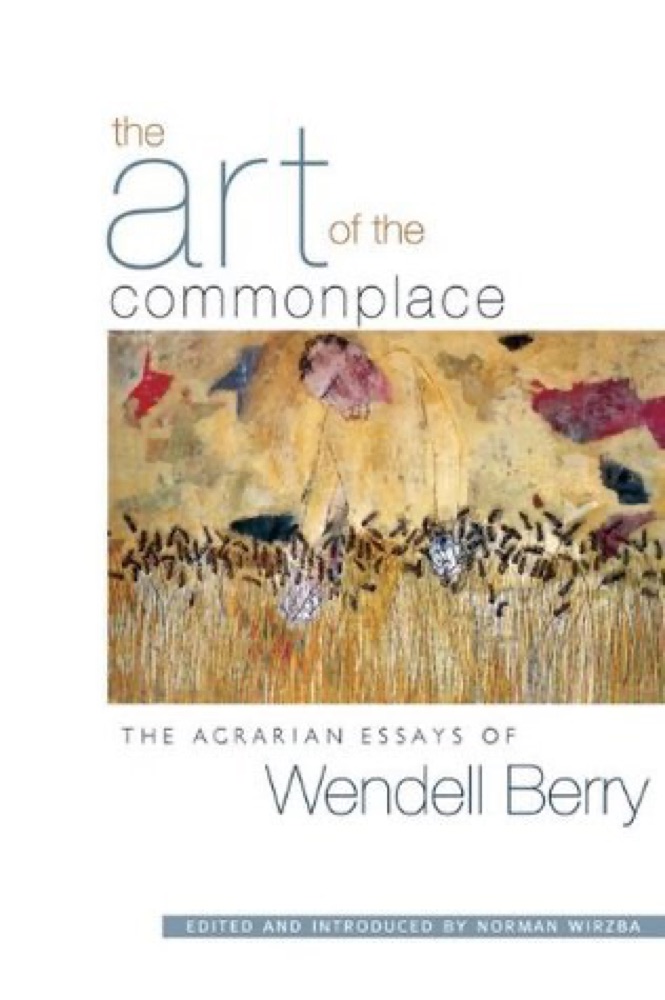 The Art of the Commonplace: The Agrarian Essays
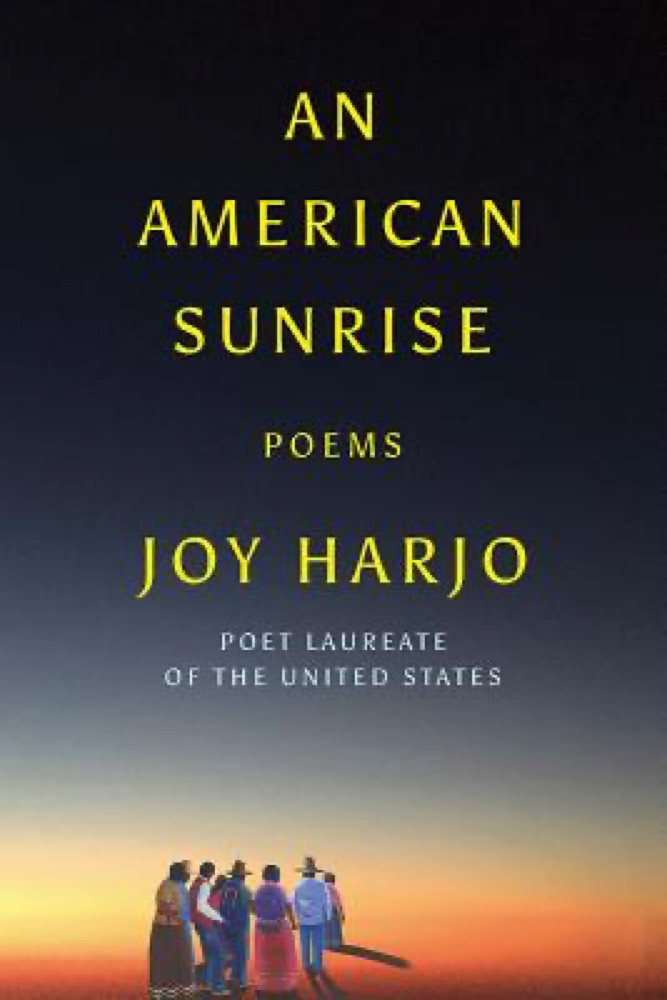 An American Sunrise
 Call Us What We Carry
 Diary of a Young Naturalist
 A Walk in the Woods
 Becoming Wise: An Inquiry into the Mystery and Art of Living
 The Last Season
 Sacred Journey of the Peaceful Warrior
 The Salt Path
 The Abundance
 The Stone Gods