
 A Very Short History of the Israel–Palestine Conflict
Quotes from the Book
After the Holocaust, it has become almost impossible to conceal large-scale crimes against humanity. Our modern communication-driven world, especially since the upsurge of electronic media, no longer allows human-made catastrophes to remain hidden from the public eye or to be denied. And yet, one such crime has been erased almost totally from the global public memory: the dispossession of the Palestinians in 1948 by Israel. This, the most formative event in the modern history of the land of Palestine, has ever since been systematically denied, and is still today not recognised as an historical fact, let alone acknowledged as a crime that needs to be confronted politically as well as morally.
10
This book is written with the deep conviction that the ethnic cleansing of Palestine must become rooted in our memory and consciousness as a crime against humanity and that it should be excluded from the list of alleged crimes.
8
I am for compulsory transfer; I do not see anything immoral in it.’ David Ben-Gurion to the Jewish Agency Executive, June 19381
8
The orders came with a detailed description of the methods to be employed to forcibly evict the people: large-scale intimidation; laying siege to and bombarding villages and population centres; setting fire to homes, properties and goods; expulsion; demolition; and, finally, planting mines among the rubble to prevent any of the expelled inhabitants from returning.
5
Half of the indigenous people living in Palestine were driven out, half of their villages and towns were destroyed, and only very few among them ever managed to return.
3
ethnic cleansing is an effort to render an ethnically mixed country homogenous by expelling a particular group of people and turning them into refugees while demolishing the homes they were driven out from.
3
The attempt to portray Palestinians, and Arabs in general, as Nazis was a deliberate public relations ploy to ensure that, three years after the Holocaust, Jewish soldiers would not lose heart when ordered to cleanse, kill and destroy other human beings.
2
The human geography of Palestine as a whole was forceably transformed. The Arab character of the cities was effaced by the destruction of large sections, including the spacious park in Jaffa and community centres in Jerusalem. This transformation was driven by the desire to wipe out one nation’s history and culture and replace it with a fabricated version of another, from which all traces of the indegenous population were elided.
2
Human Rights, adopted as General Assembly Resolution 217 A (III), 10 December 1948, the day before Resolution 194 declared the unconditional right of the Palestinian refugees to return to their homes.
2
But beyond numbers, it is the deep chasm between reality and representation that is most bewildering in the case of Palestine. It is indeed hard to understand, and for that matter to explain, why a crime that was perpetrated in modern times and at a juncture in history that called for foreign reporters and UN observers to be present, should have been so totally ignored.
1
The general definition of what ethnic cleansing consists of applies almost verbatim to the case of Palestine.
1
They took us out one after the other; shot an old man and when one of his daughters cried, she was shot too. Then they called my brother Muhammad, and shot him in front us, and when my mother yelled, bending over him – carrying my little sister Hudra in her hands, still breastfeeding her – they shot her too.
1
The world looks on as the strongest military power in the region, with its Apache helicopters, tanks and bulldozers, attacks an unarmed and defenseless population of civilians and impoverished refugees among whom small groups of poorly equipped militias try to make a brave but ineffective stand.
1
Israelis enjoy telling Palestinians they should be happy they live in ‘the only democracy’ in the region where they have the right to vote, but no one is under any illusion that voting comes with any actual political power or influence.
1
I have no illusion that it will take more than this book to reverse a reality that demonises a people who have been colonised, expelled and occupied, and glorifies the very people who colonised, expelled and occupied them.
1
Today, these documents of complaint read more as an attempt by ‘sensitive’ Jewish politicians and soldiers to absolve their consciences. They form part of an Israeli ethos that can best be described as ‘shoot and cry’, the title of a collection of expressions of supposedly moral remorse by Israeli soldiers who had participated in a small-scale ethnic cleansing operation in the June 1967 war.
1
1897 Zionist Congress calls for a home for Jewish people in Palestine Pamphlet by founder of socialist Zionism, Nahman Syrkin, says Palestine “must be evacuated for the Jews”.
1
In this building, on a cold Wednesday afternoon, 10 March 1948, a group of eleven men, veteran Zionist leaders together with young military Jewish officers, put the final touches to a plan for the ethnic cleansing of Palestine. That same evening, military orders were dispatched to the units on the ground to prepare for the systematic expulsion of the Palestinians from vast areas of the country.3 The orders came with a detailed description of the methods to be employed to forcibly evict the people: large-scale intimidation; laying siege to and bombarding villages and population centres; setting fire to homes, properties and goods; expulsion; demolition; and, finally, planting mines among the rubble to prevent any of the expelled inhabitants from returning.
1
native people of Palestine, like the native people of every other country in the Arab world, Asia, Africa, America and Europe, refused to divide the land with a settler
1
Palestinian sources show clearly how months before the entry of Arab forces into Palestine, and while the British were still responsible for law and order in the country – namely before 15 May – the Jewish forces had already succeeded in forcibly expelling almost a quarter of a million Palestinians.
1
In other words, Zionism secularised and nationalised Judaism. To bring their project to fruition, the Zionist thinkers claimed the biblical territory and recreated, indeed reinvented, it as the cradle of their new nationalist movement.
What the Palestinians are demanding, and what, for many of them, has become a sine qua non, is that they be recognised as the victims of an ongoing evil, consciously perpetrated against them by Israel. For Israeli Jews to accept this would naturally mean undermining their own status of victimhood. This would have political implications on an international scale, but also – perhaps far more critically – would trigger moral and existential repercussions for the Israeli Jewish psyche: Israeli Jews would have to recognise that they have become the mirror image of their own worst nightmare.
Behind these draconian measures on the part of the Israeli government to prevent any discussion of the Right of Return lies a deep-seated fear vis-à-vis any debate over 1948, as Israel’s ‘treatment’ of the Palestinians in that year is bound to raise troubling questions about the moral legitimacy of the Zionist project as a whole.
As president of the Swedish Red Cross, Bernadotte had been instrumental in saving Jews from the Nazis during the Second World War and this was why the Israeli government had agreed to his appointment as a UN mediator: they had not expected him to try to do for the Palestinians what he had done for the Jews only a few years before.
The Zionist leadership came up with two kinds of response to this predicament: one for public consumption, the other for the limited corps of intimates Ben-Gurion had collected around himself.
This is a pattern we will see recur frequently in the history of peacemaking in Palestine, especially after the Americans became involved in 1967: up to the present day, ‘bringing peace to Palestine’ has always meant following a concept exclusively worked out between the US and Israel, without any serious consultation with, let alone regard for, the Palestinians.
Watch on YouTube
About Ilan Pappé
We have collected 67 quotes from 3 books by Ilan Pappé on BookQuoters.
More about the author →More by Ilan Pappé
A Very Short History of the Israel–Palestine Conflict
 Ten Myths About Israel
About the book
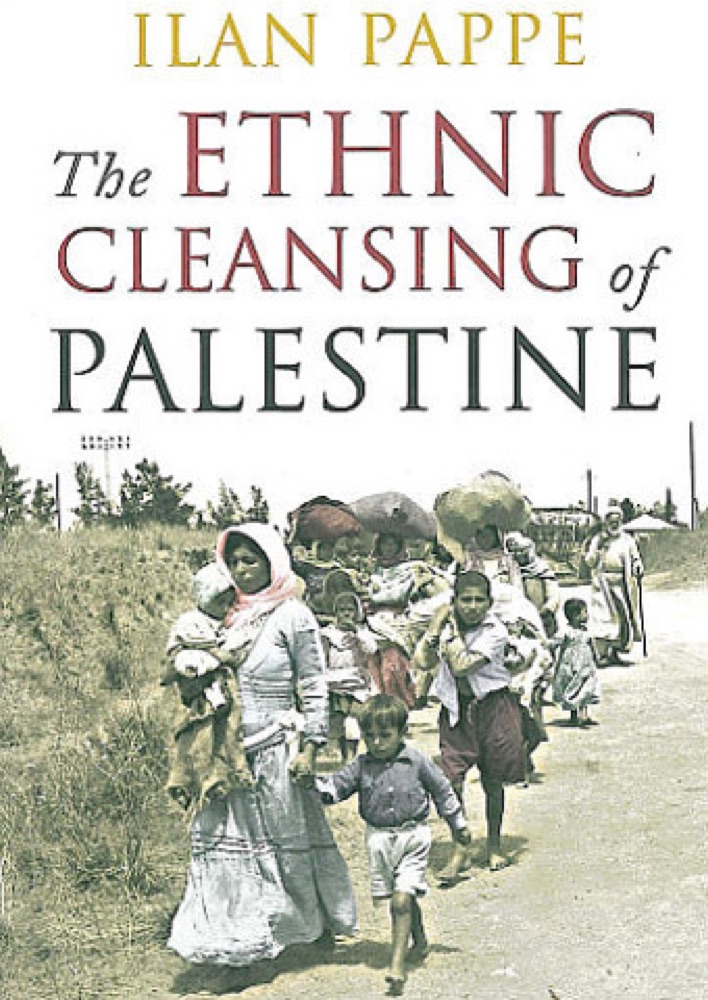
Since the Holocaust, it has been almost impossible to hide large-scale crimes against humanity. In our communicative world, few modern catastrophes are concealed from the public eye. And yet, Ilan Pappe unveils, one such crime has been erased from the global public memory: the ethnic cleansing of the Palestinians in 1948. But why is it denied, and by whom? The Ethnic Cleansing of Palestine offers an investigation of this mystery.
Book details
- First published
- 2006
- Author
- Ilan Pappé
- Genre
- History
- Goodreads rating
- 4.55 (11k ratings)
Keep reading
Ten Myths About Israel
 The Hundred Years’ War on Palestine: A History of Settler Colonialism and Resistance, 1917–2017
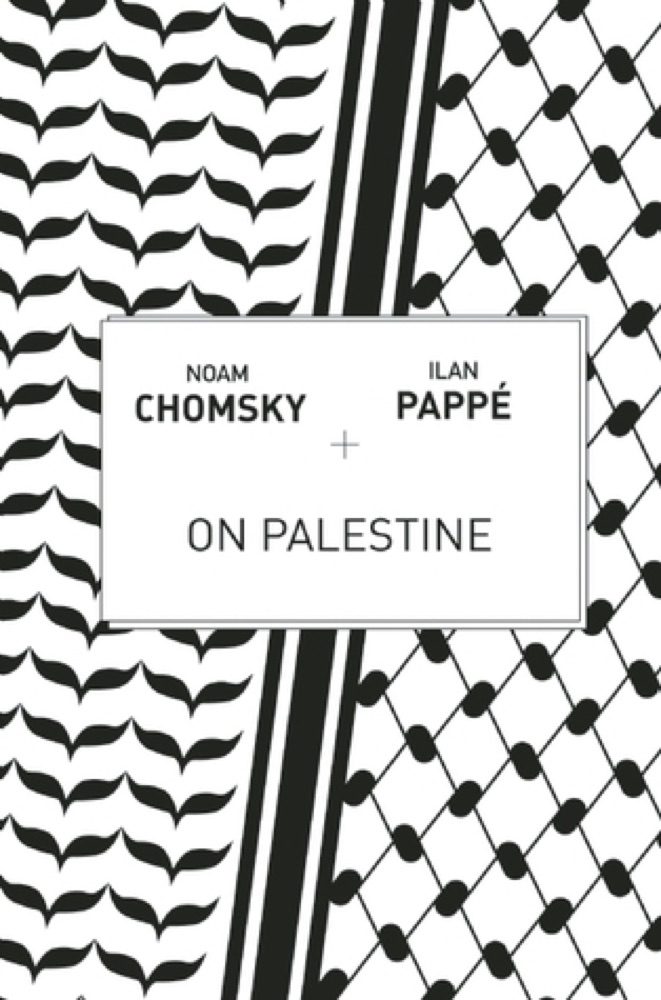 On Palestine
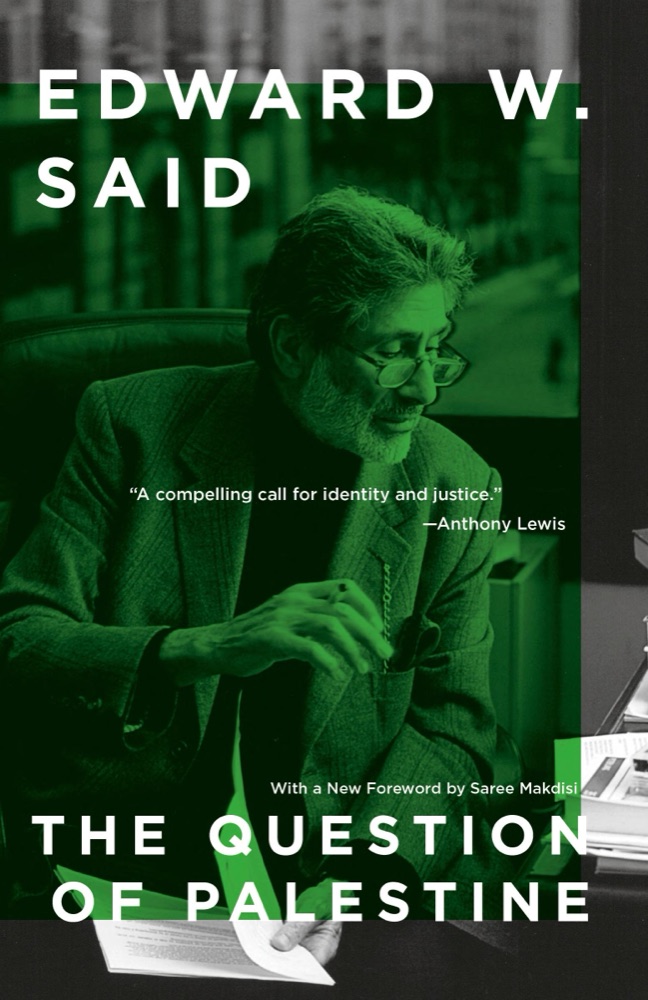 The Question of Palestine
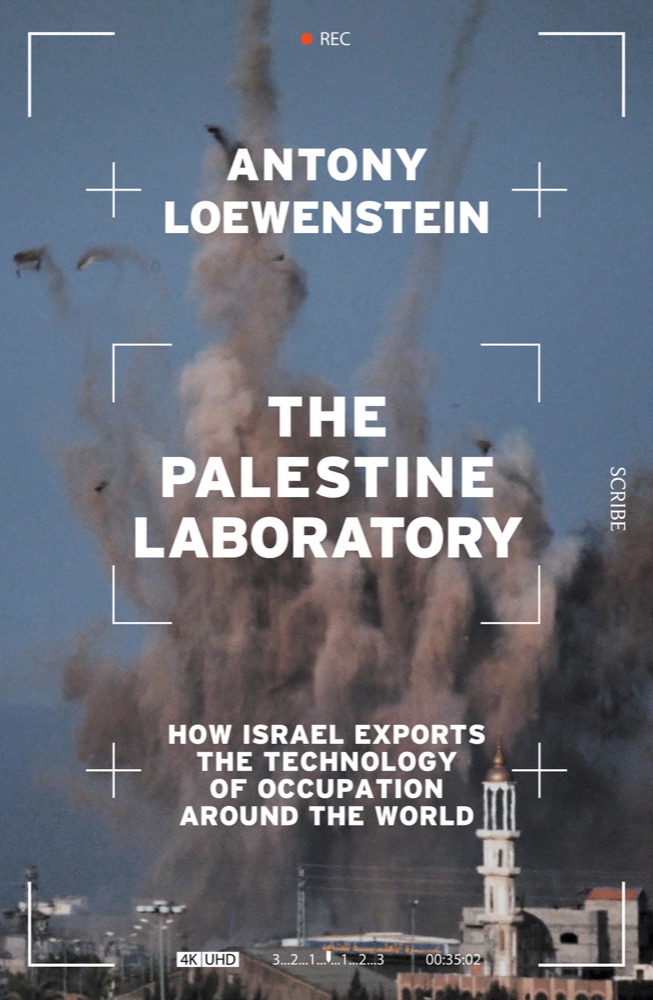 The Palestine Laboratory: How Israel Exports the Technology of Occupation Around the World
A Very Short History of the Israel–Palestine Conflict
The Palestine Laboratory: How Israel Exports the Technology of Occupation Around the World
A Very Short History of the Israel–Palestine Conflict
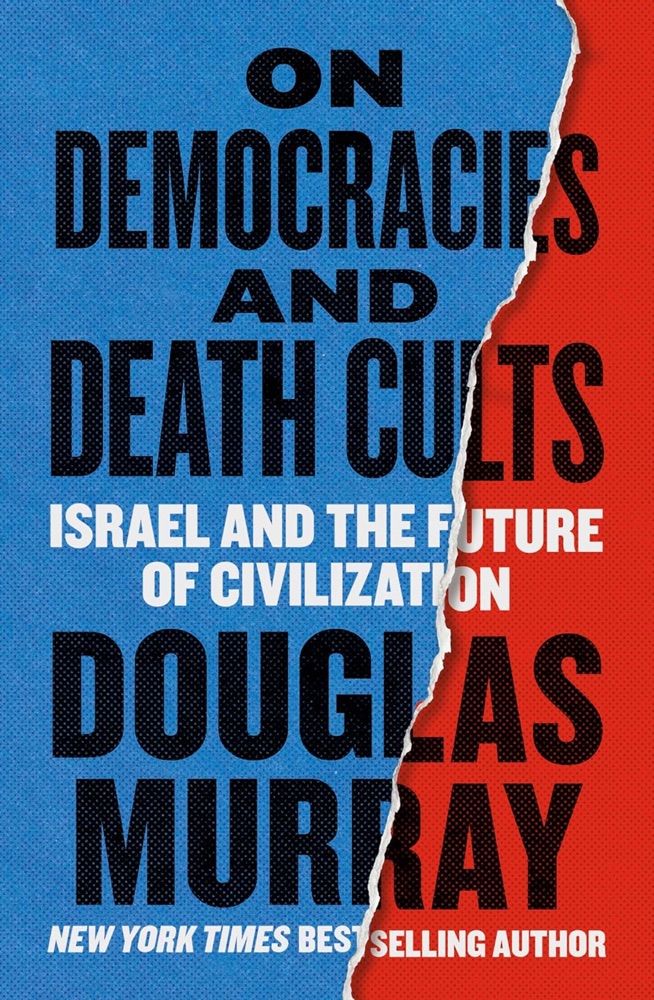 On Democracies and Death Cults: Israel and the Future of Civilization
 My Promised Land: The Triumph and Tragedy of Israel
 Perfect Victims and the Politics of Appeal
 Exodus
 Recognizing the Stranger: On Palestine and Narrative
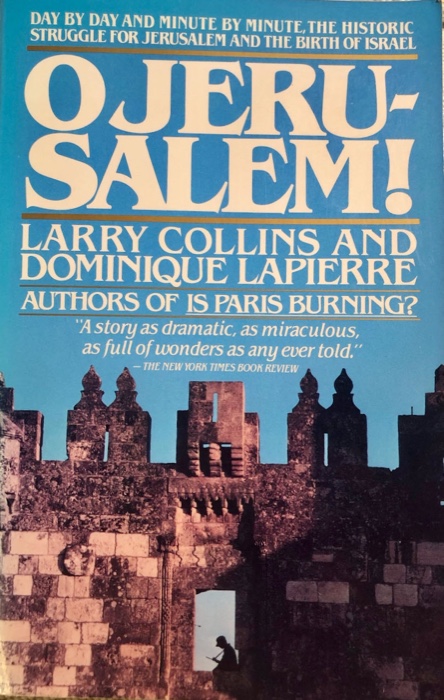 O Jerusalem
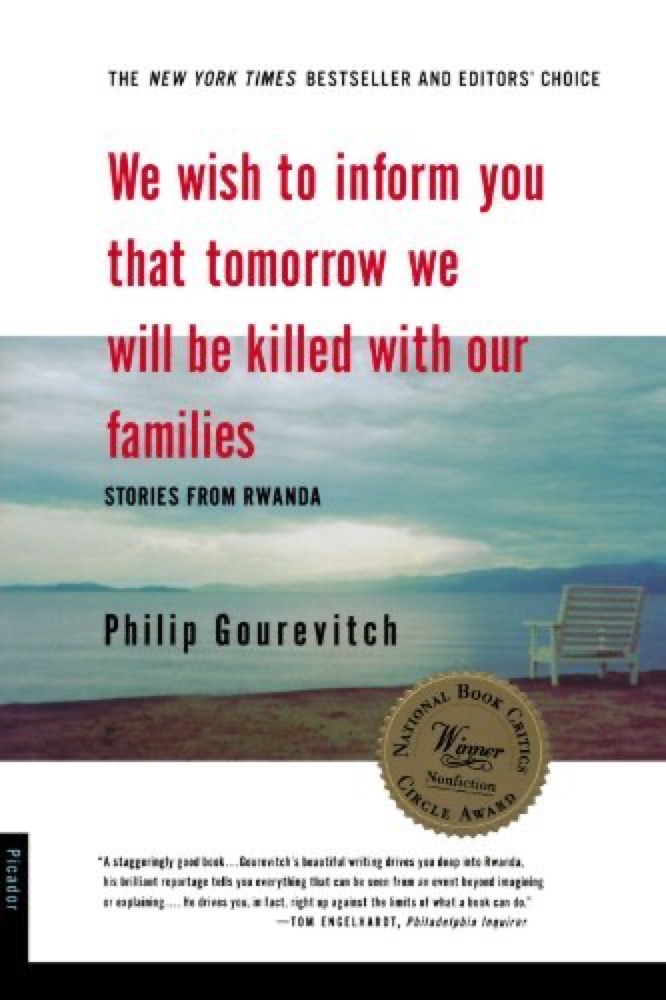 We Wish to Inform You That Tomorrow We Will Be Killed with Our Families
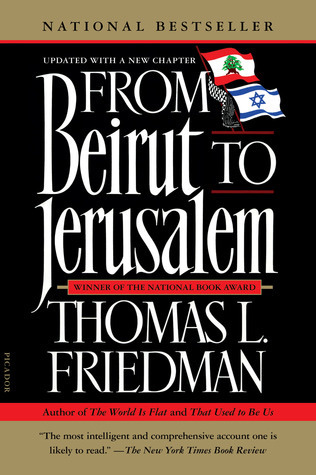 From Beirut to Jerusalem
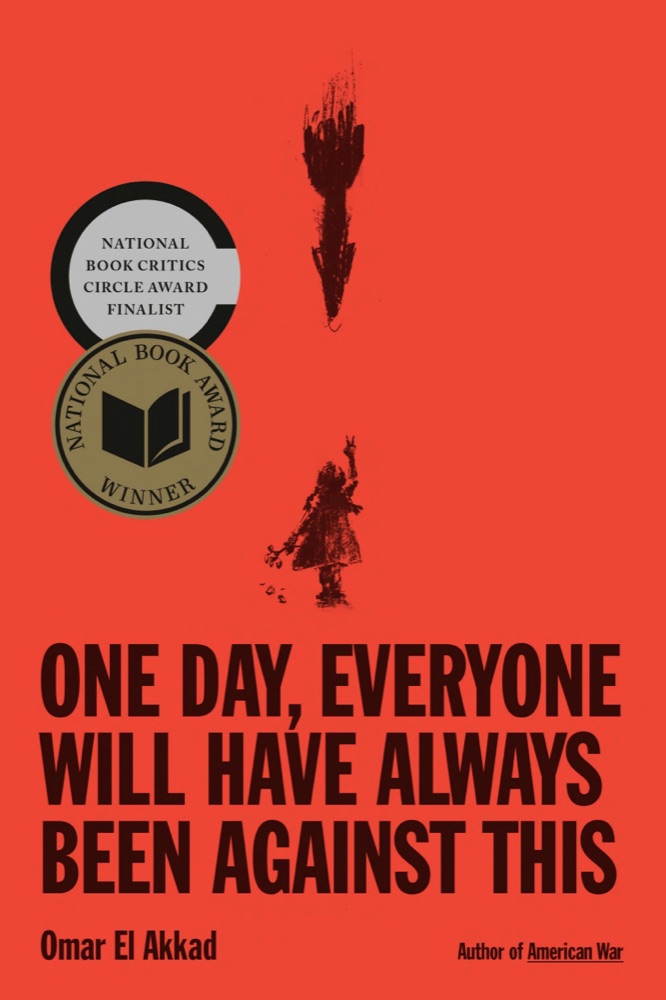 One Day, Everyone Will Have Always Been Against This
 The Invention of the Jewish People
 Palestine: Peace Not Apartheid
 Eichmann in Jerusalem: A Report on the Banality of Evil
 Bloodlands: Europe Between Hitler and Stalin
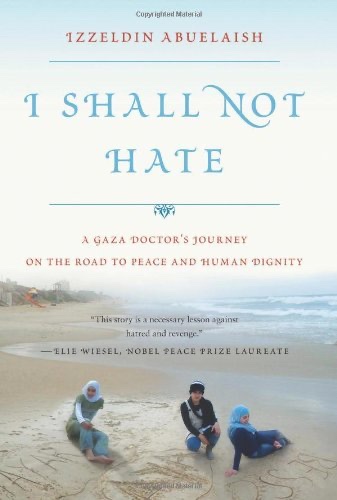 I Shall Not Hate: A Gaza Doctor's Journey on the Road to Peace and Human Dignity
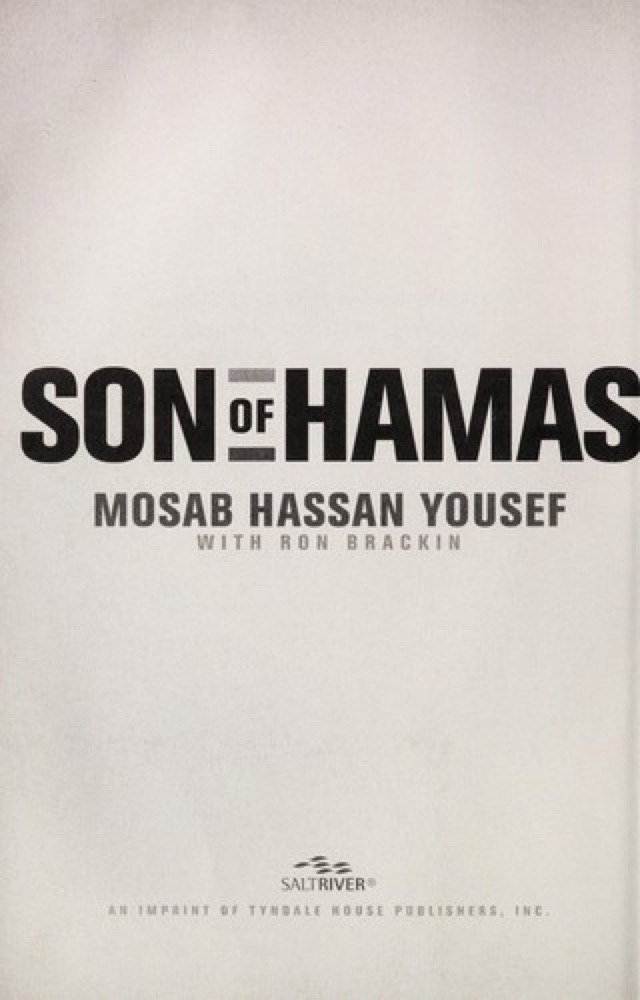 Son of Hamas
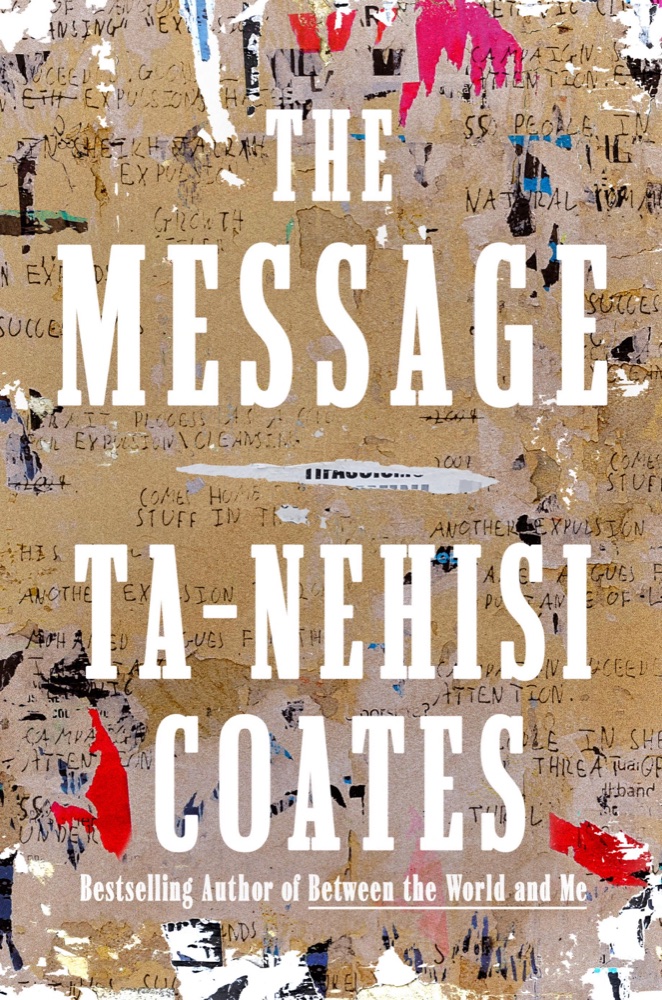 The Message
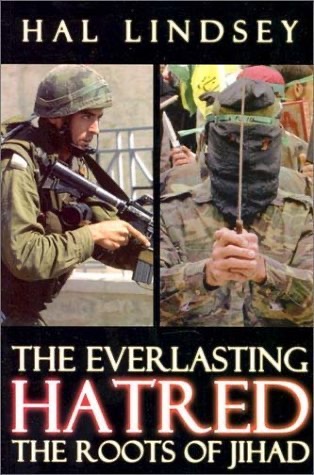 The Everlasting Hatred: The Roots of Jihad
 Minor Detail
 The Looming Tower: Al-Qaeda and the Road to 9/11
 The Origins of Totalitarianism
 The Wretched of the Earth
 Apeirogon
 Mossad
 The Secret Servant
 Defying Hitler
 Say Nothing: A True Story of Murder and Memory in Northern Ireland
 The Light of Days: The Untold Story of Women Resistance Fighters in Hitler's Ghettos
 Desert Queen: The Extraordinary Life of Gertrude Bell: Adventurer, Adviser to Kings, Ally of Lawrence of Arabia
 Flashpoints: The Emerging Crisis in Europe
 Border: A Journey to the Edge of Europe
 The Strange Death of Europe: Immigration, Identity, Islam
 The Third Reich at War
 Postwar: A History of Europe Since 1945
 Hostage: An NYT Bestselling War Memoir of Survival and the Human Spirit in Gaza
 The Jakarta Method: Washington's Anticommunist Crusade and the Mass Murder Program that Shaped Our World
 The Haj
 Arguably: Selected Essays
 Imperial Ambitions: Conversations on the Post-9/11 World
 Things You May Find Hidden in My Ear: Poems from Gaza
 No Name in the Street
 A People's History of the United States
 Gaza Writes Back (#1)
 Culture Warlords: My Journey Into the Dark Web of White Supremacy
 Auschwitz: A Doctor's Eyewitness Account
 Modern Times: The World from the Twenties to the Nineties
 Still Alive: A Holocaust Girlhood Remembered
 Start-up Nation: The Story of Israel's Economic Miracle
 The Revenge Of Geography: What the Map Tells Us About Coming Conflicts and the Battle Against Fate
 Imperium
 The Rape of Nanking
 The Postcard
 The Rise and Fall of the Third Reich: A History of Nazi Germany
 An Ordinary Man: An Autobiography
 Where Do We Go from Here: Chaos or Community?