
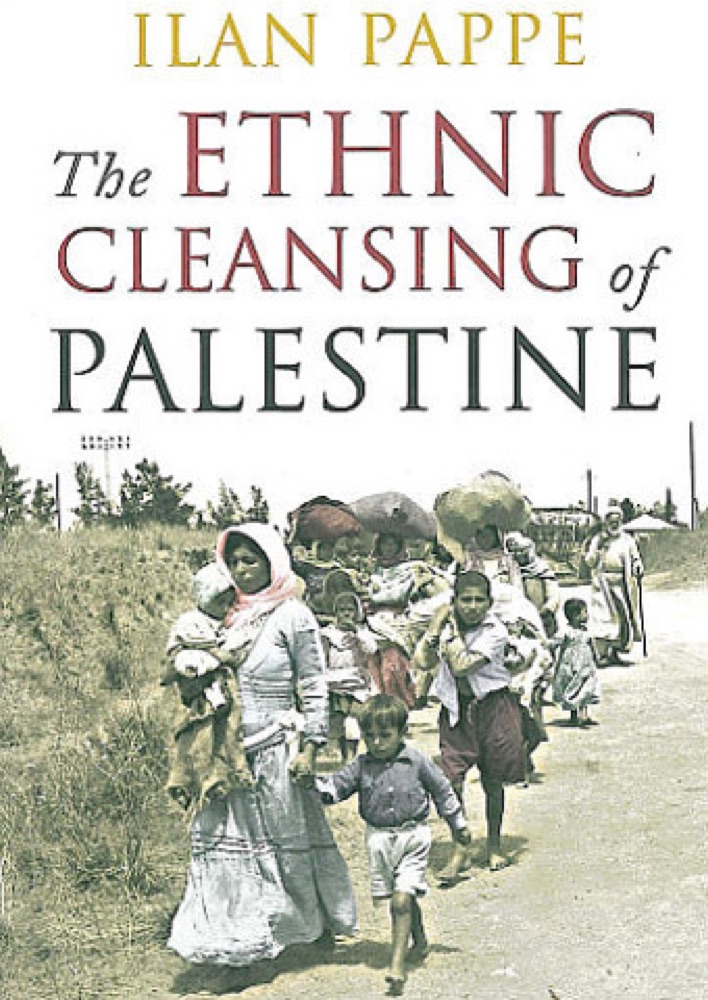
 The Ethnic Cleansing of Palestine
Quotes from the Book
Without full global recognition of the Palestinians’ right to wage a liberation struggle, the bloodshed in Israel and Palestine will continue.
The Hamas fighters who stormed into Israel on 7 October were largely young people who learned the language of violence from the bombs that Israel dropped on them. This is not a justification of what they did. But we should not be so certain that, had we been subject to the same trauma, with no resolution in sight, we would respond much better.
the British violated a promise made to the Palestinians that they would be treated the same as other fledgling nations, i.e. they would be able to exercise a right of self-determination and obtain independence. It also made the British complicit in the eventual 1948 ethnic cleansing of the Palestinians.
Even in 1949, the US had joined other countries in condemning the Israeli decision to make West Jerusalem its capital, and hence violating the terms of the UN’s Partition Resolution, which envisaged Jerusalem being an international city. And so, right up until Donald Trump’s presidency, the US embassy was in Tel Aviv and not Jerusalem.
Today Arab Jews form one of the largest voting blocs for right-wing parties in Israel, and are often the most vociferous advocates for violence against Palestinians. They have proven themselves as the most unyielding partisans of Zionism – even if they still haven’t achieved equality.
After the Holocaust, where over six million Jews perished across Europe, European powers, eager to wash their own consciences clean, had even less sympathy for the Palestinians. This was not out of any particular concern for Jews – at least 250,000 Jews languished in Displaced Persons Camps in Central Europe long after the war had concluded. But the future of the Jewish people, in the eyes of Britain and the USA, had to be settled. Many survivors of the Holocaust no longer had any homes to go back to in Europe.
Places of particular religious and strategic importance would remain under provisional British rule through the mandate system until treaties were agreed between Britain and the two new states. As for the remaining Palestinian population in the land earmarked for the Jewish state, roughly a quarter of a million people, it proposed transferring them to Transjordan. It is not surprising that the Arab Higher Committee rejected this recommendation entirely.
To survive the new epoch, they thought, Jewishness had to be a nationality, not a religion.
C'è poco in comune tra questi due fronti, che potremmo definire Stato di Israele e Stato di Giudea. Lo Stato di Giudea è quello dei coloni, formatosi negli insediamenti ebraici in Cisgiordania. Ormai è un'importante forza politica israeliana e mira a trasformare Israele in uno Stato più razzista, fascista e teocratico. Sul fronte opposto c'è lo Stato di Israele. È il vecchio Israele, che si vanta di essere "l'unica democrazia del Medio Oriente", una società laica e pluralista. Il fatto che ciò valga solo per la popolazione ebraica non turba troppo la sua coscienza.
Dove andarono i palestinesi espulsi? Israele riuscì a mandare i palestinesi dell'Est verso la Cisgiordania occupata e la Transgiordania. Quelli del Nord furono respinti in Siria e Libano. Ma a sud l'Egitto rifiutò di aprire i suoi confini ai palestinesi. Verso la fine della guerra, Israele "risolse" questo problema creando quella che oggi conosciamo fin troppo dolorosamente come la Striscia di Gaza. Era un piccolo rettangolo ritagliato nella Palestina storica (il 2 per cento del paese). Fu istituita per accogliere le centinaia di migliaia di palestinesi espulsi da Israele delle zone centrali e meridionali della Palestina. Allora era il campo profughi più grande del mondo. Lo è ancora oggi.
All'inizio del mandato britannico, gli ebrei costituivano circa l'11 per cento della popolazione. Ma era stata loro promessa la Palestina come patria futura, dalla Società delle Nazioni e dalla Costituzione per la Palestina redatta dagli inglesi. Negli anni del mandato, il governo britannico cercò di ottenere il consenso dei palestinesi alla perdita del proprio paese offrendo "soluzioni" come la partizione, la federazione e la formazione di uno Stato binazionale. Non propose di rispettare il principio mandatario secondo cui la maggioranza della popolazione di un paese ha il diritto di decidere del proprio futuro, com'era avvenuto in tutti gli Stati arabi vicini.
We need to change how we talk about Israel and Palestine. There is no point in talking about peace, as if both sides are equally at fault, when the process we’re really talking about is decolonisation. Historical Palestine has been subject to settler colonialism for over a century, at great cost. Decolonisation is closely associated with other terms that mainstream political discourse in the West avoids when it comes to Israel and Palestine: liberation and reconciliation.
Did you know?
- The book traces the conflict from 1882, the arrival of the first Zionist settlers in Ottoman Palestine, rather than from more recent events.
- Author Ilan Pappé is an Israeli historian who is one of the most prominent of the country's "New Historians."
- Pappé frames the history of Israel as a project of settler colonialism, a central thesis running through the book.
- It was published by Oneworld Publications in 2024 (ISBN 9780861549719).
- The book distills arguments from Pappé's earlier, longer works such as "The Ethnic Cleansing of Palestine" into a short introduction.
About Ilan Pappé
Ilan Pappé (born 1954 in Haifa) is an Israeli historian and political scientist, a leading figure among Israel's "New Historians." He is a professor at the University of Exeter, where he directs the European Centre for Palestine Studies, and is the author of widely read and contested works including "The Ethnic Cleansing of Palestine."
More about the author →More by Ilan Pappé
The Ethnic Cleansing of Palestine
 Ten Myths About Israel
About the book
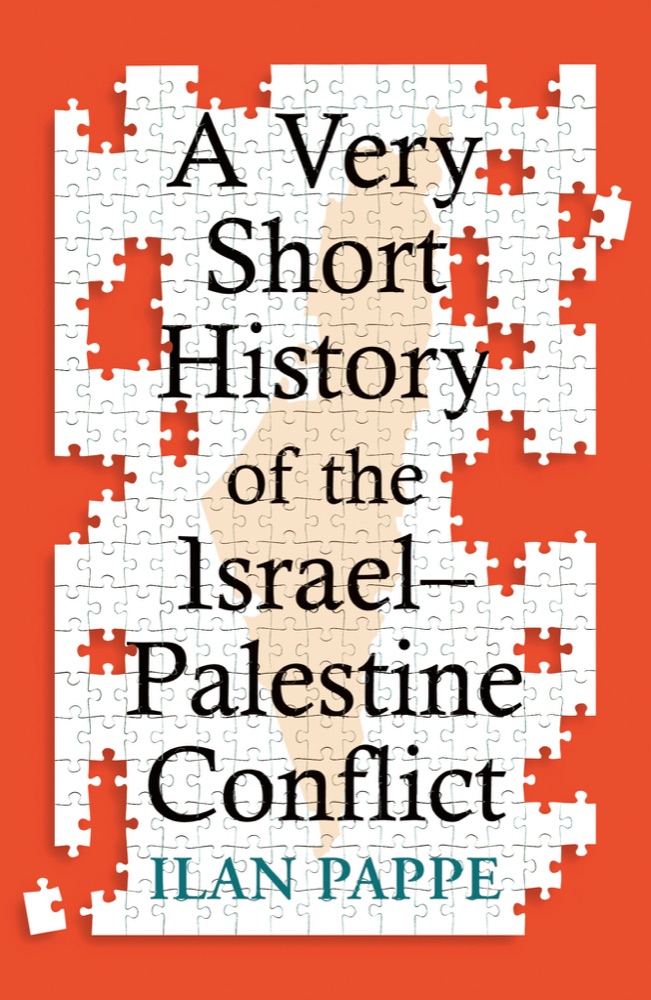
"A Very Short History of the Israel–Palestine Conflict" is a concise narrative history by Israeli historian Ilan Pappé that traces the conflict from 1882, when the first Zionist settlers arrived in Ottoman-ruled Palestine, through to the present day. Rather than opening with recent events, Pappé argues that the roots of the conflict lie in late nineteenth-century European Zionism and Western imperialism, and he carries the story through landmark moments such as the Balfour Declaration, the 1948 establishment of Israel and the Palestinian Nakba, and the subsequent decades of occupation, resistance, and failed peace efforts.
The book's central argument frames the development of Israel as a project of settler colonialism—one aimed, in Pappé's reading, at displacing and replacing the indigenous Palestinian population rather than simply governing it. Across its short chapters Pappé examines Palestinian resistance and uprisings, the dynamics of dispossession, and the repeated breakdown of negotiated settlements, presenting a clearly partisan interpretive lens intended as an accessible introduction for general readers.
Pappé is one of the most prominent and most contested of Israel's "New Historians," and this volume distills decades of his scholarship—including works such as "The Ethnic Cleansing of Palestine"—into a brief primer. Published amid renewed global attention to the conflict, the book has drawn a wide readership and strong reactions on both sides, praised by sympathetic readers for its clarity and criticized by others for its one-sided framing of a deeply disputed history.
Book details
- First published
- 2024
- Length
- 160 pages
- Reading time
- 4 hours
- Author
- Ilan Pappé
- Genre
- Nonfiction
- Goodreads rating
- 4.37 (6k ratings)
Critical reception
- The book was published by Oneworld Publications in 2024 as a concise introduction to the conflict.
- Pappé's settler-colonial framing of Israel's founding is a contested interpretation that has drawn both strong praise and sharp criticism.
- As a New Historian, Pappé's work—including this primer—centers the 1948 Nakba and Palestinian dispossession in its narrative.
Keep reading
Ten Myths About Israel
 The Hundred Years’ War on Palestine: A History of Settler Colonialism and Resistance, 1917–2017
 On Palestine
The Ethnic Cleansing of Palestine
On Palestine
The Ethnic Cleansing of Palestine
 My Promised Land: The Triumph and Tragedy of Israel
 The Palestine Laboratory: How Israel Exports the Technology of Occupation Around the World
 The Question of Palestine
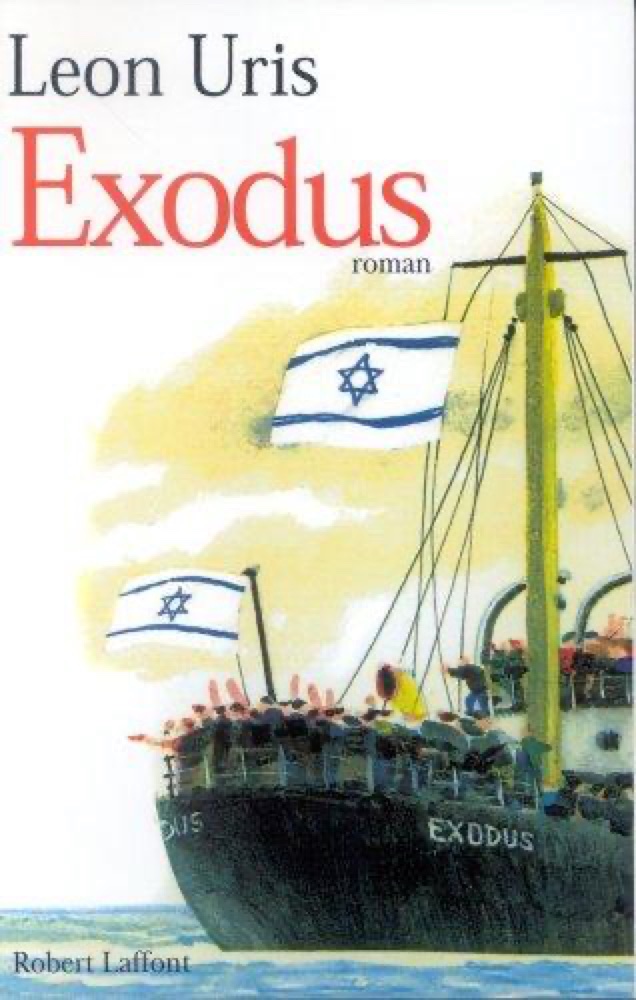 Exodus
 On Democracies and Death Cults: Israel and the Future of Civilization
 Palestine: Peace Not Apartheid
 O Jerusalem
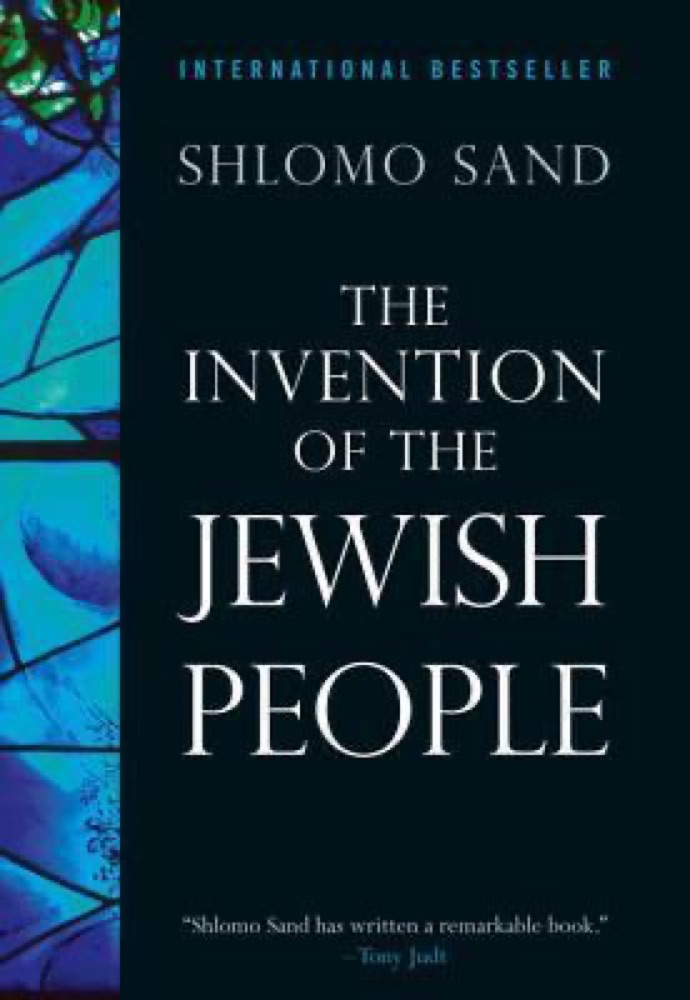 The Invention of the Jewish People
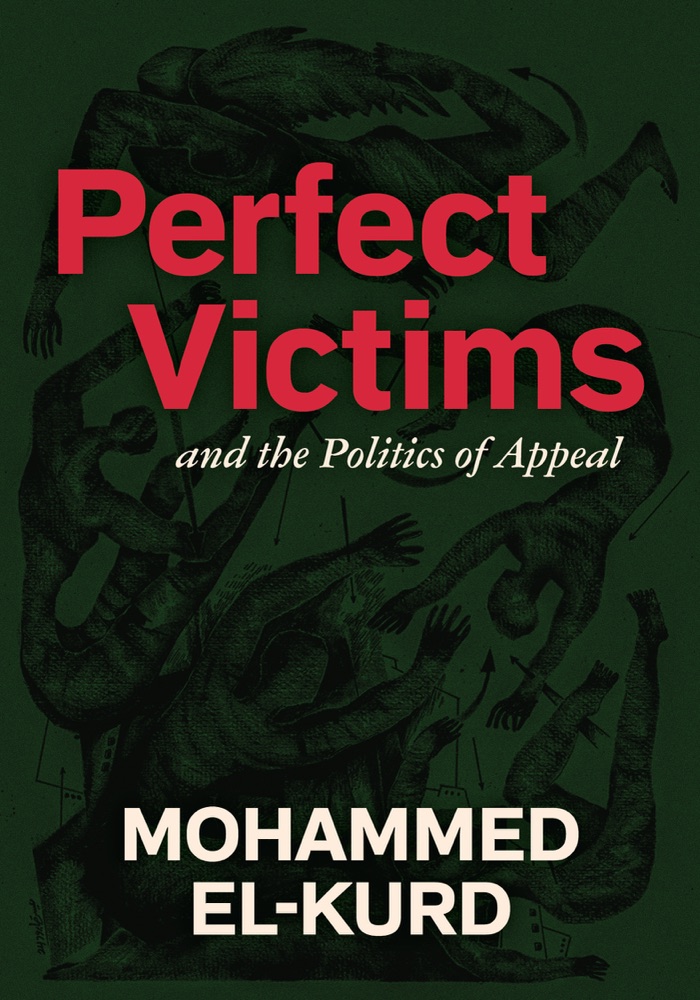 Perfect Victims and the Politics of Appeal
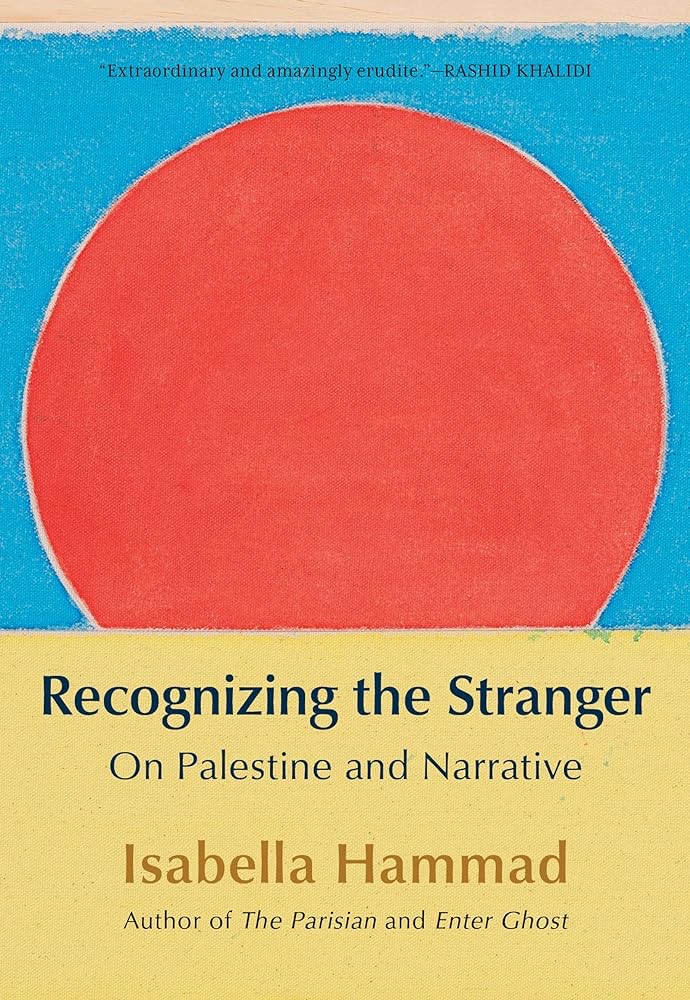 Recognizing the Stranger: On Palestine and Narrative
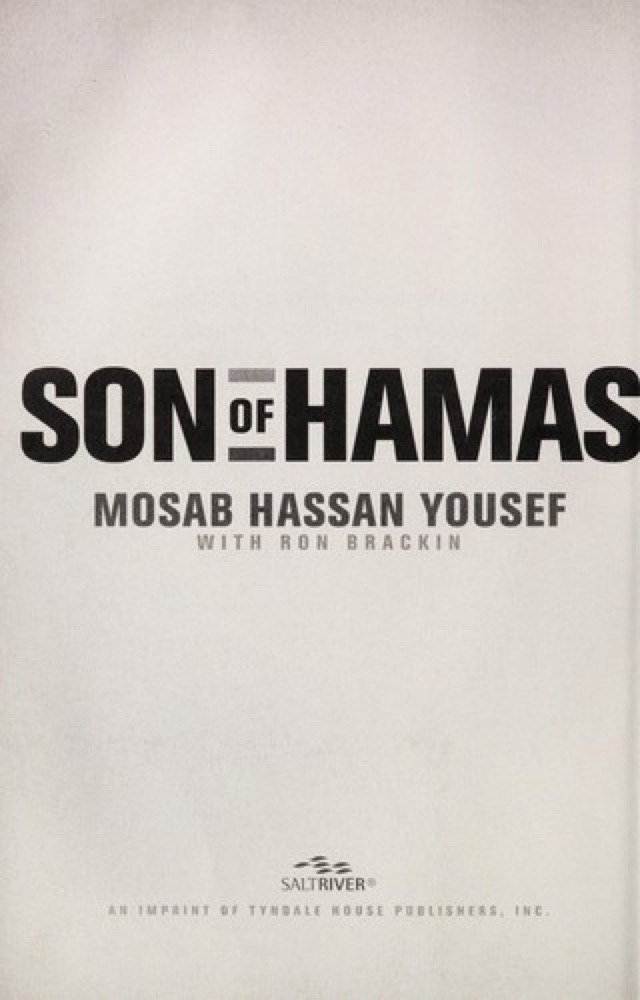 Son of Hamas
 The Everlasting Hatred: The Roots of Jihad
 From Beirut to Jerusalem
 I Shall Not Hate: A Gaza Doctor's Journey on the Road to Peace and Human Dignity
 One Day, Everyone Will Have Always Been Against This
 The New Penguin History of The World
 Flashpoints: The Emerging Crisis in Europe
 The Strange Death of Europe: Immigration, Identity, Islam
 Imperium
 The Haj
 Start-up Nation: The Story of Israel's Economic Miracle
 Freedom: Memoirs 1954-2021
 The Looming Tower: Al-Qaeda and the Road to 9/11
 Bloodlands: Europe Between Hitler and Stalin
 Defying Hitler
 The Forty Days of Musa Dagh
 Hostage: An NYT Bestselling War Memoir of Survival and the Human Spirit in Gaza
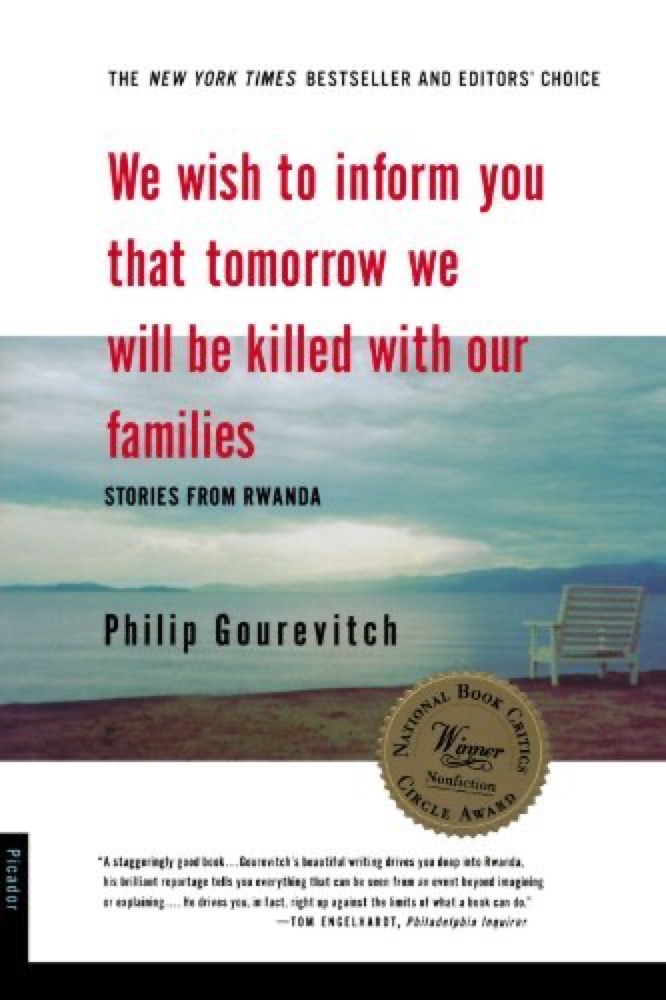 We Wish to Inform You That Tomorrow We Will Be Killed with Our Families
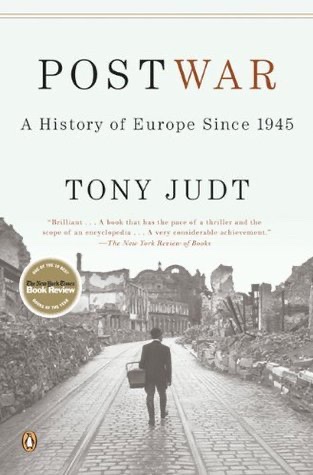 Postwar: A History of Europe Since 1945
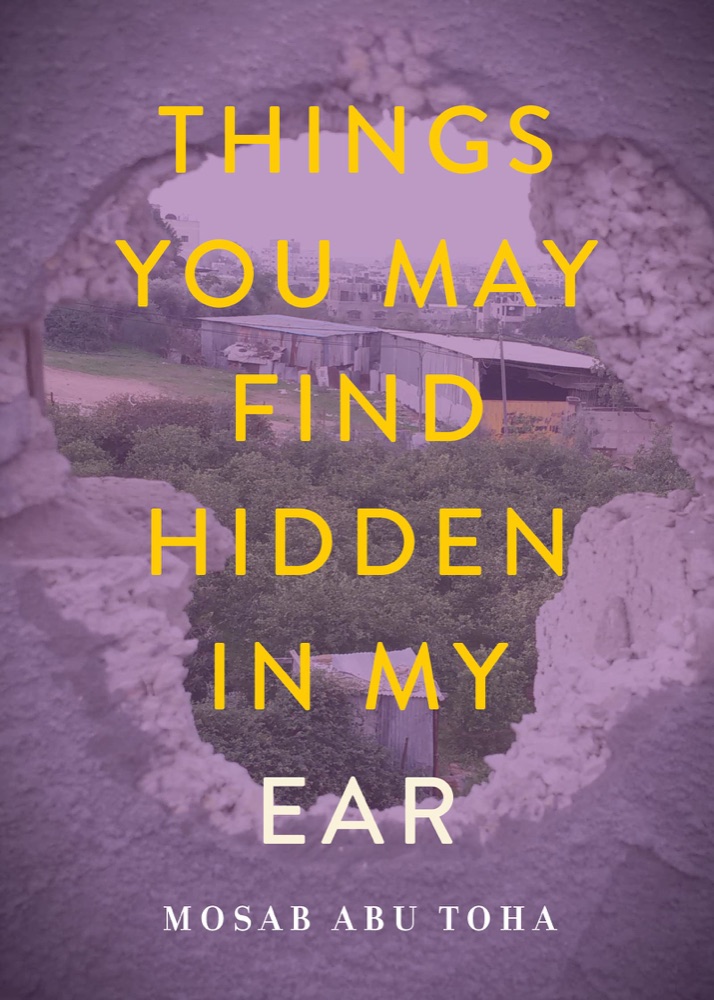 Things You May Find Hidden in My Ear: Poems from Gaza
 The Secret Servant
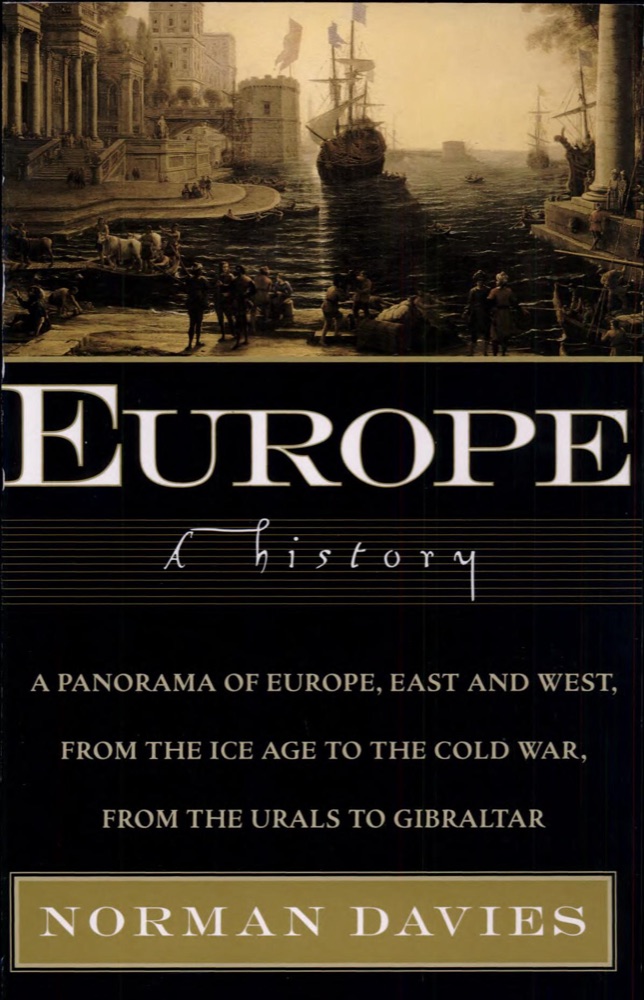 Europe: A History
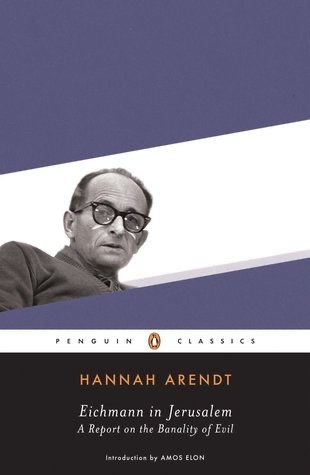 Eichmann in Jerusalem: A Report on the Banality of Evil
 Apeirogon
 The Message
 Imperial Ambitions: Conversations on the Post-9/11 World
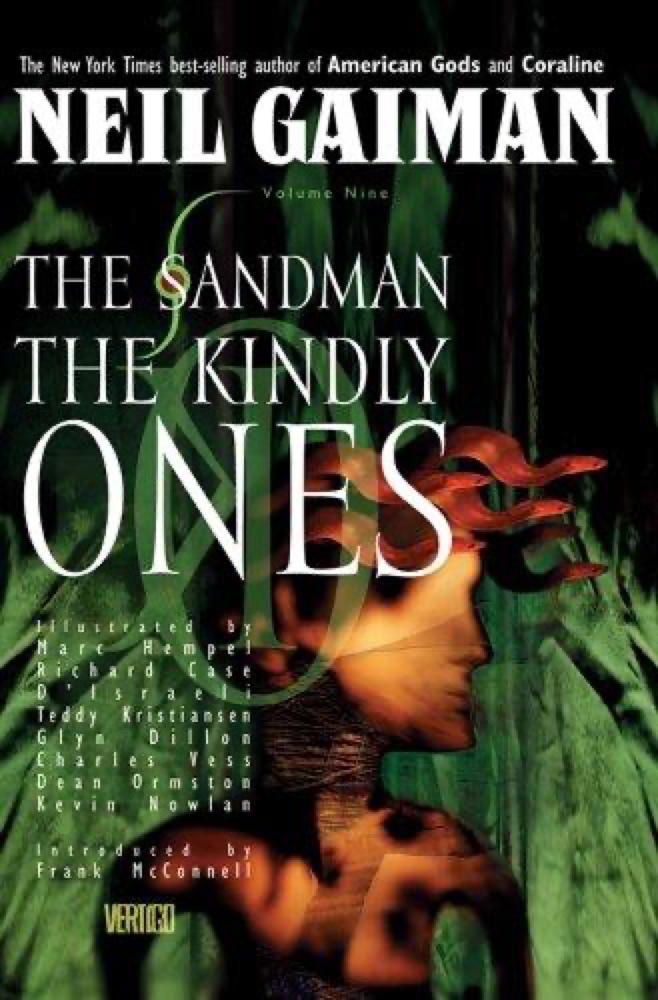 The Kindly Ones
 Café Europa: Life After Communism
 Quotations from Chairman Mao Tsetung
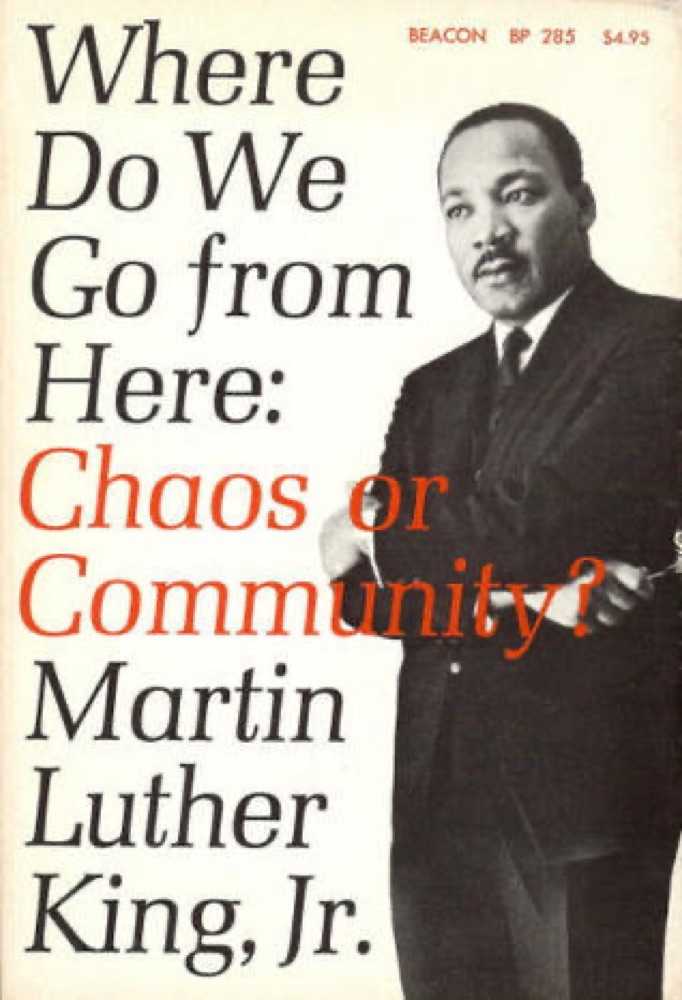 Where Do We Go from Here: Chaos or Community?
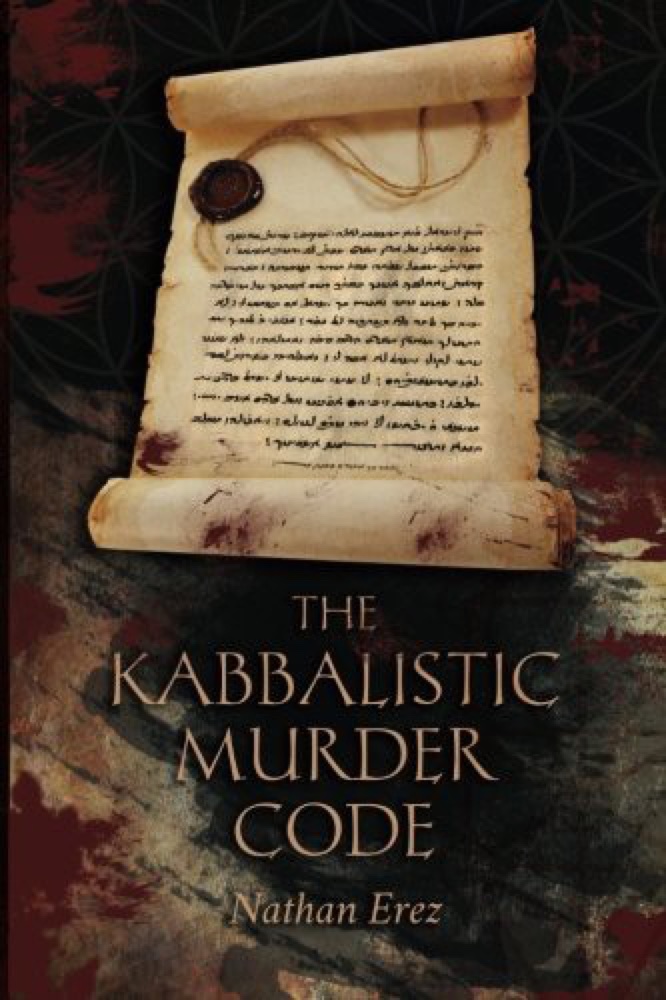 The Kabbalistic Murder Code
 The Wretched of the Earth
 A People's History of the United States
 Still Alive: A Holocaust Girlhood Remembered
 The Revenge Of Geography: What the Map Tells Us About Coming Conflicts and the Battle Against Fate
 Power Systems: Conversations on Global Democratic Uprisings and the New Challenges to U.S. Empire
 The War of the Poor
 What's Left?
 Minor Detail
 Border: A Journey to the Edge of Europe
 Heretic: Why Islam Needs a Reformation Now
 Desert Queen: The Extraordinary Life of Gertrude Bell: Adventurer, Adviser to Kings, Ally of Lawrence of Arabia
 Gaza Writes Back (#1)
 Penguin Island
 America Alone: The End of the World As We Know It
 Zealot: The Life and Times of Jesus of Nazareth