
 Going Clear: Scientology, Hollywood, and the Prison of Belief
Quotes from the Book
Radicalism usually prospers in the gap between rising expectations and declining opportunities. This is especially true where the population is young, idle, and bored; where the art is impoverished; where entertainment—movies, theater, music—is policed or absent altogether; and where young men are set apart from the consoling and socializing presence of women.
29
After the war Cairo became a sanctuary for Nazis, who advised the military and the government. The rise of the Islamist movement coincided with the decline of fascism, but they overlapped in Egypt, and the germ passed into a new carrier.
6
The only thing they had in common was the grandeur of their vision.
5
He was so far from being able to carry out such threats that one might conclude that the author of this document was utterly mad. Indeed, the man in the cave had entered a separate reality, one that was deeply connected to the mythic chords of Muslim identity and in fact gestured to anyone whose culture was threatened by modernity and impurity and the loss of tradition. By declaring war on the United States from a cave in Afghanistan, bin Laden assumed the role of an uncorrupted, indomitable primitive standing against the awesome power of the secular, scientific, technological Goliath; he was fighting modernity itself.
3
The manifold ways in which they [the victims of 9/11] attached to life testified to the Quranic injunction that the taking of a single life destroys a universe. Al-Qaeda had aimed its attacks at America, but it struck all of humanity.
2
Whenever purity is paramount, terror is close at hand.
2
Christianity would be powerless to block this trend because it exists only in the realm of the spirit—“like a vision in a pure ideal world.” Islam, on the other hand, is “a complete system” with laws, social codes, economic rules, and its own method of government. Only Islam offered a formula for creating a just and godly society. Thus
2
Wherever you are, death will find you, even in the looming tower. O
2
Chaos and barbarism, which always threatened to overwhelm the movement, sharply increased as bin Laden took the helm.
2
The extravagant side of Mohammed bin Laden’s nature made itself evident when it came to women. Islam permits a man four wives at a time, and divorce is a simple matter, at least for a man, who only needs to declare, “I divorce you.” Before his death, Mohammed bin Laden officially had fathered fifty-four children from twenty-two wives. The total number of wives he procured is impossible to determine, since he would often “marry” in the afternoon and divorce that night. An assistant followed behind to take care of any children he might have left in his wake. He also had a number of concubines, who stayed in the bin Laden compound if they bore him children. “My father used to say that he had fathered twenty-five sons for the jihad,” his seventeenth son, Osama, later remembered.
2
When a[n Afghan Arab] fighter fell, his comrades would congratulate him and weep because they were not also slain in battle.
1
Al-Qaeda was conceived in the marriage of these assumptions: Faith is stronger than weapons or nations, and the ticket to enter the sacred zone where such miracles occur is the willingness to die.
1
It is well to learn the ethnic backgrounds of your parents, to love and cherish the ancient folklore. But never, never forget, you are an American first. And millions of Americans before you have fought for your freedom. The Nation holds all the terms of our endearment. Support, defend and honor those whose duty it is to keep it safe.
1
The main object of the Islamists’ struggle was to impose Islamic law—Sharia. They believe that the five hundred Quranic verses that constitute the basis of Sharia are the immutable commandments of God, offering a road back to the perfected era of the Prophet and his immediate successors—although the legal code actually evolved several centuries after the Prophet’s death.
1
The animals in the zoo-those that had not been stolen in previous administrations-were slain or left to starve. One zealous, perhaps mad, Taliban jumped into a bear’s cage and cut off his nose, reputedly because the animal’s “beard” was not long enough. Another fighter, intoxicated by events and his own power, leaped into the lion’s den and cried out, “I am the lion now!” The lion killed him. Another Taliban solider threw a grenade into the den, blinding the animal. These two, the noseless bear and the blind lion, together with two wolves, were the only animals that survived Taliban rule.
1
While they were still in the university, Osama and Jamal made a resolution. They decided to practice polygamy. It had become socially unacceptable in Saudi Arabia. “Our fathers’ generation was using polygamy in not a very good way. They would not give equal justice to their wives,” Khalifa admitted. “Sometimes they would marry and divorce in the same day. The Egyptian media used to put this on television, and it made a very bad impression. So, we said, ‘Let’s practice this and show people we can do it properly.
1
The Trade Center dead formed a kind of universal parliament.
1
Ma il simbolo chiave della hijra di Bin Laden era la grotta. Il primo incontro del Profeta con l'angelo Gabriele, che gli rivelò: "Tu sei il messaggero di Dio", avvenne in una grotta alla Mecca. E quando, a Medina, i nemici di Mohammed gli stavano alle costole, egli si nascose in una grotta magicamente occultata alla vista da una ragnatela. L'arte islamica è piena di immagini di stalattiti: un riferimento da un lato al santuario e dall'altro alle grotte in cui il Profeta incontrò il divino. Per Bin Laden la grotta era l'ultimo luogo puro. Soltanto ritirandosi dalla società - e dal tempo, dalla storia, dalla modernità, dalla corruzione, dalla presa soffocante dell'Occidente - poteva presumere di parlare per la vera religione. C'era il genio per le pubbliche relazioni di Bin Laden dietro la scelta di sfruttare la presenza delle grotte-depositi di munizioni di Tora Bora come un mezzo per identificare se stesso con il Profeta nelle menti di molti musulmani che anelavano a purificare la società islamica e a ripristinare la posizione dominante che aveva avuto in passato.
Una scuola di pensiero ritiene che la tragedia americana dell'11 settembre sia cominciata nelle prigioni egiziane. I difensori cairoti dei diritti umani sostengono che la tortura creò un desiderio di vendetta prima in Sayyd Qutb e in seguito nei suoi accoliti, incluso Ayman az-Zawahiri. Il principale bersaglio dell'ira dei detenuti era il laico governo egiziano, ma una vigorosa vena di risentimento era diretta anche contro l'Occidente, visto come una forza che contribuiva a tenere in piedi il regime repressivo. Ai loro occhi l'Occidente era colpevole di aver corrotto e umiliato la società islamica. E il tema dell'umiliazione, che è l'essenza della tortura, è importante per capire la rabbia degli islamisti radicali. Le prigioni egiziane diventarono una fabbrica che sfornava militanti il cui bisogno di vendetta - che chiamavano giustizia - era divorante.
He also brought home a new and abiding anger about race. “The white man in Europe or America is our number-one enemy,” he declared. “The white man crushes us underfoot while we teach our children about his civilization, his universal principles and noble objectives…. We are endowing our children with amazement and respect for the master who tramples our honor and enslaves us. Let us instead plant the seeds of hatred, disgust, and revenge in the souls of these children. Let us teach these children from the time their nails are soft that the white man is the enemy of humanity, and that they should destroy him at the first opportunity.
The Soviets had lost fifteen thousand lives and suffered more than thirty thousand casualties. Between a million and two million Afghans perished, perhaps 90 percent of them civilians. Villages were razed, crops and livestock destroyed, the landscape studded with mines. A third of the population sheltered in refugee camps in Pakistan or Iran.
Perhaps the generation that will genuinely transform the Arab world has not yet arrived.
And yet rapid change brings chaos as well as progress.
I reflected that, when dynamic, positive change happens, it is usually because of generational commitment to social transformation.
Alone, alienated, and often far from his family, the exile turned to the mosque, where he found companionship and the consolation of religion. Islam provided the element of commonality. It was more than a faith -- it was an identity.
Despair and idleness are dangerous companions in any culture, and it was inevitable that the young would search for a hero who could voice their longing for change and provide a focus for their rage.
The struggle of Islam, as Qutb had framed it, and as Azzam deeply believed, was against jahiliya -- the world of unbelief that had existed before Islam, which was still corrupting and undermining the faithful with the lures of materialism, secularism, and sexual equality.
Bin Laden señalaba..«¿Cómo podéis pedirle a la gente que ahorre energía cuando todo el mundo puede ver vuestros espléndidos palacios iluminados noche y día? —preguntaba—. ¿No tenemos derecho a preguntaros, oh rey, adónde ha ido a parar todo el dinero? No os molestéis en responder: todos saben cuántos sobornos y comisiones han acabado en vuestros bolsillos.»
From the beginning of al-Qaeda, there were reformers and there were nihilists. The dynamic between them was irreconcilable and self-destructive, but events were moving so quickly that it was almost impossible to tell the philosophers from the sociopaths. They were glued together by the charismatic personality of Osama bin Laden, which contained both strands—idealism and nihilism—in a potent mix.
En las reuniones sociales abundaban las charlas superficiales. La gente llenaba los museos y las salas de conciertos, pero no acudían allí para ver y oír, sino más bien impulsados por una desaforada y narcisista necesidad de ser vistos y oídos.
Watch on YouTube
About Lawrence Wright
We have collected 74 quotes from 3 books by Lawrence Wright on BookQuoters.
More about the author →More by Lawrence Wright
Going Clear: Scientology, Hollywood, and the Prison of Belief
 God Save Texas: A Journey into the Soul of the Lone Star State
About the book
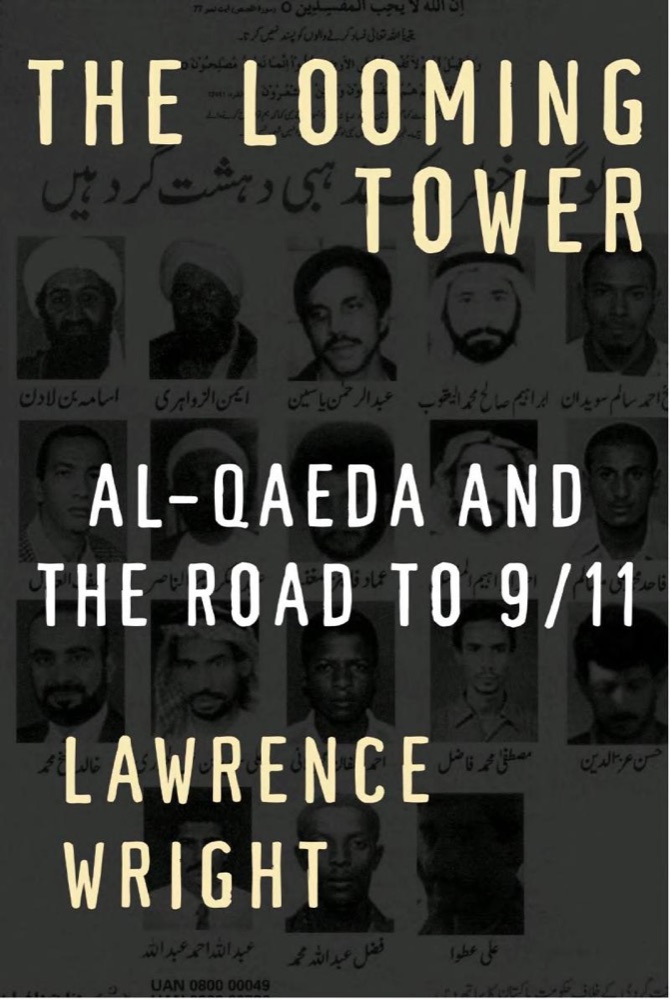
A sweeping narrative history of the events leading to 9/11, a groundbreaking look at the people and ideas, the terrorist plans and the Western intelligence failures that culminated in the assault on America. Lawrence Wright's remarkable book is based on five years of research and hundreds of interviews that he conducted in Egypt, Saudi Arabia, Pakistan, Afghanistan, Sudan, England, France, Germany, Spain, and the United States.
The Looming Tower achieves an unprecedented level of intimacy and insight by telling the story through the interweaving lives of four men: the two leaders of al-Qaeda, Osama bin Laden and Ayman al-Zawahiri; the FBI's counterterrorism chief, John O'Neill; and the former head of Saudi intelligence, Prince Turki al-Faisal.
As these lives unfold, we see revealed: the crosscurrents of modern Islam that helped to radicalize Zawahiri and bin Laden . . . the birth o
Book details
- First published
- 2006
- Author
- Lawrence Wright
- Genre
- History
- Goodreads rating
- 4.36 (39k ratings)
The buzz
- The New York TimesReview in The New York Timesprofessional review (via Book Marks)
- The Washington PostReview in The Washington Postprofessional review (via Book Marks)
- The GuardianReview in The Guardianprofessional review (via Book Marks)
- Kirkus ReviewsReview in Kirkus Reviewsprofessional review (via Book Marks)
- BooklistReview in Booklistprofessional review (via Book Marks)
- CsmonitorReview in Csmonitorprofessional review (via Book Marks)
Keep reading
 Destiny Disrupted: A History of the World Through Islamic Eyes
 The First Muslim: The Story of Muhammad
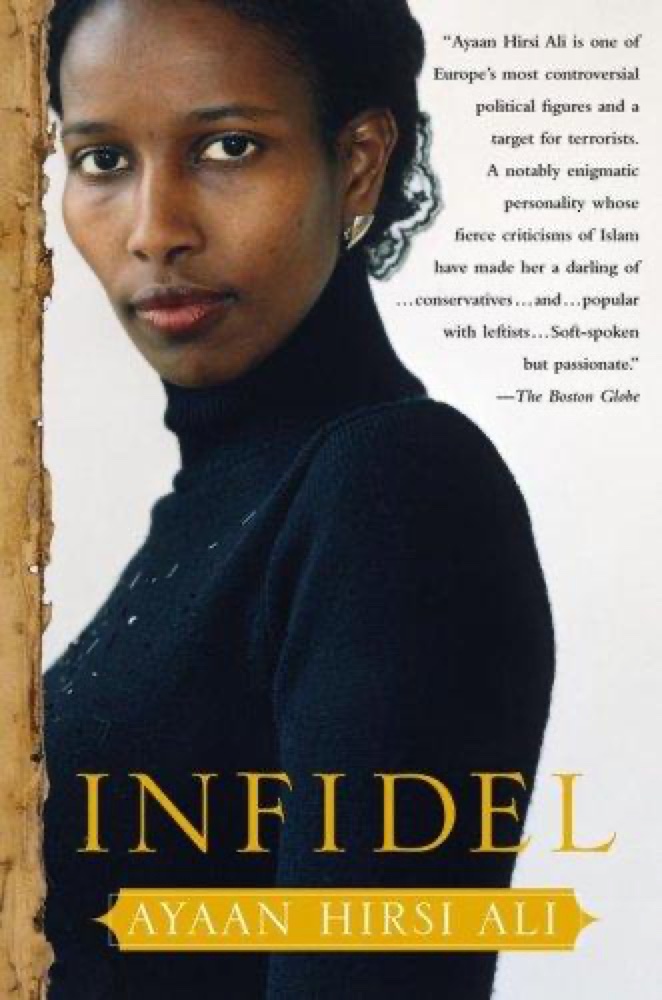 Infidel
 The Yacoubian Building
 From Beirut to Jerusalem
 In the Shadow of the Sword: The Birth of Islam and the Rise of the Global Arab Empire
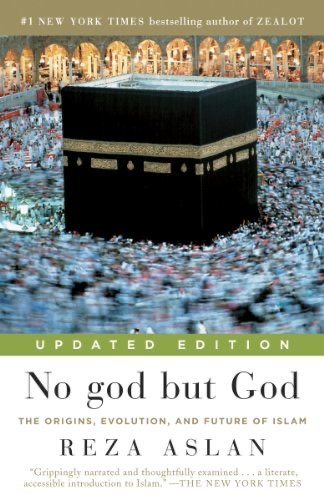 No god but God: The Origins, Evolution and Future of Islam
 Son of Hamas
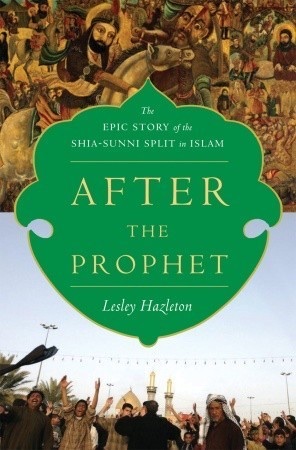 After the Prophet: The Epic Story of the Shia-Sunni Split
 The Secret Servant
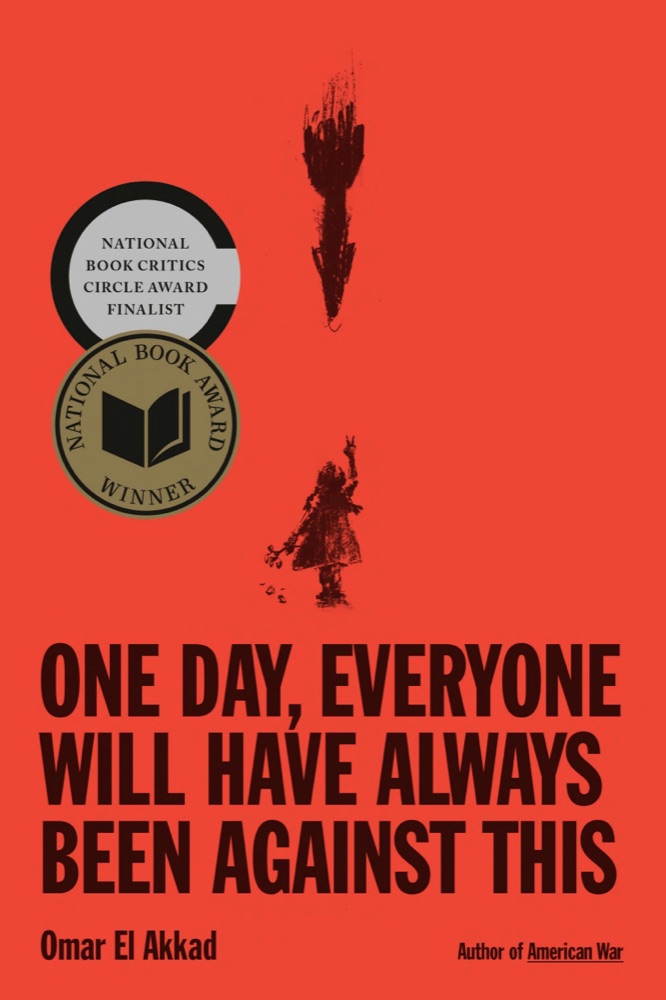 One Day, Everyone Will Have Always Been Against This
 The Wasted Vigil
 Joseph Anton: A Memoir
 The Muqaddimah: An Introduction to History
 Apeirogon
 Resistance, Rebellion and Death: Essays
 The Will to Battle
 The Complete Persepolis
 The Haj
 No Name in the Street
 Princess: A True Story of Life Behind the Veil in Saudi Arabia
 Three Cups of Tea: One Man's Mission to Promote Peace ... One School at a Time
 The Blind Man's Garden
 Recognizing the Stranger: On Palestine and Narrative
 The Association of Small Bombs
 The Mask of Dimitrios
 The Bad-Ass Librarians of Timbuktu and Their Race to Save the World’s Most Precious Manuscripts
 My Promised Land: The Triumph and Tragedy of Israel
 Revolution for Dummies: Laughing through the Arab Spring
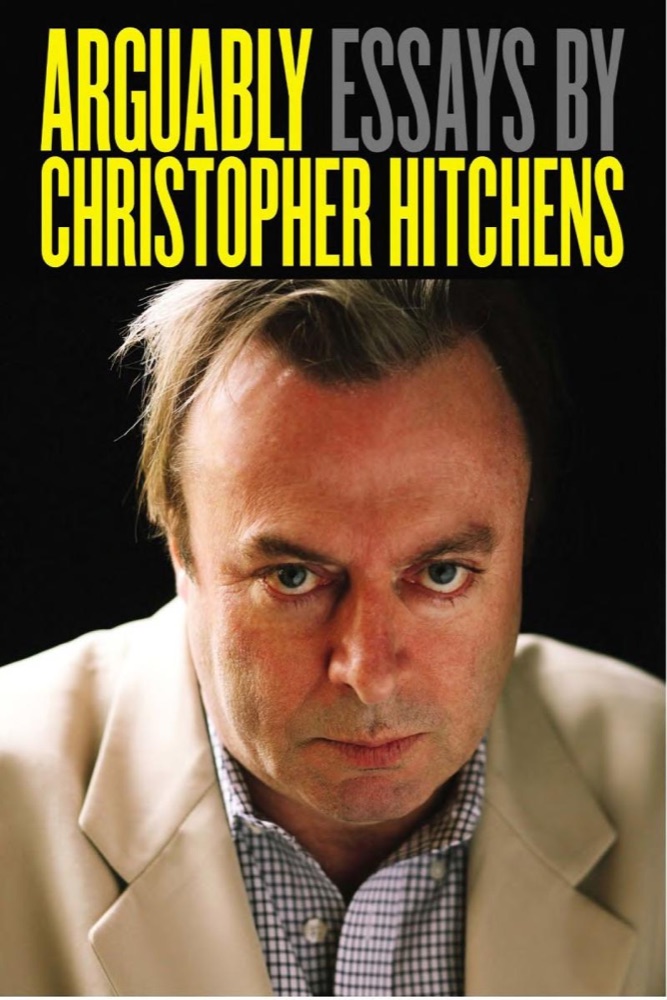 Arguably: Selected Essays
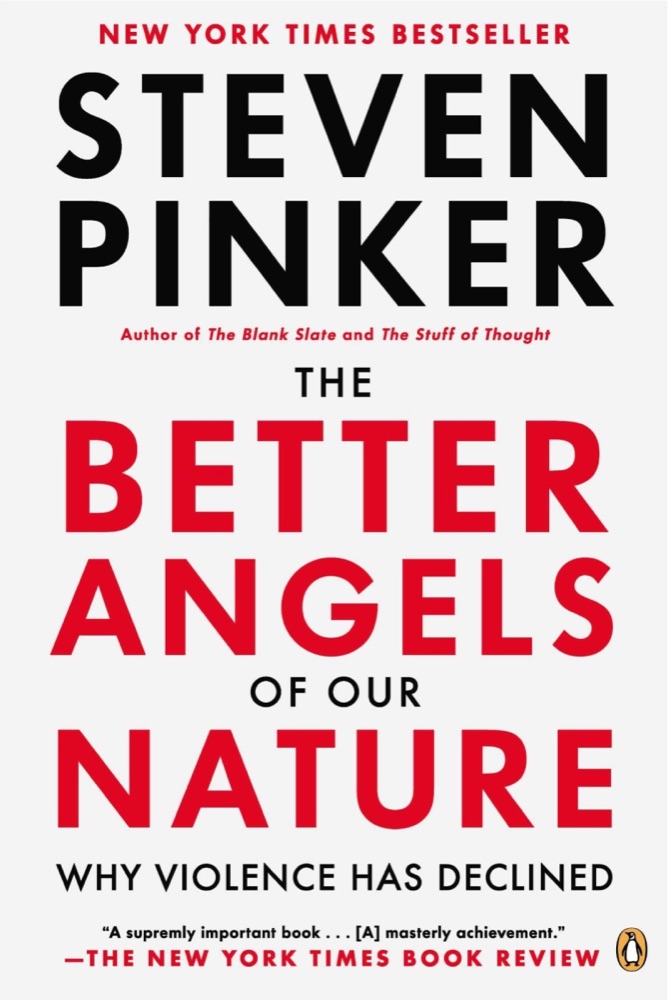 The Better Angels of Our Nature: Why Violence Has Declined
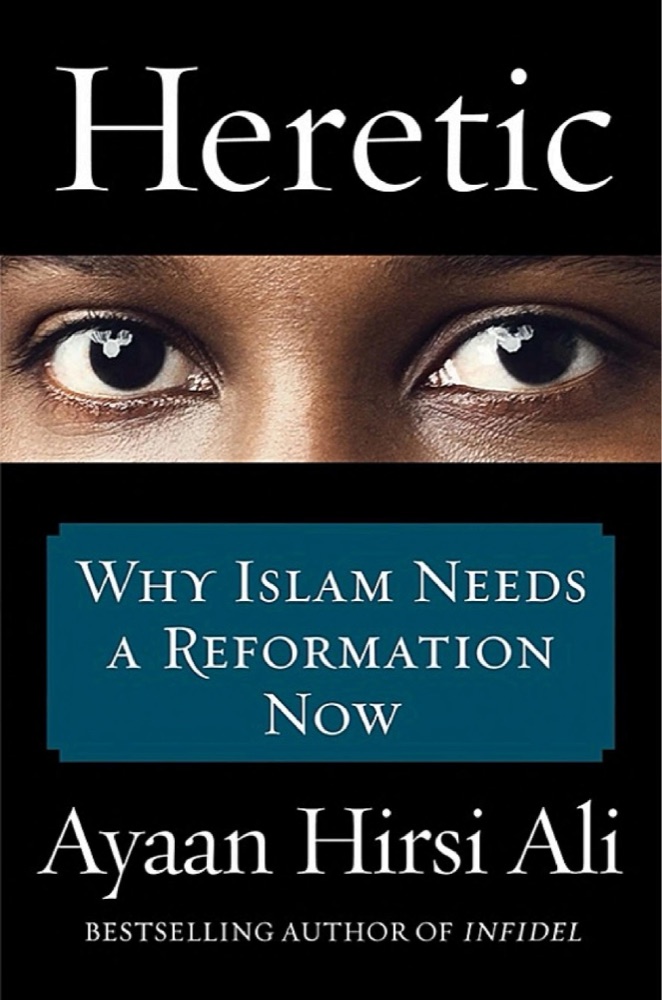 Heretic: Why Islam Needs a Reformation Now
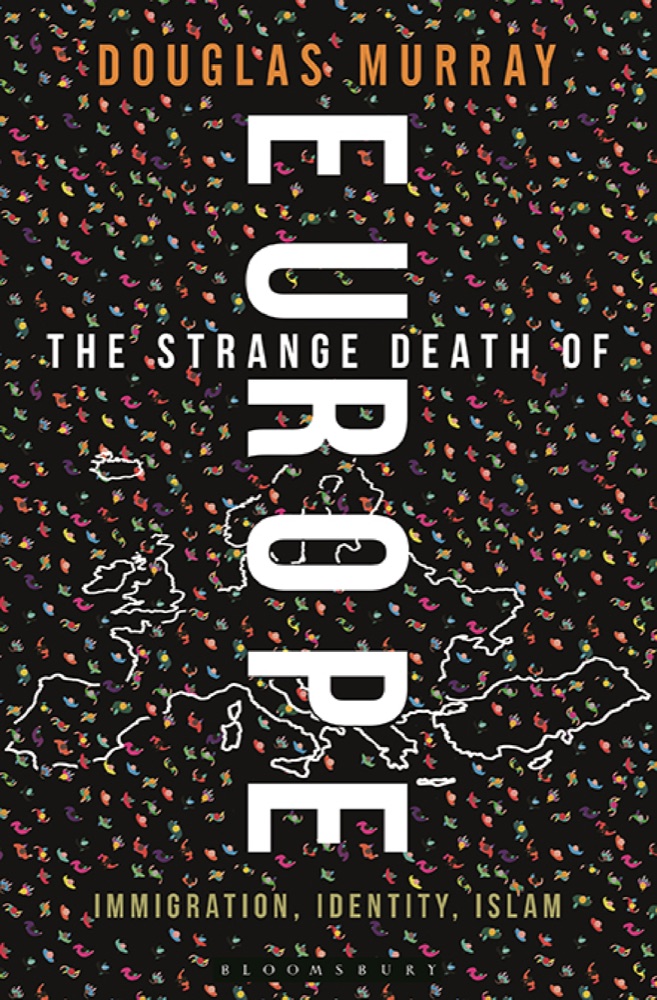 The Strange Death of Europe: Immigration, Identity, Islam
 Train to Pakistan
 The Message
 The Templars: The Rise and Spectacular Fall of God's Holy Warriors
 Defying Hitler
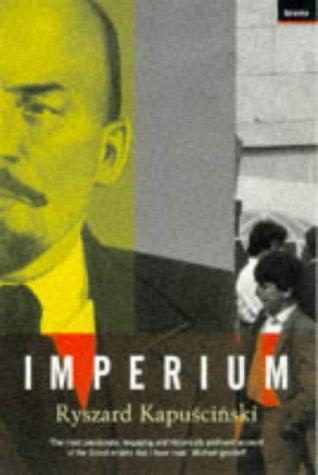 Imperium
 Last First Snow
 The Golden House
 Princess Sultana's Daughters
 Radio Free Albemuth
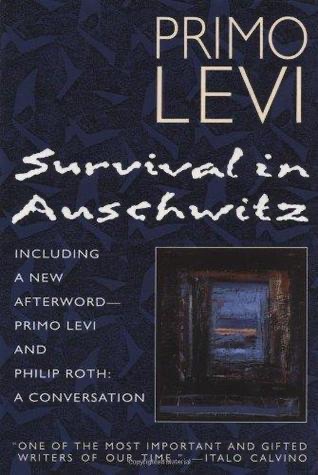 Survival in Auschwitz
 Closing the Ring
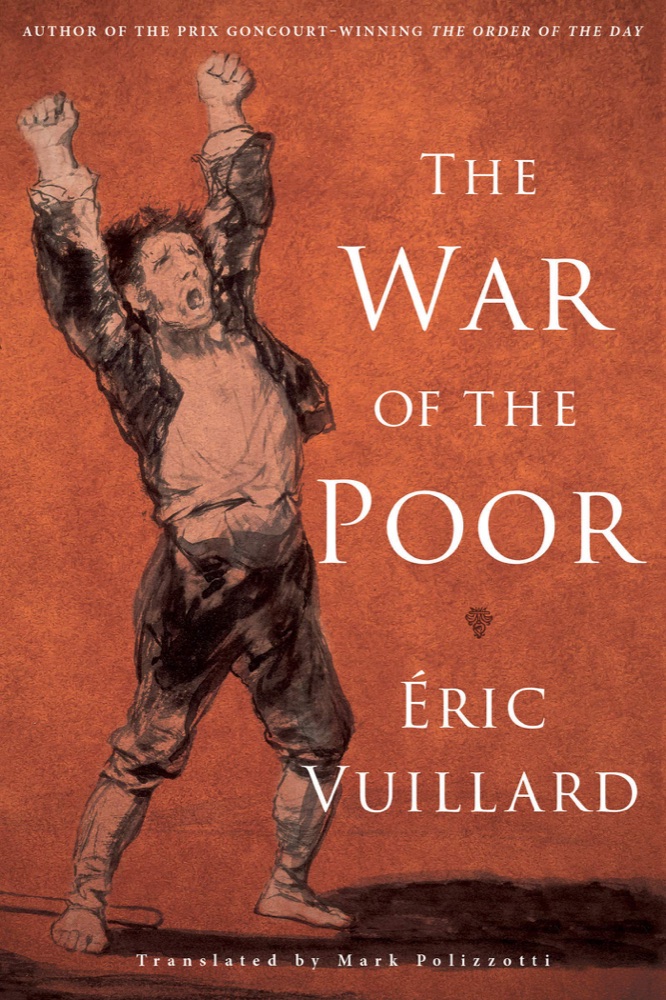 The War of the Poor
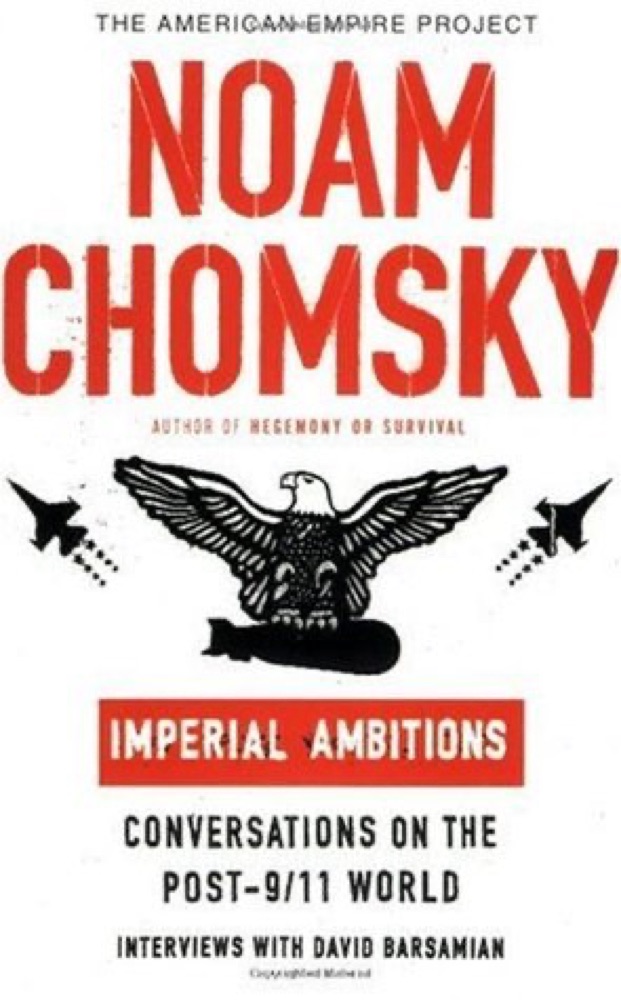 Imperial Ambitions: Conversations on the Post-9/11 World
 The Years of Rice and Salt
 Exodus
 The Everlasting Hatred: The Roots of Jihad
 Wizard of the Crow
 Stones Into Schools: Promoting Peace With Books, Not Bombs, in Afghanistan and Pakistan
 Modern Times: The World from the Twenties to the Nineties
 The Wretched of the Earth
 Where Do We Go from Here: Chaos or Community?
 Thirteen
 House Atreides
 Things I've Been Silent About
 The Last Girl: My Story of Captivity, and My Fight Against the Islamic State
 The White Plague
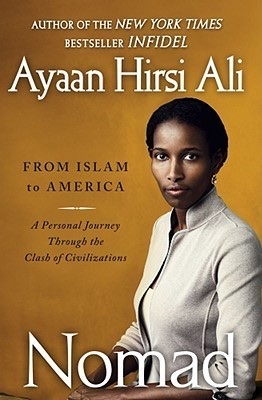 Nomad: From Islam to America: A Personal Journey Through the Clash of Civilizations