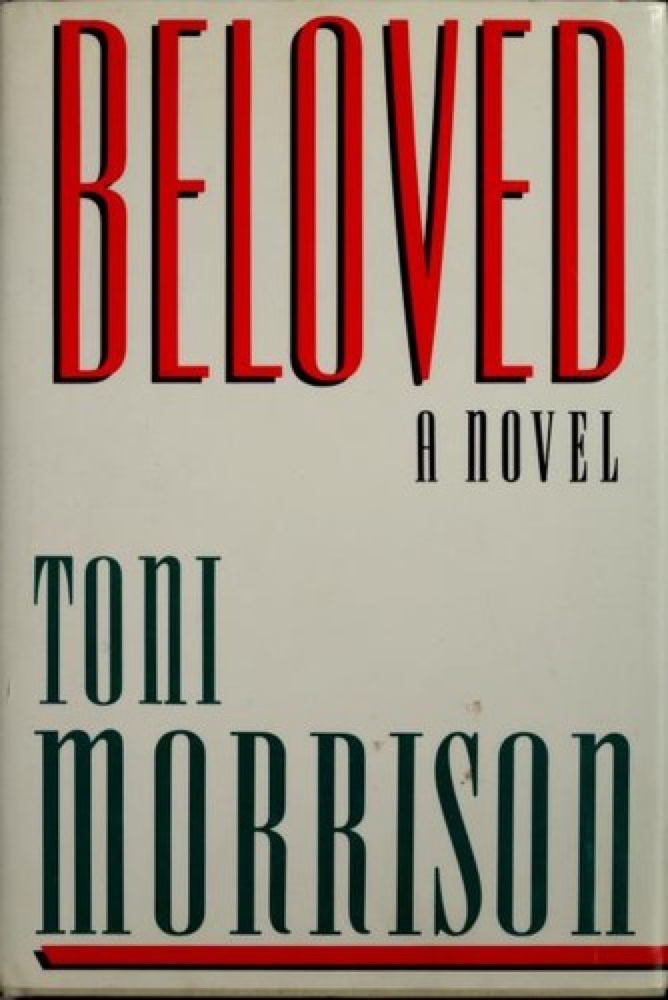

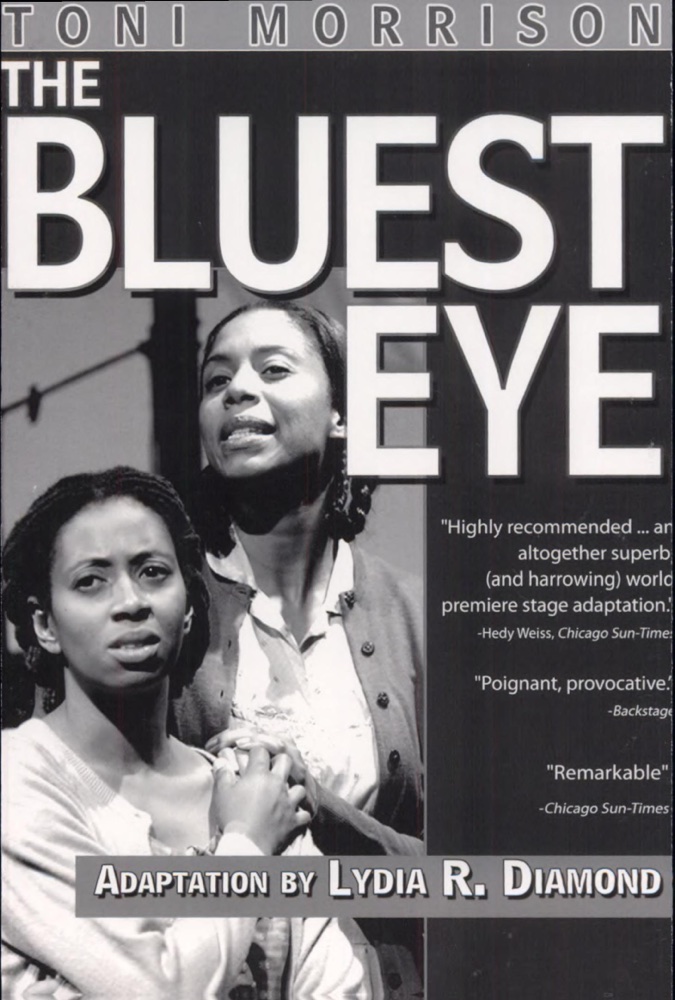
 The Bluest Eye
Quotes from the Book
Freeing yourself was one thing, claiming ownership of that freed self was another.
Love is or it ain't. Thin love ain't love at all.
She is a friend of my mind. She gather me, man. The pieces I am, she gather them and give them back to me in all the right order.
Sweet, crazy conversations full of half sentences, daydreams and misunderstandings more thrilling than understanding could ever be.
Definitions belong to the definers, not the defined.
There is a loneliness that can be rocked. Arms crossed, knees drawn up, holding, holding on, this motion, unlike a ship's, smooths and contains the rocker. It's an inside kind--wrapped tight like skin. Then there is the loneliness that roams. No rocking can hold it down. It is alive. On its own. A dry and spreading thing that makes the sound of one's own feet going seem to come from a far-off place.
Me and you, we got more yesterday than anybody. We need some kind of tomorrow.
He wants to put his story next to hers.
In this here place, we flesh; flesh that weeps, laughs; flesh that dances on bare feet in grass. Love it. Love it hard. Yonder they do not love your flesh. They despise it. They don't love your eyes; they'd just as soon pick em out. No more do they love the skin on your back. Yonder they flay it. And O my people they do not love your hands. Those they only use, tie, bind, chop off and leave empty. Love your hands! Love them. Raise them up and kiss them. Touch others with them, pat them together, stroke them on your face 'cause they don't love that either. You got to love it, you! And no, they ain't in love with your mouth. Yonder, out there, they will see it broken and break it again. What you say out of it they will not heed. What you scream from it they do not hear. What you put into it to nourish your body they will snatch away and give you leavins instead. No, they don't love your mouth. You got to love it. This is flesh I'm talking about here. Flesh that needs to be loved. Feet that need to rest and to dance; backs that need support; shoulders that need arms, strong arms I'm telling you. And O my people, out yonder, hear me, they do not love your neck unnoosed and straight. So love your neck; put a hand on it, grace it, stroke it and hold it up. and all your inside parts that they'd just as soon slop for hogs, you got to love them. The dark, dark liver--love it, love it and the beat and beating heart, love that too. More than eyes or feet. More than lungs that have yet to draw free air. More than your life-holding womb and your life-giving private parts, hear me now, love your heart. For this is the prize.
if they put an iron circle around your neck I will bite it away
Some things you forget. Other things you never do. But it's not. Places, places are still there. If a house burns down, it's gone, but the place--the picture of it--stays, and not just in my remory, but out there, in the world. What I remember is a picture floating around out there outside my head. I mean, even if I don't think if, even if I die, the picture of what I did, or knew, or saw is still out there. Right in the place where it happened.
Something that is loved is never lost.
Let me tell you something. A man ain’t a goddamn ax. Chopping, hacking, busting every goddamn minute of the day. Things get to him. Things he can’t chop down because they’re inside.
They encouraged you to put some of your weight in their hands and soon as you felt how light and lovely it was, they studied your scars and tribulations...
He licked his lips. ‘Well, if you want my opinion-‘ ‘I don’t, ‘ She said. ‘I have my own.
When warm weather came, Baby Suggs, holy, followed by every black man, woman, and child who could make it through, took her great heart to the Clearing--a wide-open place cut deep in the woods nobody knew for what at the end of the path known only to deer and whoever cleared the land in the first place. In the heat of every Saturday afternoon, she sat in the clearing while the people waited among the trees. After situating herself on a huge flat-sided rock, Baby Suggs bowed her head and prayed silently. The company watched her from the trees. They knew she was ready when she put her stick down. Then she shouted, 'Let the children come!' and they ran from the trees toward her. Let your mothers hear you laugh,' she told them, and the woods rang. The adults looked on and could not help smiling. Then 'Let the grown men come,' she shouted. They stepped out one by one from among the ringing trees. Let your wives and your children see you dance,' she told them, and groundlife shuddered under their feet. Finally she called the women to her. 'Cry,' she told them. 'For the living and the dead. Just cry.' And without covering their eyes the women let loose. It started that way: laughing children, dancing men, crying women and then it got mixed up. Women stopped crying and danced; men sat down and cried; children danced, women laughed, children cried until, exhausted and riven, all and each lay about the Clearing damp and gasping for breath. In the silence that followed, Baby Suggs, holy, offered up to them her great big heart. She did not tell them to clean up their lives or go and sin no more. She did not tell them they were the blessed of the earth, its inheriting meek or its glorybound pure. She told them that the only grace they could have was the grace they could imagine. That if they could not see it, they would not have it. Here,' she said, 'in this here place, we flesh; flesh that weeps, laughs; flesh that dances on bare feet in grass. Love it. Love it hard...
Risky, thought Paul D, very risky. For a used-to-be-slave woman to love anything that much was dangerous, especially if it was her children she had settled on to love. The best thing, he knew, was to love just a little bit, so when they broke its back, or shoved it in a croaker sack, well, maybe you'd have a little love left over for the next one.
He leans over and takes her hand. With the other he touches her face. ‘You your best thing, Sethe. You are.’ His holding fingers are holding hers. ‘Me? Me?
She is a friend of my mind. She gather me, man. The pieces I am, she gather them and give them back to me in all the right order. It's good, you know, when you got a woman who is a friend of your mind.
No matter what all your teeth and wet fingers anticipated, there was no accounting for the way that simple joy could shake you.
It never looked as terrible as it was and it made her wonder if hell was a pretty place too. Fire and brimstone all right, but hidden in lacy groves.
You looking good." "Devil's confusion. He lets me look good long as I feel bad.
Everything depends on knowing how much,” she said, and “Good is knowing when to stop.
In Ohio seasons are theatrical. Each one enters like a prima donna, convinced its performance is the reason the world has people in it.
you got two feet, Sethe, not four." he said, and right then a forest sprang up between them; tactless and quiet.
You your best thing, Sethe. You are.
Paul D did not answer because she didn't expect or want him to, but he did know what she meant. Listening to the doves in Alfred, Georgia, and having neither the right nor the permission to enjoy it because in that place mist, doves, sunlight, copper dirt, moon - everything belonged to the men who had the guns. Little men, some of them, big men too, each one of whom he could snap like a twig if he wanted to. Men who knew that their manhood lay in their guns and were not even embarrassed by the knowledge that without fox would laugh at them. And these "men" who made even vixen laugh could, if you let them, stop you from hearing doves or loving moonlight. So you protected yourself and loved small. Picked the tiniest stars out of the sky to own; lay down with head twisted in order to see the loved one over the rim of the trench before you slept. Stole shy glances at her between the trees at chain-up. Glass blades, salamanders, spiders, woodpeckers, beetles, a kingdom of ants. Anything bigger wouldn't do. A woman, a child, a brother - a big love like that would split you wide open in Alfred, Georgia. He knew exactly what she meant: to get to a place where you could love anything you chose - not to need permission for desire - well now, THAT was freedom.
Did you know?
- The novel was inspired by the real case of Margaret Garner, an enslaved woman who killed her own daughter rather than see her returned to slavery.
- Its famous opening line is "124 was spiteful."
- It won the Pulitzer Prize for Fiction in 1988.
- Though nominated for the National Book Award, it lost, prompting 48 Black writers and critics to sign a protest letter in The New York Times Book Review.
- It was adapted into a 1998 film directed by Jonathan Demme and starring Oprah Winfrey as Sethe.
- It is the first book in a loose thematic trilogy that continues with Jazz (1992) and Paradise (1997).
About Toni Morrison
Toni Morrison (1931-2019) was an American novelist and editor whose work centered on Black American life and history. She won the Pulitzer Prize for Beloved and became the first Black woman to receive the Nobel Prize in Literature, in 1993.
More about the author →
About the book
Beloved is a 1987 novel by American author Toni Morrison, set in Cincinnati, Ohio, in the years after the Civil War. It follows Sethe, a woman who escaped enslavement, and her daughter Denver, who share a house at 124 Bluestone Road that is haunted by the spirit of Sethe's dead infant. When Paul D, a man from the same plantation Sethe fled, arrives and unsettles the haunting, a mysterious young woman calling herself Beloved appears, and Sethe becomes convinced she is her murdered child returned in the flesh.
The novel was inspired by the true case of Margaret Garner, an enslaved woman who escaped to Ohio and killed her own child rather than see the girl returned to slavery under the Fugitive Slave Act. Through fragmented memory and a slowly revealed past, Morrison explores the psychological wounds of slavery, the fierce and terrible reach of maternal love, and the effort to survive and reclaim a self after unspeakable trauma. The number 124, and the missing 3 in the house's address, quietly signals the third child whose death shadows the family.
Beloved won the Pulitzer Prize for Fiction in 1988 and is widely regarded as Morrison's masterpiece and one of the most important American novels of the twentieth century. Its recognition contributed to the case for the 1993 Nobel Prize in Literature that Morrison received, and the book was adapted into a 1998 film. It remains a cornerstone of study on American slavery, memory, and Black experience.
Key characters
- SetheFormerly enslaved woman haunted by having killed her infant daughter
- BelovedMysterious young woman believed to be Sethe's returned dead child
- DenverSethe's living daughter, isolated and lonely
- Paul DFormerly enslaved man from Sweet Home who becomes part of Sethe's life
- Baby SuggsSethe's mother-in-law, a revered community elder
Book details
- First published
- 1987
- Length
- 324 pages
- Reading time
- 20 hours
- Author
- Toni Morrison
- Genre
- Classics
- Goodreads rating
- 3.99 (506k ratings) →
- First line
- “124 was spiteful.”
Series & reading order
- 1 Beloved
- 2 Jazz
- 3 Paradise
Movie & TV adaptations
- IMDb
If you liked this, read…
- 1The Underground RailroadAnother acclaimed novel confronting American slavery through a haunted, imaginative lens.
- 2Song of SolomonToni Morrison's earlier award-winning exploration of Black identity and family history.
- 3HomegoingA multigenerational reckoning with slavery and its long aftermath.
Keep reading
 Loving Frank
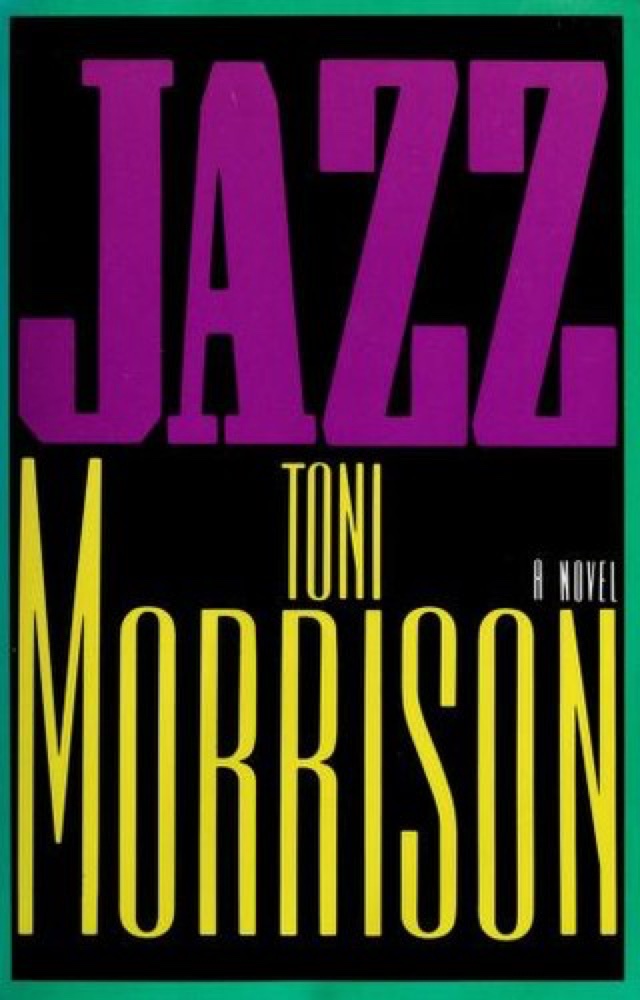 Jazz
Jazz
 On Beauty
 Trust: Betrayed
 Possession
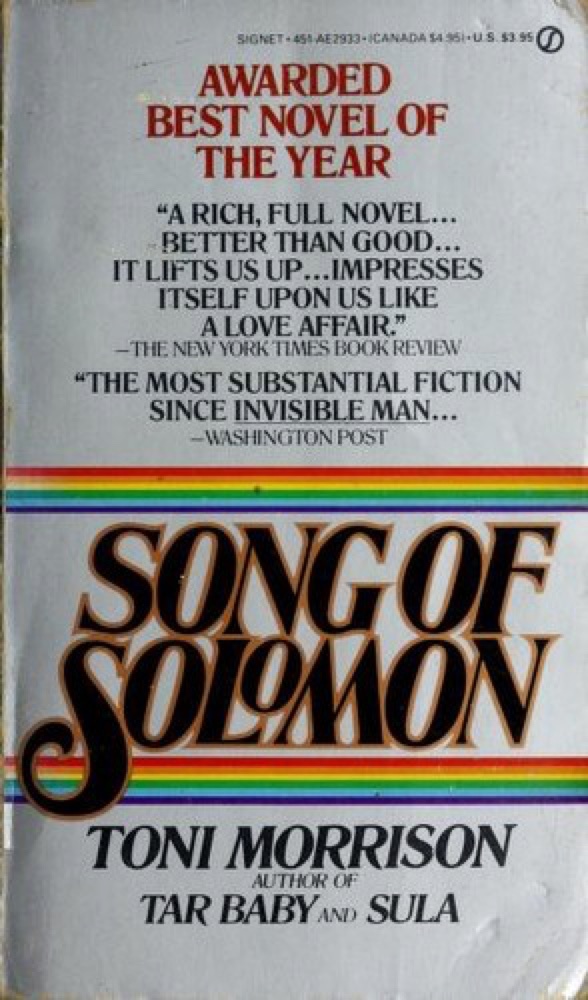 Song of Solomon
 Battleborn
 Sweet Thing
 Endure
 Dirty
Dirty
 The Crown
 War for the Oaks
 Requiem
 Enchanted
 Written on the Body
 One
One
 Crossed
 Ice Queen
 The Women of Chateau Lafayette
 What I Loved
 Mercy
Mercy
 Belong to Me
 Our Mutual Friend
 A Love Song for Ricki Wilde
 The Witching Hour
 Villette
 NOS4A2
 The Help
 Crazy Little Thing
 Chasing Fire
 North and South
 A Conjuring of Light
 Prince Lestat
 Splintered
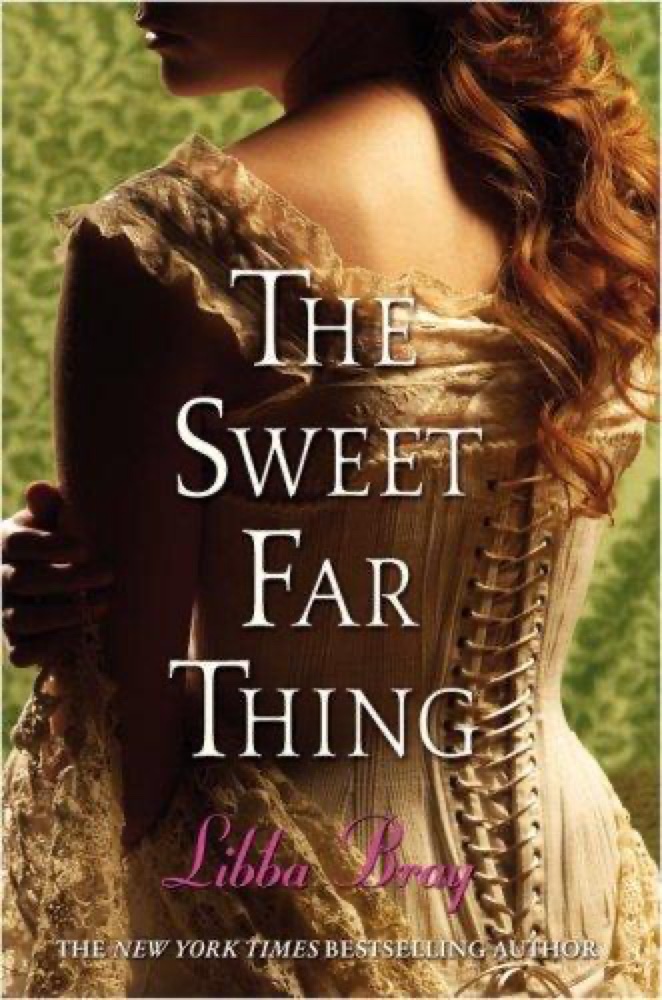 The Sweet Far Thing
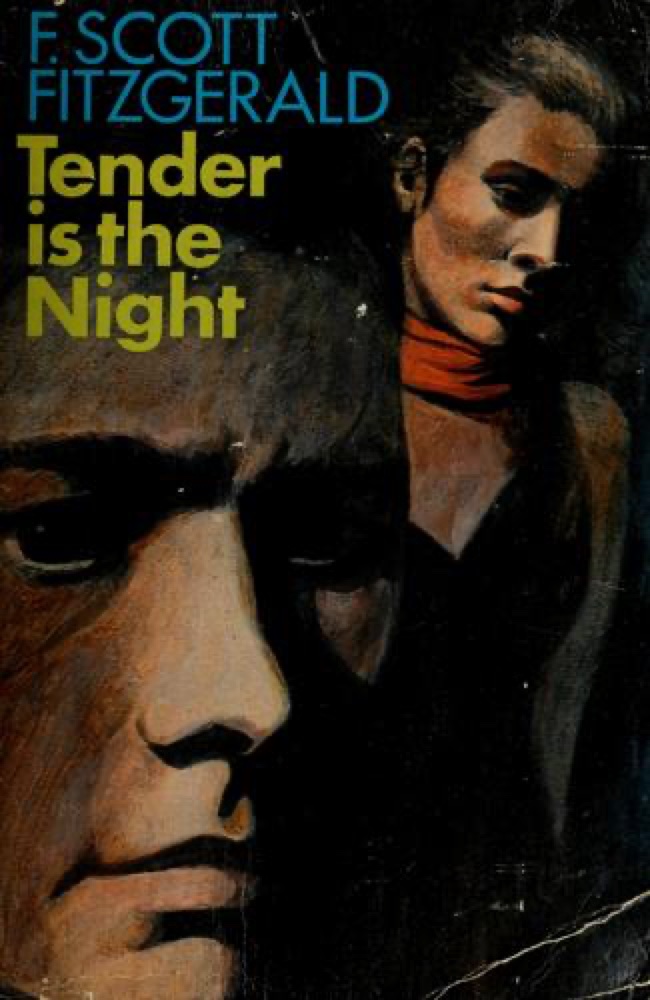 Tender Is the Night
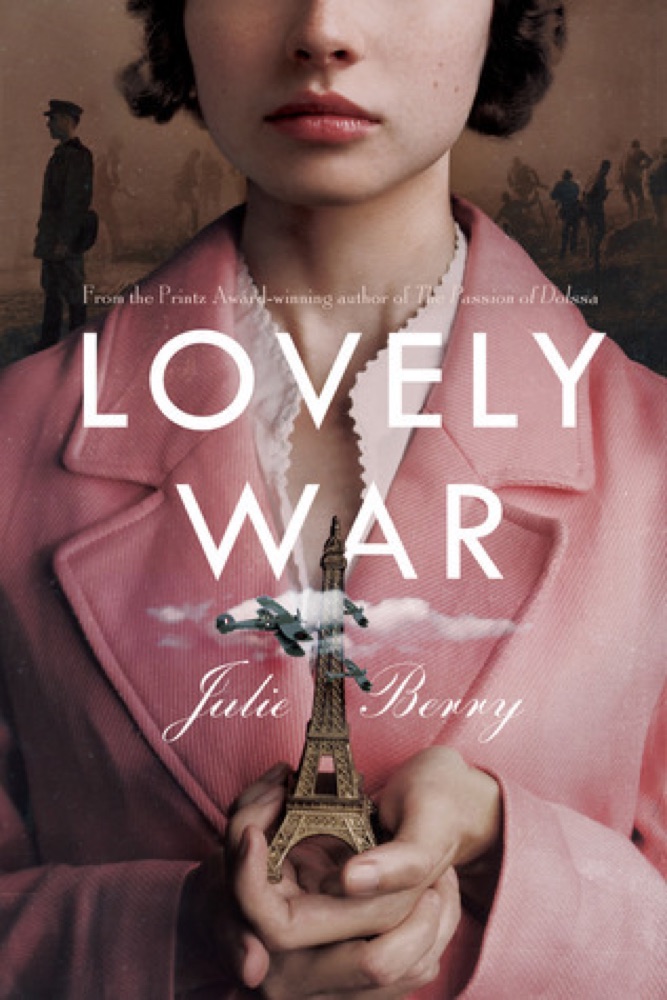 Lovely War
 Allegiant
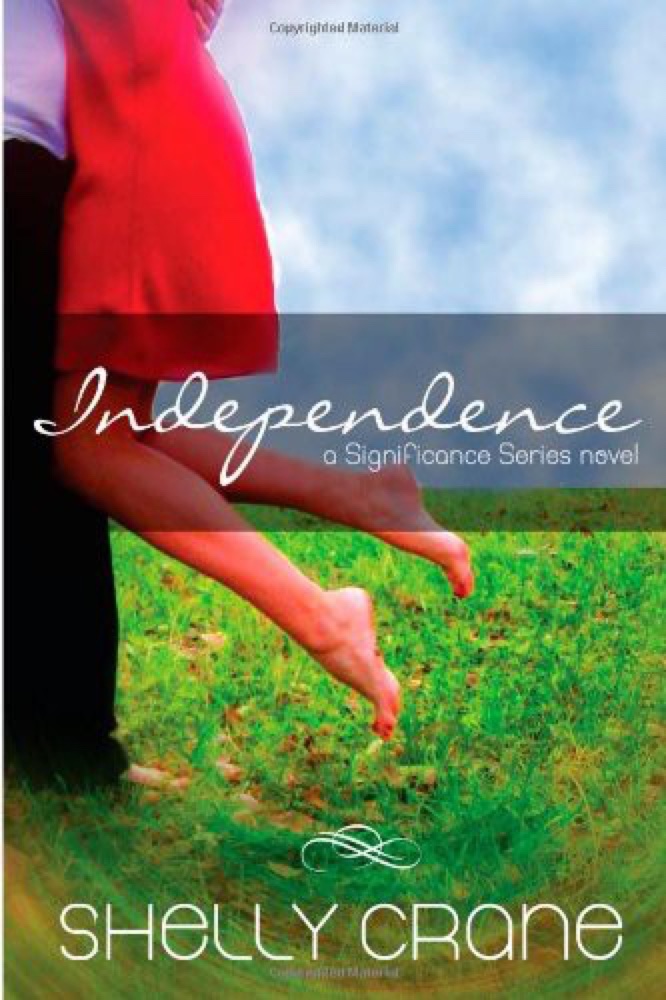 Independence
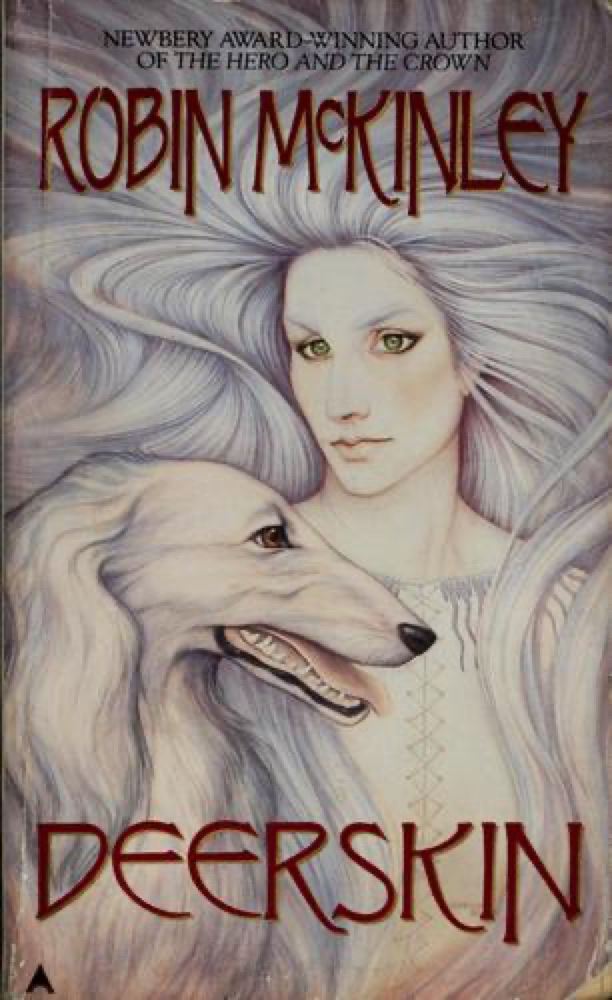 Deerskin
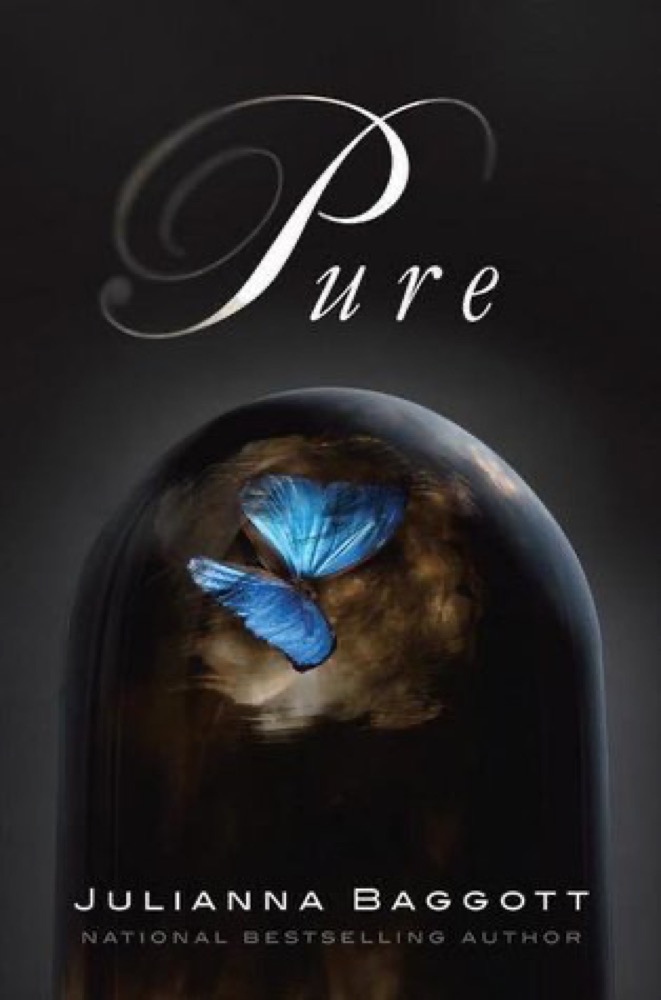 Pure
Pure
 The Saint
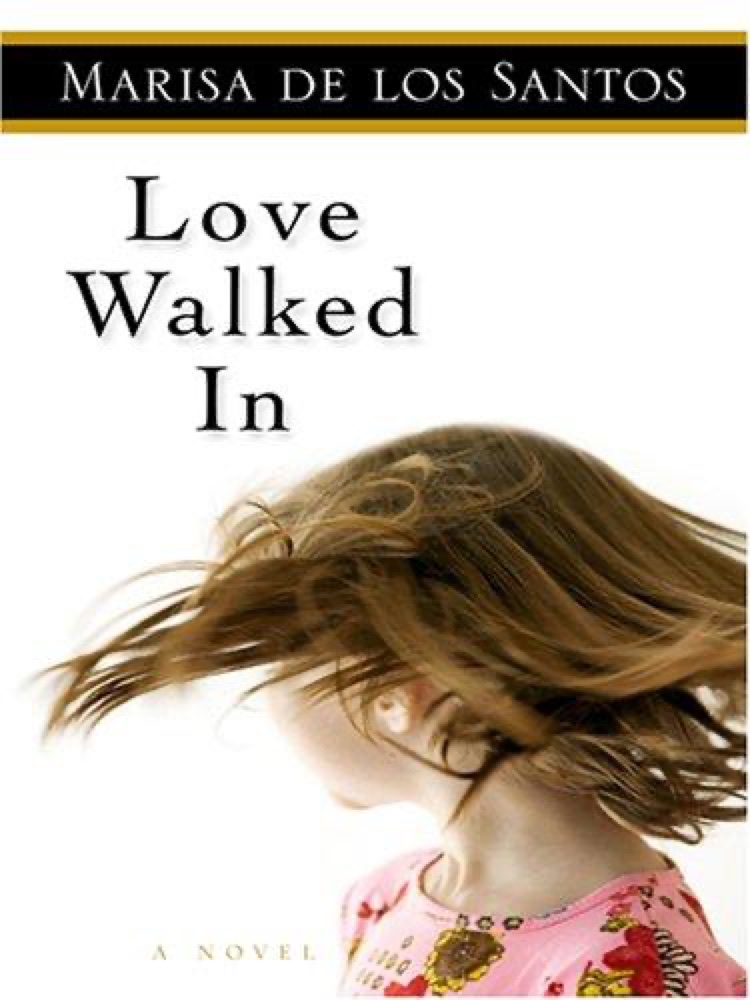 Love Walked in
 Juliet
 A Lady for a Duke
 The Wrath and the Dawn
 The Gravity of Us
 The Garden of Eden
 Anna Karenina
 The Siren
 Atonement
 The Lies About Truth
 Good Me, Bad Me
 Teardrop
 Until You
 The English Patient
 Lila
Lila
 A Mercy
 Embrace
 Beautiful Creatures