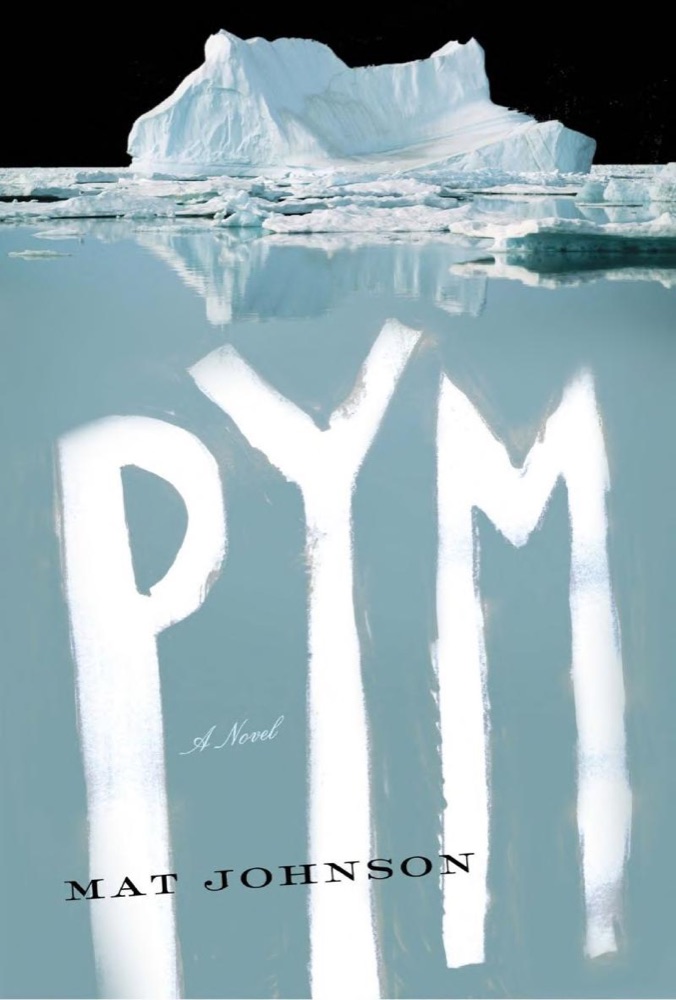

 Mumbo Jumbo
Quotes from the Book
It is a great moment in every freak's life when he or she finds out that at least they are not the only one.
14
In this age when reality is built on big lies, what better place for truth than fiction?
4
There are two types of lazy bosses. One is so lazy that they make you do not only your own work but theirs too. Worse, they lie to you about it, unloading all responsibility for their actions. The other is so lazy that not only do they not do their own work but they can't even be bothered to provide you work to do. These bosses lie as well, but only to themselves, passively. The first is the hardest boss to work for, the second the easiest.
4
I like looking for myself in the whitest of pages. I like finding evidence of myself there, after being told my footprints did not exist on that sand. I think the work of the great white writers is important, but I think it's most important when it's negotiating me and my people, because I am as arrogant and selfish a reader as any other.
4
What I discovered during my studies in Poe's and other early Americans' texts was the intellectual source of racial Whiteness. Here, in these pages, was the very fossil record of how this odd and illogical sickness formed. Here was the twisted mythic underpinnings of modern racial thought that could never before be dismantled because we were standing on them.
4
In my head, I was getting 'gangsta,' which I've always felt showed greater intent than getting 'gangster' in that it expresses a willful unlawfulness even upon its own linguistic representation.
3
I have always loved quitting jobs. Whether because the job itself was repugnant or the people working at it with me, I have always held my right to quit my job as one of my most sacred privileges. An entire ritual surrounds this shedding of employment. First, there is the glorious moment when, after the unpleasantness of my position and my general unhappiness become overwhelmingly apparent to me, I say to myself (and I quote), “Fuck this. I don’t have to take this shit anymore. They think they can make me do what they want, but I’m out of here.” Ah, there it is, the almost orgasmic release I feel when I first make the profane declaration to myself, the feeling of reclaimed power coursing invisibly through me. But not just that: this singular moment, this coveted private knowledge is formed into a golden kernel and popped into existence again in my mind as a reaction to every unfortunate work-related moment I’m forced to endure before I make my destined departure. It’s such a glorious thing, the harboring of this secret knowledge, that in itself it has kept me at many a job even longer than I had originally intended, because just knowing that I would soon be free was the most effective of panaceas. So much so that there were times when even though it was impossible for me to quit I would say the same words to myself and mercifully delude my conscious mind that I could get the hell out of there if I wanted to.
3
…life is too short to be reading more books by white people. Especially dead ones.
2
Curing America’s racial pathology couldn’t be done with good intentions or presidential elections.
2
Even drunk, I knew any escape plan that involved going to Detroit, Michigan, was a harbinger of doom.
2
That is how they stay so white: by refusing to accept blemish or history. Whiteness isn't about being something, it is about being no thing, nothing, an erasure. Covering over the truth with layers of blank reality just as the snowstorm was now covering our tent...(225)
1
TEKELI-LI. Tekeli-li, Tekeli-li. I got that from Pym. I got that from Poe. The Narrative of Arthur Gordon Pym of Nantucket by Edgar Allan Poe, specifically. Pym that is maddening, Pym that is brilliance, Pym whose failures entice instead of repel. Pym that flows and ignites and Pym that becomes so entrenched it stagnates for hundreds of words at a time. A book that at points makes no sense, gets wrong both history and science, and yet stumbles into an emotional truth greater than both.
1
Here I was, on the cusp of my own great dream, my own impossible truth, and this gluttonous man was crowding it with his improbable vision. There wasn't enough magic in the universe for both of us. Worse, Garth's mad theory put mine in an altogether new light. Was I as crazy as his fat ass?
1
The people, they need someone to live through. Trust me, I used to be in roller derby back in the day. People need a hero.
1
Speak no ill of the successful black male sellout, for he has achieved the goal of the community that has produced him: he has “made it,” used his skills to attain the status that would be denied him, earned entry at the door of the big house of prosperity. His only flaw is that he agreed to leave the community, its hopes, customs, aspirations, on the porch behind him. It is a matter of expedience as much as morality.
It is in man’s nature to be drawn by the crowd, if only to see what everybody else is up to. Even when that crowd was composed entirely of albino snow monkeys…
It was all viable, and the viable always outweighed the improbable.
Curing America's racial pathology couldn't be done with good intentions or presidential elections. Like all diseases, it had to be analyzed at a microscopic level. What I discovered during my studies in Poe's and other early Americans' texts was the intellectual source of racial Whiteness. Here, in these pages, was the very fossil record of how this odd and illogical sickness formed. Here was the twisted mythic underpinnings of modern racial thought that could never before be dismantled because we were standing on them. (8)
And that’s the beginning of the primary conversation in African American literature, right there: the African descendant explaining to the European descendant about how white people’s actions are affecting the lives of black people.* In
In my head, I was getting “gangsta,” which I’ve always felt showed greater intent than getting “gangster” in that it expresses a willful unlawfulness even upon its own linguistic representation.
About Mat Johnson
We have collected 20 quotes from 1 book by Mat Johnson on BookQuoters.
More about the author →About the book
Recently canned professor of American literature Chris Jaynes has just made a startling discovery: the manuscript of a crude slave narrative that confirms the reality of Edgar Allan Poe’s strange and only novel, The Narrative of Arthur Gordon Pym of Nantucket. Determined to seek out Tsalal, the remote island of pure and utter blackness that Poe describes, Jaynes convenes an all-black crew of six to follow Pym’s trail to the South Pole, armed with little but the firsthand account from which Poe derived his seafaring tale, a bag of bones, and a stash of Little Debbie snack cakes. Thus begins an epic journey by an unlikely band of adventurers under the permafrost of Antarctica, beneath the surface of American history, and behind one of literature’s great mysteries.
Book details
- First published
- 2011
- Author
- Mat Johnson
- Genre
- Fiction
- Goodreads rating
- 3.60 (4k ratings)
Keep reading
Mumbo Jumbo
 Dreams from My Father: A Story of Race and Inheritance
 Hell of a Book
 Lovecraft Country
 The Heart of a Woman
 The Committed
 Notes of a Native Son
 The Golden House
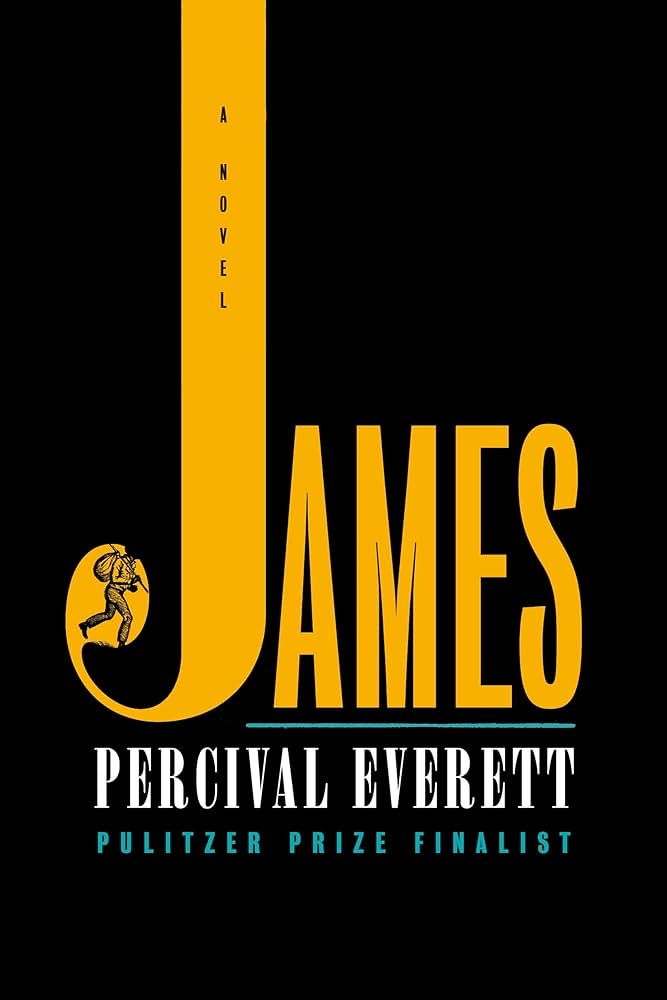 James
James
 What Doesn't Kill You Makes You Blacker: A Memoir in Essays
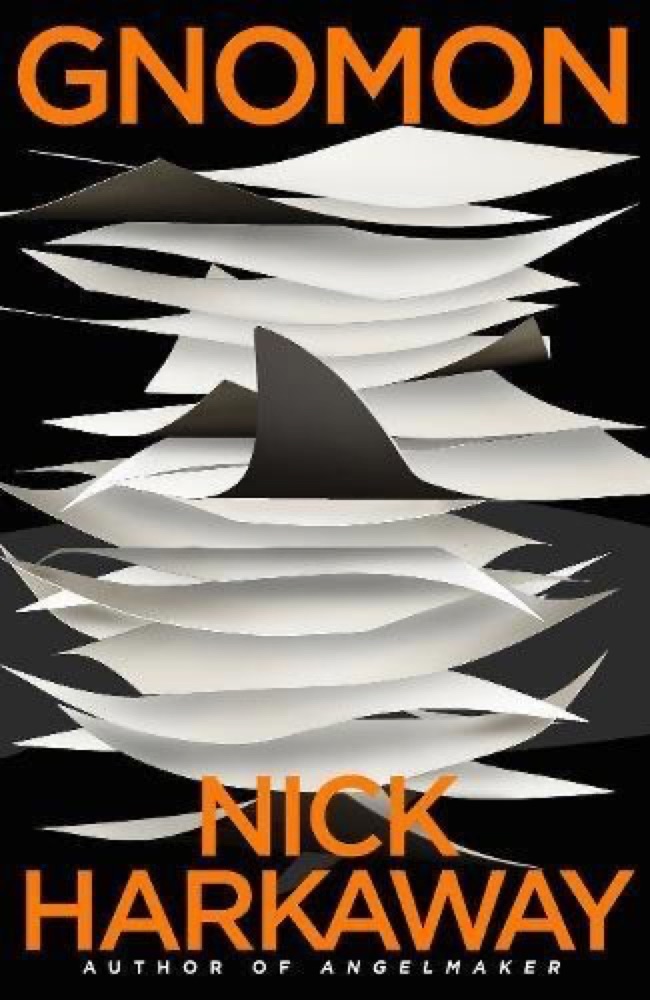 Gnomon
 Erasure
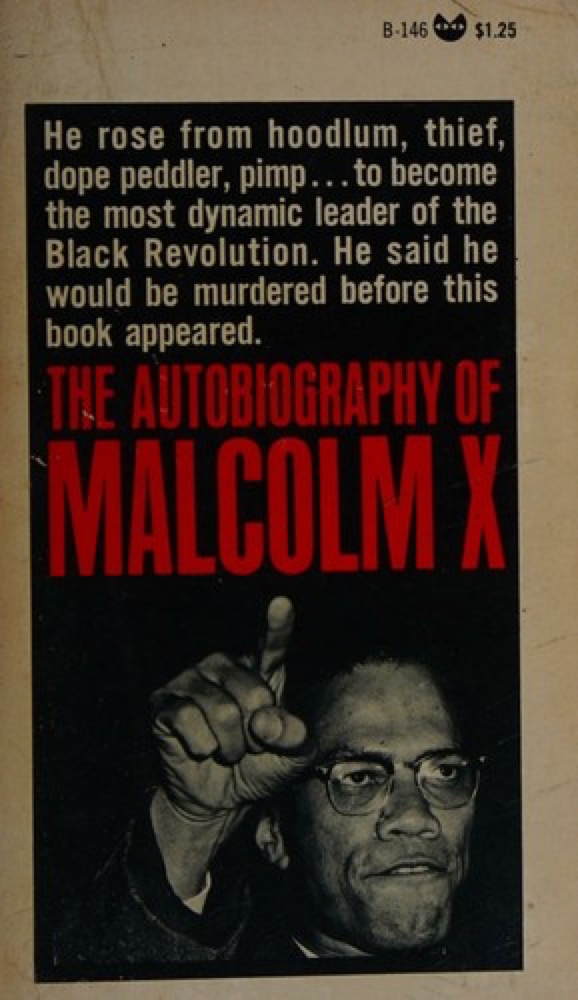 The Autobiography of Malcolm X
 The Confessions of Frannie Langton
 Jailbird
 Armageddon in Retrospect
 Notes from No Man's Land
 Between the World and Me
 Dust Tracks on a Road
 The Fall of Babel
 Wampeters, Foma and Granfalloons
 Hitch-22: A Memoir
 Dark Days
 Nobody Knows My Name
 Black Like Me
 Sky Full of Elephants
 Villa Incognito
 The Autobiography of an Ex-Coloured Man
 Skinny Legs and All
 Welcome to Braggsville
 The Love Songs of W.E.B. Du Bois
 A Song Flung Up to Heaven
 We Were Eight Years in Power: An American Tragedy
 Americanah
 Too Like the Lightning
 Harassment Architecture
 Blackfish City
 The Braindead Megaphone
 Transition
 Sometimes a Great Notion
 Arm of the Sphinx
 The House of Hidden Meanings
 Everything's Eventual
 The Golden Notebook
 Thirteen
 The Great Shark Hunt: Strange Tales from a Strange Time
 Speedboat
 Sixty Stories
 Make Something Up: Stories You Can't Unread
 The Gone-Away World
 Sigh, Gone: A Misfit's Memoir of Great Books, Punk Rock, and the Fight to Fit In
 The Message
 The Human Stain
 American Sonnets for My Past and Future Assassin
 Essays of E.B. White
 Lakewood
 A Collection of Essays
 The Counterlife
 The Manticore