
 Jazz
Jazz
Quotes from the Book
Love is never any better than the lover.
Along with the idea of romantic love, she was introduced to another--physical beauty. Probably the most destructive ideas in the history of human thought. Both originated in envy, thrived in insecurity, and ended in disillusion.
Love is never any better than the lover. Wicked people love wickedly, violent people love violently, weak people love weakly, stupid people love stupidly, but the love of a free man is never safe. There is no gift for the beloved. The lover alone possesses his gift of love. The loved one is shorn, neutralized, frozen in the glare of the lover’s inward eye.
All of our waste which we dumped on her and which she absorbed. And all of our beauty, which was hers first and which she gave to us. All of us--all who knew her--felt so wholesome after we cleaned ourselves on her. We were so beautiful when we stood astride her ugliness. her simplicity decorated us, her guilt sanctified us, her pain made us glow with health, her awkwardness made us think we has a sense of humor. Her inarticulateness made us believe we were eloquent. Her poverty kept us generous. Even her waking dreams we used--to silence our own nightmares. And she let us, and thereby deserved our contempt. We honed our egos on her, padded our characters with her frailty, and yawned in the fantasy of our strength. And fantasy it was, for we were not strong, only aggressive; we were not free, merely licensed; we were not compassionate, we were polite; not good, but well behaved. We courted death in order to call ourselves brave, and hid like thieves from life. We substituted good grammar for intellect; we switched habits to simulate maturity; we rearranged lies and called it truth, seeing in the new pattern of an old idea the Revelation and the Word.
Anger is better. There is a sense of being in anger. A reality and presence. An awareness of worth. It is a lovely surging.
Beauty was not simply something to behold; it was something one could do.
She left me the way people leave a hotel room. A hotel room is a place to be when you are doing something else. Of itself it is of no consequence to one's major scheme. A hotel room is convenient. But its convenience is limited to the time you need it while you are in that particular town on that particular business; you hope it is comfortable, but prefer, rather, that it be anoymous. It is not, after all, where you live.
You looked at them and wondered why they were so ugly; you looked closely and could not find the source. Then you realized that it came from conviction, their conviction. It was as though some mysterious all-knowing master had given each one a cloak of ugliness to wear, and they had each accepted it without question.
But to find out the truth about how dreams die, one should never take the word of the dreamer.
And fantasy it was, for we were not strong, only aggressive; we were not free, merely licensed; we were not compassionate, we were polite; not good, but well behaved. We courted death in order to call ourselves brave, and hid like thieves from life. We substituted good grammar for intellect; we switched habits to simulate maturity; we rearranged lies and called it truth, seeing in the new pattern of an old idea the Revelation and the Word.
We mistook violence for passion, indolence for leisure, and thought recklessness was freedom.
Sunk in the grass of an empty lot on a spring Saturday, I split the stems of milkweed and thought about ants and peach pits and death and where the world went when I closed my eyes.
guileless and without vanity,we were still in love with ourselves then. We felt comfortable in our own skins, enjoyed the news that our senses released to us, admired our dirt, cultivated our scars, and could not comprehend this unworthiness.
Jealousy we understood and thought natural... But envy was a strange, new feeling for us. And all the time we knew that Maureen Peal was not the Enemy and not worthy of such intense hatred. The Thing to fear was the Thing that made her beautiful, and not us.
I had only one desire: to dismember it. To see of what it was made, to discover the dearness, to find the beauty, the desirability that had escaped me, but apparently only me.
Certain seeds it will not nurture, certain fruit it will not bear and when the land kills of its own volition, we acquiesce and say the victim had no right to live
Love is never any better than the lover. Wicked people love wickedly, violent people love violently, weak people love weakly, stupid people love stupidly, but the love a free man is never safe.
...the change was adjustment without improvement.
They seemed to have taken all of their smoothly cultivated ignorance, their exquisitely learned self-hatred, their elaborately designed hopelessness and sucked it all up into a fiery cone of scorn that had burned for ages in the hollows of their minds― cooled ―and spilled over lips of outrage, consuming whatever was in its path.
Each member of the family in his own cell of consciousness, each making his own patchwork quilt of reality - collecting fragments of experience here, pieces of information there. From the tiny impressions gleaned from one another, they created a sense of belonging and tried to make do with the way they found each other.
All of us--all who knew her--felt so wholesome after we cleaned ourselves on her. We were so beautiful when we stood astride her ugliness. Her simplicity decorated us, her guilt sanctified us, her pain made us glow with health, her awkwardness made us think we had a sense of humor. Her inarticulateness made us believe we were eloquent. Her poverty kept us generous. Even her waking dreams we used--to silence our own nightmares.
If happiness is anticipation with certainty, we were happy.
I have only to break into the tightness of a strawberry, and I see summer – its dust and lowering skies.
Their conversation is like a gently wicked dance: sound meets sound, curtsies, shimmies, and retires. Another sound enters but is upstaged by still another: the two circle each other and stop. Sometimes their words move in lofty spirals; other times they take strident leaps, and all of it is punctuated with warm-pulsed laughter—like the throb of a heart made of jelly. The edge, the curl, the thrust of their emotions is always clear to Frieda and me. We do not, cannot, know the meanings of all their words, for we are nine and ten years old. So we watch their faces, their hands, their feet, and listen for truth in timbre.
They had stared at her with great uncomprehending eyes. Eyes that questioned nothing and asked everything. Unblinking and unabashed, they stared up at her. The end of the world lay in their eyes, and the beginning, and all the waste in bewteen.
Never did he once consider directing his hatred toward the hunters. Such an emotion would have destroyed him ... His subconscious knew what his min did not guess-that hating them would have consumed him, burned him up like a piece of soft coal, leaving only flakes of ash and a question mark of smoke.
Only her tight, tight eyes were left. They were always left...They were everything. Everything was there, in them...Thrown, in this way, into the binding conviction that only a miracle could relieve her, she would never know her beauty. She would see only what there was to see: the eyes of other people.
Here was an ugly little girl asking for beauty....A little black girl who wanted to rise up out of the pit of her blackness and see the world with blue eyes. His outrage grew and felt like power. For the first time he honestly wished he could work miracles.
You looked at them and wondered why the were so ugly; you looked closely and could not find the source. Then you realized that it came from conviction, their conviction. It was as though some mysterious all-knowing master had given each one a cloak of ugliness to wear, and they had each accepted it without question. The mast had said, "You are ugly people." They had looked about themselves and saw nothing to contradict the statement; saw, in fact, support for it leaning at them from every billboard, every movie, every glance. "Yes," they had said. "You are right.
Did you know?
- The Bluest Eye was Toni Morrison's first published novel, released in 1970.
- It is set in Morrison's own hometown of Lorain, Ohio, in the year 1941.
- Chapter sections are introduced with fragmented lines from a Dick and Jane reading primer.
- The novel's opening line, 'Quiet as it's kept,' echoes a phrase Morrison recalled from Black women's private conversations.
- The book has frequently appeared on lists of the most challenged and banned books in the United States.
- Morrison added an afterword to the 1993 edition reflecting on the novel's origins and aims.
About Toni Morrison
Toni Morrison (1931-2019) was an American novelist and editor whose work centered on Black American life. She won the Pulitzer Prize for Beloved and became the first Black woman to receive the Nobel Prize in Literature, in 1993.
More about the author →
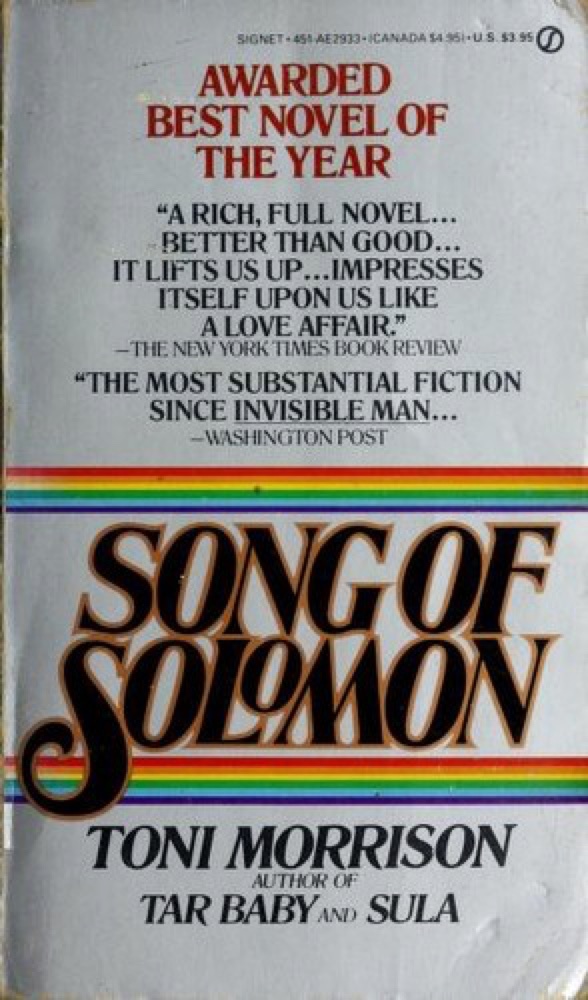
About the book
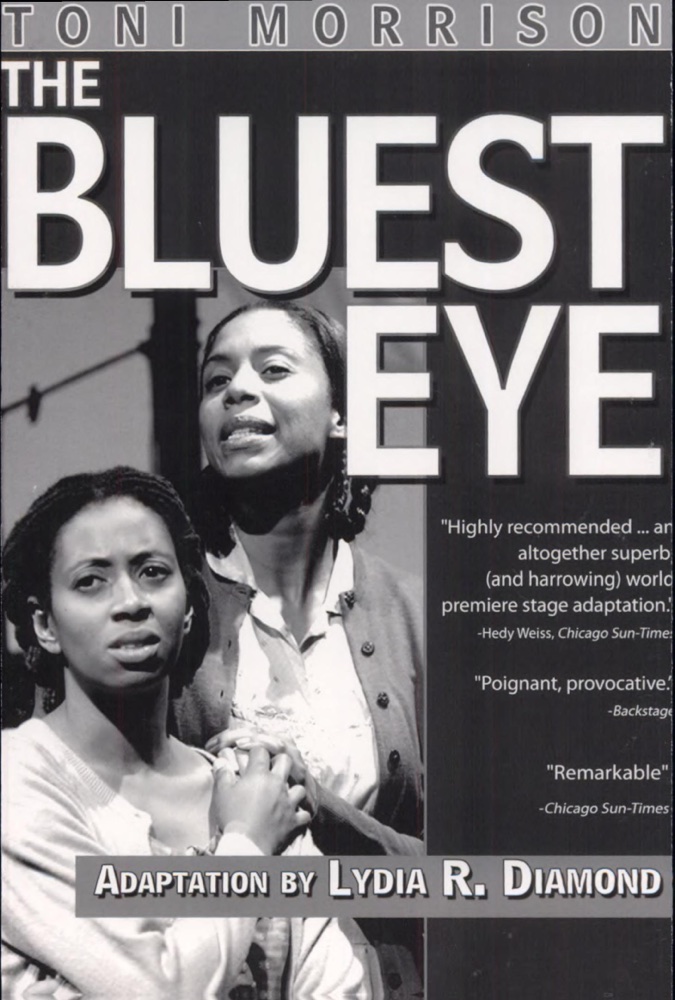
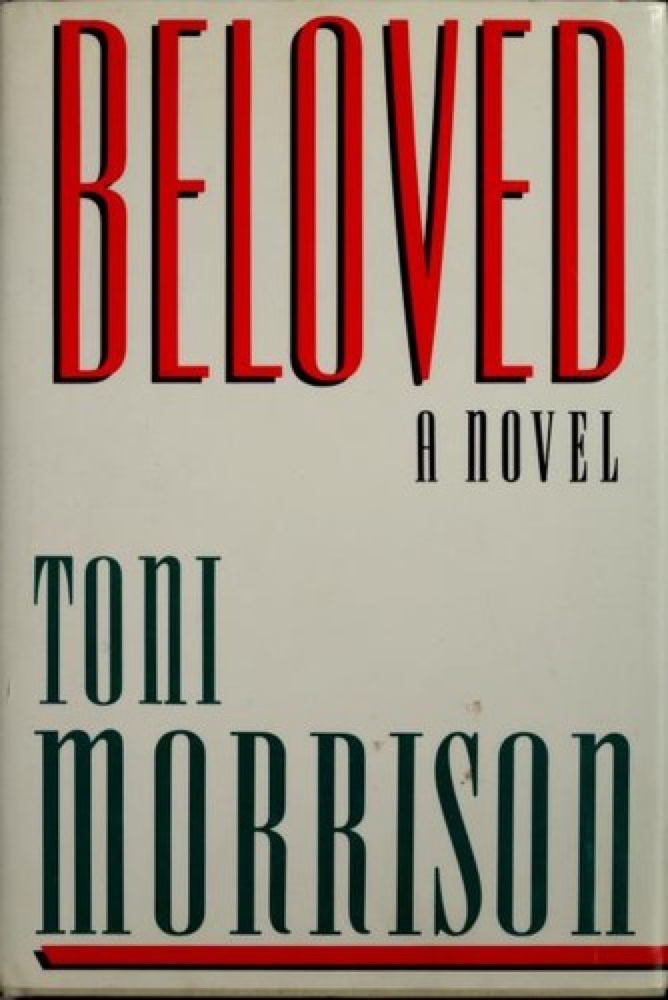
The Bluest Eye is Toni Morrison's debut novel, published in 1970 and set in Lorain, Ohio, in 1941. It centers on Pecola Breedlove, a young Black girl who is repeatedly told she is ugly and who comes to believe that if she had blue eyes she would finally be seen as beautiful and worthy of love. The story is largely narrated by Claudia MacTeer, a girl whose family briefly takes Pecola in, and it unfolds through flashbacks and vignettes that trace the earlier lives of Pecola's parents, Cholly and Pauline, and the pressures of poverty and rejection that shape them.
At its heart the novel examines internalized racism and the destructiveness of a beauty standard defined by whiteness. Morrison frames each section with lines lifted from a Dick and Jane primer depicting an idealized white family, contrasting that tidy fiction with the Breedloves' reality. Through this structure she explores how children absorb a culture's judgments about who is lovable, and how a community can turn a vulnerable child into a scapegoat for its own shame.
The Bluest Eye announced one of the major voices in American literature; Morrison would go on to win the Pulitzer Prize and, in 1993, the Nobel Prize in Literature. Frank in its treatment of racism, abuse, and self-hatred, the book has been widely taught and just as widely challenged, remaining a touchstone in conversations about race, girlhood, and the cost of measuring oneself against an impossible ideal.
Key characters
- Pecola BreedloveA young Black girl who longs for blue eyes and beauty
- Claudia MacTeerThe primary narrator, a girl whose family takes Pecola in
- Frieda MacTeerClaudia's older sister
- Cholly BreedlovePecola's troubled, alcoholic and abusive father
- Pauline BreedlovePecola's mother, a domestic worker for a white family
Book details
- First published
- 1970
- Length
- 224 pages
- Reading time
- 4 hours
- Author
- Toni Morrison
- Genre
- Classics
- Goodreads rating
- 4.14 (315k ratings) →
- First line
- “Quiet as it's kept, there were no marigolds in the fall of 1941.”
Movie & TV adaptations
- IMDb
If you liked this, read…
- 1SulaAnother early Morrison novel about Black girlhood and community in Ohio
- 2Their Eyes Were Watching GodZora Neale Hurston's classic of a Black woman's search for selfhood
- 3The Color PurpleAlice Walker's novel confronting abuse, race, and a girl's endurance
Keep reading
 The Beautiful and Damned
 Atonement
 White Oleander
 The Damnation Game
 The Story of a New Name
 Embers
 The Year of the Flood
 The Well of Loneliness
 The Heart of the Matter
 All the Pretty Horses
 The Brutal Telling
 Hell
Hell
 Fall of Light
 Women in Love
 The Story of the Lost Child
 The Secret History
 Tar Baby
 Shadow & Claw
 Arch of Triumph
 The Magus
 Swann's Way
 The Mill on the Floss
 Tess of the D'Urbervilles
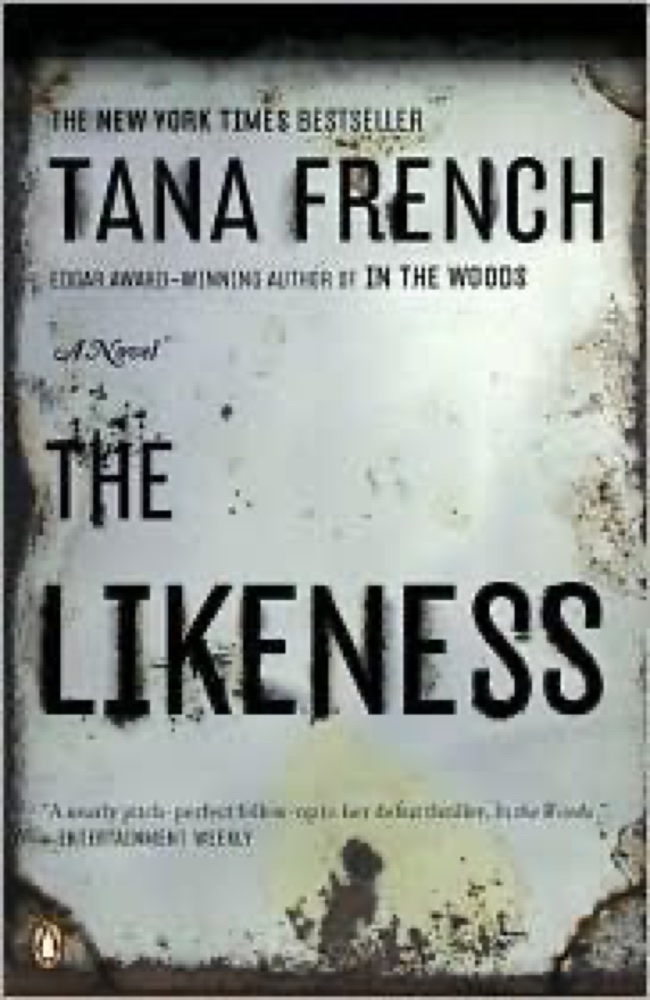 The Likeness
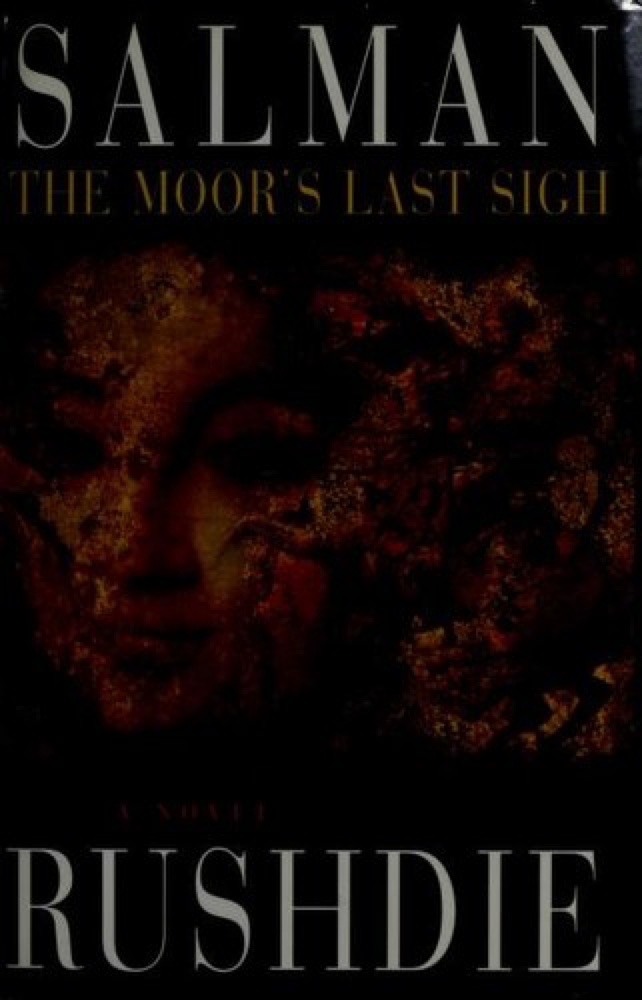 The Moor's Last Sigh
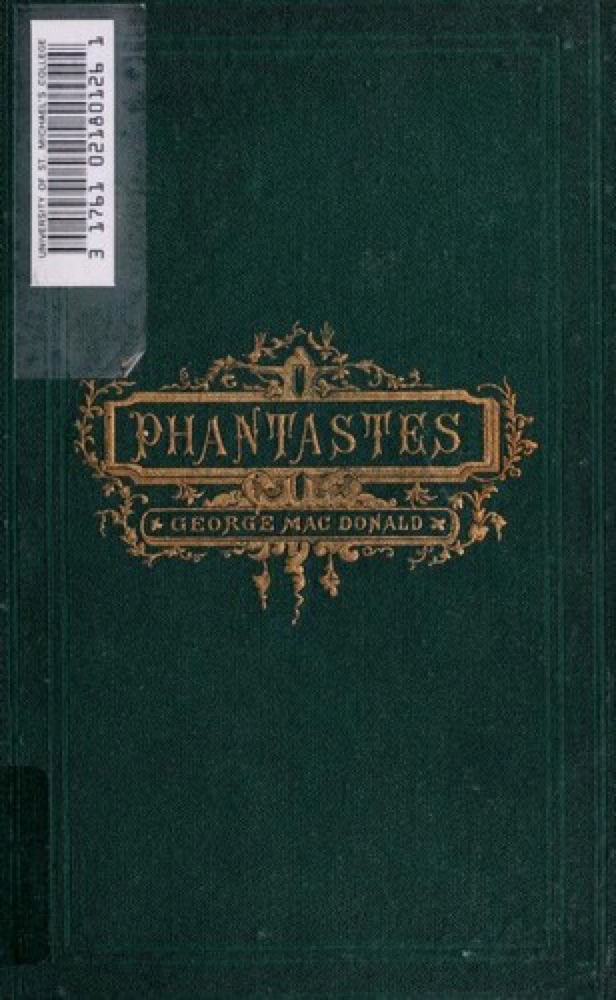 Phantastes
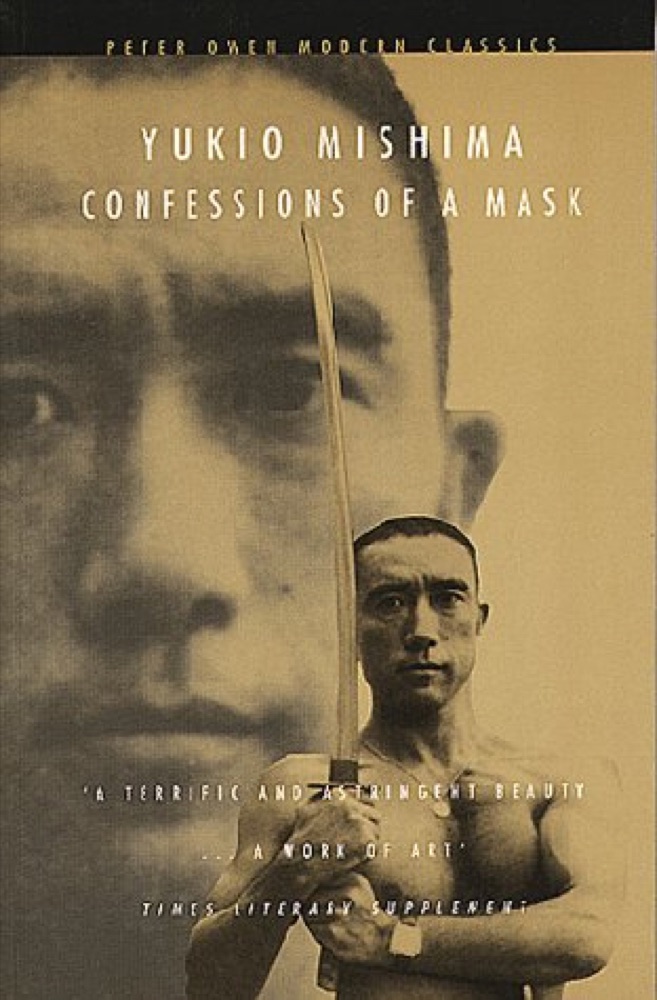 Confessions of a Mask
 The Corrections
 Paint it Black
 On Beauty
 Green Dolphin Street
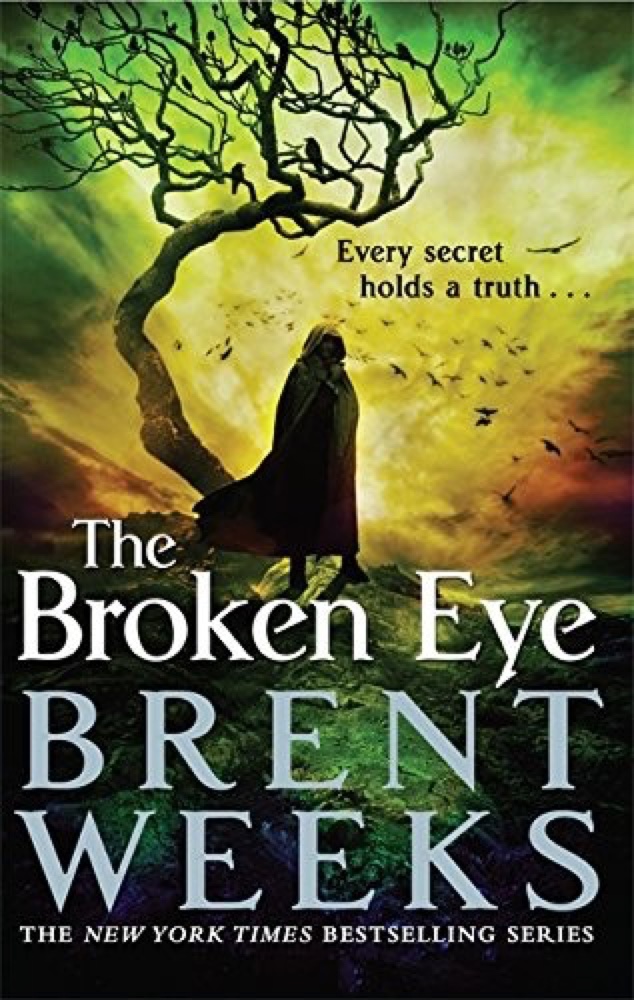 The Broken Eye
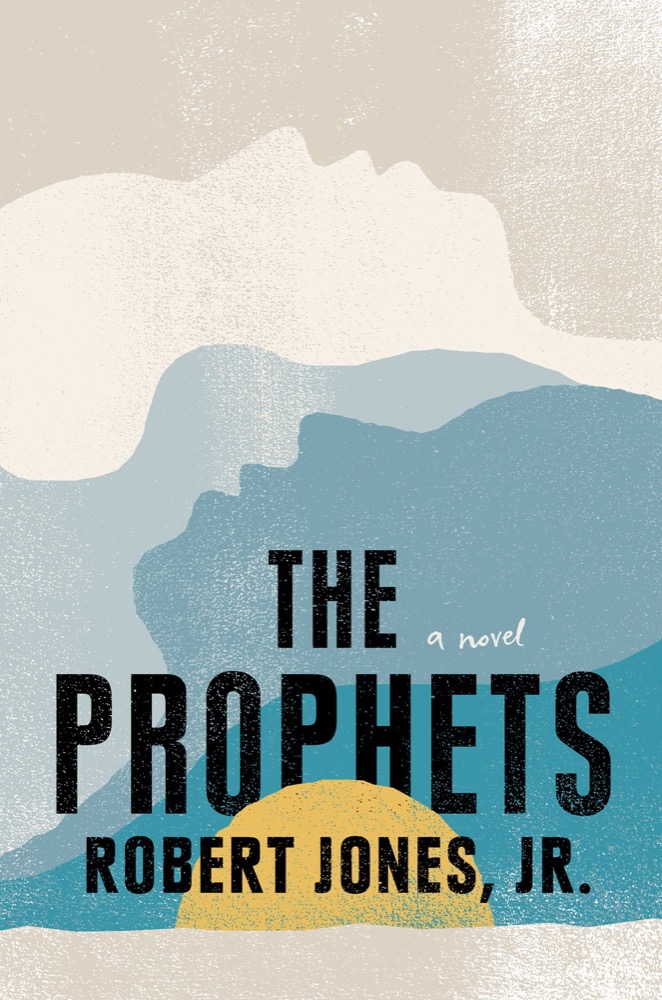 The Prophets
 The Beautiful
 Shirley
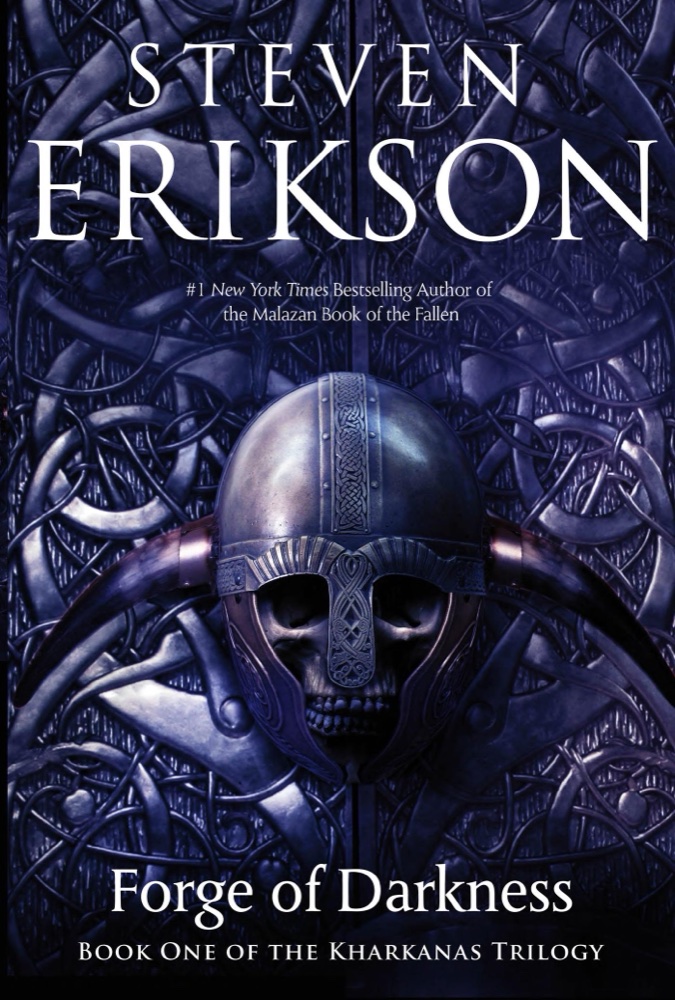 Forge of Darkness
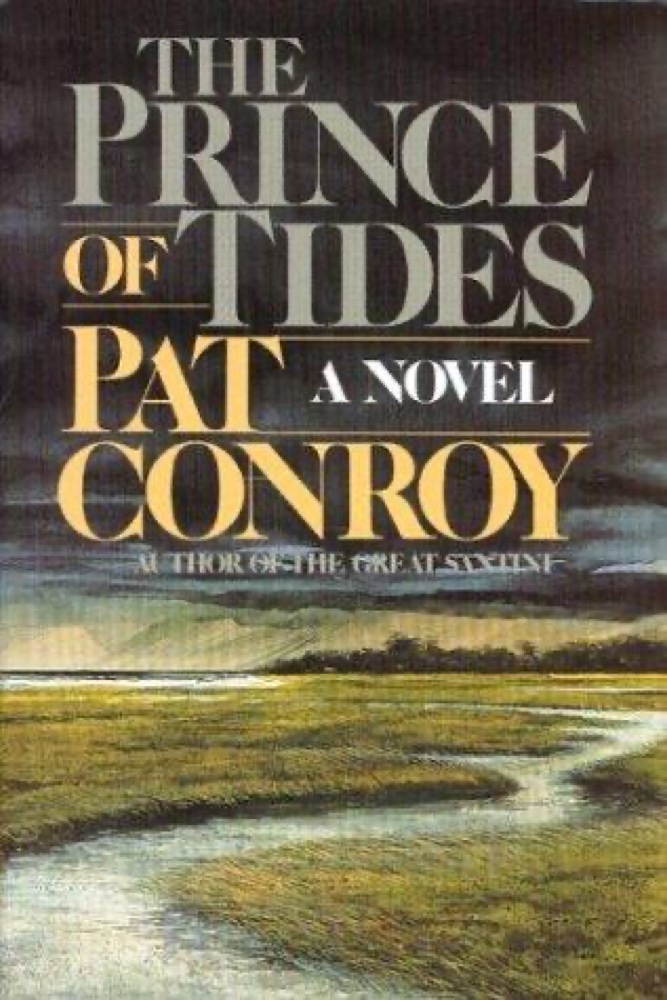 The Prince of Tides
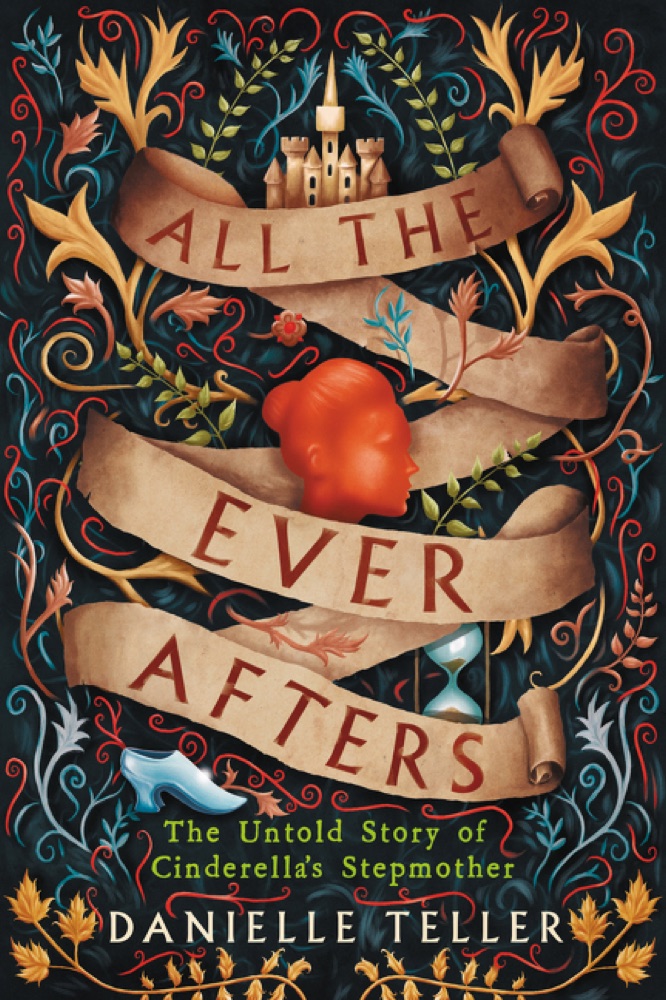 All the Ever Afters: The Untold Story of Cinderella’s Stepmother
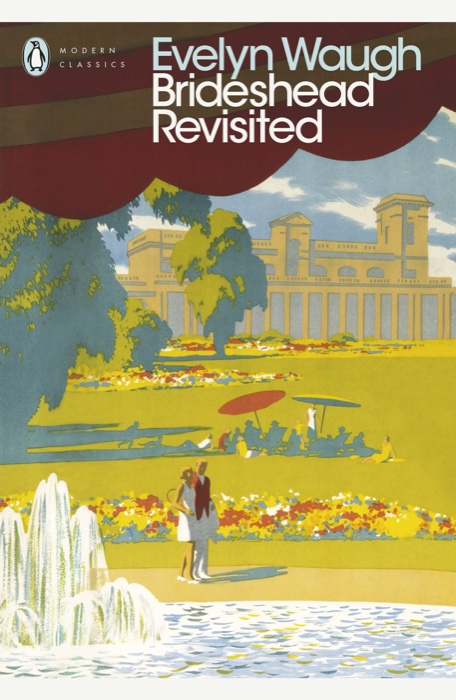 Brideshead Revisited: The Sacred and Profane Memories of Captain Charles Ryder
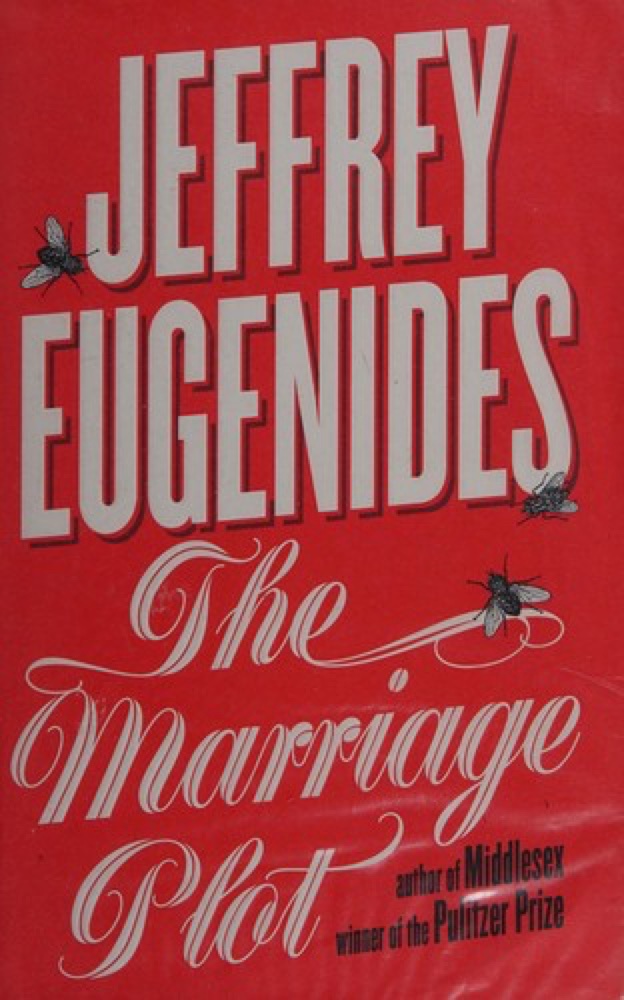 The Marriage Plot
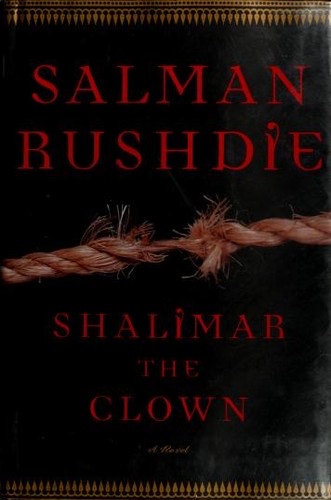 Shalimar the Clown
 The Human Stain
 We All Looked Up
 Great Expectations
 One of Ours
 Till We Have Faces
 The Lifted Veil
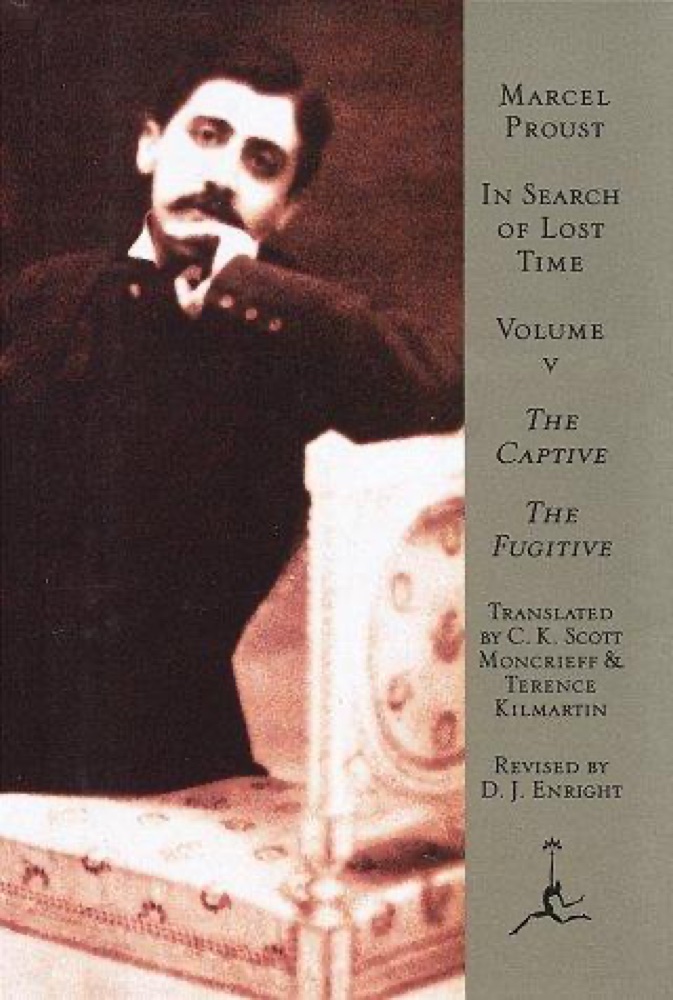 The Captive & The Fugitive
 Lightning
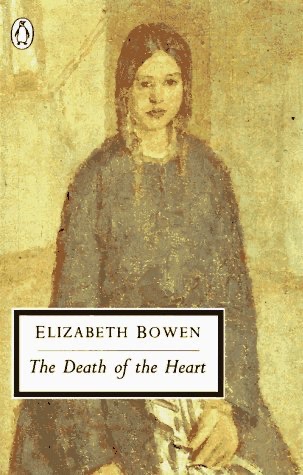 The Death of the Heart
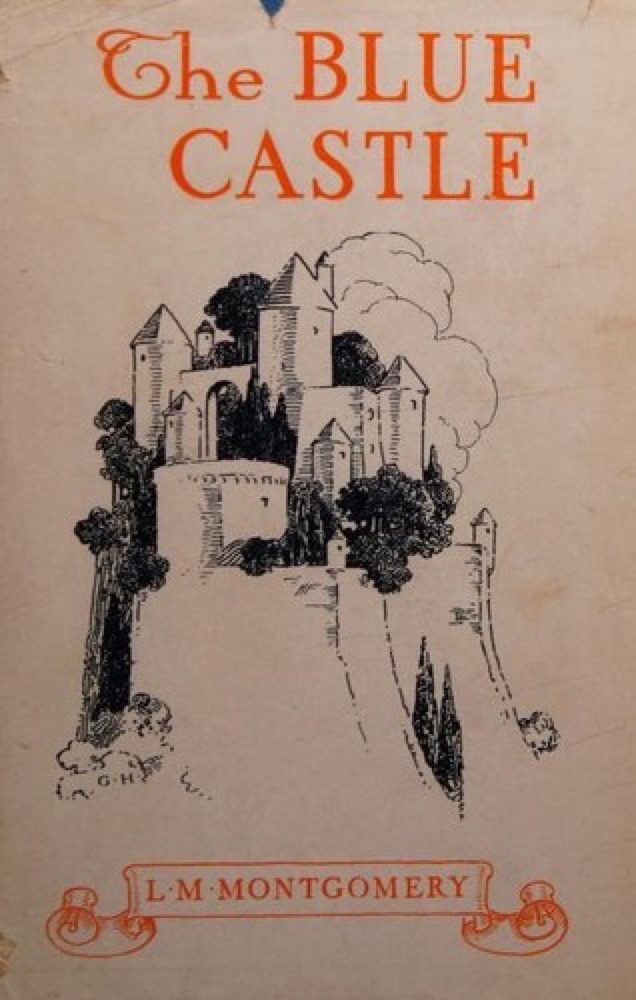 The Blue Castle
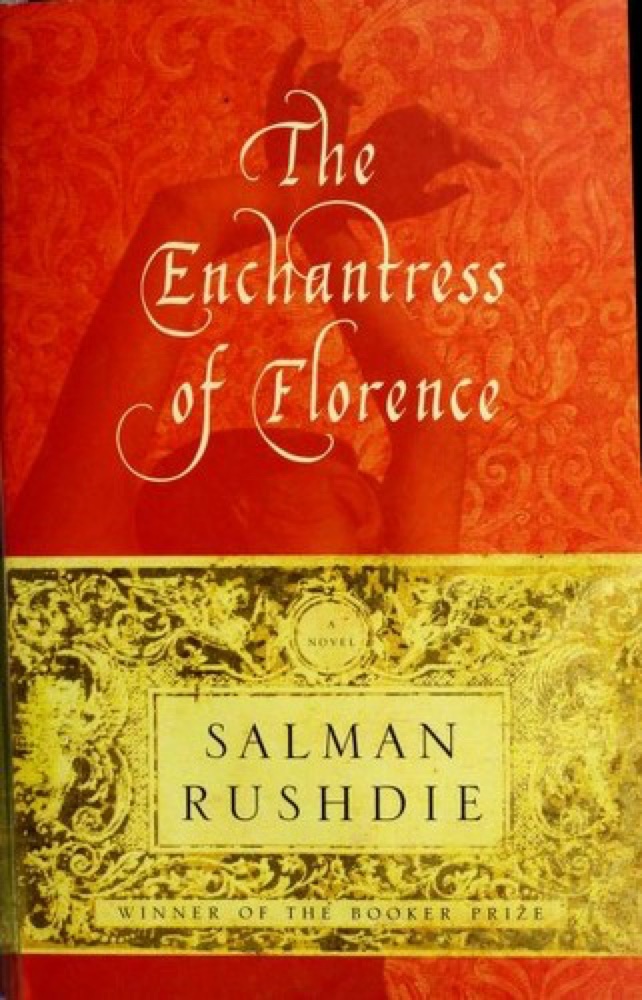 The Enchantress of Florence
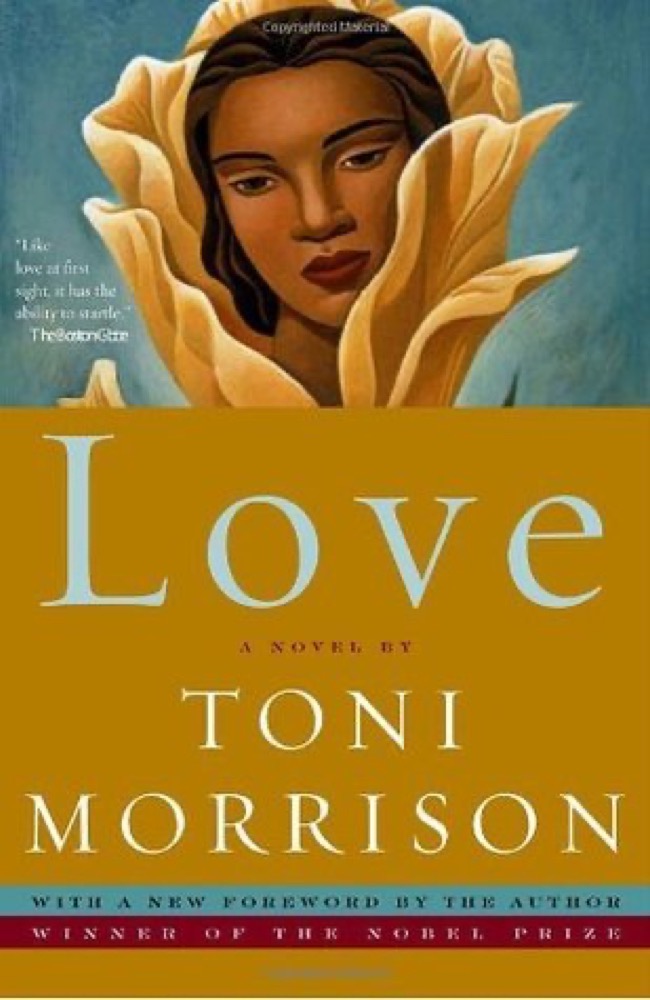 Love
Love
 Lady Chatterley's Lover
 Notes on an Execution
 Sister Carry
 The Color Master: Stories
 Freedom
 Orlando
 A Reliable Wife