 The Refugees
Quotes from the Book
Meeting people whose life trajectories were so different from my own enlarged my way of thinking. Outside the school, arguments over refugees were raging, but the time I had spent inside the building showed me that those conversations were based on phantasms. People were debating their own fears. What I had witnessed taking place inside this school every day revealed the rhetoric for what it was: more propaganda than fact. Donald Trump appeared to believe his own assertions, but I hoped that in the years to come, more people would be able to recognize refugees for who they really were--simply the most vulnerable people on earth.
4
I would even say that spending a year in Room 142 had allowed me to witness something as close to holy as I’ve seen take place between human beings. I could only wish that in time, more people would be able to look past their fear of the stranger and experience the wonder of getting to know people from other parts of the globe. For as far as I could tell, the world was not going to stop producing refugees. The plain, irreducible fact of good people being made nomad by the millions through all the kinds of horror this world could produce seemed likely to prove the central moral challenge of our times. How did we want to meet that challenge? We could fill our hearts with fear or with hope. And the choice would affect more than just our own dispositions, for in choosing which seeds to sow, we would dictate the type of harvest. Surely the only harvest worth cultivating was the one Mr. Williams had been seeking: greater fluency, better understanding.
1
If there was any part of the global crisis that the United States owned, it was the chaos that was unfolding in the Middle East. The United States had not played a direct role in the ethnic cleansing that had taken place in Southeast Asia, or the wars that had broken out across Africa. But the United States was directly responsible for the chain of events that led up to the destruction of Iraq and the related dissolution of Syria. If there were any refugees this country might have felt a moral obligation to accept, it would be people from some of the very countries listed in the ban.
1
The world was offering us its refugees, due to wars we started ourselves, conflicts we helped to fund, violence we had tacitly condoned, or fights in which we had played no part. Did we want to say a casual no thanks? Was that how we wanted to live, while we had our spate of time on this earth? And if we did choose to live that way, closed- minded and hard- hearted, then what was going on with our qalb (heart)?
I left South High School thinking that qalb and heart were one and the same. I used one word to refer to a muscle in my body and the concept of falling in love and the idea of what it takes to raise a family or to teach an entire classroom full of teenagers from around the world, and the students from the Middle East would use one single word for all of that, too. Qalb and heart seemed identical. Then I looked up qalb on Google Translate one weekend, while the kids were missing me and I was missing the kids. When I asked Google to change “heart” into Arabic, it gave qalb, as expected. But when I asked Google to switch qalb into English, I got heart, center, middle, transformation, conscience, core, marrow, pith, pulp, gist, essence, quintessence, topple, alter, flip, tip, overturn, reversal, overthrow, capsize, whimsical, capricious, convert, change, counterfeit. In addition, the word meant: substance, being, pluck. I am in love with this word, I thought. What is all this movement about? My own concept of heart did not include flip, capsize, or reverse. Our two cultures did not have the same idea of what was happening at the core of our beings. There was something reified and stolid about my sense of heart, whereas the idea of heart that these kids possessed appeared to have a lighter, more nimble quality. Whatever it was, qalb seemed more fluid and less constrained than anything I had imagined happening inside of me.
As the kids discovered these commonalities, I began to feel as though I were watching something like the living embodiment of a linguistic tree. The classroom and the relationships forming inside of it were an almost a perfect map of language proximity around the globe. Generally, students chose to communicate most with others whose home languages shared large numbers of cognates with their own, which meant their first friendships often developed along the same lines as language groupings. As this took place around me, I grew to see my own position on the world’s tree of languages more clearly. English speakers can easily grasp the vast coterminology of all the Indo- European languages— our own limb of the global tree— but we are generally deaf and dumb to the equally large influence of Arabic, Chinese, or Hindi across parts of the globe where English does not dominate. We cannot hear or see the tremendous coterminology that has resulted among various other language families, such as between Arabic and the African languages. It was to our detriment, not understanding how tightly interconnected other parts of the world are. When we make enemies in the Middle East, for example, we alienate whole swaths of Africa, too— often without knowing.
I could hear all three of them saying the word kitab. What was that? “Book!” Shani told me. “My language, their language, same.” The word for “book” was virtually identical in each of their home languages. In Arabic, it was kitab; in Tajik, kitob. In Turkish, it was kitap, Jakleen pointed out, and in Farsi, Shani hastened to add, the word was kitab, just like Arabic. Initially, I thought this kind of convergence existed only in the Middle East, but as I spent more time with students from Africa, I came to realize I was wrong. Dilli told me that in Kunama, the word for “book” was kitaba, and Methusella said in Swahili it was kitabu. That was the moment when I finally grasped my own arrogance as an English speaker. I mean, the arrogance harbored by someone who knew only European languages, which rendered the well- laced interconnectedness of the rest of the world invisible. I was starting to see it, though— the centuries- old ties that bound Africa and the Middle East, born of hundreds of years of trade and travel and conquest and marriage. Once the students grasped that I would exclaim with delight if they found a word that had moved through many of their countries, they started flocking to me to share loanwords and cognates. More than one- third of Swahili comes from Arabic, meaning the links between those two languages are as powerful as those between English and Spanish. But it was also possible to chart the reach of Arabic across the entire African continent, into Kunama and Tigrinya as well.
Troy liked to describe himself as “the realist.” Refugee resettlement work attracted idealists who wanted to make the world a better place, but the job of a case manager was to be unabashedly pragmatic, as Troy saw it. You had to make a refugee’s dreams conform to the day- to- day reality of living in the United States, at the bottommost rung of the socioeconomic ladder. Prospective employers might be reluctant to hire people who spoke foreign languages, and the skills that refugees arrived with sometimes had no utility in the developed world. The streets of America were paved, but just with tarmac. You had to break it to the refugees gently, but they had to get the point, fast: They must surrender the vain illusion that from this point forward everything would be easy. Not at all. Everything was going to be brutally hard. It would be tough to find a decent place to live that they could afford; it would be difficult to find any kind of job, let alone one they might enjoy; learning English would be mind- bogglingly frustrating. Plus, nobody in this country would understand their story. They would feel so unrecognized, they might as well have become ghosts.
Just the daily experience of walking down the halls proved liberating. Young women from Africa came to school wearing floor- length skirts in bright orange or hot pink, with contrasting head scarves in electric blue. Their counterparts from Southeast Asia showed up wearing hijabs adorned with sequins. Young men from Southeast Asia sometimes wore stripes of yellow paint on their cheeks as a form of blessing. Female students from the Middle East did their hair in elaborate updos and then draped wool scarves over their big coiffures, but wore jeans and American T- shirts. One day, I saw an Iraqi student wearing a black head scarf and a gray T- shirt that said I KNOW THAT GUAC IS EXTRA. You could be anything at all and register as gorgeous— you knew this, if you walked the hallways of this school. It was a place that eroded prejudices and expanded ideas of beauty.
Where others might see students with limitations, or students who were lagging behind their peers, Mr. Williams saw a room filled with kids who had lived through titanic experiences, teenagers who could do anything at all, once they accepted whatever sort of history they had brought with them and grasped the full extent of the opportunity lying ahead. He often told me that he felt lucky to work in a room like this one— a room that spoke of just how big the world was, and how mysterious. Meanwhile, I started visiting some of his students at home, and that was when I began to appreciate more fully how illuminating Room 142 was going to be, for the room quickly began to serve as an almost perfect microcosm of the global refugee crisis as a whole. Once I began meeting with particular families, I started hearing about every kind of journey a refugee family could survive. The stories that intersected in this one classroom brought to life the global crisis in a way that I never saw represented in the daily papers. The kids were at South to learn English, but in the process they were sharing with me and with the school’s staff and with their American- born peers all kinds of lessons— about fortitude, about resilience, about holding on to one’s humanity through experiences nobody should have to witness. About starting over, and about transformation.
What are we supposed to do about the terrible innocence of Americans?
In a deeper sense, being in this classroom allowed me to ponder what it meant to be fellow human beings who shared one globe, some with privileged lives, and some with lives that were much, much harder.
She said she had been teaching them the art of reframing: thinking their way toward victory instead of toward defeat. She had been teaching them about the effect that anxiety had on their performance. Diaphragmatic breathing and positive self-talk were two tools the sports psychologist had given the runners to control their anxiety. “If they are saying to themselves, ‘I won’t get a good time,’ I try to teach them to say, ‘Oh, those are just thoughts, it doesn’t mean it will happen,’ ” she explained. “Or if it’s windy, like today, and they are worried about that, they should remind themselves that the wind will help on one side of the track, even as it will hurt on the other side, so the net effect might be inconsequential.” I could see how those tools might
Watch on YouTube
About Helen Thorpe
We have collected 13 quotes from 1 book by Helen Thorpe on BookQuoters.
More about the author →About the book
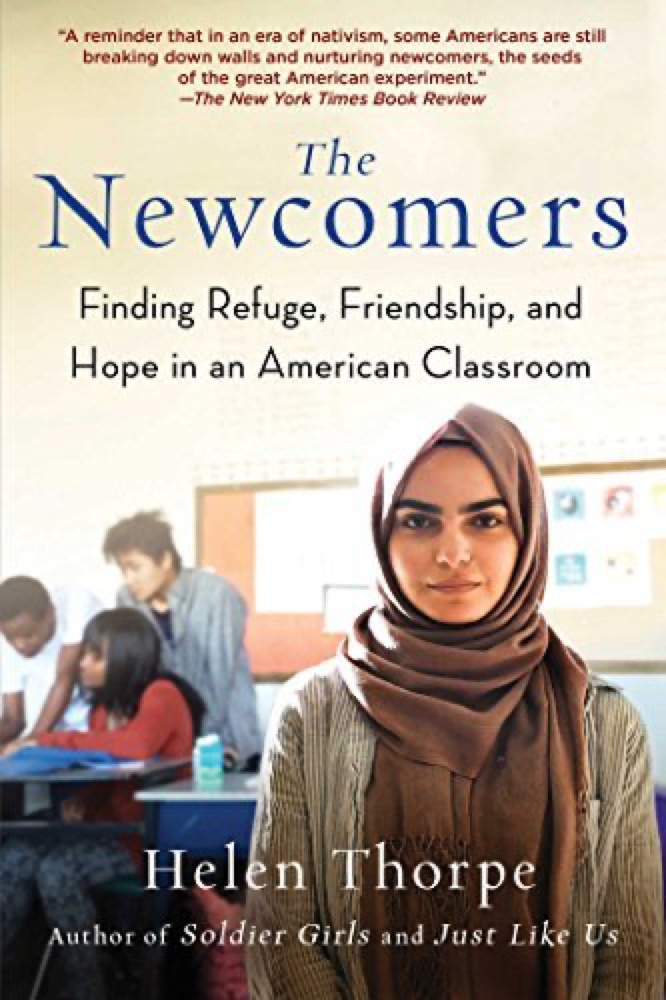
From an award-winning, “meticulously observant” (The New Yorker) writer comes a powerful and moving account of how refugee teenagers at a Denver public high school learn English and become Americans.The Newcomers follows the lives of twenty-two immigrant teenagers throughout the course of the 2015-2016 school year as they land at South High School in Denver, Colorado, in an English Language Acquisition class created specifically for them. Speaking no English, unfamiliar with American culture, their stories are poignant and remarkable as they face the enormous challenge of adapting. These newcomers, from fourteen to nineteen years old, come from nations convulsed by drought or famine or war. Many come directly from refugee camps, after experiencing dire forms of cataclysm. Some arrive alone, having left or lost every other member of their original family.At the center of The Newcomers is
Book details
- First published
- 2017
- Author
- Helen Thorpe
- Genre
- Nonfiction
- Goodreads rating
- 4.26 (3k ratings)
Keep reading
The Refugees
 The Girl Who Smiled Beads: A Story of War and What Comes After
 Sigh, Gone: A Misfit's Memoir of Great Books, Punk Rock, and the Fight to Fit In
 A Promised Land
 Stones Into Schools: Promoting Peace With Books, Not Bombs, in Afghanistan and Pakistan
 Three Cups of Tea: One Man's Mission to Promote Peace ... One School at a Time
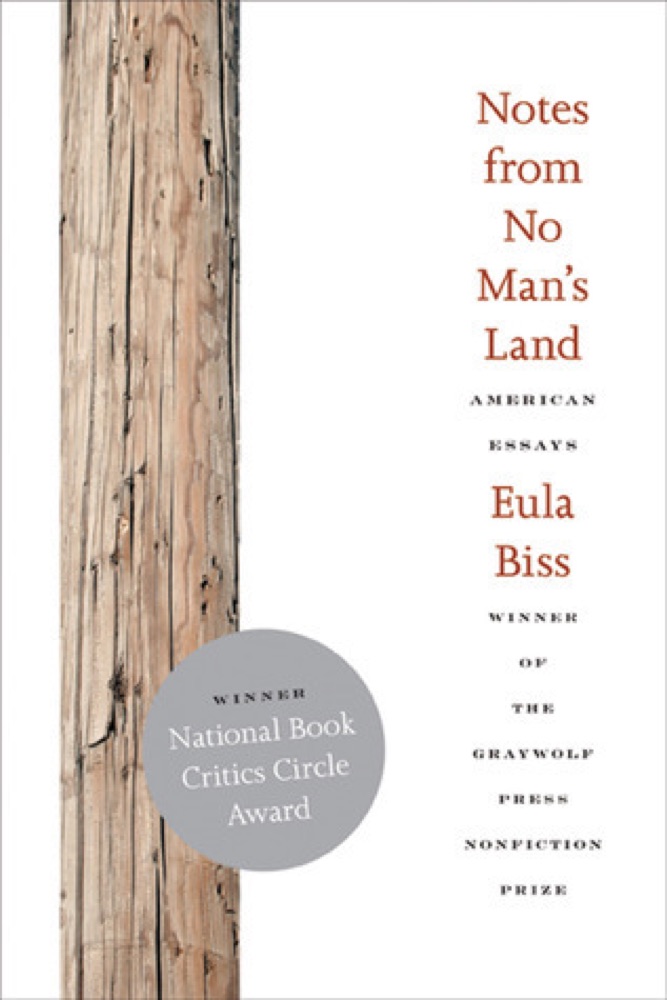 Notes from No Man's Land
 Babel
Babel
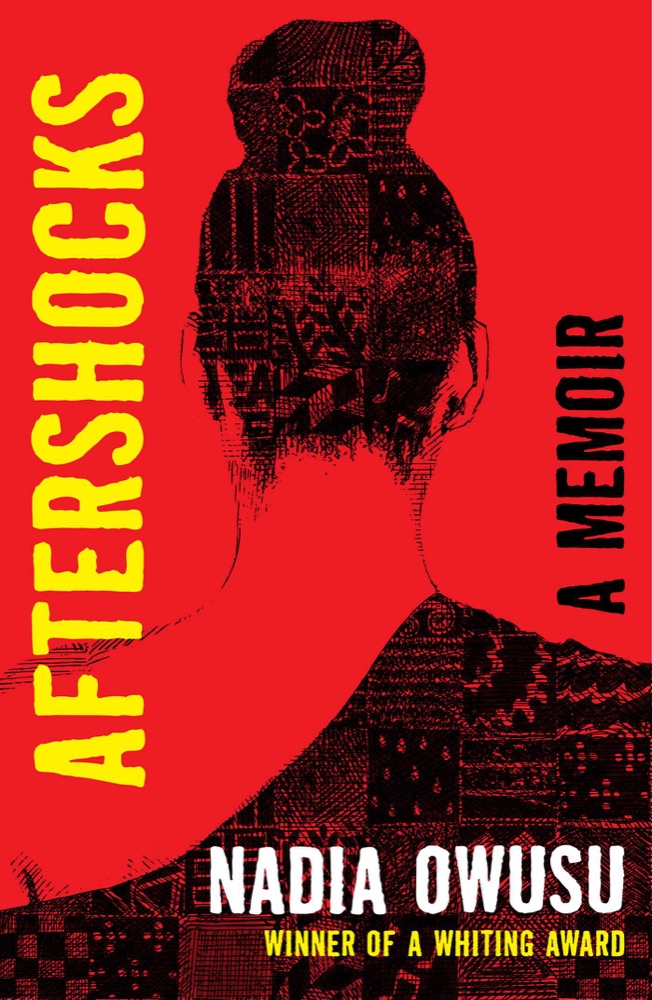 Aftershocks
 The Book of My Lives
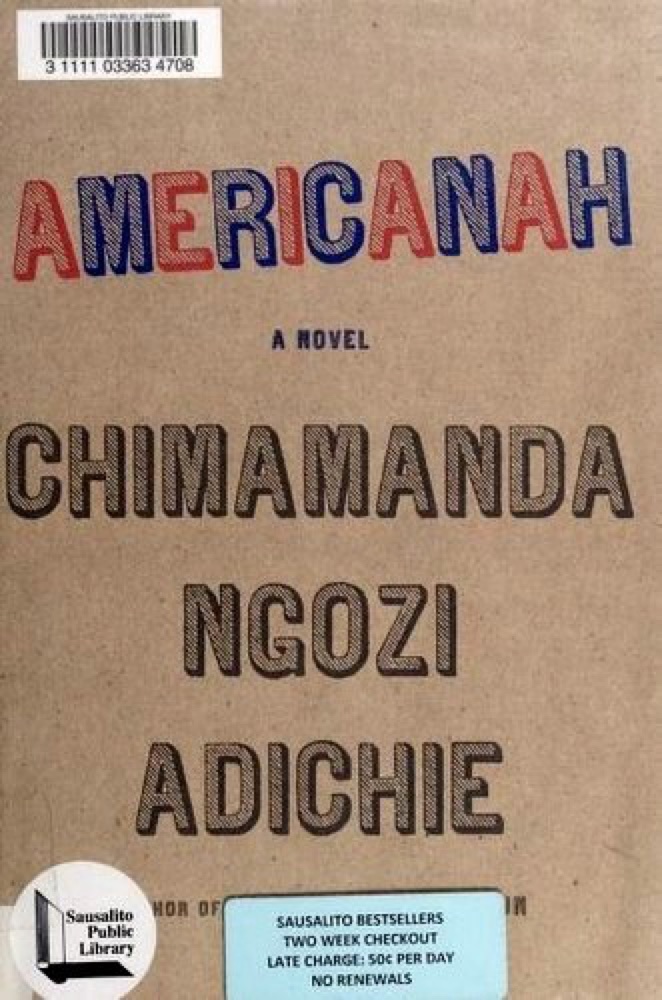 Americanah
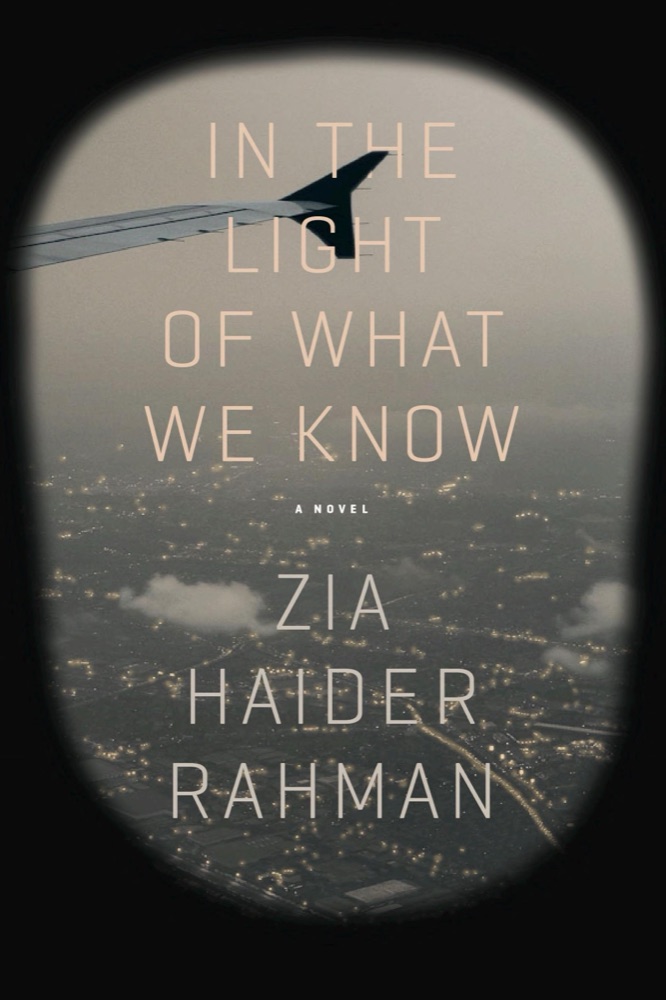 In the Light of What We Know
 The Message
 The Cat's Table
 What Strange Paradise
 From Beirut to Jerusalem
 The Spirit Catches You and You Fall Down: A Hmong Child, Her American Doctors, and the Collision of Two Cultures
 The Golden House
 The Dragons, the Giant, the Women: A Memoir
 Afterparties
 Between the World and Me
 Behold the Dreamers
 Recognizing the Stranger: On Palestine and Narrative
 The Innocents Abroad
 Dear America: Notes of an Undocumented Citizen
 To Sir, With Love
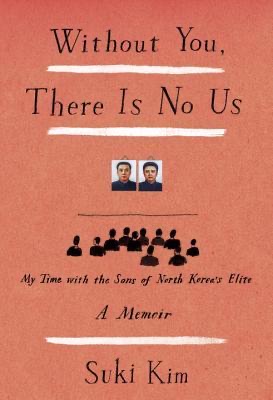 Without You, There Is No Us: My Time with the Sons of North Korea's Elite
 The Word Exchange
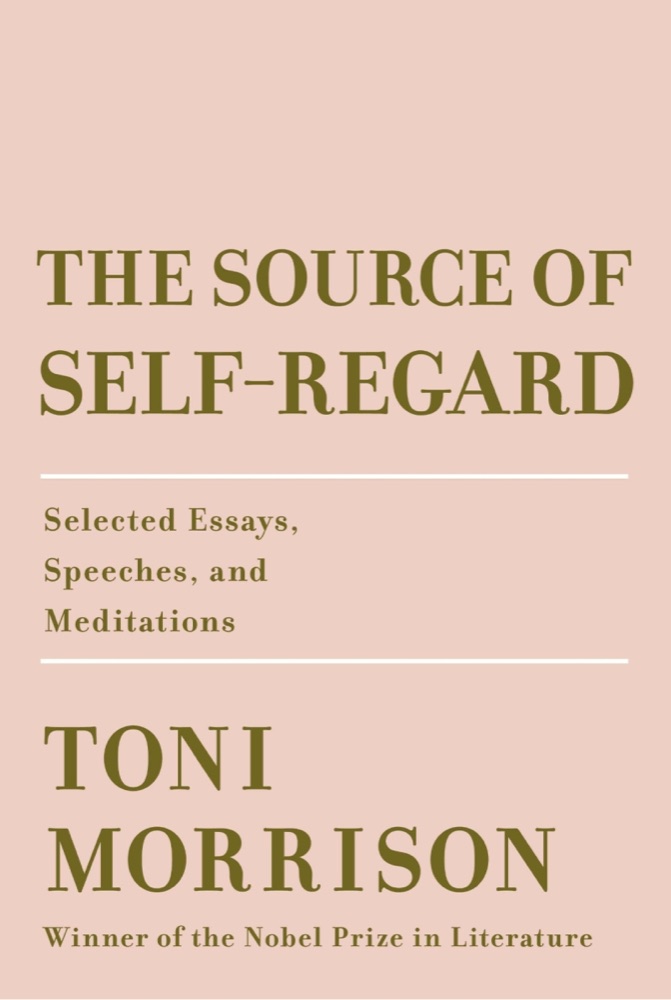 The Source of Self-Regard: Selected Essays, Speeches, and Meditations
 The World As It Is: Inside the Obama White House
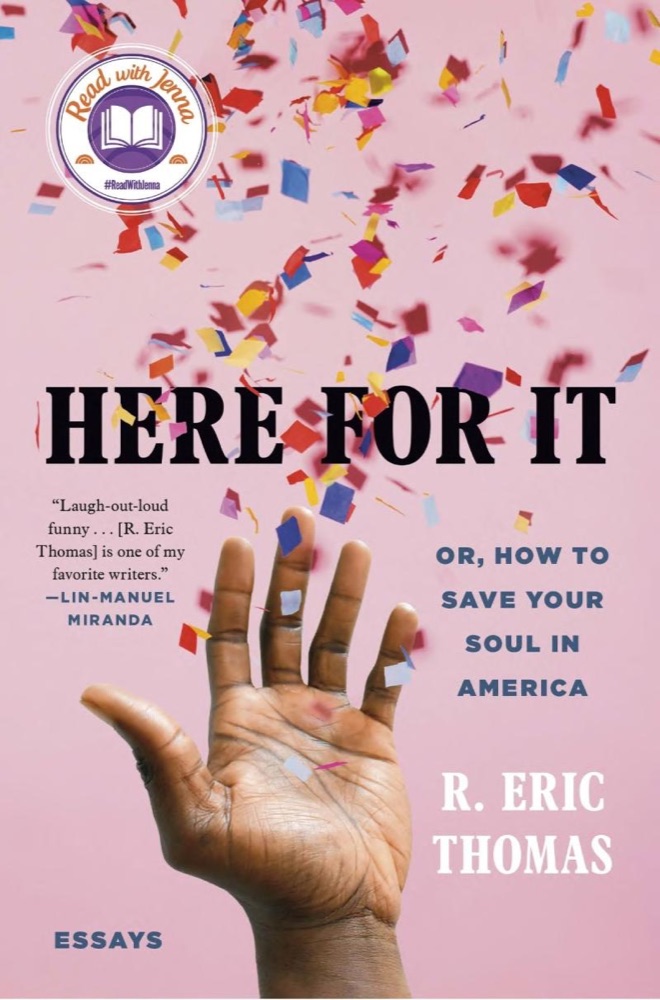 Here for It; Or, How to Save Your Soul in America: Essays
 The Road Back
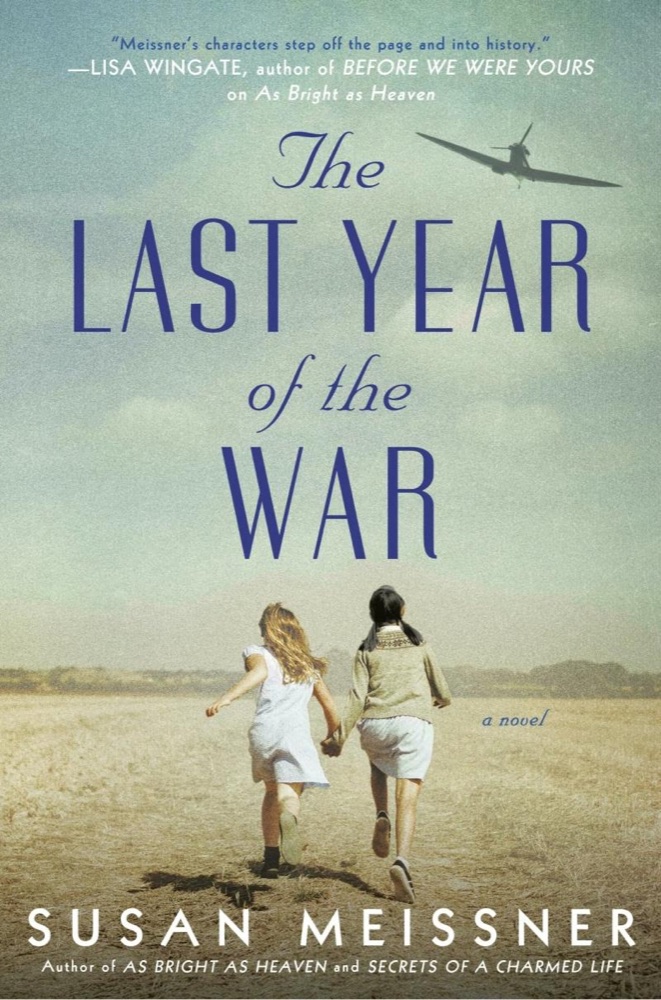 The Last Year of the War
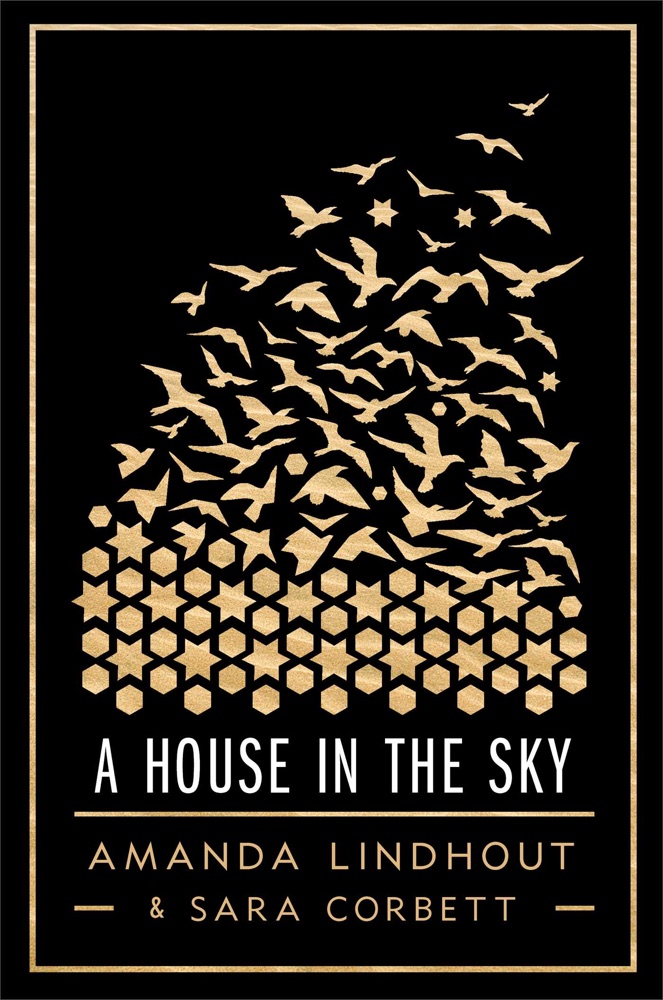 A House in the Sky
 In Order to Live: A North Korean Girl's Journey to Freedom
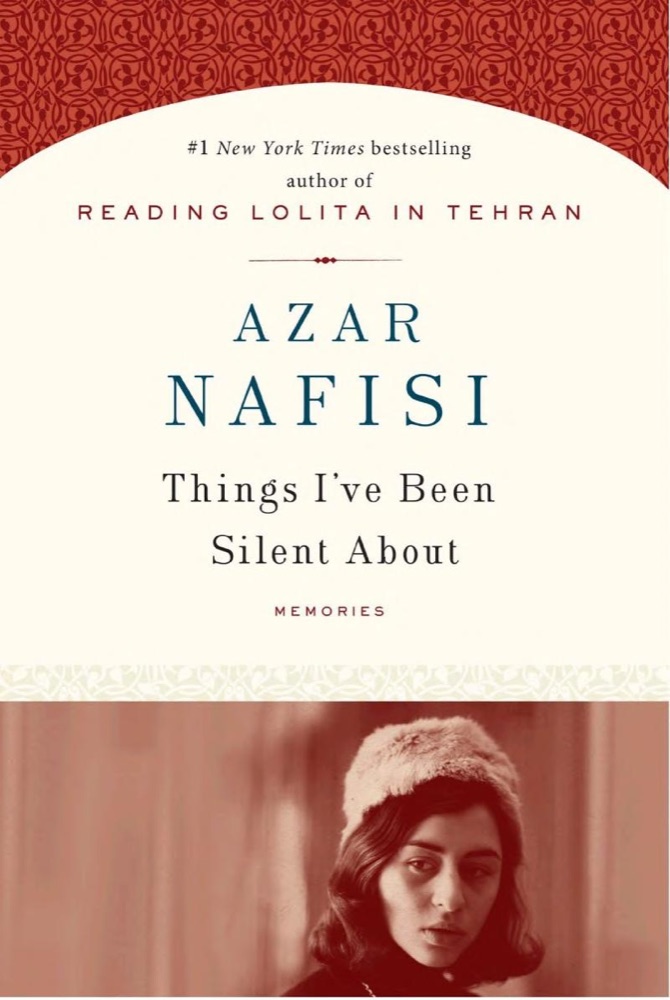 Things I've Been Silent About
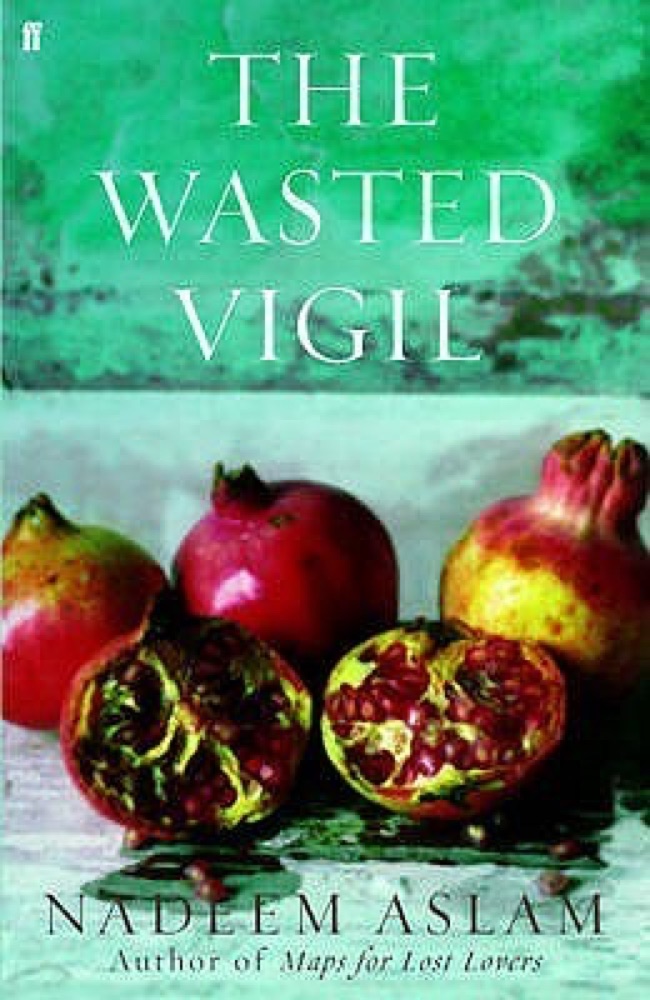 The Wasted Vigil
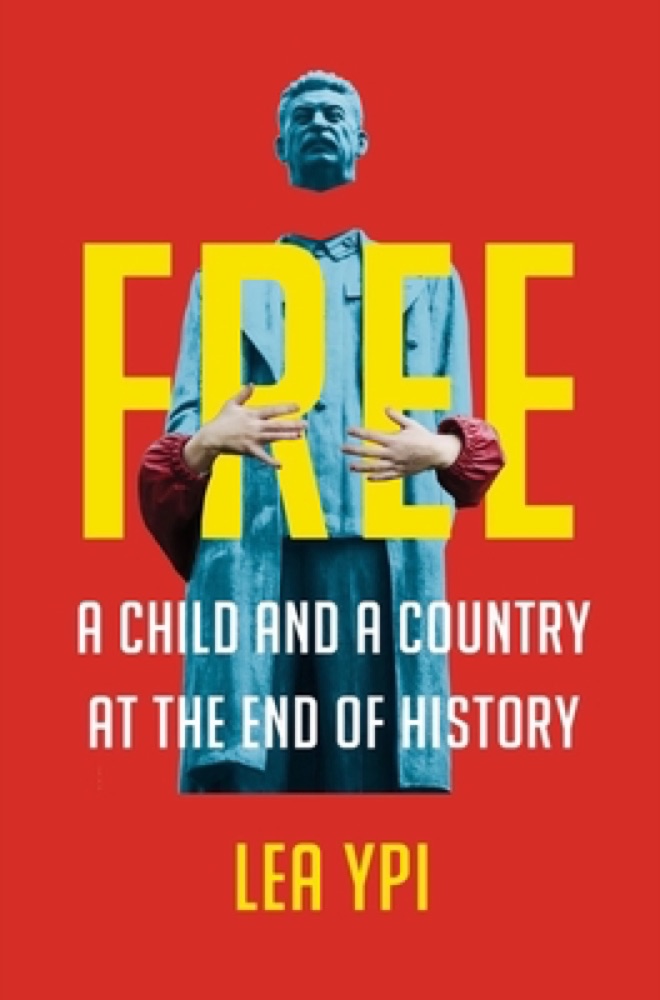 Free: A Child and a Country at the End of History
 When We Were Orphans
 When I Was a Child I Read Books
 We Were Dreamers: An Immigrant Superhero Origin Story
 Girl at War
 A People's Future of the United States: Speculative Fiction from 25 Extraordinary Writers
 The Committed
 Infinite Country
 All God's Children Need Traveling Shoes
 One Day We'll All Be Dead and None of This Will Matter
 Becoming
 Dreams from My Father: A Story of Race and Inheritance
 The Latehomecomer: A Hmong Family Memoir
 Anthropology of an American Girl
 Family Life
 Embassytown
 Other Words for Home
 What We All Long For
 A Collection of Essays
 Four Ways to Forgiveness
 Disoriental
 Running for My Life: One Lost Boy's Journey from the Killing Fields of Sudan to the Olympic Games