 Milk Teeth
Quotes from the Book
They were born in the city from people born elsewhere.
12
There were Italian neighbourhood and Vietnamese neighbourhoods in this city; there are Chinese ones and Ukrainian ones and Pakistani ones and Korean ones and African ones. Name a region on the planet and there's someone from there, here. All of them sit on Ojibway land, but hardly any of them know it or care because that genealogy is wilfully untraceable except in the name of the city itself. They'd only have to look, though, but it could be that what they know hurts them already, and what if they found out something even more damaging? These are people who are used to the earth beneath them shifting, and they all want it to stop-and if that means they must pretend to know nothing, well, that's the sacrifice they make.
7
And on the sidewalks, after they've emerged from the stations, after being sandpapered by the jostling and scraping that a city like this does, all the lives they've hoarded, all the ghosts they've carried, all the inversions they've made for protection, all the scars and marks and records for recognition - the whole heterogeneous baggage falls out with each step on the pavement. There's so much spillage.
5
It's like this with this city -- you can stand on a simple corner and get taken away in all directions. Depending on the weather, it can be easy or hard. If it's pleasant, and the pleasant is so relative, then the other languages making their way to your ears, plus the language of the air itself, which can be cold and humid or wet and hot, this all sums up into a kind of new vocabulary. No matter who you are, no matter how certain you are of it, you can't help but feel the thrill of being someone else.
3
Dali’s Reclining Woman Wearing a Chemise looks like a dead slaughtered doll, and I can see preying eagles, broken arrows, and jazz musicians in Jackson Pollock, and because I believe that Man Ray and Duchamp were lovers.
1
Angie was a border crosser, a wetback, a worker in the immigrant sweatshop they call this city. On days like this I understand her like a woman instead of a child. Everybody thought she was a whore. She wasn’t. She tried to step across the border of who she was and who she might be. They wouldn’t let her. She didn’t believe it herself so she stepped across into a whole other country.
1
She had overused these memories, wrung everything from them.
The poetry of holding the soul together.
For some of us, the world is never forgiving.
What she was sure about was that this love was steady and deep enough to create itself over and over again.
In my heart, sometimes, I feel a lightness, a nonexistence. . . I have these moments, very dangerous, I feel scattered. But I'm here, and I feel like telling you the rest. Not because you'll get it, but because I feel like telling it.
If there was history being made in the city, if history was the high-level war rich people waged for their own turf in the city—those wars about waterfront developments and opera houses and real-estate deals and privatization contracts—then the poor waged wars for control of their small alleyways and walkways, their streets and the trade in unofficial goods. Their currency was not stocks, wealth and influence peddling, but tough reputations and threats of physical damage; their gains weren’t stock options and expensive homes but momentary physical control and perennially contested fearsomeness. This war was a more volatile war, perhaps. There was no cushion of security to land on if you lost a skirmish.
But what the fuck did she see in Reiner? That’s what he wanted to know. Well, given the things he’d been thinking about before Jackie came into the café, perhaps it was obvious what she saw in Reiner. Reiner was safe. Reiner was white. Musician, bullshitter, and Reiner did not, could not possibly see the city as a prison. More, Reiner must see it as his place—look at how he took possession of it, took possession of Jackie’s back, guiding her across the street with one hand, warding off traffic with the other, in which he balanced his coffee. Look at his face, it spoke of someone in control and certainly not threatened. Someone comfortable, easy.
There are Italian neighbourhoods and Vietnamese neighbourhoods in this city; there are Chinese ones and Ukrainian ones and Pakistani ones and Korean ones and African ones. Name a region on the planet and there’s someone from there, here. All of them sit on Ojibway land, but hardly any of them know it or care because that genealogy is wilfully untraceable except in the name of the city itself. They’d only have to look, though, but it could be that what they know hurts them already, and what if they found out something even more damaging? These are people who are used to the earth beneath them shifting, and they all want it to stop—and if that means they must pretend to know nothing, well, that’s the sacrifice they make.
About her family she had taken a superior view. She considered them somewhat childlike since her power over them in the form of language had given her the privilege of viewing them in this way. And her distance from them, as the distance of all translators from their subjects, allowed her to see that so much of the raison d'etre of their lives was taken up negotiating their way around the small objects of foreignness laced in their way. Either they could not see the larger space of commonality or it was denied them.
Carla might recognize herself in the lean girls against the bar, the girls in slender-cut suits with silver rings on each finger and thumb who looked so compact and secretive, so much as if all their essences were perfectly locked and kept, and only if you managed to please them could you unlock their fingers and pry them out. They smelled of a different perfume, they never quite met your eyes except in a swift and thorough appraisal whose conclusion you became aware of immediately when their eyes averted without the longed-for approving smile. You longed to go with them to secret apartments in the suburbs or condos on the lakeshore and there have their fingers brush down your back and have their maroon mouths kiss your thighs.
Watch on YouTube
About Dionne Brand
We have collected 16 quotes from 1 book by Dionne Brand on BookQuoters.
More about the author →About the book
“They were born in the city from people born elsewhere.”
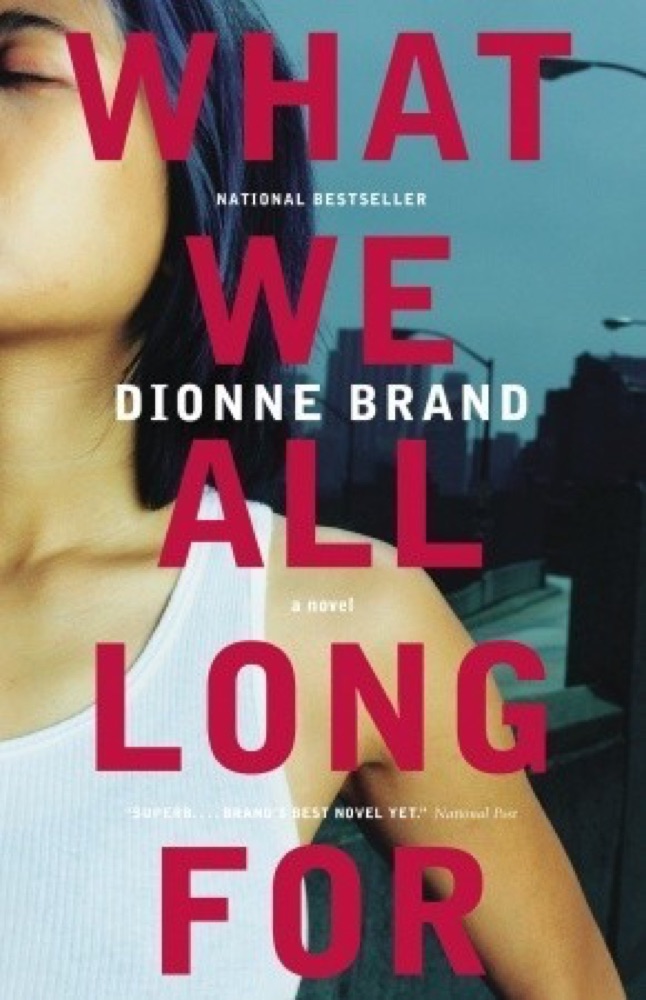
What We All Long For follows the overlapping stories of a close circle of second-generation twenty-somethings living in downtown Toronto. There’s Tuyen, a lesbian avant-garde artist and the daughter of Vietnamese parents who’ve never recovered from losing one of their children in the crush to board a boat out of Vietnam in the 1970s. Tuyen defines herself in opposition to just about everything her family believes in and strives for. She’s in love with her best friend Carla, a biracial bicycle courier, who’s still reeling from the loss of her mother to suicide eighteen years earlier and who must now deal with her brother Jamal’s latest acts of delinquency. Oku is a jazz-loving poet who, unbeknownst to his Jamaican-born parents, has dropped out of university. He is in constant conflict with his narrow-minded and verbally abusive f
Book details
- First published
- 2005
- Author
- Dionne Brand
- Genre
- Fiction
- Goodreads rating
- 3.36 (2k ratings)
Keep reading
Milk Teeth
 Last Night in Montreal
 Divisadero
 Aftershocks
 The Ground Beneath Her Feet
 Mao II
 All This Could Be Different
 Severance
 Middlesex
 Sixty Stories
 Signs Preceding the End of the World
 Homeseeking
 Kartography: A Lyrical Literary Romance of Fated Love and Secrets in Pakistan
 Another Country
 The Book of My Lives
 Flights
 Afterparties
 The Likeness
 NW
NW
 Thrust
 They're Going to Love You
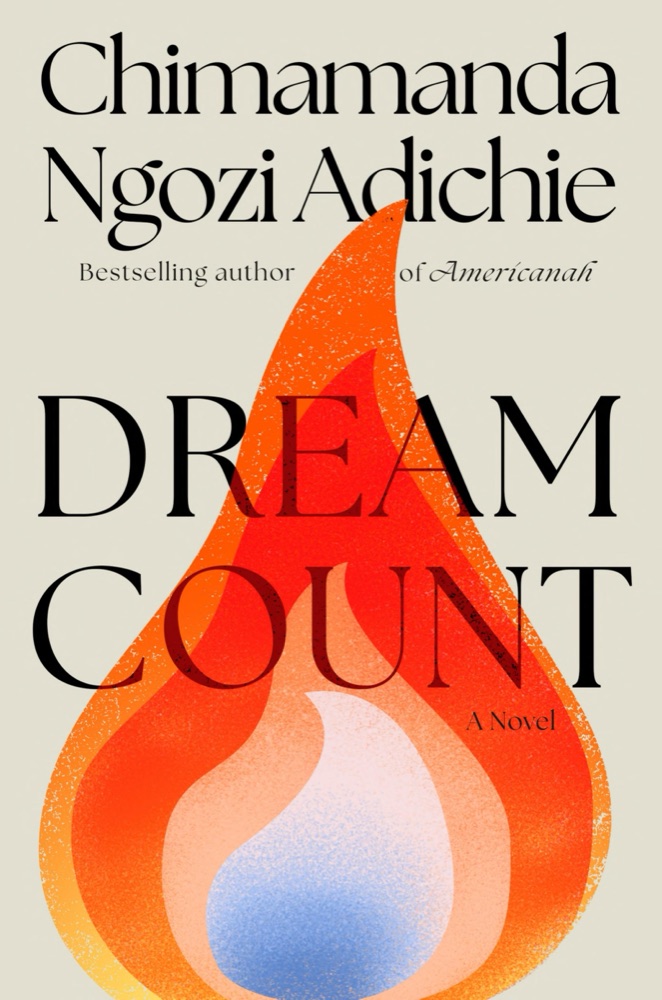 Dream Count
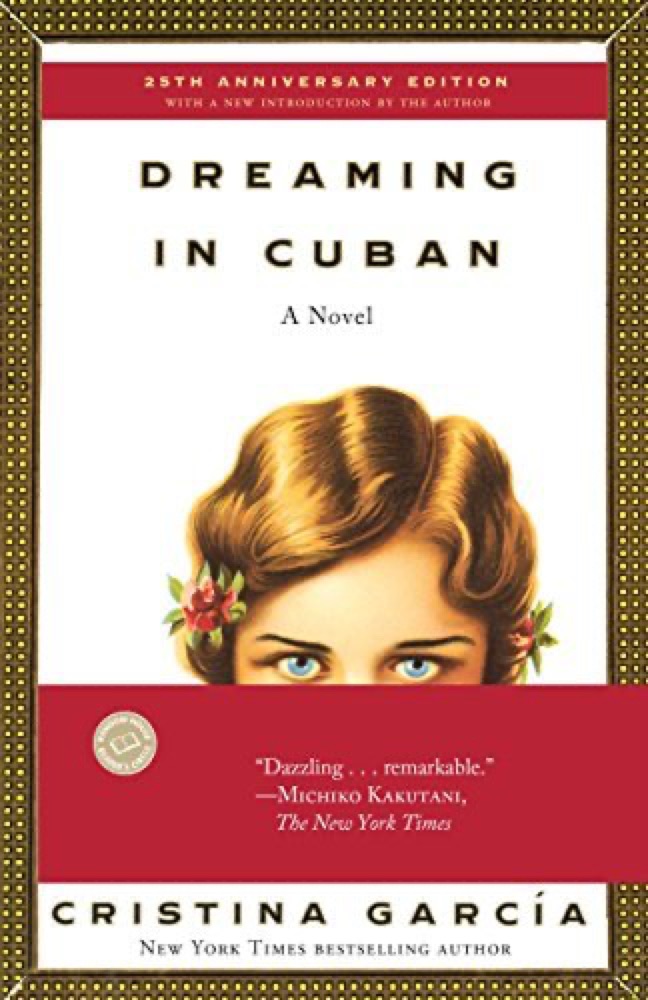 Dreaming in Cuban
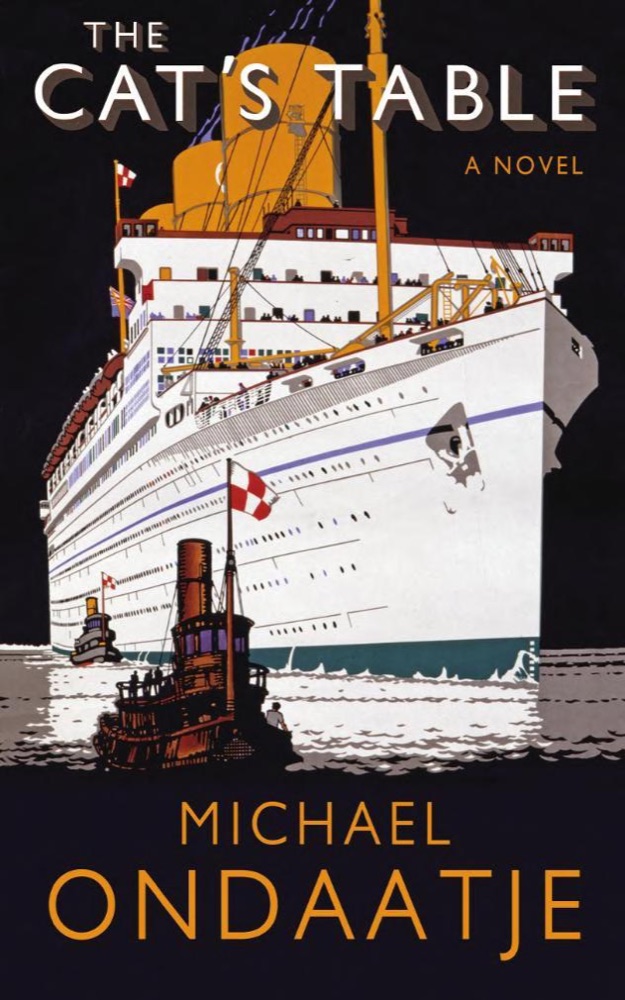 The Cat's Table
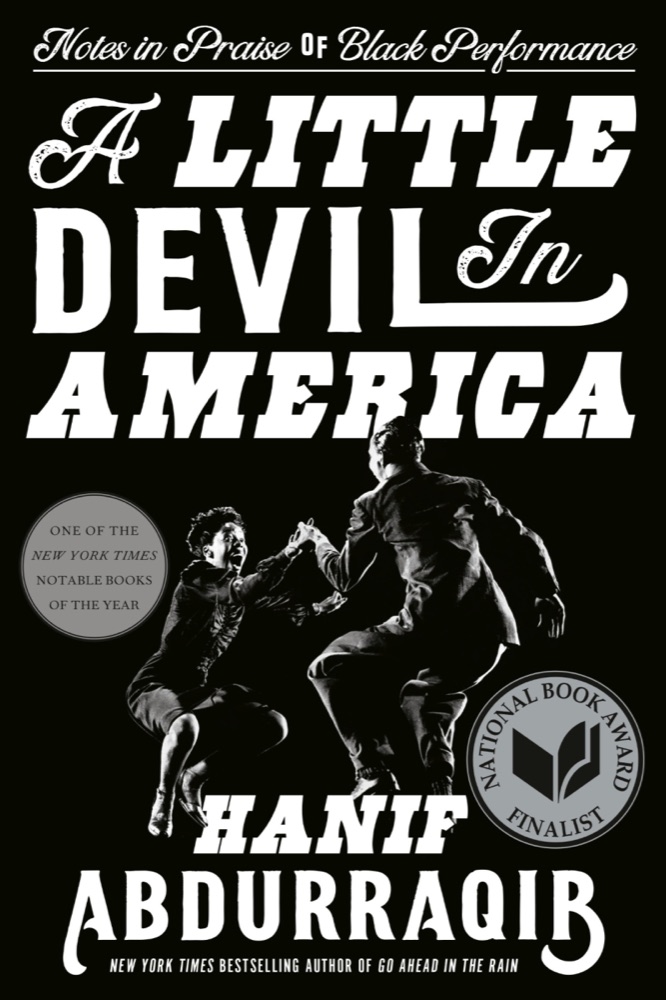 A Little Devil in America: Notes in Praise of Black Performance
 The Book of Salt
 American Street
 Underworld
 The Postcard
 Ohio
Ohio
 Sweetbitter
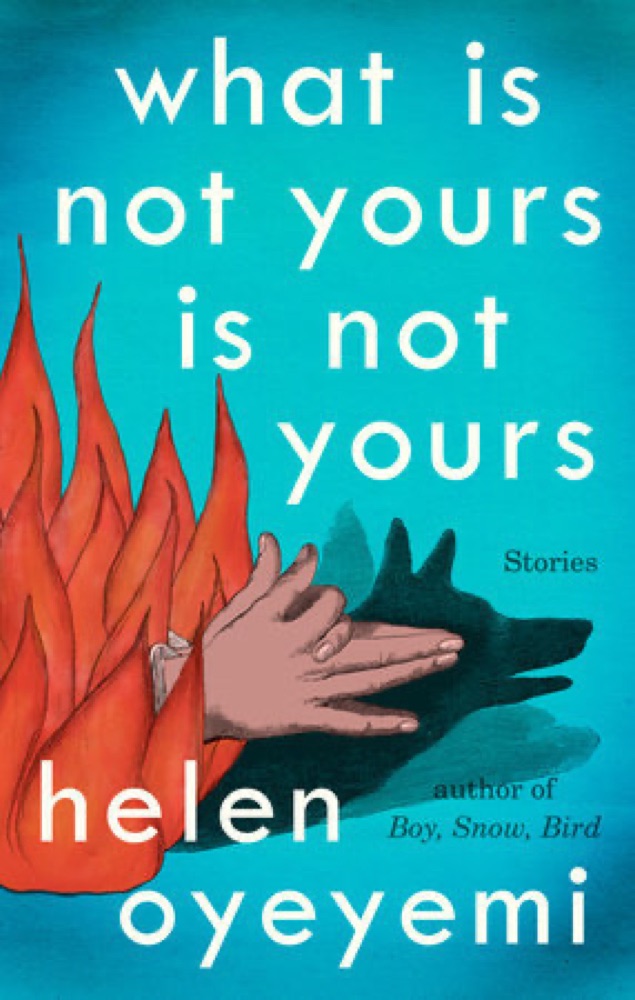 What Is Not Yours Is Not Yours
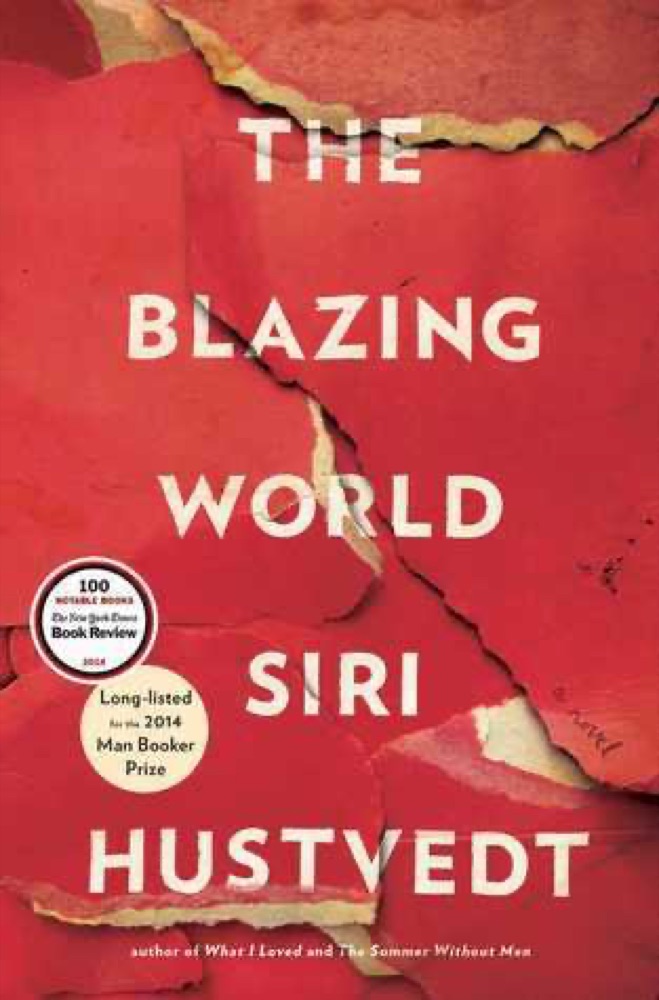 The Blazing World
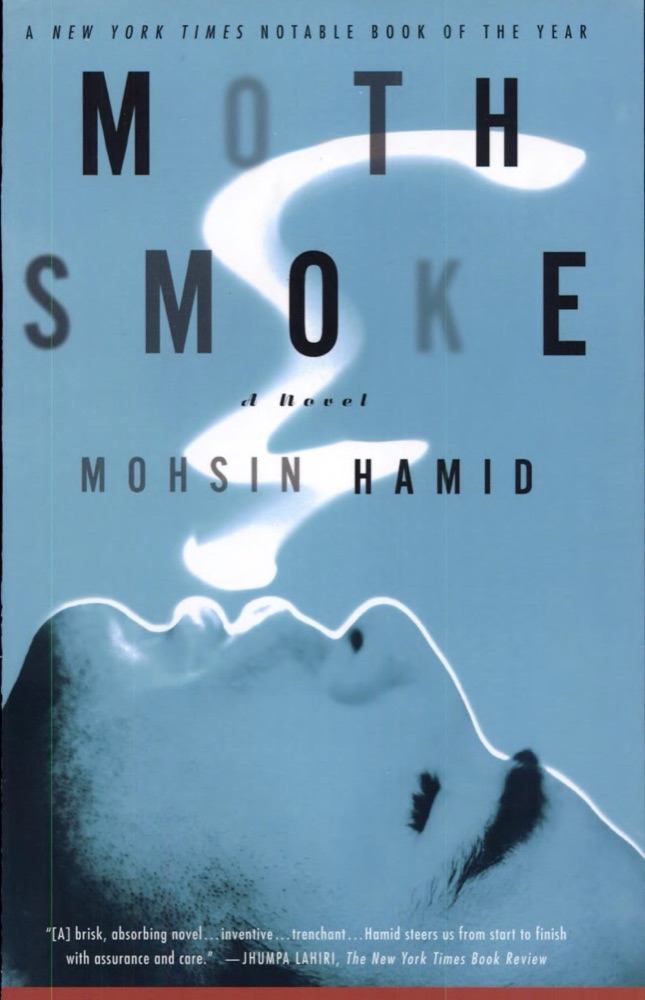 Moth Smoke
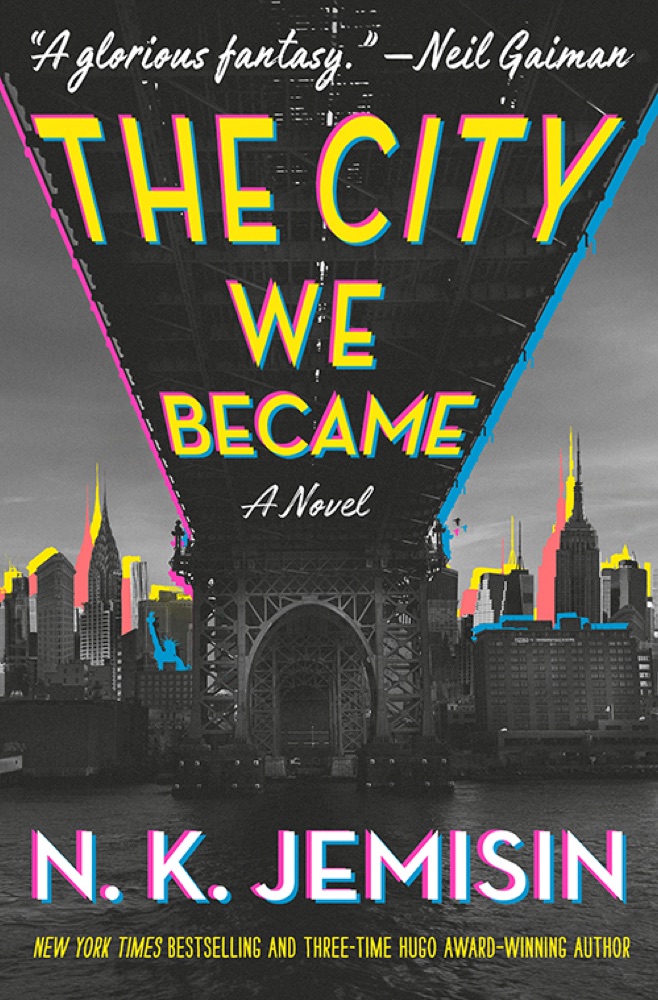 The City We Became
 Slouching Towards Bethlehem
 Four Souls
 Disoriental
 Just Above My Head
 Jazz
Jazz
 Journey to Munich
 The Ministry of Utmost Happiness
 The Trauma Cleaner: One Woman's Extraordinary Life in the Business of Death, Decay, and Disaster
 The Small Backs of Children
 White Tears
 Birds of America
 The White Album
 Tell No One
 Warlight
 Notes from No Man's Land
 Cold Enough for Snow
 The Names
 Open City
 The Emperor of Gladness
 Creation Lake
 The Story of the Lost Child
 South of the Border, West of the Sun
 Now Is the Time to Open Your Heart
 Long Bright River
 Brideshead Revisited: The Sacred and Profane Memories of Captain Charles Ryder