
 The Book of My Lives
Quotes from the Book
...I knew in the end the guilt of one side did not prove the innocence of the other.
57
Their musings about how and why people stayed in a country under such terrible conditions were what I hated most. I knew it was ignorance, not insight that prompted these questions. they asked because they hadn't smelled the air raid smoke or the scent of singed flesh on their own balconies; they couldn't fathom that such a dangerous place could still harbor all the feelings of home.
14
Music, I'd heard him say, was like dessert. He could live without it, but life just wasn't as good.
11
You should know that your food aid does not reach the people it's supposed to. In the place where I stayed, there were no Peacekeepers, and the Četniks stole the aid meant for civilians. If you drop the food and leave, you're just feeding your enemy. We had guns, but they had more. Firepower is the only thing that determines who eats.
6
As a side effect of modern warfare, we had the peculiar privilege of watching the destruction of our country on television.
4
In the beginning, adults operating somewhere between concern and nosiness had asked questions about the war, and I spoke truthfully about the things I'd seen. But my descriptions were often met with an uncomfortable shining of eyes, as if they were waiting for me to take things back, to say that war or genocide was actually no big deal. They'd offer their condolences, as they'd been taught, then wade through a polite amount of time before presenting an excuse to end the conversation. Their musings about how and why people stayed in a country under such terrible conditions were what I hated most. I knew it was ignorance, not insight that prompted these questions. They asked because they hadn't smelled the air raid smoke or the scent of signed flesh on their own balconies; they couldn't fathom that such a dangerous place could still harbor all the feelings of home.
4
Ana—Ana, listen to me.' A shot. 'We're going to play a game, okay? We're going to trick the guards.' A shot. 'They're drunk—it'll be easy if you pay attention. All you have to do is stay close to me, very close—' A shot. 'Then when I fall down into the hole, you fall at the same time. Just close your eyes and keep your body straight.' A shot. 'But it won't work unless we both fall at the very same time, okay?' A shot. 'Do you understand? Don't! Don't look at me.
3
The more I lied, the closer I came to fitting in. Sometimes I even believed myself.
3
Worrying isn't rational. No one makes a conscious decision to freak out about something.
3
The realization that my parents, too, felt pain and fear frightened me more than any strangers could.
3
Perhaps a country of immigrants had never gotten around to commingling the less desirable pieces of their cultures. Either that, or life there wasn’t difficult enough to warrant an adult’s belief in magic.
2
The first time, the noise that came out of the AK didn’t sound like a gunshot. It sounded like a laugh.
2
It was as if it never occurred to anyone that blocking the incoming roads was the same as blocking the escape routes.
2
We entered an era of false alarms.
2
looked out at the gilded mountains and thought of the centuries of wars and mistakes that had come together in this place. History did not get buried here. It was still being unearthed.
1
You’re sure you’re okay?” Luka looked wary as we walked to the Trg, like the sight of the city might set me off crying. We spoke Cringlish, a system we’d devised without discussion—Croatian sentence structure injected with English stand-ins for the vocabulary I was lacking, then conjugated with Croatian verb endings. “I’m fine,” I said. “I’m just having culture shock.” “You can’t get culture shock from your own culture.” “You can.
1
Somewhere in the dead space between house and shelter civilians became soldiers.
1
Telling my story was supposed to be a good thing but it had just made everything worse.
1
I was so tired of his being even-keeled in the face of all that was upsetting and ugly and illogical.
1
The one who preferred her own sorrows to all the joys in the world had enterd the forest and broken the spell
1
The country was at war, but for most people the war was more an idea than an experience, and I felt something between anger and shame that Americans - that I - could sometimes ignore its impact for days at a time. In Croatia, life in wartime had meant a loss of control, war holding sway over every thought and movement, even while you slept.
1
Some people say the Balkans is just inherently violent. That we have to fight a war every fifty years." "I hope that's not true", I said.
1
I tried to think of a singularly American superstition. I'd learned a few from the Uncles—something about not letting one's shoes touch the kitchen table—but those were all imported from the Old World. Perhaps a country of immigrants had never gotten around to commingling the less desirable pieces of their cultures. Either that, or life there wasn't difficult enough to warrant an adult's belief in magic.
1
I'd studied English since the first grade but considered it a murky language, one whose grammar seemed to have been made up on the fly
1
I knew in the end the guilt of one side did not prove the innocence of the other.
So superficial. Everyone in this fucking country gets their shit paycheck, wastes it all on clothes from Western Europe, then complains about how they don’t have any money. Idiots.
Watch on YouTube
About Sara Nović
We have collected 26 quotes from 1 book by Sara Nović on BookQuoters.
More about the author →About the book
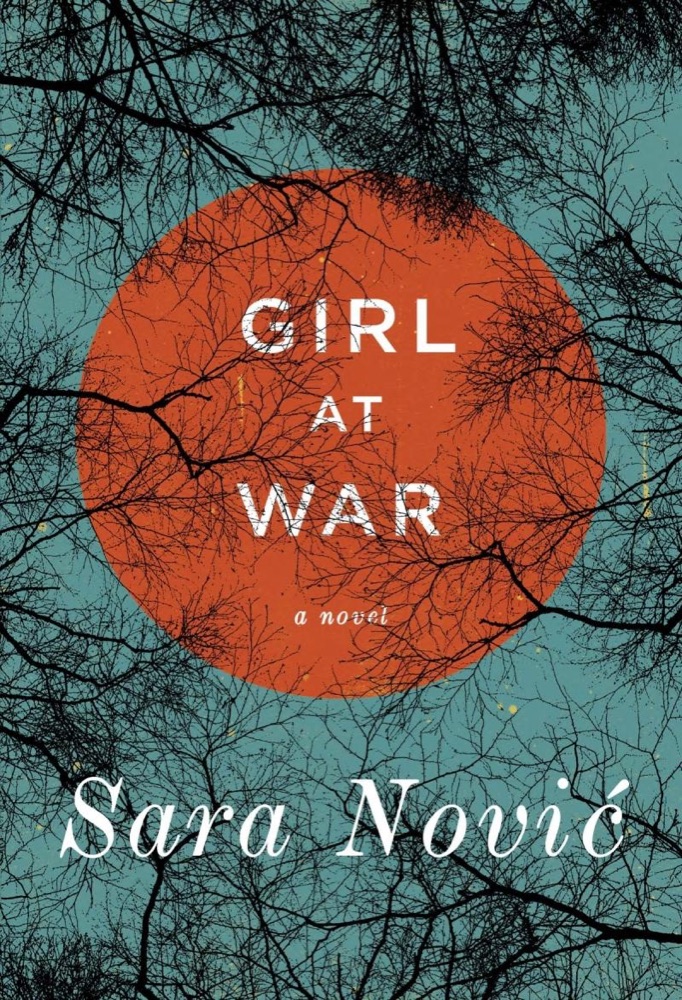
Zagreb, summer of 1991. Ten-year-old Ana Jurić is a carefree tomboy who runs the streets of Croatia's capital with her best friend, Luka, takes care of her baby sister, Rahela, and idolizes her father. But as civil war breaks out across Yugoslavia, soccer games and school lessons are supplanted by sniper fire and air raid drills. When tragedy suddenly strikes, Ana is lost to a world of guerilla warfare and child soldiers; a daring escape plan to America becomes her only chance for survival.
Ten years later Ana is a college student in New York. She's been hiding her past from her boyfriend, her friends, and most especially herself. Haunted by the events that forever changed her family, she returns alone to Croatia, where she must rediscover the place that was once her home and search for the ghosts of those she's lost.
Book details
- First published
- 2015
- Author
- Sara Nović
- Genre
- Historical
- Goodreads rating
- 4.02 (34k ratings)
The buzz
- The New York TimesReview in The New York Timesprofessional review (via Book Marks)
- The GuardianReview in The Guardianprofessional review (via Book Marks)
- OprahReview in Oprahprofessional review (via Book Marks)
- SfgateReview in Sfgateprofessional review (via Book Marks)
- UsatodayReview in Usatodayprofessional review (via Book Marks)
- BarnesandnobleReview in Barnesandnobleprofessional review (via Book Marks)
Keep reading
The Book of My Lives
 The Yellow Birds
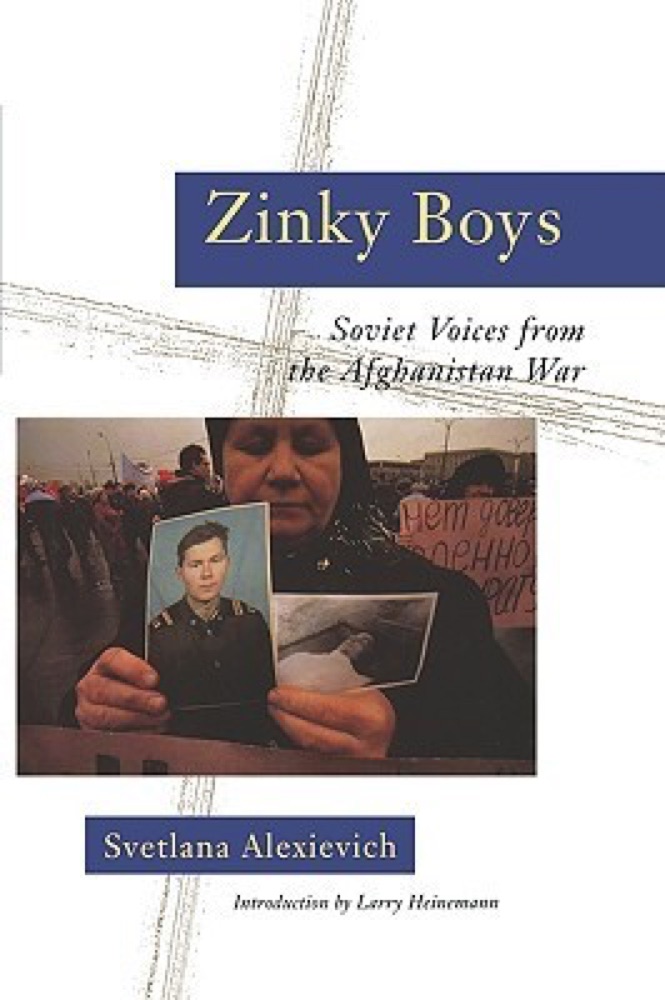 Zinky Boys: Soviet Voices from the Afghanistan War
 What Moves the Dead
 American War
 Stranded
 The Reluctant Fundamentalist
 Another Country
 City of Thieves
 In the Miso Soup
 No One Is Talking About This
 The Girl Who Smiled Beads: A Story of War and What Comes After
 Without You, There Is No Us: My Time with the Sons of North Korea's Elite
 The Forgotten Soldier
 The Wars
 The Office of Historical Corrections
 The Hour I First Believed
 All But My Life: A Memoir
 Milkman
 Leave the World Behind
 Stasiland: Stories from Behind the Berlin Wall
 Regeneration
 Salt to the Sea
 A Bend in the River
 Gerald's Game
 The Refugees
 The Burgess Boys
 So Long, See You Tomorrow
 The Story of a New Name
 Embassytown
 A House in the Sky
 Home Front
 Dispatches
 The Shadow Land
 The Walls Around Us
 Axiom's End
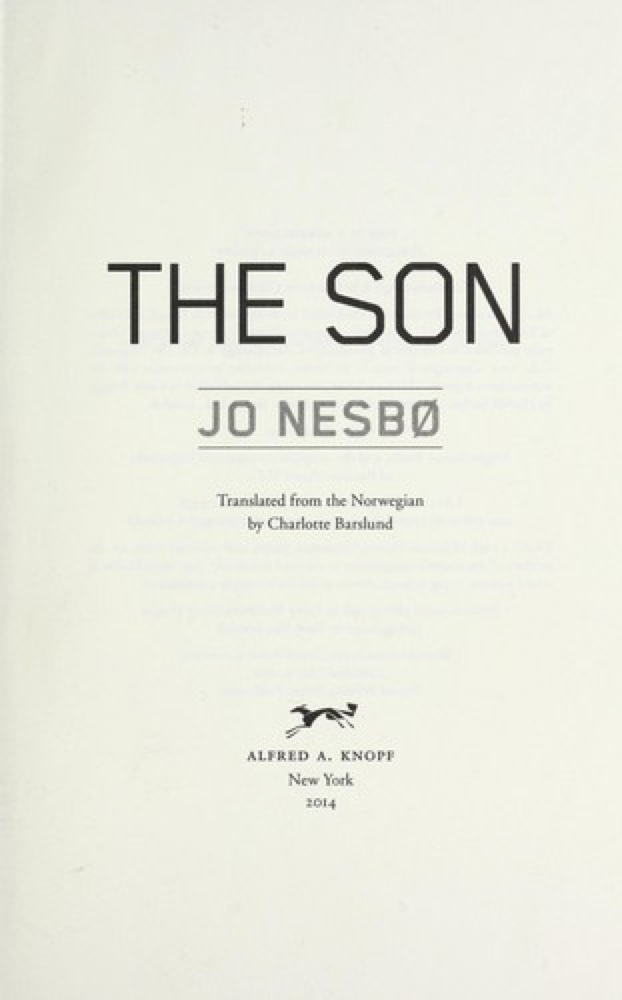 The Son
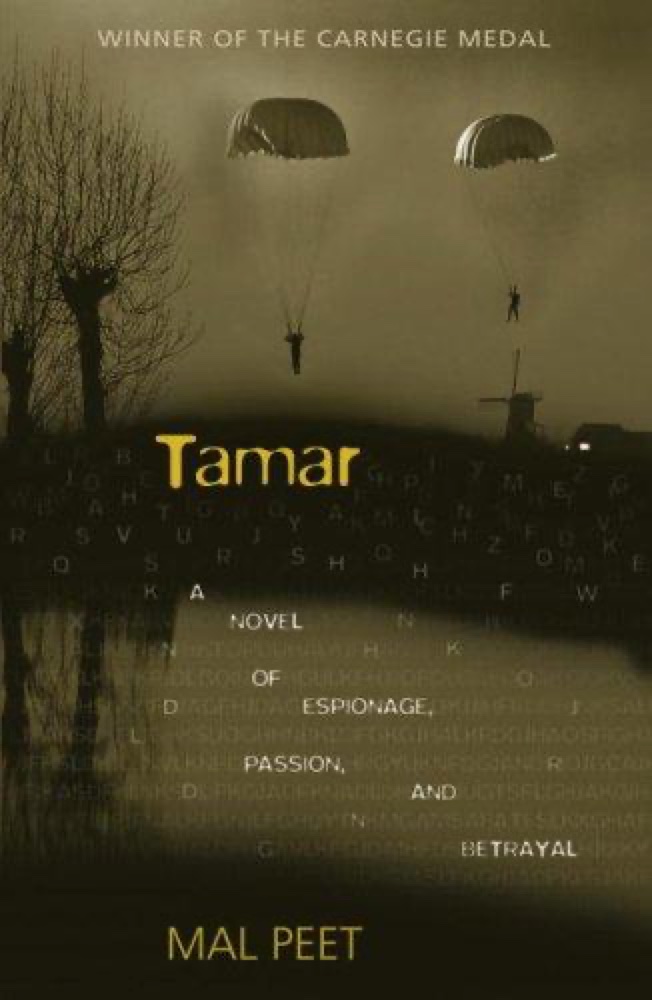 Tamar
Tamar
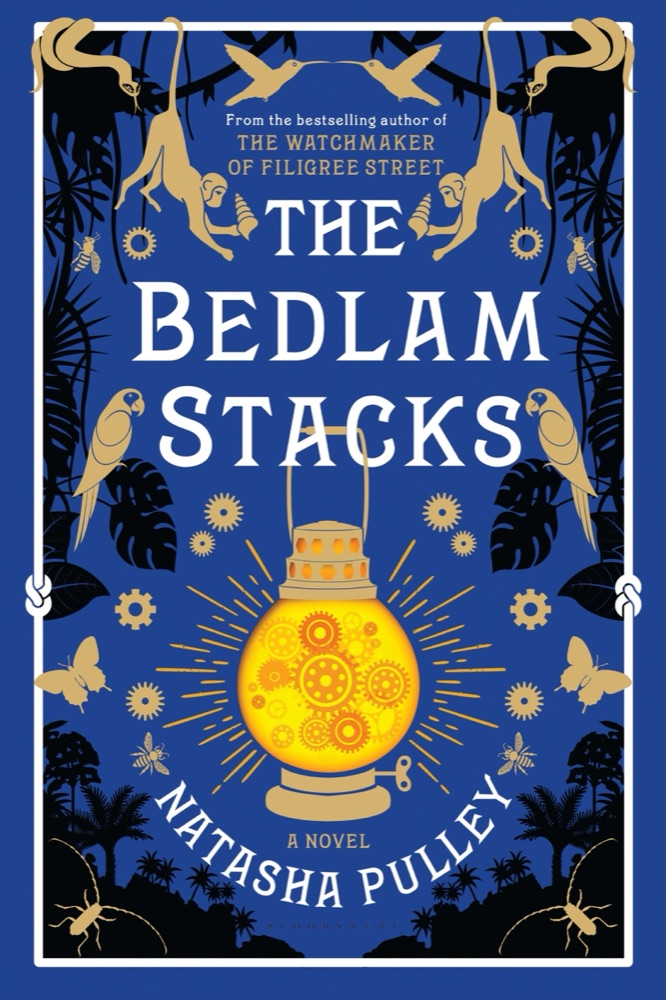 The Bedlam Stacks
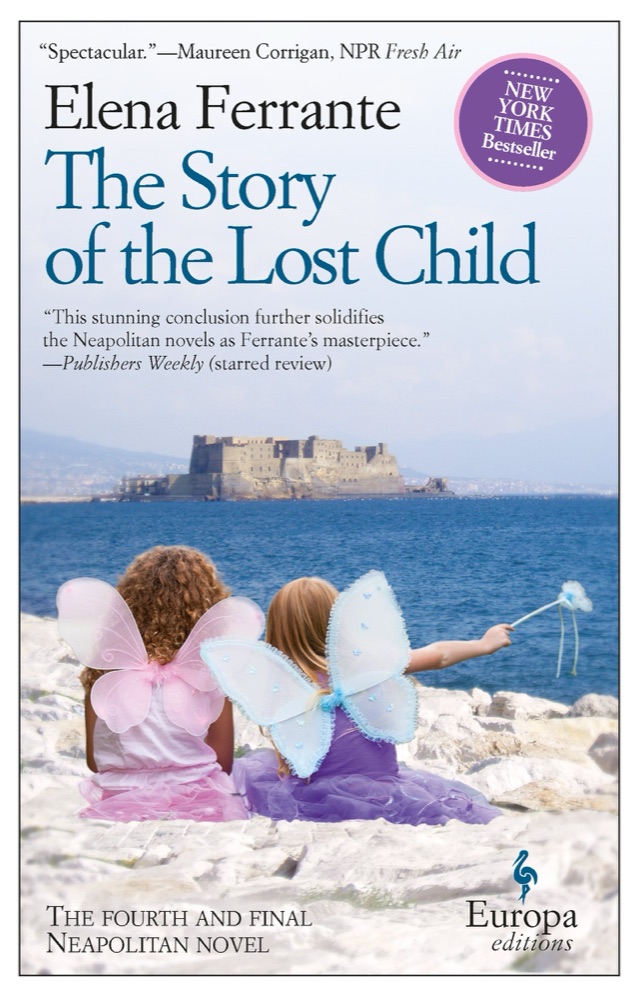 The Story of the Lost Child
 One Hundred Names
 Afterparties
 Tomorrow, When the War Began
 The Testaments
 The Night Diary
 Infinite Country
 Rot & Ruin
 A Map of Days
 Against the Day
 Blood on the Tracks
 How I Live Now
 Alive Day: A Memoir
 Severance
 Hollow City
 The Huntress
 Miss Peregrine’s Home for Peculiar Children
 The Day of the Scorpion
 The Road Back
 Revolutionary Road
 Tree of Smoke