

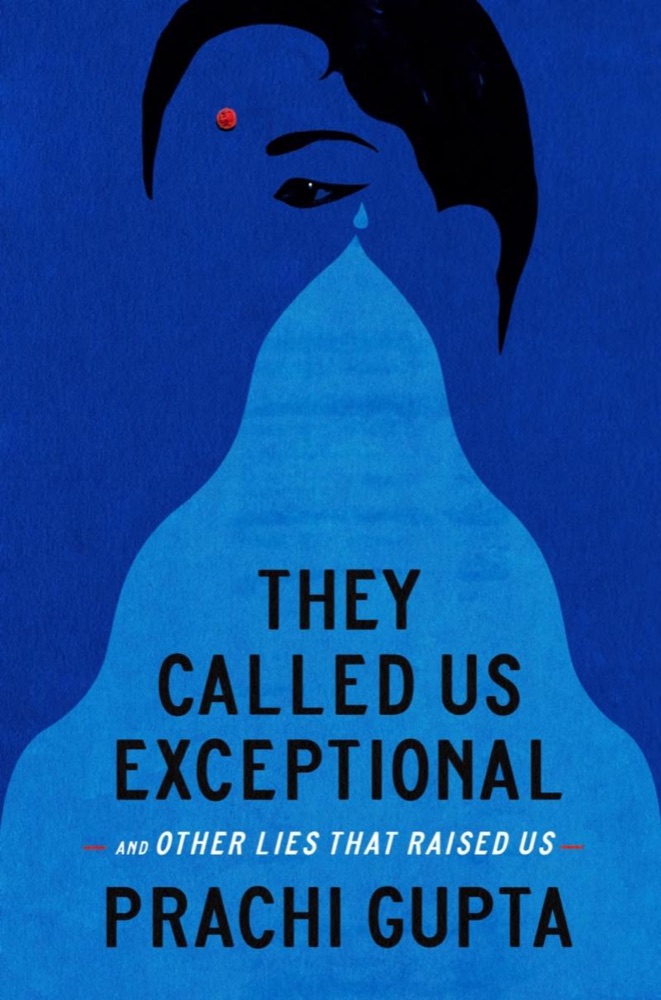
 They Called Us Exceptional: And Other Lies That Raised Us
Quotes from the Book
I used to think my father had been assigned to us by the government.
12
An elderly black man with gray hair said, "Every bottle should come with a warning: 'This bottle may cause you to lose your job. This bottle may cause you to get a divorce. This bottle may cause you to become homeless.
9
We have to keep trusting God. We can’t just trust God when he’s doing what we want. We have to trust him even when things are not as we would like them.
7
I would walk along the fence and frequently I cried so hard that I lost my breath. When this happened, I became detached from myself. I walked and gasped and, as I did, I could feel my unhappiness walking beside me, waiting for my breath to return so that it could climb back inside me. T
5
After four or five months of reading Hemingway, I decided to write a story. I had in the past written stories for English classes. These had all been about white people, because white people’s stories seemed to matter more. Also, I hadn’t known how to write about Indians. How would I translate the various family relations, the difference between an uncle who is a father’s brother and an uncle who is a mother’s brother? Having read Hemingway, I knew that I should just push all the exotic things to the side as if they didn’t matter, that this was how one used exoticism—by not bothering to explain. The first story I wrote was about my brother coughing. I woke one night to the sound of Birju coughing downstairs and then could not go back to sleep. To be woken this way and not be able to return to sleep struck me as sad enough to merit a reader’s attention. Also, Hemingway had written a story about a man being woken because somebody is dying nearby, and the man is forced to witness the death. I got up from my bed and turned on the light. I then returned to bed with a spiral-bound notebook and placed it against my knees. I began my story in the middle of the action the way Hemingway did. I wrote: The coughing wakes me. My wife coughs and coughs, and then when her throat is clear, she moans. The nurse’s aide moves back and forth downstairs. The hospital bed jingles. I wrote that it was a spouse coughing because that seemed something a reader could identify with, while a brother would be too specific to me. I lie here, listening to my wife cough, and it is hard to believe that she is dying. It was strange to write something down and for that thing to come into existence. The fact that the sentence existed made Birju’s coughing somehow less awful. As I sat on my bed, I thought about how I could end my story. I held my pencil above the sheet of paper. According to the essays I had read on Hemingway, all I needed to do was attach something to the end of the story that was both unexpected and natural. I imagined Birju dying; this had to be what would eventually happen. As soon as I imagined this, I did not want him gone. I felt a surge of love for Birju. Even though he was sick and swollen, I did not want him gone. I wrote: I lie in my bed and listen to her cough and am glad she is coughing because this means she is alive. Soon she will die, and I will no longer be among the lucky people whose wives are sick. Fortunate are the men whose wives cough. Fortunate are the men who cannot sleep through the night because their wives’ coughing wakes them.
3
I had been nervous about not doing well in college. During my first class, I looked at the notes the boy next to me was taking. His supply and demand curves seemed more neatly drawn than mine. Nearly everyone appeared to have gone to preparatory schools and already knew such odd things as the fact that there was no inflation during the Middle Ages. Very few, however, were willing to work the way I did. When I would come out of Firestone Library at two in the morning, walk past the strange statues scattered around campus, and then sit at my desk in my room till the trees in the yard appeared out of the darkness, I felt that I was achieving something, that every hour I worked was generating almost physical value, as if I could touch the knowledge I was gaining through my work. One weekend, I came home to my parents and worked all Saturday night. In the morning, my mother saw me at my desk and brought me a glass of milk. Later, in Birju’s room, she said to him, “Your brother can eat pain. He can sit all day at his desk and eat pain.
2
During the coming days, the wealth of America kept astonishing me. The television had programming from morning till night. I had never been in an elevator before and when I pressed a button in the elevator and the elevator “started moving, I felt powerful that it had to obey me. In our shiny brass mailbox in the lobby, we received ads on colored paper. In India colored paper could be sold to the recycler for more money than newsprint. The sliding glass doors of our apartment building would open when we approached. Each time this happened, I felt that we had been mistaken for somebody important.
1
Writing the story changed me. Now I began to feel as if I were walking through my life collecting things that could be used later: the sound of a ping-pong ball was like a woman walking in high heels, the shower running was like television static. Seeing things as material for writing protected me. When a boy tried to start a fight by saying, " You're vegetarian - does that mean you don't eat pussy?" I thought this might be something I could use in a story.
My classes had mostly Jews, a few Chinese, and one or two Indians. The Indians were not Indian the way I was. They didn't have accents. They were invited to birthday parties by white children. I preferred talking to the Jews over the Chinese or the Indians. The Jews were white, and so they seemed more valuable than these others. Also, with the Chinese and the Indians, I sensed they watched me with suspicion the same way I watched them, that since they knew immigrants, they understood that I was untrustworthy, that immigrants are desperate and willing to do almost anything.
Even the smallest things people don’t do. Mahatma Gandhi advised, after you relieve yourself, just cover it with a little dirt so the
Why hadn’t people been nicer when it mattered? I wondered.
Watch on YouTube
About Akhil Sharma
We have collected 11 quotes from 1 book by Akhil Sharma on BookQuoters.
More about the author →About the book
In Family Life, Akhil Sharma delivers a story of astonishing intensity and emotional precision. We meet the Mishra family in Delhi in 1978, where eight-year-old Ajay and his older brother Birju play cricket in the streets, waiting for the day when their plane tickets will arrive and they and their mother can fly across the world and join their father in America. America to the Mishras is, indeed, everything they could have imagined and more: when automatic glass doors open before them, they feel that surely they must have been mistaken for somebody important. Pressing an elevator button and the elevator closing its doors and rising, they have a feeling of power at the fact that the elevator is obeying them. Life is extraordinary until tragedy strikes, leaving one brother severely brain-damaged and the other lost and virtually orphaned in a strange land. Ajay, the family's younger son, pr
Book details
- First published
- 2014
- Author
- Akhil Sharma
- Genre
- Fiction
- Goodreads rating
- 3.53 (10k ratings)
The buzz
- The New York TimesReview in The New York Timesprofessional review (via Book Marks)
- NPRReview in NPRprofessional review (via Book Marks)
- SlateReview in Slateprofessional review (via Book Marks)
- Kirkus ReviewsReview in Kirkus Reviewsprofessional review (via Book Marks)
- FtReview in Ftprofessional review (via Book Marks)
- ClevelandReview in Clevelandprofessional review (via Book Marks)
Keep reading
They Called Us Exceptional: And Other Lies That Raised Us
 The Idiot
 We Were Dreamers: An Immigrant Superhero Origin Story
 Mister Pip
 The Round House
 Em and The Big Hoom
 How We Fight For Our Lives
 The Night Diary
 To Paradise
 Breaking Night: A Memoir of Forgiveness, Survival, and My Journey from Homeless to Harvard
 Sigh, Gone: A Misfit's Memoir of Great Books, Punk Rock, and the Fight to Fit In
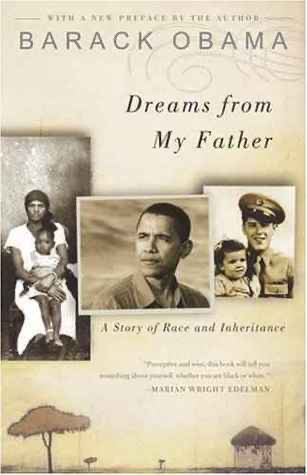 Dreams from My Father: A Story of Race and Inheritance
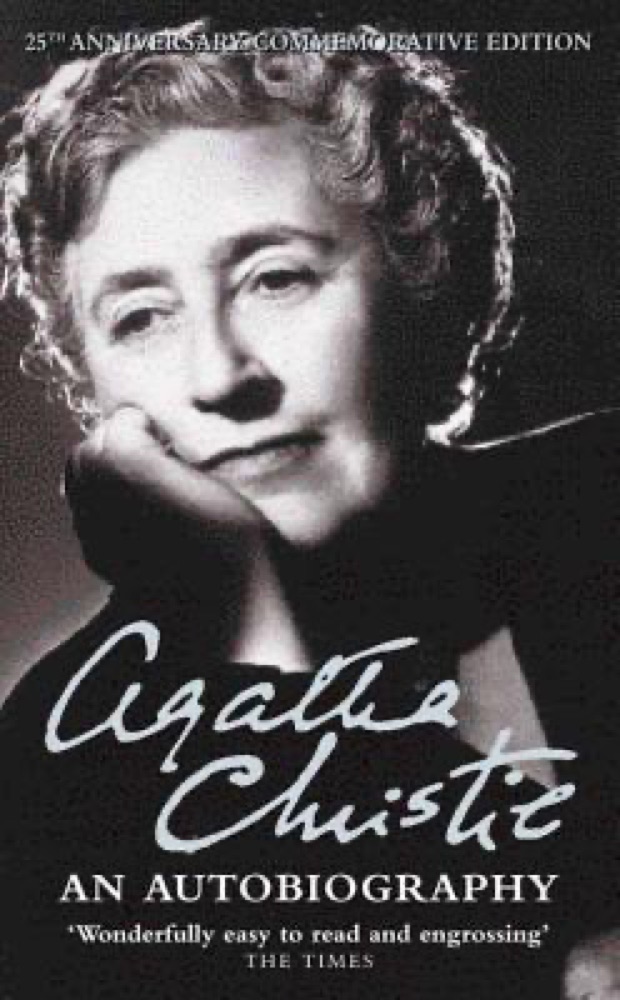 Agatha Christie: An Autobiography
 A Bend in the River
 Mother Mary Comes to Me
 Men We Reaped
 A Children's Bible
 Devotion
 Milkman
 What Is the What
 Crenshaw
 Joan Is Okay
 Somebody's Daughter
 Singin' and Swingin' and Gettin' Merry Like Christmas
 Open Book
 Dream Count
 Aftershocks
 The Discomfort Zone: A Personal History
 The Tell: A Memoir
 Managing Expectations: A Memoir in Essays – A Poignant Collection of Personal Stories on Acting, Failure, and Motherhood's Joy
 Too Much Happiness: Stories
 Anthropology of an American Girl
 A Thousand Acres
 Afterparties
 These Precious Days: Essays
 Never Stop Walking: A Memoir of Finding Home Across the World
 Bettyville: A Memoir
 Just Ignore Him
 All But My Life: A Memoir
 Troubled: A Memoir of Foster Care, Family, and Social Class
 The World's Largest Man
 The Tender Bar
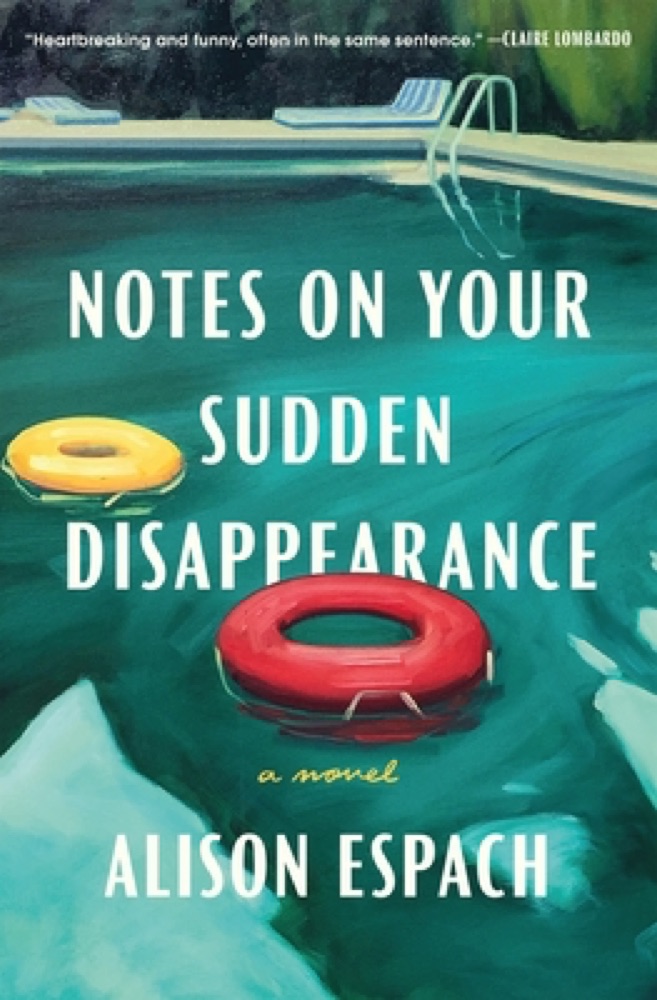 Notes on Your Sudden Disappearance
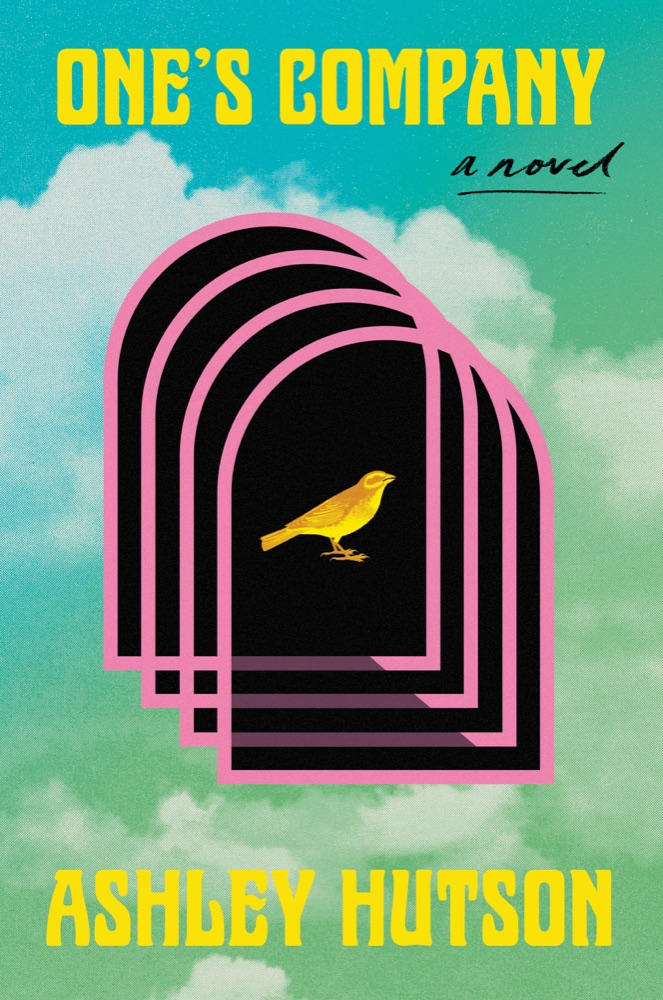 One's Company
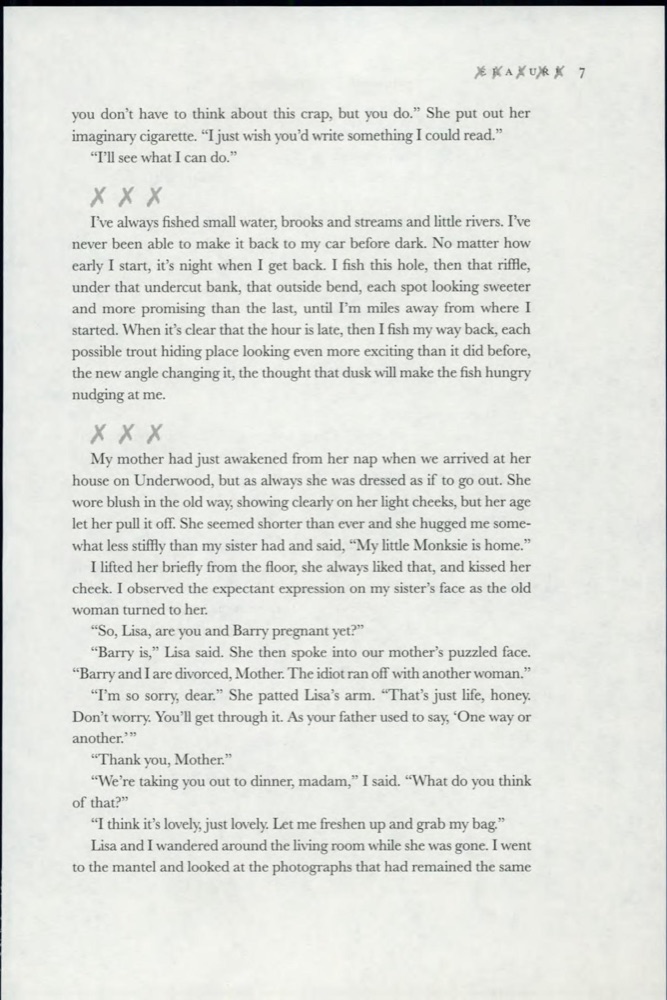 Erasure
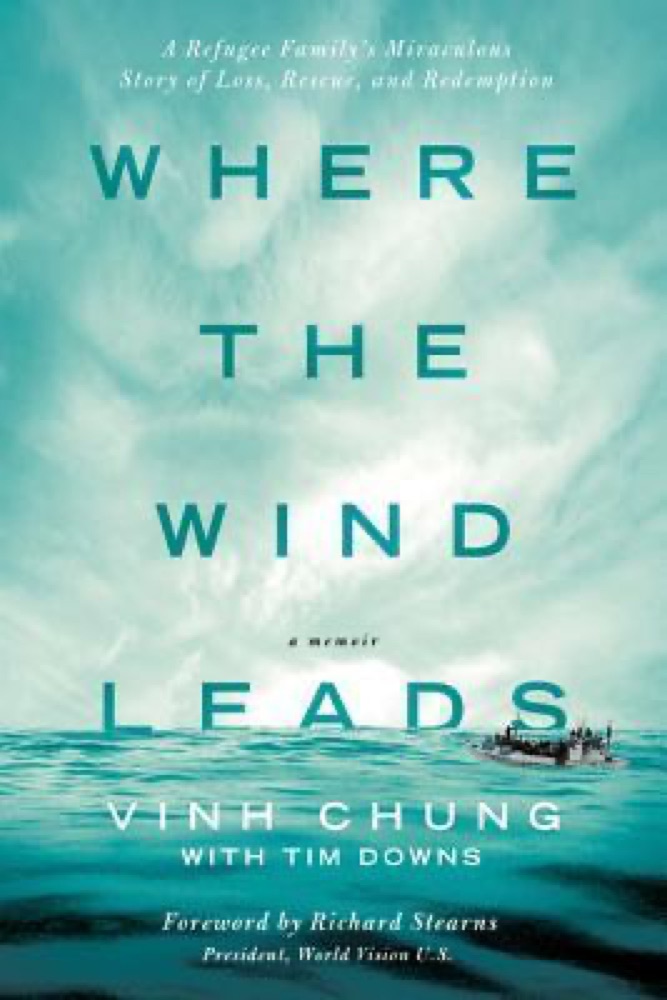 Where the Wind Leads: A Refugee Family's Miraculous Story of Loss, Rescue, and Redemption
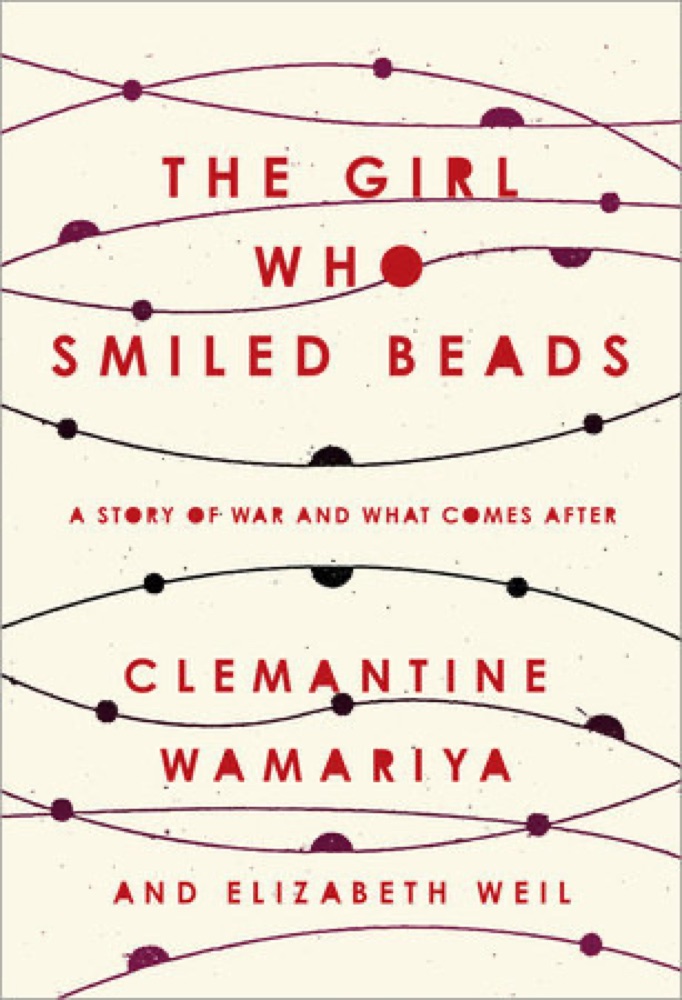 The Girl Who Smiled Beads: A Story of War and What Comes After
 Where Things Come Back
 The Folded Clock: A Diary
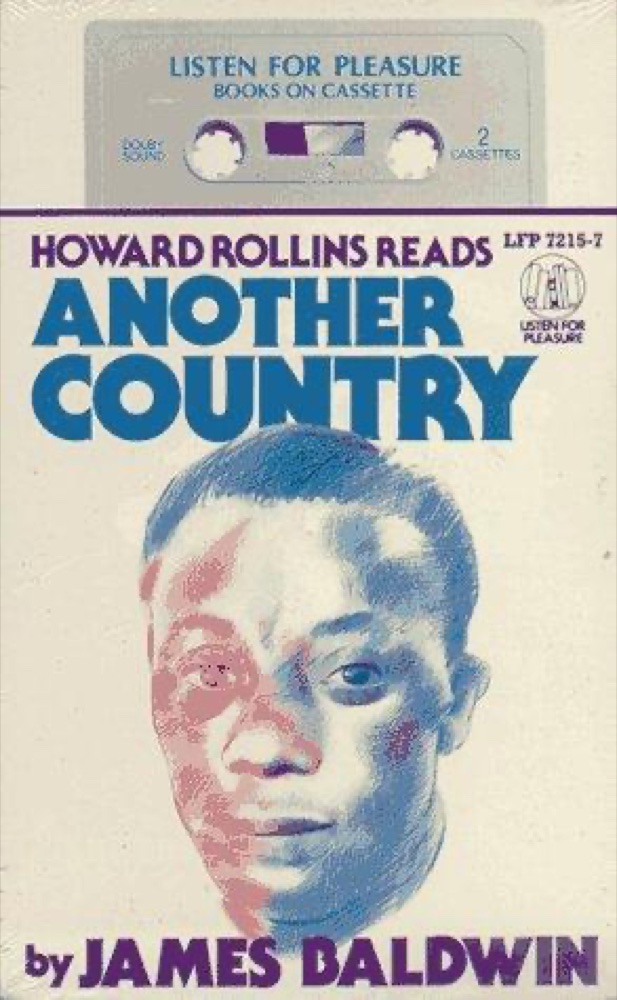 Another Country
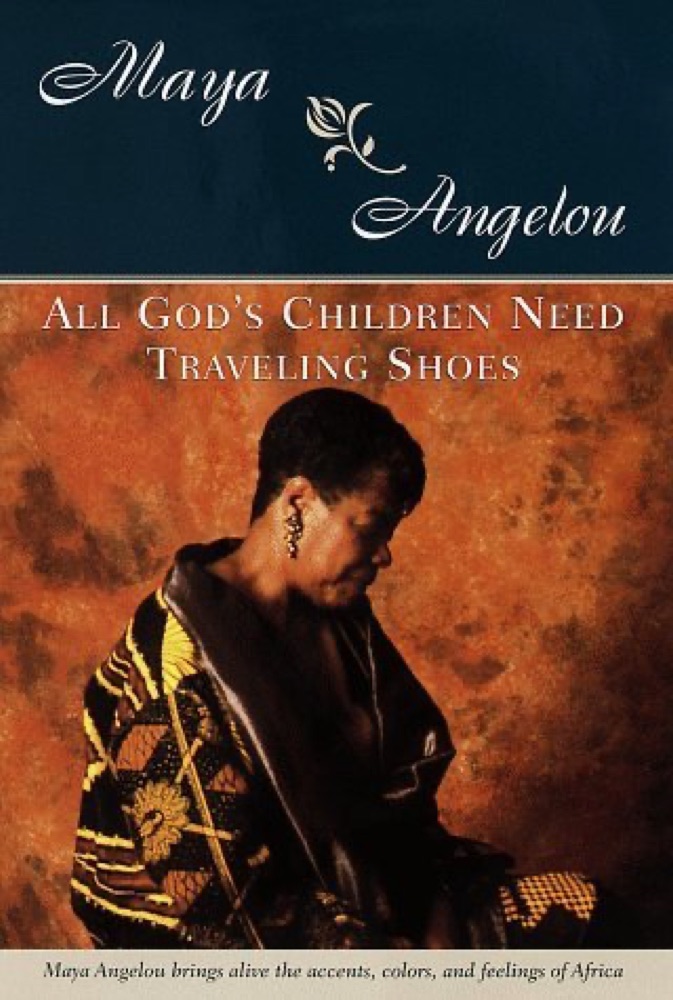 All God's Children Need Traveling Shoes
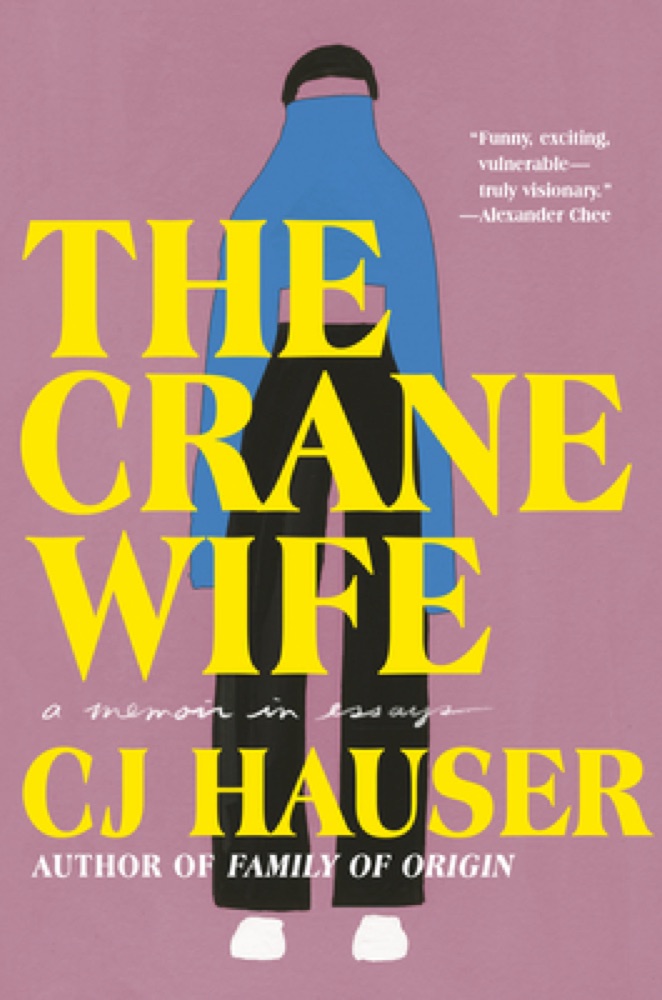 The Crane Wife: A Memoir in Essays
 Prep
Prep
 Life Will Be the Death of Me: . . . and you too!
 Maid: Hard Work, Low Pay, and a Mother's Will to Survive
 The Marvelous Misadventures of Ingrid Winter
 The Book of Salt
 To Sir, With Love
 The Reluctant Fundamentalist