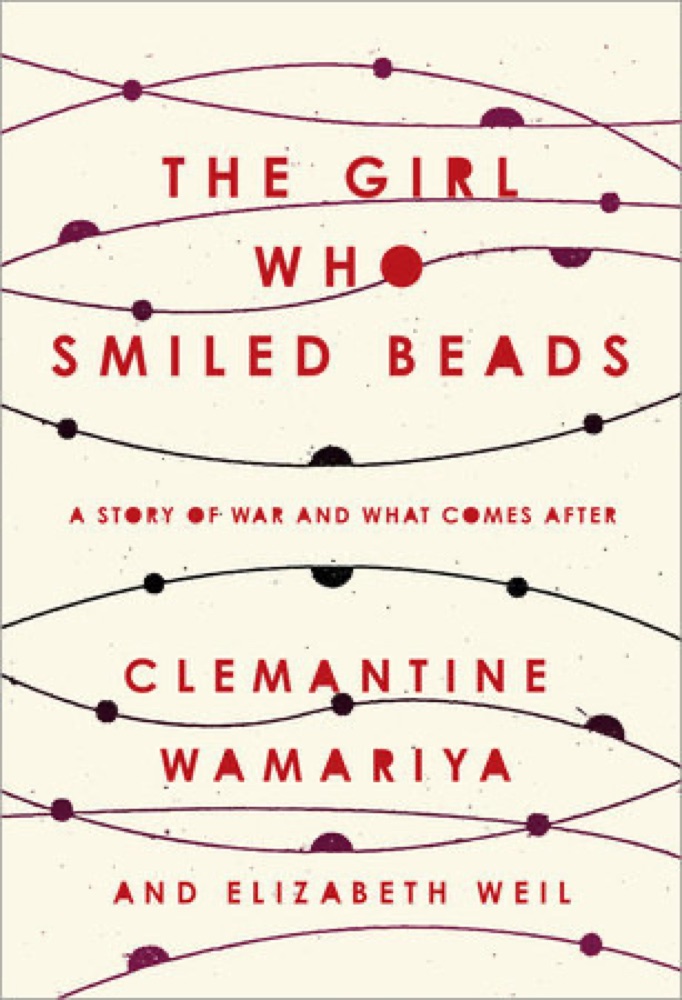

 Aftershocks
Quotes from the Book
I've seen enough to know that you can be a human with a mountain of resources and you can be a human with nothing, and you can be a monster either way.
45
Nobody is who you think they are at first glance. We need to see beyond the projections we cast onto each other. Each of us is so much grander, more nuanced, and more extraordinary than anybody thinks, including ourselves.
34
I could no longer discern what was real and what was fake. Everything, including the present, seemed to be both too much and nothing at all.
26
It's strange, how you go from being a person who is away from home to a person with no home at all. The place that is supposed to want you has pushed you out. No other place takes you in. You are unwanted, by everyone. You are a refugee.
24
The only road to equality—a sense of common humanity; peace—is sharing, my mother’s orange. When we share, you are not using your privilege to get me to line up behind you. When we share, you are not insisting on being my savior. Claire and I always looked for the sharers, the people who just said, “I have sugar, I have water. Let’s share
22
Survival, true survival of the body and soul, requires creativity, freedom of thought, collaboration. You might have time and I might have land. You might have ideas and I might have strength. You might have a tomato and I might have a knife. We need each other. We need to say: I honor the things that you respect and I value the things you cherish. I am not better than you. You are not better than me.
20
I want to make people understand that boxing ourselves into tiny cubbies based on class, race, ethnicity, religion—anything, really—comes from a poverty of mind, a poverty of imagination. The world is dull and cruel when we isolate ourselves.
18
When you don't belong to a country, the world decides that you don't deserve a thing.
18
Two people in pain are magnets, repelling each other. We cannot or will not reach across the space to connect.
11
When you're traumatized, your sense of self, your individuality, is beaten up. Your skin color, your background, your pain, your hope, your gender, your faith, it's all defiled. Those essential pieces of yourself are stolen. You, as a person, are emptied and flattened, and that violence, that theft, keeps you from embodying a life that feels like your own. To continue to exist, as a whole person, you need to re-create, for yourself, an identity untouched by everything that's been used against you. You need to imagine and build a self out of elements that are not tainted. You need to remake yourself on your own terms.
9
The word genocide is clinical, overly general, bloodless, and dehumanizing.
8
I did not understand the point of the word genocide then. I resent and revile it now. The word is tidy and efficient. It holds no true emotion. It is impersonal when it needs to be intimate, cool and sterile when it needs to be gruesome. The word is hollow, true but disingenuous, a performance, the worst kind of lie. It cannot do justice--it is not meant to do justice--to the thing it describes.
7
Taking care of loved ones in my world was not based on affection. It was based on the fear of losing them.
7
The colonists, the aid workers, the NGOs -- they're all in a single progression: paternalistic foreigners, assuming they are better and brighter, offering shiny, destabilizing, dependence producing gifts. How can one accept anything from so-called rescuers when their predecessors helped your people destroy one another?
7
You had to try to hang on to your name, though nobody cared about your name. You had to try and stay a person. You had to try not to become invisible. If you let go and fell back into the chaos you were gone, just a number in a unit, which was also a number. If you died, no one knew. If you gave up and disintegrated inside, no one knew.
5
Maintaining my body had been so much work, so costly. Protecting it had been a never-ending battle. It was not a source of joy. I had been dragging it around for thirteen years, trying to keep it from harm. I felt like it stood in my way.
5
When we share, you are not using your privilege to get me to line up behind you.
5
In my version of the story, the girl walks the earth and she is always safe, undeniably strong and brave - a dream, a superstar, a goddess of sorts. I needed to believe those things were possible and that they might be true about me too.
5
I think back to this often I’m trying to make sense of the world - how there are people who have so much and people who have so little, and how I fit in with them both. Often I find myself trying to bridge the two worlds, to show people, either the people with so much or the people with so little, that everything is yours and everything is not yours. I want to make people understand that boxing ourselves into tiny cubbies based on class, race, ethnicity, religion - anything, really - comes from a poverty of mind, poverty of imagination. The works is dull and cruel when we isolate ourselves.
4
I found an essay in a book called Illuminations by Walter Benjamin, in which every time the men go off to war they lose all their language. When they return home they can’t describe to their families what they saw, so they go back to war to learn the words again.
4
I did not even really know how to access that once-safe place with the outdoor kitchen, the red roof, the birds-of-paradise. Nostalgia was a destructive exercise, a jab at a still-tender wound, stitched up poorly.
4
Each of us is so much grander, more nuanced, and more extraordinary than anybody thinks, including ourselves.
4
All those countries that ended World War II by saying never again turned their backs.
4
But people need to know, people need to say to themselves, ‘I cannot do this thing because this thing is unforgivable. I cannot decide my wife is a cockroach. I cannot decide my neighbor is a snake. I cannot kill my wife. I cannot kill my neighbor. I cannot make others less than human and then kill them. This is unforgivable. This will never be forgiven.
4
I wanted to retain the right to disappear. Remaining in place, nesting -- it sets off fears that somebody would yank me away. To counter it, I had to flee. I had to reassure myself that I still knew how to escape.
3
Before the Belgians arrived and colonized Rwanda, Hutus and Tutsis lived in peace. But colonization is built on the idea that we are not the same, that we don’t possess equal humanity. The Belgians imposed their cruel ideology: their belief that people with certain-sized skulls and certain-width noses were better and smarter than others, that they belonged to a superior race. This ideology leached into the Rwandan psyche and caused the country to self-destruct.
3
You know those little pellets you drop in water that expand into huge sponges? My life was the opposite. Everything shrank.
3
You had to remember your unit number—not a given at age six. You had to try to hang on to your name, though nobody cared about your name. You had to try to stay a person. You had to try not to become invisible. If you let go and fell back into the chaos you were gone, just a number in a unit, which also was a number. If you died, no one knew. If you got lost, no one knew. If you gave up and disintegrated inside, no one knew. I started telling people, I’m Clemantine, I’m Clemantine, I’m Clemantine! I don’t want to be lost. I’m Clemantine!
3
Often adults said to me, “You’re so strong, you’re so brave.” But I didn’t want to be strong, I didn’t want to be brave. I wanted a fresh, fluffy brain, one that was not tormented by wars and fear. I wanted to backtrack in time to a world of innocence, to regress into the landscape of The Boxcar Children. It was so nice there.
3
Watch on YouTube
About Clemantine Wamariya
We have collected 29 quotes from 1 book by Clemantine Wamariya on BookQuoters.
More about the author →About the book
A riveting story of dislocation, survival, and the power of the imagination to save us Clemantine Wamariya was six years old when her mother and father began to speak in whispers, when neighbors began to disappear, and when she heard the loud, ugly sounds her brother said were "thunder." It was 1994, and in 100 days more than 800,000 people would be murdered in Rwanda and millions more displaced. Clemantine and her fifteen-year-old sister, Claire, ran and spent the next six years wandering through seven African countries searching for safety--hiding under beds, foraging for food, surviving and fleeing refugee camps, finding unexpected kindness, witnessing unimaginable cruelty. They did not know whether their parents were alive.
At age twelve, Clemantine, along with Claire, was granted asylum in the United States--a chance to build a new life. Chicago was disorienting, filled with neon
Book details
- First published
- 2018
- Author
- Clemantine Wamariya
- Genre
- Nonfiction
- Goodreads rating
- 4.18 (26k ratings)
The buzz
- The New York TimesReview in The New York Timesprofessional review (via Book Marks)
- The Washington PostReview in The Washington Postprofessional review (via Book Marks)
- The AtlanticReview in The Atlanticprofessional review (via Book Marks)
- Kirkus ReviewsReview in Kirkus Reviewsprofessional review (via Book Marks)
- Publishers WeeklyReview in Publishers Weeklyprofessional review (via Book Marks)
- Star TribuneReview in Star Tribuneprofessional review (via Book Marks)
Keep reading
Aftershocks
 The Last Year of the War
 The Likeness
 Close to the Knives: A Memoir of Disintegration
 All But My Life: A Memoir
 How Dare the Sun Rise: Memoirs of a War Child
 Dear Senthuran: A Black Spirit Memoir
 Never Stop Walking: A Memoir of Finding Home Across the World
 In Order to Live: A North Korean Girl's Journey to Freedom
 What Is the What
 Dream Count
 The Story of the Lost Child
 Borne
Borne
 Disoriental
 Swimming in the Dark
 Anthropology of an American Girl
 Underground: The Tokyo Gas Attack and the Japanese Psyche
 Open City
 The Spirit Bares Its Teeth
 The Emperor of Gladness
 The Wind-Up Bird Chronicle
 The Twelve Kingdoms: Skies of Dawn
 What I'd Rather Not Think About
 The Book of My Lives
 A Little Devil in America: Notes in Praise of Black Performance
 Uncultured: A Memoir
 The Kite Runner
 Wandering Stars
 The City in the Middle of the Night
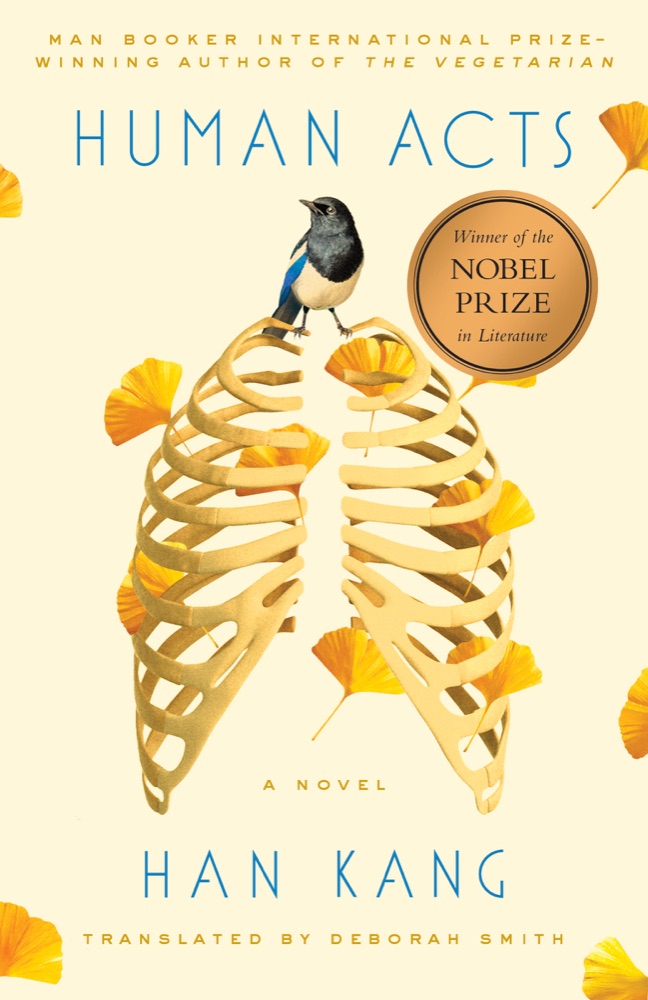 Human Acts
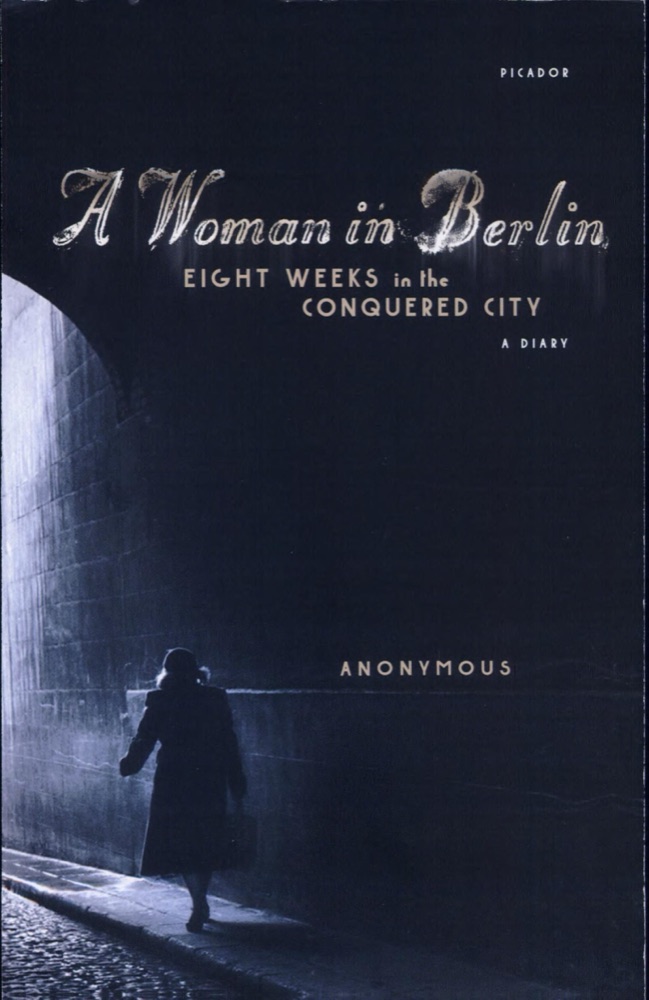 A Woman in Berlin: Eight Weeks in the Conquered City: A Diary
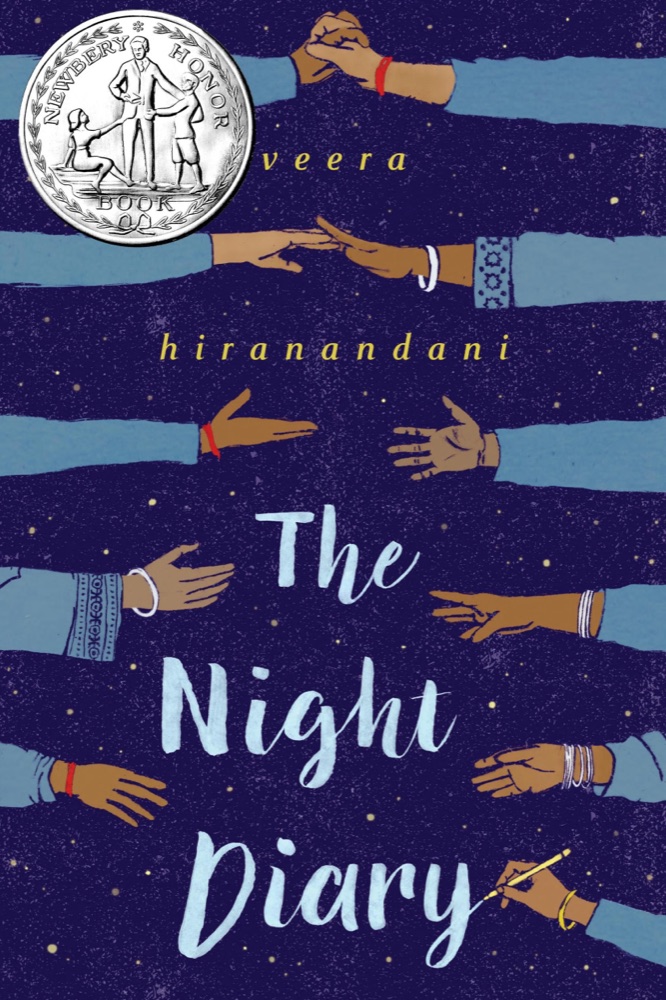 The Night Diary
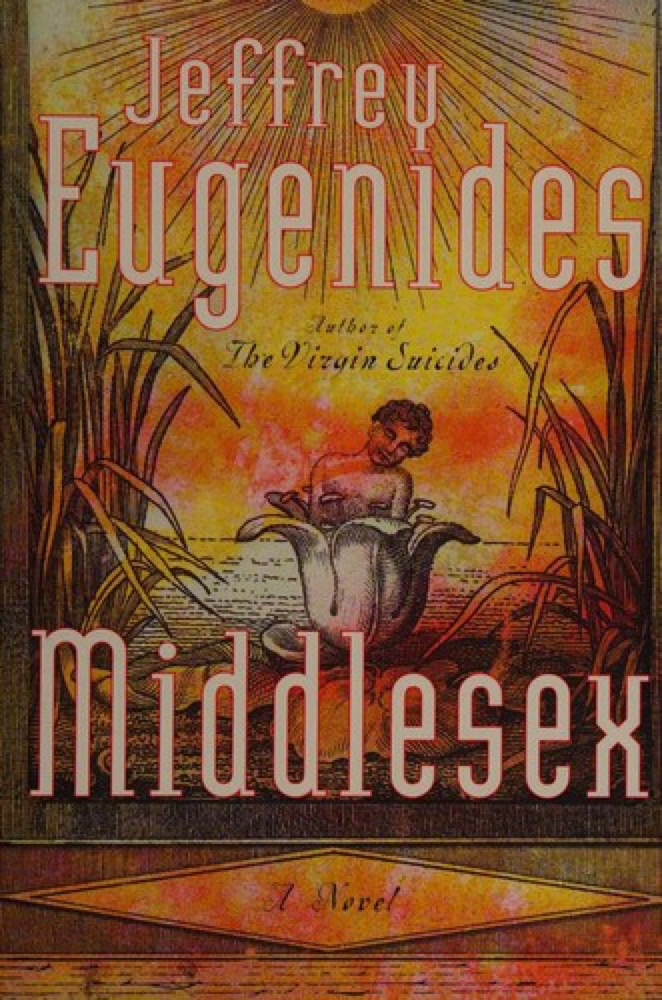 Middlesex
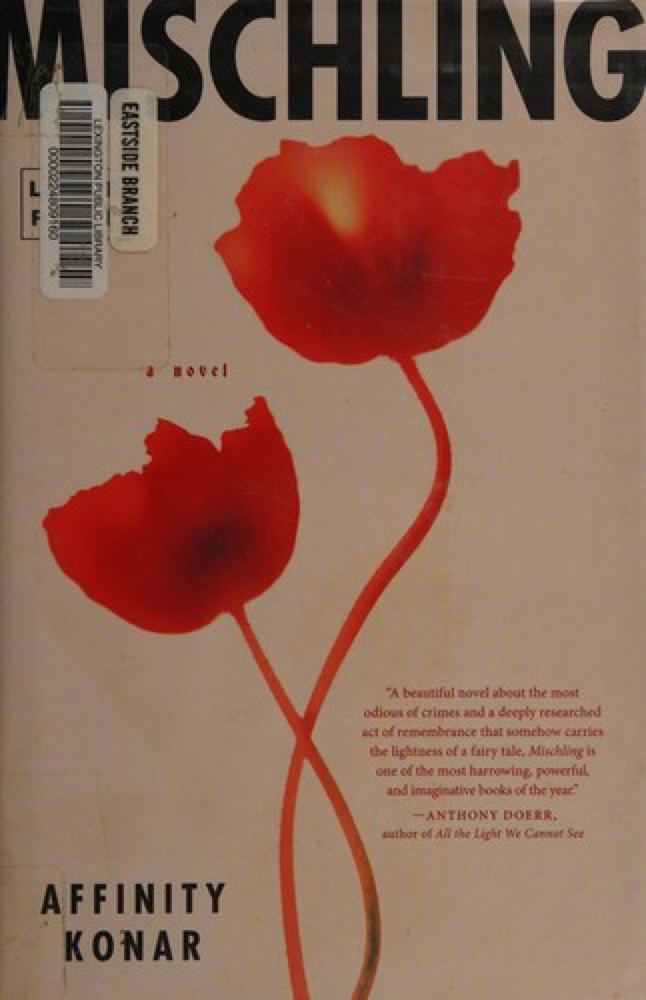 Mischling
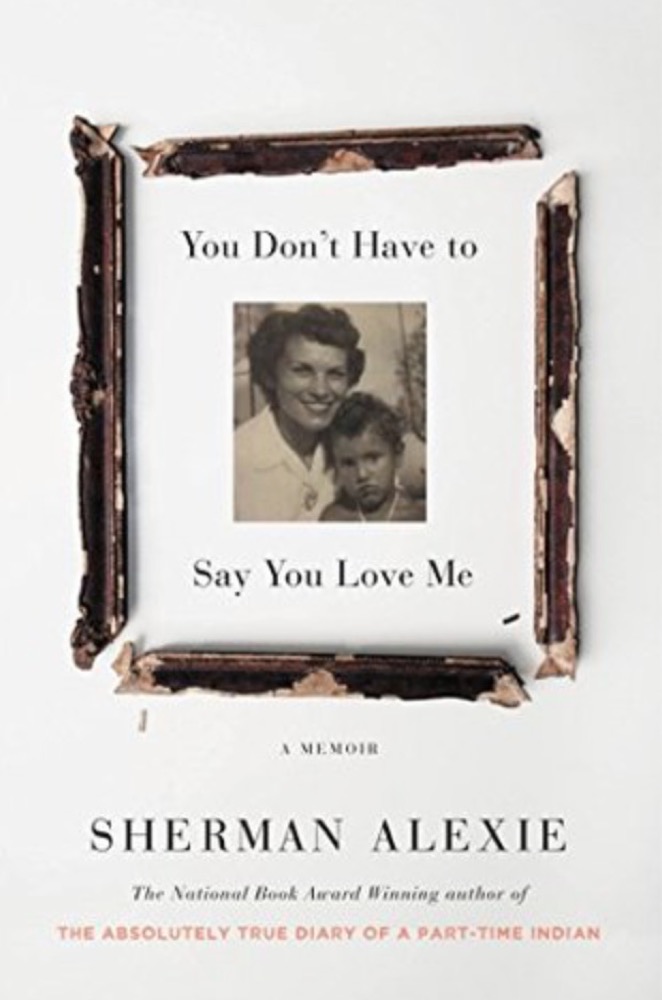 You Don't Have to Say You Love Me
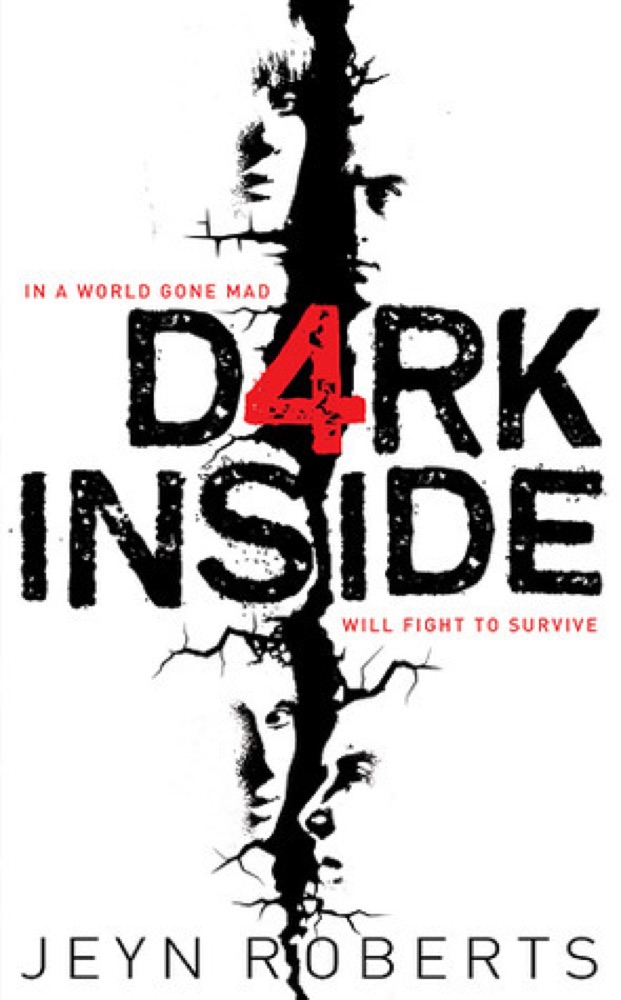 Dark Inside
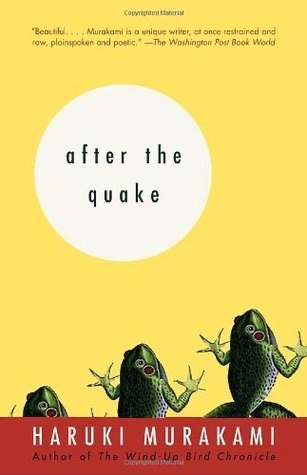 After the Quake
 The House of Hidden Meanings
 In the Miso Soup
 Every Exquisite Thing
 Children of the Mind
 Between the World and Me
 A House in the Sky
 Oranges Are Not the Only Fruit
 No Longer Human
 One's Company
 In the Dream House
 Heart Berries
 Hell of a Book
 Men We Reaped
 Pew
Pew
 And the Mountains Echoed
 Varina
 The Apocalypse of Elena Mendoza
 An Absolutely Remarkable Thing
 Now Is the Time to Open Your Heart
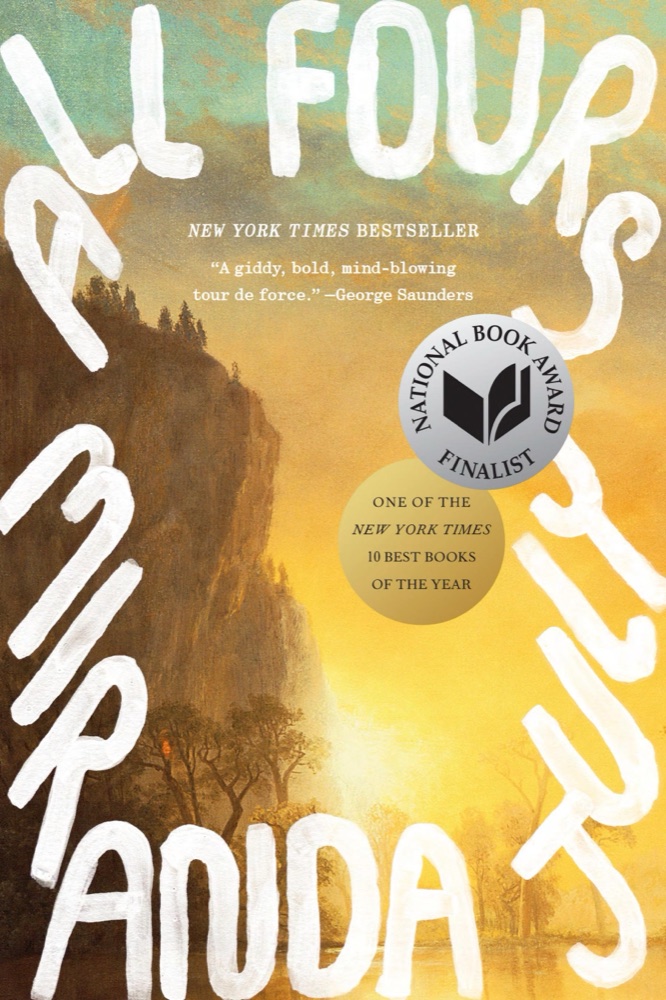 All Fours
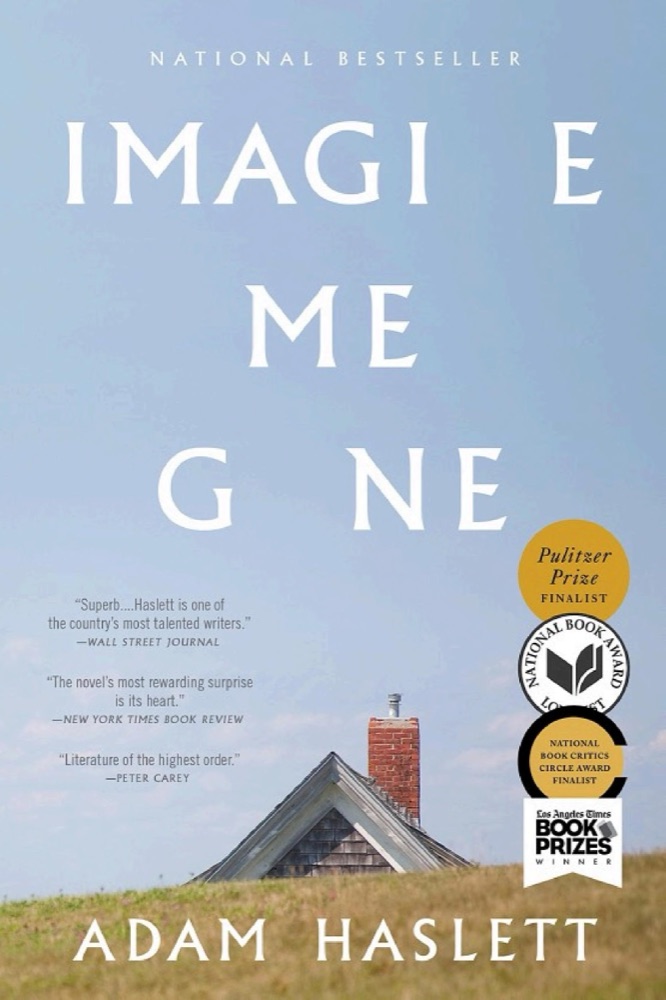 Imagine Me Gone
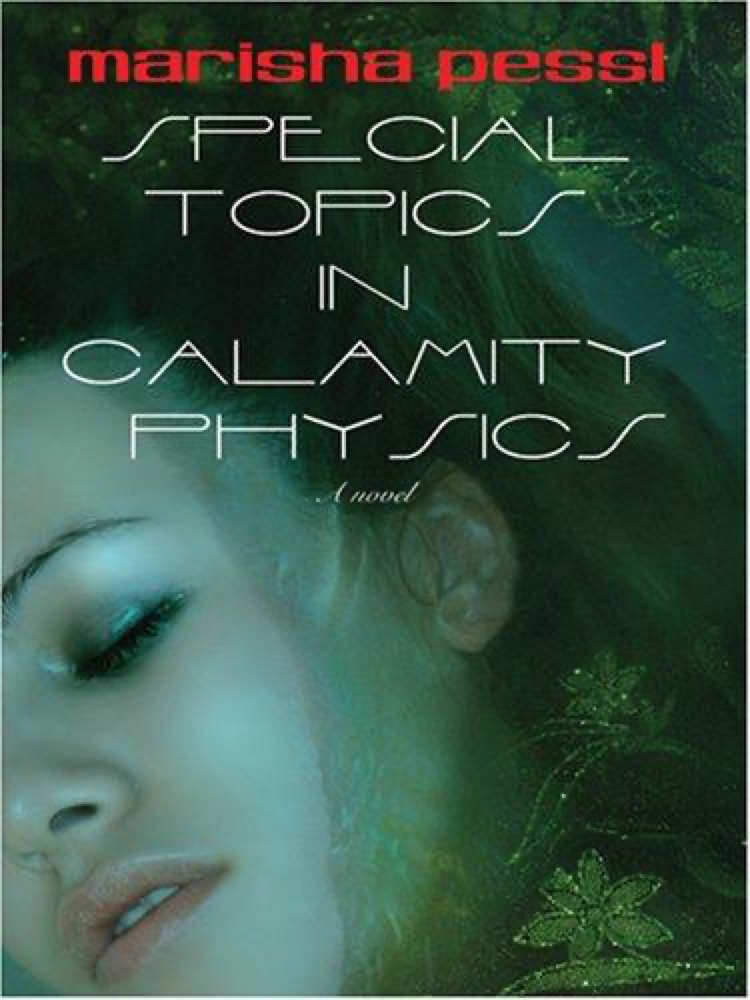 Special Topics in Calamity Physics
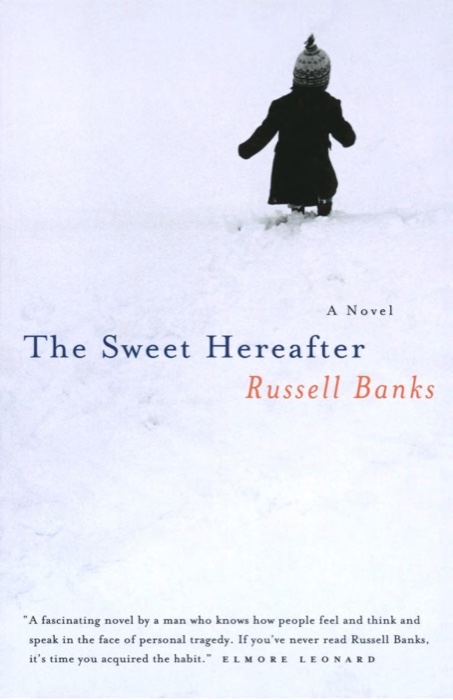 The Sweet Hereafter