
 The Remains of the Day
Quotes from the Book
Perhaps there are those who are able to go about their lives unfettered by such concerns. But for those like us, our fate is to face the world as orphans, chasing through long years the shadows of vanished parents. There is nothing for it but to try and see through our missions to the end, as best we can, for until we do so, we will be permitted no calm.
118
Everything might scatter. You might be right. I suppose it's something we can't easily get away from. People need to feel they belong. To a nation, to a race. Otherwise, who knows what might happen? This civilisation of ours, perhaps it'll just collapse. And everything scatter, as you put it.
70
All I know is that I've wasted all these years looking for something, a sort of trophy I'd get only if I really, really did enough to deserve it. But I don't want it anymore, I want something else now, something warm and sheltering, something I can turn to, regardless of what I do, regardless of who I become. Something that will just be there, always, like tomorrow's sky.
50
It's all right. I'm not upset. After all, they were just things. When you've lost your mother and your father, you can't care so much about things, can you?
44
Perhaps one day, all these conflicts will end, and it won't be because of great statesmen or churches or organisations like this one. It'll be because people have changed. They'll be like you, Puffin. More a mixture. So why not become a mongrel? It's healthy.
36
The colonel nodded. "Our childhood seems so far away now. All this" - he gestured out of the vehicle - "so much suffering. One of our Japanese poets, a court lady many years ago, wrote how sad this was. She wrote of how our childhood becomes like a foreign land once we have grown." "Well, Colonel, it's hardly a foreign land to me. In many ways, it's where I've continued to live all my life. It's only now I've started to make my journey from it.
19
Wasn’t really, to tell you the truth. No shock at all.” Then he went on: “I always told her she should go, told her she should go and find love, you know, true love. She deserves it, don’t you think? That’s where she’s gone now. Off to find true love. Perhaps she’ll find it too. Out there, on the South China Sea, who knows? Perhaps she’ll meet a traveller, in a port, in a hotel, who knows? She’s become a romantic, you see? I had to let her go.” There were now tears welling in his eyes.
9
It has occurred to me that I should try and view in a similar spirit something which, over these three weeks I have been here in Shanghai, has come to be a perennial source of irritation: namely, the way people here seem determined at every opportunity to block one’s view. No sooner has one entered a room or stepped out from a car than someone or other will have smilingly placed himself right within one’s line of vision, preventing the most basic perusal of one’s surroundings. Often as not, the offending person is one’s very host or guide of that moment; but should there be any lapse in this quarter, there is never a shortage of bystanders eager to make good the shortcoming. As far as I can ascertain, all the national groups that make up the community here—English, Chinese, French, American, Japanese, Russian—subscribe to this practice with equal zeal, and the inescapable conclusion is that this custom is one that has grown up uniquely here within Shanghai’s International Settlement, cutting across all barriers of race and class.
7
She wrote of how our childhood becomes like a foreign land once we have grown.” “Well, Colonel, it’s hardly a foreign land to me. In many ways, it’s where I’ve continued to live all my life. It’s only now I’ve started to make my journey from
6
I was upset. But I'm not any more. You have to look forward in life.
4
But for those like us, our fate is to face the world as orphans, chasing through long years the shadows of vanished parents. There is nothing for it but to try and see through our missions to the end, as best we can, for until we do so, we will be permitted no calm.
4
Those were splendid days. We didn’t know it then, of course, just how splendid they were. Children never do, I suppose.
2
So identical were their pitiful whimpers, the way their screams gave way to desperate entreaties then returned to screams, that the notion came to me: this was what each of us would go through on our way to death, that these terrible noises were as universal as the crying of newborn babies.
1
The war, ghastly as it was, represented no more than “an awkward window in Man’s evolution” when for a few years our technical progress had run ahead of our organisational capacities.
1
A veces es muy difícil, lo sé. Es como si todo tu mundo se derrumbara a tu alrededor. Pero te diré una cosa, Jenny. Estás llevando a cabo maravillosamente la tarea de ir poniendo de nuevo las piezas en su sitio. Créeme, es cierto. Sé que jamás podrá ser lo mismo, pero sé también que está en tu mano seguir en la brecha y llegar a forjarte un futuro feliz. Y yo siempre estaré aquí para ayudarte. Quiero que lo sepas
1
I think it would be no bad thing if boys like you all grew up with a bit of everything. We might all treat each other a good deal better then. Be less of these wars for one thing. Oh yes. Perhaps one day, all these conflicts will end, and it won’t be because of great statesmen or churches or organisations like this one. It’ll be because people have changed. They’ll be like you, Puffin. More a mixture. So why not become a mongrel? It’s healthy.” “But if I did, everything might . . .” I stopped. “Everything might what, Puffin?” “Like that blind there”—I pointed—“if the twine broke. Everything might scatter.” Uncle Philip stared at the blind I had indicated. Then he rose, went to the window and touched it gently. “Everything might scatter. You might be right. I suppose it’s something we can’t easily get away from. People need to feel they belong. To a nation, to a race. Otherwise, who knows what might happen? This civilisation of ours, perhaps it’ll just collapse. And everything scatter, as you put it.” He sighed, as though I had just defeated him in an argument.
1
Potser algun dia tots aquests conflictes s'acabaran, i no serà pas gràcies a cap gran estadista o a cap església o a cap institució com aquesta. Serà perquè la gent haurà canviat. Seran com tu, Puffin: una barreja. ¿Per què no ho hem de voler ser, mestissos? És una cosa saludable.
1
Watch on YouTube
About Kazuo Ishiguro
We have collected 173 quotes from 8 books by Kazuo Ishiguro on BookQuoters.
More about the author →More by Kazuo Ishiguro
All books by Kazuo Ishiguro →
About the book
The maze of human memory--the ways in which we accommodate and alter it, deceive and deliver ourselves with it--is territory that Kazuo Ishiguro has made his own. In his previous novels, he has explored this inner world and its manifestations in the lives of his characters with rare inventiveness and subtlety, shrewd humor and insight. In When We Were Orphans, his first novel in five years, he returns to this terrain in a brilliantly realized story that illuminates the power of one's past to determine the present.
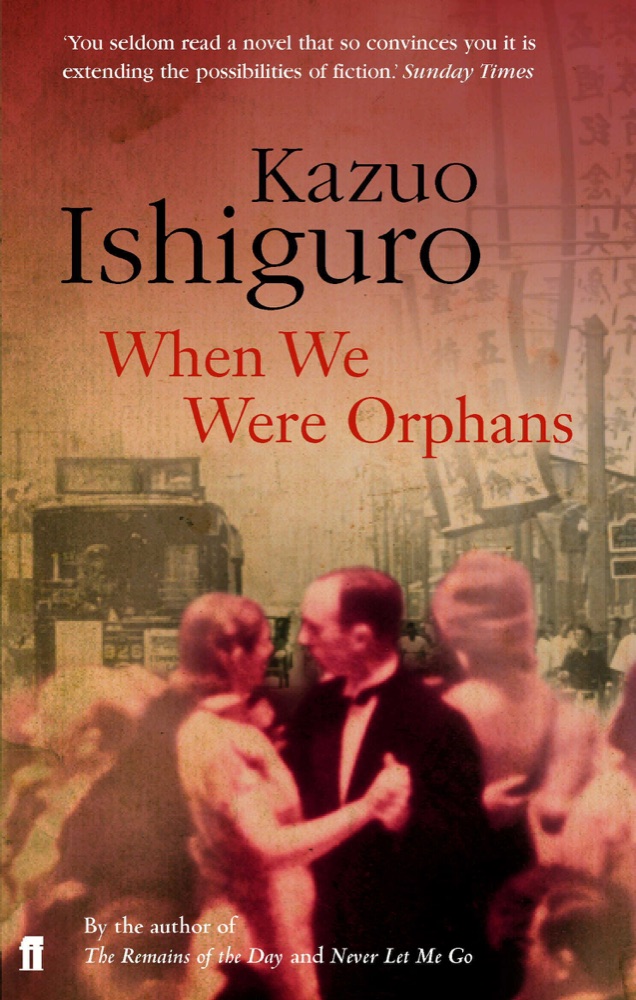
Christopher Banks, an English boy born in early-twentieth-century Shanghai, is orphaned at age nine when his mother and father both vanish under suspicious circumstances. Sent to live in England, he grows up to become a renowned detective and, more than twenty years later, returns to Shanghai, where the Sino-Japanese War is raging, to solve the mystery of the disappearances.
Book details
- First published
- 2000
- Author
- Kazuo Ishiguro
- Genre
- Fiction
- Goodreads rating
- 3.54 (49k ratings)
The buzz
- The New York TimesReview in The New York Timesprofessional review (via Book Marks)
- The GuardianReview in The Guardianprofessional review (via Book Marks)
- Kirkus ReviewsReview in Kirkus Reviewsprofessional review (via Book Marks)
- Publishers WeeklyReview in Publishers Weeklyprofessional review (via Book Marks)
- SalonReview in Salonprofessional review (via Book Marks)
- BrooklynrailReview in Brooklynrailprofessional review (via Book Marks)
Keep reading
 The Road Back
 Liberation Day
 The Wars
 What Is the What
 The Girl Who Smiled Beads: A Story of War and What Comes After
 Testament of Youth
 The Last Year of the War
 I'll Be Seeing You
 You Can't Go Home Again
 The Book of My Lives
 Warlight
 A Small Place
 The Time in Between
 The Tunnel
 The Cat's Table
 Disoriental
 Middlesex
 Re: Colonised Planet 5, Shikasta
 The Night Diary
 We Are Not Free
 The Complete Stories
 Brideshead Revisited: The Sacred and Profane Memories of Captain Charles Ryder
 The Notebooks of Malte Laurids Brigge
 How Beautiful We Were
 Life & Times of Michael K
 The Kite Runner
 The Emperor of Gladness
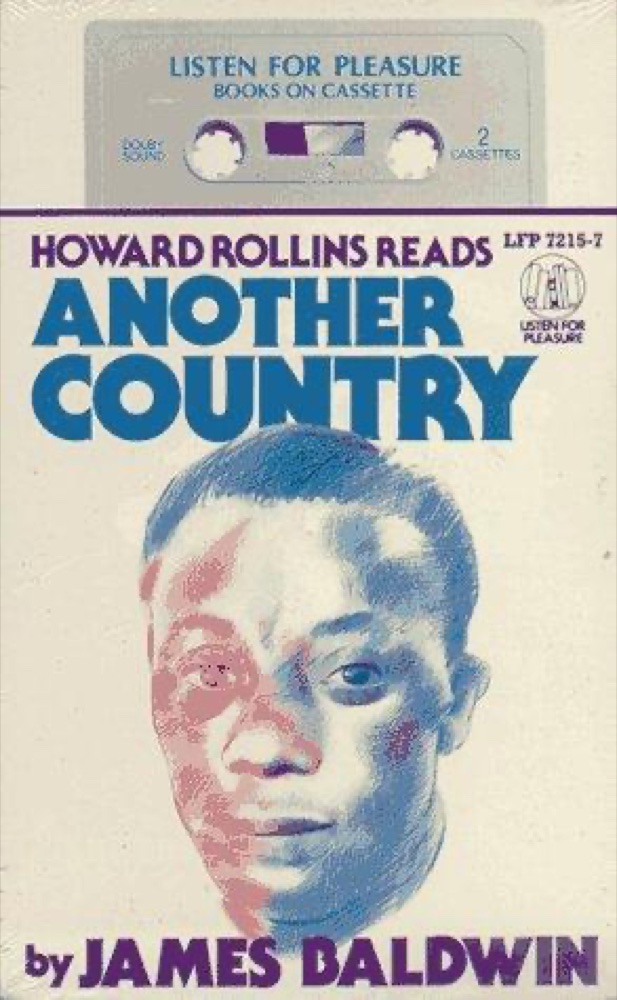 Another Country
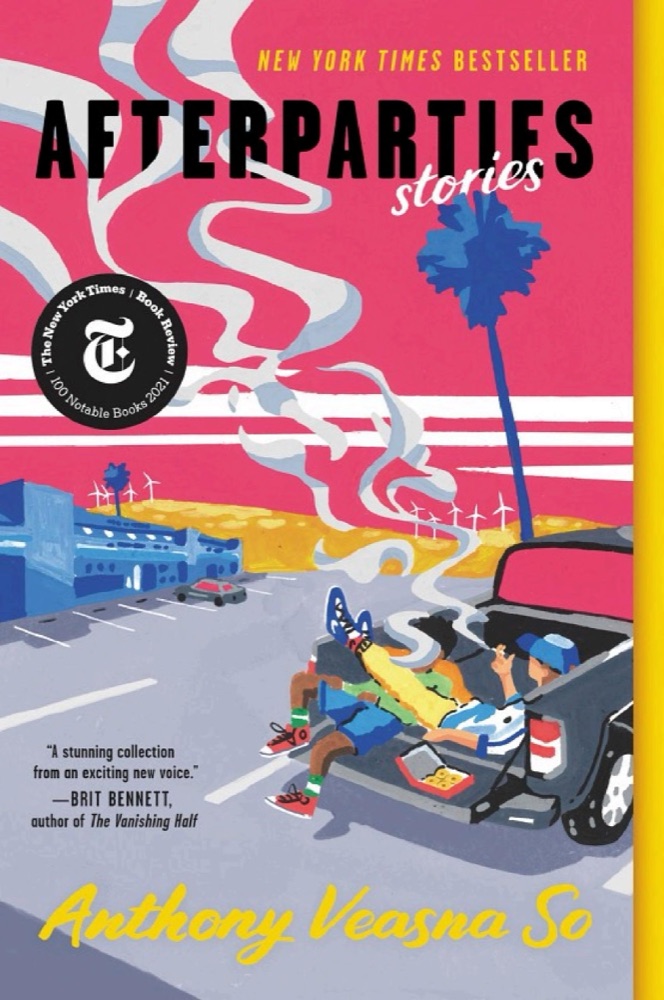 Afterparties
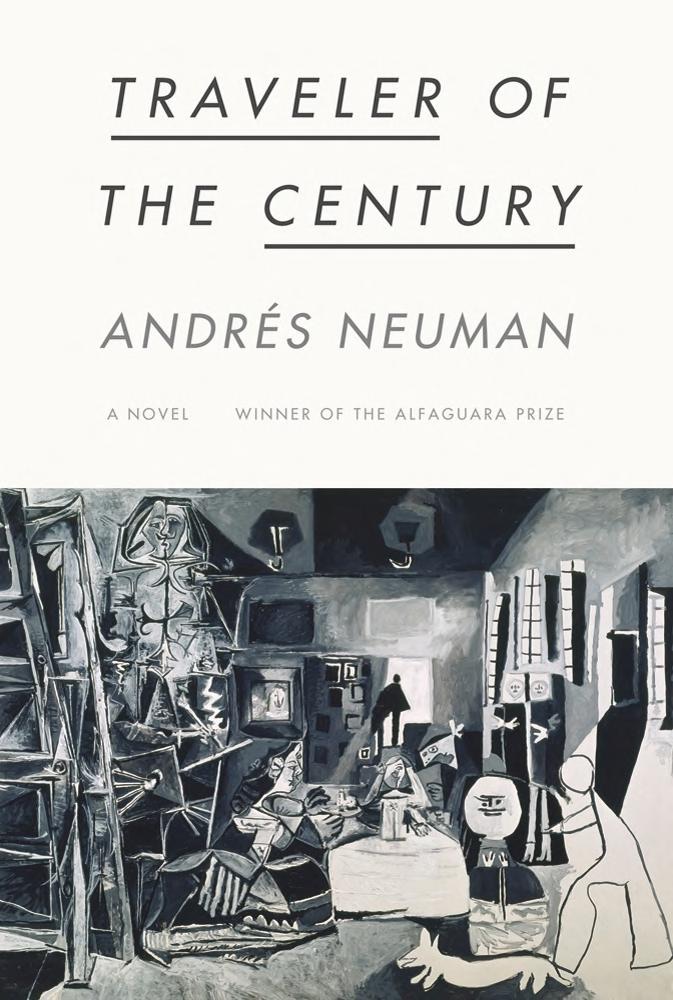 Traveler of the Century
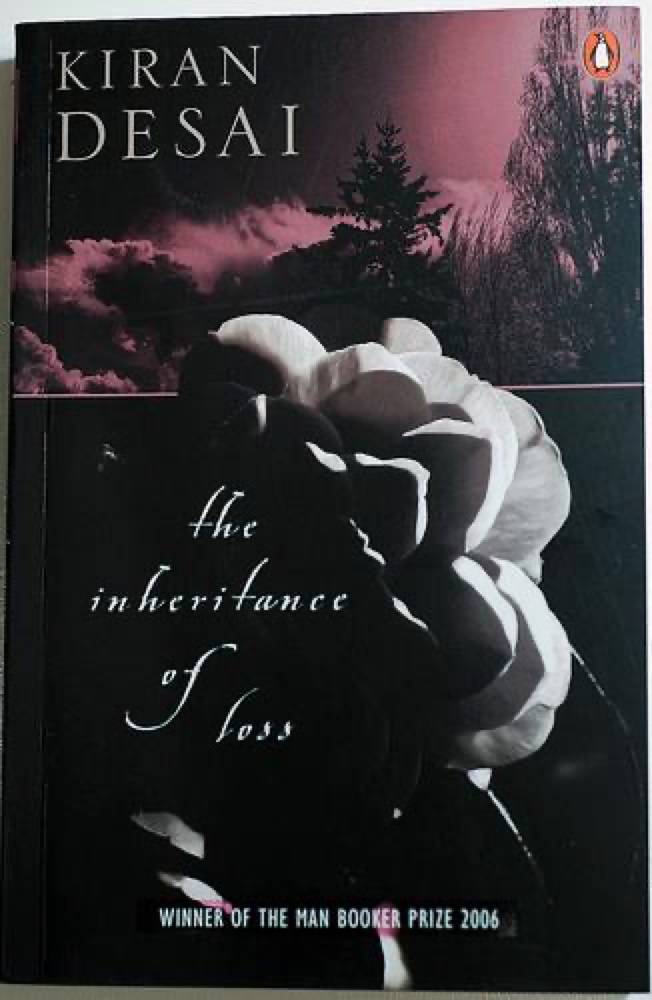 The Inheritance of Loss
 While England Sleeps
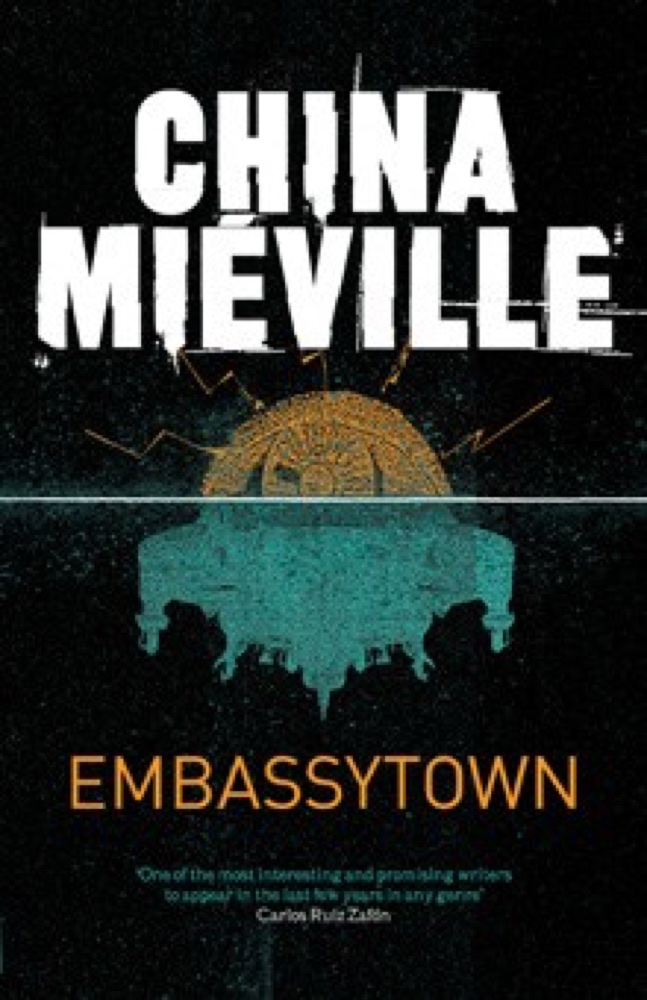 Embassytown
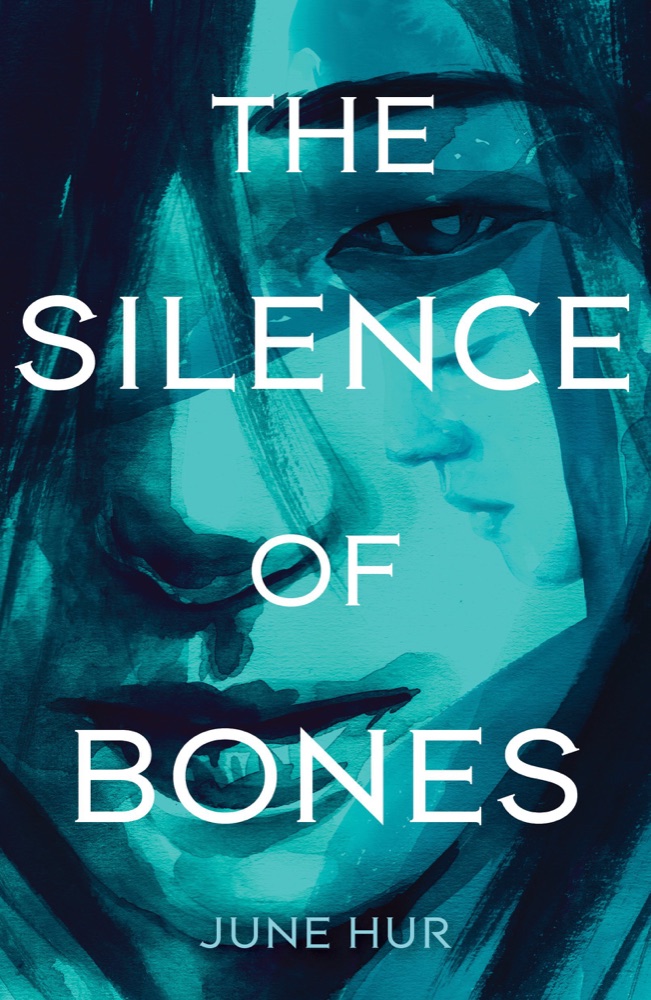 The Silence of Bones
 The Complete Short Stories
 Dreams from My Father: A Story of Race and Inheritance
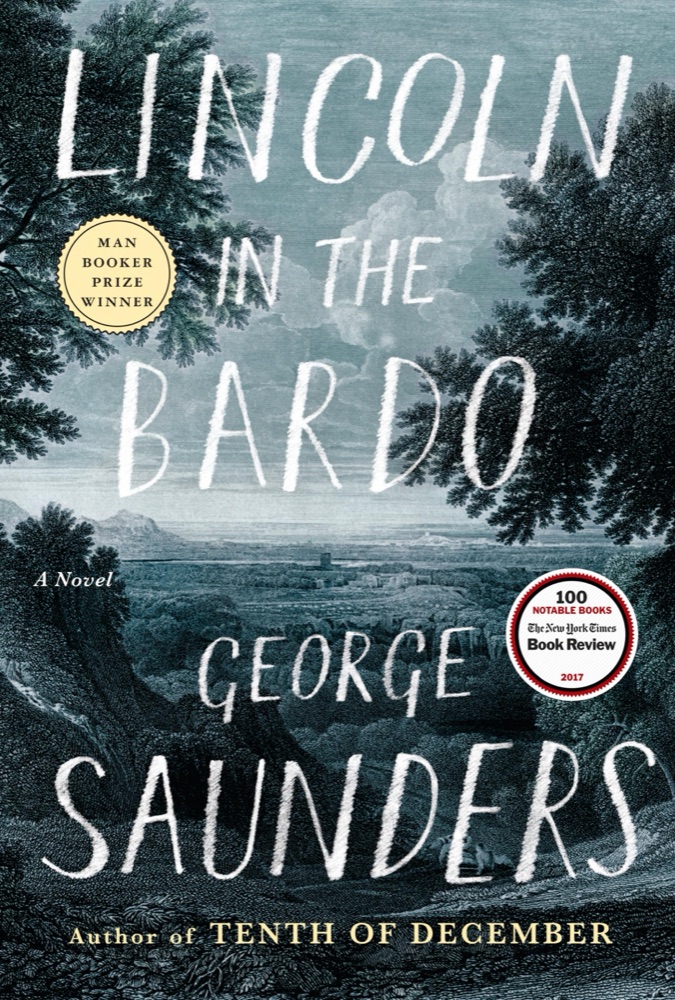 Lincoln in the Bardo
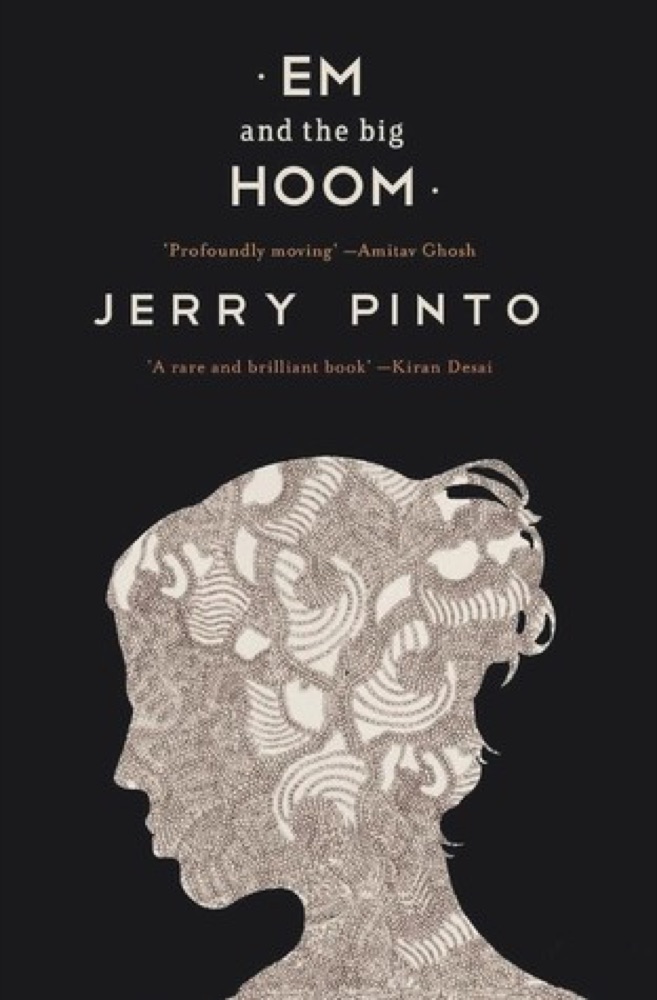 Em and The Big Hoom
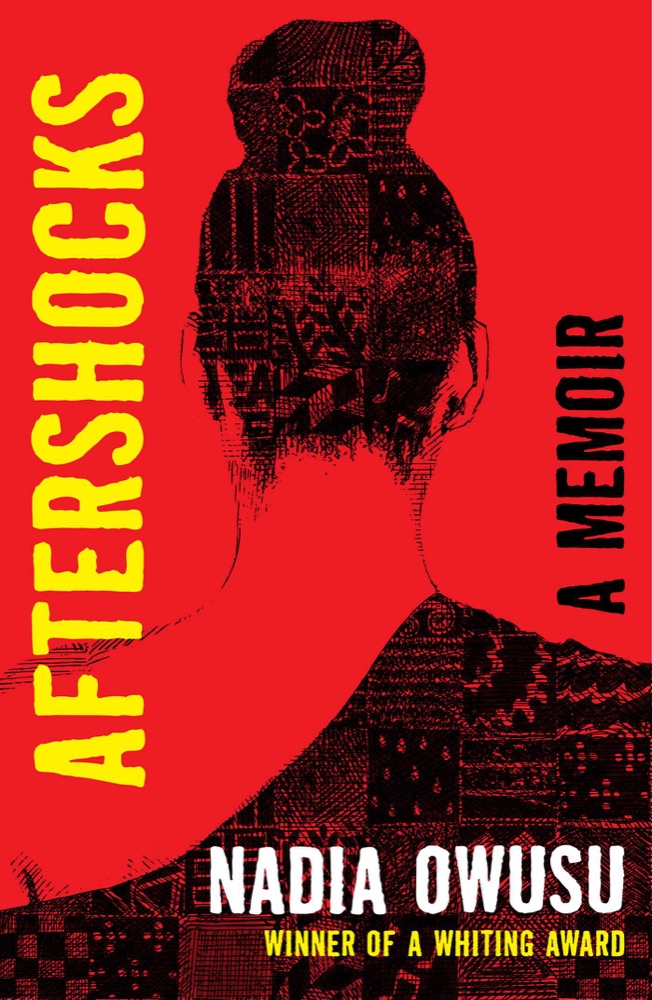 Aftershocks
 Generation X: Tales for an Accelerated Culture
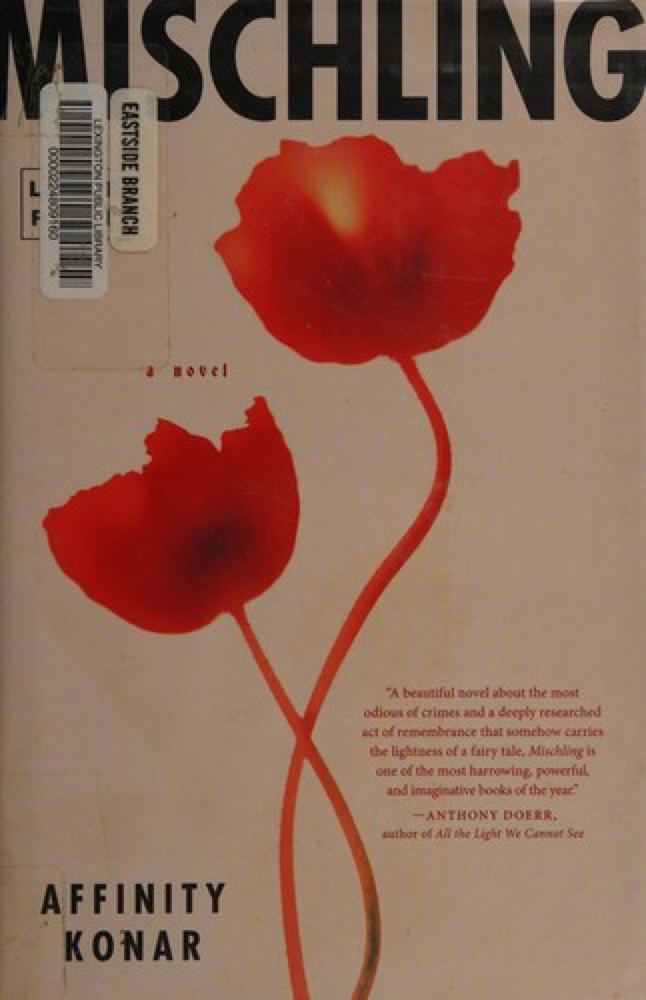 Mischling
 All God's Children Need Traveling Shoes
 The Moor's Last Sigh
 The Fountains of Silence
 Children of the Mind
 The Good Soldier
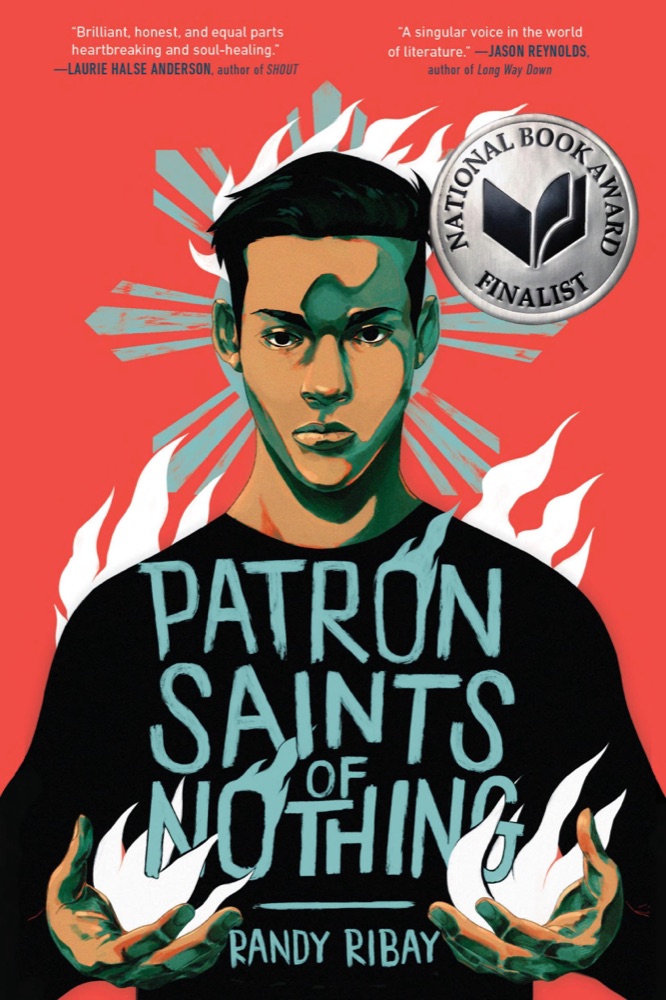 Patron Saints of Nothing
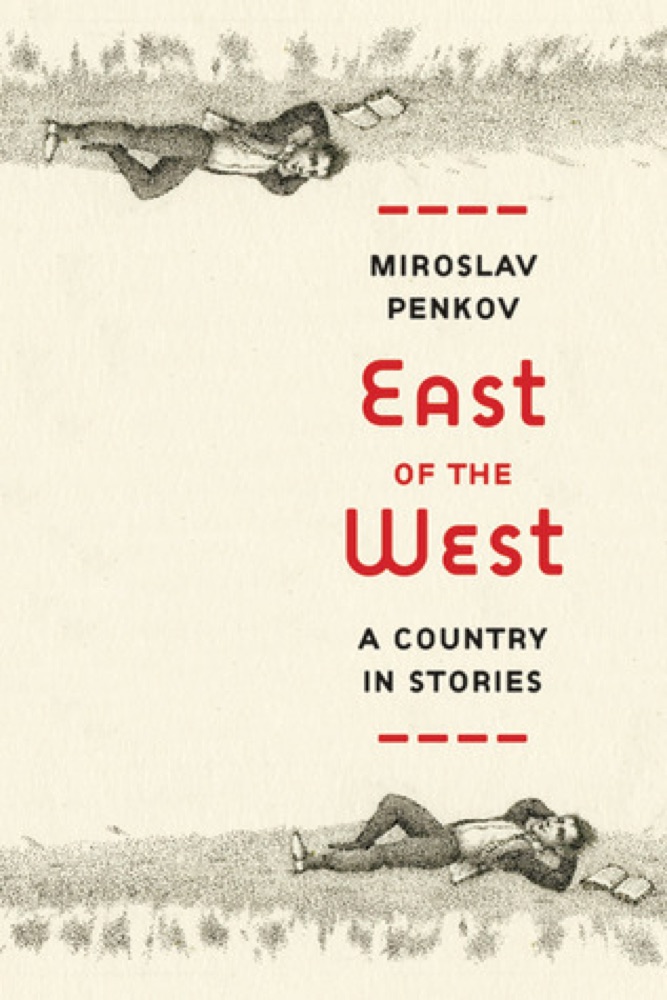 East of the West: A Country in Stories
 The Chrysalids
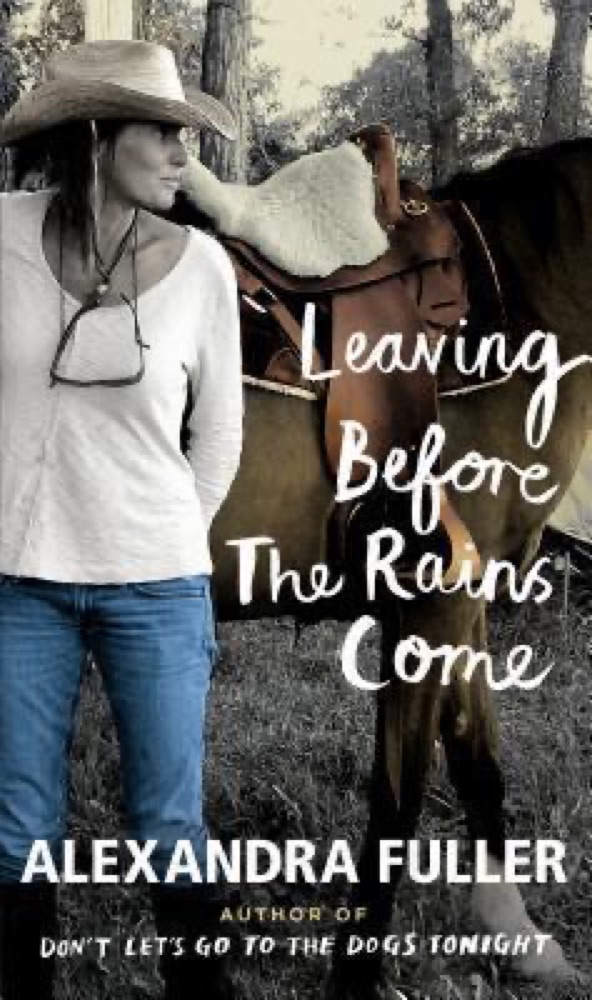 Leaving Before the Rains Come
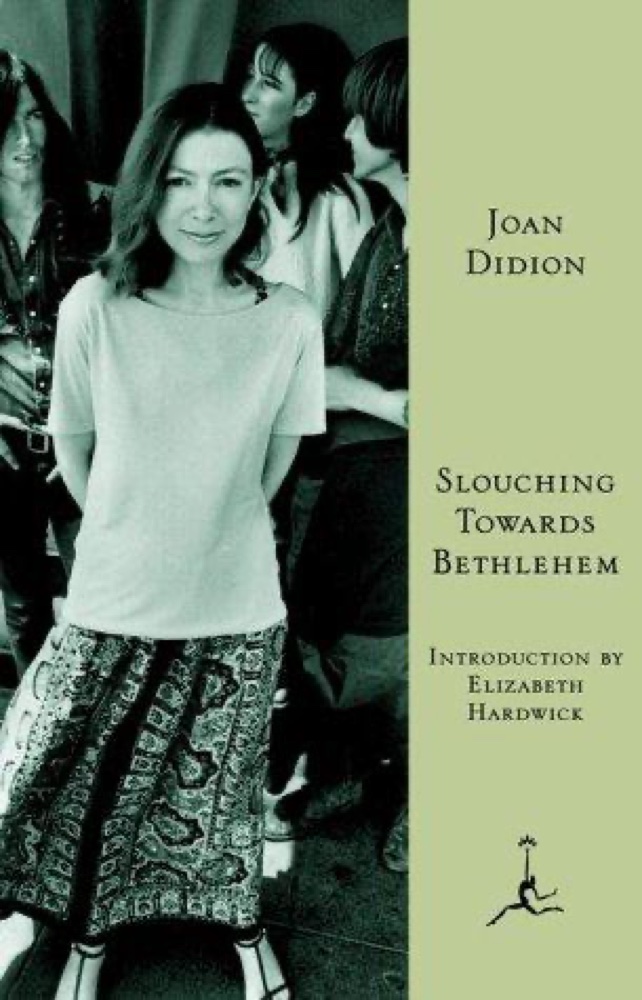 Slouching Towards Bethlehem
 So Long, See You Tomorrow
 Dream Count
 Canada
 The Vast Fields of Ordinary
 Cities of the Plain
 The Story of the Lost Child
 The Sweet Hereafter
 Sigh, Gone: A Misfit's Memoir of Great Books, Punk Rock, and the Fight to Fit In
 Divisadero