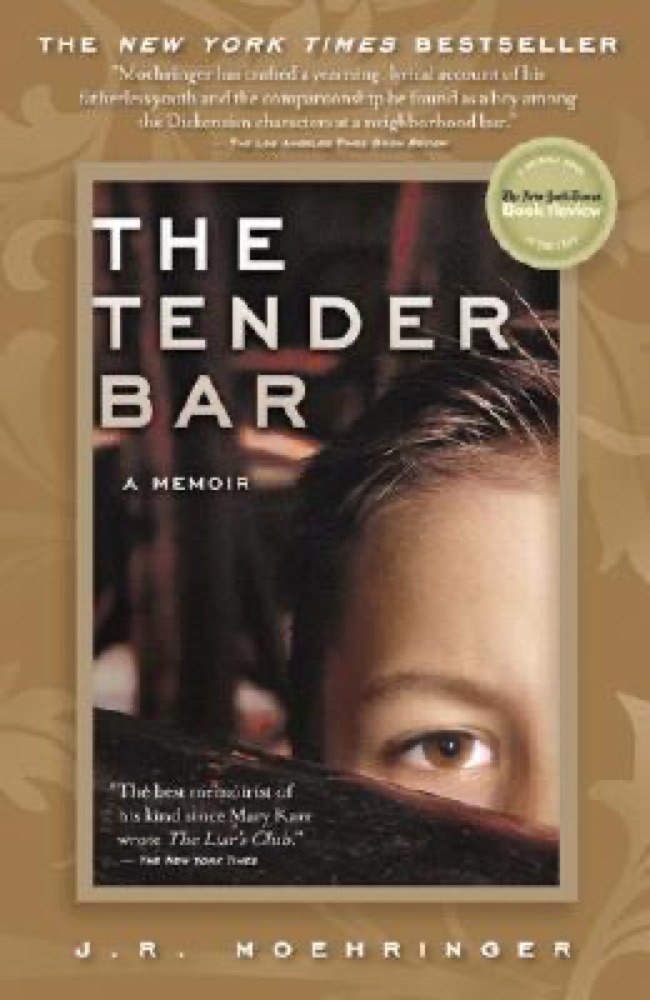
 The Tender Bar
Quotes from the Book
My father loved the library because it was a safe haven for him — no missed cultural cues, no bigoted insults from his coworkers, no glaring reminders of what was lost. All patrons of the library were pilgrims to the oracle, all seeking the same thing: knowledge. And in their pursuit of the same thing, they were all equals.
25
Do we want words to be powerful or powerless? We can't have it both ways. If we want them to be powerful, we have to act and speak accordingly, handling our words with the fastidious faith that they can do immeasurable good or irreparable harm. But if we want to say whatever we want- if we want to loose whatever words fly into our minds- then we render words powerless, ineffectual, and meaningless, like the playground bromide of "sticks and stones." That childhood logic leads you to believe that suffering corporal trauma is worse than verbal trauma.
14
Was this the real me? Stripped of the ability to look like a punk- what defined me as one? Not my jacket. Not my clothes. My friends? My enemies? No. What I did determined who I was, not what I looked like or what I liked. My actions and reactions. Did I emerge from the shell? I felt naked and free. Was I now pupa or chrysalis? I felt like myself- and that was what punk was. The freedom to be who I was unapologetically, even if I hadn't chosen it.
13
I began to wonder why I felt like I had to choose one thing over another. I was all of these things. I was a plurality. And I was one thing, one word. I was who I said I was. I had said to Professor Slotten: I'm Phuc. I circled back to my name, the only Phuc I had ever met and the only noun I had for who I was.
9
In Vietnamese, the word for country and the word for water are the same: Nước. Context obviously makes it clear if you're talking about the former or the latter, but in Vietnamese, your country is not the terra firma or the nationality; it's the water. The waters that feed the soil. The waters that lap your shores. If you ask someone where they're from, you're asking them literally from what waters do they come. The county of America is called, in Vietnamese, nước mỹ: the waters of America.
9
Go back to your country. What did that even mean? What country? The one we had lost? That made as much sense as telling us to run back inside a burning building because we weren't welcome outside.
7
I cried hard for everything. For nothing. For myself. For my parents. For the lives that we were supposed to have. For the stupid life that we did have. For the circumstances that made my father and mother who they were. I wanted to believe that they were better people. I cried for who they were and who they wanted to be. I cried for everything being so fucked up. I cried because I didn't see any future in front of me except for the bottom of Liam's closet. Whatever life I had hoped to have was gone and irreversibly changed. I felt sure of that.
6
A lumpy mass of American stereotypes was metastasizing inside me. It made me cringe when I heard Mr. Miyagi say "Wax on, wax off, Daniel San." It made me pretend to laugh when I saw Long Duk Dong in Sixteen Candles. It made me sign up for tae kwon do that year because that was what Asians did. It would be decades before I diagnosed the lump of alienation, dual consciousness, and self-hatred, but it was already growing quickly, bilious and caustic. I only saw myself as the piece that did not fit in the puzzle.
6
To me, it was the most obvious thing that I could have been thankful for. My grandparents- who spoke no English, who had fled Vietnam on a stolen boat- had bested my classmates' new puppies and Disney World vacations and ski weekends.
6
The vessel of my heart couldn't hold both my rage for my father and my love for my mother. Like glass subjected to heat and cold, I cracked.
5
As I read, I began to understand that all the great works wrangled with big questions, important questions: our place in the world, the value of our experience, the fairness and meaning of our suffering, our quest for love and belonging.
5
In no particular order, I read what I could, sometimes with Fadiman as my docent, sometimes not: Flaubert, Twain, Kerouac, Brontë, Kafka, Camus, Ibsen, James, Thurber, Shakespeare. But in the course of reading great books, something happened. My reading molded me, the tool hammering its hand into shape. By some miracle—and by miracle, I mean great teachers—I pushed past the shallowness and stupidity of my own motivations. I fell in love with the actual literature and the actual ideas of great literature. As an immigrant, as a Vietnamese kid, as a poor kid, I had collected so many scarlet letters of alienation that I connected profoundly to the great works. As I read, I began to understand that all the great works wrangled with big questions, important questions: our place in the world, the value of our experience, the fairness and meaning of our suffering, our quest for love and belonging. Universal themes bound these great works together, and they bound me to their oaky, yellowed pages like Odysseus lashed to the mast of his ship. I felt a connective and humanizing resonance in books: I wasn’t alone in my aloneness. I wasn’t alone in my longing for love. I wasn’t alone in my fear of being rejected, my fear of never finding my place, my fear of failing. The snarl of my journey was untangled and laid out clearly by books.
4
Maybe my dad was right: Maybe I was too sensitive. You people wasn't always a secret way of saying something bigoted. But I had heard it from a mechanic. I had heard it from a University of Pennsylvania alumnus. I had heard it from my father. In those instances, there lurked a subtle judgement about non-white races, yet I couldn't quite articulate it.
4
With my mother, I lacked the words to tell her what I needed. With my father, I lacked the trust to tell him, the trust that he wouldn't respond with violence or disappointment, the trust that he could give me heartfelt advice, that he could see the olive branch I was extending to him if I shared an intimate and personal experience with him. I didn't believe that he would be anyone different from who he had been (no matter how much I wanted or needed him to be different.
4
If you catch me in my off-guard moments, I’ll tell you that at some points in my life, I wanted to be white. It’s not a proud feeling, but it’s not a feeling that comes from the shame of being brown. It’s a tired feeling. Tired of the crushing racism. Tired of not belonging. It’s the exhaustion from fighting for your right to exist.
3
A teenage boy who liked existentialism? She might as well have said that chocolate was delicious or Freddie Mercury had a nice falsetto or Dickens was wordy.
3
What's worse than turning into a giant bug? Turning into a giant bug and having your family act like a bunch of assholes.
3
The dictionary had all the other words that we had looked up, and it never occurred to either of us that Wookiee was a made-up word, because who would make up a word? Wasn't the point of writing to use real words?
3
Do we want words to be powerful or powerless? We can’t have it both ways. If we want them to be powerful, we have to act and speak accordingly, handling our words with the fastidious faith that they can do immeasurable good or irreparable harm. But if we want to say whatever we want—if we want to loose whatever words fly into our minds—then we render words powerless, ineffectual, and meaningless, like the playground bromide of “sticks and stones.
2
Old water. New Water. Old country. New country. Aqua vitae. Giver of life. Destroyer of memories.
2
I didn't need to linger on the rednecks- they harassed us regularly- and I was thankful that I had my friends to back me up, not that I would tell them that. We misfit boys had only two settings: cool or angry. We were trapped by our own scripts, unable to publicly show excitement or fear or sadness.
2
When we got home to Carlisle, I put my Mets hat in my closet, ignoring Lou's endearing request that we wear the hats to match. I didn't want to look exactly like Lou. Two more Asian kids in New York baseball caps. It's how they already saw us- we just had to look at the movies.
2
It's true, you were born here, but it won't make sense to people. They'll still ask you where you're from. They mean Mom and Dad. And me. Your family- where we're from." "How did that man know that we weren't from here?" "It's complicated..." I chose not to explain bigotry to Lou, though he probably already knew it.
2
Camus writes that in the midst of the plague, as the citizens of Oran are dying in droves, Dr. Rieux affirms himself in his work. What do you do have control over? And what is beyond your control? As Camus's protagonist, Dr. Rieux offers an answer: when the world is coming apart, you do your job.
2
Teenagers and truck drivers: We're all on our way to somewhere else.
1
But if I allowed myself to be harmed by words, I was showing them that I belonged at least by virtue of understanding their language. And all I wanted was to belong.
1
In my editorial, the takeaway was so palatable: racists were bad people, bad apples in the barrel. But bad apples were easy to spot. What Malcolm X was suggesting was that it was the whole barrel—America—that was the problem, but my teenage brain rejected that notion immediately. I didn’t want to believe that the barrel itself was rotten because I was in that same barrel.
1
The logic, though simple, was airtight. Ask a Nazi, punch a Nazi. Whack-A-Mole fascism.
1
Could you love reading and still love punk? I had assumed that you couldn't be a skate punk and geek out on books, but Philip had changed that perspective. I had wanted to ensure that I would fit in, and suppressed my nerdiness as anathema to punk rock. But Philip had obliterated that premise in an instant with a copy of The Stranger. Maybe this was my opportunity to be regarded as someone different, more interesting and complicated than the Vietnamese kid or a skate punk.
1
It felt like the opening line to life's little joke: an immigrant with a law degree walks into a tire factory to work a blue-collar job in a small town.
1
Watch on YouTube
About Phuc Tran
We have collected 30 quotes from 1 book by Phuc Tran on BookQuoters.
More about the author →About the book
For anyone who has ever felt like they don't belong, Sigh, Gone shares an irreverent, funny, and moving tale of displacement and assimilation woven together with poignant themes from beloved works of classic literature.
In 1975, during the fall of Saigon, Phuc Tran immigrates to America along with his family. By sheer chance they land in Carlisle, Pennsylvania, a small town where the Trans struggle to assimilate into their new life. In this coming-of-age memoir told through the themes of great books such as The Metamorphosis, The Scarlet Letter, The Iliad, and more, Tran navigates the push and pull of finding and accepting himself despite the challenges of immigration, feelings of isolation, and teenage rebellion, all while attempting to meet the rigid expectations set by his immigrant parents.
Appealing to fans of coming-of-age memoirs such as Fresh Off the Boat, Running with Scis
The buzz
- The New York TimesReview in The New York Timesprofessional review (via Book Marks)
- NPRReview in NPRprofessional review (via Book Marks)
- Kirkus ReviewsReview in Kirkus Reviewsprofessional review (via Book Marks)
- Publishers WeeklyReview in Publishers Weeklyprofessional review (via Book Marks)
- BooklistReview in Booklistprofessional review (via Book Marks)
- BookPageReview in BookPageprofessional review (via Book Marks)
Keep reading
The Tender Bar
 Erasure
 We Were Dreamers: An Immigrant Superhero Origin Story
 Aftershocks
 Hell of a Book
 A People's Future of the United States: Speculative Fiction from 25 Extraordinary Writers
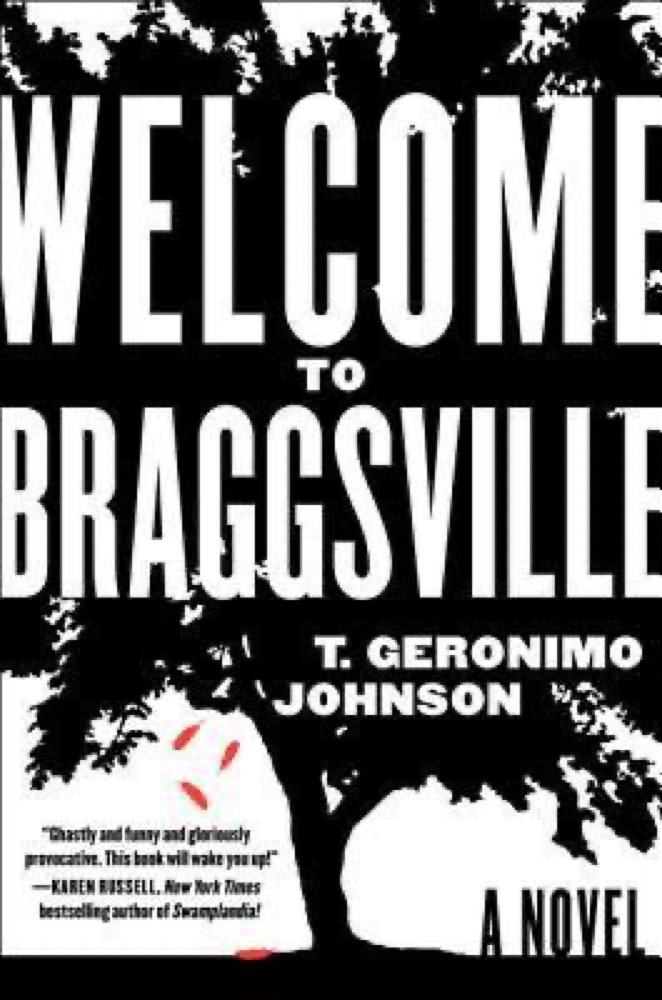 Welcome to Braggsville
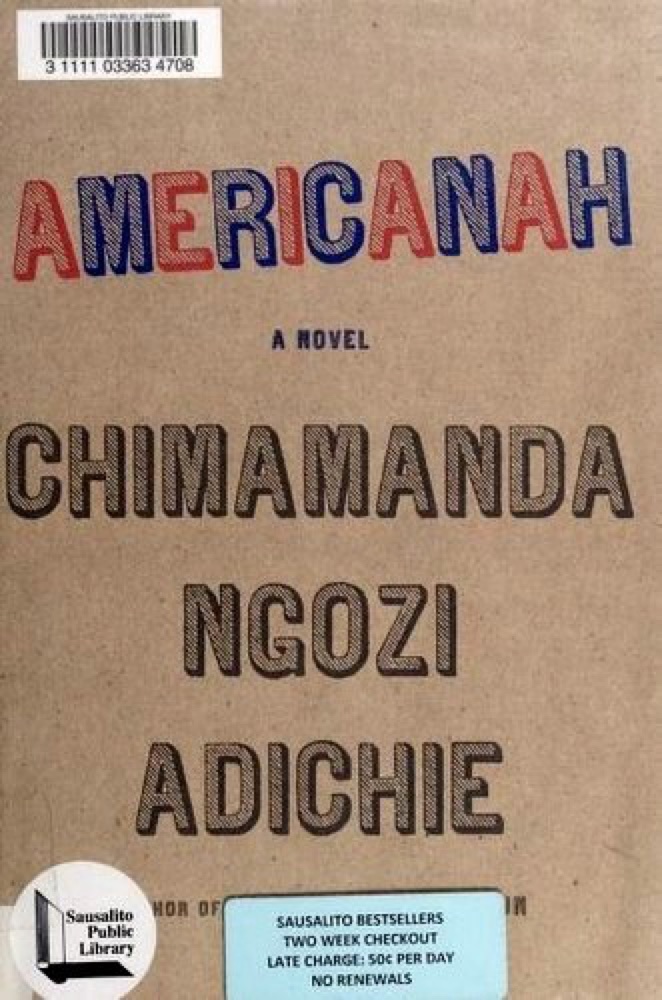 Americanah
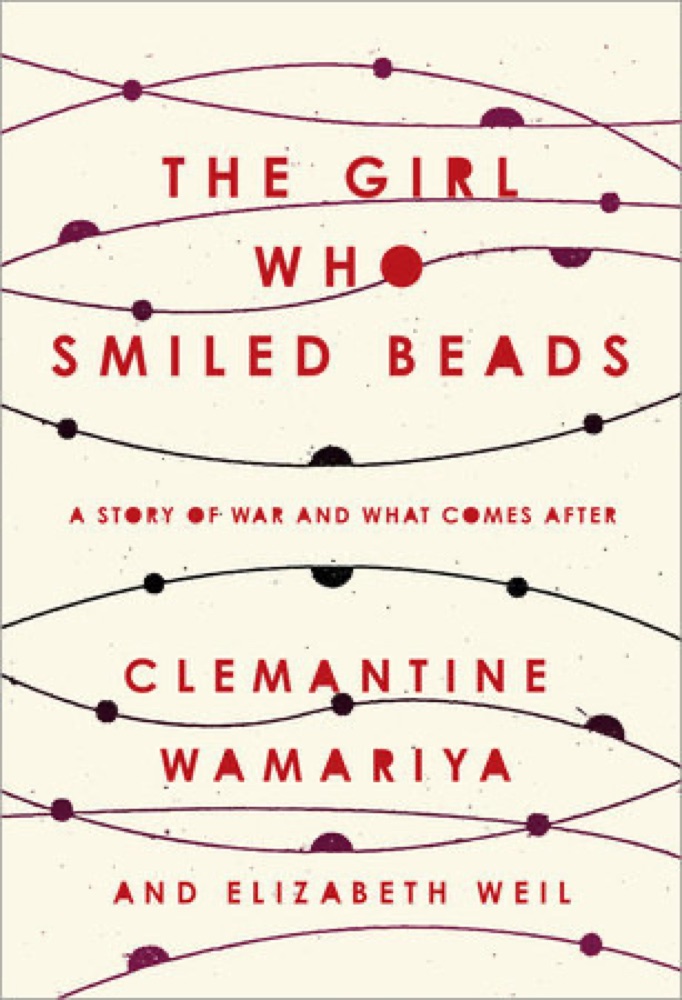 The Girl Who Smiled Beads: A Story of War and What Comes After
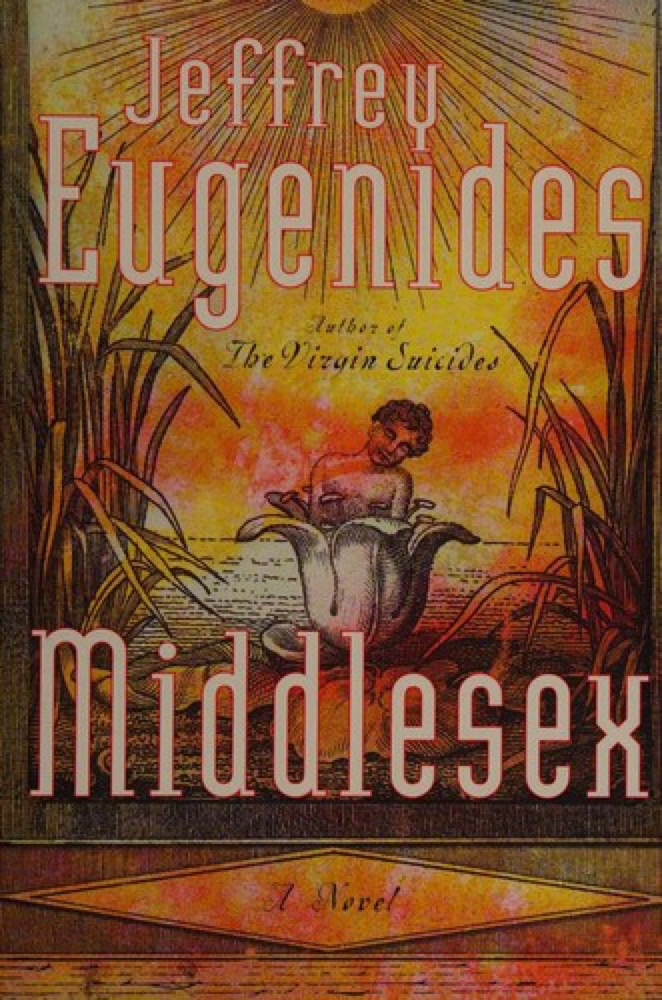 Middlesex
 How We Fight For Our Lives
 Afterparties
 One Day We'll All Be Dead and None of This Will Matter
 Heavy
Heavy
 Joan Is Okay
 Em and The Big Hoom
 The Book of My Lives
 Embassytown
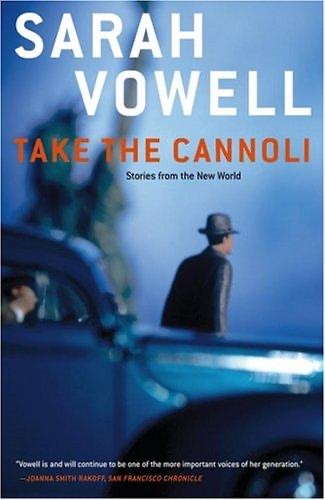 Take the Cannoli
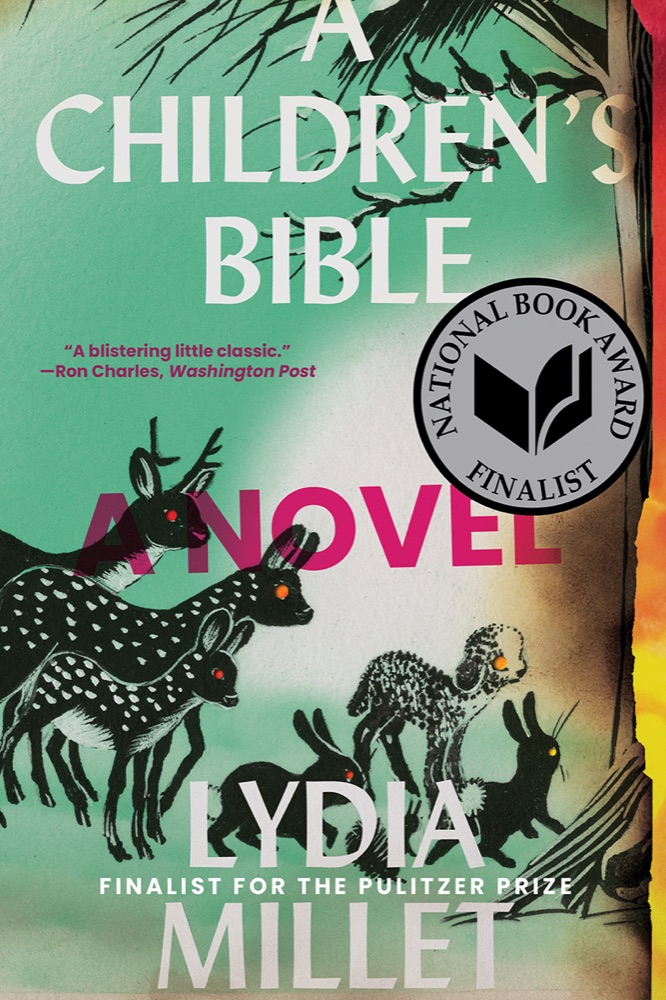 A Children's Bible
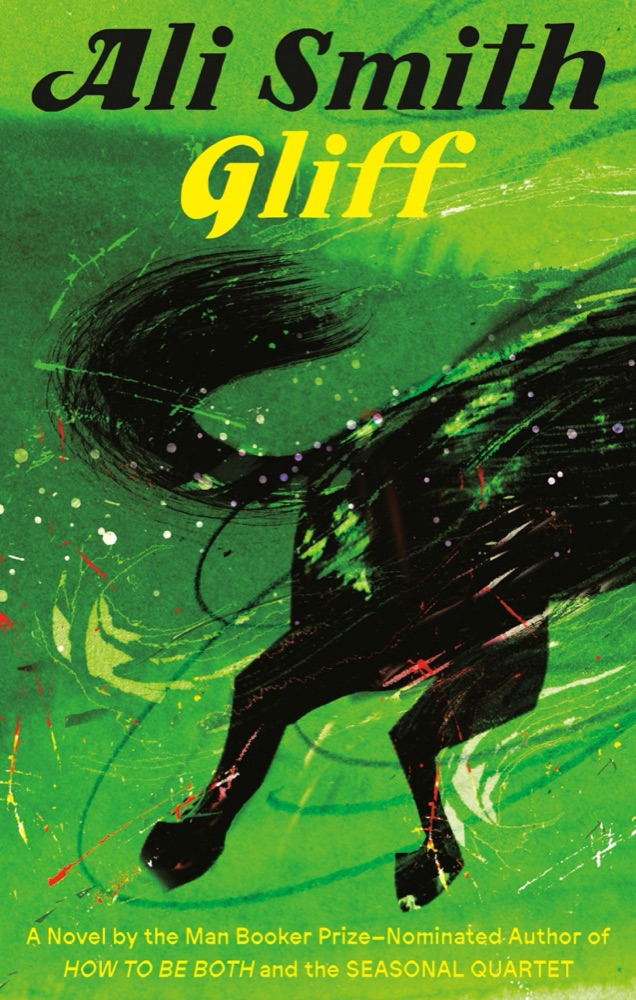 Gliff
Gliff
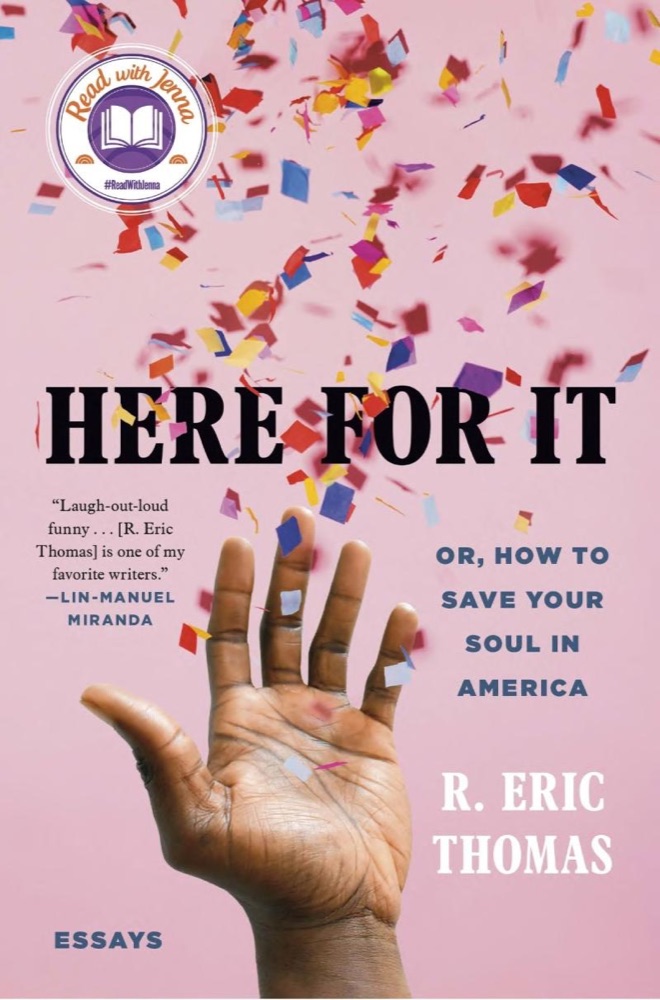 Here for It; Or, How to Save Your Soul in America: Essays
 Between the World and Me
 Anthropology of an American Girl
 Mister Pip
 Let's Explore Diabetes with Owls
 Go
Go
 The Idiot
 Liberation Day
 Notes on Your Sudden Disappearance
 The Book of Salt
 Where Things Come Back
 The Discomfort Zone: A Personal History
 The Absolutely True Diary of a Part-Time Indian
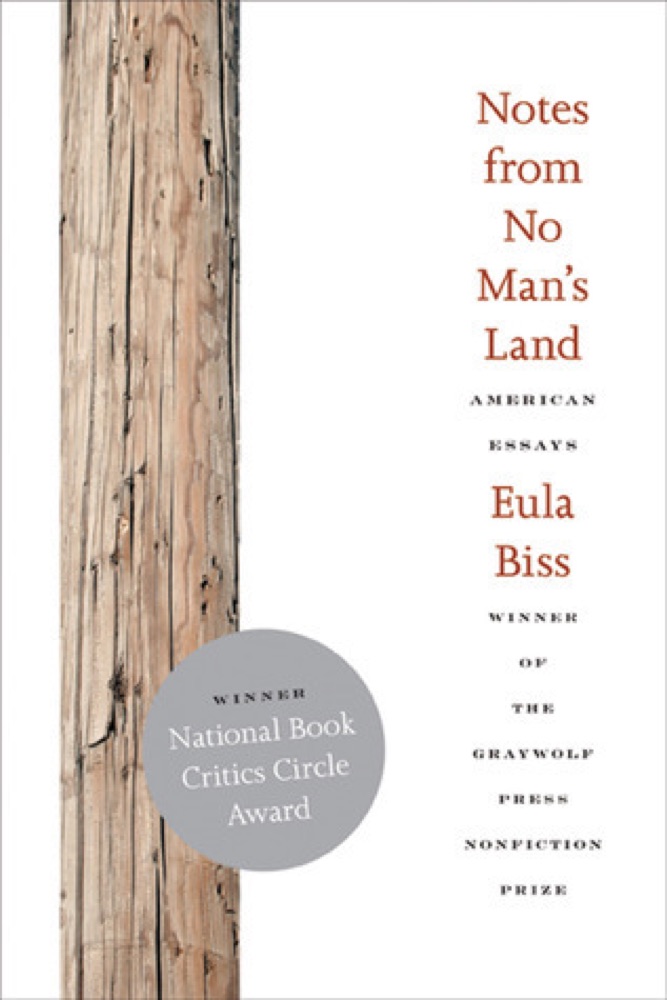 Notes from No Man's Land
 Plainwater: Essays and Poetry
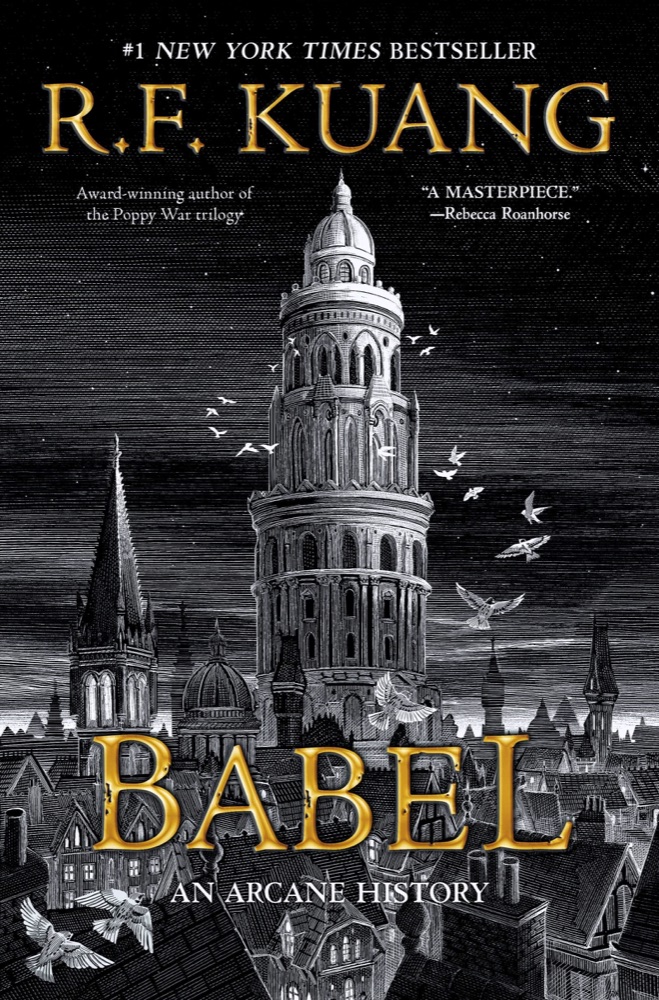 Babel
Babel
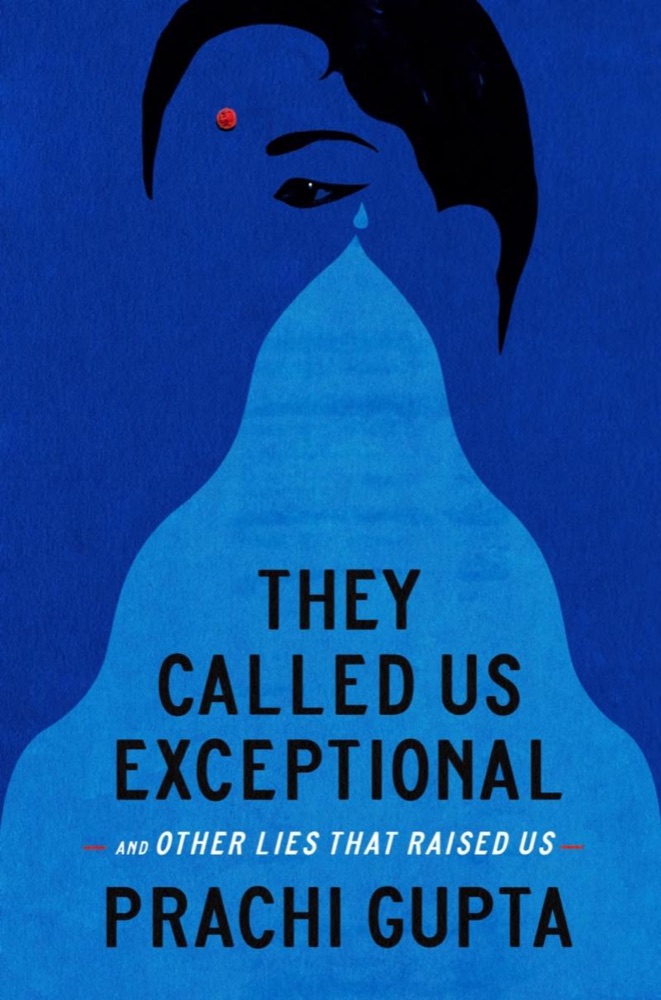 They Called Us Exceptional: And Other Lies That Raised Us
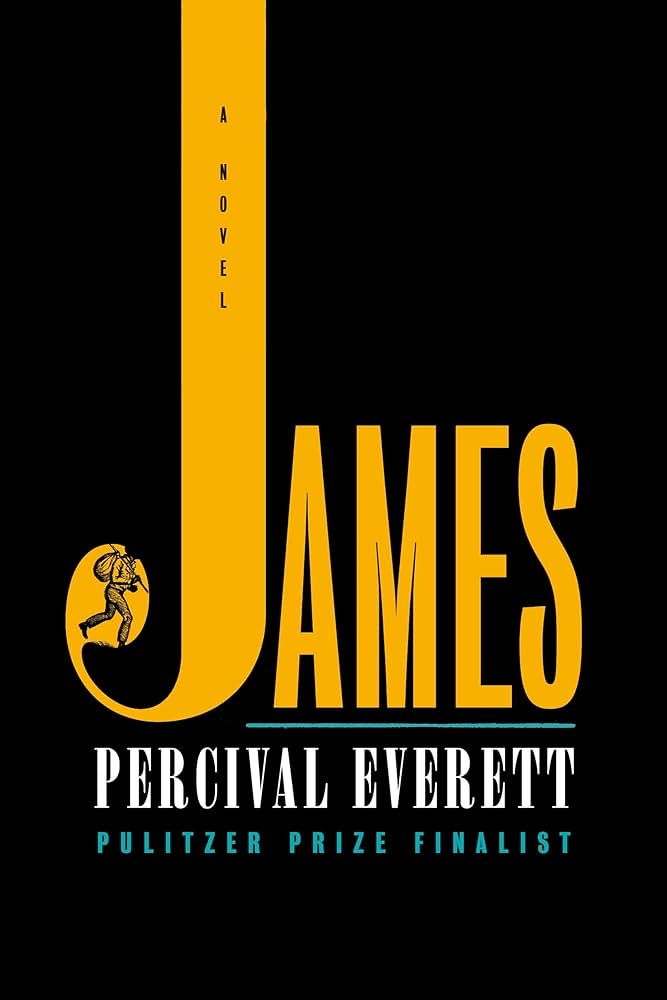 James
James
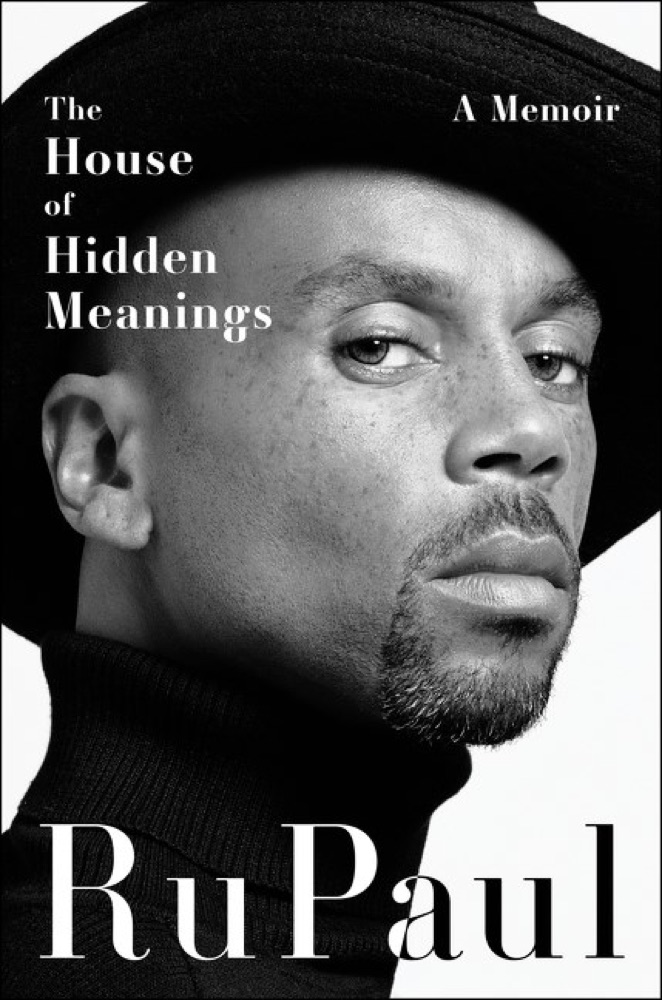 The House of Hidden Meanings
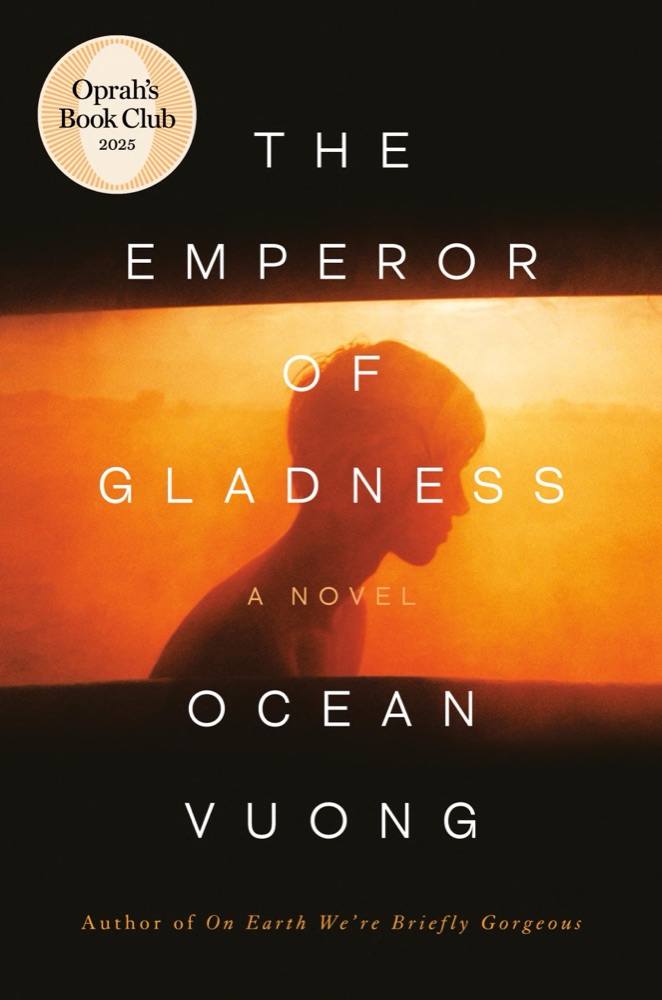 The Emperor of Gladness
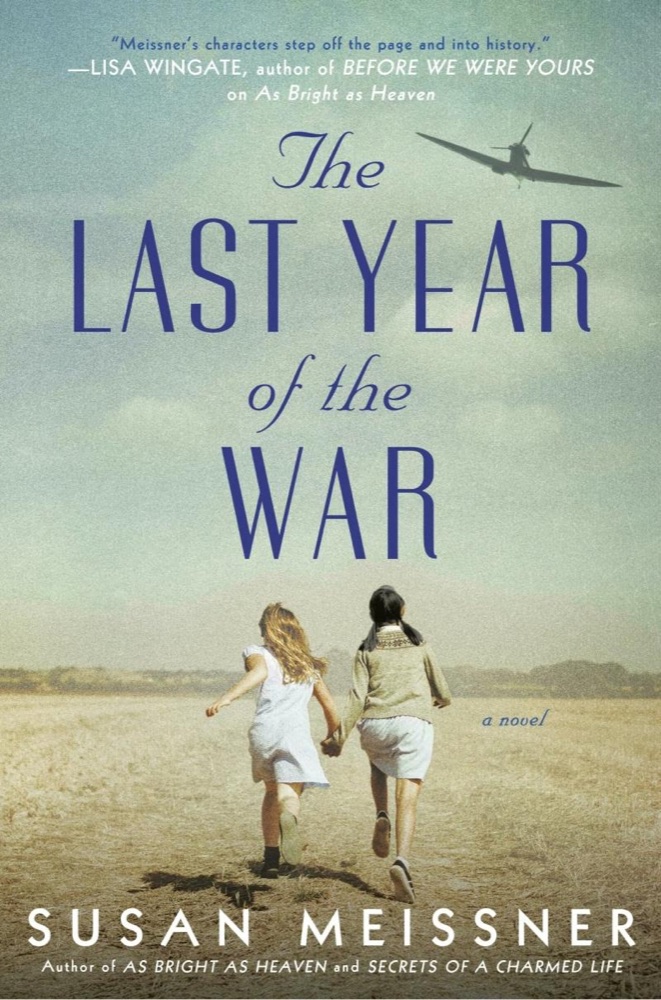 The Last Year of the War
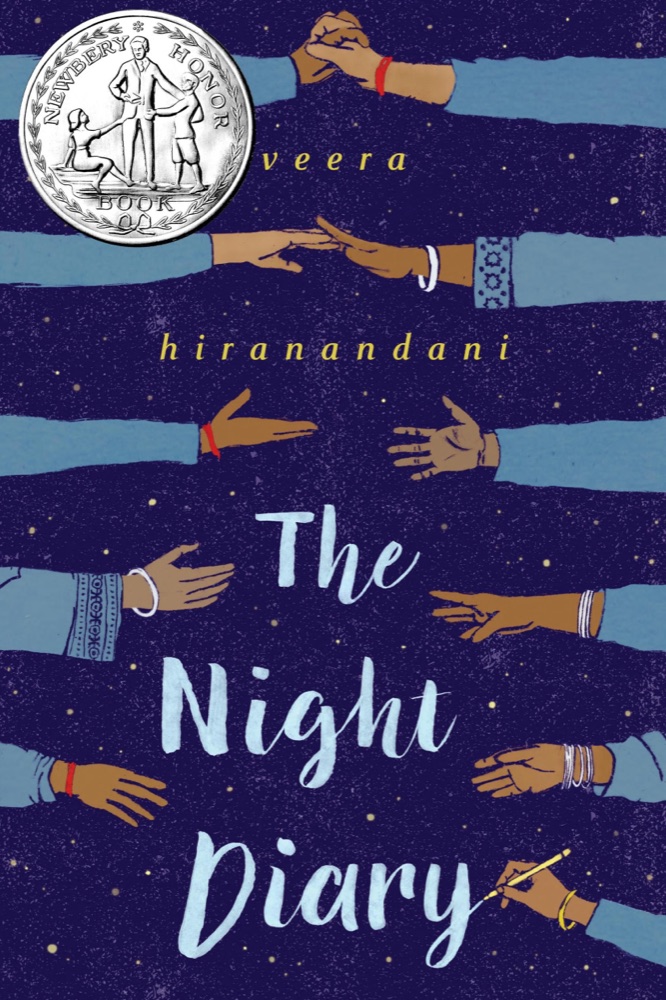 The Night Diary
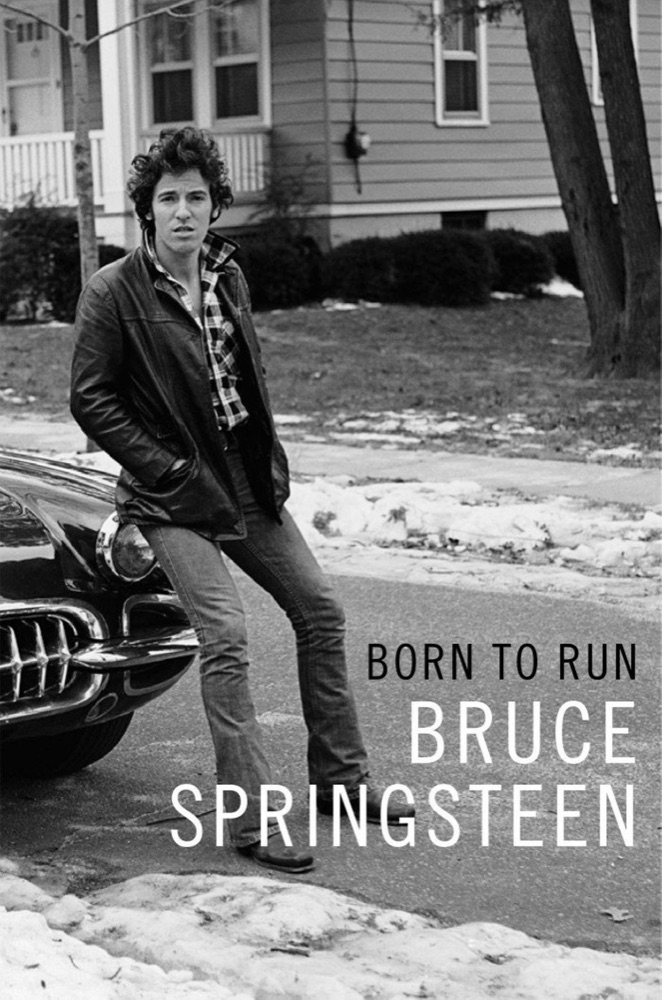 Born to Run
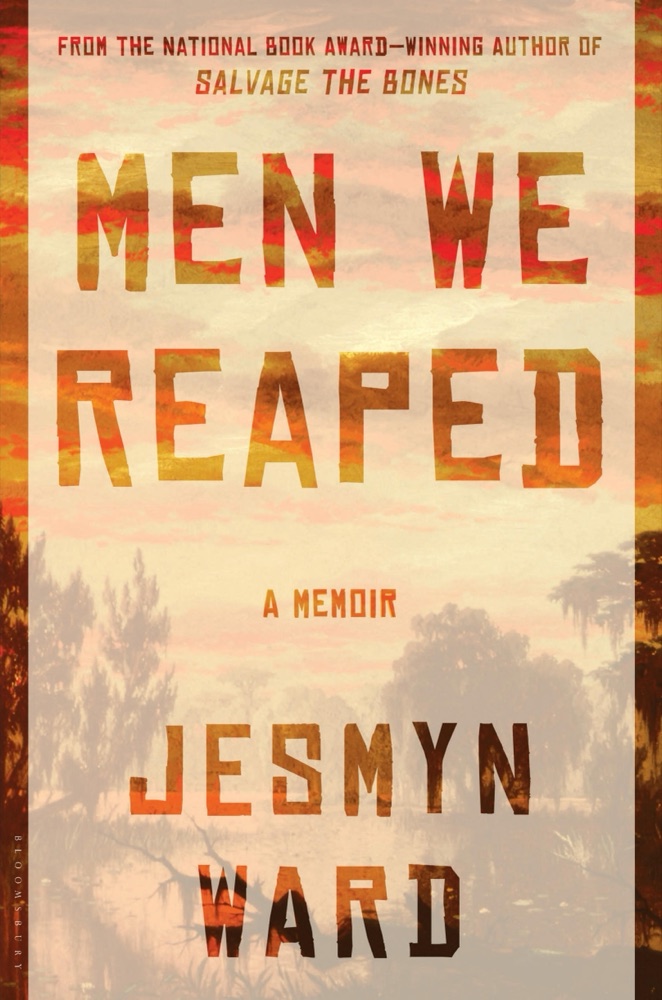 Men We Reaped
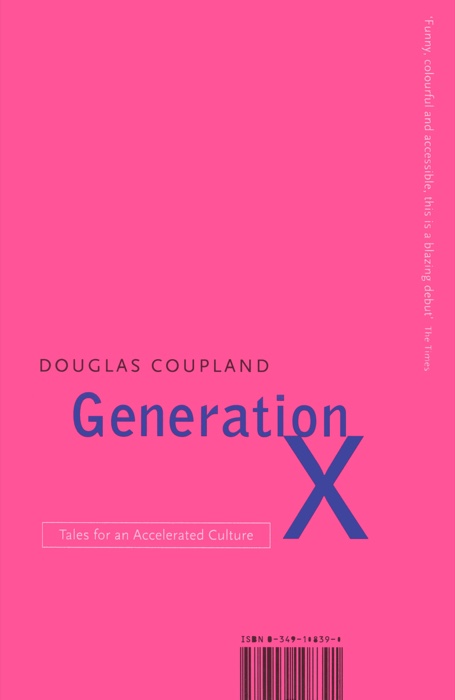 Generation X: Tales for an Accelerated Culture
 Wandering Stars
 Tell No One
 Purity
 Wade in the Water
 Milkman
 The Tunnel
 The Hour I First Believed
 I Am Not Sidney Poitier
 The Chronology of Water
 Family Life
 All God's Children Need Traveling Shoes
 Chances Are...
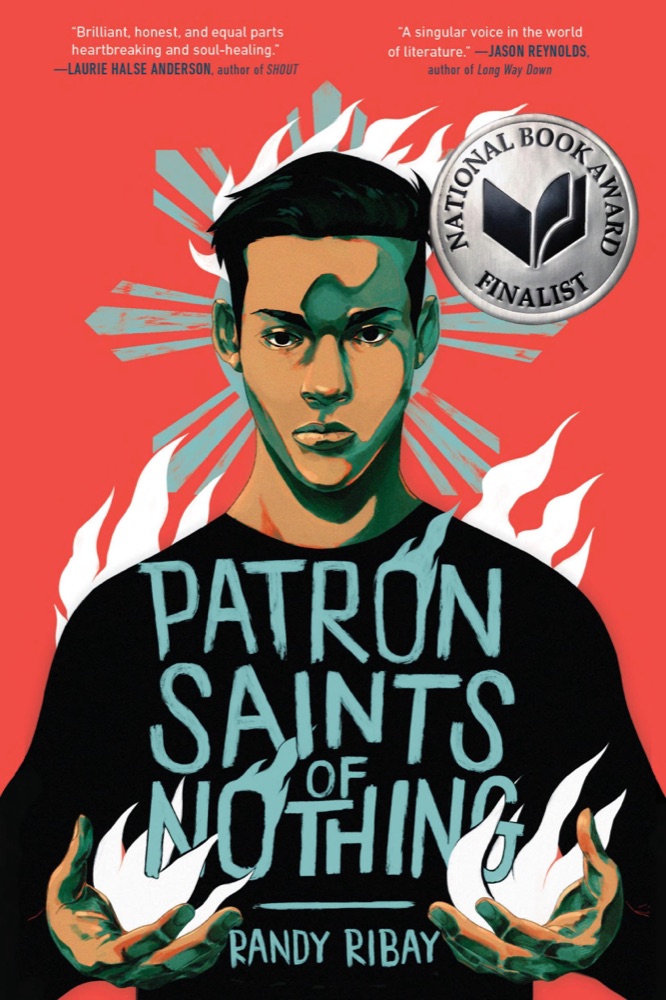 Patron Saints of Nothing
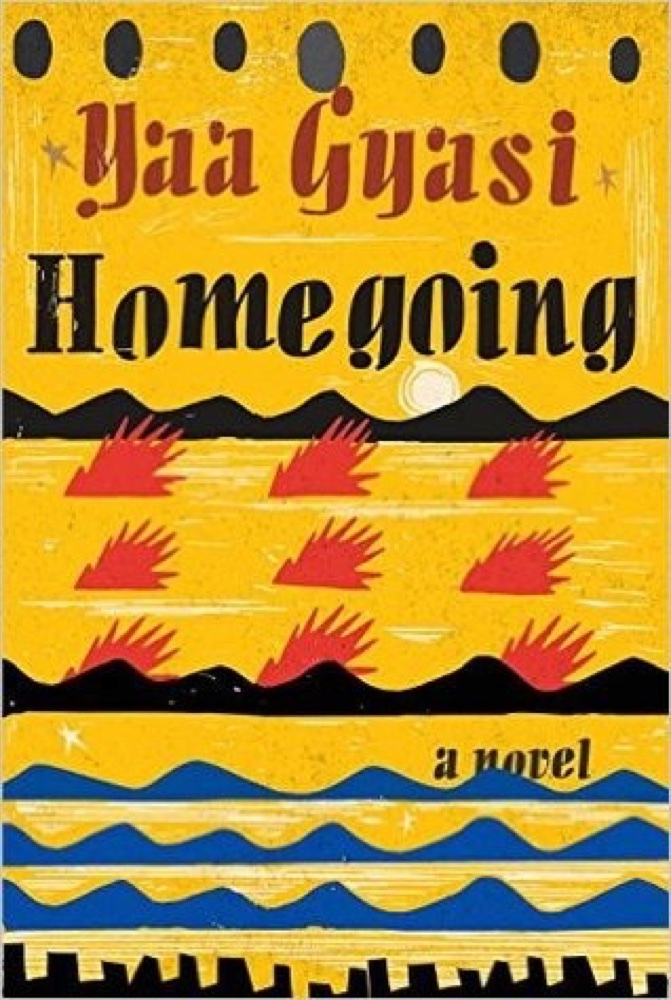 Homegoing