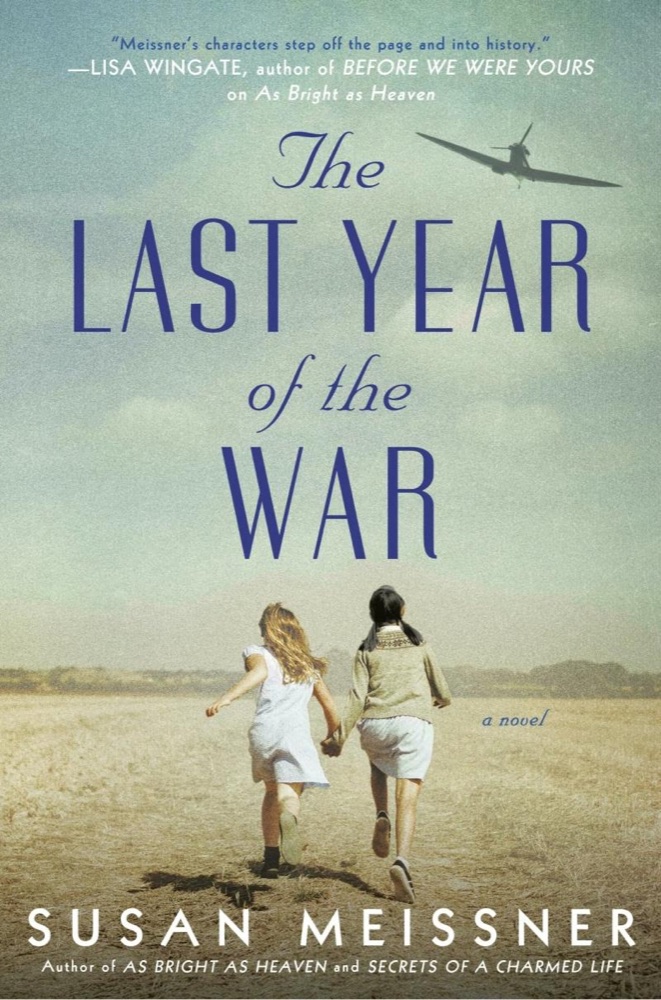

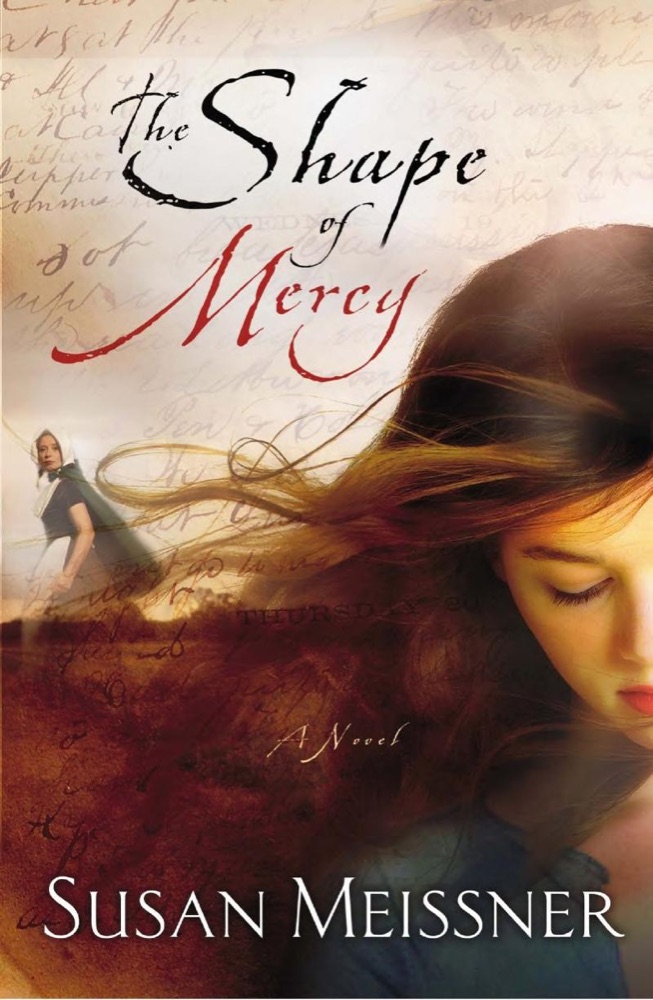
 The Shape of Mercy
Quotes from the Book
We do not become different people as we age; we just add layers of experience onto who we already are.
7
It is this day you are living right now, this very day, that is yours to make of it what you will. So make it beautiful, if you can.
5
Sometimes what you want is given to you in a way that is so very different from how you had pictured getting it
3
We decide who and what we will love and who and what we will hate. We decide what we will do with the love and hate. Every day we decide. It was this that revealed who we were, not the color of our flesh or the shape of our eyes or the language we spoke.
3
We belong far less to where we’ve come from than where we want to go. —FRANZ WERFEL
3
we are all on the road that leads to the edge of our mortality. Life is too brief to waste a minute of it chasing after things that don’t matter.
2
In that moment I began to see that there are times when there is no best choice. There is only this choice and that choice, and both are terrible.
2
And even as I'm telling her what I have done with my life, I realize that I have in fact learned what I am good at, what she told me so very long ago I needed to figure out. I am good at loving people, I have always been good at loving people, and I don't suppose there's any skill better than that. Surely that is what God intended all along for me.
2
Maybe being brave is different from being unafraid. If you're not afraid, what is there to be brave about?
2
It’s funny how just having an unobstructed view of the possible future can make you think you’re capable of achieving anything.
2
Love, in its own way, had been creating a home for all of us as we searched for that place where we belonged. Love was home.
2
That the past is nothing you can make friends or enemies of. It just is what it is. Or was. It is this day you are living right now, this very day, that is yours to make of it what you will.
1
Months later, in the internment camp, Mariko would tell me she believed there were two kinds of mirrors. There was the kind you looked into to see what you looked like, and then there was the kind you looked into and saw what other people thought you looked like.
1
I’ve come to believe the blurring of memories is how the brain protects itself from an event that does not need to be fully remembered. When you lose so much, all at once, it can be too dense an experience to embrace and own, even though it’s a part of you and always will be.
some things cannot be stirred together into the same pot because they will react in ways that can hurt someone. It is that way with fear and ignorance, I think. Those FBI agents were ignorant of my father’s true loyalties because they didn’t truly know him. They saw what little they saw and feared he was a danger. A threat. An enemy. I would learn this is what happened to Mariko’s parents, too, and to many of the other families at Crystal City. Mariko’s father and mother, who’d been in the States
it was a person’s choices that defined his or her identity and not the other way around.
what we will hate. We decide what we will do with the love and hate. Every day we decide. It was this that revealed who we were, not the color of our flesh or the shape of our eyes or the language we spoke.
Sometimes it’s not about right and wrong but now and later. Right now, we are having to put up with a difficult situation that we don’t deserve, and it’s not right.
Maybe being brave is different from being unafraid. If you’re not afraid, what is there to be brave about?
Mariko's tired eyes brighten a fraction. "Tell me," she whispers. "How did Calista get out of the tower?" I lean in close to her, with the conclusion of the story so obvious to me now. "Well, here's the thing," I say. "Calista suddenly realized she had wings. They were there all along; she just didn't know it. And so she flew out." Mariko grins, and when a tear slides down her cheek it looks like a thin strand of diamonds. "And where did she go?" "Wherever she wanted," I whisper as Mariko's eyes close in sleep.
But in the end, it was not Mommi's well-meaning advice that allowed me to discover the wonder and splendor of physical intimacy; it was my love for Hugh and his for me that guided our moments in bed; it was love that tutored me on how to be transparent and honest and open, love that gave me the confidence to be naked, in every sense of the word, and not run for cover. Love and desire coexist, but they are not the same thing. Love showed me that sex is about true oneness with another person more than it is a person's one truest pleasure.
It's the working class that truly make things happen, even in America," he said. "And the workingman isn't valued. I fought in this war no just to stop Hitler and the Nazis, but to stop all people who want to oppress their fellow man. You may not like hearing it, but the United States isn't a true democracy where all her people are fairly represented. It's always the rich who get elected. How can they represent the poor man? The U.S. *could* be a true democracy, but it isn't.
I saw then, perhaps never more clearly than in that moment, how my father's hands were just stronger versions of my own hands. They were the same as any man's hands his age. The same, the same, the same. The same as those of the innocent man in the death camp and the same as those of the Nazi soldier who'd raised his rifle and shot him dead. What made the three men different from one another was not their nationality or the shape of their hands or even the blood that flowed under the skin of their fingers. What made the three men different was how they chose to think. We decide who and what we will love and who and what we will hate. We decide what we will do with the love and hate. Every day we decide. It was *this* that revealed who we were, not the color of our flesh or the shape of our eyes or the language we spoke.
I *was* happy, and the war, which had been so adept at stealing everything I loved, could not steal this, because happiness is not something that can be taken from you. You can lose it, but no one can take it from you. Not even the thief that is war.
War takes a toll on civilians that is different from what it bleeds from its soldiers. The deprivations of war are a slow but steady sacrifice. I'd learned of it first in Davenport, and then in Crystal City, enough so that I recognized what I was seeing in this town. I knew that to bear the continual loss of ordinary joys you had to erect a kind of barricade within yourself, like a cave in which to hide. You could then walk around on the streets of what once had been a pretty city, but was now battered, in an insulated semi-daze. This was how you dealt with it, and the more grievous the loss, the thicker the insulation around you had to be.
*Nice* was a word that I'd not been able to say in such a long time, and it encompassed so much in that moment. It truly did. *Nice* is a throwaway word until it's not.
Sometimes it's not about right and wrong but now and later. Right now, we are having to put up with a difficult situation that we don't deserve, and it's not right. But later, when the war is over, we'll remember that we didn't let it break us. . . .
. . . Wars begin and wars end. There will be peace again. We only need to hold on to who we are, deep within, so that we'll recognize ourselves on the other side when it's over.
He was worried I might one day naively mix laundry bleach with ammonia and he wanted to make sure I understood some things cannot be stirred together into the same pot because they will react in ways that can hurt someone. It is that way with fear and ignorance, I think.
Watch on YouTube
About Susan Meissner
We have collected 51 quotes from 2 books by Susan Meissner on BookQuoters.
More about the author →More by Susan Meissner
The Shape of Mercy
About the book
Elise Sontag is a typical Iowa fourteen-year-old in 1943--aware of the war but distanced from its reach. Then her father, a legal U.S. resident for nearly two decades, is suddenly arrested on suspicion of being a Nazi sympathizer. The family is sent to an internment camp in Texas, where, behind the armed guards and barbed wire, Elise feels stripped of everything beloved and familiar, including her own identity.
The only thing that makes the camp bearable is meeting fellow internee Mariko Inoue, a Japanese-American teen from Los Angeles, whose friendship empowers Elise to believe the life she knew before the war will again be hers. Together in the desert wilderness, Elise and Mariko hold tight the dream of being young American women with a future beyond the fences.
Book details
- First published
- 2019
- Author
- Susan Meissner
- Genre
- Historical
- Goodreads rating
- 4.21 (24k ratings)
The buzz
- Kirkus ReviewsReview in Kirkus Reviewsprofessional review (via Book Marks)
- Publishers WeeklyReview in Publishers Weeklyprofessional review (via Book Marks)
- New York Journal of BooksReview in New York Journal of Booksprofessional review (via Book Marks)
- BooklistReview in Booklistprofessional review (via Book Marks)
- BookreporterReview in Bookreporterprofessional review (via Book Marks)
Keep reading
 The Girl Who Smiled Beads: A Story of War and What Comes After
 Varina
 A Brightness Long Ago
 Wide Awake
 Dreams of Falling
 The Gap of Time
 I'll Be Seeing You
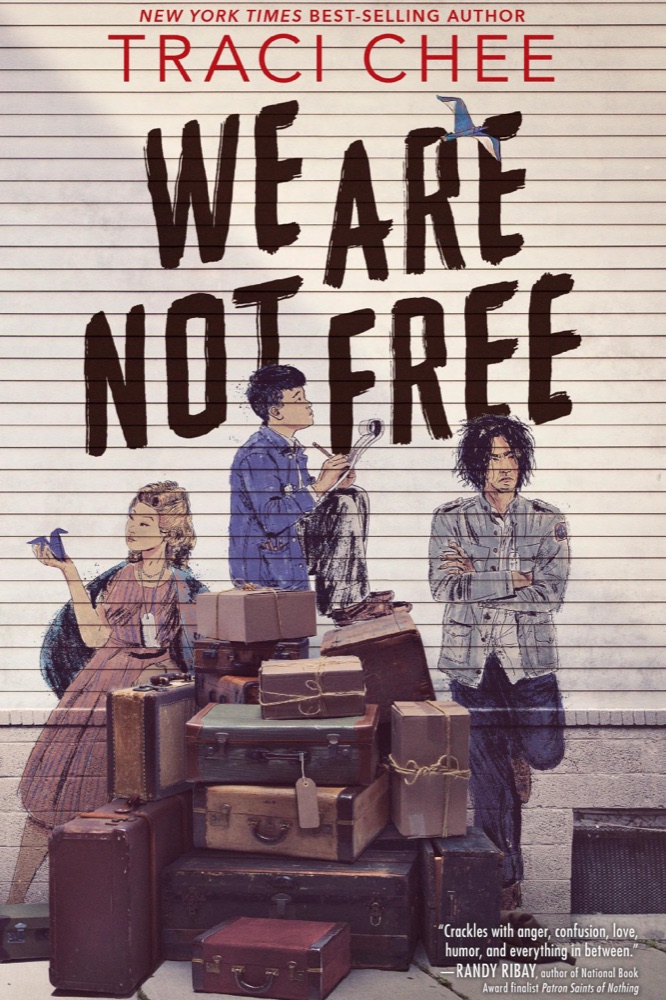 We Are Not Free
 These Precious Days: Essays
 Change of Heart
 Anthropology of an American Girl
The Shape of Mercy
Anthropology of an American Girl
The Shape of Mercy
 The Apocalypse of Elena Mendoza
 The Night Diary
 The Zahir
 The House in the Cerulean Sea
 Children of the Mind
 The Time Between
 A Small Indiscretion
 Now Is the Time to Open Your Heart
 Oranges Are Not the Only Fruit
 Liberation Day
 My Mother's Secret
 Say Goodbye for Now
 Middlesex
 Stay
Stay
 Chances Are...
 Ascension
 The Reader
 Colorless Tsukuru Tazaki and His Years of Pilgrimage
 Finding My Way: A Memoir
 To Paradise
 The Year of Magical Thinking
 Under the Whispering Door
 Never Stop Walking: A Memoir of Finding Home Across the World
 Kafka on the Shore
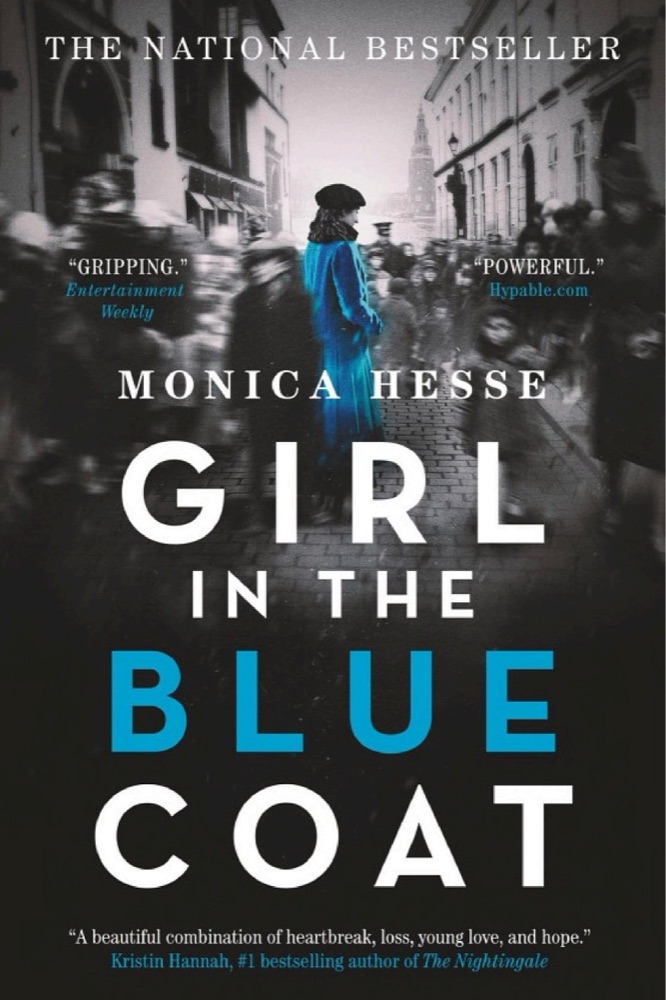 Girl in the Blue Coat
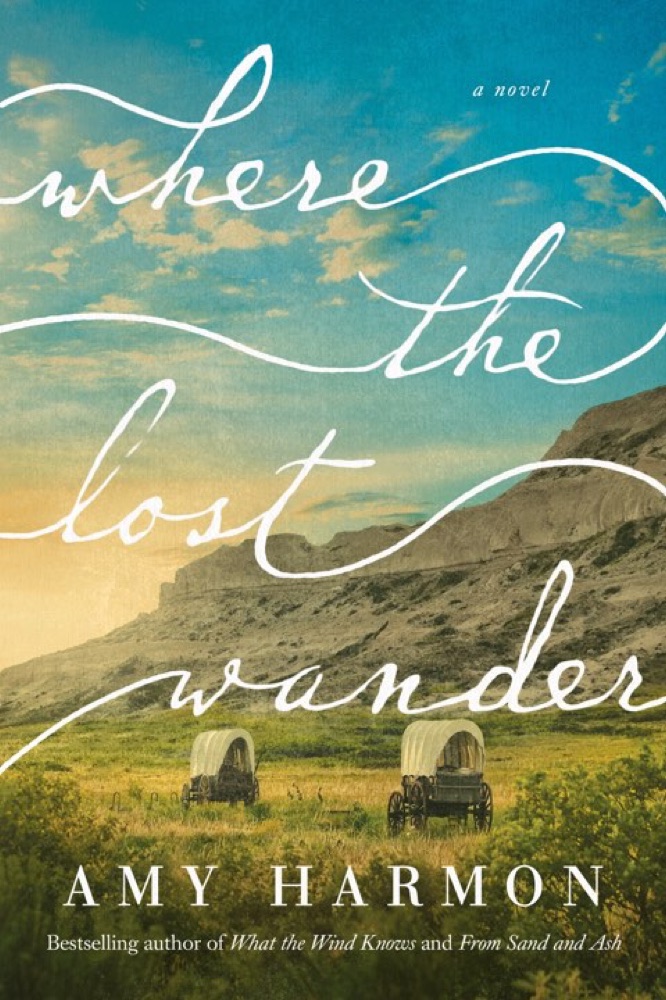 Where the Lost Wander
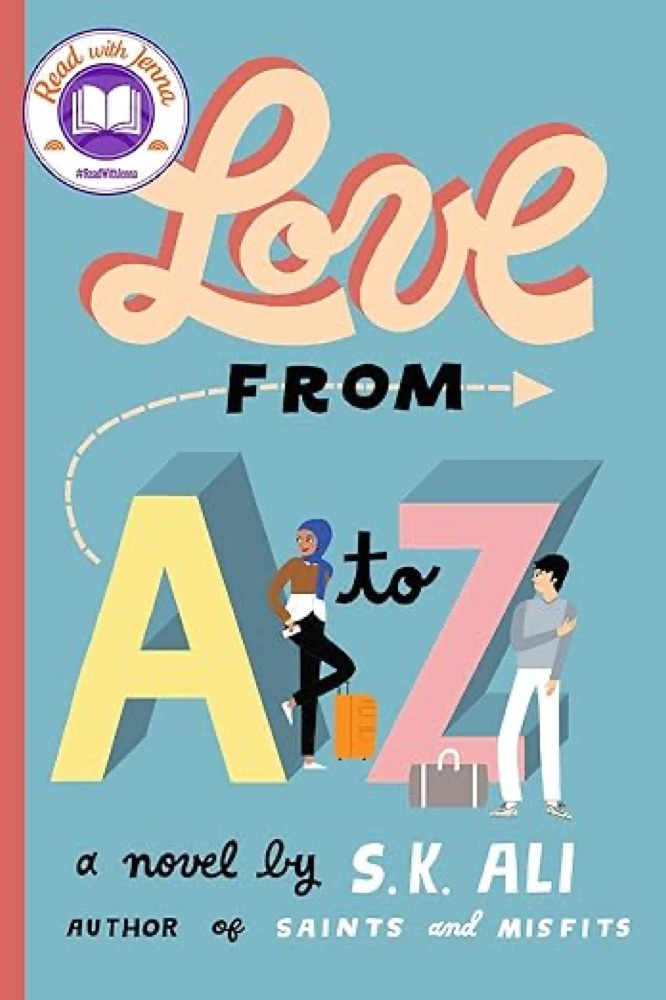 Love from A to Z
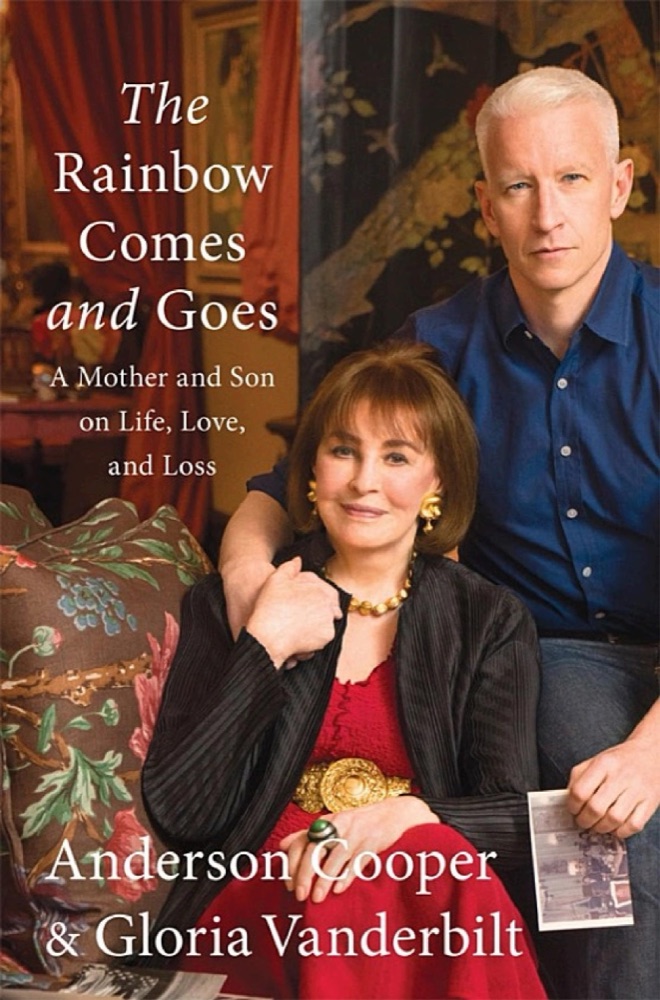 The Rainbow Comes and Goes: A Mother and Son on Life, Love, and Loss
 Love Is the Higher Law
 The Chalk Man
 The Valley of Amazement
 Defending Jacob
 One Italian Summer
 Embers
 All the Colors of the Dark
 These Silent Woods
 Swimming in the Dark
 Leaving Before the Rains Come
 A Different Blue
 Here I Am
 The Sea Keeper's Daughters
 What I Loved
 Out of Oz
 Borne
Borne
 When Women Were Dragons
 Becoming
 Mislaid in Parts Half-Known
 Inheritance: A Memoir of Genealogy, Paternity, and Love