
 A Long Way Gone
Quotes from the Book
In my mind, I built stairways. At the end of the stairways, I imagined rooms. These were high, airy places with big windows and a cool breeze moving through. I imagined one room opening brightly onto another room until I'd built a house, a place with hallways and more staircases. I built many houses, one after another, and those gave rise to a city -- a calm, sparkling city near the ocean, a place like Vancouver. I put myself there, and that's where I lived, in the wide-open sky of my mind. I made friends and read books and went running on a footpath in a jewel-green park along the harbour. I ate pancakes drizzled in syrup and took baths and watched sunlight pour through trees. This wasn't longing, and it wasn't insanity. It was relief. It got me through.
42
By concentrating on what I was grateful for, I was able to stave off despair.
15
I, too, was carrying around my own fate. All the things I couldn't know sat somewhere inside, embroidered into me-maybe not quite fixed to the point of inevitability but waiting, in any event, for a chance to unspool.
11
It's only your body that's suffering, and you are not your body. The rest of you is fine.
10
Because that’s the thing about the exact moment when you get somewhere that has required effort: There’s a freeze-frame instant of total fulfillment, when every expectation has been met and the world is perfect.
10
I've realized that the world is, in essence, full of banana peels - loaded with things that may unwittingly trip an internal wire in my mind, opening a floodgate of fears without warning.
8
Nothing had changed and so had everything.
6
Something happens when you are alone most of the time, when there are no distractions. Your mind grows more powerful--muscular, even. It takes over and starts to carry you.
4
It was a lesson the world had already taught me and was teaching me still. You don't know what's possible until you actually see it.
4
What was reckless, I decided, was the way people were writing off huge swaths of the world as unsafe, unstable, unfriendly, when all they needed to do was go and see for themselves
4
It is an obvious fact that you can never look ahead with clarity at your own future or anybody else's. You can't know what will happen until it happens. Or maybe it dawns on you the split second before, when you get a glimpse of your own fate.
3
With this breath, I choose peace. With this breath, I choose freedom.
2
Jihad,” in Arabic, means “the struggle.” There are two types in Islam, the greater and the lesser. Both are seen as noble. The greater jihad is inward, the lifelong striving of any Muslim to be a better person, to ward off temptation and desire, to maintain faith. The lesser jihad is outward and communal and violent when called for—the struggle to defend and assert that faith.
2
The funny thing about National Geographic was that it told the same sort of elemental story every time—featuring whatever was lost or unexplored, mystical or wild. You’re here, the magazine seemed to say, and we’re there. It was not meant to be a taunt, more like a small flag planted on behalf of the stay-at-homers.
2
Travel was good for my anxious soul. Which is not to say that I relaxed completely. When
2
In my version of paradise, the air was always cold and the rivers ran with candy.
2
One thing about Islam is that paradise always beckons. Life is oriented toward the afterlife. Whatever pleasures you miss out on in this world, whatever comfort or richness or beauty is absent from your days and years, you will find it upon entering paradise, where pain, grit, and war disappear altogether.
1
What you imagined about a place was always somewhat different from what you discovered once you got there: In every country, in every city, on every block, you’d find parents who loved their kids, neighbors who looked after one another, children ready to play.
1
I'd spent my life believing that people were, at heart, kind and good. This was what the world had shown me. [...] If humans could be this monstrous, maybe I'd had everything wrong. If thid was the world, I didn't want to live in it. That was the scariest and most disabling thought of all,
1
We all waited on an afterlife. Only I planned to be alive for mine.
1
straight. We said very little to
hope. I stood on my toes until my
After almost seven months in Baghdad, I set my sights on Somalia. The reasons to do it seemed straightforward. Somalia was a mess. There were stories there—a raging war, an impending famine, religious extremists, and a culture that had been largely shut out of sight. I understood that it was a hostile, dangerous place and few reporters dared go there. The truth was, I was glad for the lack of competition. I figured I could make a short visit and report from the edges of disaster. I’d do stories that mattered, that moved people—stories that would sell to the big networks. Then I’d move on to even bigger things.
I was a part of the propaganda machine. I realized this right away. As Enas and I drove around with a cameraman, reporting stories on street children, wounded civilians, and cease-fires that didn’t cease anything, Mr. Nadjafi collected my footage and edited it in ways that cast American troops and American policy in the worst possible light. He rewrote my scripts so that any mention of the war would be described as “the American-led invasion” or “the American-led occupation.
I spent about two weeks there, volunteering at one of Mother Teresa’s charities, working the morning shift in the women’s wing of the Kalighat Home for the Sick and Dying Destitutes, delivering tea and giving sponge baths to patients with tuberculosis, malaria, dysentery, AIDS, and cancer, sometimes in combination.
I did not mention that my father was home with his gay lover and that I was in Bangladesh on vacation from my job serving alcohol to unmarried young people who went out at night, largely looking to get laid.
We would never be a close family, exactly, but we loved one another in a certain fierce way.
This was how we knew there was a moneyman—somebody funding the operation or delivering money on behalf of whoever was funding it. From here on out, the man would arrive at least once a week, bringing money and supplies for our captors. Once or twice, we saw him carrying a big pot of home-cooked food and leaving it for the boys. We nicknamed him Donald Trump.
Watch on YouTube
About Amanda Lindhout
We have collected 28 quotes from 1 book by Amanda Lindhout on BookQuoters.
More about the author →About the book
The dramatic and redemptive memoir of a woman whose curiosity led her to the world’s most beautiful and remote places, its most imperiled and perilous countries, and then into fifteen months of harrowing captivity—an exquisitely written story of courage, resilience, and grace.As a child, Amanda Lindhout escaped a violent household by paging through issues of National Geographic and imagining herself in its exotic locales. At the age of nineteen, working as a cocktail waitress in Calgary, Alberta, she began saving her tips so she could travel the globe. Aspiring to understand the world and live a significant life, she backpacked through Latin America, Laos, Bangladesh, and India, and emboldened by each adventure, went on to Sudan, Syria, and Pakistan. In war-ridden Afghanistan and Iraq she carved out a fledgling career as a television reporter. And then, in August 2008, she traveled to So
Book details
- First published
- 2013
- Author
- Amanda Lindhout
- Genre
- Nonfiction
- Goodreads rating
- 4.28 (74k ratings)
Keep reading
A Long Way Gone
 In Order to Live: A North Korean Girl's Journey to Freedom
 Love from A to Z
 All But My Life: A Memoir
 The Likeness
 The Wind-Up Bird Chronicle
 Severance
 The Yellow Birds
 And the Mountains Echoed
 A Thousand Acres
 A Bend in the River
 How I Live Now
 The Girl Who Smiled Beads: A Story of War and What Comes After
 My Friends
 The Tell: A Memoir
 A Home at the End of the World
 The Atopia Chronicles
 Tracks: A Woman's Solo Trek Across 1700 Miles of Australian Outback
 A Separate Peace
 World's Fair
 Hollow City
 Open City
 Mother Mary Comes to Me
 Killing Commendatore
 American on Purpose: The Improbable Adventures of an Unlikely Patriot
 Middlesex
 Close to the Knives: A Memoir of Disintegration
 The Hour I First Believed
 Wild: From Lost to Found on the Pacific Crest Trail
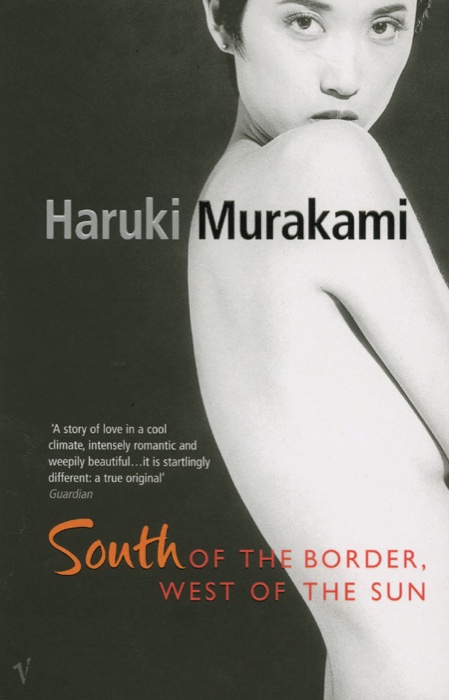 South of the Border, West of the Sun
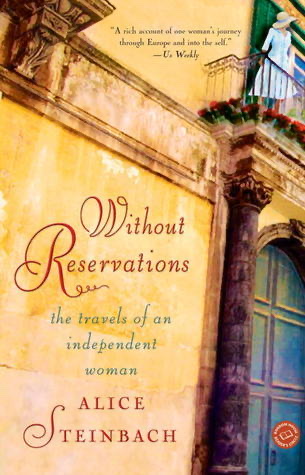 Without Reservations: The Travels of an Independent Woman
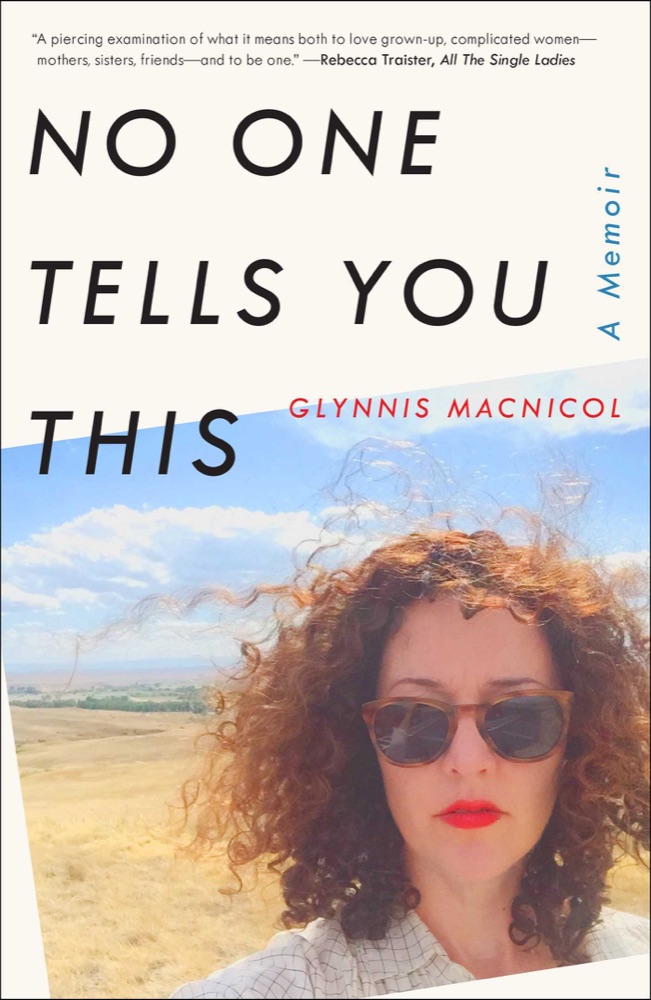 No One Tells You This
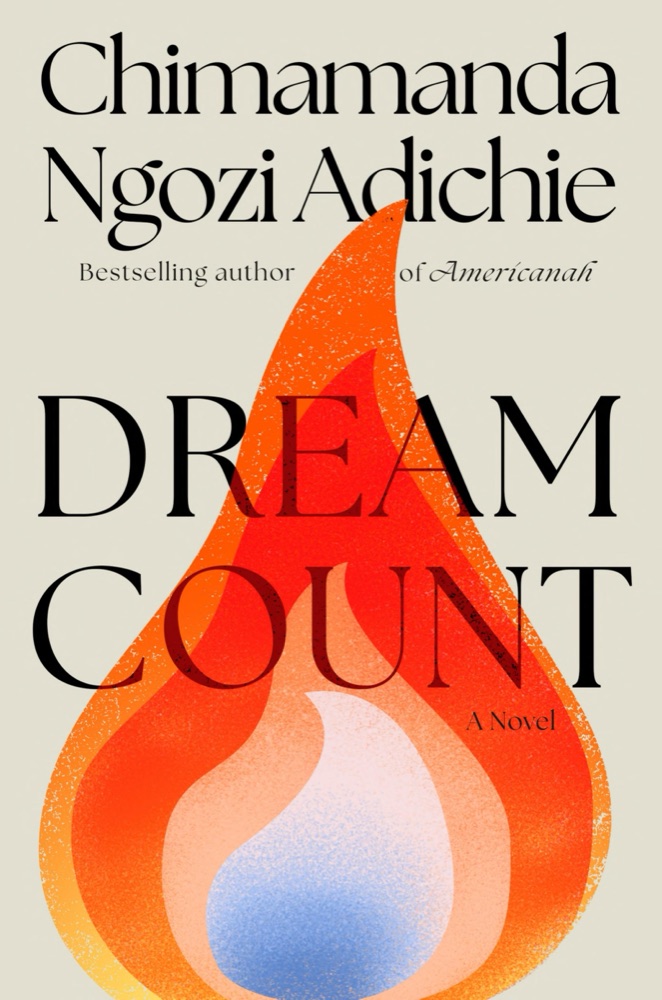 Dream Count
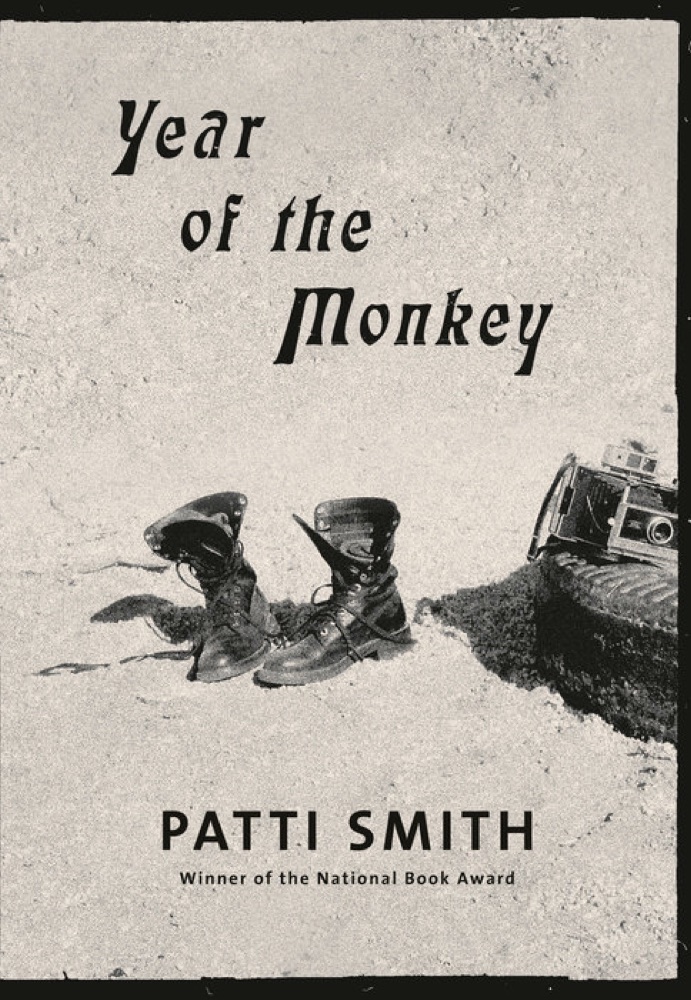 Year of the Monkey
 Scar Tissue
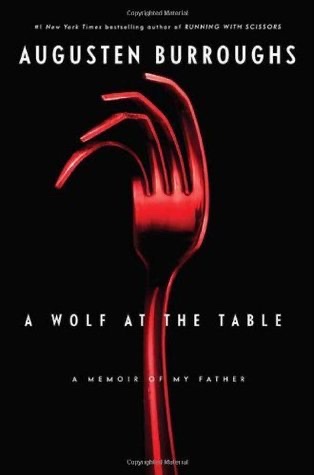 A Wolf at the Table
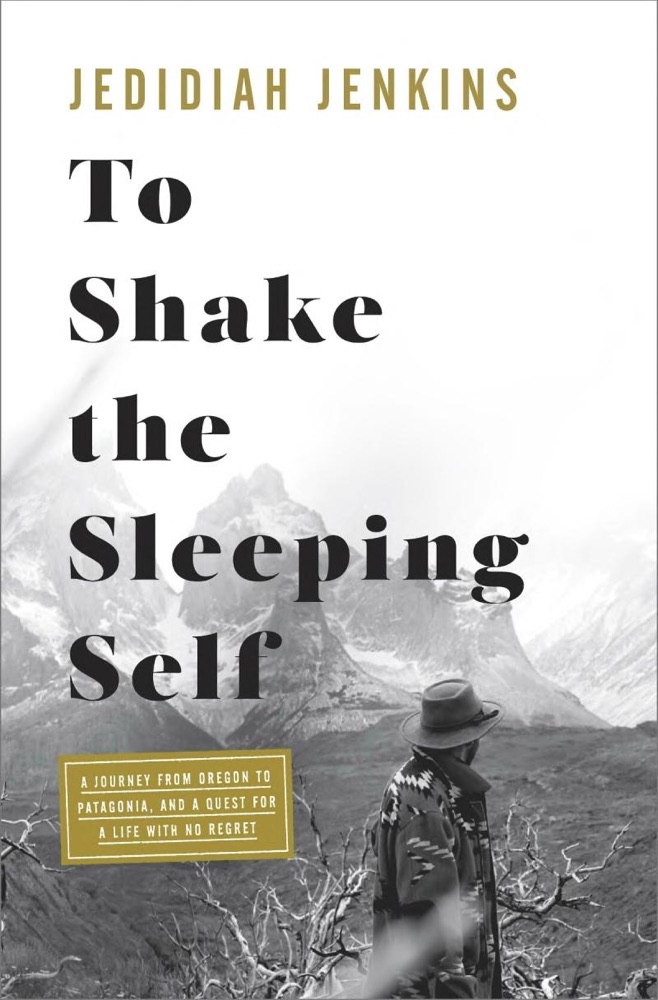 To Shake the Sleeping Self: A Journey from Oregon to Patagonia, and a Quest for a Life with No Regret
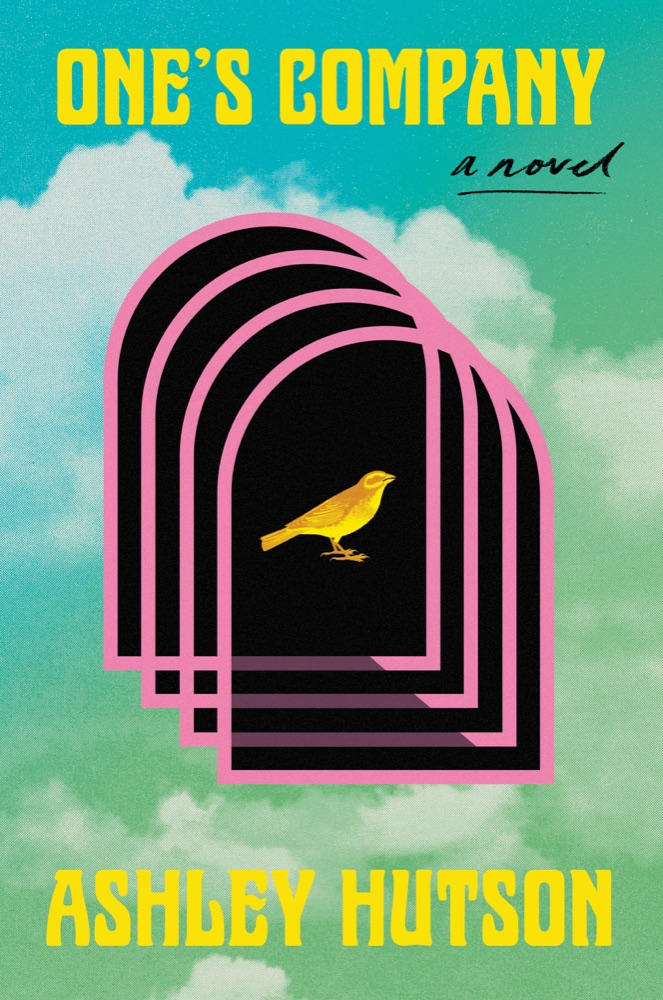 One's Company
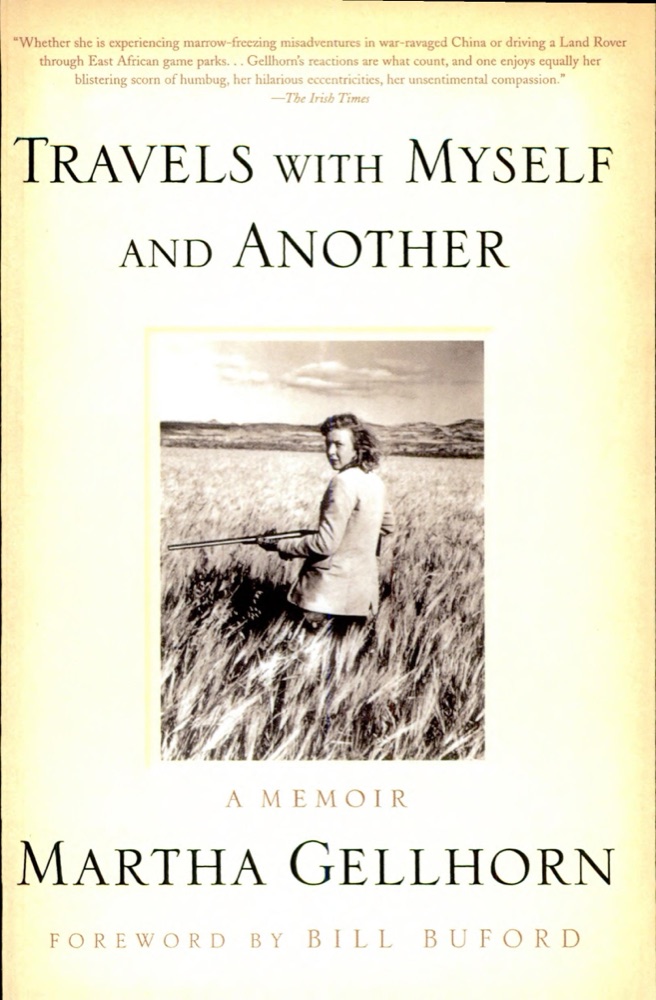 Travels with Myself and Another
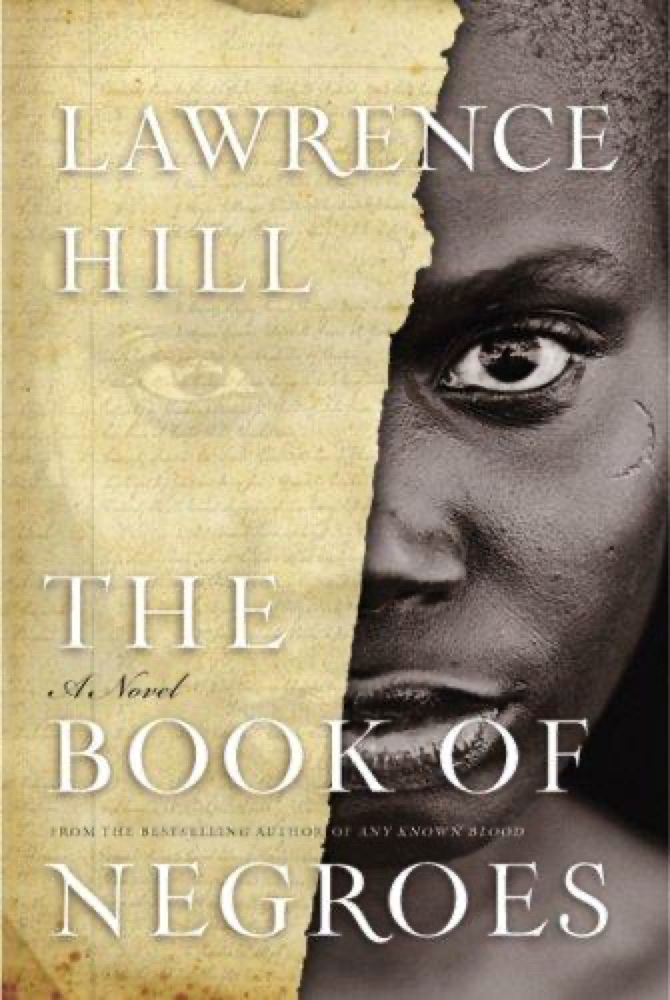 The Book of Negroes
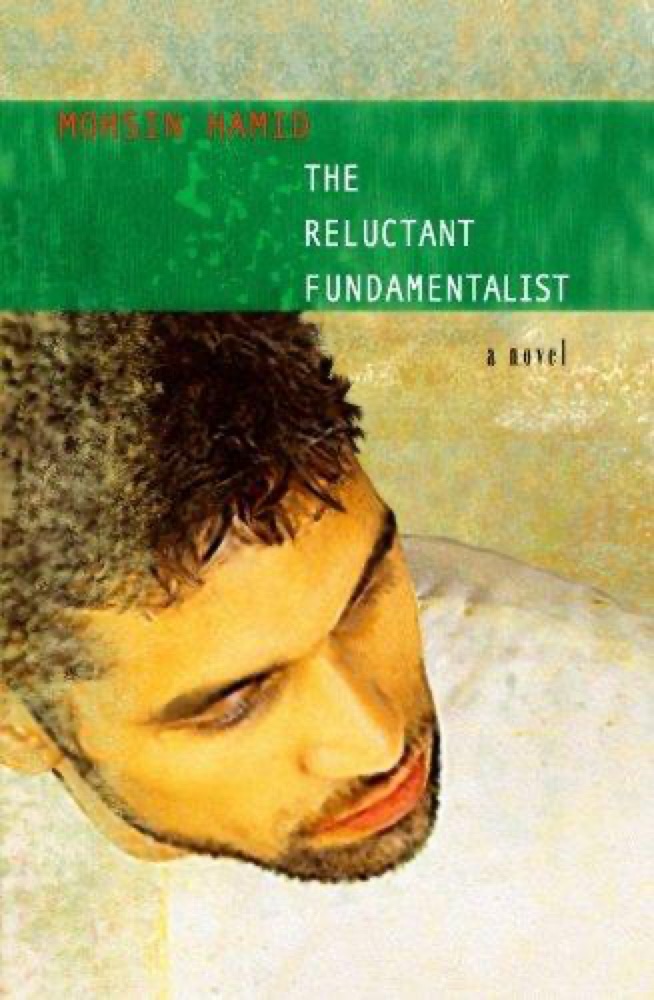 The Reluctant Fundamentalist
 Canada
 Moon Palace
 All This Could Be Different
 Dreams of Joy
 Lucky
Lucky
 A Long Way Home
 By Myself and Then Some
 The Passage
 The Illustrated Man
 Finding My Way: A Memoir
 The Lies About Truth
 To Paradise
 The Round House
 How High We Go in the Dark
 Another Country
 The Kite Runner
 An Untamed State
 On the Road
 Swimming in the Dark