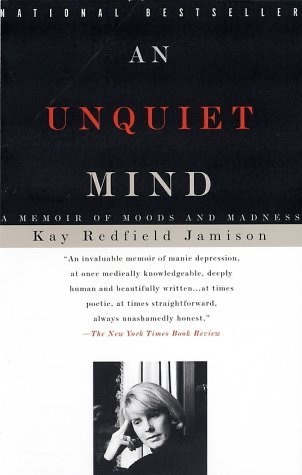
 An Unquiet Mind: A Memoir of Moods and Madness
Quotes from the Book
What if, instead of being diagnosed—being called mentally ill—what if I had been able to receive care for its own sake. To be in distress, to ask for care, to receive it. What if there were space in this world for care.
4
A book is a way to speak to someone, across time and space.
2
I may have said: it is the perfect escape, isn’t it? To lose your mind. To go mad. To fall apart, go crazy, all of it. To become a patient. To need help and to receive help. To be cared for. I would have added: the perfect escape becomes a trap. You learn this soon enough. You escape and then you begin to play the part, people respond to you that way, the role you are in. And there you are, trapped. It might become your life.
2
We felt helpless, and yet this wasn't linked to the growing inequality and social isolation of the 1980s postwelfare state. The aggressive backlash to the gains of feminism and the civil rights movements of the sixties. We needed help and felt shame for asking. We had failed in some sense of an American individualist imperative. We had an obligation to recover. The narrative of progression. This was not only for the medical-pharmaceutical establishment which required our before and after stories, but also for a culture that locates mental illness in the self and not the society. If it doesn't quite work this way, there was no acknowledgment of that. There weren't stories of the ones who don't recover, or get better and worse over and over again.
2
I did not know what to do with all that twenty-year old want, and who ever does?
Is Hamlet mad or is he acting madness? How can anyone know the difference?
These moments of remaining alone in my apartment, of not going to asylum, were minor victories, even if the thought of keeping myself alive was worse than the thought of death.
If I could explain my madness, it would be the persistence of a certain feeling--I remember the feeling but I can no longer feel it--the memory of it is vivid, and enough. It came over me around twilight. The intensity of a great, irrevocable loss would wash over me and with it, the absolute certainty that I would not survive it. Strange you can remember the texture of a feeling without feeling it. With this as measure, I know I got better. But I also grew up, and no feeling is final, and I came to understand the waves of feeling, to know this too shall pass. Every once in a while I'll feel a sadness or a loneliness that will remind me of the mad feeling, but it is nowhere as strong, and more importantly, it is never concomitant with the belief that it will last forever.
The Yellow Wallpaper" seemed to me now to be the story of what can happen when you listen to a doctor-when you buy into your "case-history construction." When you don't listen to yourself, when you place your trust and authority elsewhere. The narrator loses her mind completely, becomes the madwoman, the identity they've given her. The "rationale" for their treatment of her is now confirmed; she is sick, indeed. This is what can happen: You are seen as mad, you begin acting mad.
It was one of those decisions you make only to yourself, quietly, the kind of New Year's resolution you aren't sure you'll keep. I could only claim it as a choice years later, after it became part of me. It wasn't triumphant or bold; I was fragile and terrified. But I saw my life as the dead end it was. I had wasted too many years. Living the rest of my life as a career patient scared me, but so did the fate of the women in my college, reading The Wall Street Journal, getting internships or going to graduate school. It felt like a betrayal. I mourned my illness, the hospital. I grieved the years I spent in that system. It was something like being in a relationship--and then realizing that it was false or full of holes. There was nothing more to do. Once you saw through it, you had to leave. Either that, or accept the lack.
Telling these stories, I think now, was a way of not mourning. Remembering my mother in these moments of conflict or disappointment--this allowed me to keep our fights going. Fighting is a way to refuse to lose someone. If you keep the fight alive, you might never deal with the loss, the vulnerability of it, the deep sadness, the irrevocable and baffling fact of a total loss.
I became a writer because I believe in that part of me who is not limited by age or gender or time or disability - yet still I am afraid to say it. Yes, I was ill.
Only in retrospect might I say I loved it there. I didn't love it. It became familiar. I got used to it. I became dependent upon it. This is not love.
Getting older, which isn’t a decision so much as inevitable, if you stick around to find out. This isn’t transcendence but it is committing to life and sticking with it. It’s far more tedious than climactic…I did get better, in many large and small ways, and it is the reading and writing that sustained me, gave me another life. It is my life…All this thinking about books had made me into a person, an artist. This was real life, and I’d worked so long to make it real, more real than any diagnosis had ever been...
I myself have internalized the self-loathing that at times can make me feel ashamed to be writing this book. But I also believe that, as my heroes have shown me, this is where a writer must go.
Did you know?
- The book draws on Scanlon's nearly three-year stay as a patient at the New York State Psychiatric Institute in New York City.
- It blends personal memoir with literary criticism of women's writing about madness.
- Scanlon reads her experience alongside writers such as Virginia Woolf, Sylvia Plath, and Janet Frame.
- Her earlier book "Her 37th Year, An Index" was named a best book of the year by Electric Literature.
- The memoir was published by Vintage on April 16, 2024.
About Suzanne Scanlon
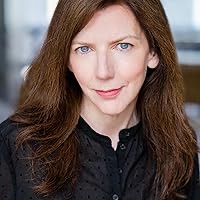
Suzanne Scanlon is an American writer whose work explores women, reading, grief, and mental illness. She is also the author of the novels "Promising Young Women" (Dorothy, 2012) and "Her 37th Year, An Index" (Noemi, 2015), and her writing has appeared in outlets including The New Yorker.
More about the author →About the book
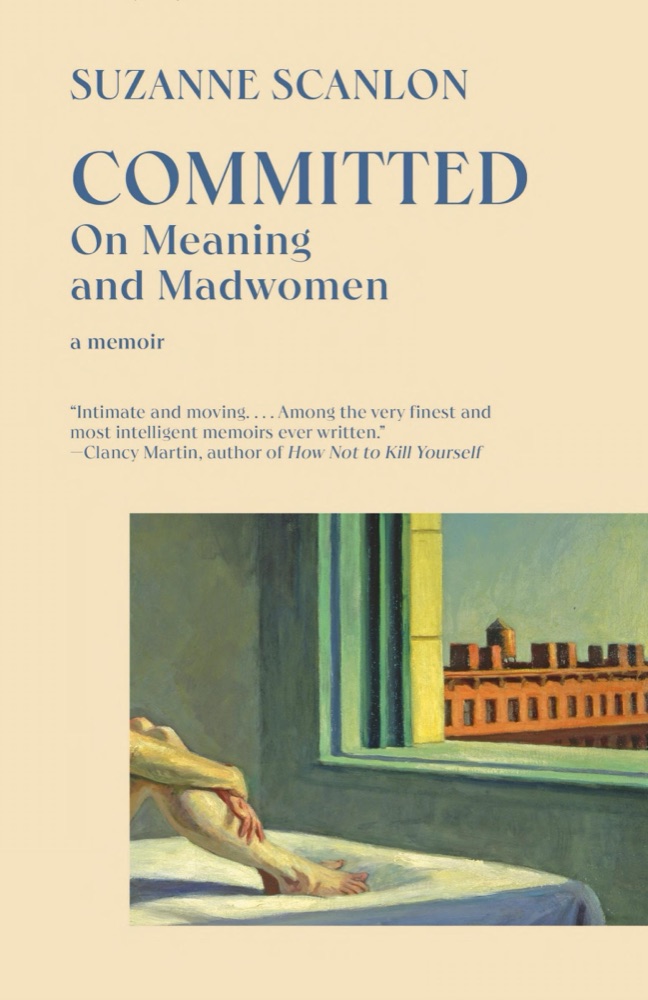
"Committed: On Meaning and Madwomen" is Suzanne Scanlon's memoir of madness, grief, and reading. As a Barnard student in the early 1990s, grieving the early loss of her mother, Scanlon made a suicide attempt that led to a nearly three-year stay as a patient at the New York State Psychiatric Institute, where she underwent a range of experimental treatments. The book recounts that hospitalization and the long, uneven decades of recovery that followed.
Part memoir and part literary essay, the book interweaves Scanlon's personal history with a study of women's writing about madness and medicine. She reads her own experience through writers and thinkers including Virginia Woolf, Sylvia Plath, Janet Frame, Charlotte Perkins Gilman, Audre Lorde, Marguerite Duras, Shulamith Firestone, and sociologist Erving Goffman, reclaiming the figure of the "madwoman" as a source of insight rather than only pathology. Grief, language, selfhood, and the myth of a permanently "healed" self are recurring threads.
The memoir was widely and favorably reviewed in the literary press, including the Los Angeles Review of Books and the Chicago Review of Books, and was the subject of numerous author interviews. Critics praised its raw honesty and its braided structure, which fuses confessional memoir with criticism. Scanlon, already known for her fiction, was recognized for turning a personal history of psychiatric institutionalization into a broader meditation on women, reading, and survival.
Book details
- First published
- 2024
- Length
- 368 pages
- Reading time
- 13 hours
- Author
- Suzanne Scanlon
- Genre
- Nonfiction
- Goodreads rating
- 4.13 (2k ratings)
Critical reception
- Reviewed favorably in the Los Angeles Review of Books and the Chicago Review of Books in 2024.
- Critics highlighted its braided structure combining confessional memoir with literary criticism.
- The book was the subject of numerous author interviews in literary and psychology-focused outlets.
The buzz
- Los Angeles Review of BooksWorking the Trap: On Suzanne Scanlon's "Committed"2024critical reading of the memoir's structure and themes
- Chicago Review of BooksEternal Return in "Committed: On Meaning and Madwomen"2024on grief, language, and the myth of a fully healed self
- Hippocampus MagazineINTERVIEW: Suzanne Scanlon, Author of Committed: On Meaning and Madwomen2024author interview on trauma, mother-loss, and writing
Keep reading
An Unquiet Mind: A Memoir of Moods and Madness
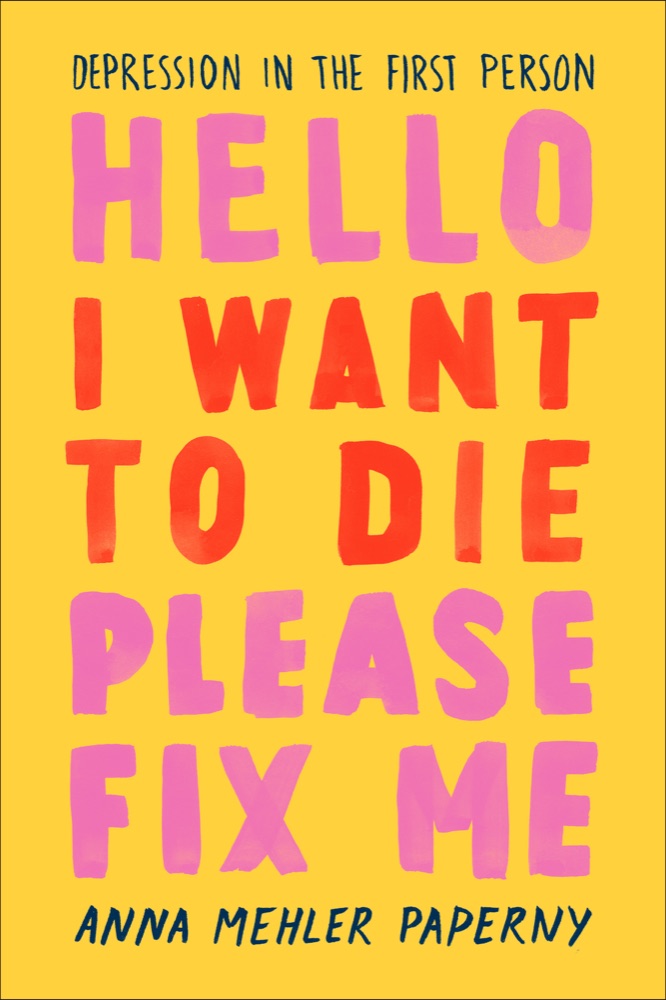 Hello I Want to Die Please Fix Me: Depression in the First Person
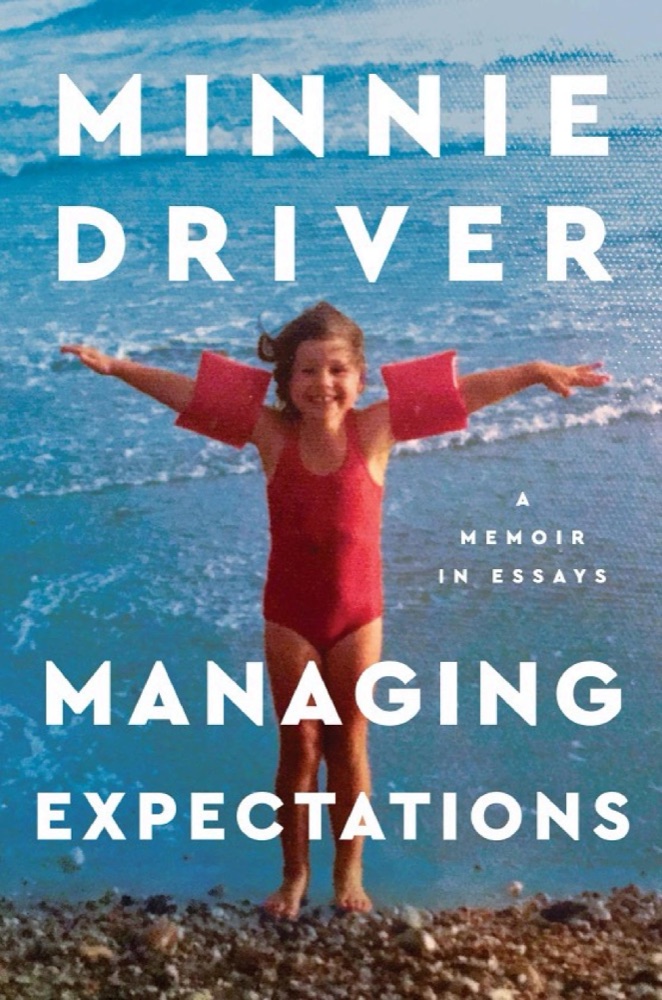 Managing Expectations: A Memoir in Essays – A Poignant Collection of Personal Stories on Acting, Failure, and Motherhood's Joy
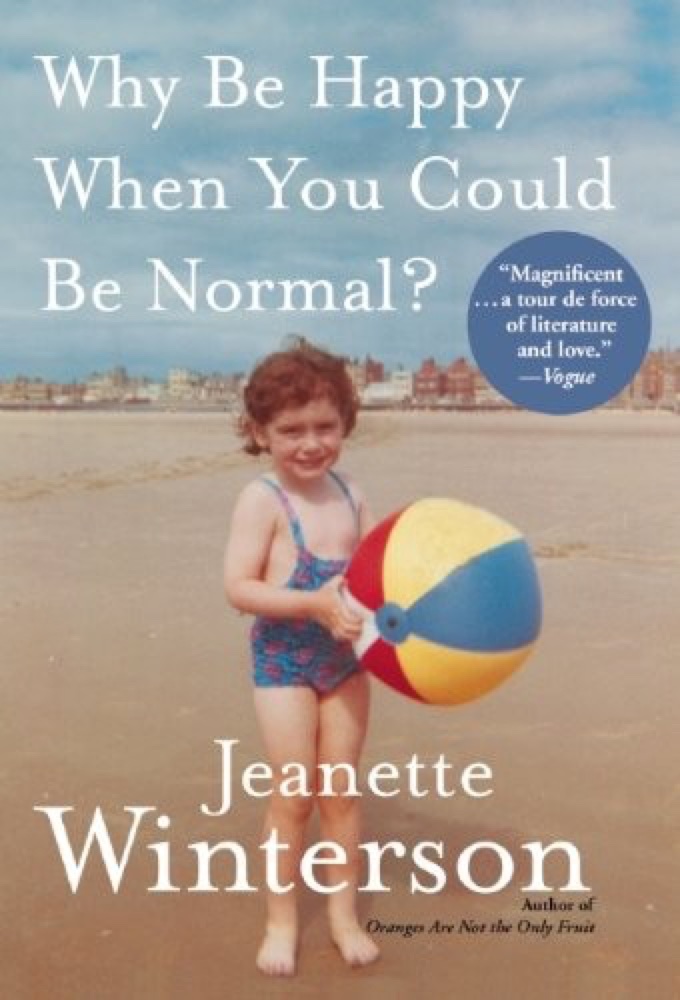 Why Be Happy When You Could Be Normal?
 Get Me Out of Here: My Recovery from Borderline Personality Disorder
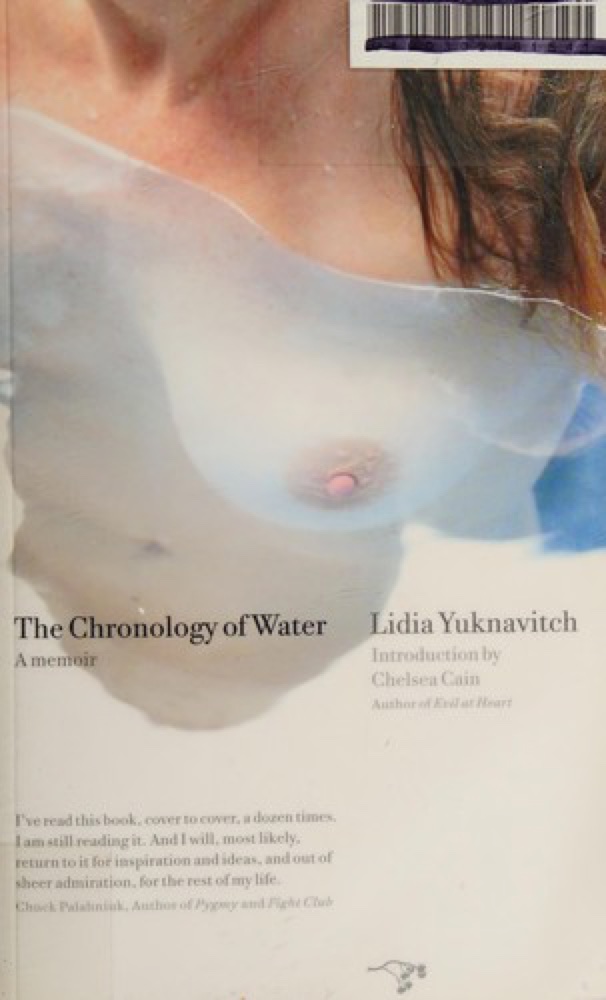 The Chronology of Water
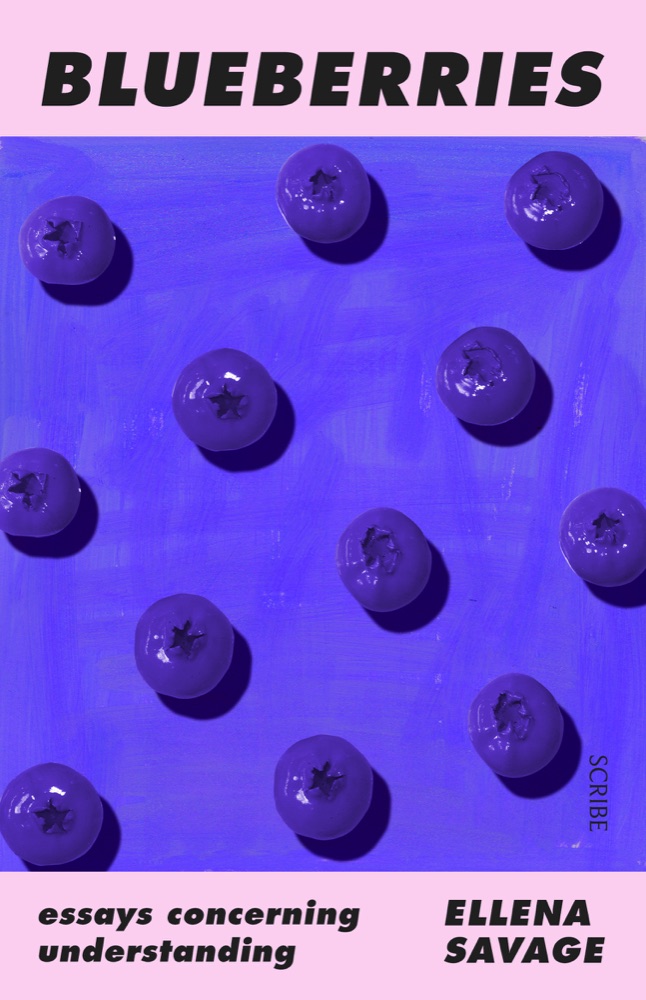 Blueberries: Essays Concerning Understanding
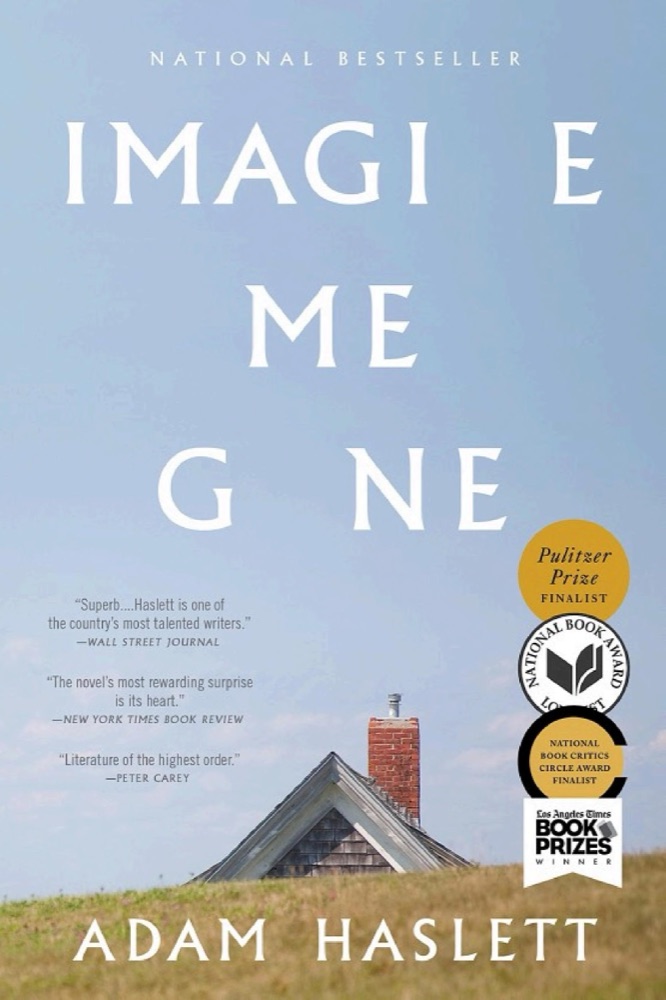 Imagine Me Gone
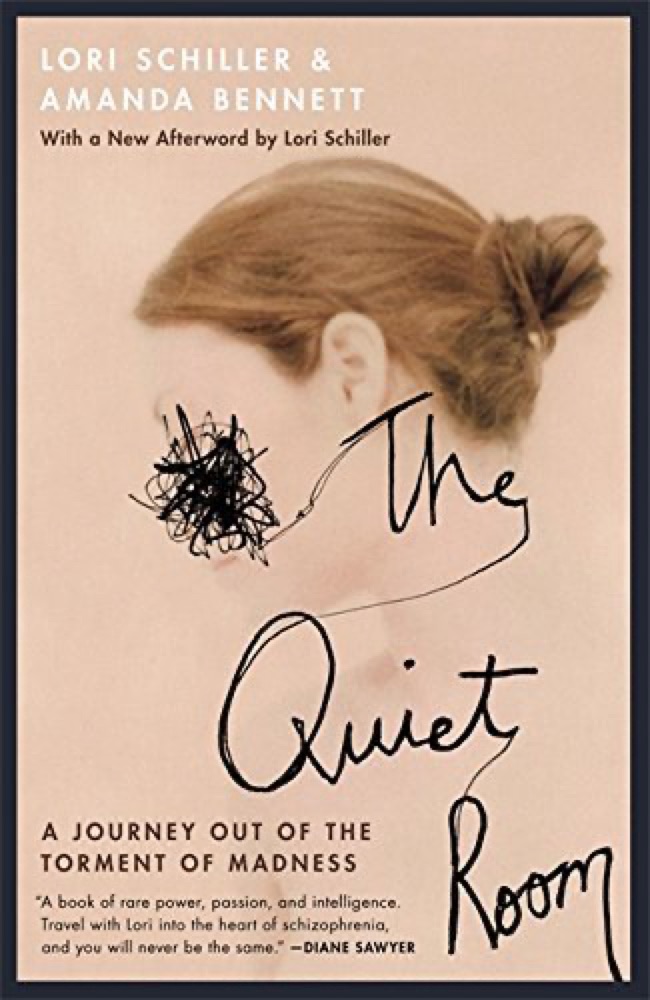 The Quiet Room: A Journey Out of the Torment of Madness
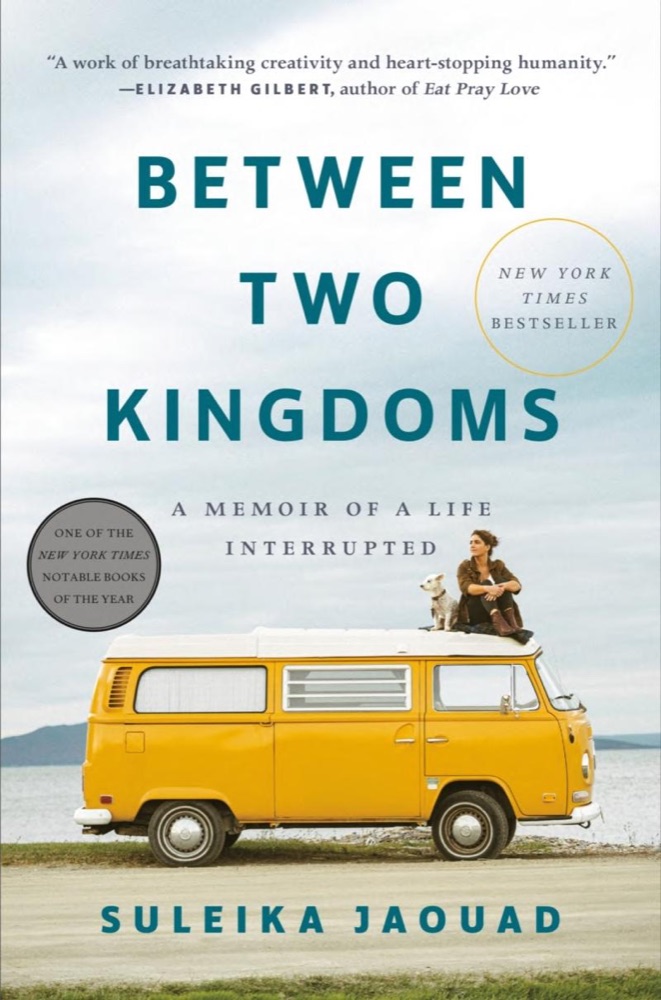 Between Two Kingdoms: A Memoir of a Life Interrupted
 The Pisces
 Shoot the Damn Dog: A Memoir of Depression
 More, Now, Again: A Memoir of Addiction
 The Rules Do Not Apply
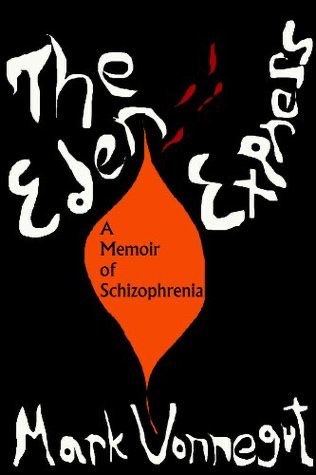 The Eden Express: A Memoir of Insanity
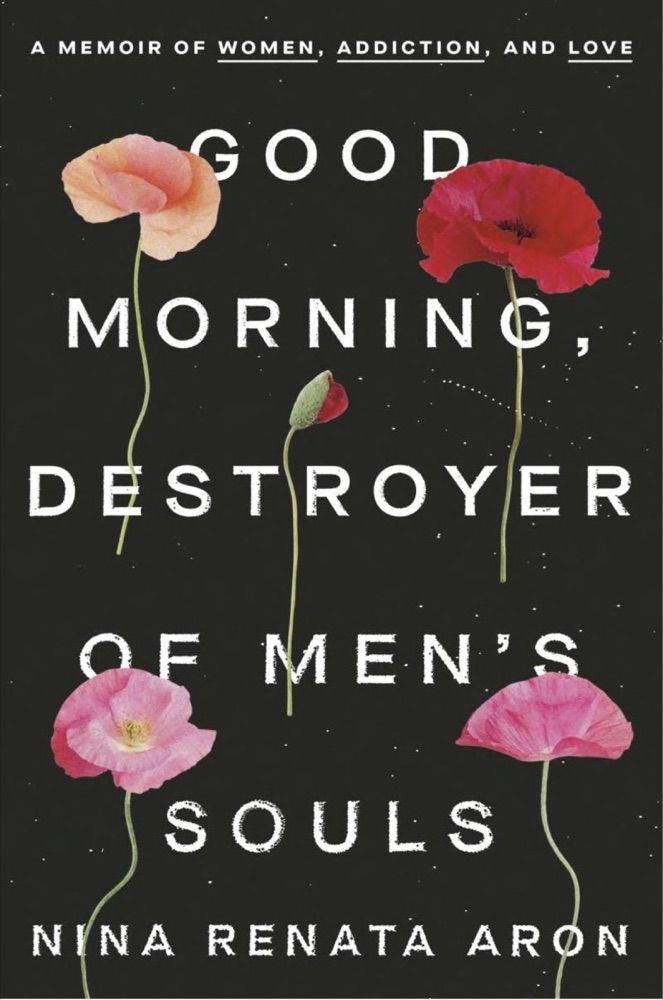 Good Morning, Destroyer of Men's Souls: A Memoir of Women, Addiction, and Love
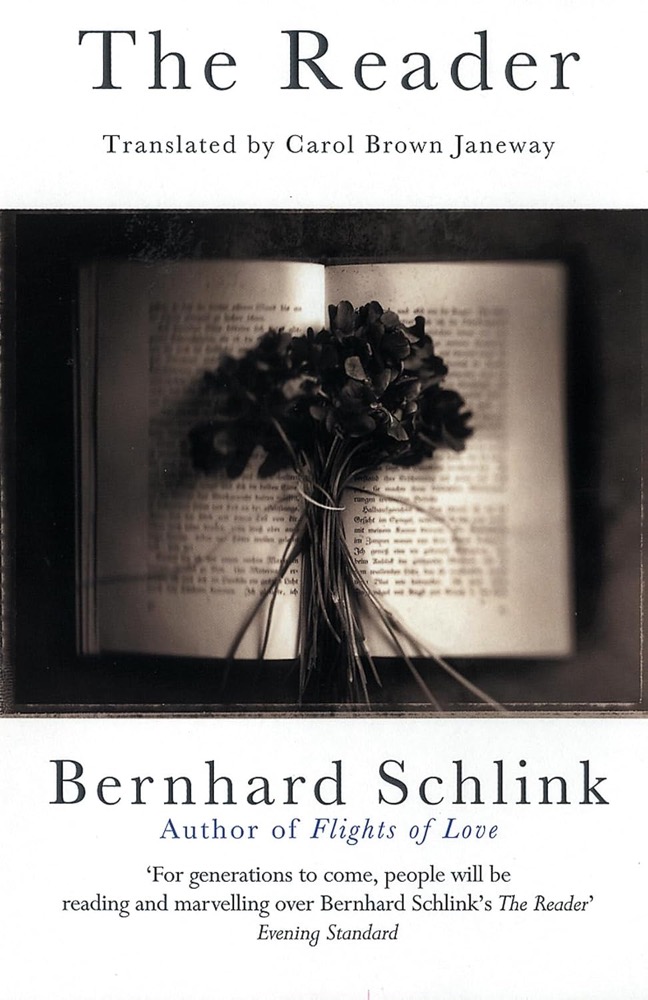 The Reader
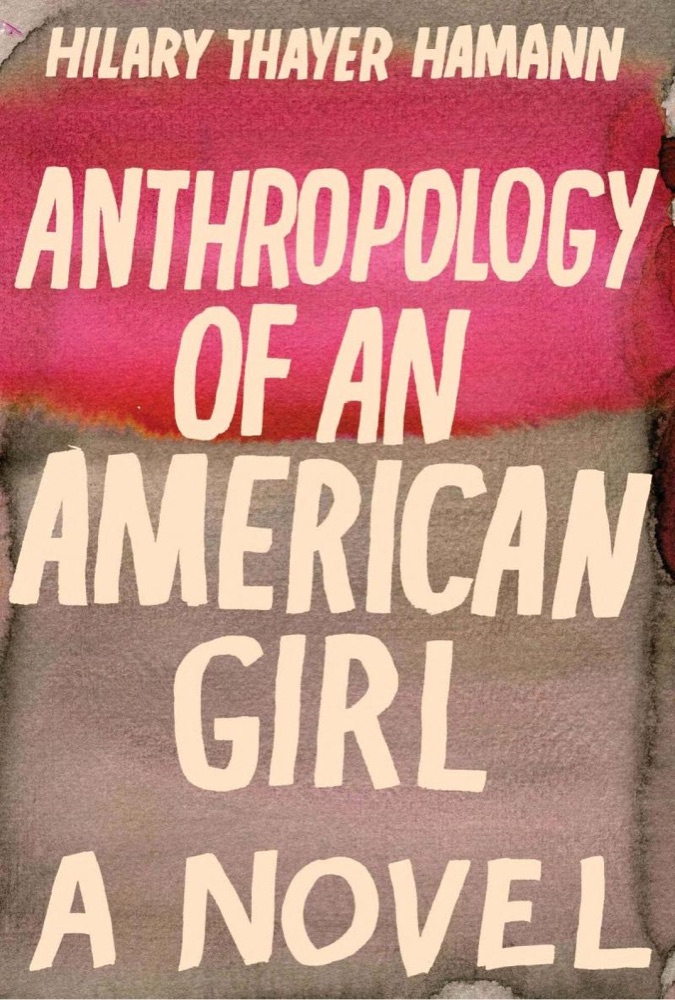 Anthropology of an American Girl
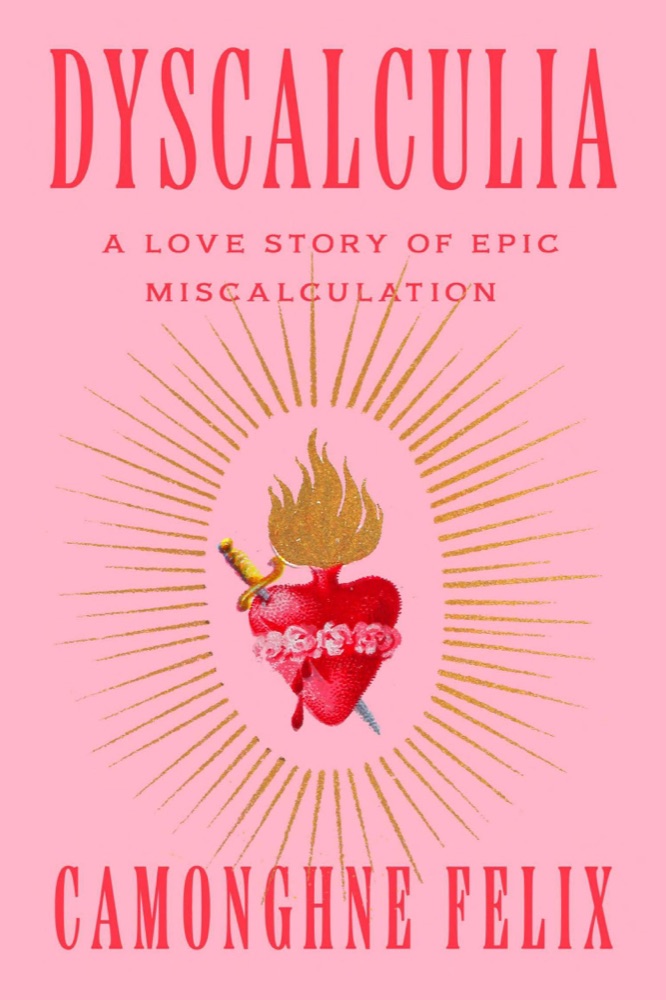 Dyscalculia: A Love Story of Epic Miscalculation
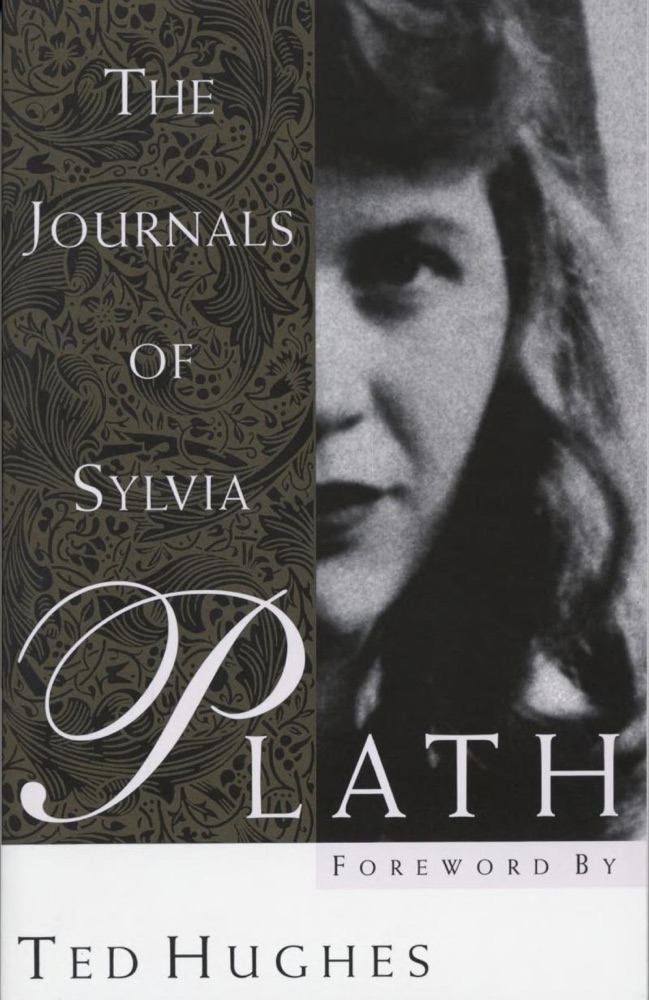 The Journals of Sylvia Plath
 Wasted: A Memoir of Anorexia and Bulimia
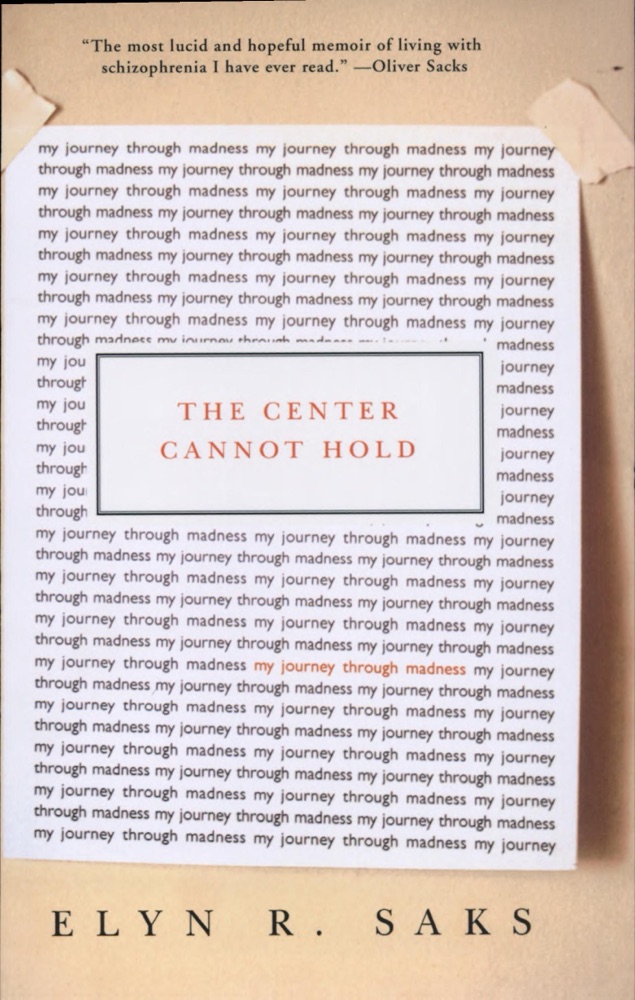 The Center Cannot Hold: My Journey Through Madness
 Are You My Mother?: A Comic Drama
 The Collected Stories of Lydia Davis
 Trash
Trash
 Devotion
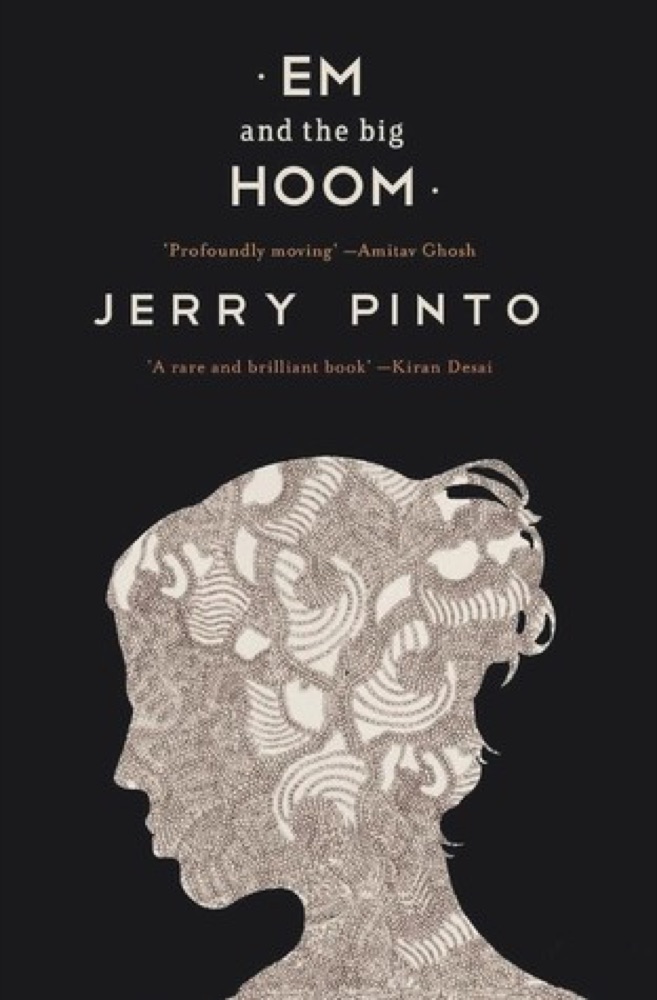 Em and The Big Hoom
 Girl, Interrupted
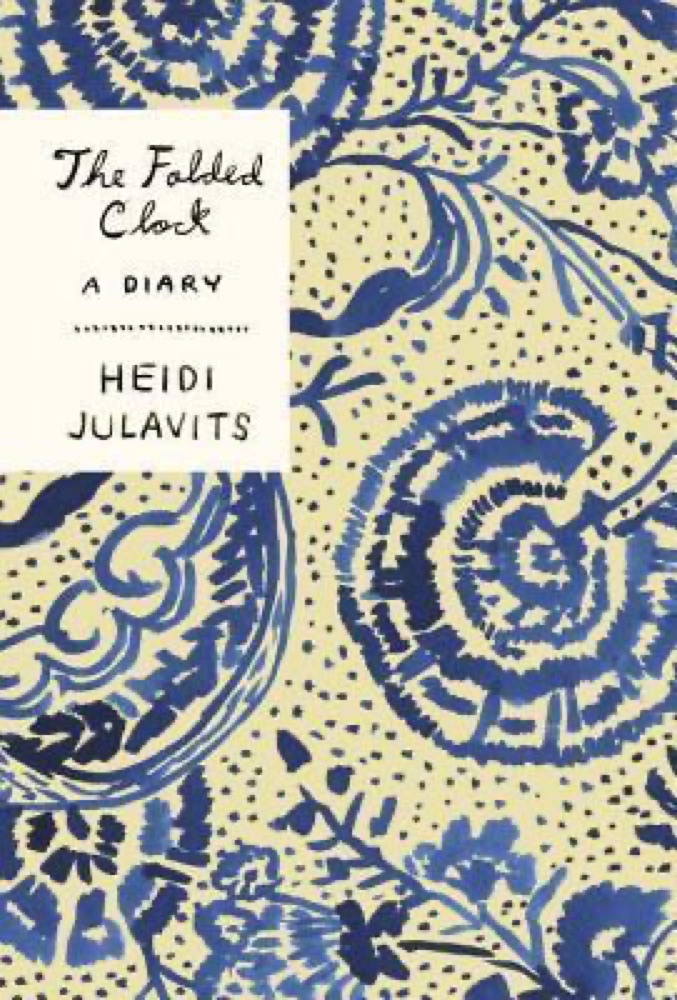 The Folded Clock: A Diary
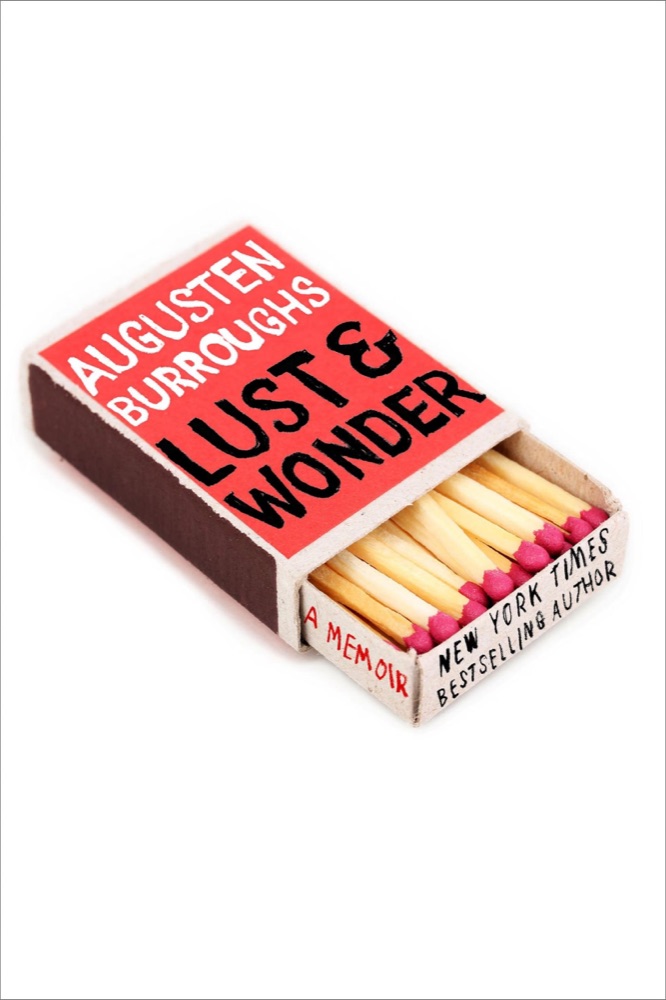 Lust & Wonder
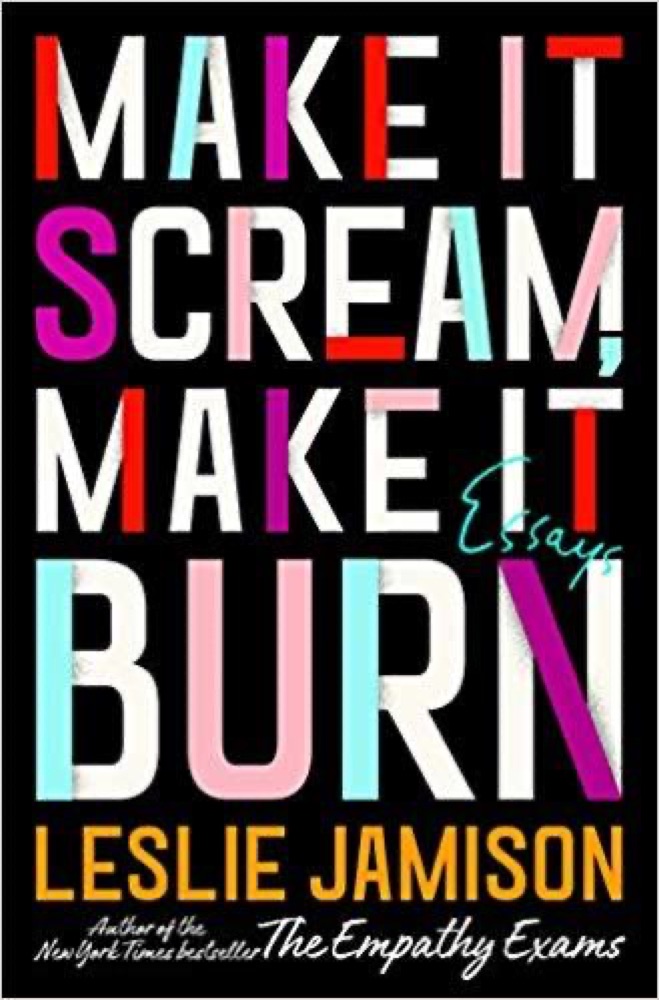 Make It Scream, Make It Burn
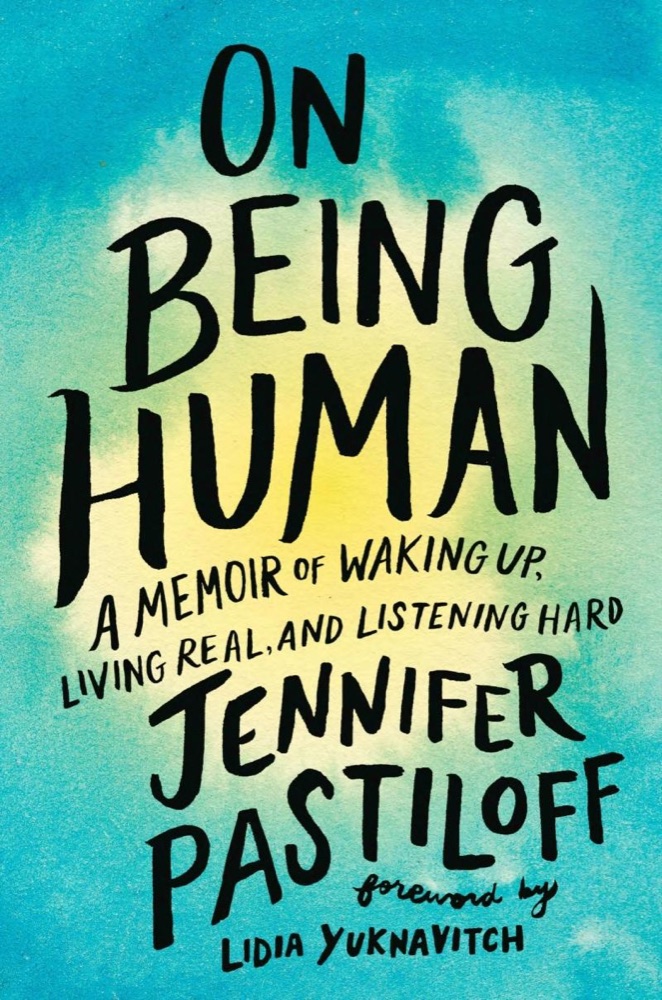 On Being Human: A Memoir of Waking Up, Living Real, and Listening Hard
 Notes To Self
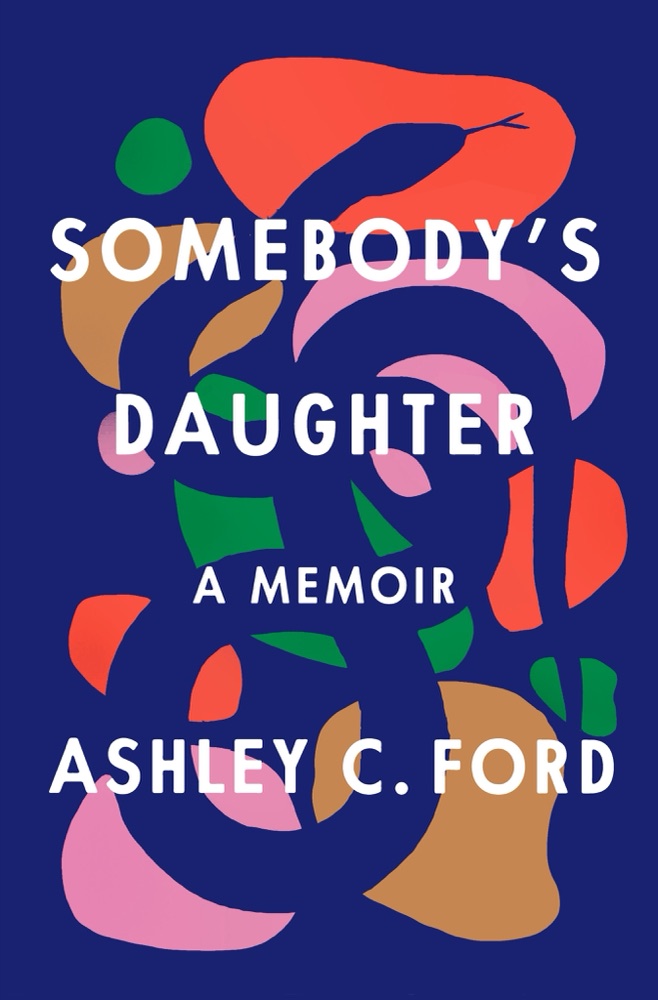 Somebody's Daughter
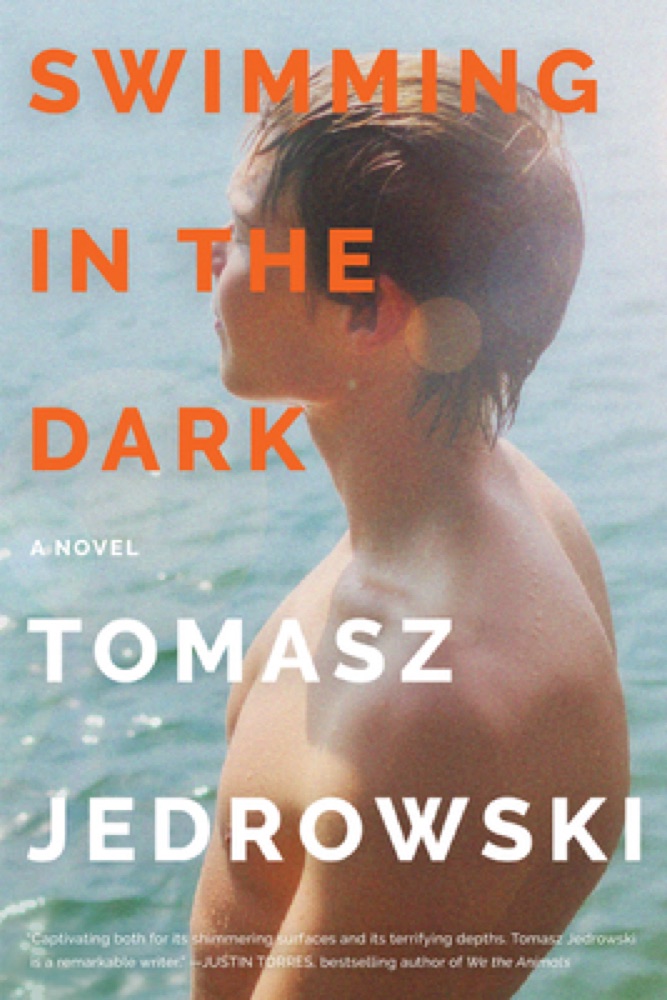 Swimming in the Dark
 I Feel Bad about My Neck: And Other Thoughts on Being a Woman
 Great House
 The Crane Wife: A Memoir in Essays
 Madness: A Bipolar Life
 The Marvelous Misadventures of Ingrid Winter
 To Throw Away Unopened
 The Story of the Lost Child
 Heart Berries
 A Small Indiscretion
 Prozac Nation
 Brain on Fire: My Month of Madness
 You Could Make This Place Beautiful
 The Collected Schizophrenias: Essays
 Women We Buried, Women We Burned: A Memoir
 Outline
 I Don't Want To Be Crazy
 Moments of Being: A Collection of Autobiographical Writing
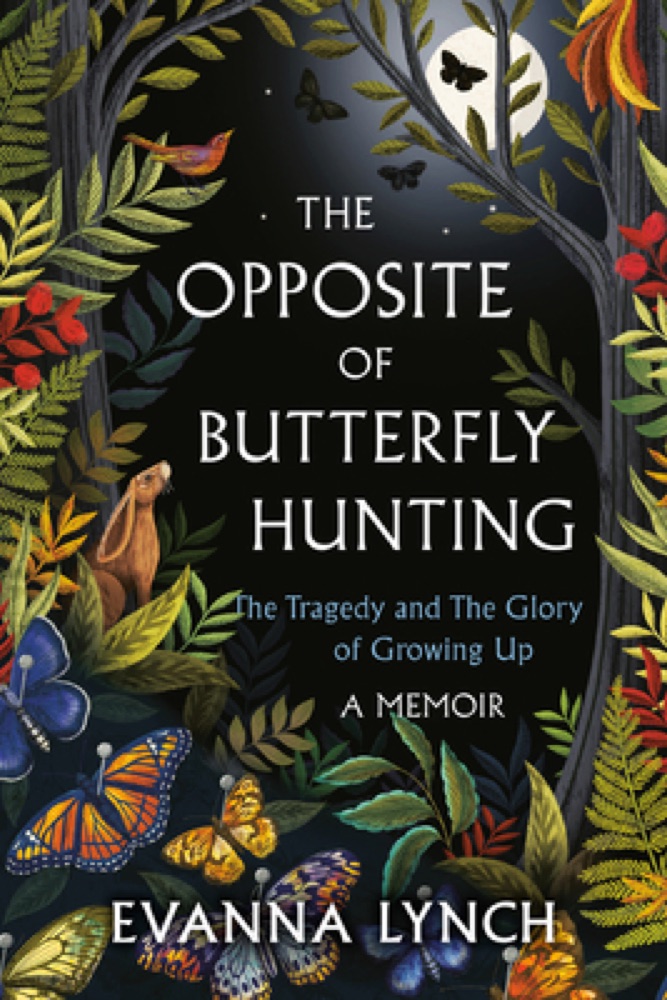 The Opposite of Butterfly Hunting: The Tragedy and The Glory of Growing Up
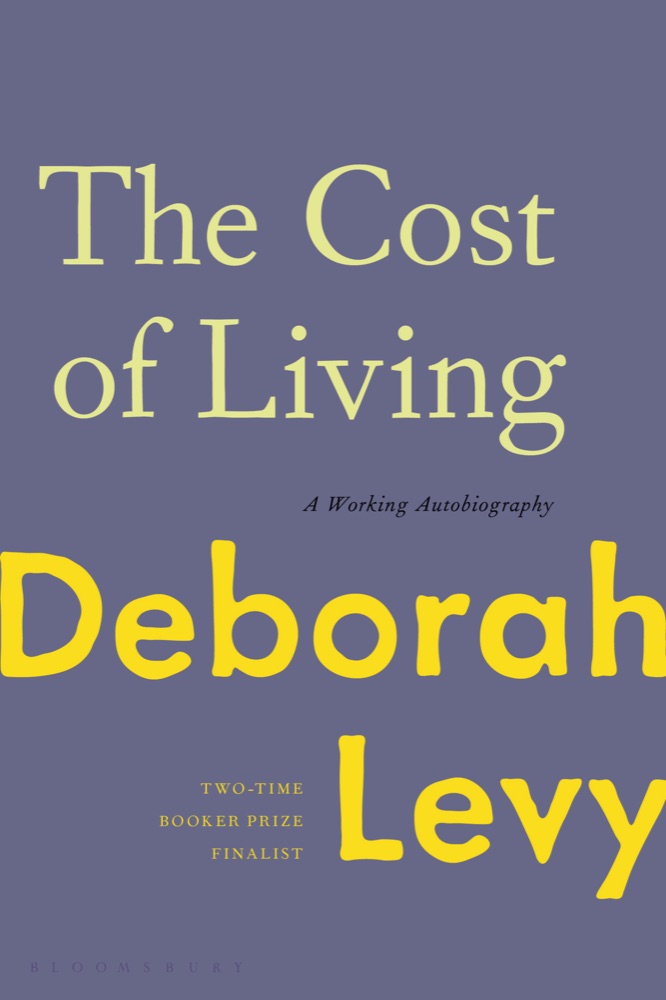 The Cost of Living: A Working Autobiography
 The Lost Daughter
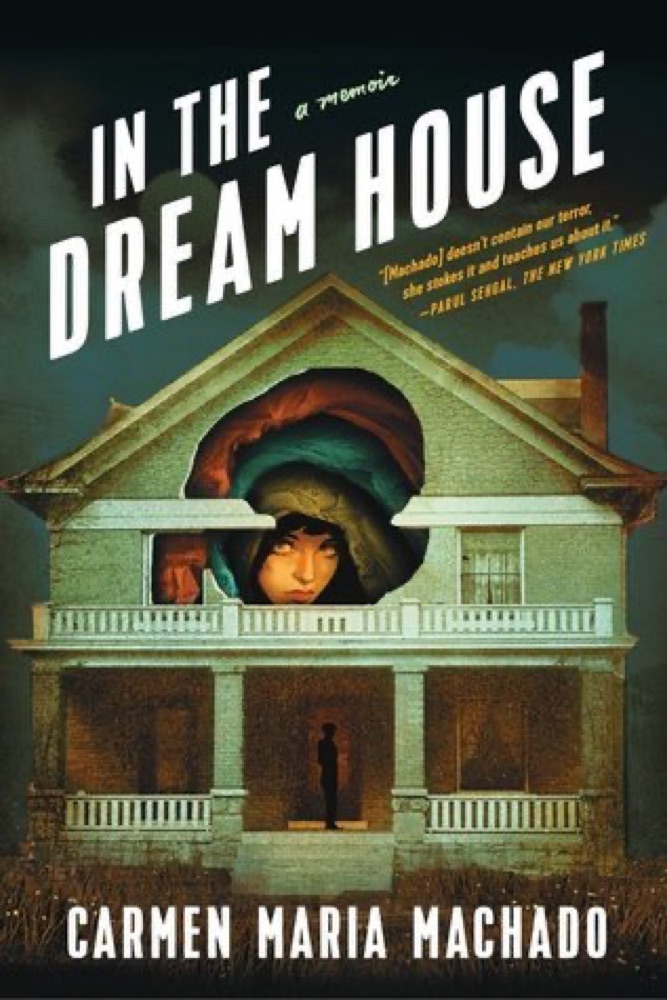 In the Dream House
 No One Tells You This
 The First Time She Drowned
 All the Lovers in the Night
 Fear of Flying