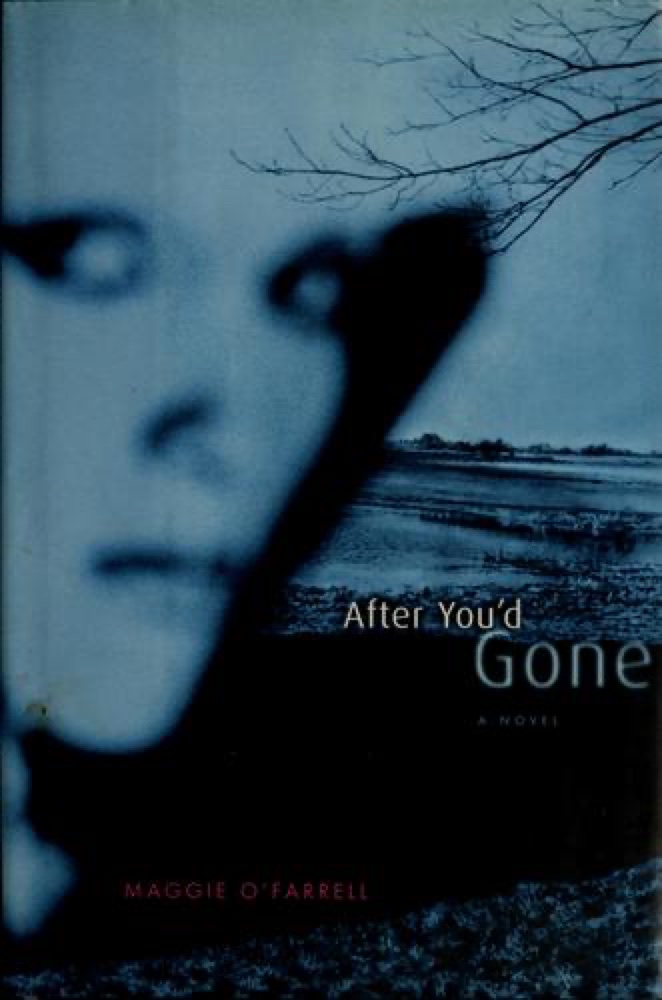
 After You'd Gone
Quotes from the Book
We are, all of us, wandering about in a state of oblivion, borrowing our time, seizing our days, escaping our fates, slipping through loopholes, unaware of when the axe may fall.
80
That the things in life which don't go to plan are usually more important, more formative, in the long run, than the things that do
45
I swam in dangerous waters, both metaphorically and literally. It was not so much that I didn't value my existence but more that I had an insatiable desire to push myself to embrace all that it could offer.
15
Foreign experiences increase both cognitive flexibility and depth and integrativeness of thought,
14
I am desperate for change, endlessly seeking novelty, where i can find it.
14
I can go for days without thinking about it; at other times it feels like a defining moment. It means nothing. It means everything.
13
What I wish I had known, age twenty-one, as I cycled away from the results board towards the meadow by the river in Cambridge, where I would throw stones into the water and cry, is that nobody ever asks you what degree you got. It ceases to matter the moment you leave university. That the things in life which don’t go to plan are usually more important, more formative, in the long run, than the things that do.
12
The people who teach us something retain a particularly vivid place in our memories.
12
I have never found it difficult to abandon a group , to go against the alpha male or female. I have never much cared for gangs, for social tribes , for fitting in. I have known since I was very young that the in-crowd isin't my crowd;they are not my people.
11
I have this compulsion for freedom,for a state of liberation. It is an urge so strong, so all-encompassing that it overwhelms everything else. I cannot stand my life as it is. I cannot stand to be here, in this town, in this school. I have to get away.I have to work and work so that I can leave and only then can I create a life that will be liveable for me.
10
In any fairy-tale, getting what you wish for comes at a cost. There is always a codicil, an addendum to the granting of a wish. There is always a price to pay.
9
If, as a child, you are struck or hit, you will never forget that sense of your own powerlessness and vulnerability, of how a situation can turn from benign to brutal in the blink of an eye, in the space of a breath. That sensibility will run in your veins, like an antibody. You learn fairly quickly to recognise the approach of these sudden acts against you: that particular pitch or vibration in the atmosphere. You develop antennae for violence and, in turn, you devise a repertoire of means to divert it.
8
Coming so close to death as a young child, only to resurface again into your life, imbued in me for a long time a brand of recklessness, a cavalier or even crazed attitude to risk. It could, I can see, have gone the other way, and made me into a person hindered by fear, hobbled by caution. Instead, I leapt off harbour walls. I walked alone in remote mountains. I took night trains through Europe on my own, arriving in capital cities in the middle of the night with nowhere to stay.
5
After he had sailed around the Mediterranean in 1869, Mark Twain said that travel was “fatal to prejudice, bigotry, and narrow-mindedness.” Neuroscientists have been trying for years to pin down what it is about travel that alters us, how it effects mental change. Neural pathways become ingrained, automatic, if they operate only by habit. They are highly attuned to alterations, to novelty. New sights, sounds, languages, tastes, smells stimulate different synapses in the brain, different message routes, different webs of connection, increasing our neuroplasticity. Our brains have evolved to notice differences in our environment: it’s how we’re alerted to predators, to potential danger. To be sensitive to change, then, is to ensure survival.
5
When you're a child, no one tells you that you are going to die. You have to work it out for yourself.
5
Did my daughter appear to me a decade and a half before she was born? I like to think so. There she was, looping back through time to brush past a person not yet ready to be her mother--nowhere near ready, if I'm honest--tipping me the wink that she would one day arrive in my life. Readying me, perhaps, for the road ahead, sowing the seeds for all the strength, compassion and resilience required for her existence.
5
When he took my hand he taught me something about the value of touch, the communicative power of the human hand. I didn't know, as I lay there, that I would think of him many times in the years ahead. When my son lay on a hospital bed, age four, with the raging fever of meningitis, I reached through the bodies of the attending doctors and held his slack, heated hand in both of mine. When my youngest child disappeared beneath the waves of the Mediterranean Sea and I had to leap in, haul her out, turn her upside-down so that the water drained from her lungs. Then all she and I could do was sit on the sand, wrapped in towels, contemplating what had almost happened, her small fingers wrapped in mine.
5
To me, tea taste like dried lawn-clippings, diluted leaf mould, watered-down compost mixed with a dash of bovine bodily fluid.
5
There is nothing unique or special in a near-death experience. They are not rare; everyone, I would venture, has had them, at one time or another, perhaps without even realising it. The brush of a van too close to your bicycle, the tired medic who realises that a dosage ought to be checked one final time, the driver who has drunk too much and is reluctantly persuaded to relinquish the car keys, the train missed after sleeping through an alarm, the aeroplane not caught, the virus never inhaled, the assailant never encountered, the path not taken.
4
I still crave the mental and physical jolt of being somewhere new, of descending aeroplane steps into a different climate, different faces, different languages.
4
What I wish I had known, aged twenty-one, as I cycled away from the results board towards the meadow by the river in Cambridge, where I would throw stones into the water and cry, is that nobody ever asks you what degree you got. It ceases to matter the moment you leave university. That the things in life which don't go to plan are usually more important, more formative, in the long run, than the things that do.
4
It is not ordinary to conceive a life and then to loose it. It's very far from ordinary. These passing's should be marked, should be respected, should be given their due. It's a life, however small, however germinal. It's a collection of cells, from you and in most cases, from someone you love. Yes, of course worse things happen every day, no one in their right mind would deny that. But to dismiss a miscarriage as nothing, as something you need to take on the chin and carry on, is to do a disservice to ourselves, to our living children, to those nascent beings that lived only within us, to the person we imagined throughout the short pregnancy, to those ghost children we still carry in our minds, The ones who didn't make it.
3
Professor Adam Galinsky, an American social psychologist who has studied the connection between creativity and international travel, says that ‘Foreign experiences increase both cognitive flexibility and depth and integrativeness of thought, the ability to make deep connections between disparate forms.’1
3
Karnım burnumdayken gittiğim partide bir kadın doğum uzmanıyla tanışmıştım. Hafiften ağzı kayarak, bir sır verir gibi “Bu doğum işlerinde ya her şey yolunda gider ya da her şey batar” deyip kadehiyle karnımı göstermişti. “Arası yoktur”.
2
Doktorların koşturmasını iyiye işaret olmadığını biliyordum. Normalde duygularını belli etmemeyi öğrenmiş, soğukkanlı ve mantıklı insanlardı. Fakat yüzlerindeki bu maskenin kaydığı-telaşlandıkları ya da seslerini yükselttikleri- an, kaygılanmanız gerekirdi.
2
There are times when everything takes on shades of mythology: you hold up her adrenalin injectors to the light, pondering that clearish yellow liquid, and realise that you have been given an elixir to bring your child back from death. You must stab her to save her. You can haul her back from the dark, but only if you have the right collection of items, only if you make an appeal to the right person. There are times when you chide yourself for being too fanciful. And then, when you are reading the story of Persephone to your daughter, you can’t quite believe how pertinent it is, and you wonder what people knew of this then. You and your daughter turn to face each other wordlessly, absorbing the tale of the girl who ate six fateful seeds, condemning herself to the underworld, and the mother who fought to bring her back. You
2
Neural pathways become ingrained, automatic, if they operate only by habit. They are highly attuned to alterations, to novelty. New sights, sounds, languages, tastes, smells stimulate different synapses in the brain, different message routes, different webs of connection, increasing our neuroplasticity. Our brains have evolved to notice differences in our environment: it’s how we’re alerted to predators, to potential danger. To be sensitive to change, then, is to ensure survival. Professor Adam Galinsky, an American social psychologist who has studied the connection between creativity and international travel, says that ‘Foreign experiences increase both cognitive flexibility and depth and integrativeness of thought, the ability to make deep connections between disparate forms.
2
[Children’s] lives start long before birth, long before conception, and if they are aborted or miscarried or simply fail to materialise at all, they become ghosts in our lives . . . The unborn, whether they’re named or not, whether or not they’re acknowledged, have a way of insisting: a way of making their presence felt.
2
Watch on YouTube
About Maggie O'Farrell
We have collected 104 quotes from 6 books by Maggie O'Farrell on BookQuoters.
More about the author →More by Maggie O'Farrell
After You'd Gone
 The Hand That First Held Mine
 Instructions for a Heatwave
 The Vanishing Act of Esme Lennox
About the book
We are never closer to life than when we brush up against the possibility of death.
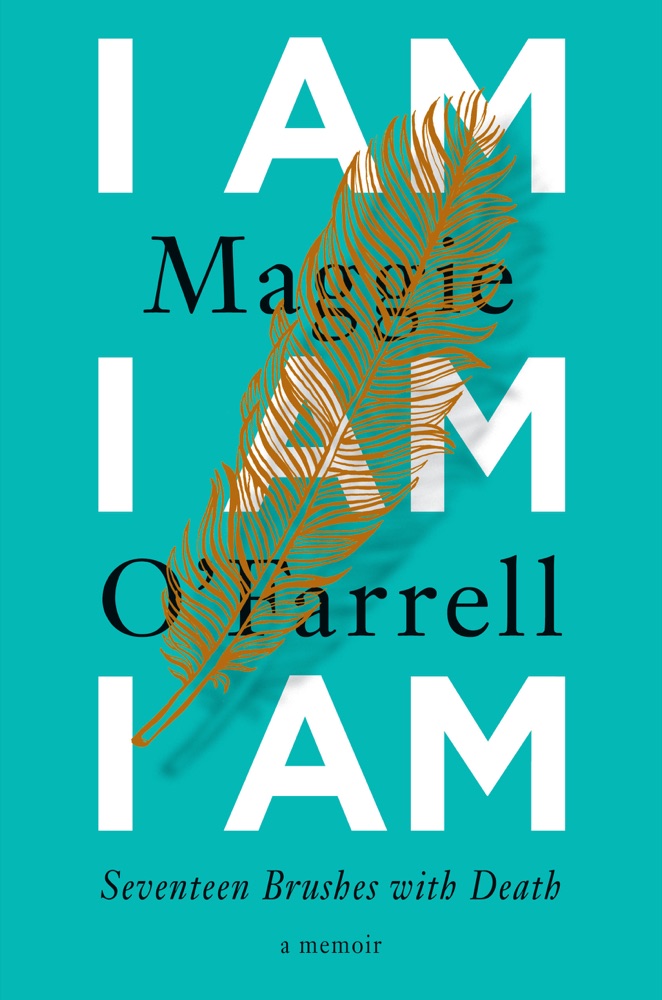
I Am, I Am, I Am is Maggie O'Farrell's astonishing memoir of the near-death experiences that have punctuated and defined her life. The childhood illness that left her bedridden for a year, which she was not expected to survive. A teenage yearning to escape that nearly ended in disaster. An encounter with a disturbed man on a remote path. And, most terrifying of all, an ongoing, daily struggle to protect her daughter--for whom this book was written--from a condition that leaves her unimaginably vulnerable to life's myriad dangers.
Seventeen discrete encounters with Maggie at different ages, in different locations, reveal a whole life in a series of tense, visceral snapshots. In taut prose that vibrates with electricity and restrained emotion, O'Farrell captures the perils running just beneath the sur
Book details
- First published
- 2017
- Author
- Maggie O'Farrell
- Genre
- Nonfiction
- Goodreads rating
- 4.00 (56k ratings)
The buzz
- The New York TimesReview in The New York Timesprofessional review (via Book Marks)
- The Wall Street JournalReview in The Wall Street Journalprofessional review (via Book Marks)
- The GuardianReview in The Guardianprofessional review (via Book Marks)
- NPRReview in NPRprofessional review (via Book Marks)
- Kirkus ReviewsReview in Kirkus Reviewsprofessional review (via Book Marks)
- Star TribuneReview in Star Tribuneprofessional review (via Book Marks)
Keep reading
 To Shake the Sleeping Self: A Journey from Oregon to Patagonia, and a Quest for a Life with No Regret
 Anthropology of an American Girl
 Managing Expectations: A Memoir in Essays – A Poignant Collection of Personal Stories on Acting, Failure, and Motherhood's Joy
 The Year of Magical Thinking
 Devotion
 The Wind-Up Bird Chronicle
 Imagine Me Gone
 Life After God
 To Throw Away Unopened
 The Book of Dreams
 Kafka on the Shore
 Life After Death
 Night Train to Lisbon
 Flights
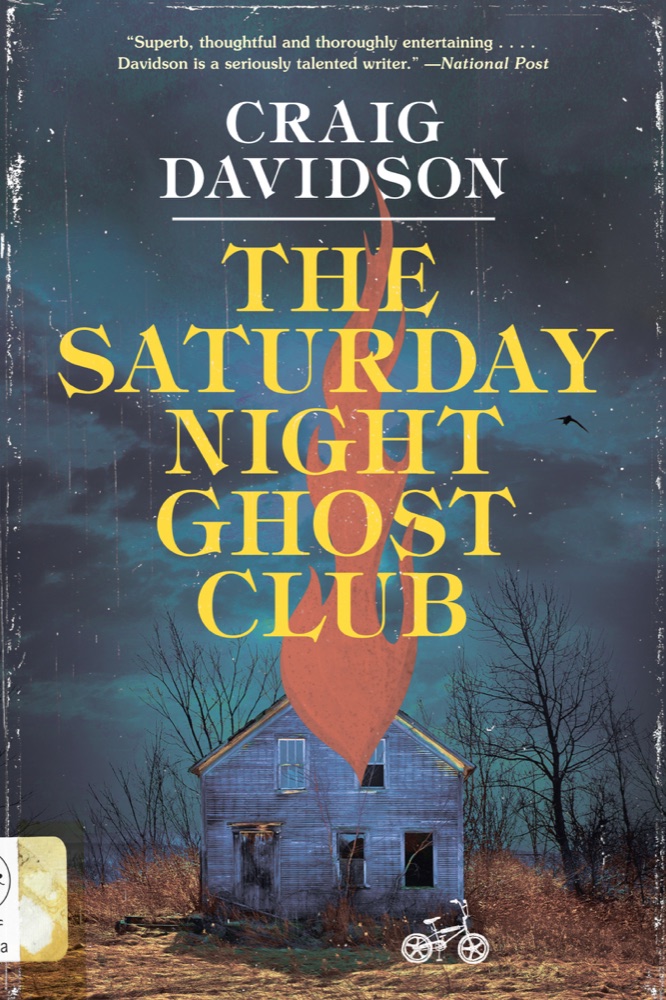 The Saturday Night Ghost Club
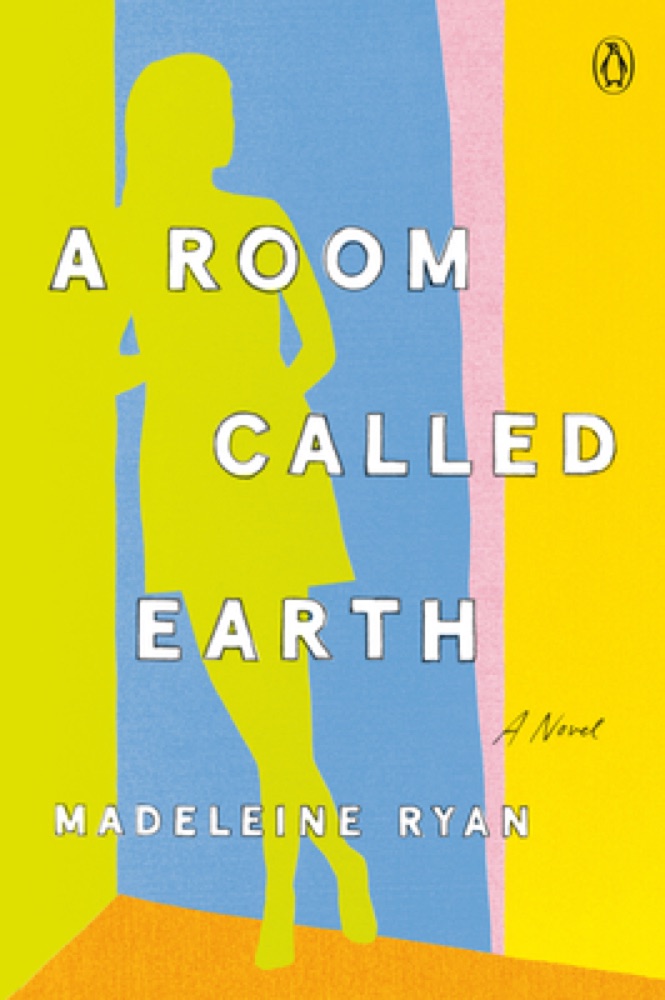 A Room Called Earth
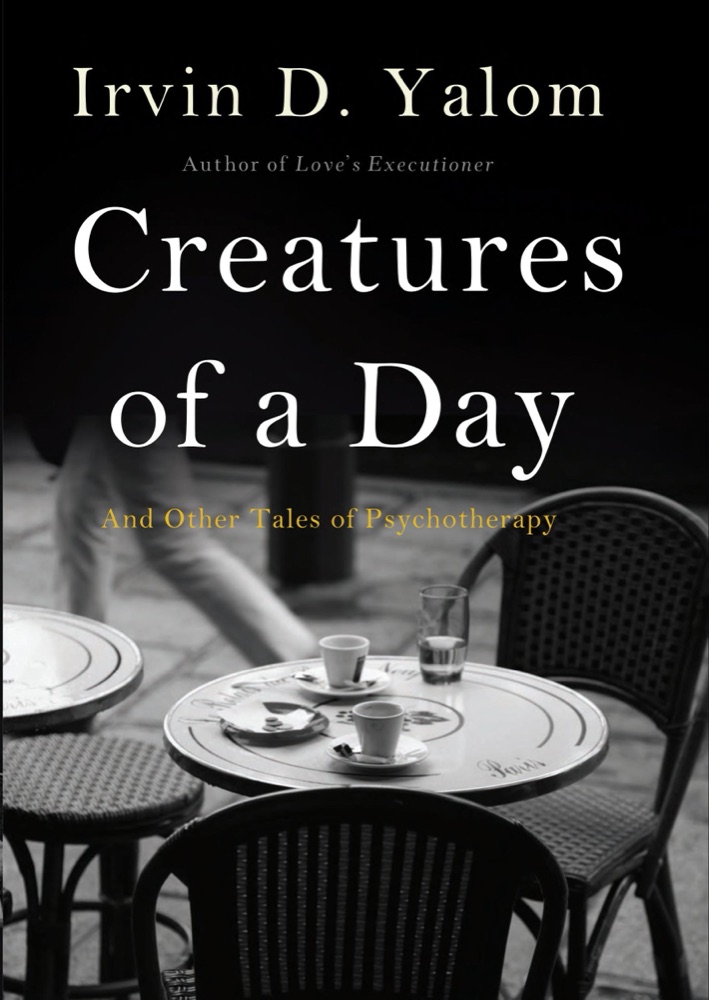 Creatures of a Day: And Other Tales of Psychotherapy
 Smilla's Sense of Snow
 The World and Other Places: Stories
 When Breath Becomes Air
 Ripe
Ripe
 The Book of Goose
 Split Tooth
 Tracks: A Woman's Solo Trek Across 1700 Miles of Australian Outback
 Briefly Perfectly Human: Making an Authentic Life by Getting Real About the End
 Like Streams to the Ocean: Notes on Ego, Love, and the Things That Make Us Who We Are
 Blue Nights
 The Raw Shark Texts
 Trigger Warning: Short Fictions and Disturbances
 Special Topics in Calamity Physics
 The First Time She Drowned
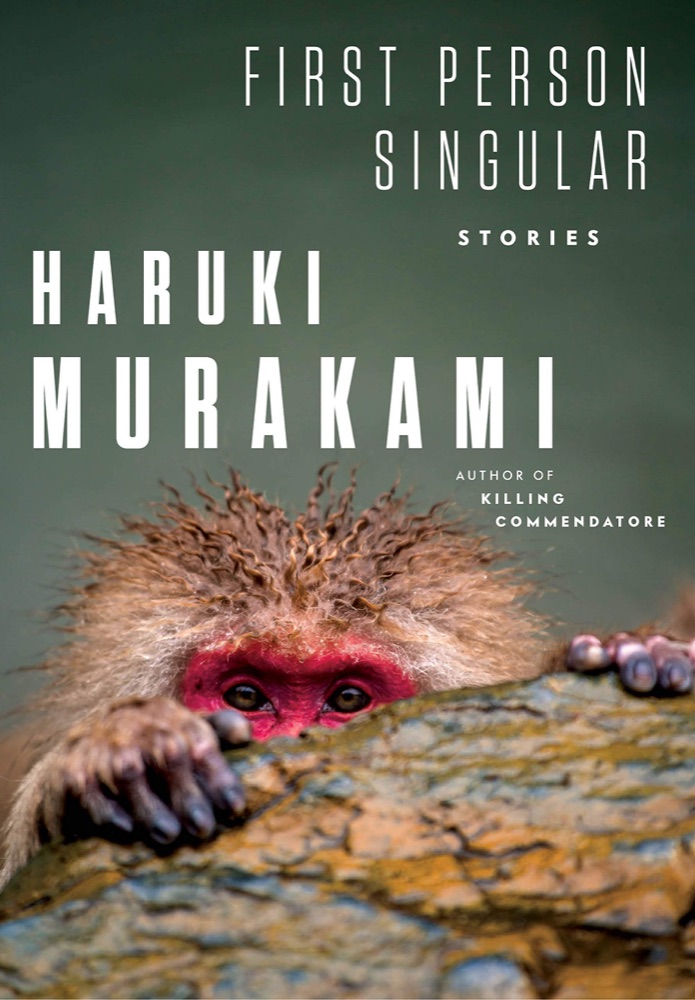 First Person Singular: Stories
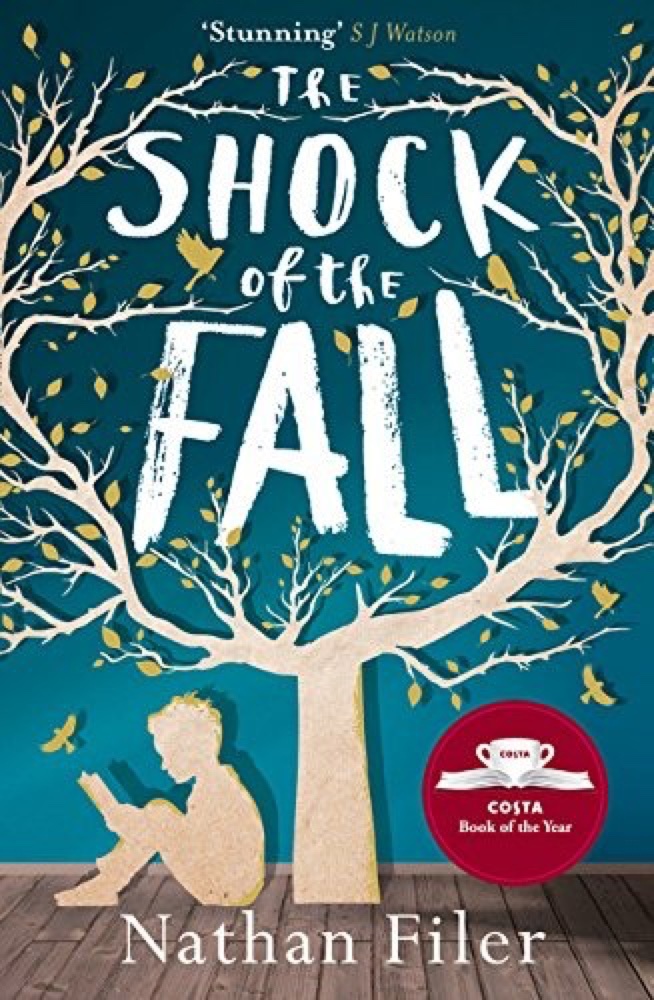 The Shock of the Fall
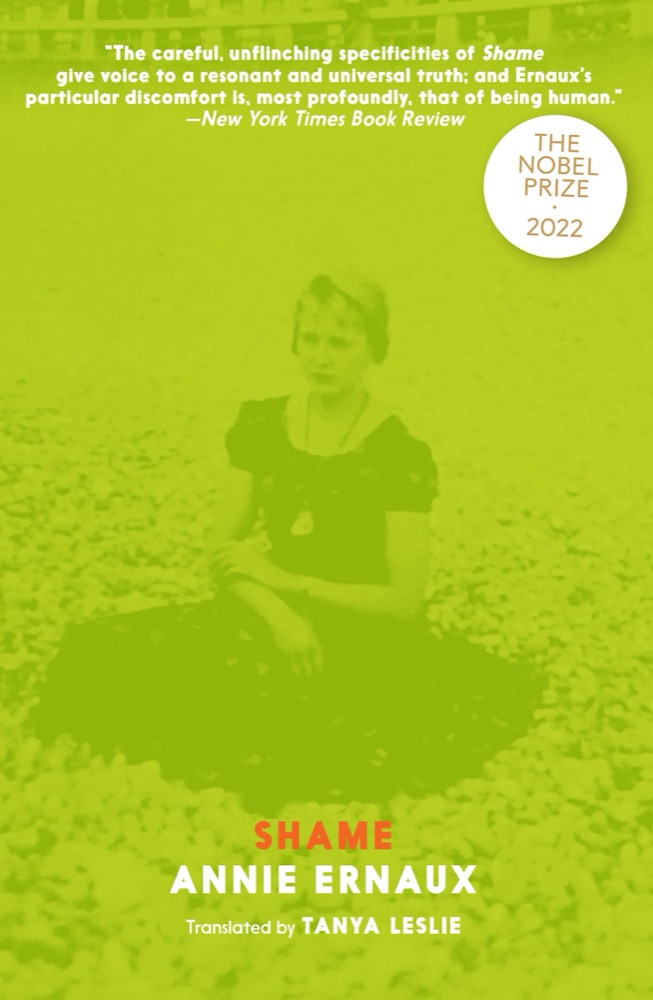 Shame
Shame
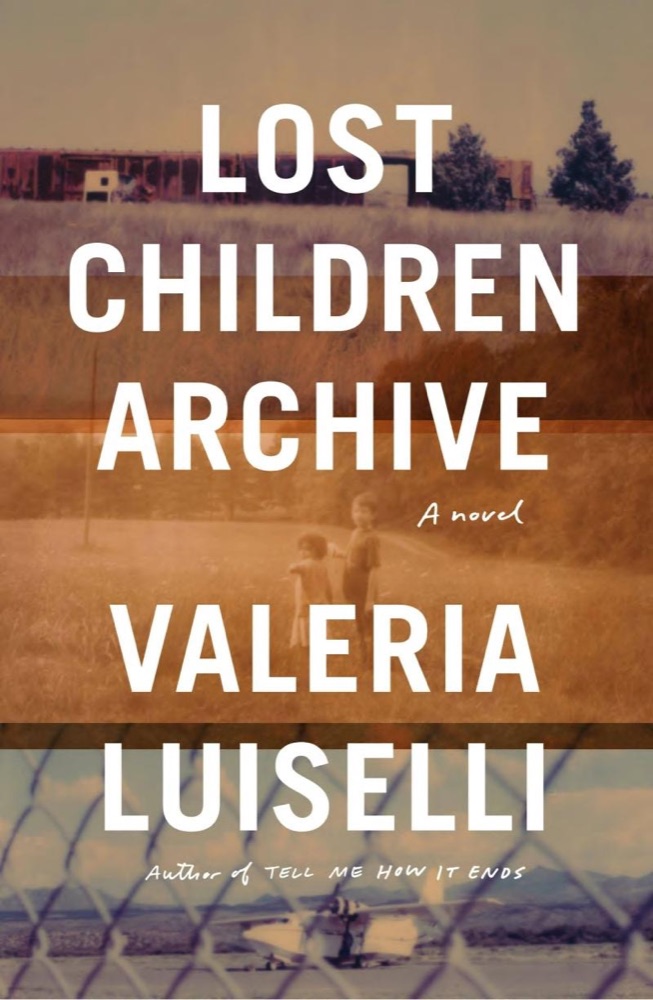 Lost Children Archive
 These Precious Days: Essays
 When Women Were Dragons
 Make It Scream, Make It Burn
 Inheritance: A Memoir of Genealogy, Paternity, and Love
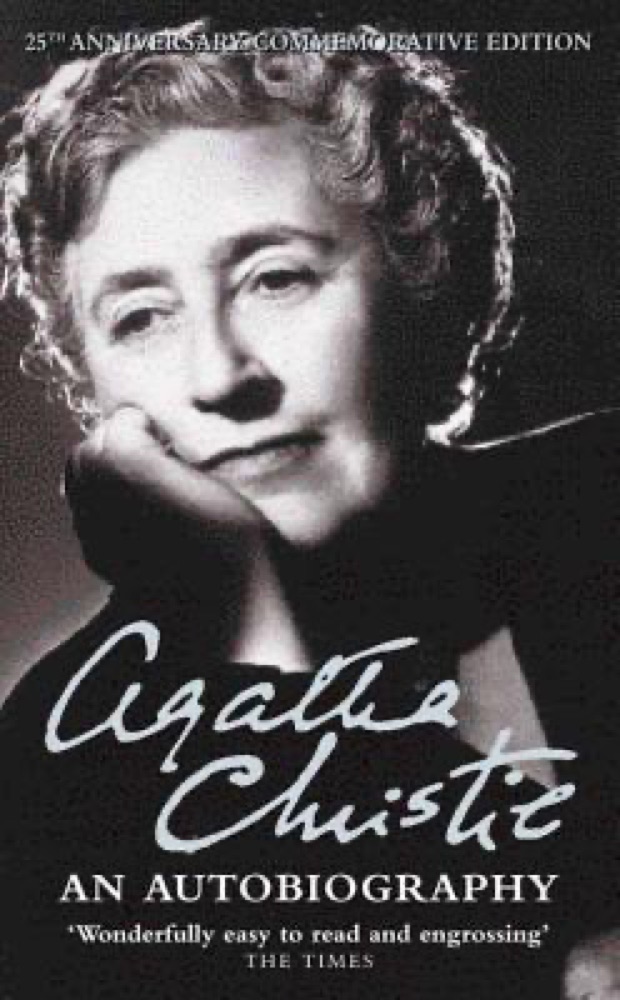 Agatha Christie: An Autobiography
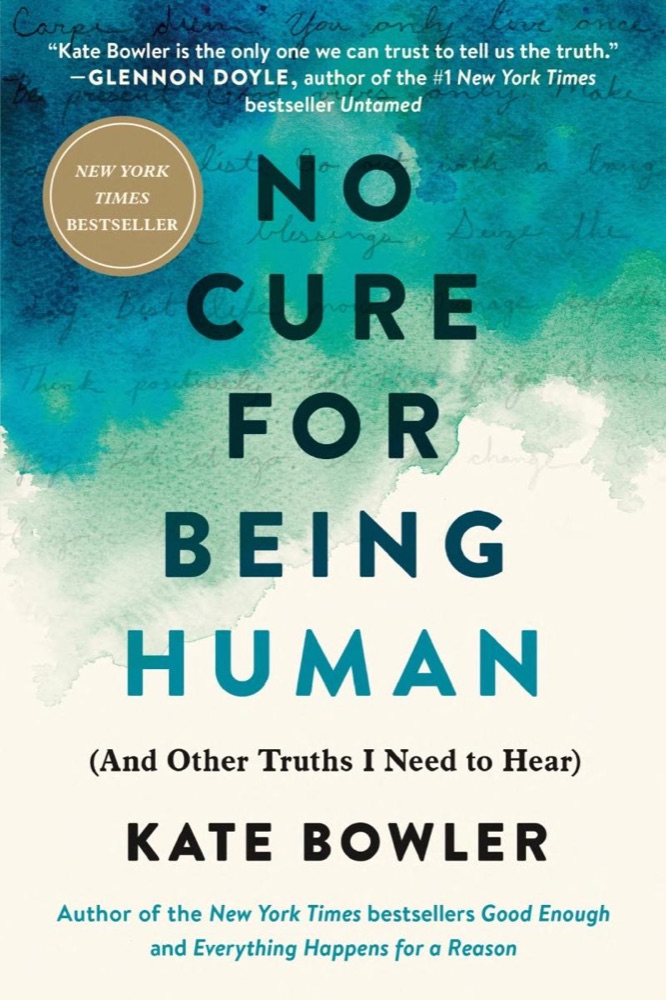 No Cure for Being Human: And Other Truths I Need to Hear
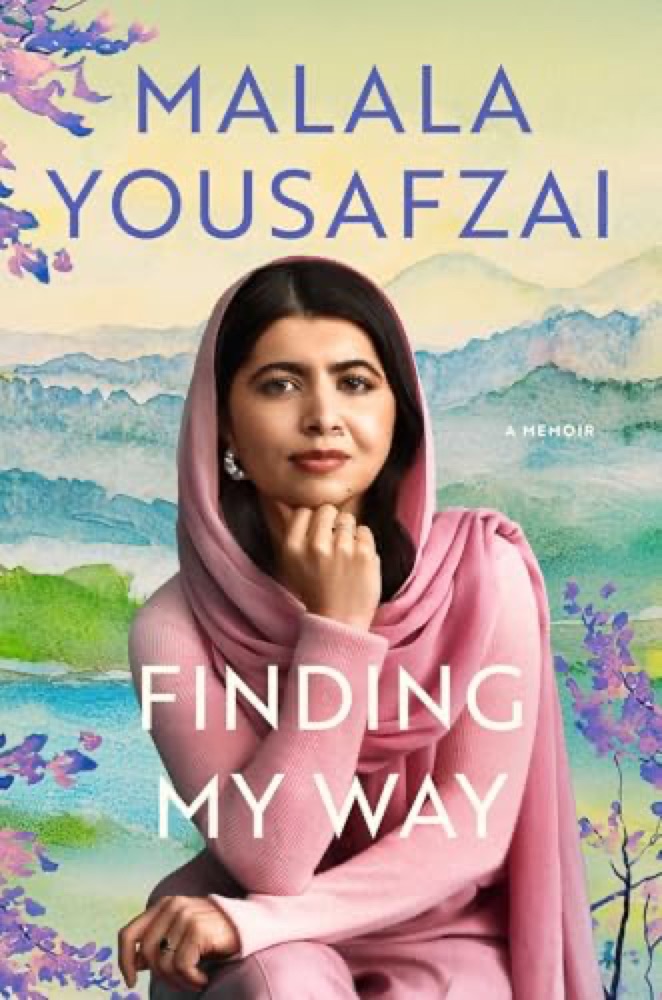 Finding My Way: A Memoir
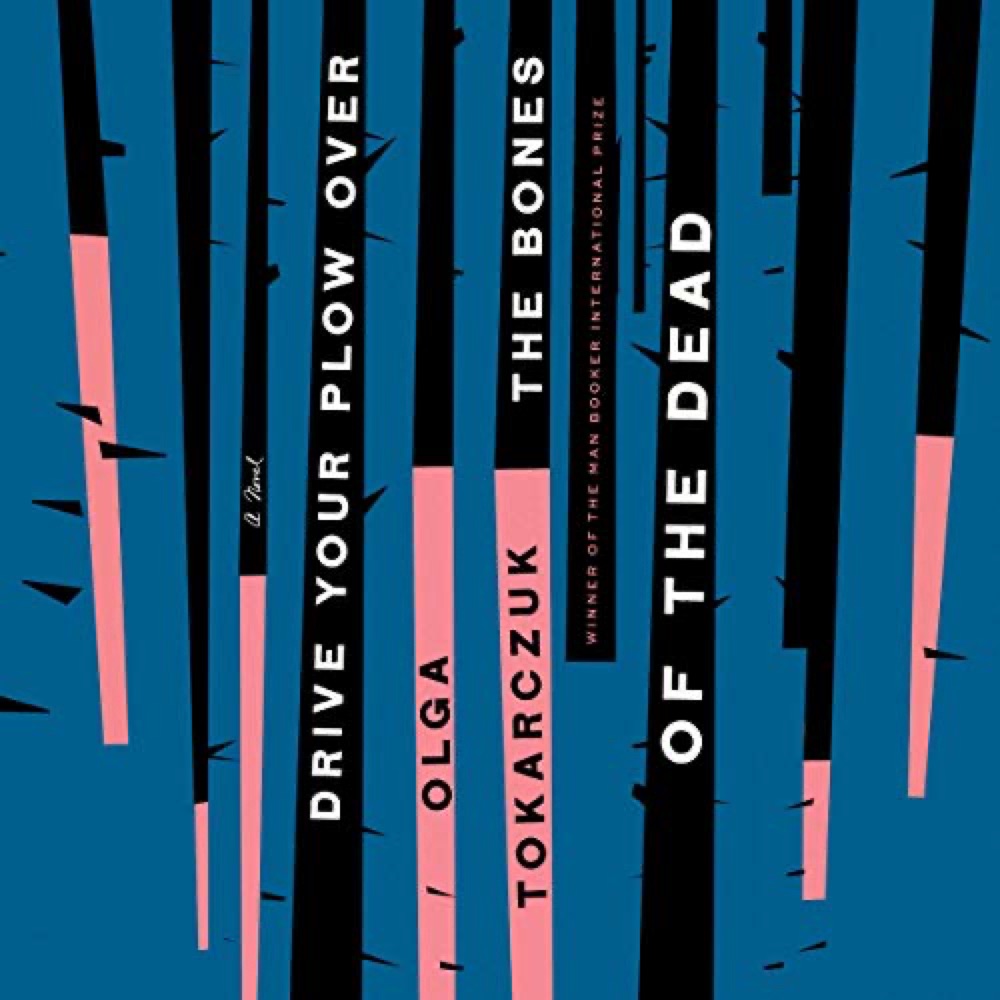 Drive Your Plow Over the Bones of the Dead
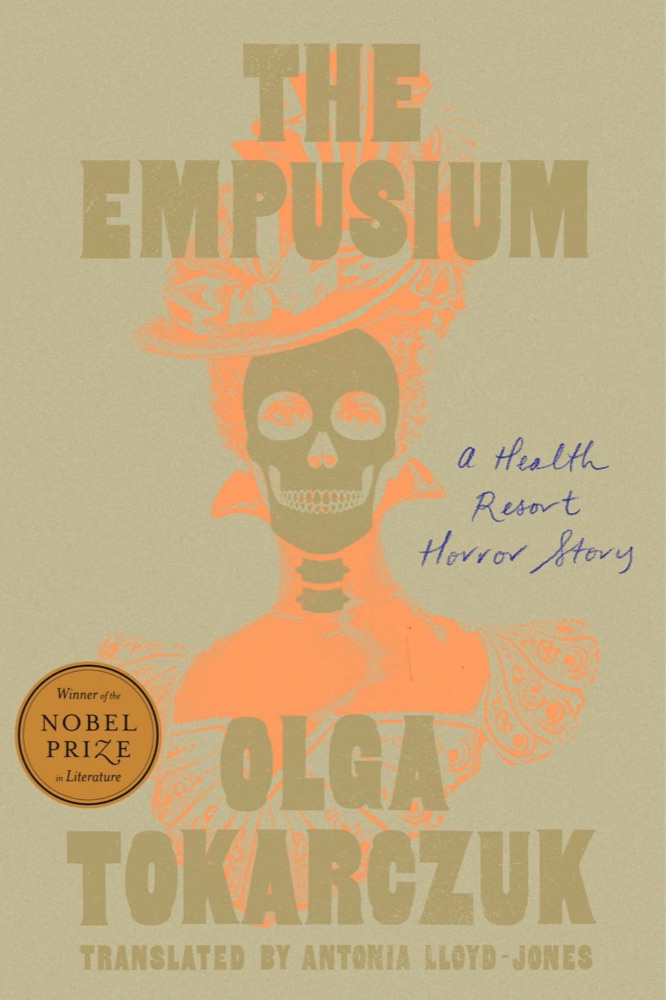 The Empusium
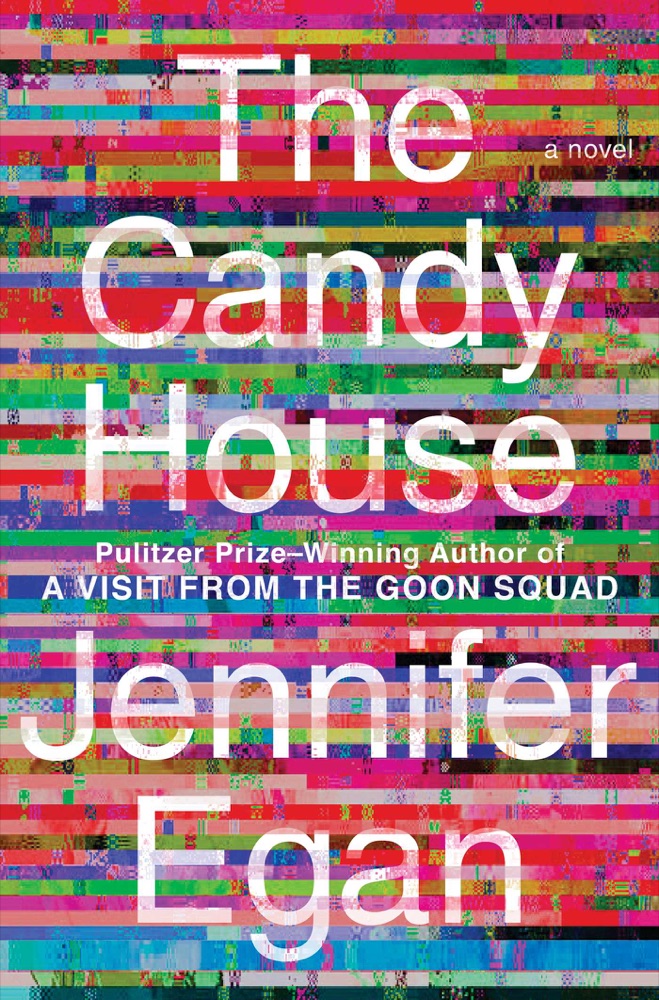 The Candy House
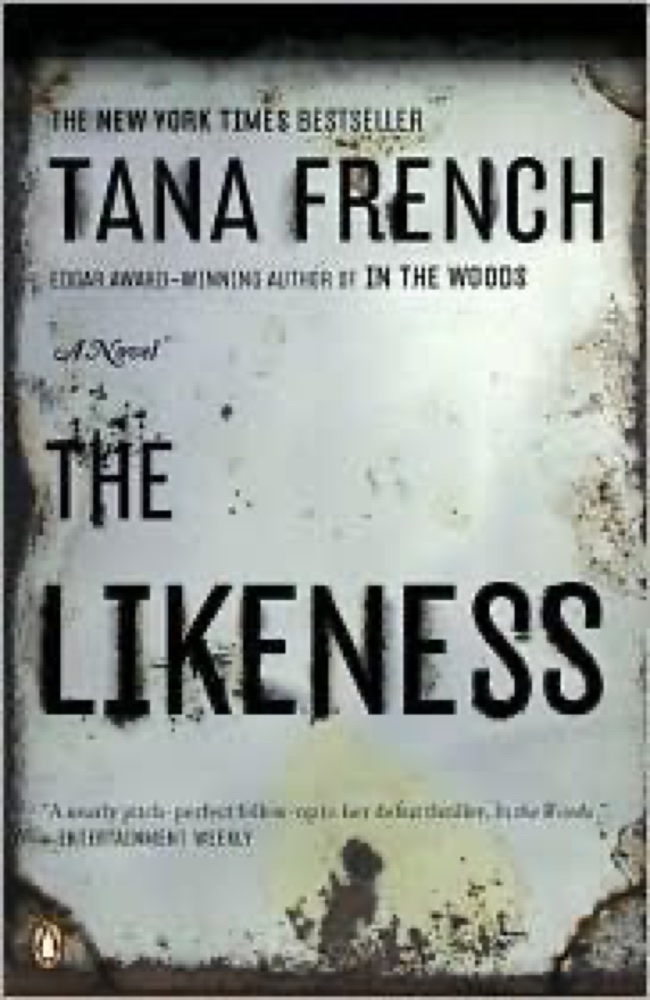 The Likeness
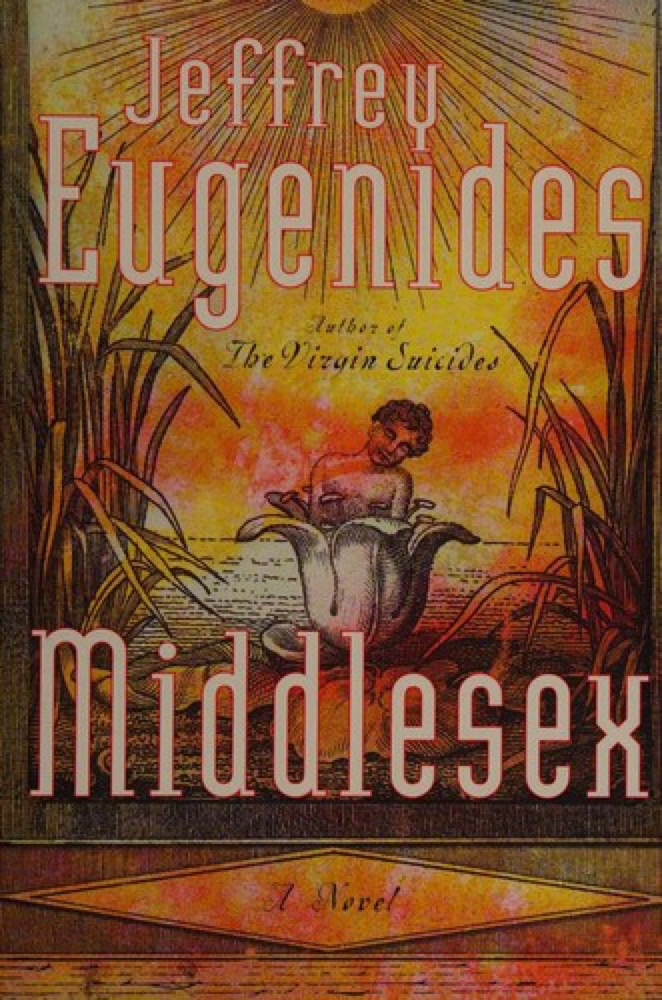 Middlesex
 Journal of a Solitude
 Very Good Lives: The Fringe Benefits of Failure and the Importance of Imagination
 Children of the Mind
 Knife: Meditations After an Attempted Murder
 Rough Magic: Riding the World's Loneliest Horse Race
 Stories of Your Life and Others
 Close to the Knives: A Memoir of Disintegration
 Dear Senthuran: A Black Spirit Memoir
 Year of the Monkey
 The Rules Do Not Apply
 Slouching Towards Bethlehem
 In Ascension
 The Girl Who Smiled Beads: A Story of War and What Comes After