
 The Likeness
Quotes from the Book
I had never understood before the invisibility of a human. How what we take to be a person is in fact a spirit we can never see.
26
You don't want to think about it, but there's an ethical limit to what anyone should have to endure. You can't just negate that with sentimentality. With the idea of some indomitable spirit. That's a fairy tale. It's what people say about other people, to avoid the wretchedness. It's just cruelty by other means. Requiring a person to stay alive. For you.
22
There is no getting better. There is love I cannot bear, which has kept me from drifting entirely loose. There are the medicines I can take that flood my mind without discrimination, slowing the monster, moving the struggle underwater, where I then must live in the murk. But there is no killing the beast. Since I was a young man, it has haunted me. And it will hunt me until I am dead. The older I become, the closer it gets.
12
It struck me then, for the first time, how unethical anxiety is, how it voids the reality of other people by conscripting them as palliatives for your own fear.
12
What do you fear when you fear everything? Time passing and not passing. Death and life. I could say my lungs never filled with enough air, no matter how many puffs of my inhaler I took. Or that my thoughts moved too quickly to complete, severed by a perpetual vigilance. But even to say this would abet the lie that terror can be described, when anyone who's ever known it knows that it has no components but its instead everywhere inside you all the time, until you recognize yourself only by the tensions that string one minute to the next. And yet I keep lying, by describing, because how else can I avoid this second, and the one after it? This being the condition itself: the relentless need to escape a moment that never ends.
10
What he had said to me a moment ago was true. I hadn't been listening to him, not for years. I'd wanted him to be better for so long that I had stopped hearing him tell me he was sick. For the first time I saw him now as a man, not a member of a family. A separate person, who had been trying as hard as he could for most of his life simply to get by.
8
That’s what Proust calls it. On those rare occasions when the miracle of an analogy had made me escape from the present. That’s the only real life, the only thing that makes you know you’re alive - the backward ache. That’s what music is.
8
Against the monster, I’ve always wanted meaning. Not for its own sake, because in the usual course of things, who needs the self-consciousness of it? Let meaning be immanent, noted in passing, if at all. But that won’t do when the monster has its funnel driven into the back of your head and is sucking the light coming through your eyes straight out of you into the mouth of oblivion. So like a cripple I long for what others don’t notice they have: ordinary meaning. Instead, I have words. The monster doesn’t take words. It may take speech, but not words in the head, which are its minions. The army of the tiny, invisible dead wielding their tiny, spinning scythes, cutting at the flesh of the mind. Unlike ordinary blades, they sharpen with use. They’re keenest in repetition. Self-accusation being nothing if not repetitive. There is nothing deep about this. It is merely endless.
7
The monster you lie with is your own. The struggle is endlessly private. I thought it was over. That one night the beast at my back would squeeze more tightly and I would cease breathing. What remained of me hoped for it.
7
A few months ago, a fog blinded me, thicker than ever before. I slept in the monster’s arms. I felt its breath on my neck, its scaled stomach rising and falling against my back, its head and face invisible as always. I couldn’t pretend anymore to Margaret that I was working. The children receded into noises grating on my ears. I stopped moving. Weeks went by indistinguishable one from another. I could smell the rot of myself, my armpits, my breath, my groin, as though the living part of death had already commenced, the preliminary decomposing, as the will fades. In Dante and Milton hell is vivid. Sin organizes the dead into struggle. The darkness bristles with life. There is story upon story to tell. But in the fog there is nothing to see. The monster you lie with is your own. The struggle is endlessly private. I thought it was over. That one night the beast at my back would squeeze more tightly and I would cease breathing. What remained of me hoped for it.
6
We live among the dead until we join them,
6
I gave myself a few days back at home before going in to see my clients again. It was hard at first. And it stayed hard for months. To sit there quietly, hands folded in my lap, listening to them elaborate on their troubles. An old impatience returned, the kind I had experienced when I started as a therapist: the urge to search for the moments in their past that contained the key to liberating them in the present. That's why I used to do, press for more and more family history, excusing it to myself as interest and attention, when really it was a distraction from the suffering in front of me, a desire to find the passage of experience that would explain their pain away. What good plot didn't offer that? A meaning sufficient to account for the events. But as time went on, I realized that my clients' lives weren't works of art. They told themselves stories all the time, but the stories trailed off, got forgetting, and then repeated - distractions themselves, oftentimes, from the feelings they were somewhere taught would damn them or wreck them. It had taken me a long time to see how strong this desire for an answer was. I had to train myself to notice how it arose, and how to put it aside. Because if all I did was scour what a person said to me each week for clues, I wouldn't do her much good. I had to give up my own need to cure if I was going to stand any chance of shepherding her toward acceptance of who she already was. I never did that for Michael. I never gave up my belief in a secret, a truth lodged in the past, which if he could only experience and accept would release him.
5
This is the thing: He isn't calling about his exam. I don't want to know that, but I do. He's calling to be reassured about something he can't put into words yet. I glimpsed it in him when he was young, but told myself, No, don't imagine that. Children have stages; he'll change. Then the words started running out of him in a torrent, and I knew they were being chased out by a force he couldn't see. What was I supposed to say to Margaret? That I see it in him?
5
I don't know what most people mean when they use the word love. If they haven't contorted their lives around a hope sharp enough to bleed them empty, then I think they're just kidding. A hope undoes what tiny pride you have, and makes you thankful for the undoing, so long as it promises another hour with the person who is now the world. Maybe people mean attractiveness, or affection, or pleasantness, or security. Like the nonbelievers in church who enjoy the hymns or go for the sens of community, but avert their eyes from the cross. I feel sorry for them. They are dead before their time.
5
It was one of those youthful promises that you make to yourself and keep long after you stop recognizing what you are doing, or how it is distorting your life.
4
That’s the only real life, the only thing that makes you know you’re alive - the backward ache. That’s what music is. The trouble - for me - is that at some stage I realized those miracles, those aches, they have a history. They're not private. The music's always about what someone's lost. That's what you hear, when it's good: the worlds people lost, the ones they want back. And once you hear it that way, you can't avoid it - that it's somehow about justice.
4
If you think of memory not just as looking back but as being aware of time and how it passes and what the passage of it feels like, then there is something about being in motion that does cause it. Through some sleight of mind, physical forward motion makes time seem visible. Which causes me to think that maybe the unnatural speed of cars and jets actually creates nostalgia. Because the simplest way to block out the strangeness of time passing before your eyes is to fix it in place, to edit it down to monuments or potted plants. Like,
4
The members of Joy Division likely weren’t meditating on Frank Lloyd Wright when they took the stage in Manchester but those flat-fronted black cotton trousers and narrow cut shirts didn’t come from nowhere. Peter Saville, who designed all of Factory’s records, understood in perfectly well: the iconic weight of black and white balanced against the release of splendour, in this case the dark magnificence of the music itself. Which might describe the tension of Protestant affect more generally: all guardedness and restraint until the eruption of an unextirpated beauty wakes us for a moment from the dream of efficiency.
4
What I have always found most comforting about these forms is the trace of hope I get as I'm filling them out. How they break your life down into such tidy realms, making each seem tractable, because discrete, in a way they never are beyond the white noise of the waiting room. You get that fleeting sense that you're on the verge of being understood, truly and fully, and for the first time, if you could just get it all down in black and white before the receptionist calls your name.
4
...even Michael, who never stopped trying to want what we wanted for him. How could he? We're not individuals. We're haunted by the living as well as the dead.
3
This street-this whole town-was so familiar that I looked straight through it, as if it were no longer a place unto itself but merely an opening onto the past.
3
There’s something illiberal about the way infants are thrust into the hands of people who have no idea what they’re doing, who can only experiment.
3
The light in that room was a kind of malpractice.
3
This is the thing I have discovered: Michael's being gone doesn't mean we stop trying to save him. The strain is less but it doesn't vanish. It becomes part of our bewilderment, a kind of activity without motive, which provides its own strange continuity.
2
My mind can rest. Which is when my situation becomes obvious. There is no getting better. There is love I cannot bear, which has kept me from drifting entirely loose. There are the medicines I can take that flood my mind without discrimination, slowing the monster, moving the struggle underwater, where I then must live in the murk. But there is no killing the beast. Since I was a young man, it has hunted me. And it will hunt me until I am dead. The older I become, the closer it gets.
2
But holding Michael had always been like holding a little person, who knew that his feeding would end, who knew that if you were picked up you would be put down, that the comfort came but also went.
2
There is so much drivel about psychoactive meds, so much corruption, bad faith, over- and underprescription, vagueness, profiteering, ignorance, and hope, that it’s easy to forget they sometimes work, alleviating real suffering, at least for a time. This was such a time. I
2
It’s easy to make too much of fathers, I want to say. A
2
Watch on YouTube
About Adam Haslett
We have collected 28 quotes from 1 book by Adam Haslett on BookQuoters.
More about the author →About the book
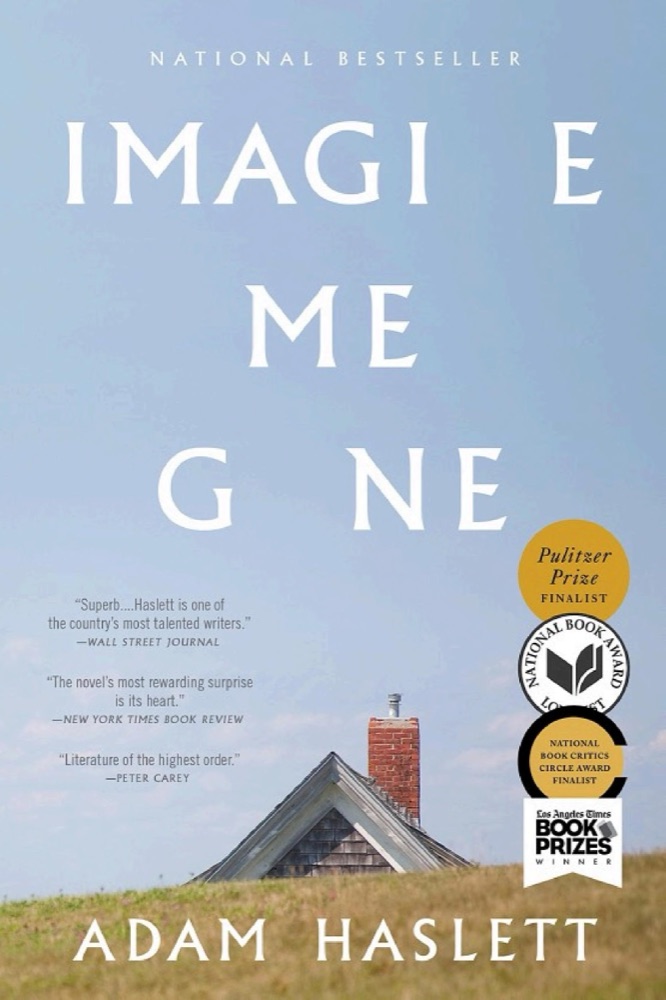
From a Pulitzer Prize and National Book Award finalist, a ferociously intimate story of a family facing the ultimate question: how far will we go to save the people we love the most? When Margaret's fiancée, John, is hospitalized for depression in 1960s London, she faces a choice: carry on with their plans despite what she now knows of his condition, or back away from the suffering it may bring her. She decides to marry him. Imagine Me Gone is the unforgettable story of what unfolds from this act of love and faith. At the heart of it is their eldest son, Michael, a brilliant, anxious music fanatic who makes sense of the world through parody. Over the span of decades, his younger siblings -- the savvy and responsible Celia and the ambitious and tightly controlled Alec -- struggle along with their mother to care for Michael's increasingly troubled and precarious existence. Told in alternat
Book details
- First published
- 2016
- Author
- Adam Haslett
- Genre
- Fiction
- Goodreads rating
- 3.70 (20k ratings)
The buzz
- The New York TimesReview in The New York Timesprofessional review (via Book Marks)
- The Wall Street JournalReview in The Wall Street Journalprofessional review (via Book Marks)
- The GuardianReview in The Guardianprofessional review (via Book Marks)
- NPRReview in NPRprofessional review (via Book Marks)
- The Boston GlobeReview in The Boston Globeprofessional review (via Book Marks)
- Star TribuneReview in Star Tribuneprofessional review (via Book Marks)
Keep reading
The Likeness
 Just Above My Head
 A Small Indiscretion
 What Is the What
 Make It Scream, Make It Burn
 To Paradise
 The Year of Magical Thinking
 My Friends
 The Shock of the Fall
 Life After Death
 The Sweet Hereafter
 Swimming in the Dark
 Blue Nights
 The First Time She Drowned
 Sliver of Truth
 Hollywood Park
 Traveling Mercies: Some Thoughts on Faith
 What I Loved
 A Widow's Story
 The Goldfinch
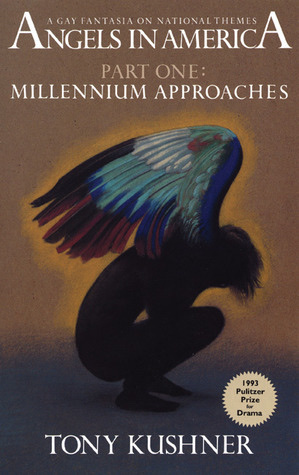 Millennium Approaches
 The Dark and Hollow Places
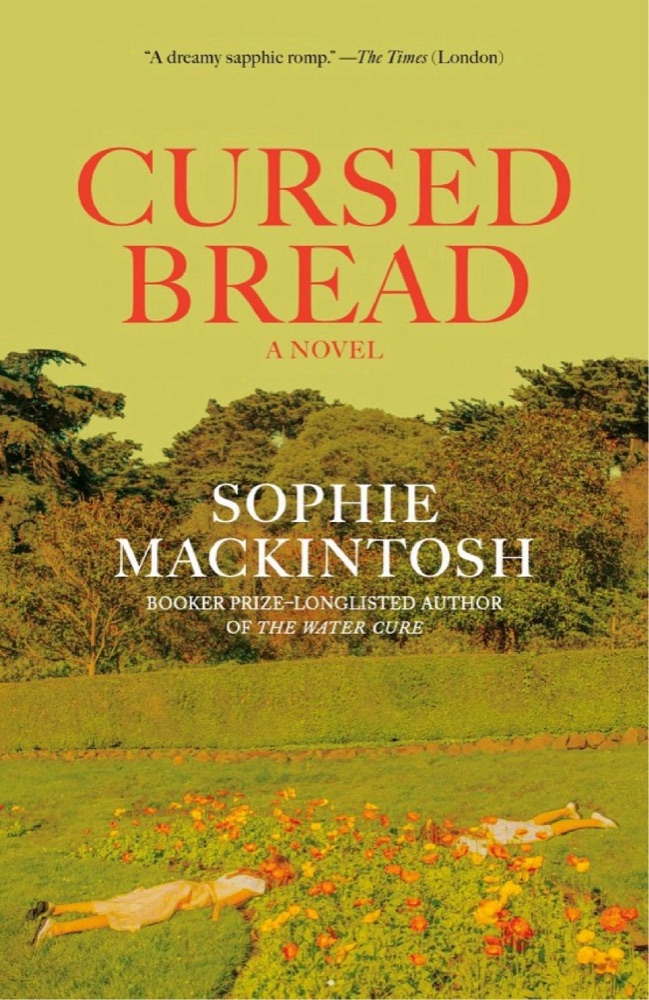 Cursed Bread
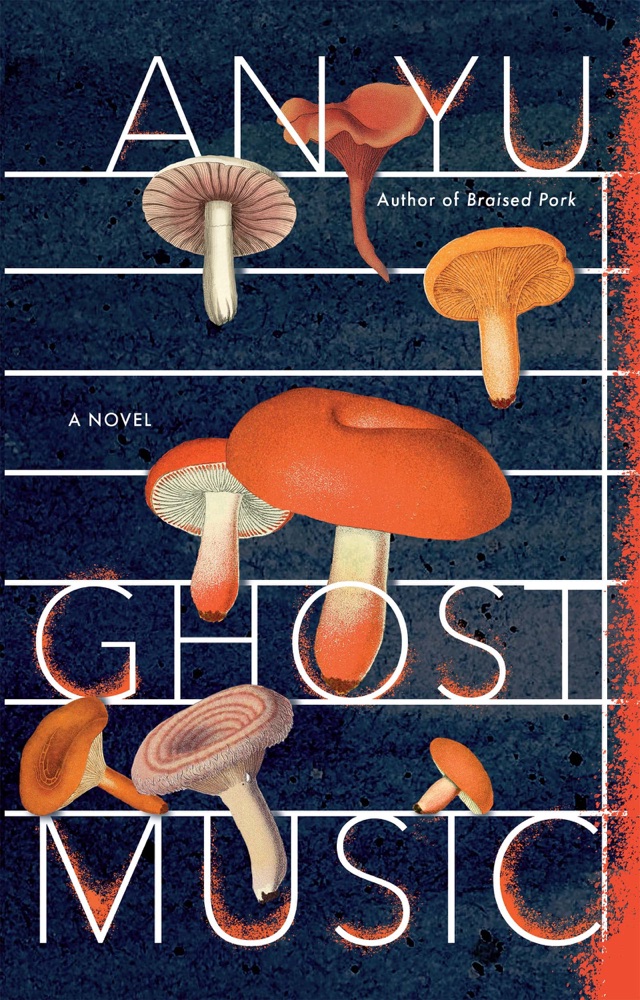 Ghost Music
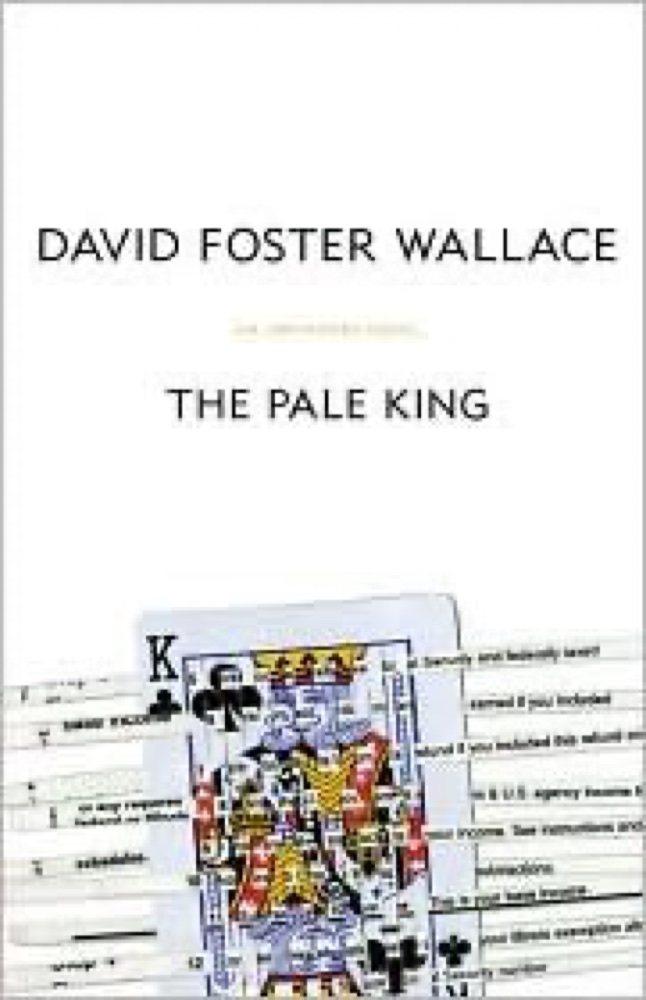 The Pale King
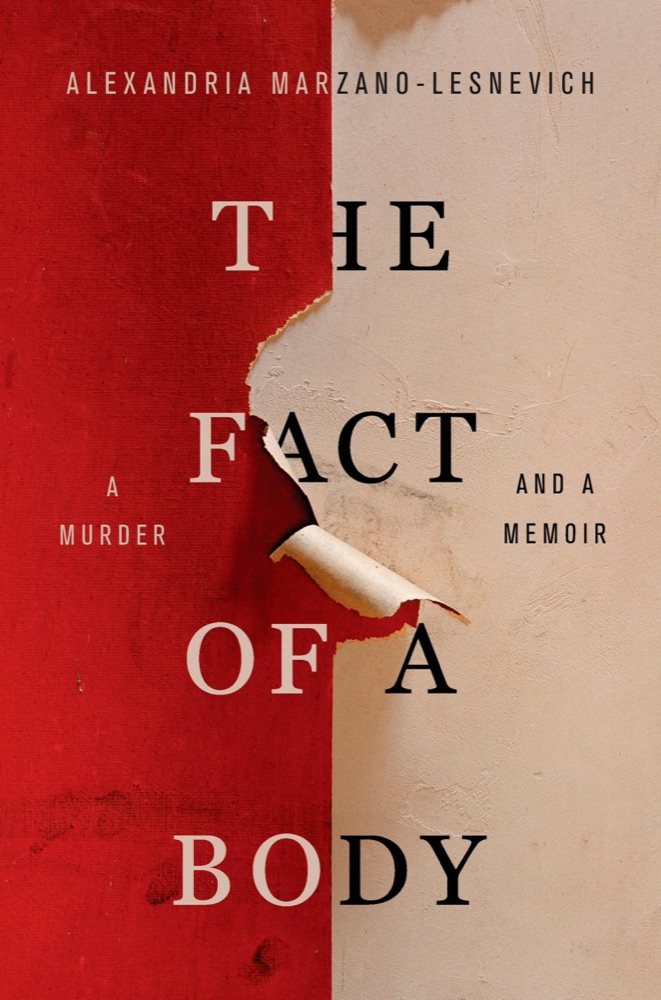 The Fact of a Body: A Murder and a Memoir
 Gretel and the Dark
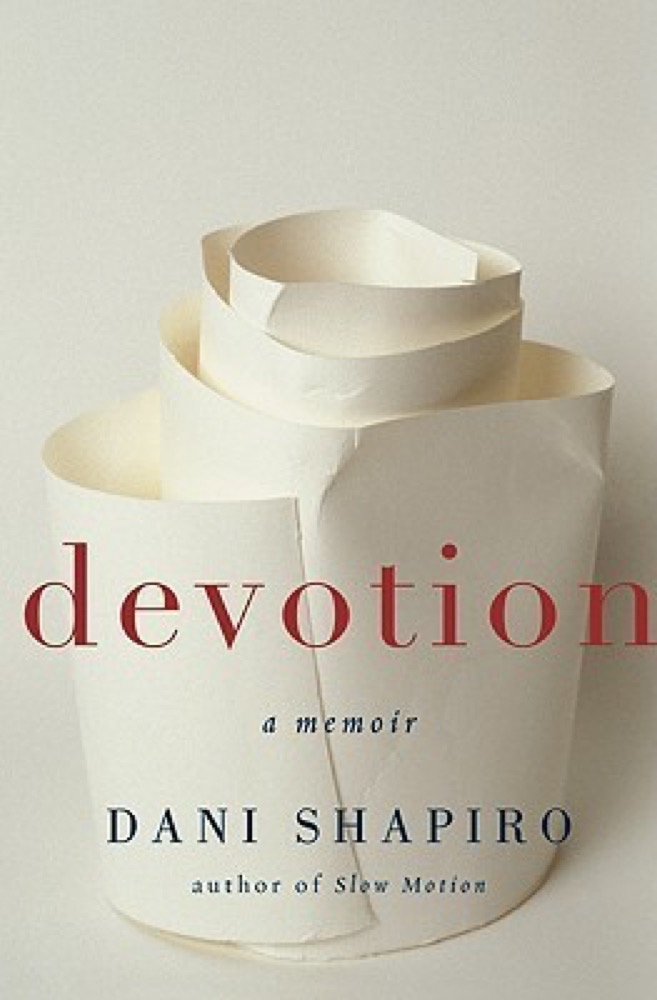 Devotion
 First Person Singular: Stories
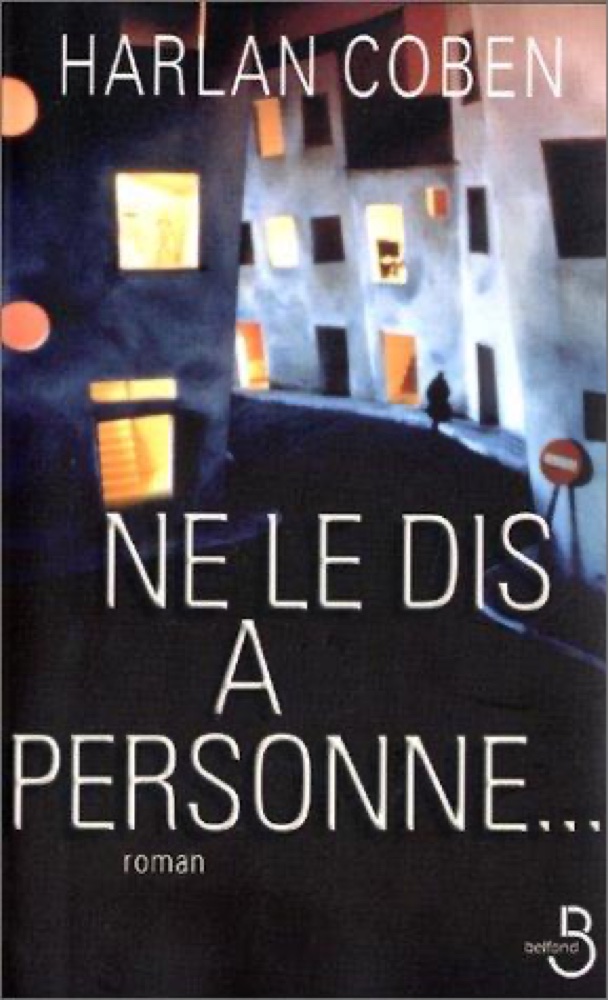 Tell No One
 Pew
Pew
 Anthropology of an American Girl
 The Wind-Up Bird Chronicle
 The Emperor of Gladness
 Suspect
 Dear Senthuran: A Black Spirit Memoir
 These Silent Woods
 A Grief Observed
 The Raw Shark Texts
 Just Ignore Him
 Dream Count
 The City and Its Uncertain Walls
 A Little Devil in America: Notes in Praise of Black Performance
 Managing Expectations: A Memoir in Essays – A Poignant Collection of Personal Stories on Acting, Failure, and Motherhood's Joy
 Paperweight
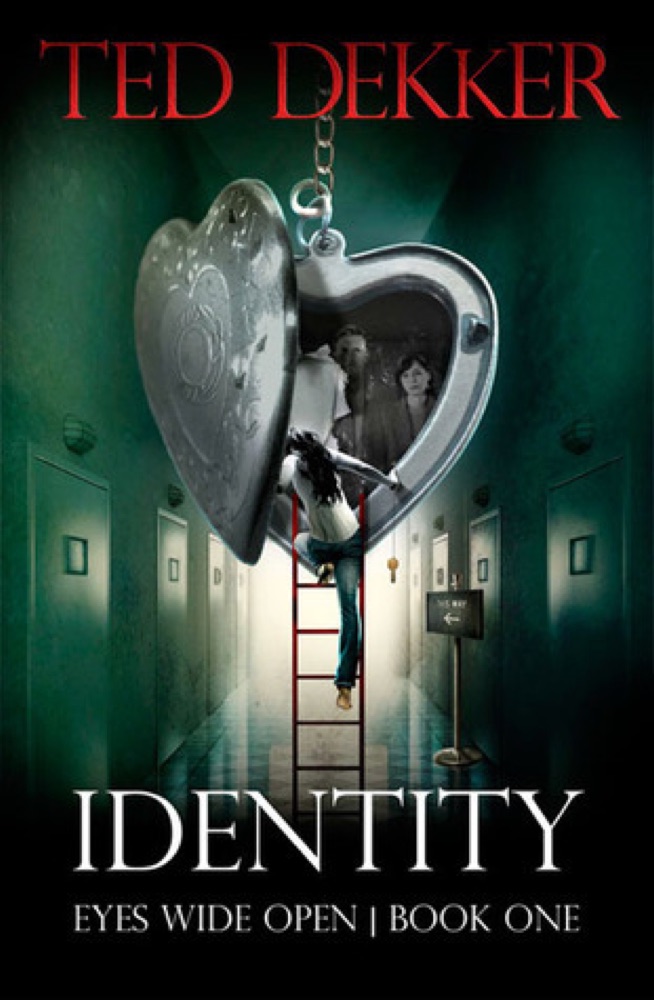 Identity
 Requiem
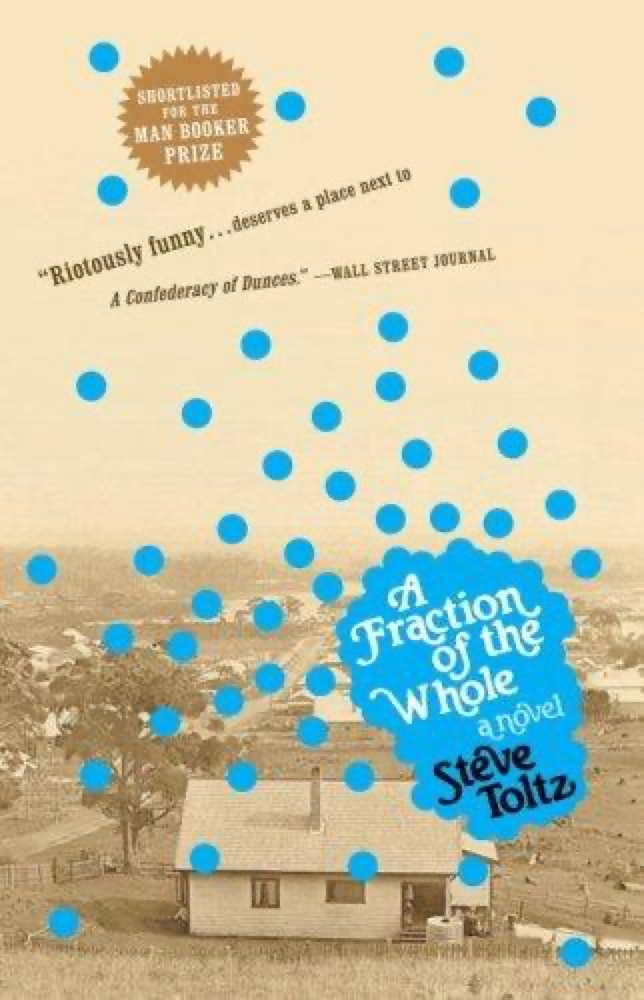 A Fraction of the Whole
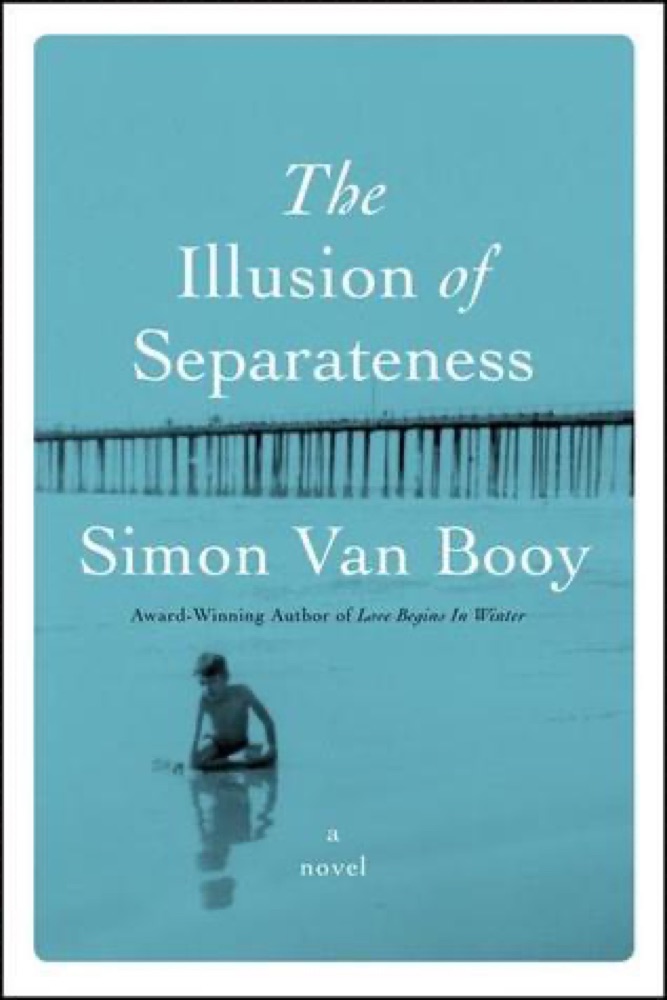 The Illusion of Separateness
 More, Now, Again: A Memoir of Addiction
 The Story of the Lost Child
 The Secret History
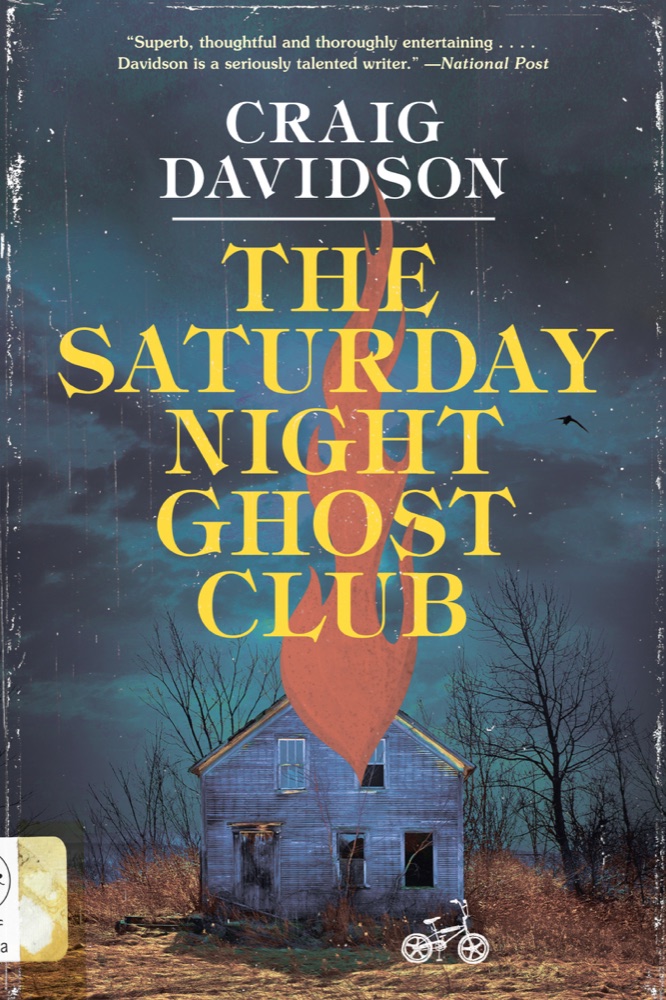 The Saturday Night Ghost Club
 Change of Heart
 Haunted
 Goodbye Days
 I Am, I Am, I Am: Seventeen Brushes with Death
 Trigger Warning: Short Fictions and Disturbances
 Middlesex
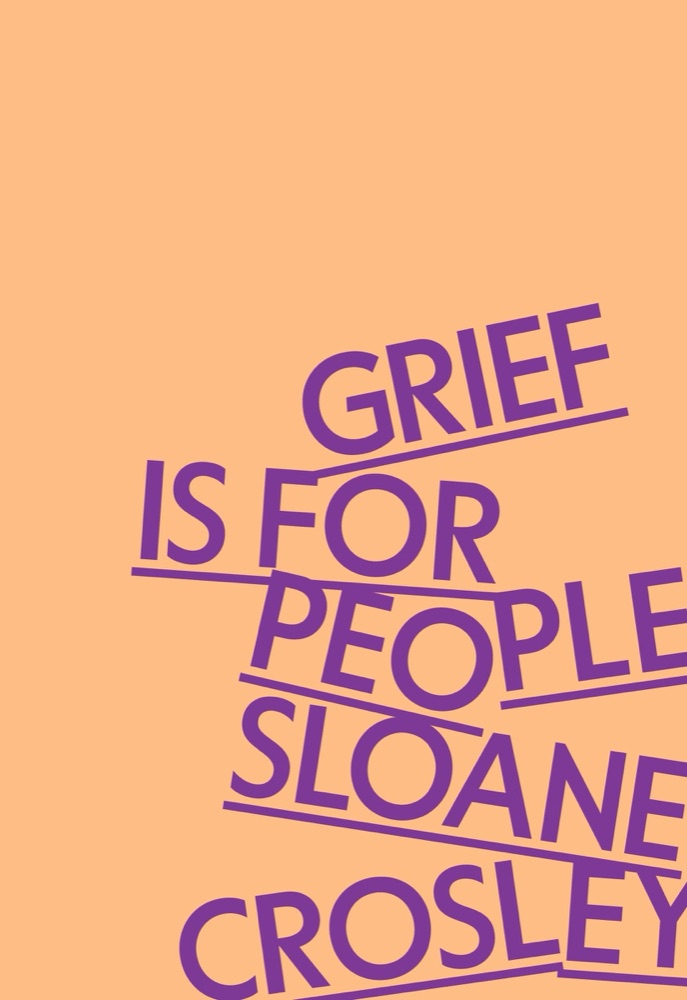 Grief Is for People