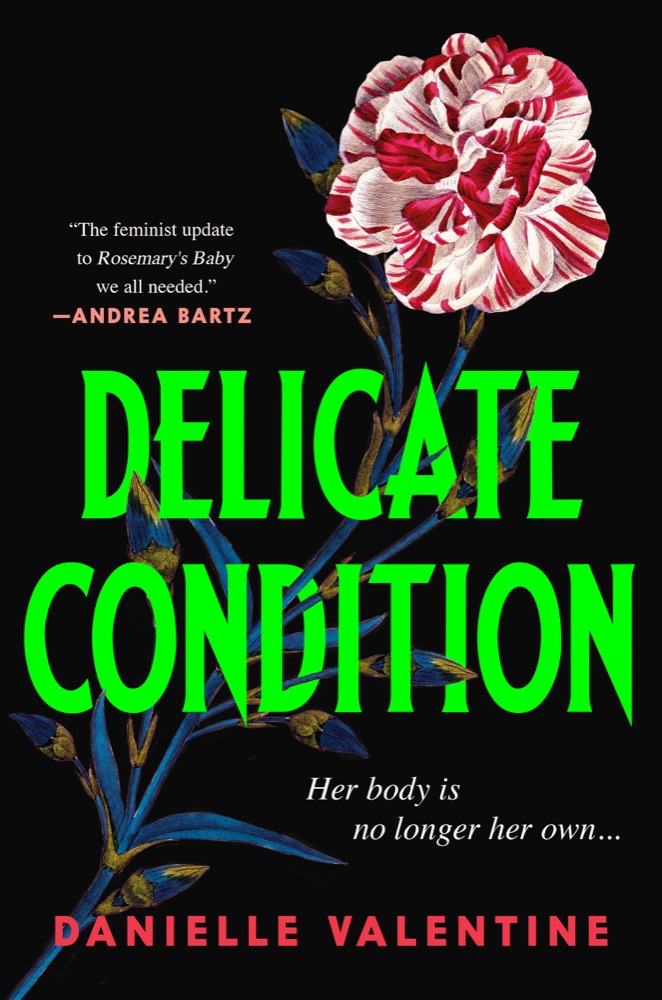
 Zikora
Quotes from the Book
I didn’t know this then, but the truth is there’s no such thing as an uncomplicated pregnancy. We all give something up in exchange for our babies. Nearly everyone on this planet was welcomed by the sounds of a woman screaming.
12
Maybe it would be better to let the world burn down. Maybe it was time to create something new in its place.
8
Doctors don’t understand our bodies, they don’t believe us about our symptoms, and they ignore us when we try to tell them we’re in pain.
6
Was there some magical, next-level love I wouldn’t be able to feel until I became a mother? Or was that just something we told women so they’d keep breeding?
3
I stumbled back into the bedroom, wondering if a woman has ever calmed down after a man told her to.
3
The things that made you lucky could also be the things that made you suffer. Io wished people would stop telling women they should be grateful for their suffering instead of trying to help them with it.
1
I hope we stop assuming that pain is a woman’s birthright and start trying to find a way to ease the burden, just a little. Childbirth is not, after all, something that only affects women—it affects us all.
1
The tendency to assume that women can’t be trusted to accurately convey their symptoms comes from the historical diagnosis of “hysteria,” which was once thought to be a medical condition said to only affect women.
1
Doctors are mostly guessing at how drugs affect unborn babies and the women carrying them. This bias isn’t limited to people who have or are planning to get pregnant. Throughout the history of medicine, women have been included in far fewer medical studies, less research and fewer drug trials than men have been. This is true even during studies and drugs for things that solely or mostly affect cis women, like breast and ovarian cancer. It’s absolutely unacceptable. And yet it still continues, to this day.
1
I no longer felt numb. I felt whatever came after that. I felt dead. I felt like everything inside of me was rotting.
1
Crawford had turned back to Dex, addressing him like he was the one in charge of my uterus. I wanted to grab his chin and force him to look at me, talk to me, but I didn’t. I didn’t have the energy for that.
1
Somewhere in the swimming, blistering pain, I found myself thinking that I didn’t know how women ever forgave their children for this. For ripping their bodies apart, destroying them.
1
Real labor doesn’t happen like it does in the movies. For one thing, it takes so much longer than you think it will. You don’t rush to the hospital the moment you feel your first contraction, already pushing, screaming for drugs while an angry nurse tells you it’s too late, the baby’s already coming. That’s all fiction.
1
Either I was losing my mind, or something truly horrifying was happening to my body. It seemed ridiculous that all anyone ever told me was that I needed to take another damn aspirin.
1
Sometimes it felt like the continuation of our species was an ongoing experiment being performed on the backs of women. Or on our wombs.
1
Unto the woman he said, I will greatly multiply thy pain and thy conception; in pain thou shalt bring forth children… Genesis 3:16, ASV
1
A mother to spiders.
1
If you leave your trash outside overnight, you don’t blame the bear who comes by and rips it open, drawn by the smell. You blame yourself.
People who I’d thought were close friends had stopped calling and texting, had found other, more fun people to get dinner with. Some people couldn’t face the more intense parts of life.
wanted him to feel, for just a second, what it was like to have your body taken away from you, to be treated like a vessel, a thing.
I’ve always hated how people separate women who want kids from women who don’t, like we’re two separate species. It’s infuriating how people insist on defining cis women’s entire lives by this one choice.
But, in my opinion, the most horrifying part of Anna’s experience isn’t what happens to her physically, but how the people around her react: how her doctors dismiss and ignore her, expecting her to suffer through her pain for the good of her baby without any concern for whether her body can handle it; how her husband assumes she’s either making up or exaggerating her symptoms. I’m afraid I didn’t have to exaggerate these reactions at all. They’re all too real. The tendency to assume that women can’t be trusted to accurately convey their symptoms comes from the historical diagnosis of “hysteria,” which was once thought to be a medical condition said to only affect women. Doctors were taught that women were inherently liars, unreliable, or hysterical hypochondriacs. In some cases, they were even believed to be possessed. And these beliefs have persisted, even after the diagnosis of hysteria was proven to be nonsense. To this day doctors prescribe less pain medication to women than they do to men, they take longer to diagnose us with illness, and they’re more likely to send us home in the middle of a medical emergency like a heart attack. Unfortunately, all these prejudices disproportionately affect women of color. If you’re ever curious about why the maternal mortality rate in the United States is so high—particularly among Black women—these are good places to start. Doctors don’t understand our bodies, they don’t believe us about our symptoms, and they ignore us when we try to tell them we’re in pain.
With all the willpower I had left, I forced that voice to just shut up. I was tired of pretending I wasn’t in pain. I was tired of being strong just because it made things easier for everyone else. I was tired of calming down.
I couldn’t think of any, but that’s the thing about not being able to remember something, isn’t it? You don’t know that you’re not remembering. The picture in your head feels like the truth, even if it’s a lie.
Apparently, Dr. Crawford just needed to hear a man say it because he stopped shaking his head and frowned instead, staring at Dex like he’d just added something incredibly fascinating to the conversation. I resisted the urge to snap, “Like I said.
How much more was I going to be expected to sacrifice to make this happen? I’d already given my body, my hormones, my time. And now, it seemed, my mind. And I wasn’t even pregnant yet.
To this day doctors prescribe less pain medication to women than they do to men, they take longer to diagnose us with illness, and they’re more likely to send us home in the middle of a medical emergency like a heart attack.
She was here because she’d been diagnosed with polycystic ovarian syndrome—a diagnosis she’d had to fight for, considering her previous doctor was convinced she couldn’t get pregnant because of her weight. It hadn’t helped that her husband had backed him up, encouraging Lena to eat less and exercise more, as if all their fertility problems could be solved with a salad and a jog around the block.
She knew she should be grateful. A child was a blessing, that’s what her mother always said. But her first pregnancy had felt more like an actual nightmare, nine months filled with excruciating, debilitating pain, and none of her doctors—not one—had believed her when she’d tried to tell them how bad it was. They insisted there was nothing physically wrong with her, that she must be exaggerating. They told her to try taking a Tylenol—Tylenol!—when the pain felt like someone tying her insides into knots. Lucy couldn’t help wondering if that’s what they told all the women who came in complaining about being in pain. But there was another part of her, a small shameful part, that wondered if maybe she wasn’t strong enough, if she was unworthy.
Watch on YouTube
About Danielle Valentine
About the book
The Push meets The Silent Patient in a gripping thriller that follows a woman convinced a sinister figure is going to great lengths to make sure her pregnancy never happens—while the men in her life refuse to believe a word she says.
Anna Alcott is desperate to be pregnant. But as she tries to balance her increasingly public life with a grueling IVF journey, she starts to suspect that someone is going to great lengths to make sure her pregnancy never happens. Crucial medicines are lost. Appointments get swapped without her knowledge. And even when she finally manages to get pregnant, not even her husband is willing to believe that someone's playing a twisted game with her.
When the increasingly cryptic threats drive her out of her Brooklyn brownstone and into hiding in the cold, gray ghost town that is the Hamptons in the depths of winter, Anna is almost at the end of her rope.
Book details
- First published
- 2023
- Author
- Danielle Valentine
- Genre
- Horror
- Goodreads rating
- 3.63 (20k ratings)
Keep reading
Zikora
 Ladyparts
 Ask Me About My Uterus: A Quest to Make Doctors Believe in Women's Pain
 All Fours
 The Push
 Diary of a Void
 Nine Perfect Strangers
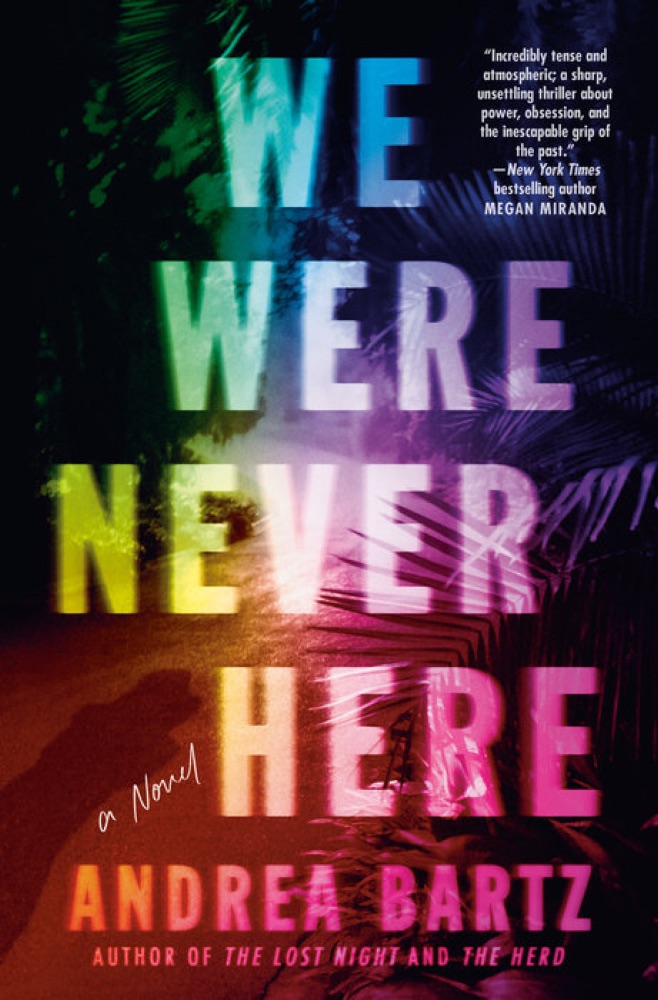 We Were Never Here
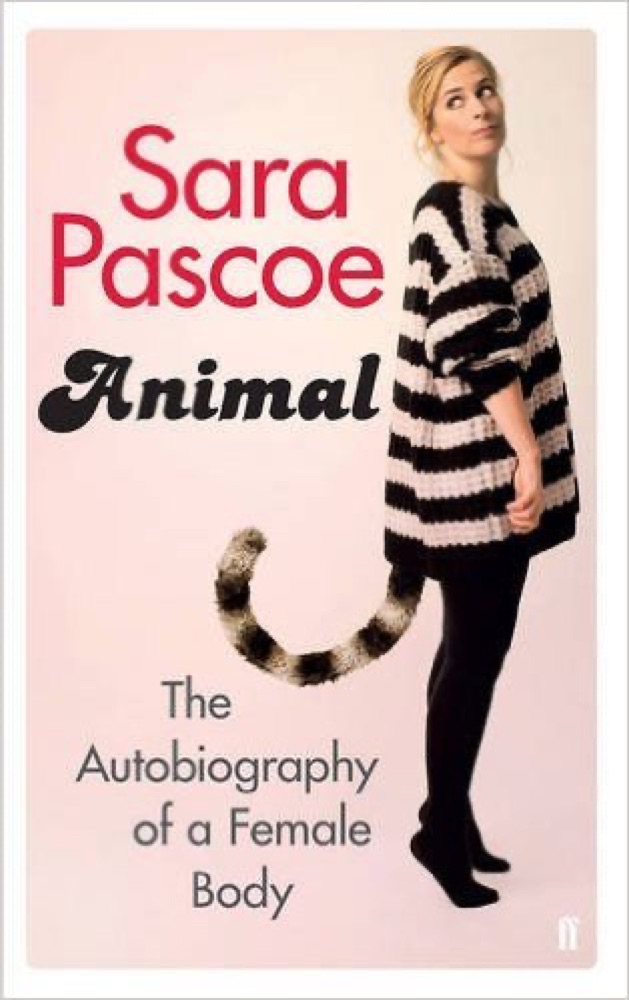 Animal: The Autobiography of a Female Body
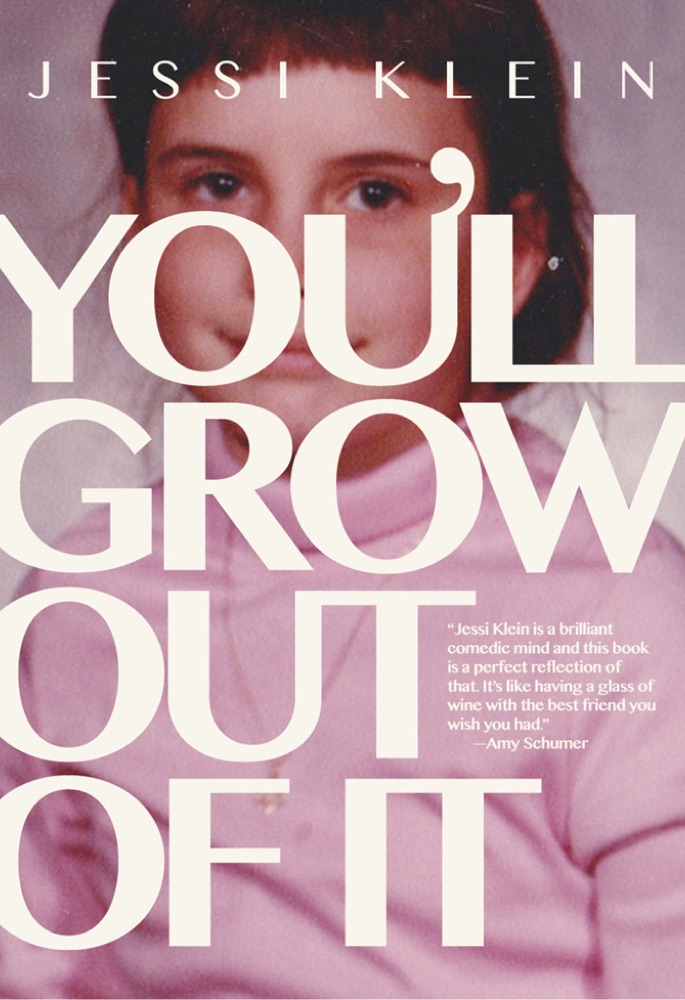 You'll Grow Out of It
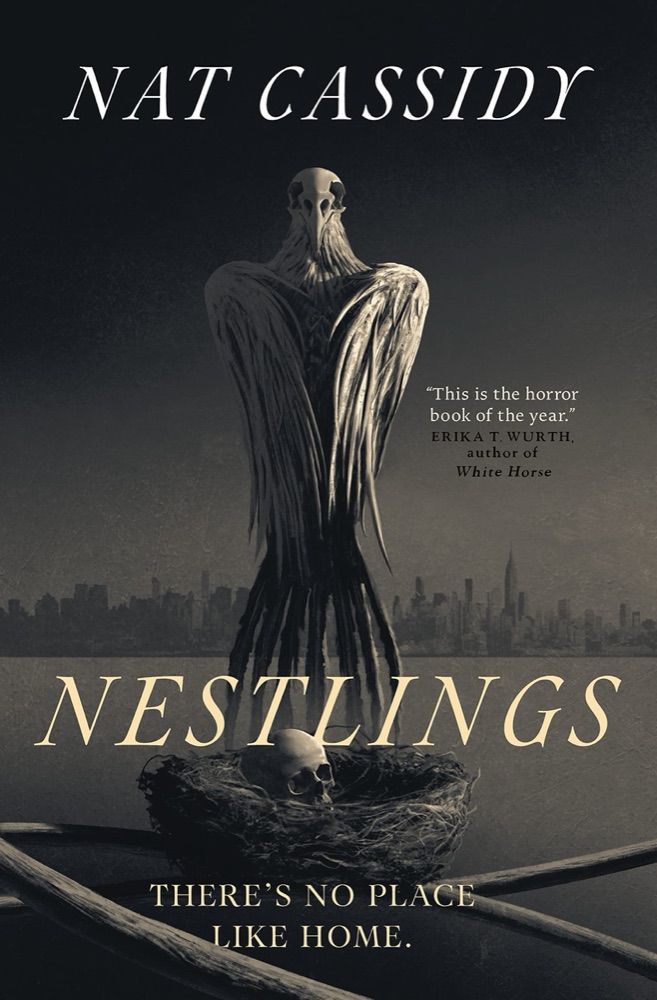 Nestlings
 The Devil You Know
 Awake
Awake
 The Husband's Secret
 Chlorine
 Take Me Apart
 The First Bad Man
 Gerald's Game
 The Summer Children
 The Rachel Incident
 Constellations
 Joan Is Okay
 Good Morning, Destroyer of Men's Souls: A Memoir of Women, Addiction, and Love
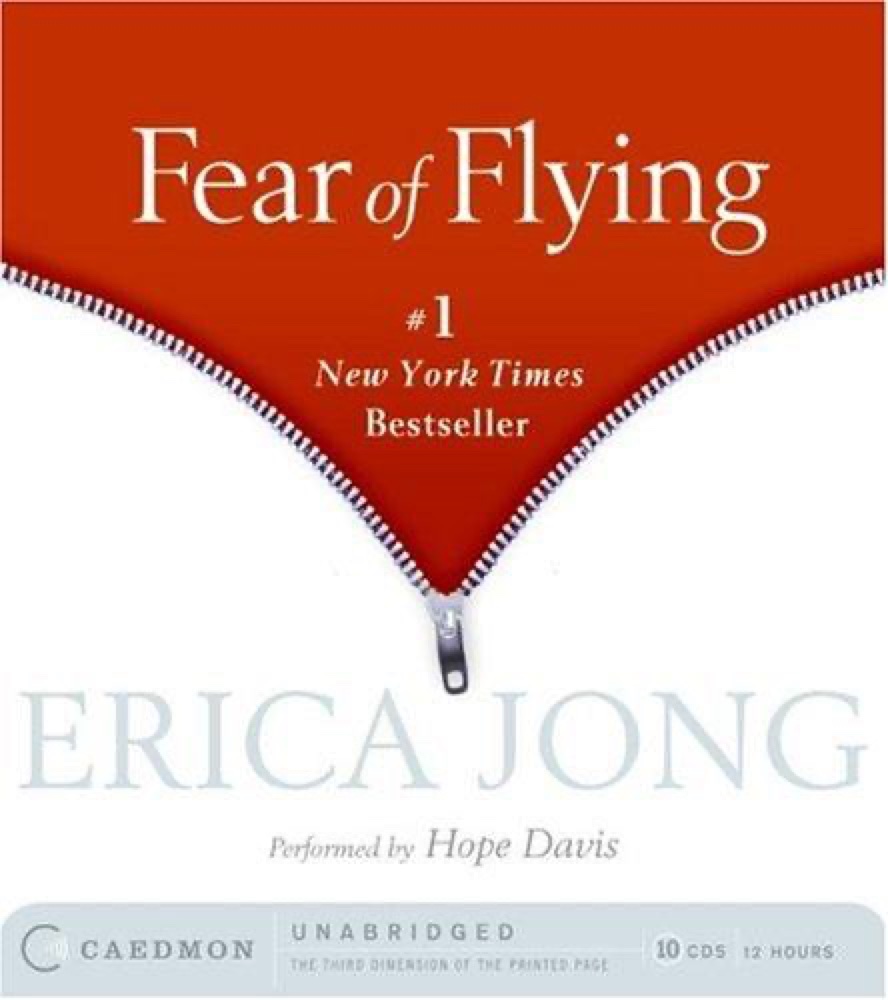 Fear of Flying
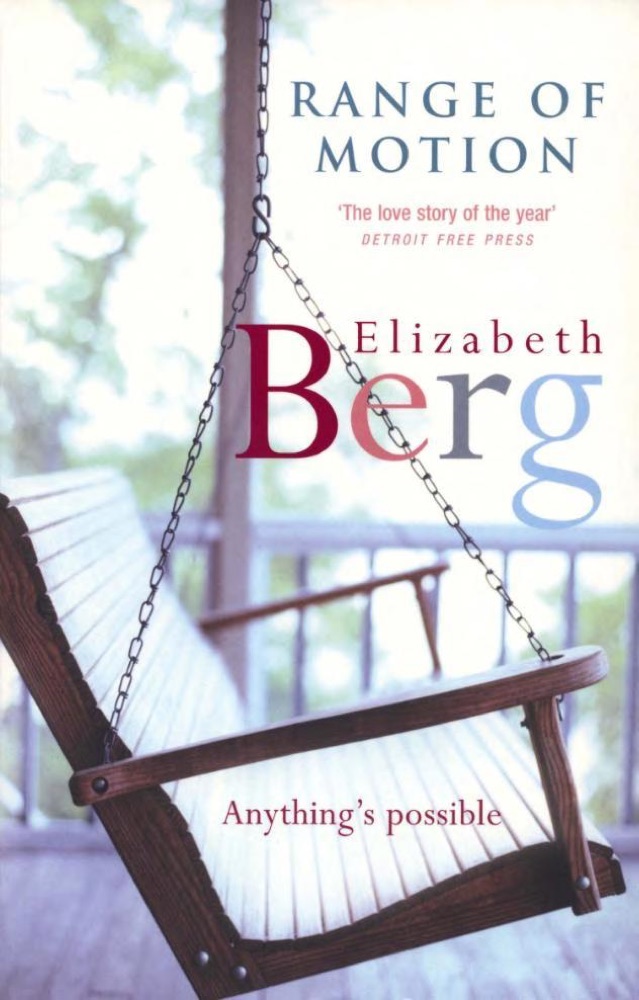 Range of Motion
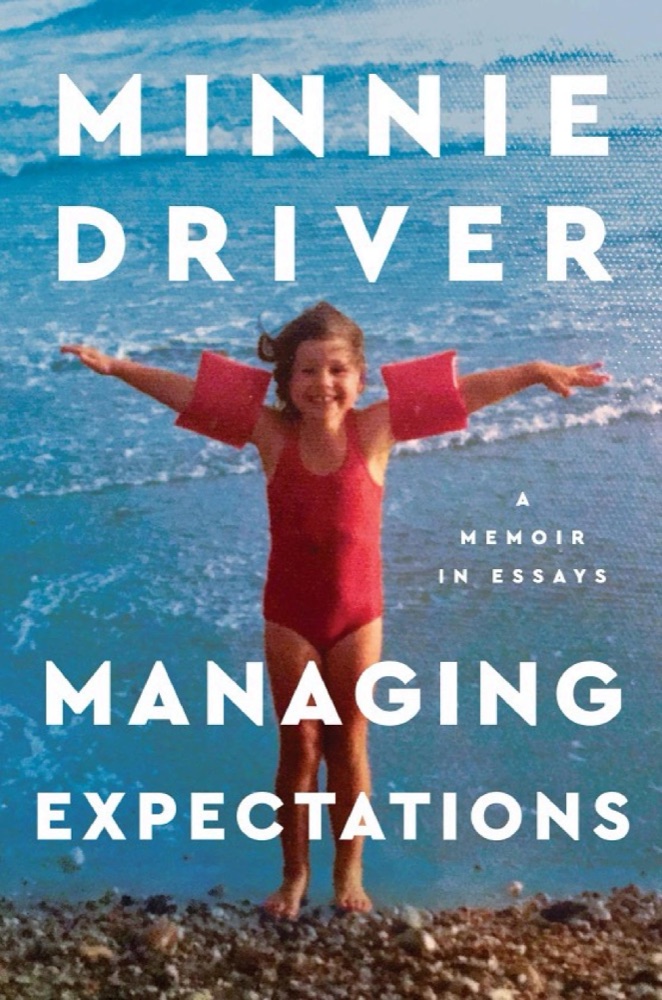 Managing Expectations: A Memoir in Essays – A Poignant Collection of Personal Stories on Acting, Failure, and Motherhood's Joy
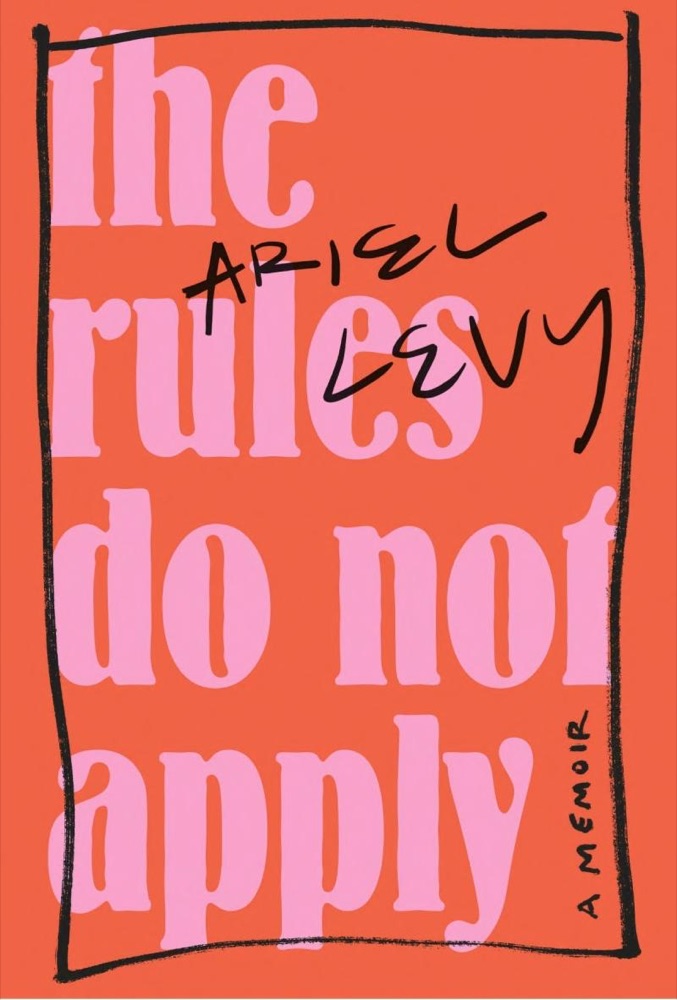 The Rules Do Not Apply
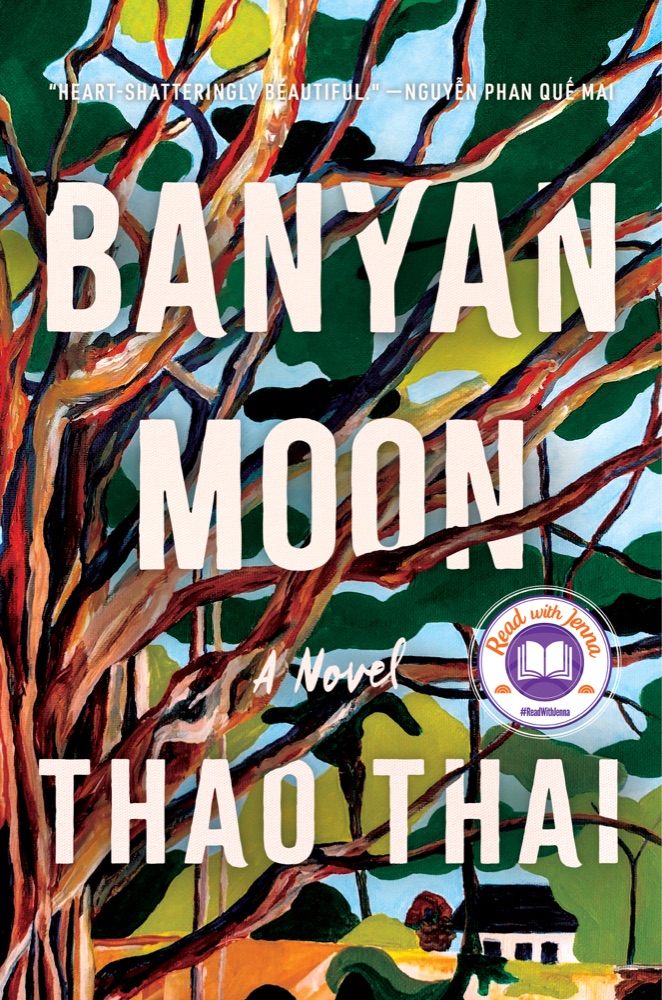 Banyan Moon
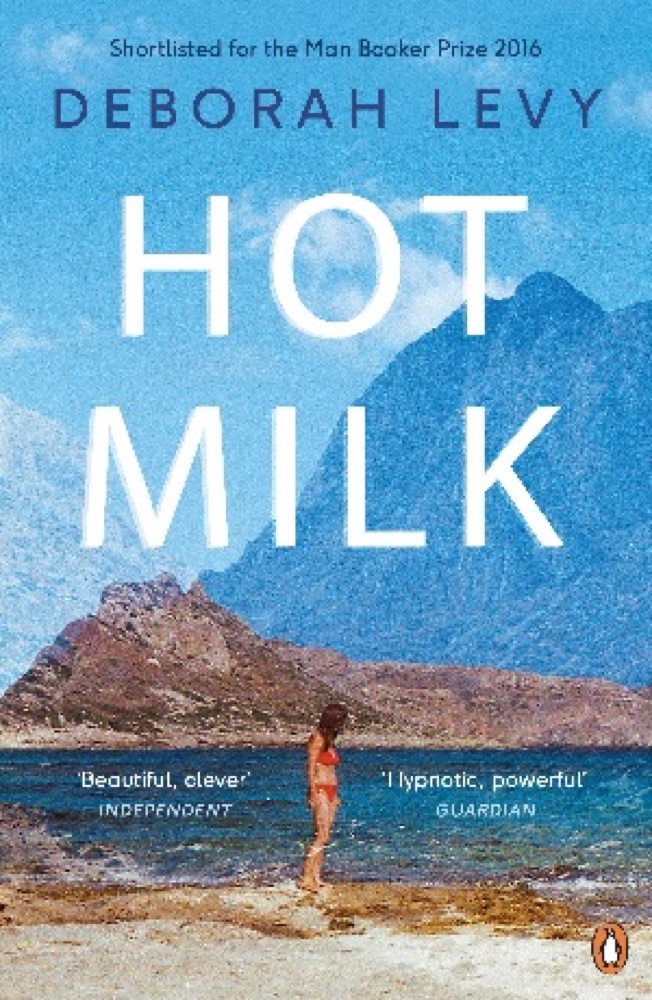 Hot Milk
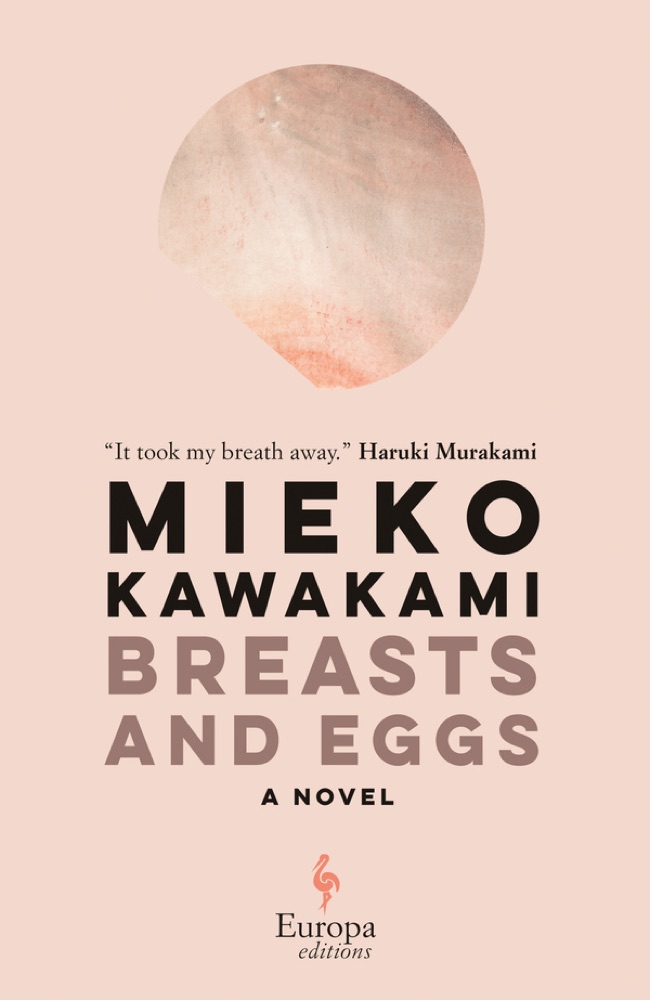 Breasts and Eggs
 Animals Eat Each Other
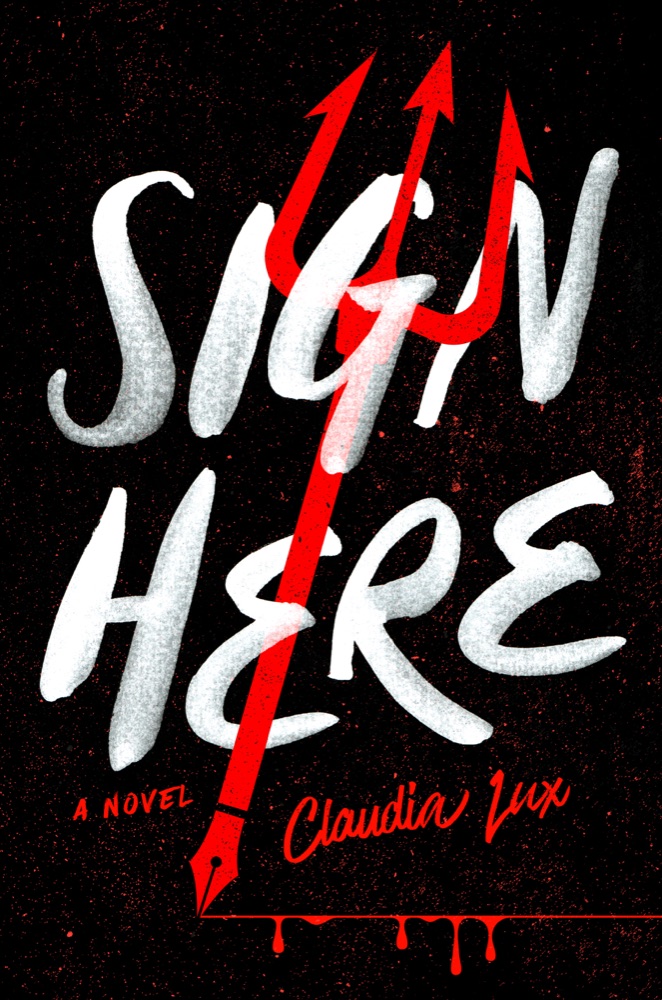 Sign Here
 Girl, Interrupted
 Hold Tight
 Em and The Big Hoom
 Of Women and Salt
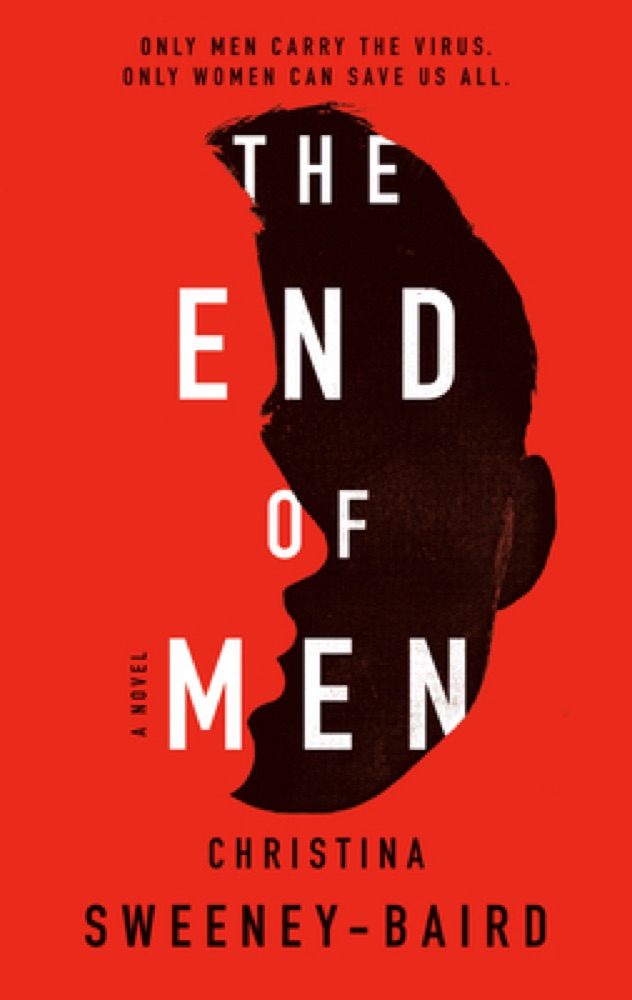 The End of Men
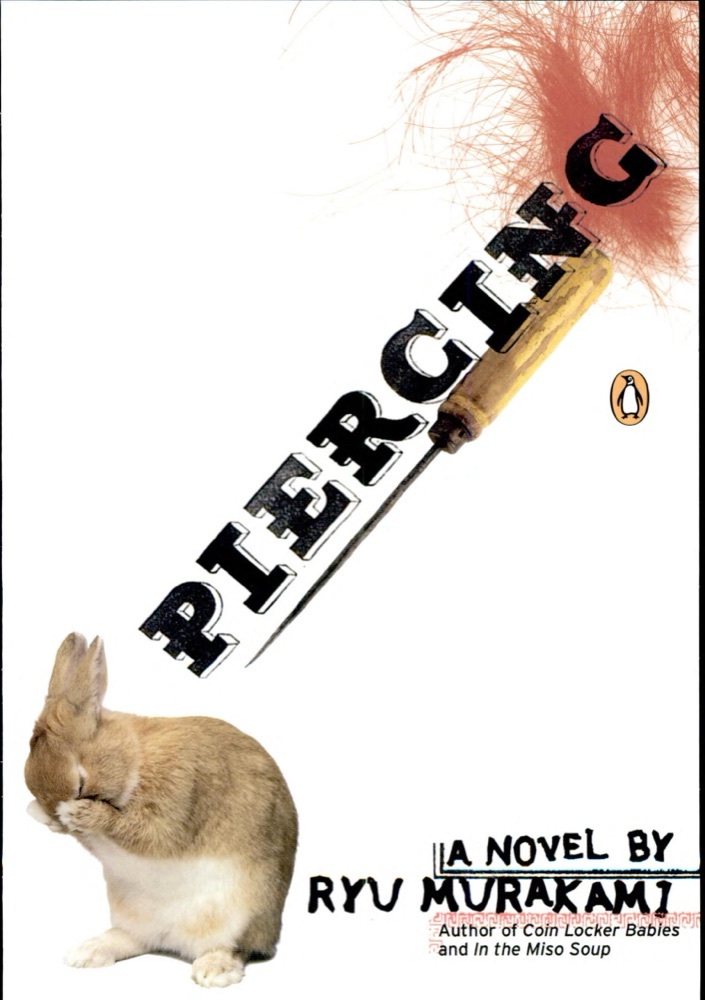 Piercing: A Novel
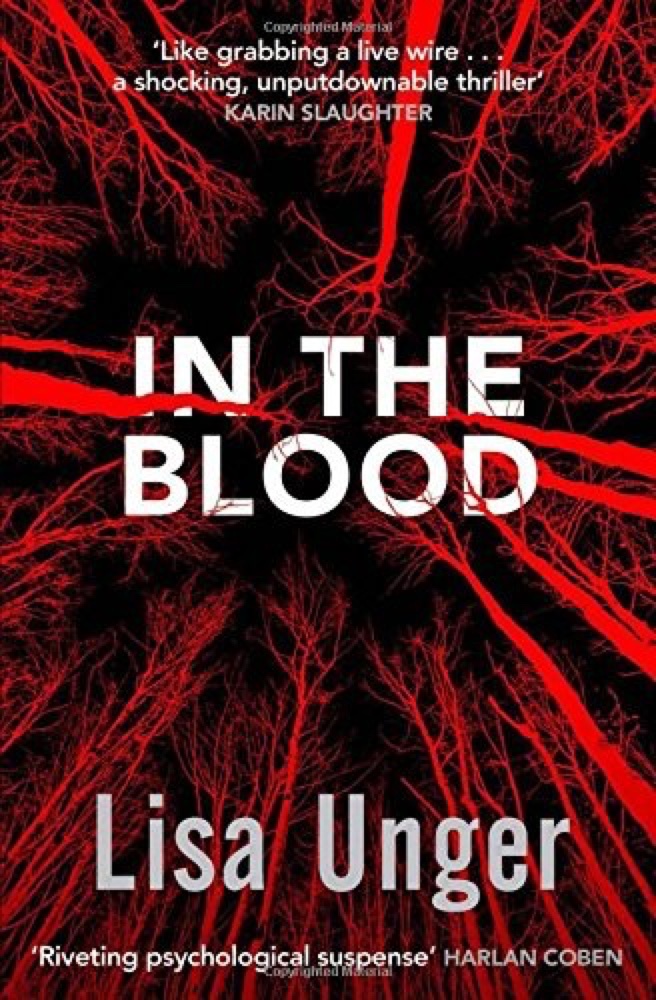 In The Blood
 Brief Interviews with Hideous Men
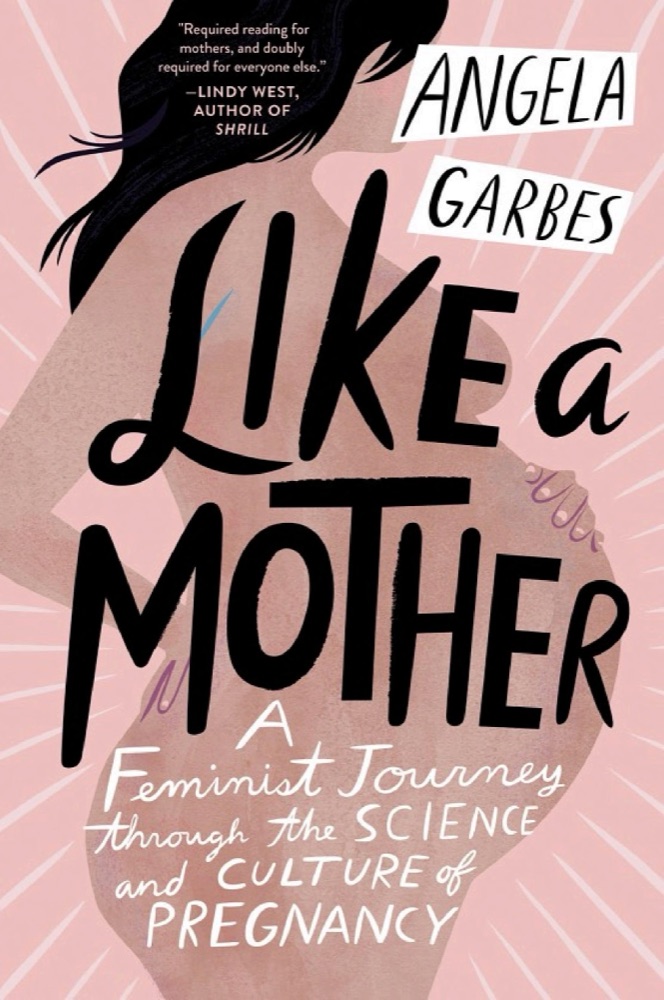 Like a Mother: A Feminist Journey Through the Science and Culture of Pregnancy
 I'm Fine...And Other Lies
 Women We Buried, Women We Burned: A Memoir
 Am I Normal Yet?
 Heart Berries
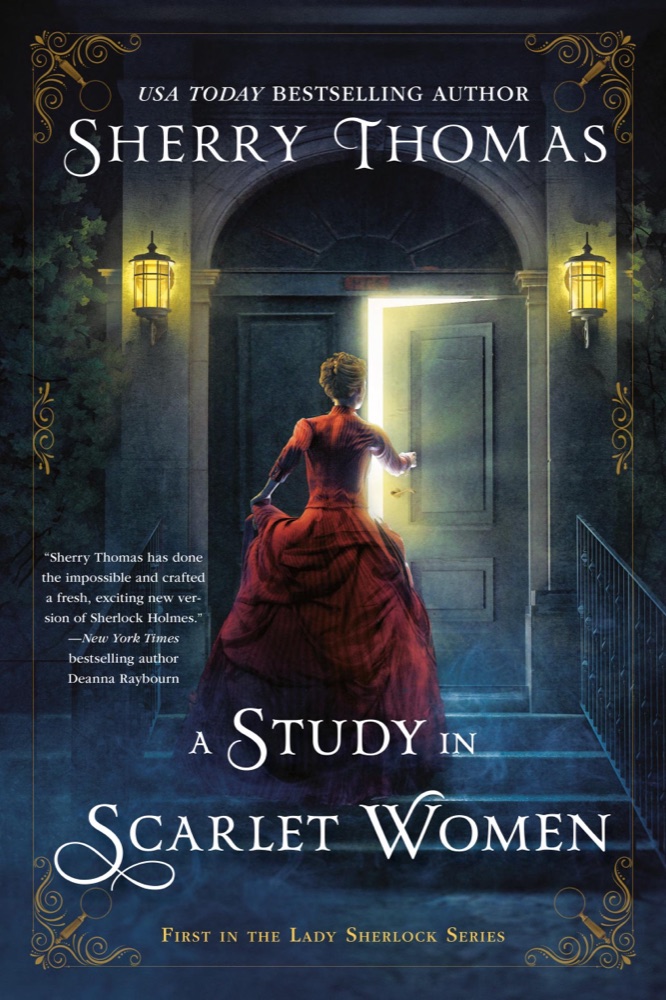 A Study in Scarlet Women
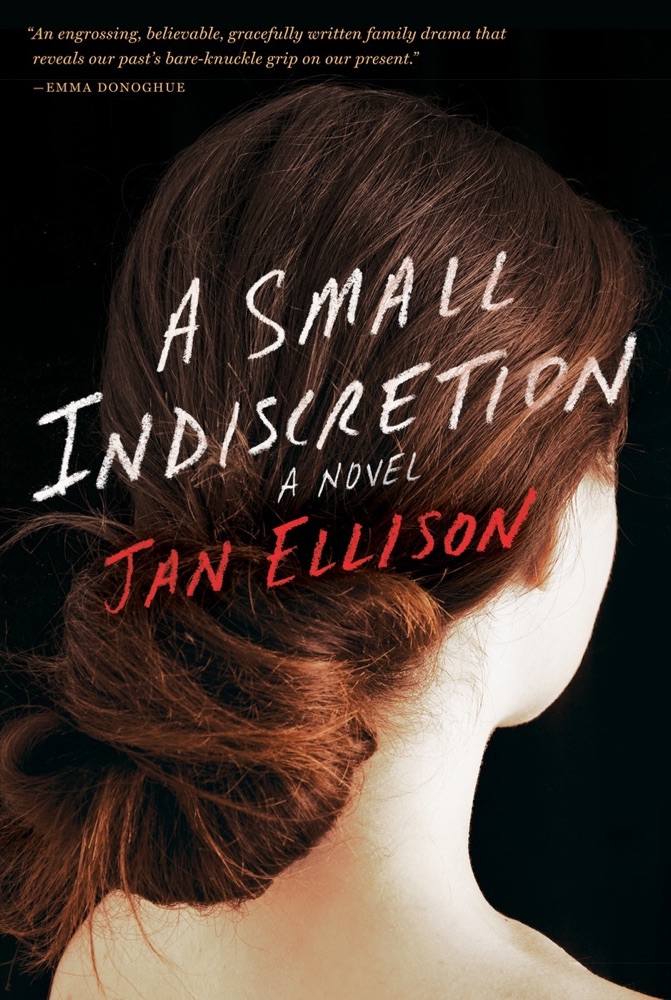 A Small Indiscretion
 Old Babes in the Wood: Stories
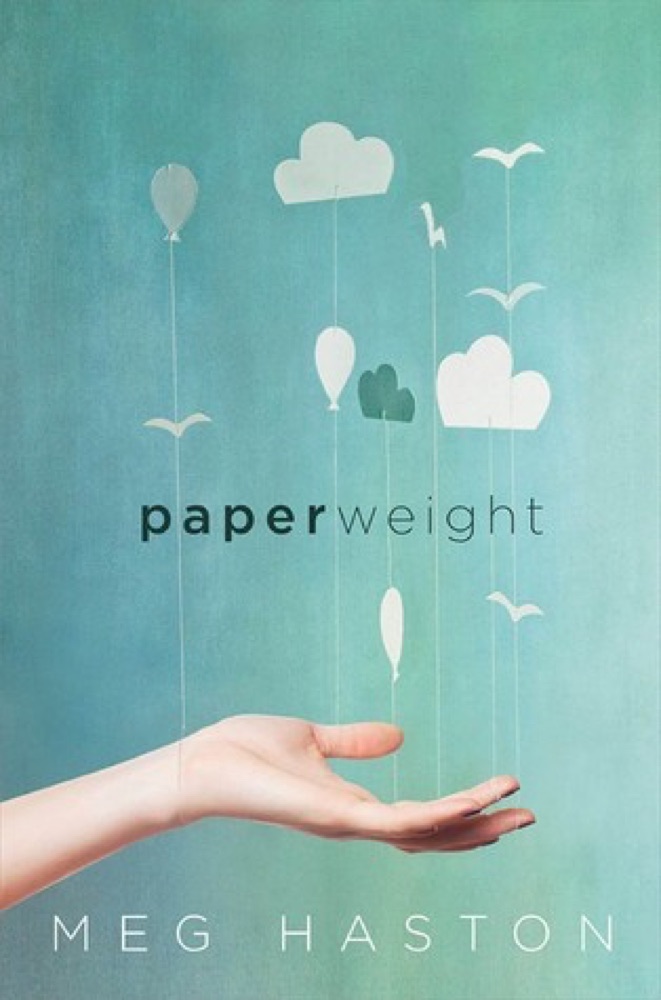 Paperweight
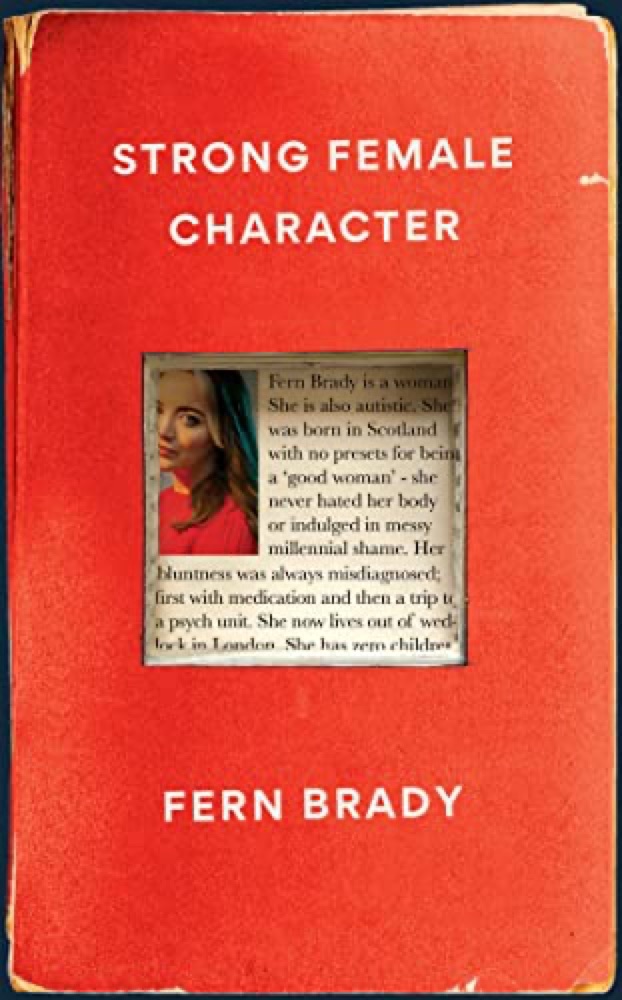 Strong Female Character
 The Silent Patient
 Unwell Women: Misdiagnosis and Myth in a Man-Made World
 Swimming in the Dark
 Tempted
 Little Darlings
 Motherthing
 Stranded
 Running with Scissors
 The Women's Room
 Sharp Objects