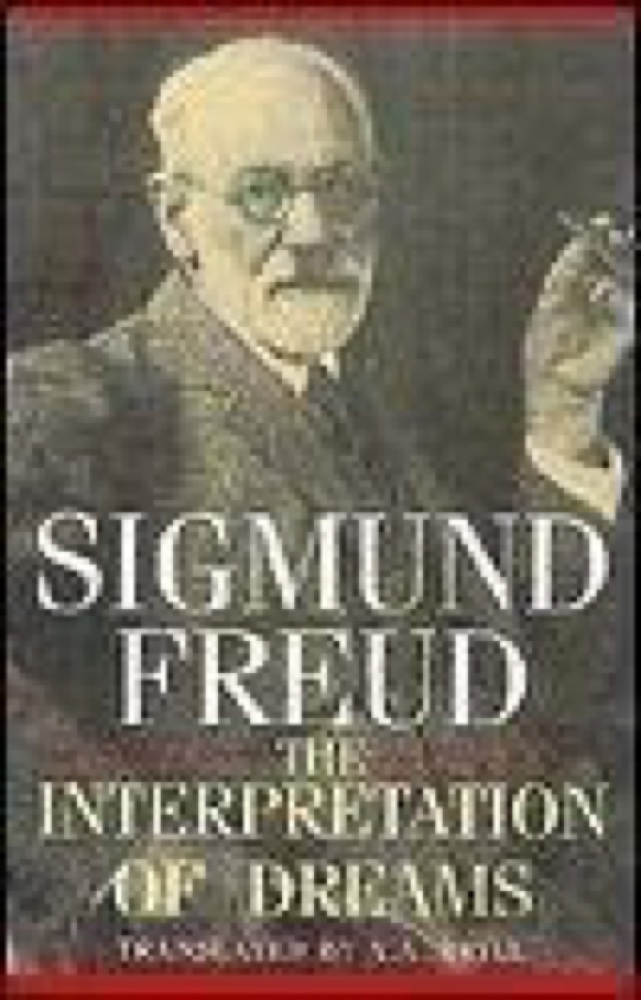
 The Interpretation of Dreams
Quotes from the Book
Where id is, there shall ego be
122
In many criminals, especially youthful ones, it is possible to detect a very powerful sense of guilt which existed before the crime, and is therefore not its result but its motive. It is as if it was a relief to be able to fasten this unconscious sense of guilt on to something real and immediate.
31
Rather than living our lives, we are ''lived'' by unknown and uncontrollable forces.
11
It is easy to show that the ego ideal answers to everything that is expected of the higher nature of man. As a substitute for a longing for the father, it contains the germ from which all religions have evolved.
9
It only too often yields to the temptation to become sycophantic, opportunist and lying, like a politician who sees the truth but wants to keep his place in popular favour.
8
The ego represents what may be called reason and common sense, in contrast to the id, which contains the passions.
5
The state in which the ideas existed before being made conscious is called by us repression
4
The ego is first and foremost a bodily ego; it is not merely a surface entity, but is itself the projection of a surface.
2
The superego is, however, not simply a residue of the earliest object-choices of the id; it also represents an energetic reaction-formation against those choices.
2
Algı , Ben için, O’da güdülerin oynadığı role karşılık gelir. Tutkuları içinde barındıran O’nun tersine, Ben akıl ve sağduyu olarak adlandırdıklarımızı temsil eder. Tüm bunlar herkesçe bilinen popüler farklarla örtüşür, ama yalnızca ortalama ya da ideal durumda doğru olarak kabul edilmelidir.” sayfa 49
2
We have formed the idea that in each individual there is a coherent organization of mental processes; and we call this his ego. It is to this ego that consciousness is attached; the ego controls the approaches to motility-that is, to the discharge of excitations into the external world; it is the mental agency which supervises all its own constituent processes, and which goes to sleep at night, though even then it exercises the censorship on dreams.
1
Biyoloji tarafından destekelnen kuramsal kabuller temelinde, organik hayatı cansız duruma geri döndürme görevi verilen bir ‘ölüm güdüsü’ varsayımı ileri sürmüştük, öte yandan Eros; hayatı, parçacıklara bölünmüş canlı maddeyi karmaşıklaştırmak ve durmaksızın bir araya getirmek, bu arada, tabii ki onu korumak hedefine yönelir. Her iki güdü de yaşamın ortaya çıkmasıyla bozulmuş bir durumun yeniden oluşturulmasına çalışırken, kelimenin en dar anlamıyla tutucu davranırlar. O halde yaşamın ortaya çıkışı, yaşamayı sürdürmenin ve aynı zamanda ölüme yönelen çabanın sebebi olmaktaydı; yaşamın kendisi de bu iki çaba arasındaki mücadele ve uzlaşma idi. Böylece yaşamın kökenine ilişkin soru kozmolojik bir soru olarak kalırken, hayatın hedefi ve amacı sorunu ikili bir şekilde yanıtlanmış oluyor.” Sigmund Freud, ‘Ben ve O’, sayfa 72
1
Ben’de yalnızca en derin olanlar değil en yüce olanlar da bilinçsiz kalabilir demek zorundayız. Böylelikle, en başta bilinçli Ben hakkında söylediğimiz şey; onun her şeyden önce bir Beden-Ben’i olduğu bilgisi, bize sergileniyormuş gibidir.” Sigmund Freud, ‘Ben ve O’, sayfa 52
1
Ben’in işlevsel önemi, devinim üzerindeki kontrolün normal olarak onun payına düşmesinde ifadesini bulur. Ben’in, O ile ilişkisi atın coşkun gücünü dizginlemesi gereken binici gibidir, bir farkla; binici bunu kendi gücüyle yapmayı denerken, Ben ödünç aldığı güçlerle yapmaya çalışır. Bu benzetme bizi biraz daha ileriye götürür. Tıpkı attan düşmek istemediği için başka çaresi kalmayan ve atın onu kendi istediği yere götürmesine rıza gösteren binici gibi, Ben de O’nun isteklerini, kendi istekleriymiş gibi eyleme geçirmeye çalışır.” Sigmund Freud, ‘Ben ve O’, sayfa 49
1
About Sigmund Freud
We have collected 145 quotes from 8 books by Sigmund Freud on BookQuoters.
More about the author →More by Sigmund Freud
The Interpretation of Dreams
 Civilization and Its Discontents
 The Future of an Illusion
 Totem and Taboo
About the book
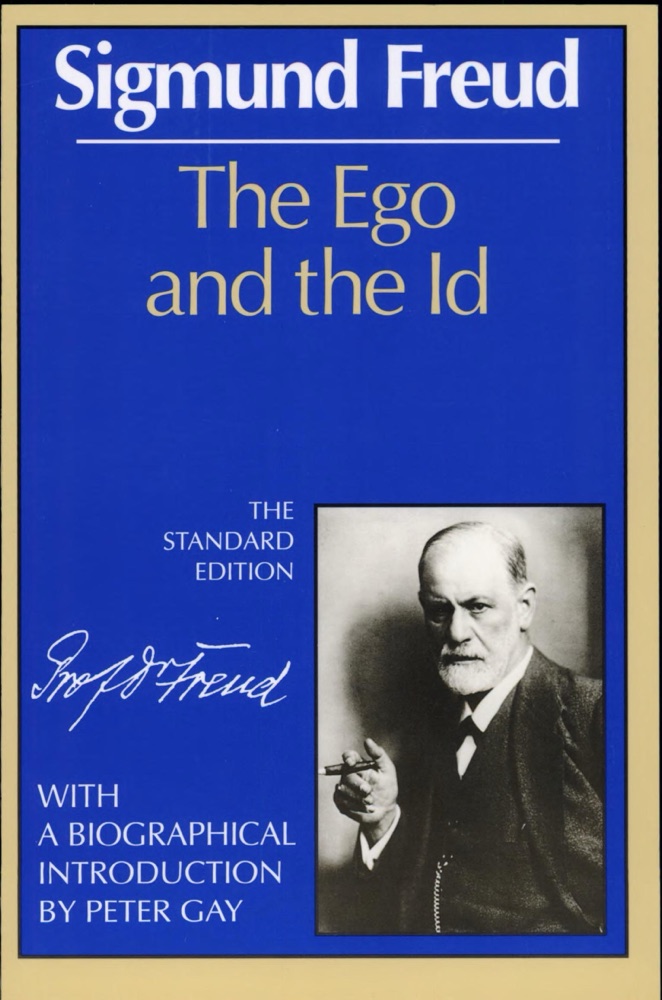
The Ego and the Id ranks high among the works of Freud's later years. The heart of his concern is the ego, which he sees battling with three forces: the id, the super-ego, and the outside world. Of the various English translations of Freud's major works to appear in his lifetime, only one was authorized by Freud himself: The Standard Edition of the Complete Psychological Works of Sigmund Freud under the general editorship of James Strachey. Freud approved the overall editorial plan, specific renderings of key words and phrases, and the addition of valuable notes, from bibliographical and explanatory. Many of the translations were done by Strachey himself; the rest were prepared under his supervision. The result was to place the Standard Edition in a position of unquestioned supremacy over all other existing versions.
Book details
- First published
- 1923
- Author
- Sigmund Freud
- Genre
- Nonfiction
- Goodreads rating
- 3.81 (13k ratings)
Keep reading
 Anti-Oedipus: Capitalism and Schizophrenia
 The Ego and Its Own
 Ego and Archetype: Individuation and the Religious Function of the Psyche
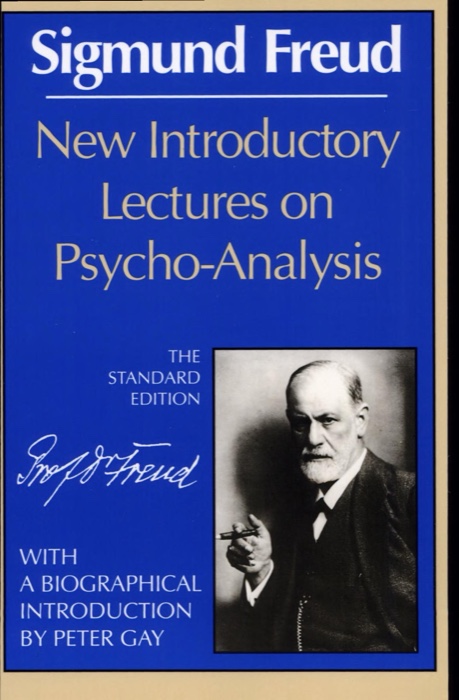 Introductory Lectures on Psychoanalysis
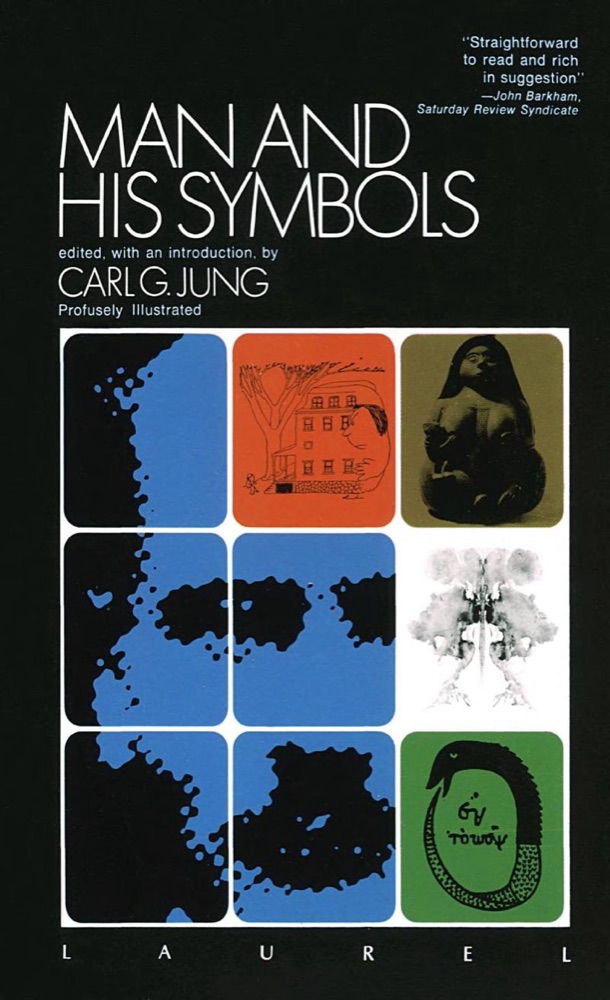 Man and His Symbols
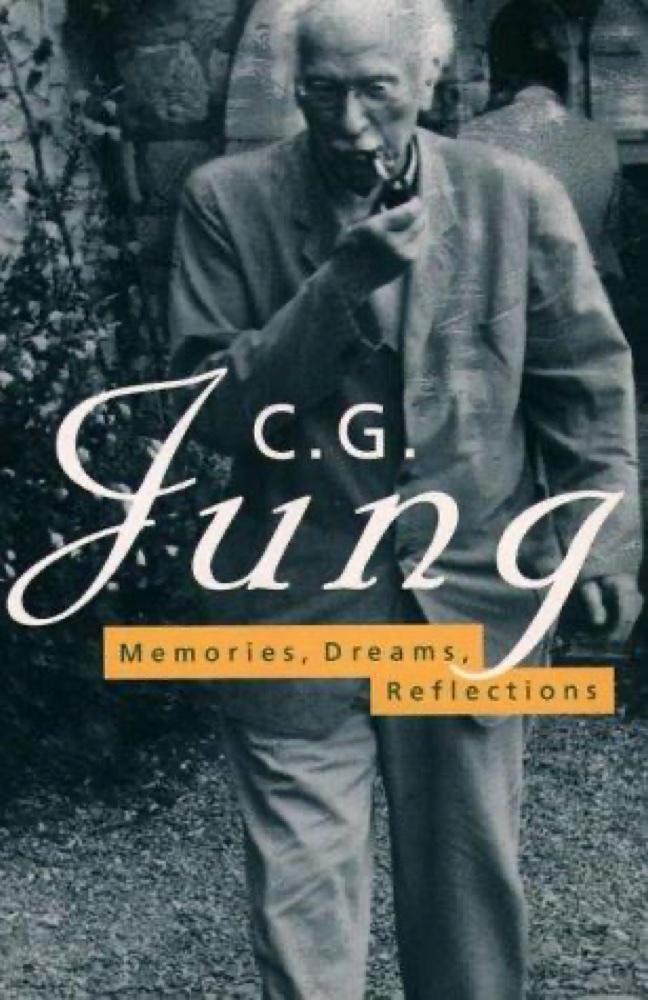 Memories, Dreams, Reflections
 Twilight of the Idols/The Anti-Christ
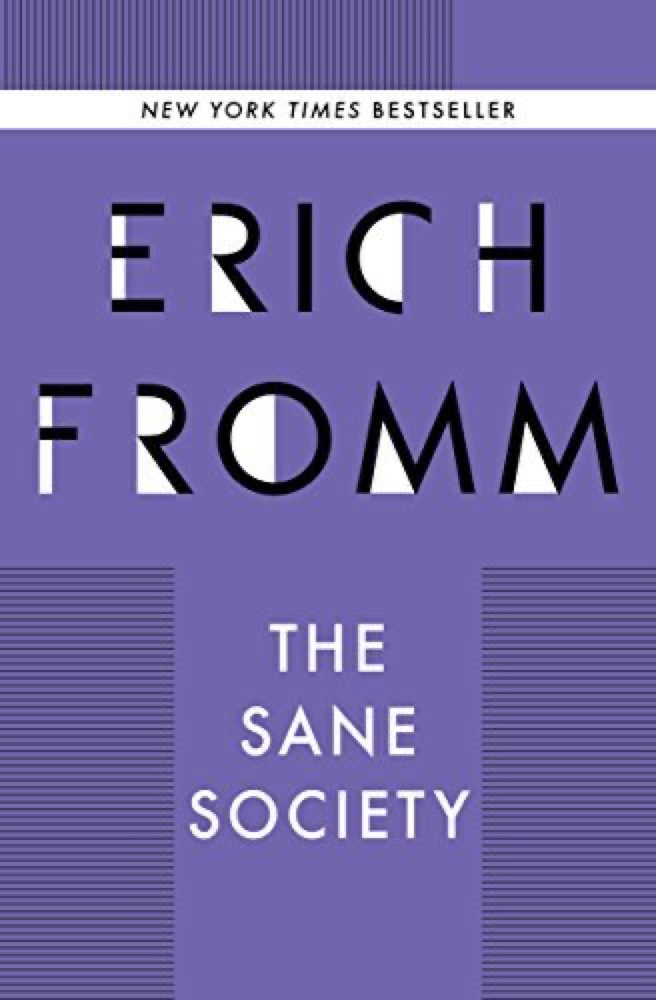 The Sane Society
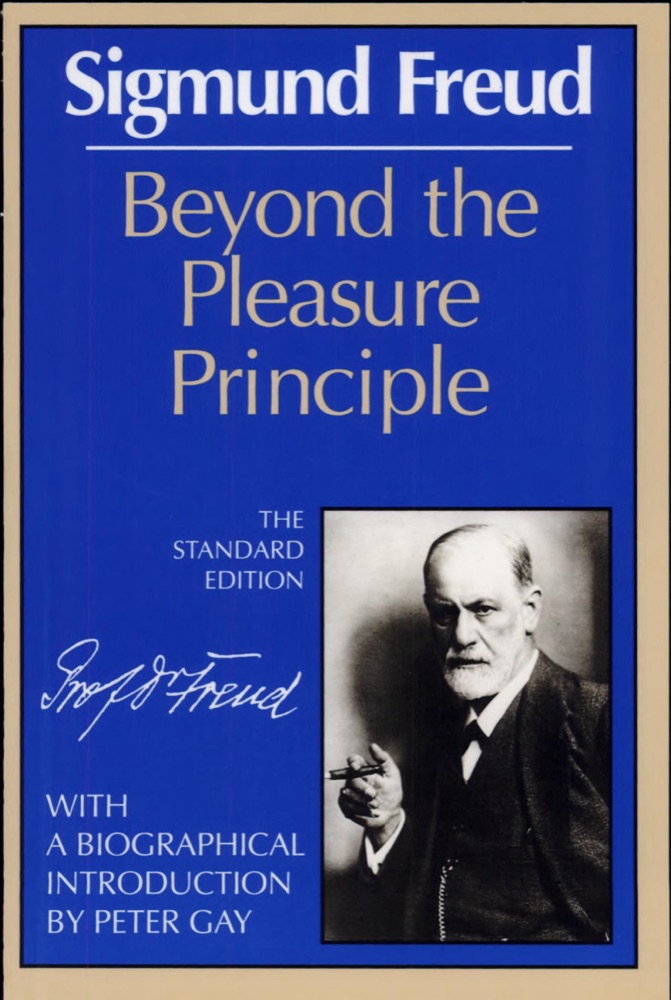 Beyond the Pleasure Principle
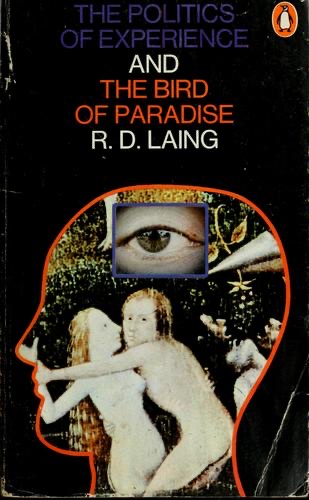 The Politics of Experience/The Bird of Paradise
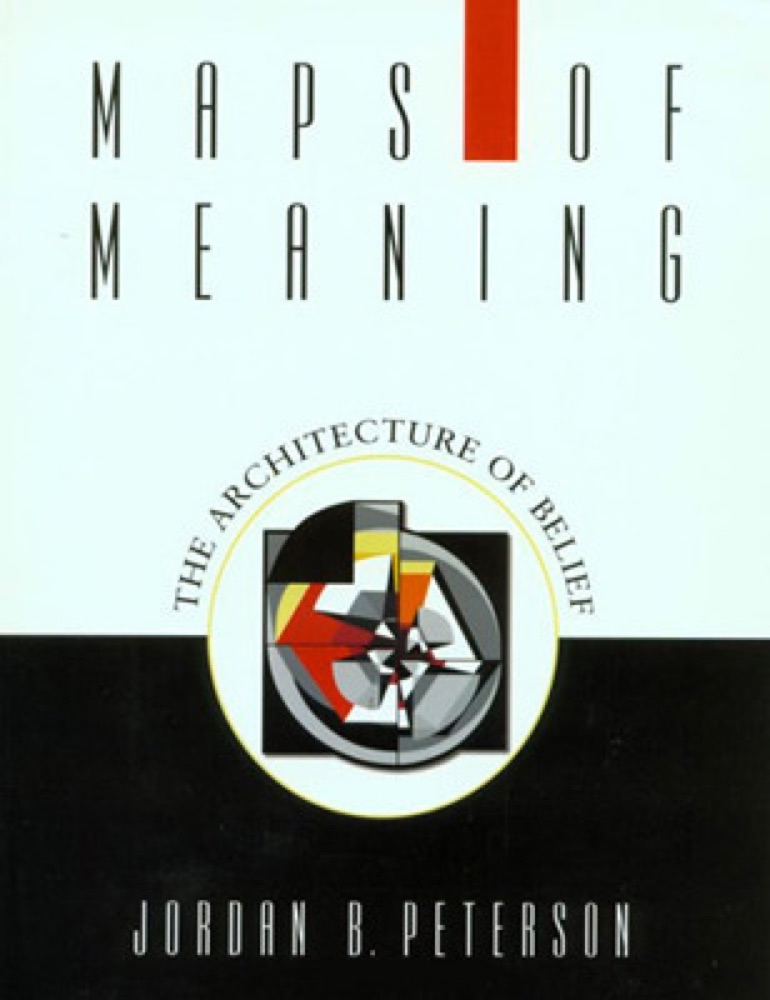 Maps of Meaning: The Architecture of Belief
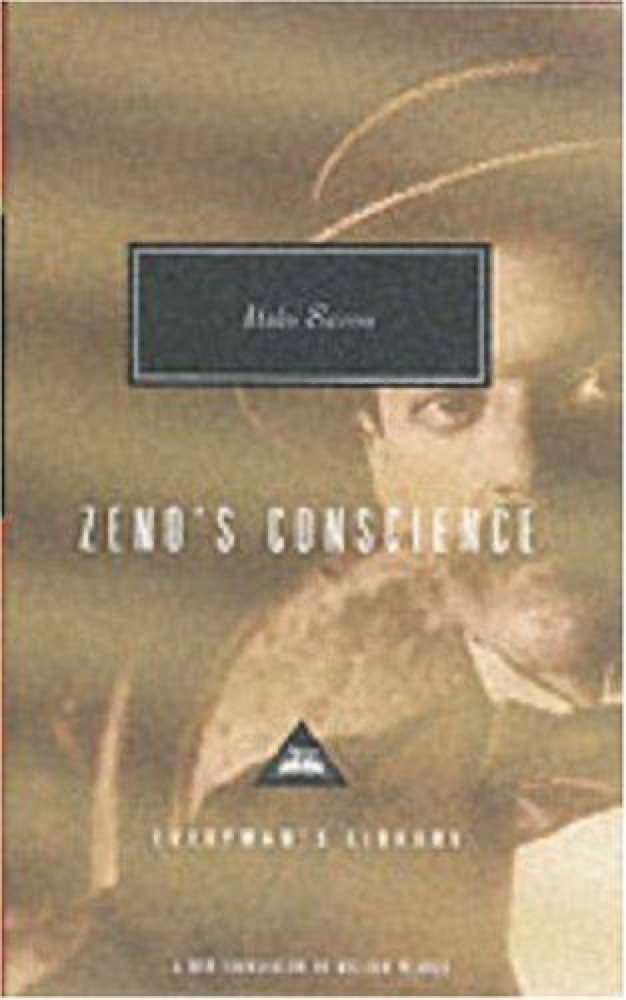 Zeno's Conscience
 The Divided Self: An Existential Study in Sanity and Madness
 The Age of Absurdity: Why Modern Life makes it Hard to be Happy
 Daybreak: Thoughts on the Prejudices of Morality
 Love's Executioner and Other Tales of Psychotherapy
 Man's Search for Ultimate Meaning
 The Origin of Consciousness in the Breakdown of the Bicameral Mind
 The Art of Being
 The Varieties of Religious Experience
 The Will to Meaning: Foundations and Applications of Logotherapy
 Finding Meaning in the Second Half of Life: How to Finally, Really Grow Up
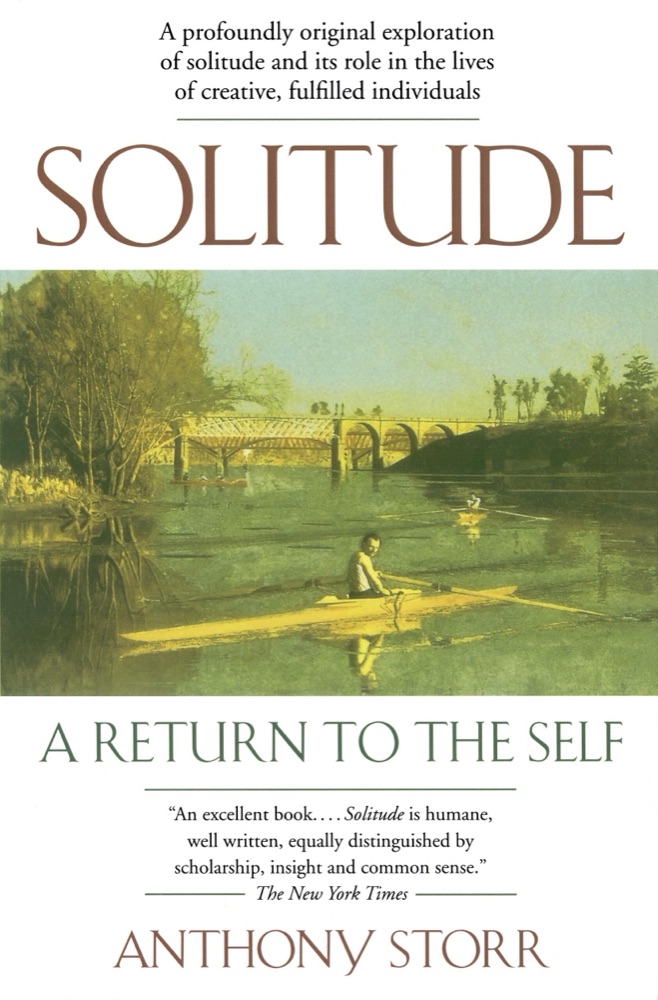 Solitude: A Return to the Self
 The Dice Man
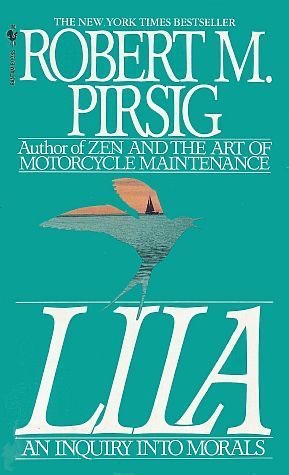 Lila: An Inquiry Into Morals
 Myths to Live By
 Eyeless in Gaza
 Auto-da-Fé
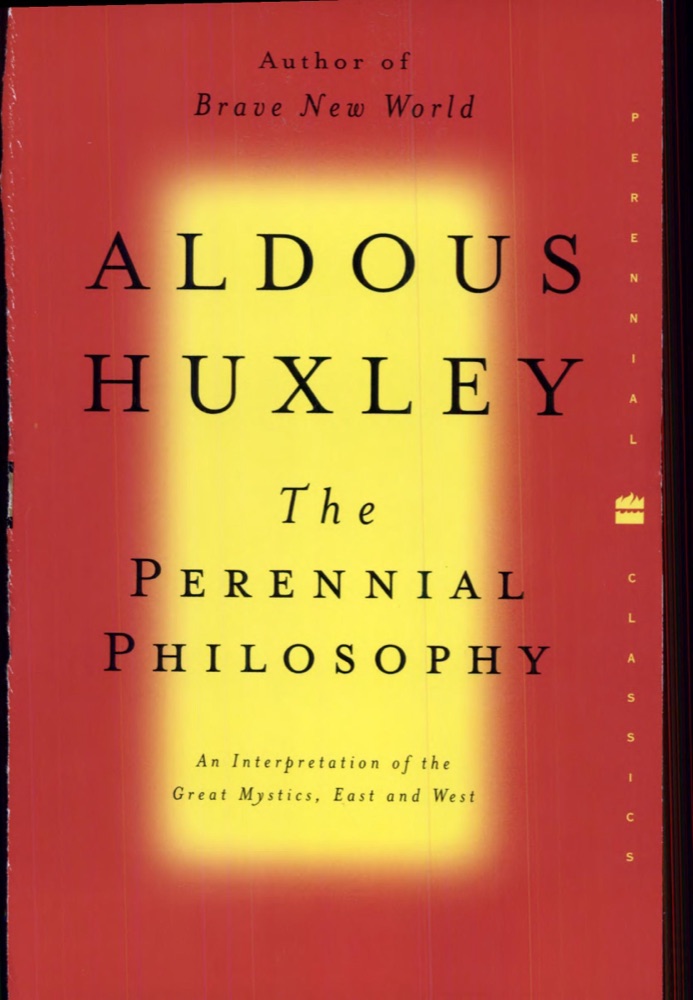 The Perennial Philosophy
Civilization and Its Discontents
The Perennial Philosophy
Civilization and Its Discontents
 A Thousand Plateaus: Capitalism and Schizophrenia
 The Will to Power
 The Doors of Perception & Heaven and Hell
 The Ides of March
 Escape from Freedom
 Oblomov
 Doctor Faustus
 The Schopenhauer Cure
 Irrational Man: A Study in Existential Philosophy
 The Soul's Code: In Search of Character and Calling
 Understanding Media: The Extensions of Man
 The Temptation to Exist
 The Art of Seduction
 Eros and Civilization: A Philosophical Inquiry into Freud
 What is Man?
 The Captive Mind
 The Philosopher and the Wolf
 The Master and His Emissary: The Divided Brain and the Making of the Western World
 Sexus
Sexus
 Love and Will
 The Dwarf
 The Man Without Qualities
 Pebble in the Sky
 When Nietzsche Wept
 The Culture of Narcissism: American Life in An Age of Diminishing Expectations
 Correction
 Elizabeth Finch
 Soul Mountain
 Children of Dune