 The Man Without Qualities
Quotes from the Book
Human beings like to see themselves reflected in clouded mirrors.
11
And they are deformed though it does not show on the outside. I live only my dwarf life. I never go around tall and smooth-featured. I am ever myself, always the same, I live one life alone. I have no other being inside me. And I recognize everything within me, nothing ever comes up from my inner depths, nothing there is shrouded in mystery. Therefore I do not fear the things which frighten them, the incoherent, the unknown, the mysterious. Such things do not exist for me. There is nothing "different" about me.
10
What would life be like if it were not futile? Futility is the foundation upon which it rests. On what other foundation could it have been based which would have held and never given way? A great idea can be undermined by another great idea and, in due course, be demolished by it. But futility is inaccessible, indestructible, immovable. It is a true foundation and that is why it has been chosen as such.
8
Nothing is so sure as the final oblivion.
8
All human culture is but an attempt at something unattainable, something which far transcends our powers of realization. There it stands, mutilated, tragic as a torso. Is not the human spirit itself a torso?
6
It is incomprehensible that he should want to have these futile people here, and still more incomprehensible that he should be able to sit and listen to them and their stupid chatter. I can understand that he may occasionally listen to poets reciting their verses; they can be regarded as buffoons such as are always kept at court. They laud the lofty purity of the human soul, great events and heroic feats, and there is nothing to be said against all that, particularly if their songs flatter him. Human beings need flattery; otherwise they do not fulfill their purpose, not even in their own eyes. And both the present and the past contain much that is beautiful and noble which, without due praise, would have been neither noble nor beautiful. Above all, they sing the praises of love, which is quite as it should be, for nothing else is in such need of transformation into something different. The ladies are filled with melancholy and their breasts heave with sighs; the men gaze vaguely and dreamily into space, for they all know what it is really like and realize that this must be an especially beautiful poem.
5
Love is something which dies and when dead it rots and becomes soil for a new love. The the dead love continues its secret life in the living one, and thus in reality there is no death in love.
4
An enviable lunatic! One for whom a pebble has value must be surrounded by treasures wherever he goes.
3
Kärleken är någonting som dör. Och när den dör går den över i förruttnelse och kan bli jordmån för en ny kärlek. Den döda kärleken lever då sitt hemliga liv i den levande och det finns i själva verket i kärleken ingen död.
3
It is difficult to understand those whom one does not hate, for then one is unarmed, one has nothing with which to penetrate into their being.
2
In reality all of them want a war. It implies a simplification which comes as a relief. Everybody thinks that life is too complicated, and so it is as they live it. In itself life is not at all complicated; on the contrary its salient feature is its great simplicity, but they can never understand that. They do not realize that it is best when it is left as it is; they can never leave it in peace, or refrain from using it for a number of strange ends. But all the same they think that it is wonderful to be alive!
2
I have noticed that sometimes I frighten people; what they really fear is themselves. They think it is I who scare them, but it is the dwarf within them, the ape-faced manlike being who sticks up his head from the depths of their souls.
1
In appearance he was well-bred amiability personified, but one cannot judge by people's faces. It is their bodies which show them as the kind of animals they are.
1
Allt lämnar jag ofullbordat efter mig. Men är det underligt? Det är ju människoödet. All mänsklig strävans, allt mänskligt verks oundvikliga öde. Är det någonsin mer än en ansats, en ansats till något som aldrig kan nås, som inte är avsett att kunna nås av oss. Hela den mänskliga kulturen är i själva verket blott en ansats till någonting ouppnåeligt, något som det långt överstiger vår förmåga att förverkliga. Den står där stympad, tragisk som en torso. Är inte människoanden själv en torso?
Their eyelashes were moist, and small drops of sweat beaded their upper lips. I regarded their slumber, almost innocent in its foolish thoughtlessness and its oblivion of all danger and the outside world. Is this what human beings call happiness?
Después de todo -decía-, el pensamiento humano tiene un dominio muy reducido. Sus alas son fuertes, pero el destino que nos las ha dado es aun más fuerte. No nos deja escapar ni llegar más allá de lo que su voluntad permite. Nuestro recorrido está determinado, y tras un corto vuelo que nos llena de esperanza y de alegría somos rechazados hacia a abajo, lo mismo que el halcón tirado por la cuerda del halconero. ¿Cuándo alcanzaremos la libertad? ¿Cuándo se cortará la cuerda para que pueda el halcón volar a las alturas?
He notado que a veces inspiro temor. Pero lo que cada uno teme es a sí mismo. Creen que yo soy la causa de sus preocupaciones, mas lo que en realidad los asusta es el enano que llevan dentro, la caricatura humana de rostro simiesco que suele asomar la cabeza desde las profundidades del alma. Se asustan porque ignoran que llevan otro ser dentro de ellos mismos. Les espanta ver surgir a la superficie ese desconocido que les parece no tener nada de común con su verdadera vida: Cuando nada aparece por encima de esos bajos fondos, entonces ni se asustan ni se inquietan por lo que pueda suceder. Andan con la cabeza levantada, impasibles, con sus rostros inexpresivos. Pero hay siempre en ellos alguna otra cosa que fingen ignorar; viven, sin saberlo, muchas vidas a la vez. Son singularmente recelosos e incoherentes. Y son deformes, aun cuando esto no sea visible
Watch on YouTube
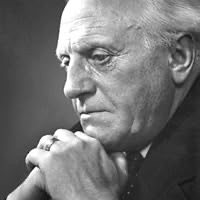
About Pär Lagerkvist
We have collected 17 quotes from 1 book by Pär Lagerkvist on BookQuoters.
More about the author →About the book
"I have noticed that sometimes I frighten people; what they really fear is themselves. They think it is I who scare them, but it is the dwarf within them, the ape-faced manlike being who sticks up his head from the depths of their souls."
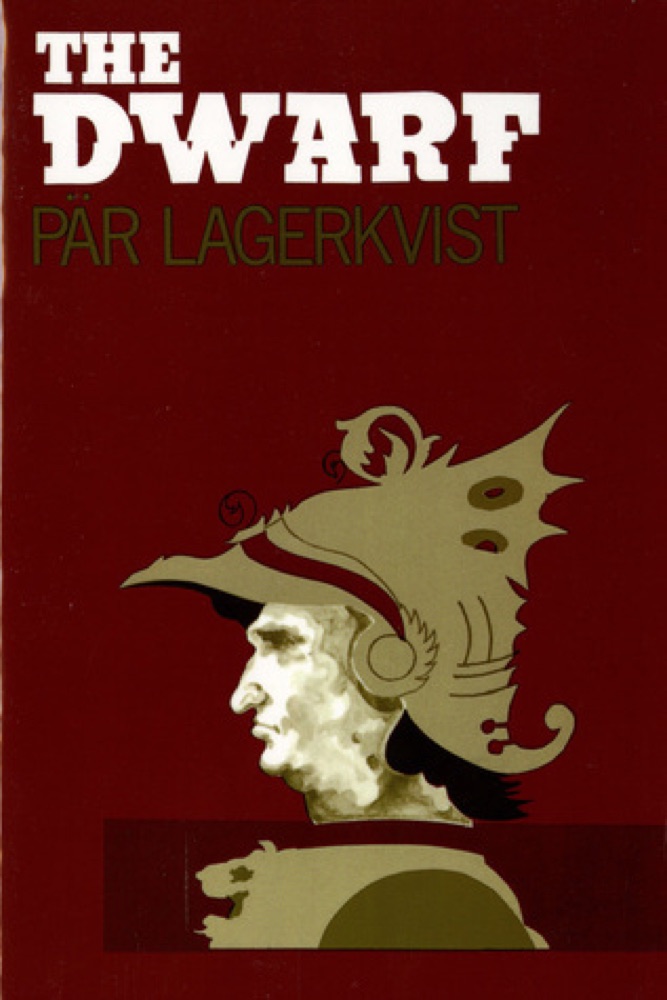
Pär Lagerkvist's richly philosophical novel The Dwarf is an exploration of individual and social identity. The novel, set in a time when Italian towns feuded over the outcome of the last feud, centers on a social outcast, the court dwarf Piccoline. From his special vantage point Piccoline comments on the court's prurience and on political intrigue as the town is gripped by a siege. Gradually, Piccoline is drawn deeper and deeper into the conflict, and he inspires fear and hate around him as he grows to represent the fascination of the masses with violence.
Book details
- First published
- 1944
- Author
- Pär Lagerkvist
- Genre
- Fiction
- Goodreads rating
- 3.69 (8k ratings)
Keep reading
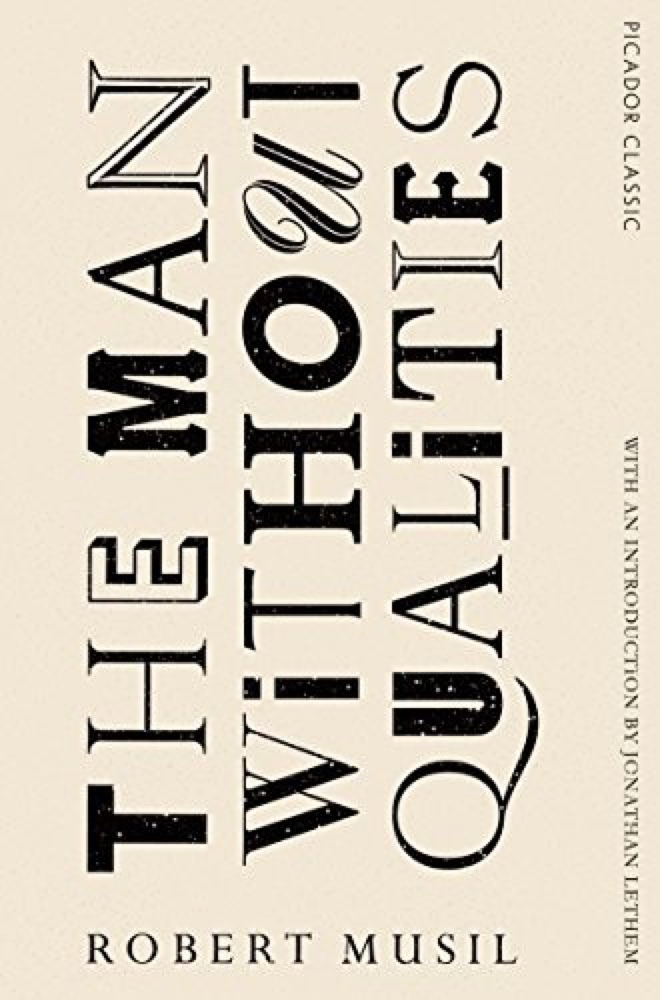
The Man Without Qualities
 Maldoror and the Complete Works
 Sexus
Sexus
 The Empusium
 The Star Diaries
 Daybreak: Thoughts on the Prejudices of Morality
 Eyeless in Gaza
 Fall of Light
 The Man in the High Castle
 Either/Or: A Fragment of Life
 Drive Your Plow Over the Bones of the Dead
 The Magus
 Twilight of the Idols/The Anti-Christ
 The Chrysalids
 Independent People
 The Adolescent
 The Face of Another
 The Enchantress of Florence
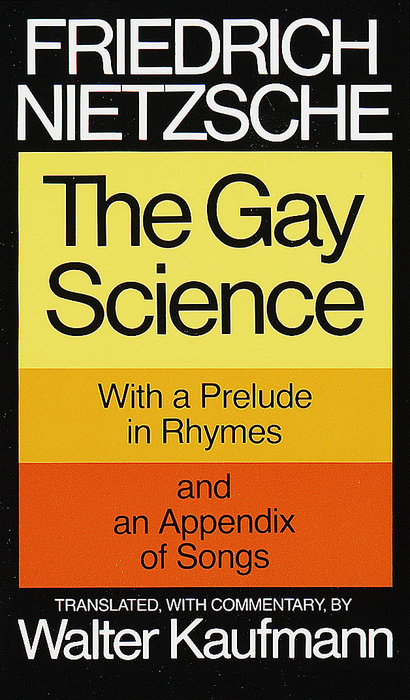 The Gay Science
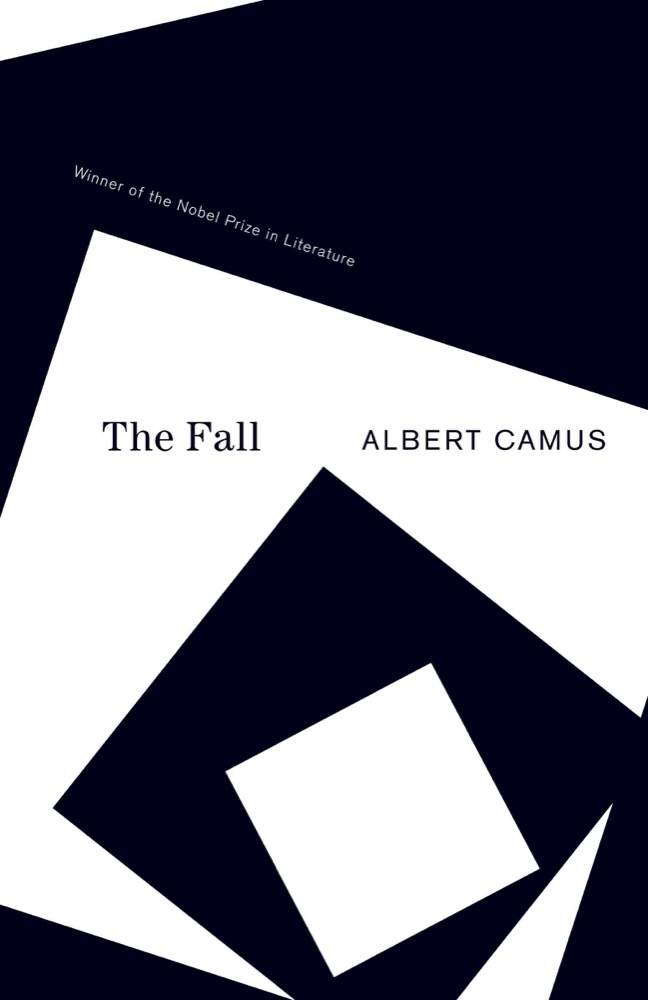 The Fall
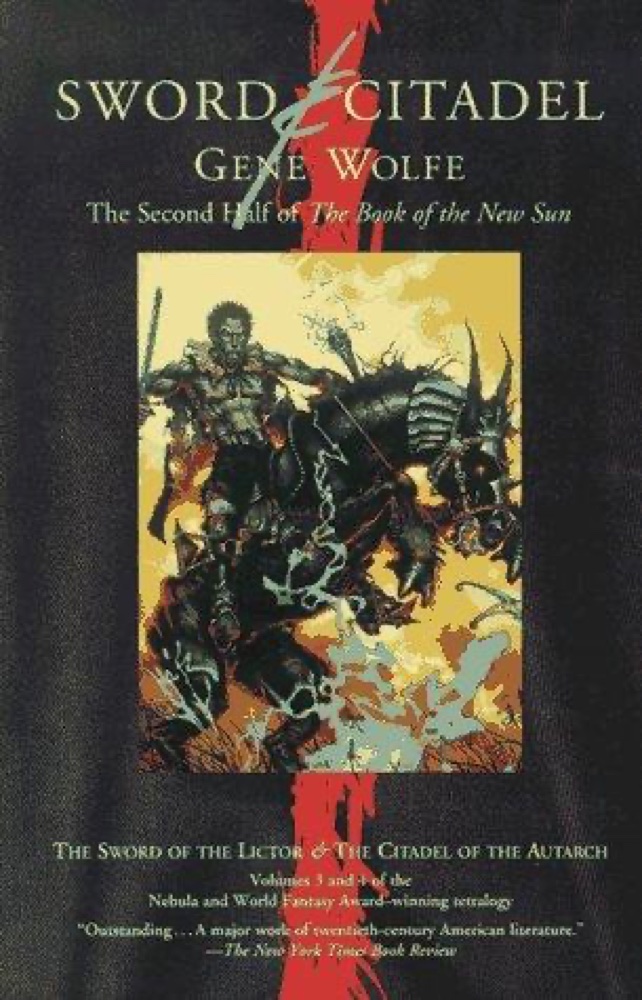 Sword & Citadel
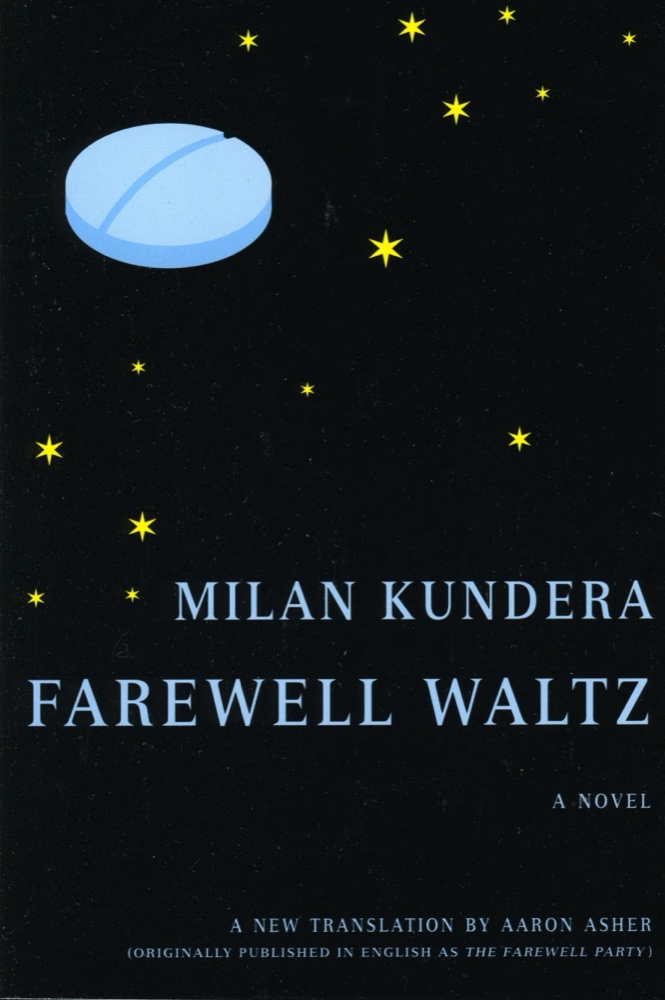 Farewell Waltz
 Identity
 Memories, Dreams, Reflections
 Soul Mountain
 Pebble in the Sky
 Selected Stories
 Heretics
 Concrete
 The Captive Mind
 Narcissus and Goldmund
 Black Lamb and Grey Falcon
 The Man Who Laughs
 The Joke
 Under Western Eyes
 Moravagine
 Doctor Glas
 Demian
 Selected Stories of Anton Chekhov
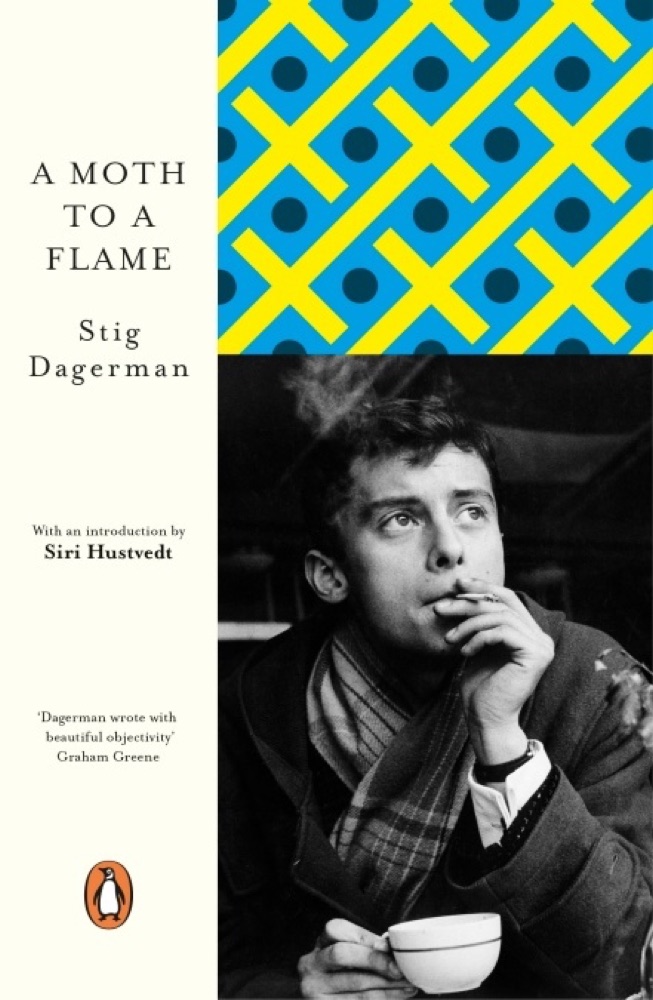 A Moth to a Flame
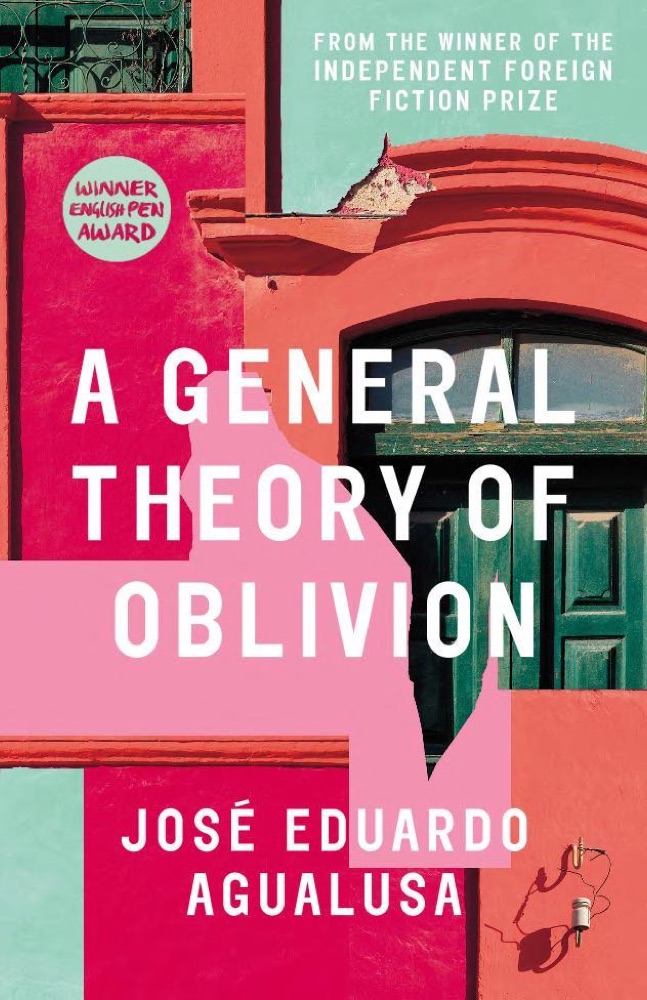 A General Theory of Oblivion
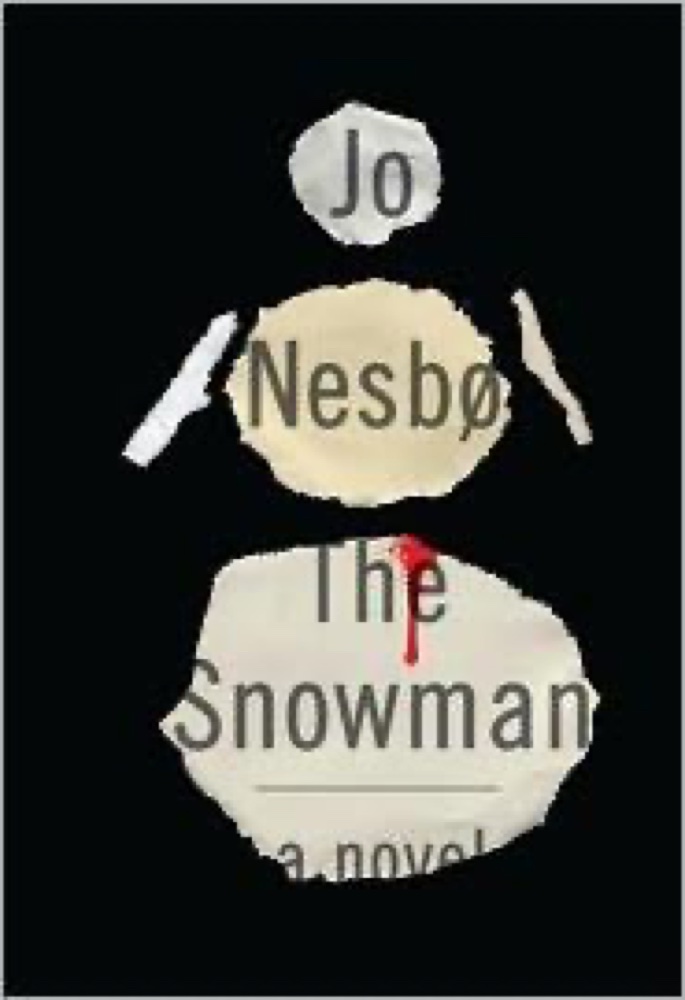 The Snowman
 Resurrection
 Persian Letters
 Shadow & Claw
 The Cossacks
 The Fall of Babel
 The Sleepwalkers
 Forge of Darkness
 Survival in Auschwitz
 The Western Lands
 The Discovery of Heaven
 The Claw of the Conciliator
 Henderson the Rain King
 Girl with Curious Hair
 Man and His Symbols
 The Brothers Karamazov
 The Temple of the Golden Pavilion
 Uncle Vanya
 The Hearing Trumpet