
 History of the Russian Revolution
Quotes from the Book
Once a rumour, however false, became the subject of common belief, it assumed the status of a political fact,
1
Rumours filled the lives of all inhabitants,’ recalled a resident of Petrograd. ‘They were believed more readily than the newspapers, which were censored. The public was desperate for information, for almost anything, on political subjects, and any rumour about the war or German intrigues was bound to spread like wildfire.’5 What gave these stories their revolutionary power and significance was how far they accorded with the ‘general mood’ (and with previous rumours that had shaped that mood). Once a rumour, however false, became the subject of common belief, it assumed the status of a political fact, informing the attitudes and actions of the public. All revolutions are based in part on myth.
1
The word ‘soviet’ means ‘council’ in Russian (there was nothing particularly Communist about it until after 1917).
1
Here, then, were the roots of the monarchy’s collapse, not in peasant discontent or the labour movement, so long the preoccupation of Marxist and social historians, nor in the breakaway of nationalist movements on the empire’s periphery, but in the growing conflict between a dynamic public culture and a fossilized autocracy that would not concede or even understand its political demands.
The same rationale applied to the Red Army: there was almost no limit to the number of lives that the Stalinist regime was willing to expend to achieve its goals. That was the logic of a system built on revolutionary imperatives: the individual counted for nothing. In western armies strategic decisions were generally reached by calculating the gains to be made by a manoeuvre against the likely cost in casualties. In the Red Army no such calculations were ever really made.
This was one of the most revealing scenes of the whole revolution – one of those rare episodes when the hidden relations of power are illuminated on the surface of events and the broader course of history becomes clear.
Watch on YouTube
About Orlando Figes
We have collected 6 quotes from 1 book by Orlando Figes on BookQuoters.
More about the author →About the book
From the author of A People’s Tragedy, an original reading of the Russian Revolution, examining it not as a single event but as a hundred-year cycle of violence in pursuit of utopian dreams
In this elegant and incisive account, Orlando Figes offers an illuminating new perspective on the Russian Revolution. While other historians have focused their examinations on the cataclysmic years immediately before and after 1917, Figes shows how the revolution, while it changed in form and character, nevertheless retained the same idealistic goals throughout, from its origins in the famine crisis of 1891, until its end with the collapse of the Soviet regime in 1991.
Figes traces three generational phases: Lenin and the Bolsheviks, who set the pattern of destruction and renewal until their demise in the terror of the 1930s; the Stalinist generation, promoted from the lower classes, who created
Book details
- First published
- 2014
- Author
- Orlando Figes
- Genre
- History
- Goodreads rating
- 4.04 (3k ratings)
Keep reading
History of the Russian Revolution
 The Origins of Totalitarianism
 Modern Times: The World from the Twenties to the Nineties
 Ten Days that Shook the World
 The Age of Revolution, 1789–1848
 A Short History of Russia: Tracing Russia's Path Through History, from Its Wars and Conquests, Royal Dynasties, Revolutions into the Modern Era Under Putin―a Concise Exploration of a Complex Nation
 The Old Regime and the French Revolution
 Young Stalin
 Postwar: A History of Europe Since 1945
 The Revolution Betrayed
 Symphony for the City of the Dead: Dmitri Shostakovich and the Siege of Leningrad
 Europe: A History
 Defying Hitler
 Koba the Dread: Laughter and the Twenty Million
 What Is to Be Done?
 On Revolution
 Left-Wing Communism, an Infantile Disorder: A Popular Essay in Marxian Strategy and Tactics
 The Eighteenth Brumaire of Louis Bonaparte
 The Black Jacobins: Toussaint L'Ouverture and the San Domingo Revolution
 Conspirators' Hierarchy: The Story of the Committee of 300
 The Guns of August
 Blackshirts and Reds: Rational Fascism and the Overthrow of Communism
 Stalin: The Court of the Red Tsar
 Political Theology: Four Chapters on the Concept of Sovereignty
 Dark Continent: Europe's Twentieth Century
 Everything Flows
 A Distant Mirror: The Calamitous 14th Century
 The First Salute : View of the American Revolution
 Homage to Catalonia
 Closing the Ring
 The Machiavellians: Defenders of Freedom
 The Lessons of History
 Flashpoints: The Emerging Crisis in Europe
 The Rise and Fall of the Third Reich: A History of Nazi Germany
 Why Marx Was Right
 Political Order and Political Decay: From the Industrial Revolution to the Globalization of Democracy
 The Fall of the Roman Empire: A New History of Rome and the Barbarians
 A Russian Journal
 End Times: Elites, Counter-Elites, and the Path of Political Disintegration
 Twilight of Democracy: The Seductive Lure of Authoritarianism
 Bloodlands: Europe Between Hitler and Stalin
 Darkness at Noon
 Imperium
 What's Left?
 From Dawn to Decadence: 500 Years of Western Cultural Life, 1500 to the Present
 Selections from the Prison Notebooks
 A People's History of the United States
 Victory City
 The Communist Manifesto
 The Evolution of Everything: How New Ideas Emerge
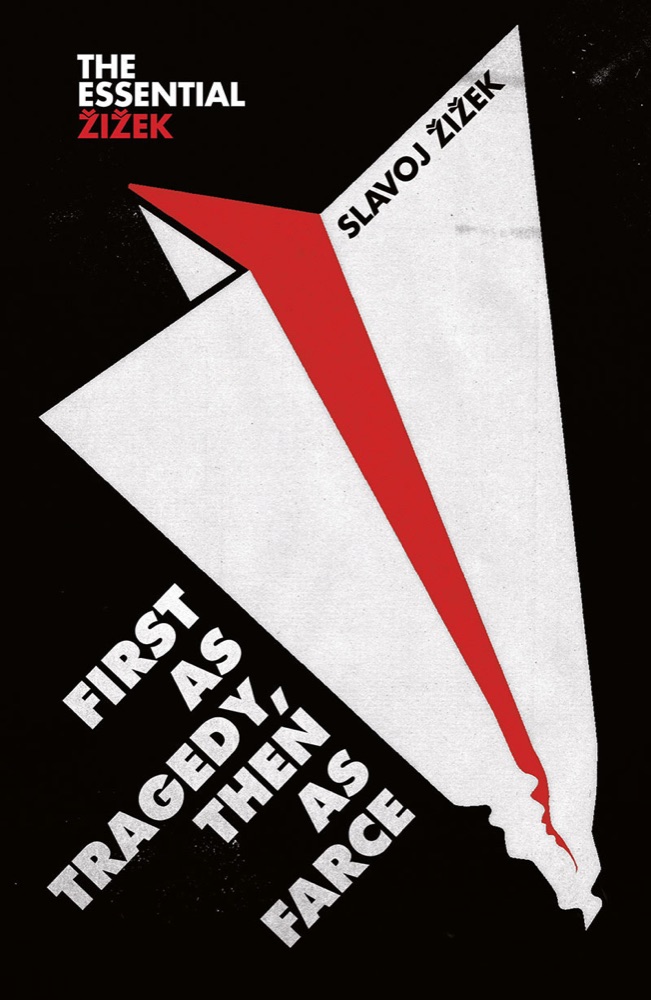 First As Tragedy, Then As Farce
 Border: A Journey to the Edge of Europe
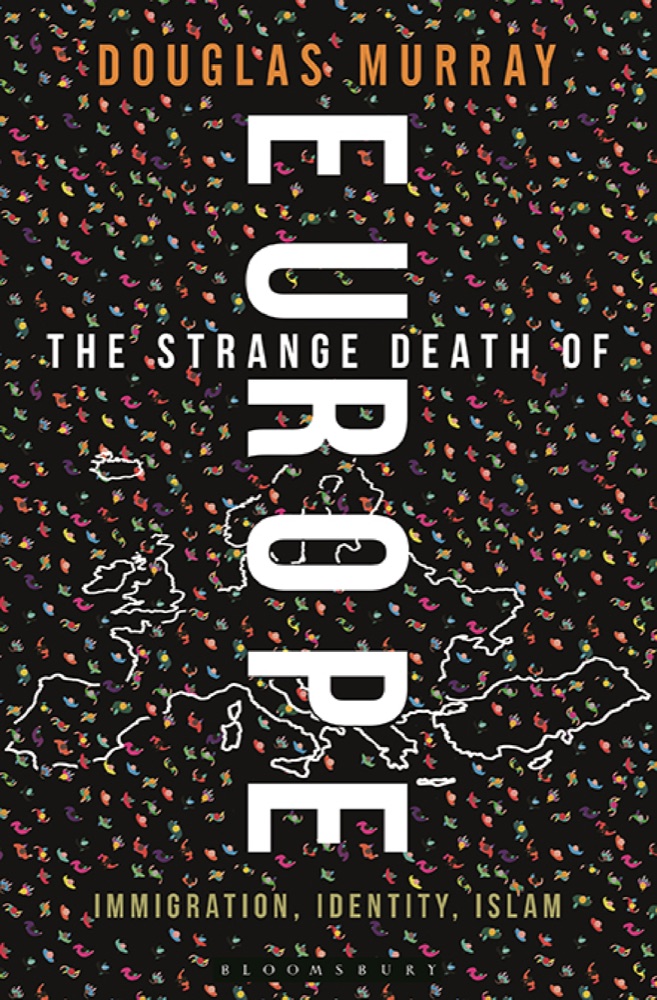 The Strange Death of Europe: Immigration, Identity, Islam
 Dead Fall
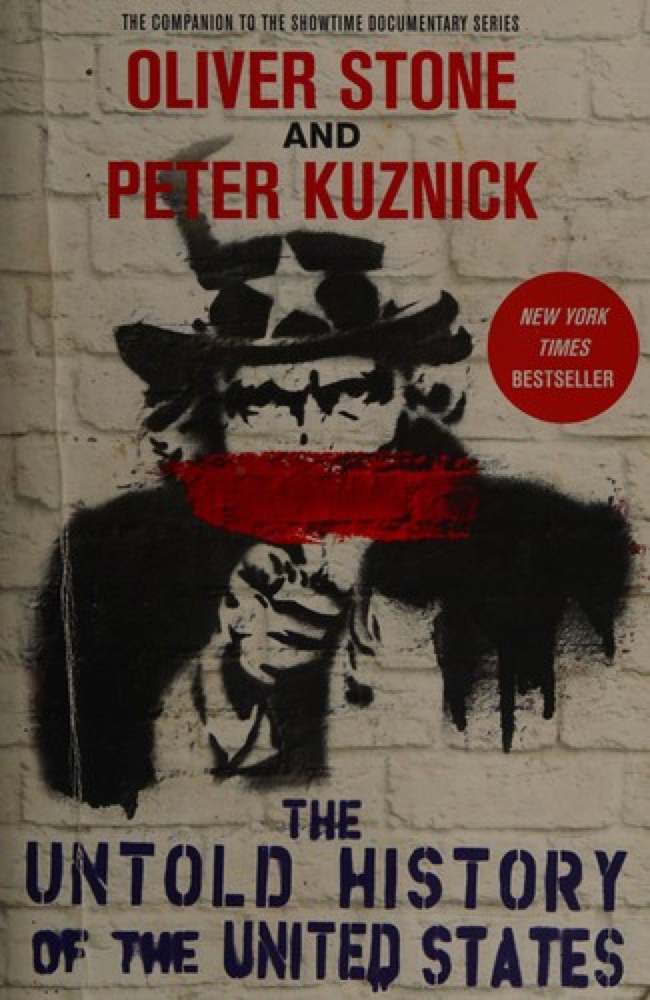 The Untold History of The United States
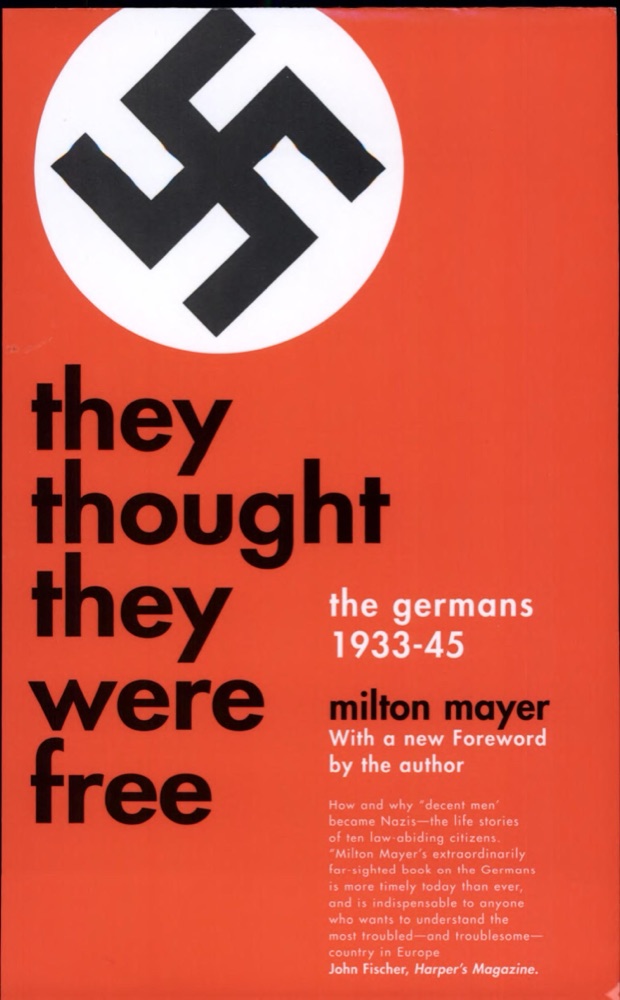 They Thought They Were Free: The Germans 1933-45
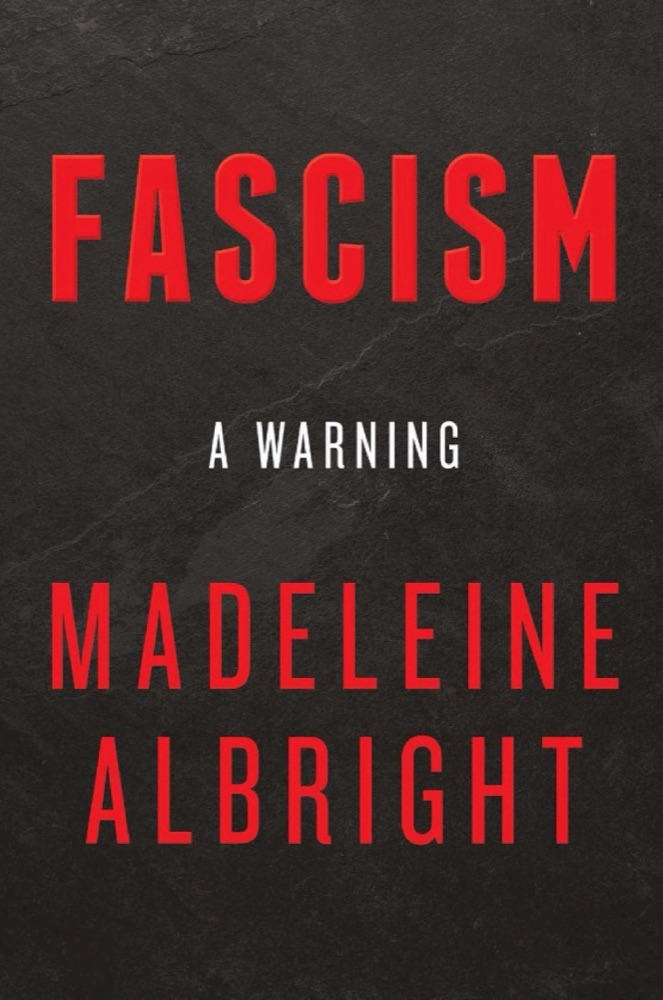 Fascism: A Warning
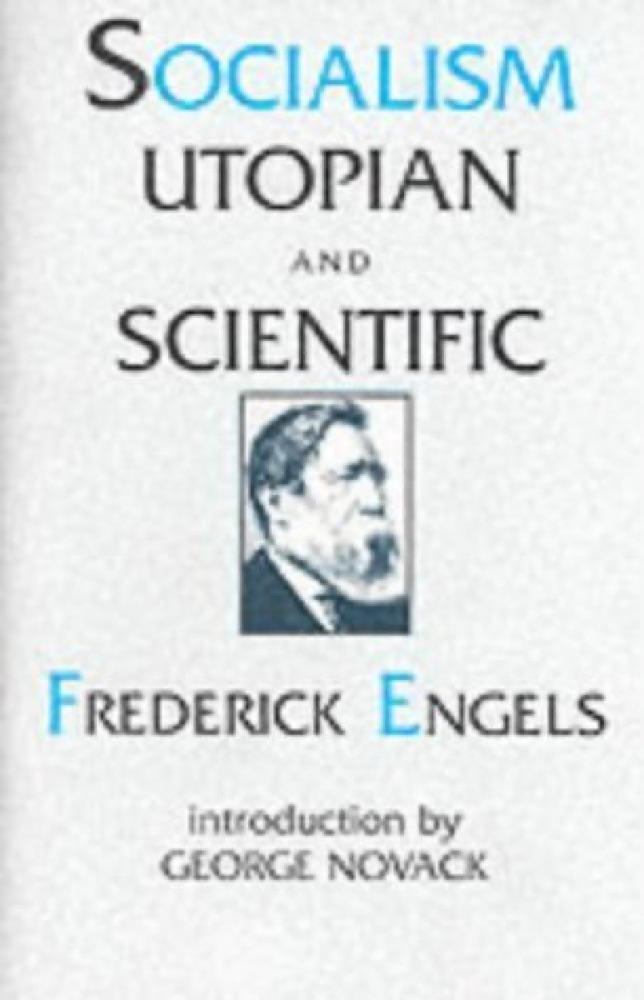 Socialism: Utopian and Scientific
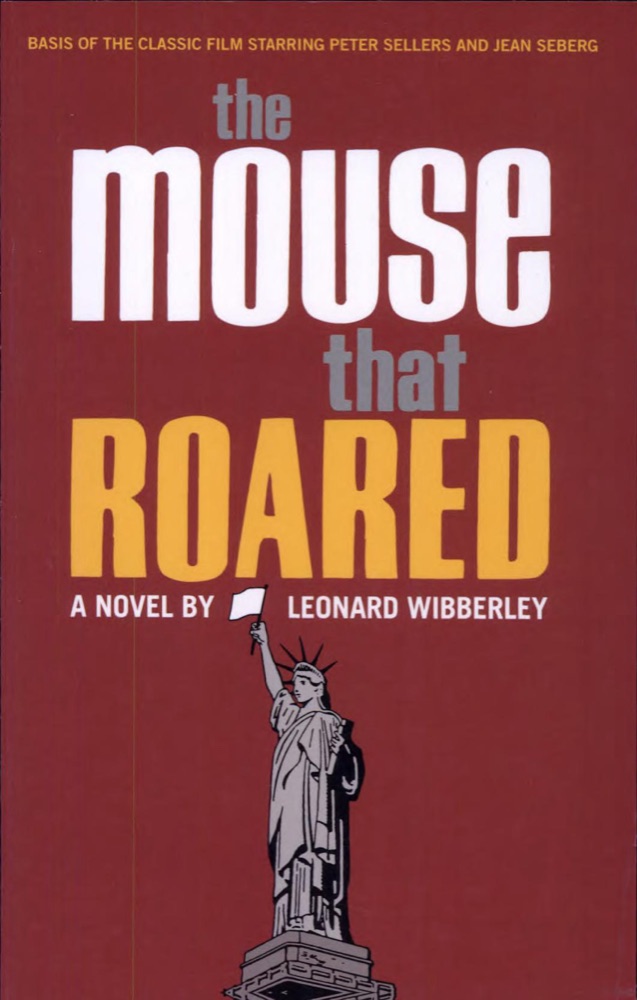 The Mouse That Roared
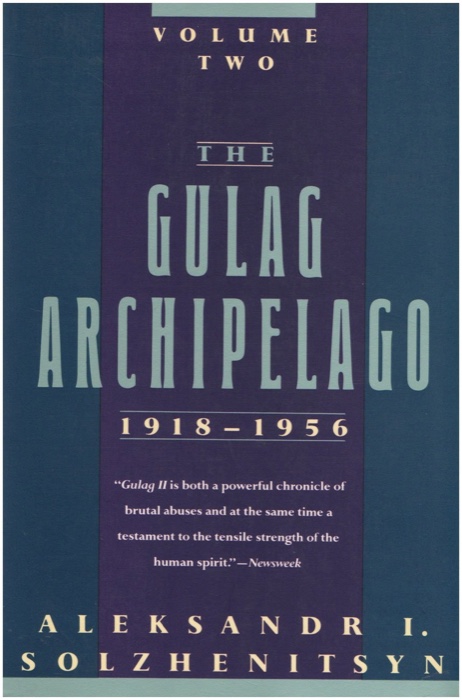 The Gulag Archipelago 1918-1956