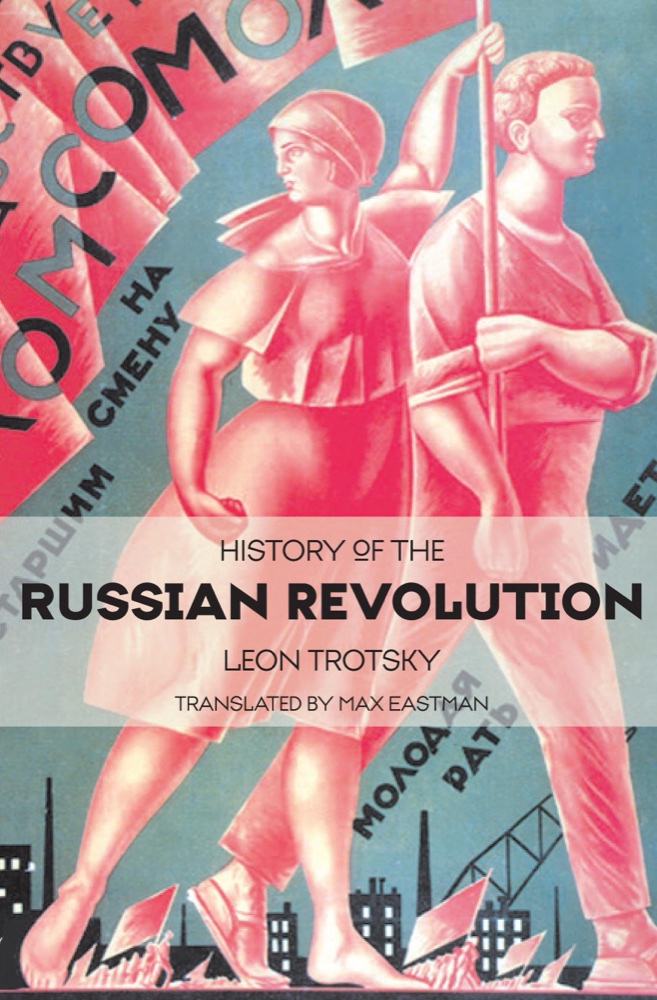
 History of the Russian Revolution
Quotes from the Book
The basis of bureaucratic rule is the poverty of society in objects of consumption, with the resulting struggle of each against all. When there is enough goods in a store, the purchasers can come whenever they want to. When there is little goods, the purchasers are compelled to stand in line. When the lines are very long, it is necessary to appoint a policeman to keep order. Such is the starting point of the power of the Soviet bureaucracy. It "knows" who is to get something and who has to wait.
15
A necessity has two ends: the reactionary and the progressive. History teaches that persons and parties which drag at the opposite ends of a necessity turn out in the long run on opposite sides of the barricade.
3
A program of "disarmament," while imperialist antagonisms survive, is the most pernicious of fictions. Even if it were realized by way of general agreement - an obviously fantastic assumption!- that would by no means prevent a new war. The imperialists do not make war because there are armaments; on the contrary, they forge arms when they need to fight.
3
The fundamental evil of the capitalist system is not the extravagance of the possessing classes, however disgusting that may be in itself, but the fact that in order to guarantee its right to extravagance the bourgeoisie maintains its private ownership of the means of production, thus condemning the economic system to anarchy and decay.
2
still often try to maintain a deeply cogitative silence about the unprecedented tempo of Russia’s industrial development, or confine themselves to remarks about an extreme “exploitation of the peasantry.” They are missing a wonderful opportunity to explain why the brutal exploitation of the peasants in China, for instance, or Japan, or India, never produced an industrial tempo remotely approaching that of the Soviet Union.
1
quality demands a democracy of producers and consumers, freedom of criticism and initiative – conditions incompatible with a totalitarian regime of fear, lies and flattery.
1
How much significance can twenty or thirty thousand Oppositionists have for a party of two million? In such a question, the mere juxtaposition of figures means nothing. Ten revolutionists in a regiment is enough to bring it over, in a red-hot political atmosphere, to the side of the people
The material premise of communism should be so high a development of the economic powers of man that productive labor, having ceased to be a burden, will not require any goad, and the distribution of life's goods, existing in continual abundance, will not demand—as it does not now in any well-off family or "decent" boardinghouse—any control except that of education, habit and social opinion. Speaking frankly, I think it would be pretty dull-witted to consider such a really modest perspective "utopian".
Not only a Marxist, but any realistic political thinker, ought to understand that the very necessity of “reinforcing” the dictatorship – that is, governmental repression – testifies not to the triumph of a classless harmony, but to the growth of new social antagonisms. What lies at the bottom of all this? Lack of the means of subsistence from the low productivity of labor. Lenin once
Watch on YouTube
About Leon Trotsky
We have collected 34 quotes from 2 books by Leon Trotsky on BookQuoters.
More about the author →More by Leon Trotsky
History of the Russian Revolution
About the book
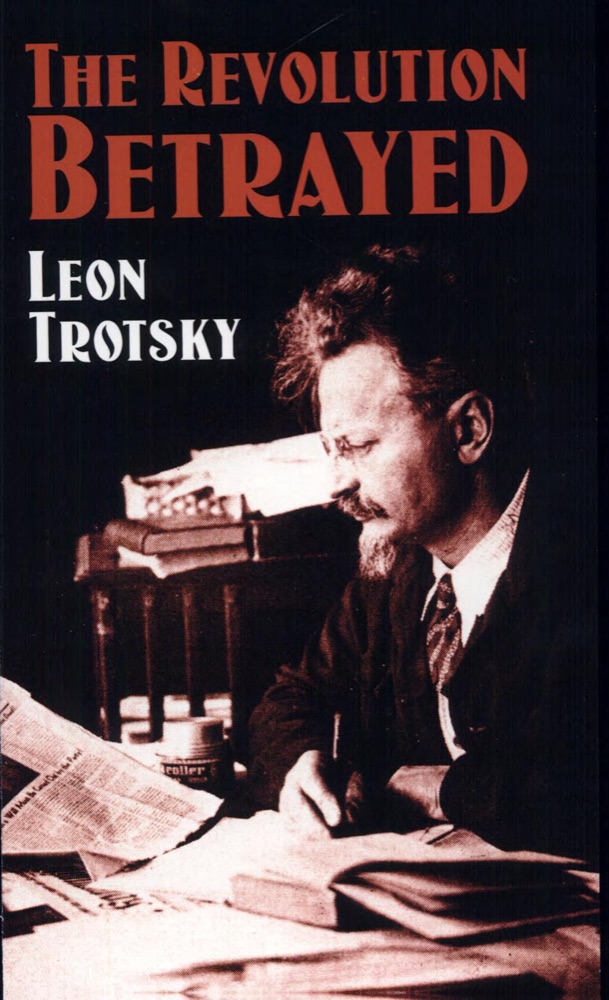
One of Marxism's most important texts, The Revolution Betrayed explores the fate of the Russian Revolution after Lenin's death. Written in 1936 and published the following year, this brilliant and profound evaluation of Stalinism from the Marxist standpoint prophesied the collapse of the Soviet Union and subsequent related events.
The effects of the October Revolution led to the establishment of a nationalized planned economy, demonstrating the practicality of socialism for the first time. By the 1930s, however, the Soviet workers' democracy had crumbled into a state of bureaucratic decay that ultimately gave rise to an infamous totalitarian regime. Trotsky employs facts, figures, and statistics to show how Stalinist policies rejected the enormous productive potential of the nationalized planned economy in favor of a wasteful and corrupt bureaucratic system.
Six decades after the p
Book details
- First published
- 1937
- Author
- Leon Trotsky
- Genre
- History
- Goodreads rating
- 4.08 (2k ratings)
Keep reading
 Blackshirts and Reds: Rational Fascism and the Overthrow of Communism
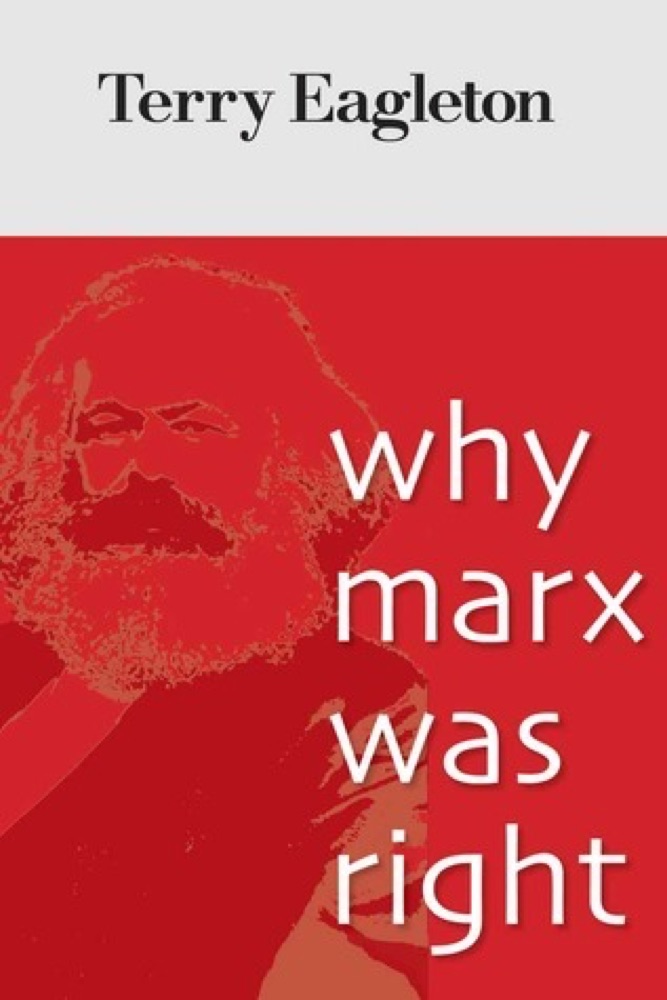 Why Marx Was Right
History of the Russian Revolution
Why Marx Was Right
History of the Russian Revolution
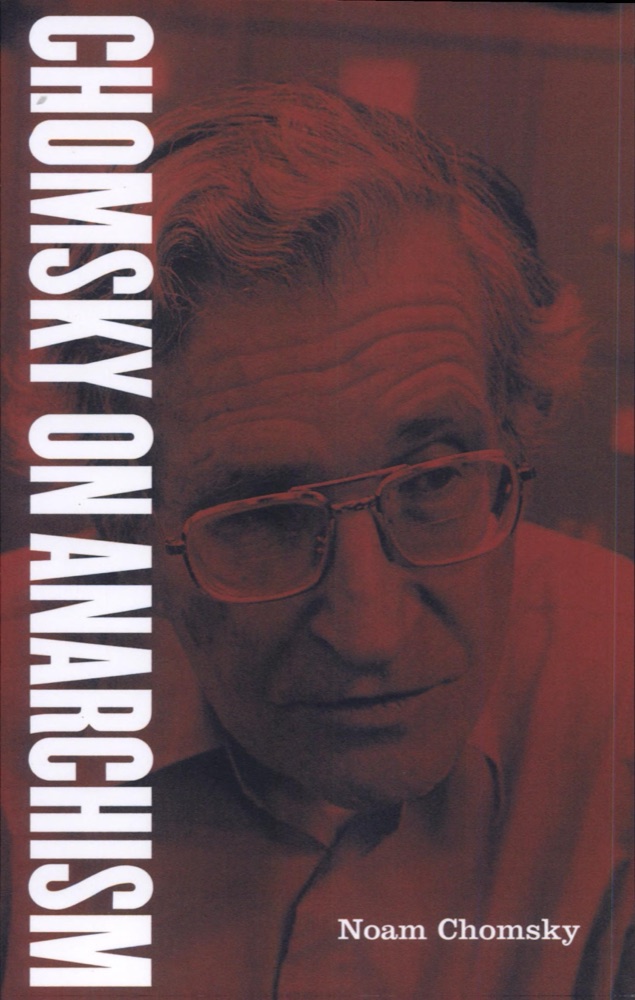 Chomsky On Anarchism
 Marx: A Very Short Introduction
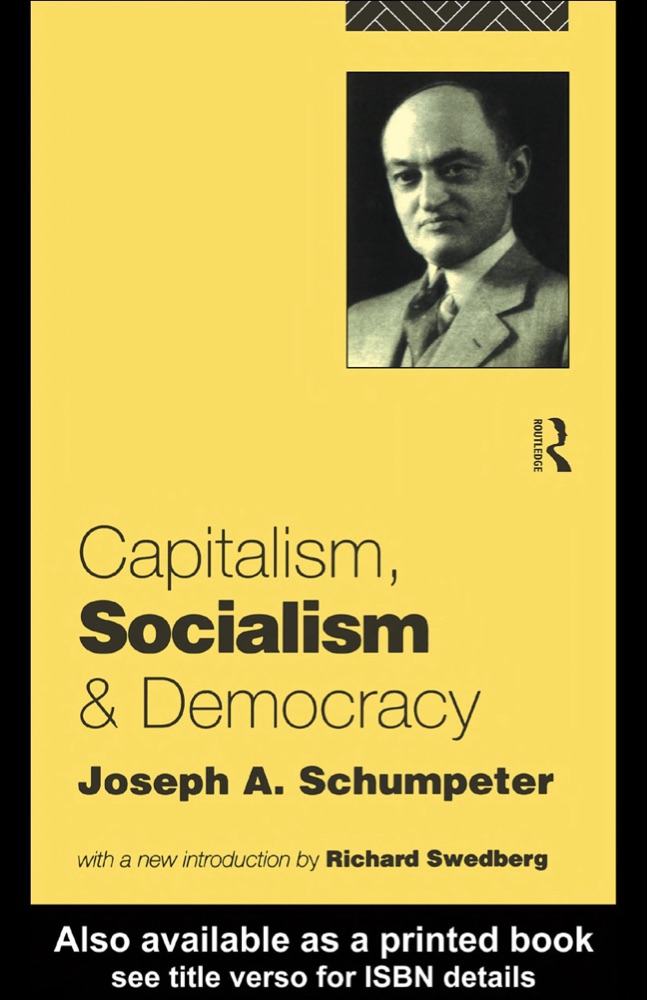 Capitalism, Socialism and Democracy
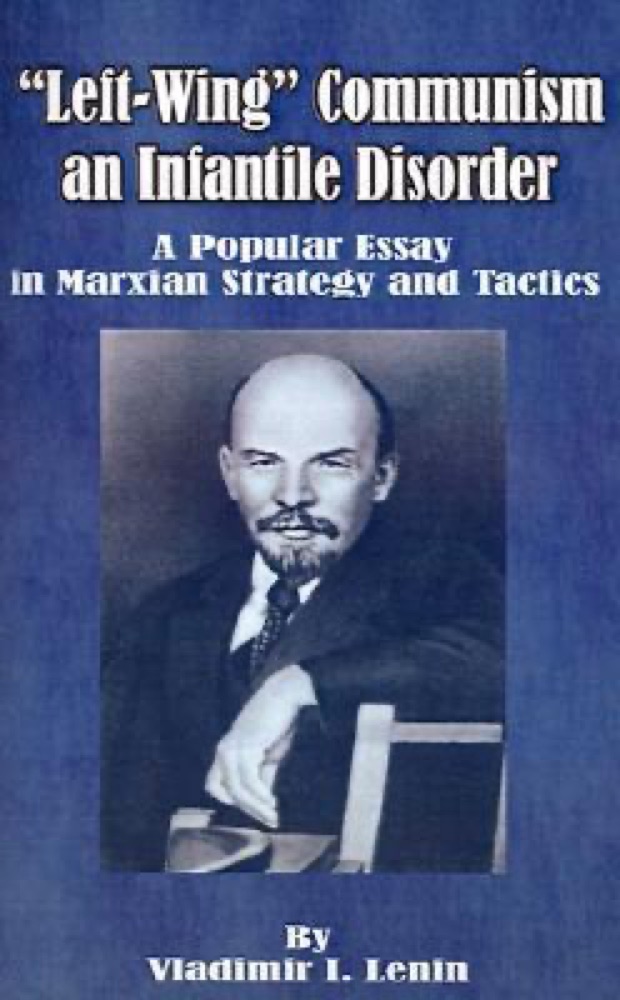 Left-Wing Communism, an Infantile Disorder: A Popular Essay in Marxian Strategy and Tactics
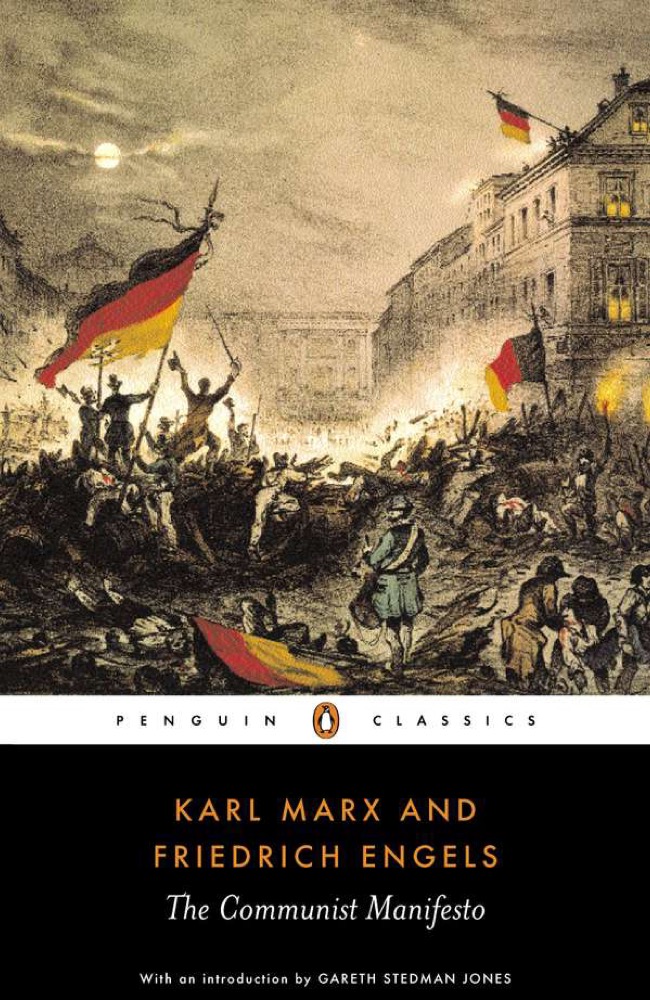 The Communist Manifesto
 The Road to Serfdom
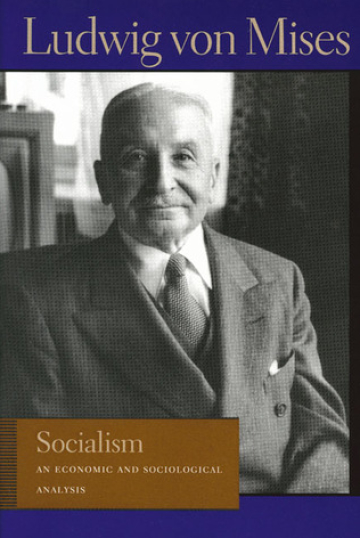 Socialism: An Economic and Sociological Analysis
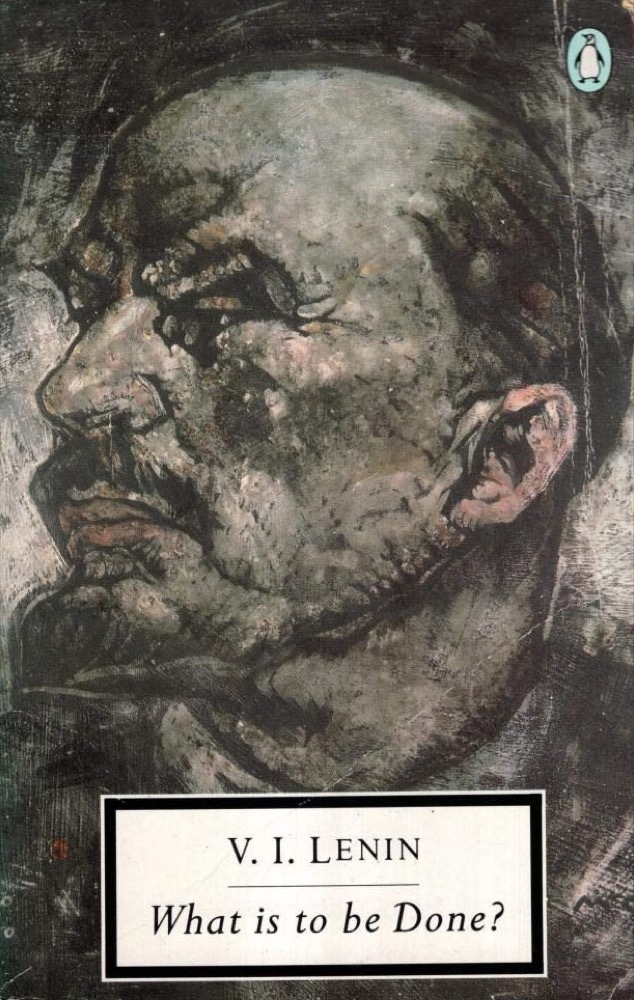 What Is to Be Done?
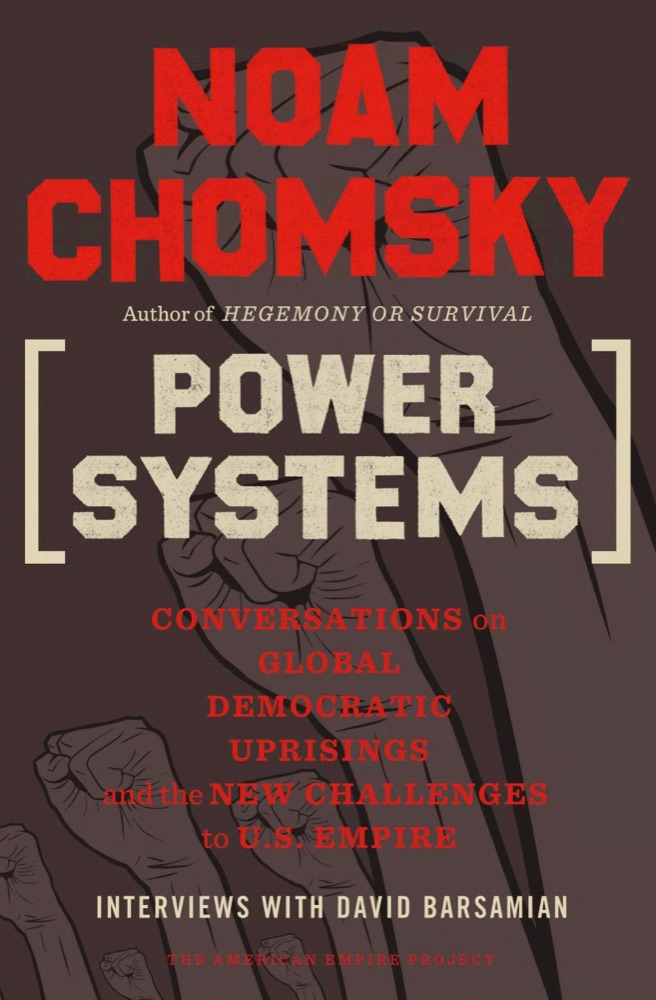 Power Systems: Conversations on Global Democratic Uprisings and the New Challenges to U.S. Empire
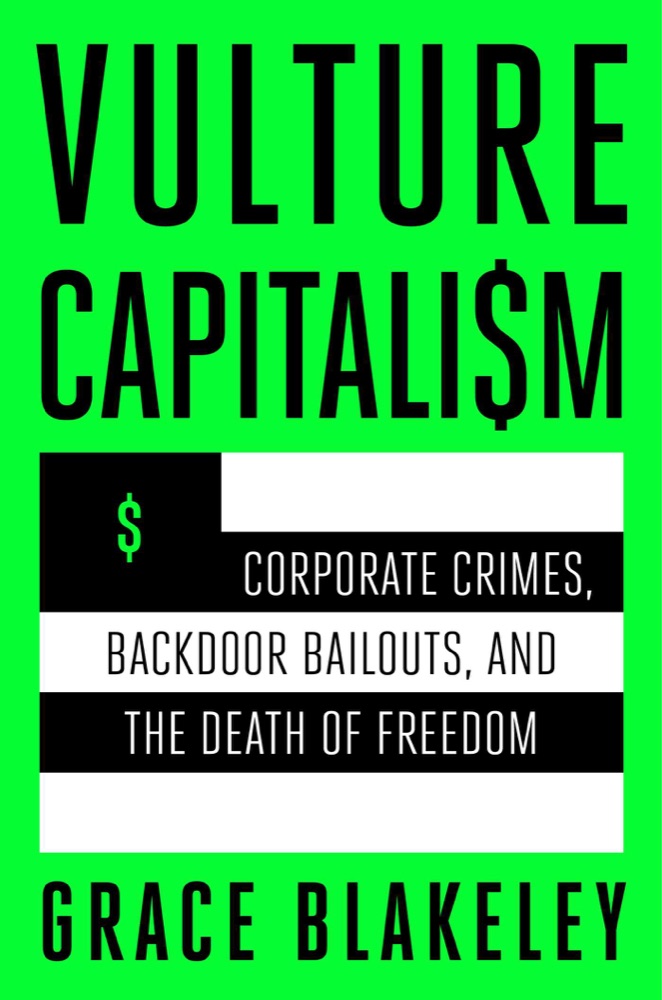 Vulture Capitalism: Corporate Crimes, Backdoor Bailouts, and the Death of Freedom
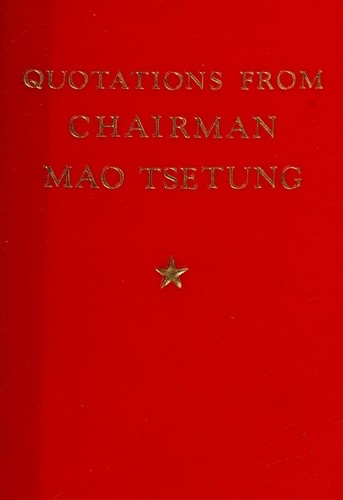 Quotations from Chairman Mao Tsetung
 Capitalism: The Unknown Ideal
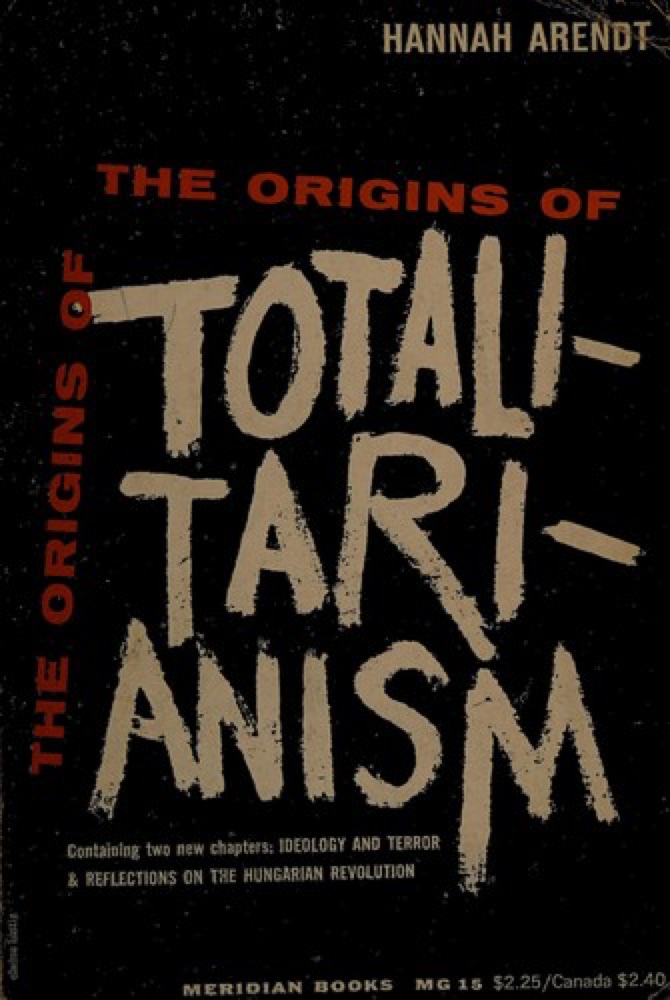 The Origins of Totalitarianism
 Modern Times: The World from the Twenties to the Nineties
 Ill Fares the Land
 Brave New World Revisited
 The Constitution of Liberty
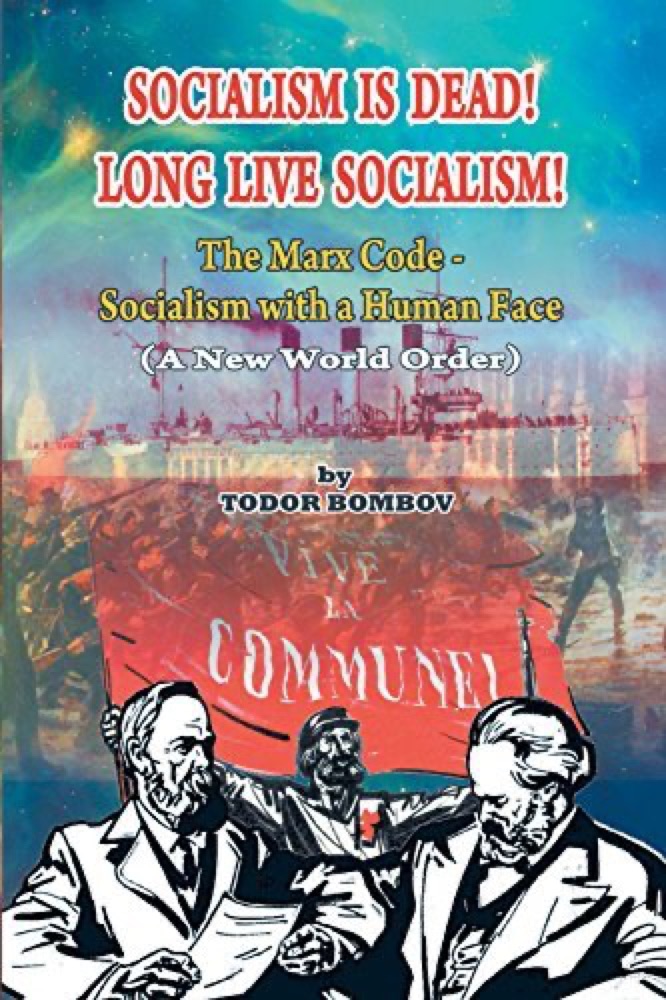 Socialism Is Dead! Long Live Socialism!: The Marx Code—Socialism with a Human Face: A New World Order
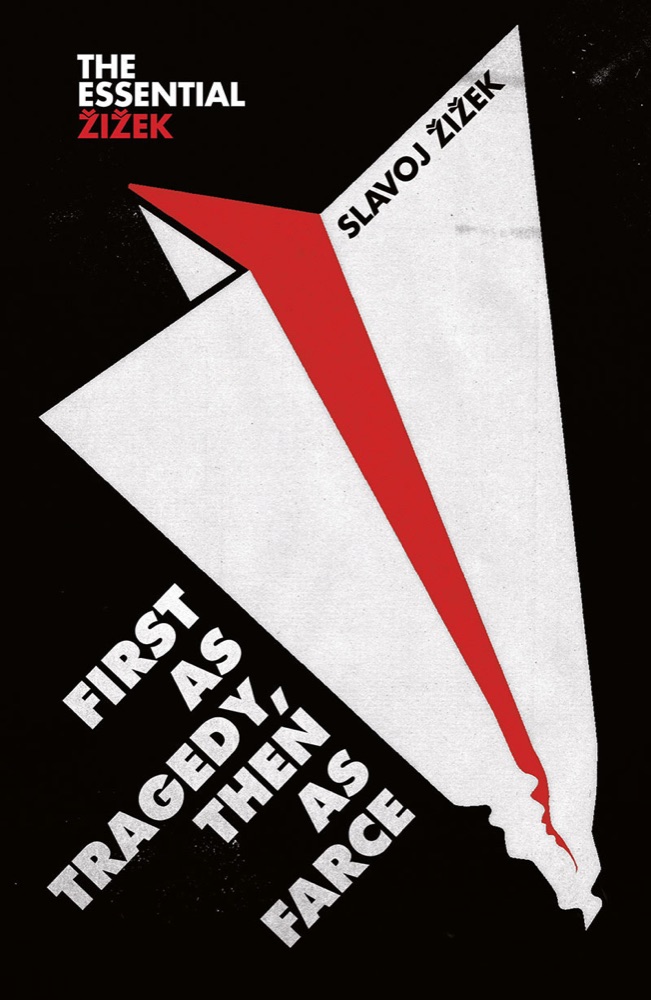 First As Tragedy, Then As Farce
 Socialism: Utopian and Scientific
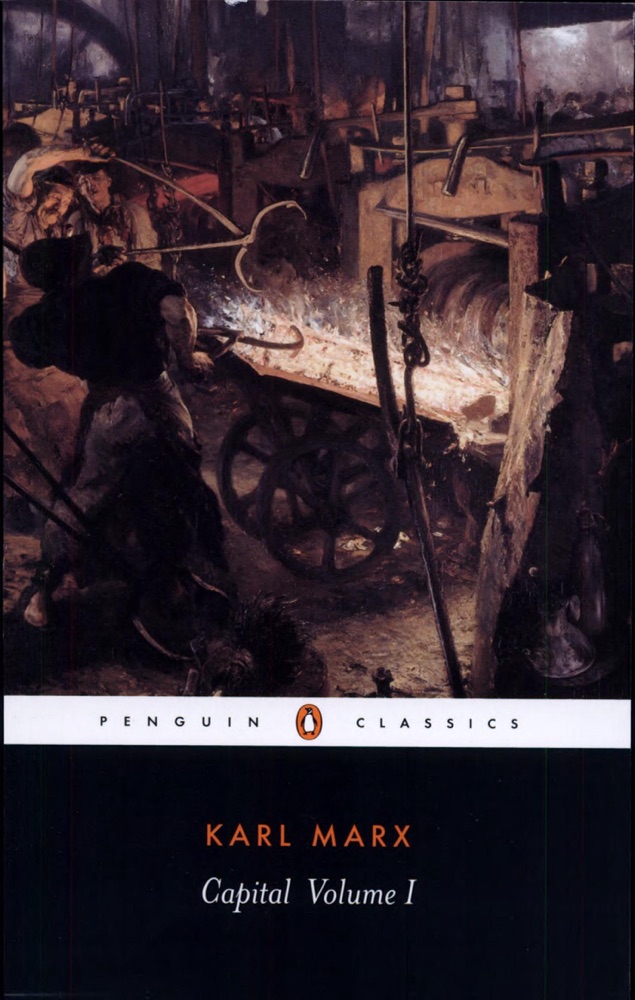 Capital
 The Coming Insurrection
 Conspirators' Hierarchy: The Story of the Committee of 300
 Liberalism: The Classical Tradition
 Seeing Like a State: How Certain Schemes to Improve the Human Condition Have Failed
 Ten Days that Shook the World
 Capitalist Realism: Is There No Alternative?
 The Old Regime and the French Revolution
 The Shock Doctrine: The Rise of Disaster Capitalism
 A People's History of the United States
 Death of the Liberal Class
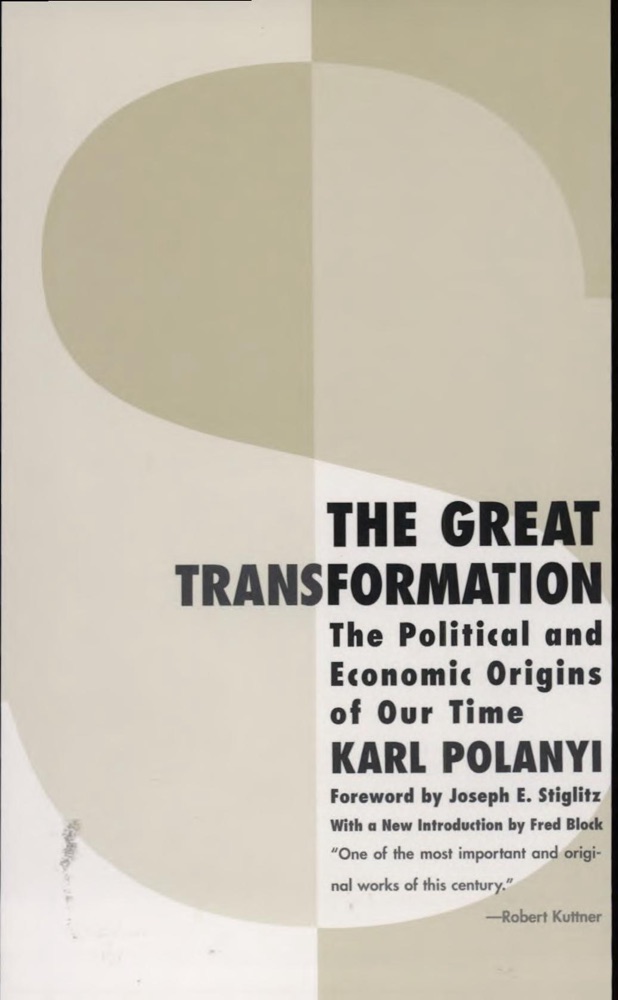 The Great Transformation: The Political and Economic Origins of Our Time
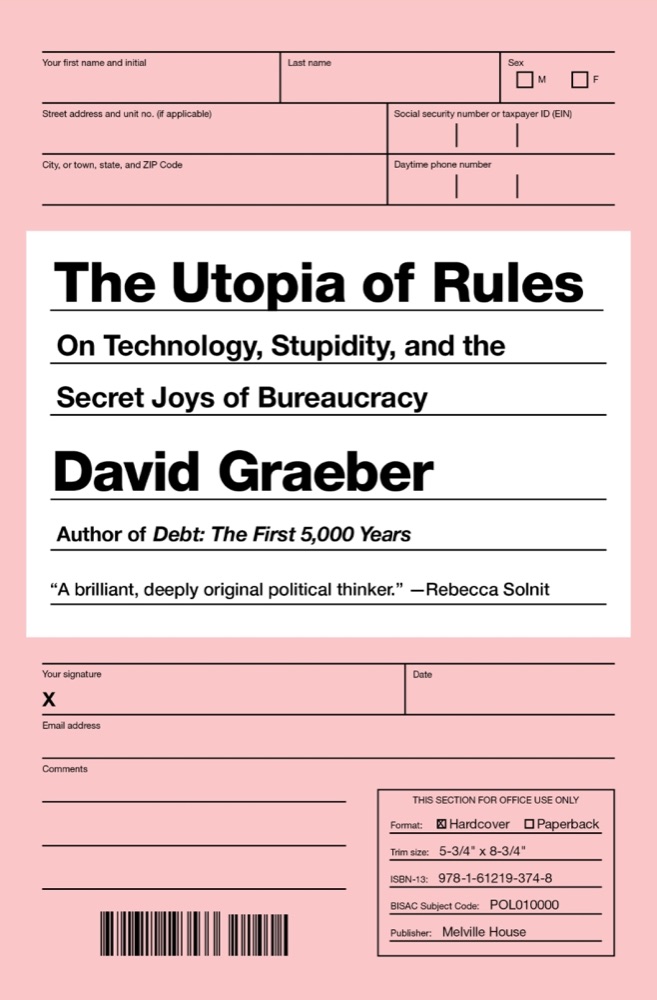 The Utopia of Rules: On Technology, Stupidity, and the Secret Joys of Bureaucracy
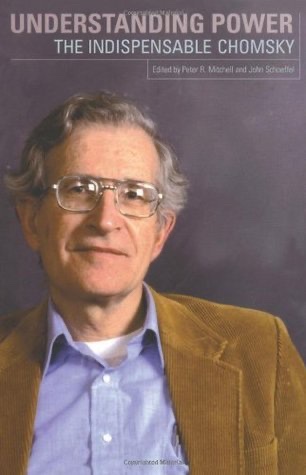 Understanding Power: The Indispensable Chomsky
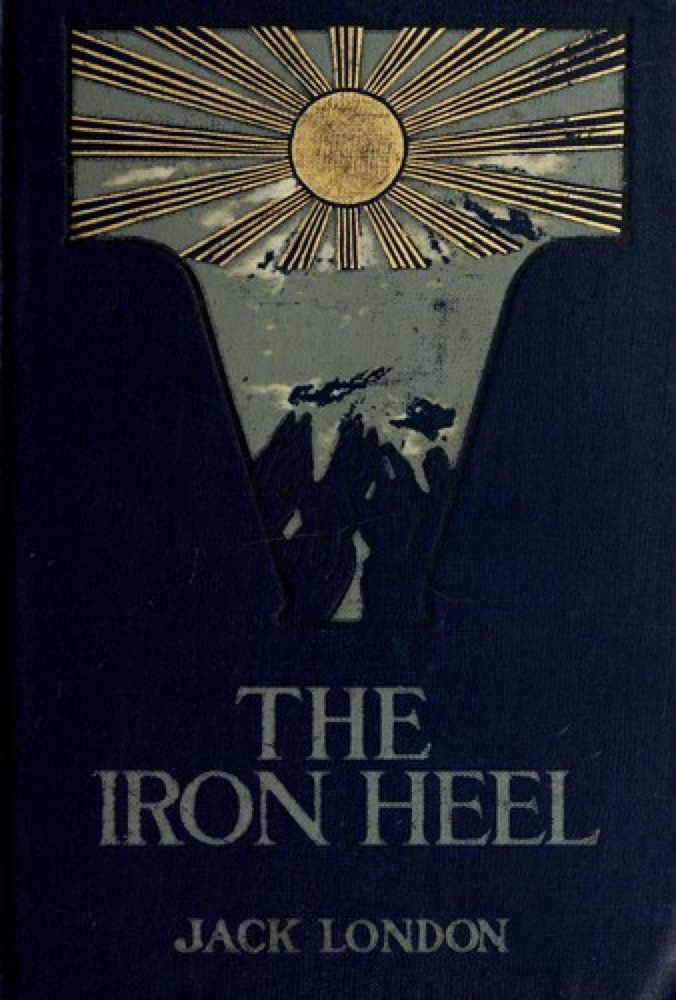 The Iron Heel
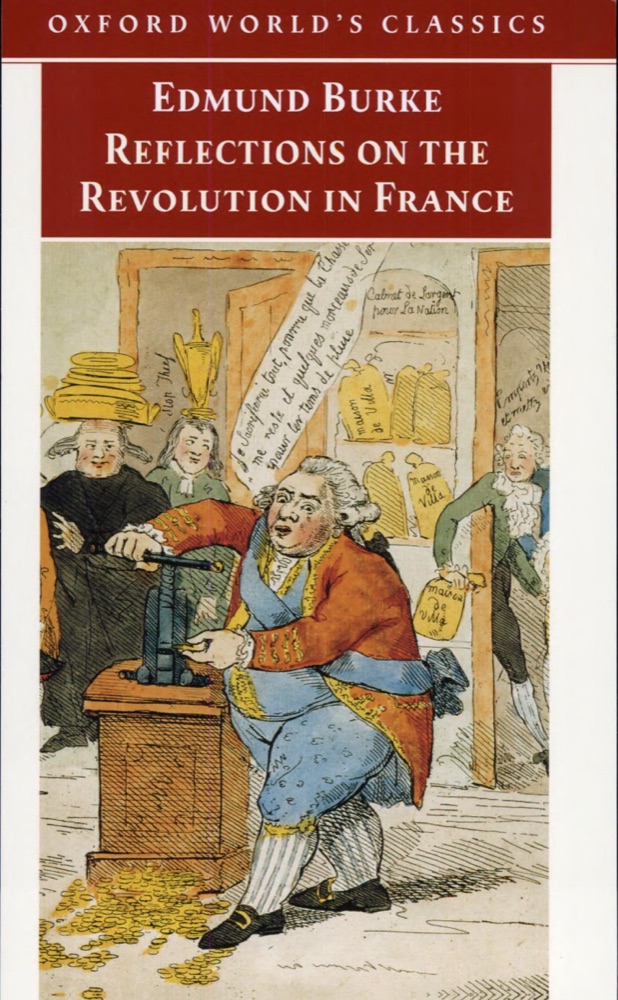 Reflections on the Revolution in France
 The Reactionary Mind: Conservatism from Edmund Burke to Sarah Palin
 Capitalism and Freedom
 The End of History and the Last Man
 Koba the Dread: Laughter and the Twenty Million
 Twilight of Democracy: The Seductive Lure of Authoritarianism
 Political Order and Political Decay: From the Industrial Revolution to the Globalization of Democracy
 Human Action: A Treatise on Economics
 The Wretched of the Earth
 Imperium
 Selections from the Prison Notebooks
 America: The Farewell Tour
 One-Dimensional Man: Studies in the Ideology of Advanced Industrial Society
 The Machiavellians: Defenders of Freedom
 Four Futures: Life After Capitalism
 What's Left?
 Rules for Radicals: A Pragmatic Primer for Realistic Radicals
 The Age of Revolution, 1789–1848
 Imperialism: The Highest Stage of Capitalism
 On Tyranny: Twenty Lessons from the Twentieth Century
 Ameritopia: The Unmaking of America
 Liberty Defined: 50 Essential Issues That Affect Our Freedom