 History of the Russian Revolution
Quotes from the Book
I suddenly realised that the devout Russian people no longer needed priests to pray them into heaven. On earth they were building a kingdom more bright than any heaven had to offer, and for which it was a glory to die….
10
So, with the crash of artillery, in the dark, with hatred, and fear, and reckless daring, new Russia was being born.
4
Out on the Nevsky, in the deepening dusk, a long double file of cyclists came riding, guns slung on their shoulders. They halted, and the crowd pressed in and deluged them with questions. "Who are you? Where do you come from?" asked a fat old man with a cigar in his mouth. "Twelfth Army. From the front. We came to support the Soviets against the damn' bourgeoisie!
3
The ladies of the minor bureaucratic set took tea with each other in the afternoon, carrying each her little gold or silver or jewelled sugar-box, and half a loaf of bread in her muff, and wished that the Tsar were back, or that the Germans would come, or anything that would solve the servant problem…. The daughter of a friend of mine came home one afternoon in hysterics because the woman street-car conductor had called her "Comrade!
3
Carlyle, in his French Revolution, has described the French people as distinguished above all others by their faculty of standing in queue. Russia had accustomed herself to the practice, begun in the reign of Nicholas the Blessed as long ago as 1915, and from then continued intermittently until the summer of 1917, when it settled down as the regular order of things.
3
The Federated Republic of Europe--the United States of Europe--that is what must be. National autonomy no longer suffices. Economic evolution demands the abolition of national frontiers. If Europe is to remain split into national groups, then Imperialism will recommence its work. Only a Federated Republic of Europe can give peace to the world...But without the action of the European masses, these ends cannot be realized...now.
2
Imagine this struggle being repeated in every barracks of the city, the district, the whole front, all Russia. Imagine the sleepless Krylenkos, watching the regiments, hurrying from place to place, arguing, threatening, entreating. And then imaging the same in all the locals of every labour union, in the factories, the villages, on the battle-ships of the far-flung Russian fleets; think of the hundreds of thousands of Russian men staring up at speakers all over the vast country, workmen, peasants, soldiers, sailors, trying so hard to understand and to choose, thinking so intensely-and deciding so unanimously at the end. So was the Russian Revolution….
2
Instead of being a destructive force, it seems to me that the Bolsheviki were the only party in Russia with a constructive program and the power to impose it on the country.
2
In 1917 there were more than twelve million members of the Russian consumers’ Cooperative societies; and the Soviets themselves are a wonderful demonstration of their organising genius. Moreover, there is probably not a people in the world so well educated in Socialist theory and its practical application.
2
Two weeks later General Kaledin received a deputation from his troops. 'Will you,' the asked, 'promise to divide the estates of the Cossack landlords among the working Cossacks?' 'Only over my dead body,' responded Kaledin. A month later, seeing his army melt away before his eyes, Kaledin blew out his brains. And the Cossack movement was no more...
2
Nếu chủ nghĩa xã hội chỉ có thể thực hiện khi tất cả mọi người không trừ một ai đều đã tới một trình độ phát triển đầy đủ thì có lẽ phải năm trăm năm nữa chúng ta mới thấy chủ nghĩa xã hội.
1
Lý do độc nhất dẫn đến thắng lợi của những người Bôn-sê-vích là đã thực hiện những nguyện vọng rộng lớn và giản đơn của các tầng lớp cơ bản nhất trong nhân dân, kêu gọi họ phá tan cái cũ và sau đó, trong khói bụi của sự sụp đổ này, cộng tác với họ để dựng lên cái mới...
1
Làm cách mạng không thể chần chừ được, phải luôn luôn tiến lên phía trước, nếu không sẽ lùi về phía sau.
1
We dined at a vegetarian restaurant with the enticing name ‘I Eat Nobody,’ and Tolstoy's picture prominent on the walls, and then sallied out into the streets.
1
IN the relations of a weak Government and a rebellious people there comes a time when every act of the authorities exasperates the masses, and every refusal to act excites their contempt….
1
During civil war the right to use violence belongs only to the oppressed....
You foreigners look down on us Russians because so long we tolerated a mediæval monarchy," said he. "But we saw that the Tsar was not the only tyrant in the world; capitalism was worse, and in all the countries of the world capitalism was Emperor.... Russian revolutionary tactics are best....
The "moderate" Socialists needed the bourgeoisie. But the bourgeoisie did not need the "moderate" Socialists. So it resulted in the Socialist Ministers being obliged to give way, little by little, on their entire program, while the propertied classes grew more and more insistent.
Watch on YouTube
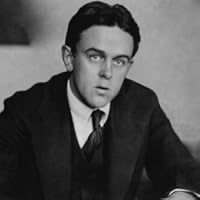
About John Reed
We have collected 18 quotes from 1 book by John Reed on BookQuoters.
More about the author →About the book
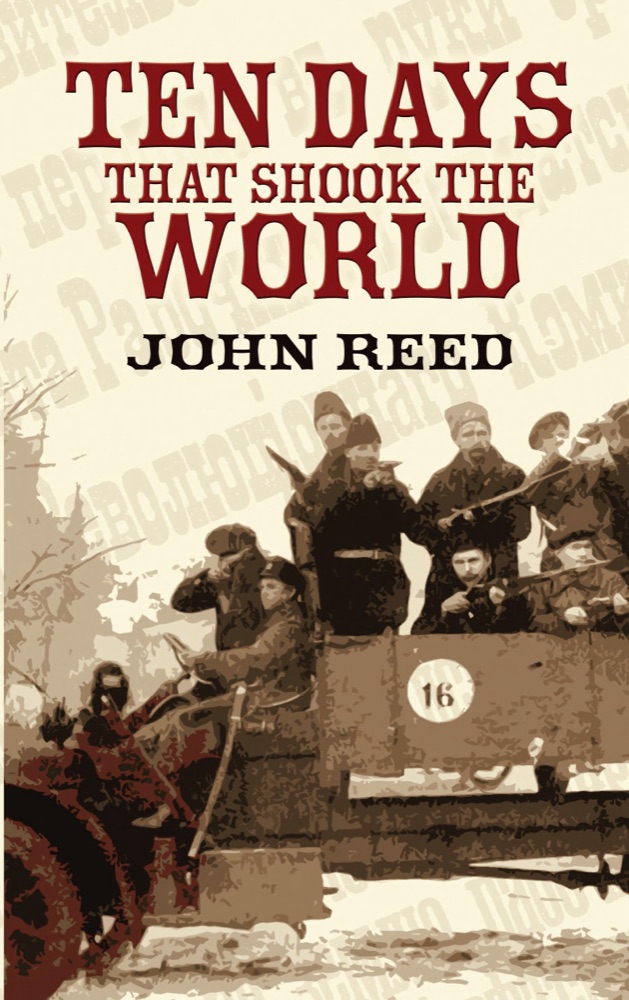
This first-person chronicle by John Reed, a legendary journalist who was present at the flash point of the Russian Revolution in 1917, provides an intense and informative eyewitness account of one of the greatest events of the twentieth century.
Capturing the spirit of those heady days of excitement and idealism, Reed's true-to-life account follows many of the prominent Bolshevik leaders, as well as vividly capturing the mood of the masses. Verbatim reports of speeches by leaders, and comments of bystanders—set against an idealized backdrop of the proletariat united with soldiers, sailors, and peasants—are balanced by passionate narratives describing the fall of the provisional government, the assault on the Winter Palace, and Lenin's seizure of power.
Accompanied by contemporaneous photographs, this gripping record by a western journalist has been acclaimed worldwide since its fir
Keep reading
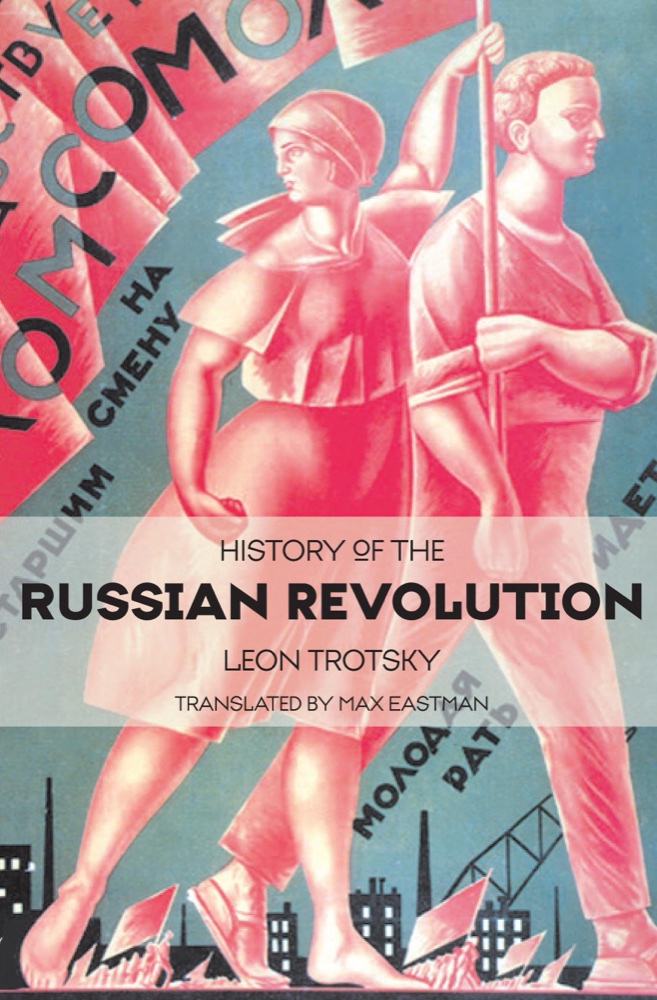
History of the Russian Revolution
 A Russian Journal
 Imperium
 Modern Times: The World from the Twenties to the Nineties
 Everything Flows
 Moscow Rules
 The Gulag Archipelago 1918-1956
 What Is to Be Done?
 Left-Wing Communism, an Infantile Disorder: A Popular Essay in Marxian Strategy and Tactics
 The Twelve Chairs
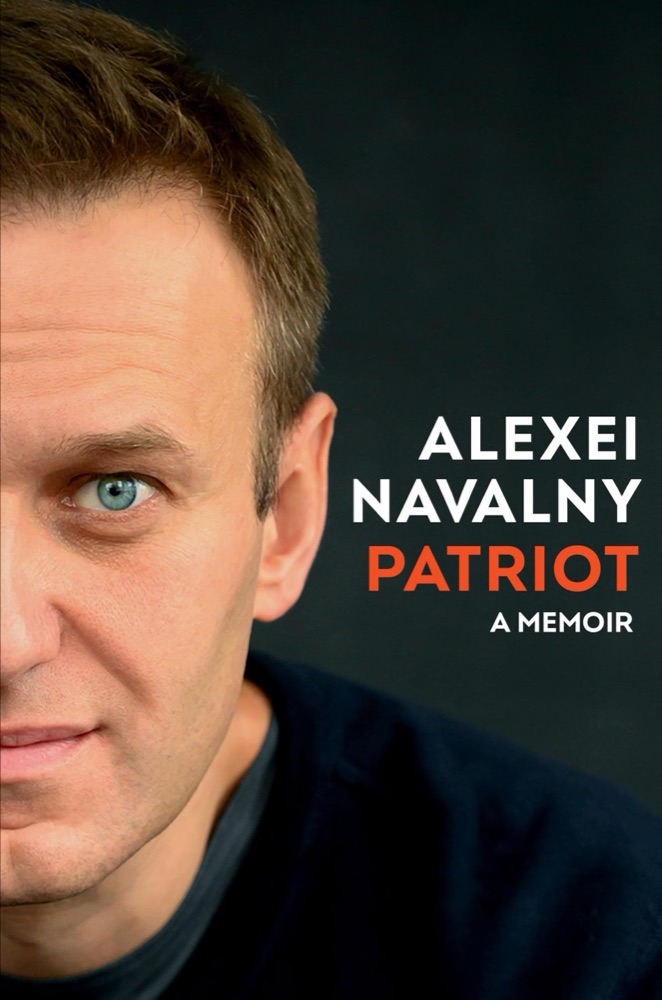 Patriot: A Memoir
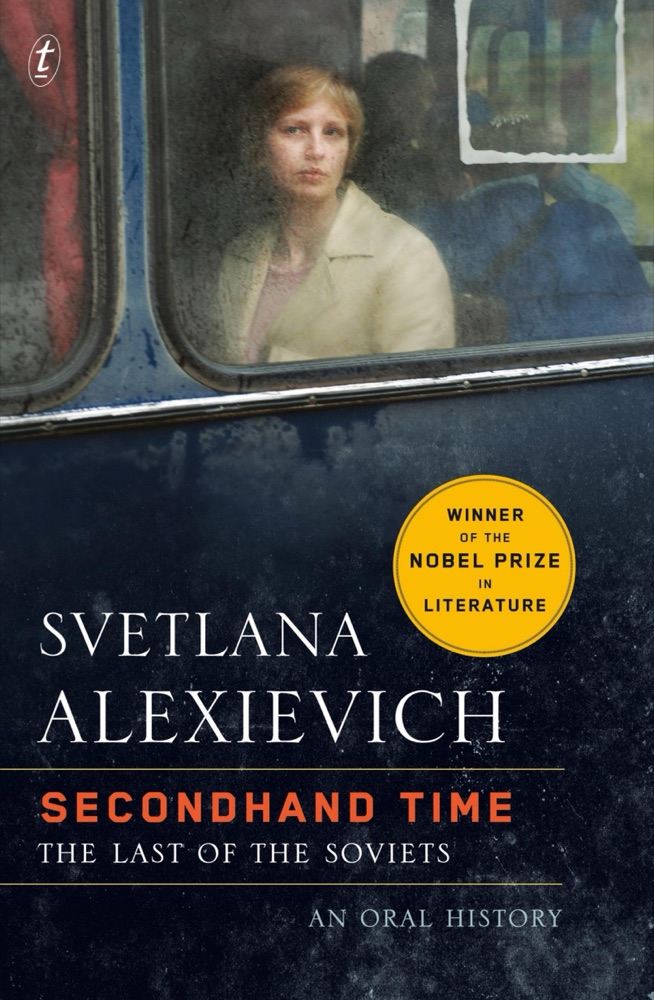 Secondhand Time: The Last of the Soviets
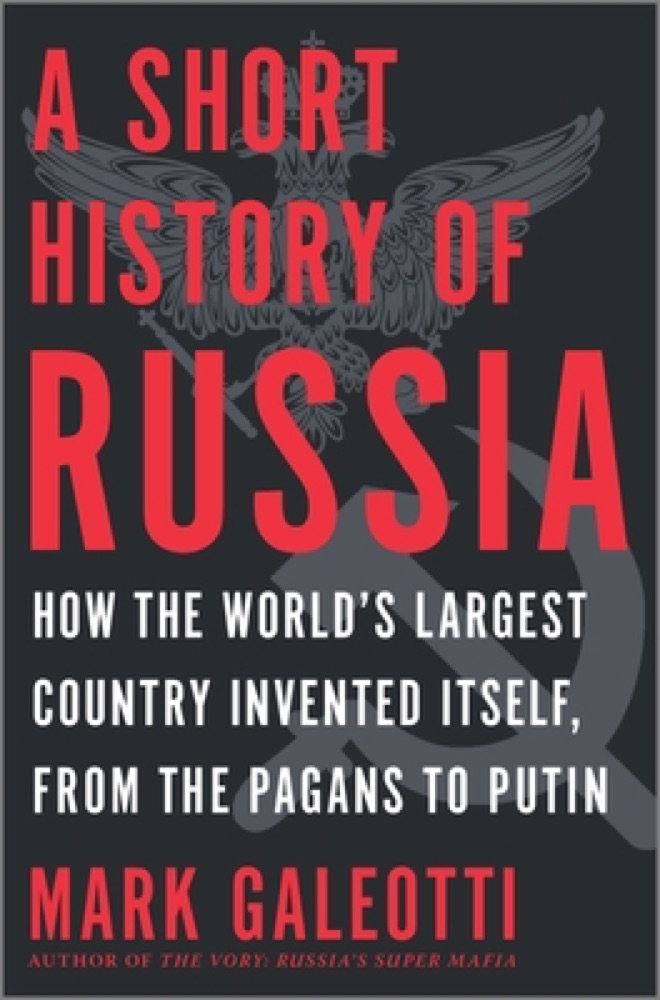 A Short History of Russia: Tracing Russia's Path Through History, from Its Wars and Conquests, Royal Dynasties, Revolutions into the Modern Era Under Putin―a Concise Exploration of a Complex Nation
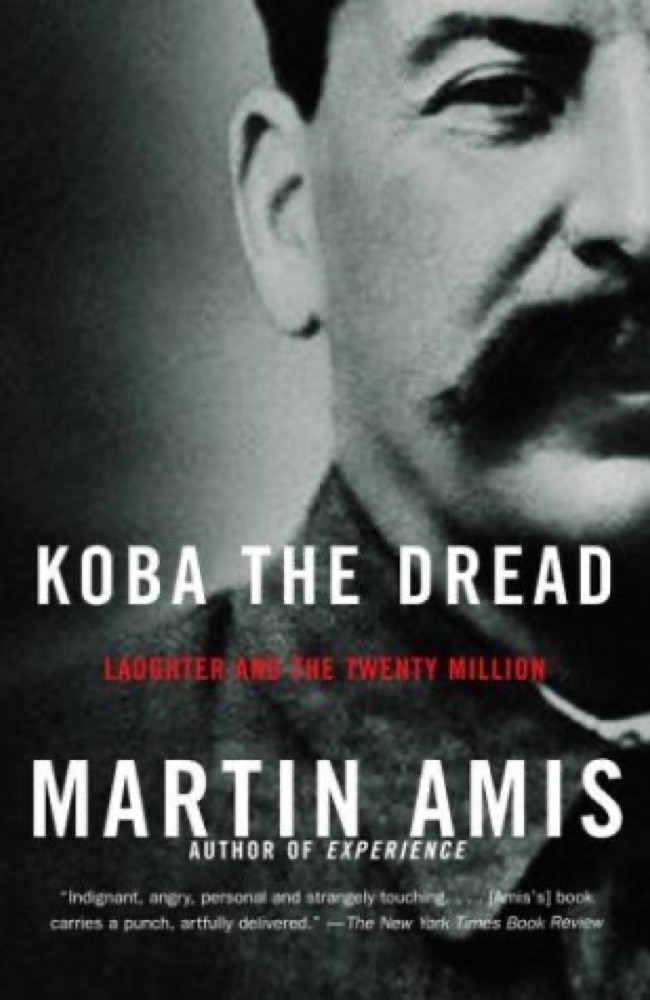 Koba the Dread: Laughter and the Twenty Million
 The Revolution Betrayed
 Defying Hitler
 Quotations from Chairman Mao Tsetung
 Europe: A History
 Day of the Oprichnik
 Postwar: A History of Europe Since 1945
 Closing the Ring
 Homage to Catalonia
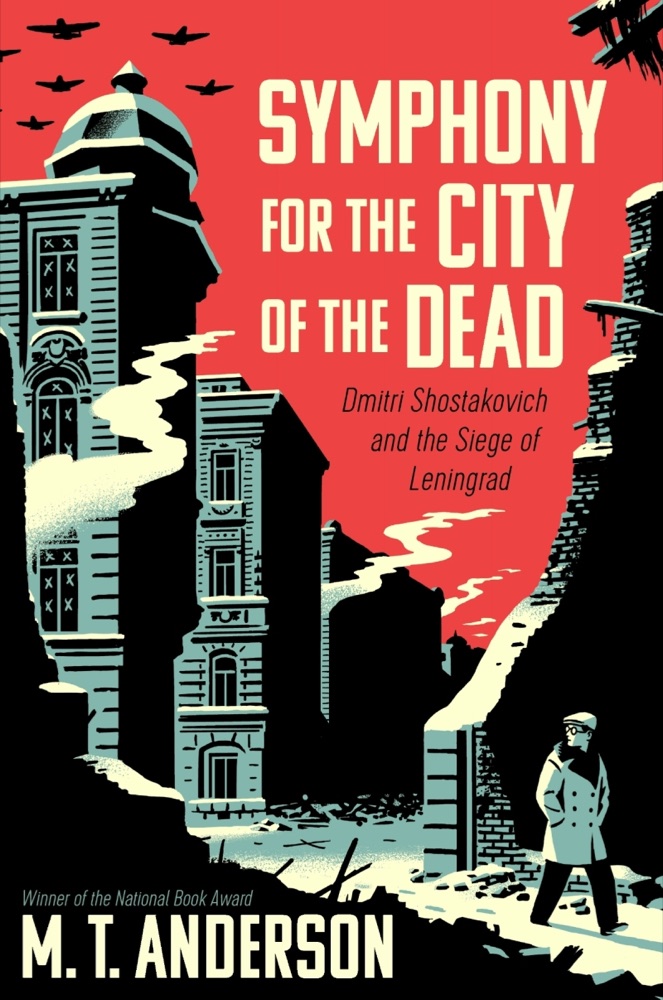 Symphony for the City of the Dead: Dmitri Shostakovich and the Siege of Leningrad
 Fall of Giants
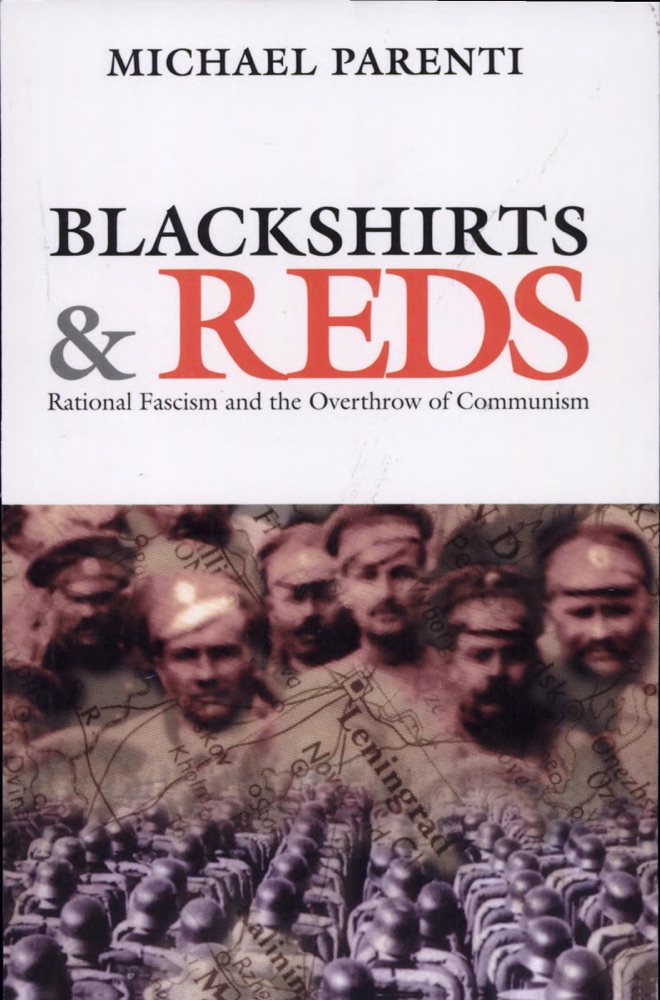 Blackshirts and Reds: Rational Fascism and the Overthrow of Communism
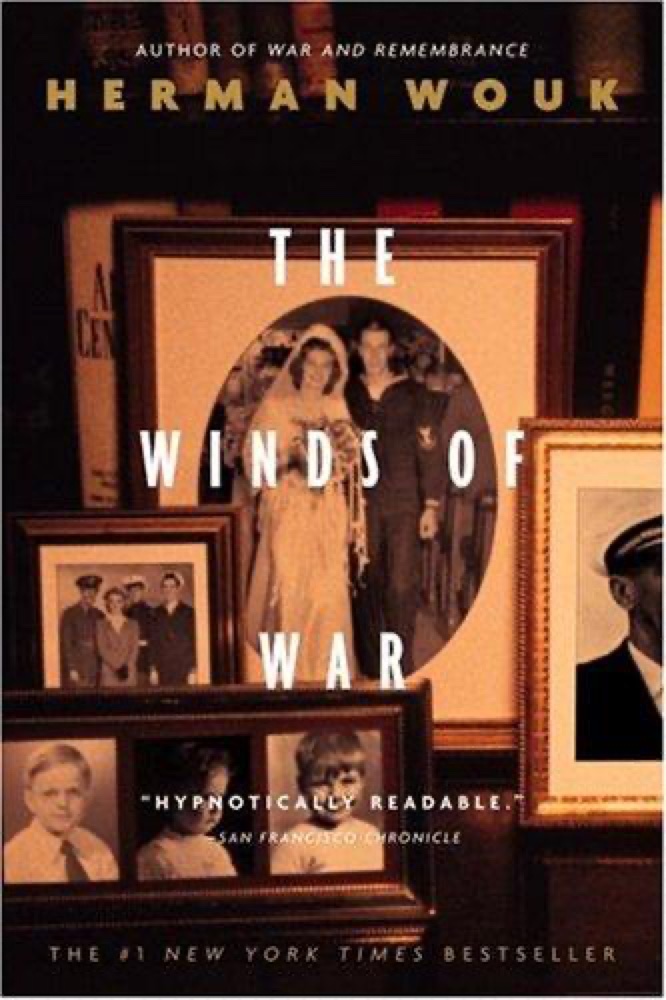 The Winds of War
 Darkness at Noon
 The Age of Revolution, 1789–1848
 Border: A Journey to the Edge of Europe
 First Person
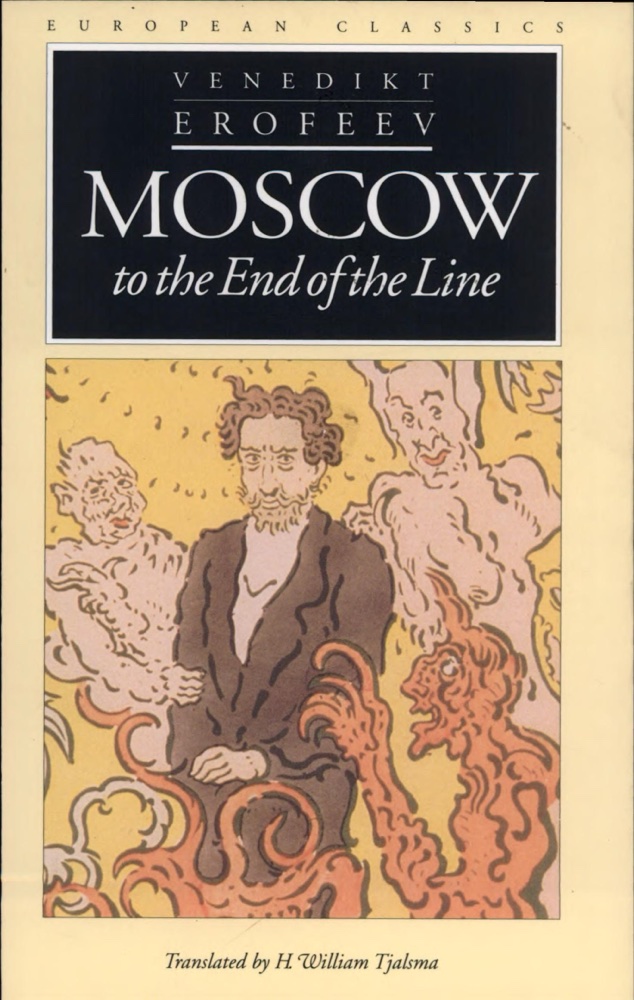 Moscow to the End of the Line
 Berlin Diary: The Journal of a Foreign Correspondent 1934-1941
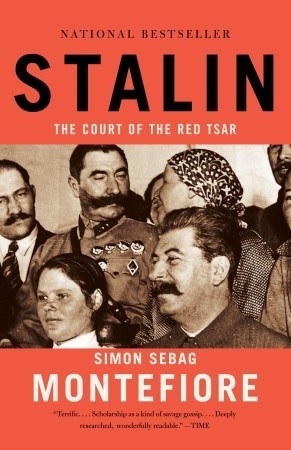 Stalin: The Court of the Red Tsar
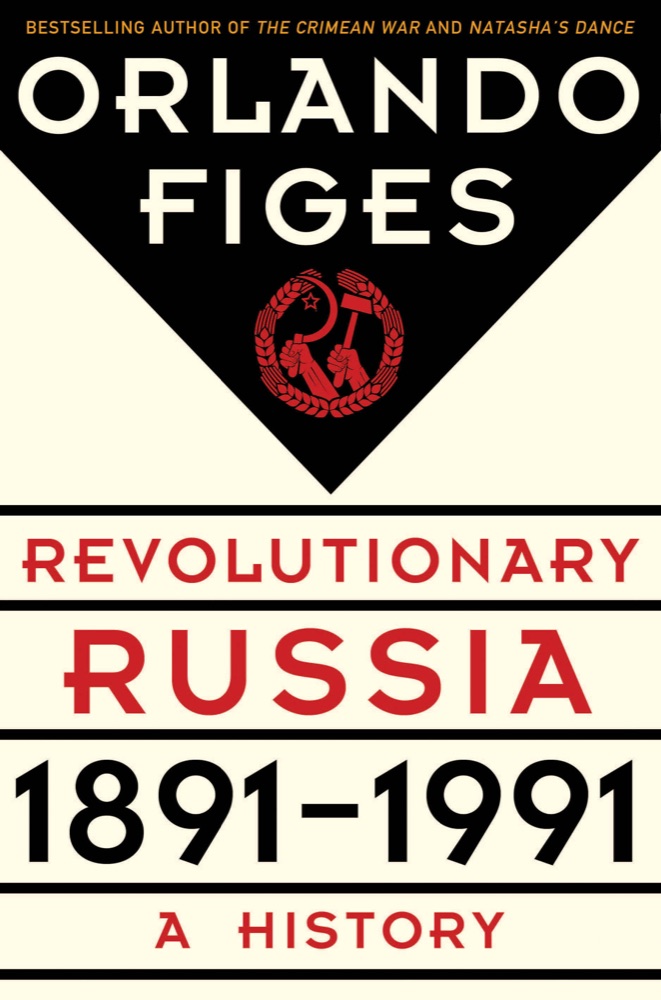 Revolutionary Russia, 1891 - 1991: A History
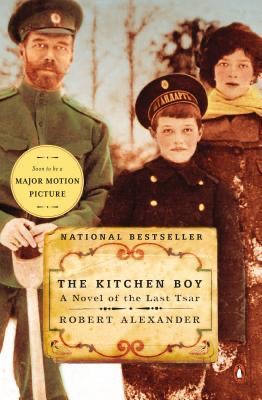 The Kitchen Boy: A Novel of the Last Tsar
 Bloodlands: Europe Between Hitler and Stalin
 The Communist Manifesto
 I Will Bear Witness 1933-41 A Diary of the Nazi Years
 War and Remembrance
 It Can't Happen Here
 Nicholas and Alexandra
 Night Soldiers
 Dead Fall
 The Black Jacobins: Toussaint L'Ouverture and the San Domingo Revolution
 Gorky Park
 Red Notice: A True Story of High Finance, Murder, and One Man's Fight for Justice
 The Rise and Fall of the Third Reich: A History of Nazi Germany
 Free: A Child and a Country at the End of History
 The Old Regime and the French Revolution
 Life and Death in Shanghai
 The Iron Heel
 The Emperor
 The Proud Tower: A Portrait of the World Before the War, 1890-1914
 The Eighteenth Brumaire of Louis Bonaparte
 The Wretched of the Earth
 Witness
 Our Country Friends
 What's Left?
 The Committed
 The Origins of Totalitarianism